
The infrastructure that connects our communities, businesses, and daily lives depends entirely on skilled road construction contractors who transform raw ground into durable, safe roadways. Whether you're planning a commercial development requiring access roads, a residential driveway, or a comprehensive highway surfacing project, understanding what these specialists offer and how to select the right partner is fundamental to achieving successful outcomes. In 2026, the civil engineering landscape continues to evolve with advancing materials, stringent quality standards, and increasingly sophisticated project management requirements that separate exceptional contractors from merely adequate ones.
What Road Construction Contractors Actually Do
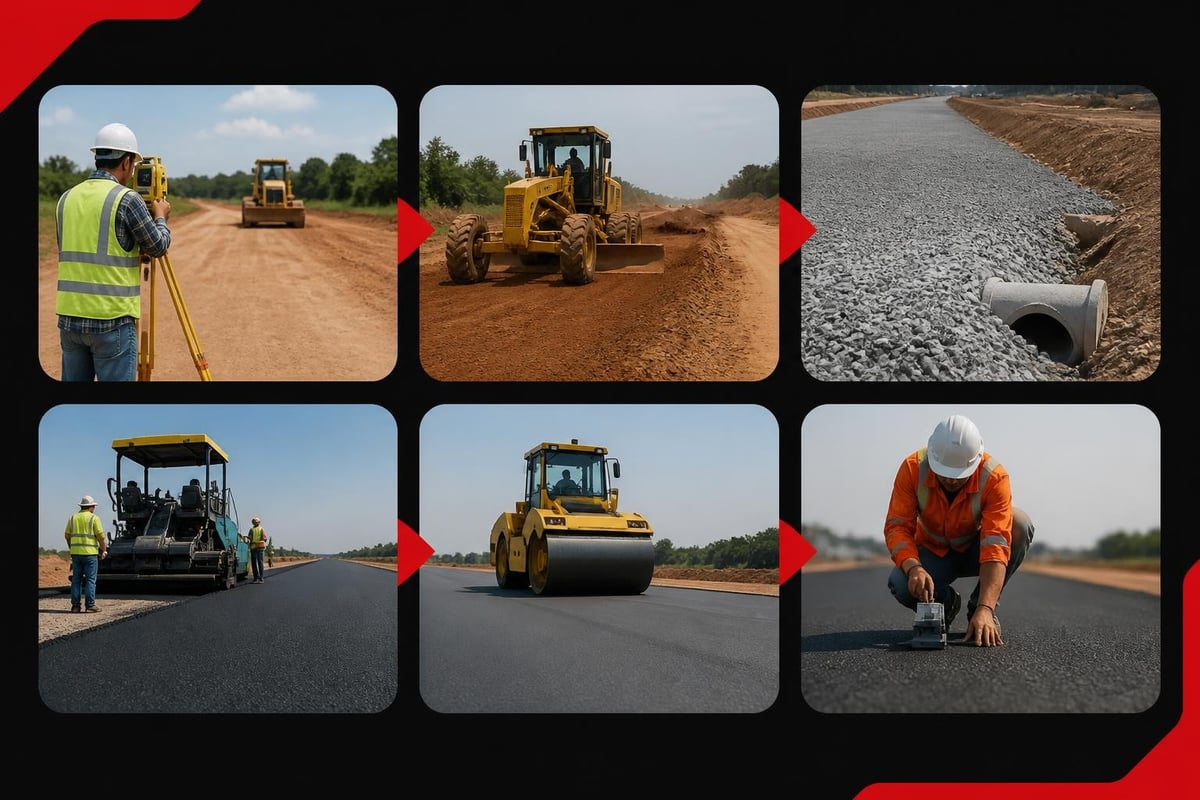
Road construction contractors manage the complete lifecycle of road building projects, from initial ground assessment through to final surface application and quality assurance testing. Their responsibilities extend far beyond simply laying asphalt or tarmac.
Comprehensive Project Scope
The work begins with detailed site surveys and soil analysis to determine ground conditions, drainage requirements, and necessary foundation work. Professional contractors conduct thorough assessments to identify potential challenges such as unstable subsoil, underground utilities, or water table issues that could compromise the road's longevity.
Key services typically include:
- Ground excavation and site preparation
- Sub-base installation and compaction
- Drainage system integration
- Surface course application (asphalt, tarmac, or concrete)
- Line marking and signage installation
- Traffic management during construction
Experienced road construction contractors coordinate multiple trades and specialisms throughout each project phase. They manage relationships with material suppliers, arrange plant hire, ensure compliance with local authority regulations, and maintain rigorous health and safety standards across the site.
Commercial Versus Residential Applications
The distinction between commercial and residential road construction significantly influences project complexity, regulatory requirements, and timeline expectations. Commercial projects, such as those involving drive-through facilities or retail park access roads, demand higher traffic load specifications and typically require formal adoption by highways authorities.
Residential applications might include private driveways, estate roads, or access lanes for agricultural properties. Whilst these projects often involve smaller scales, they still require the same fundamental engineering principles and material quality standards to ensure durability and safety.
Selecting the Right Road Construction Contractors
Choosing appropriate contractors requires careful evaluation across multiple criteria beyond simply comparing quotations. The most cost-effective option rarely delivers the best long-term value when quality, reliability, and project management capabilities are considered.
Essential Qualifications and Accreditations
Reputable road construction contractors maintain current industry certifications demonstrating their competence and commitment to professional standards. In 2026, key accreditations to verify include:
| Accreditation | Purpose | Relevance |
|---|---|---|
| ISO 9001 | Quality management systems | Ensures consistent project delivery standards |
| ISO 14001 | Environmental management | Demonstrates sustainable practice commitment |
| CHAS/Constructionline | Health and safety pre-qualification | Validates contractor safety protocols |
| Sector Scheme Certification | Product/system-specific approval | Confirms technical competency for specific materials |
Professional contractors should readily provide evidence of appropriate insurance coverage, including public liability (minimum £5-10 million) and employers' liability insurance. They should also demonstrate a clear understanding of CDM (Construction Design and Management) Regulations and their responsibilities within the framework.
Track Record and Portfolio Assessment
Examining previous projects offers invaluable insight into a contractor's capabilities and quality standards. Request detailed case studies or visit completed sites where possible to assess workmanship directly. The projects completed by established contractors often showcase the breadth of their experience across different scales and applications.
Questions to ask when reviewing portfolios:
- Have they completed similar projects in scale and complexity?
- Can they provide client references from recent work?
- What challenges did they overcome in comparable projects?
- How do they handle unexpected site conditions or complications?
- What guarantees or warranties do they offer on completed work?
Look for contractors who demonstrate versatility across both commercial and residential sectors, as this breadth indicates adaptable problem-solving capabilities and comprehensive technical knowledge.
Critical Project Phases and Timeline Considerations
Understanding the sequential stages of road construction helps clients set realistic expectations and maintain effective communication with their chosen contractors throughout the project duration.
Ground Preparation and Foundation Work
The foundation determines everything that follows in road construction. Professional road construction contractors invest substantial effort in proper groundworks because inadequate preparation inevitably leads to premature surface failure, costly repairs, and safety hazards.
Ground preparation typically involves:
- Topsoil stripping and vegetation removal
- Excavation to required formation level
- Installation of geotextile membranes where needed
- Sub-base material placement in controlled layers
- Systematic compaction testing at specified intervals
Each layer must achieve specified compaction levels before the next phase commences. Reputable contractors use calibrated equipment to verify compaction density, ensuring the foundation can support anticipated traffic loads without settlement or deformation.

Drainage Integration and Water Management
Effective drainage systems protect road structures from water damage, which remains the primary cause of premature road deterioration. Road construction contractors must design and install drainage solutions that channel surface water away from the carriageway whilst managing groundwater that could undermine the foundation.
Common drainage approaches include linear channels, gullies connected to soakaway systems, or connections to existing surface water sewers. More complex projects may require comprehensive drainage services including attenuation tanks, permeable paving systems, or sustainable drainage solutions that manage water flow rates to prevent downstream flooding.
Surface Application and Finishing
The visible road surface represents just the final layer of a sophisticated structural system. Professional contractors select appropriate surface materials based on expected traffic volumes, vehicle types, aesthetic requirements, and budget parameters.
| Surface Type | Best Applications | Typical Lifespan | Key Benefits |
|---|---|---|---|
| Hot Rolled Asphalt | High-traffic commercial roads | 15-20 years | Exceptional durability and water resistance |
| Asphalt Concrete | Standard roads and car parks | 10-15 years | Cost-effective, smooth finish |
| Surface Dressing | Low-traffic roads, maintenance | 7-10 years | Budget-friendly renewal option |
| Resin-bound Surfacing | Decorative driveways, pathways | 15-20 years | Permeable, aesthetic flexibility |
Temperature control during asphalt application critically affects the finished quality. Experienced road construction contractors monitor material temperatures throughout transportation and laying, ensuring optimal compaction and bonding between layers.
Quality Assurance and Long-Term Performance
Distinguishing superior road construction contractors from average ones often comes down to their commitment to quality verification and long-term performance guarantees rather than simply completing the visible work.
Testing and Verification Procedures
Professional contractors implement systematic testing throughout construction to verify compliance with specifications. Core samples may be extracted to confirm layer thicknesses and material composition. Compaction testing ensures adequate density at each level. Surface regularity measurements verify smoothness and correct crossfall gradients for water shedding.
Standard quality checks include:
- Density testing via nuclear gauge or core sampling
- Layer thickness verification
- Surface regularity surveys
- Skid resistance testing for safety compliance
- Joint and edge detail inspection
Contractors should provide comprehensive documentation of all testing results, creating a quality record that validates the construction meets required standards and supports any warranty claims.
Warranty Provisions and Aftercare
Reputable road construction contractors stand behind their work with clear warranty terms covering both materials and workmanship. Standard warranties typically span 12 months for minor defects, with longer guarantees (5-10 years) often available for structural performance when proper maintenance guidelines are followed.
Understand exactly what warranty coverage includes and excludes. Most warranties require clients to conduct reasonable maintenance such as keeping drainage clear and addressing surface damage promptly. Some contractors offer maintenance packages ensuring professional upkeep that preserves warranty validity and extends road lifespan.
Material Selection and Sustainability Considerations
The materials road construction contractors specify significantly impact project cost, performance characteristics, environmental footprint, and long-term maintenance requirements. In 2026, sustainability considerations increasingly influence material choices as both regulatory pressures and client preferences shift toward environmentally responsible solutions.
Sustainable Material Options
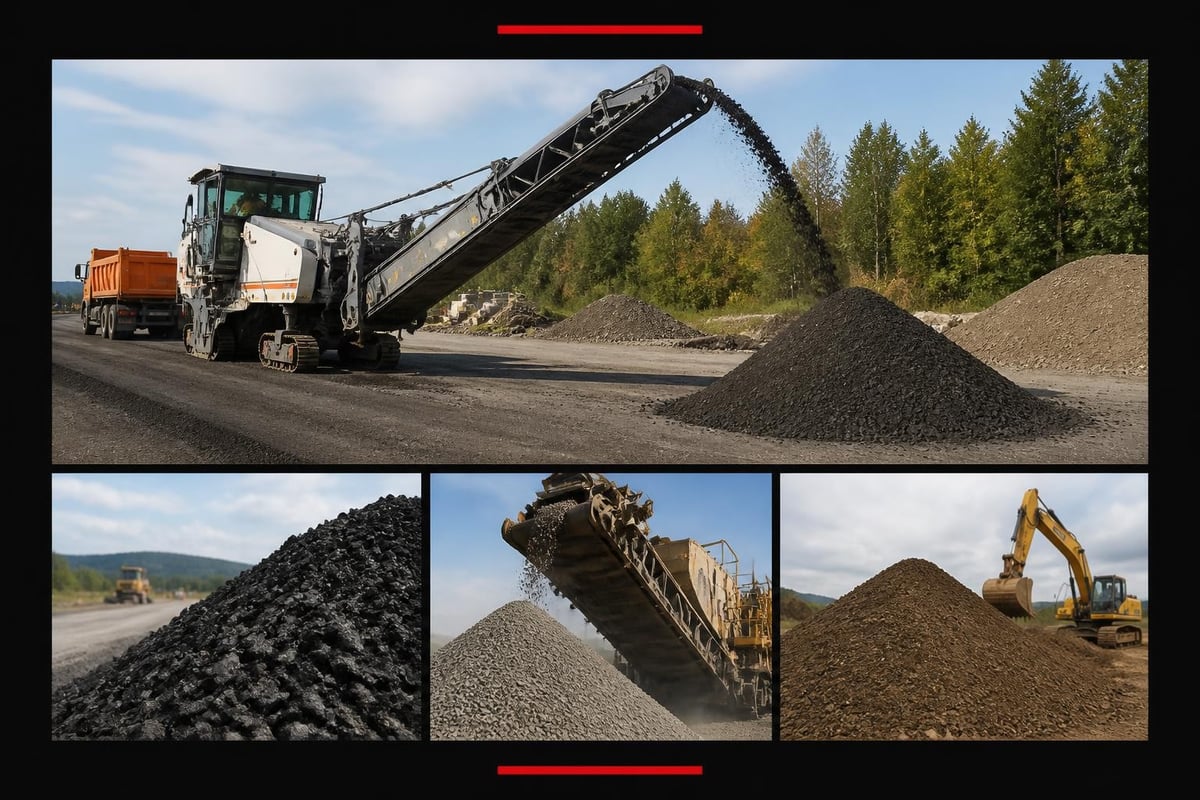
Modern road construction incorporates recycled materials without compromising performance standards. Reclaimed asphalt planings can form up to 50% of new asphalt mixes, reducing virgin material consumption and landfill waste. Recycled aggregates from demolition projects provide cost-effective and environmentally sound sub-base materials.
Contractors committed to sustainable practices actively seek opportunities to reuse existing materials from site excavations, minimising disposal costs and environmental impact. When foundations and piling work generates suitable material, it can often be processed and reincorporated into the project rather than transported off-site.
Performance Versus Cost Balance
Budget constraints naturally influence material selection, but experienced road construction contractors help clients understand the total lifecycle cost rather than simply initial expenditure. Premium materials commanding higher upfront costs frequently deliver superior longevity, reduced maintenance requirements, and better performance under challenging conditions.
A thin asphalt overlay might cost less initially than a properly reconstructed pavement, but if the underlying foundation remains inadequate, the surface will fail prematurely, ultimately costing substantially more than doing it properly from the start. Professional contractors provide honest assessments of existing conditions and recommend solutions that deliver genuine value rather than false economy.
Regulatory Compliance and Permitting
Road construction projects intersect with numerous regulatory frameworks governing environmental protection, highway safety, planning permissions, and construction standards. Competent road construction contractors navigate these requirements efficiently, ensuring projects proceed without costly delays or compliance failures.
Planning and Highway Authority Requirements
Projects affecting public highways or creating new vehicular access points require formal approvals from relevant highway authorities. Section 278 agreements govern works within public highway boundaries, whilst Section 38 agreements apply when new roads will be adopted as publicly maintainable highways.
Private roads serving commercial developments or residential estates may not require adoption, but they must still meet construction standards ensuring safety and durability. Planning conditions often specify surface materials, drainage provisions, and visibility splays that contractors must incorporate into their designs.
Environmental and Safety Regulations
Construction activities must comply with environmental regulations protecting watercourses, controlling dust and noise emissions, and managing waste disposal. Road construction contractors operating responsibly implement environmental management plans addressing these concerns proactively rather than reactively.
Health and safety regulations under CDM 2015 establish clear responsibilities for clients, designers, principal designers, principal contractors, and individual contractors. Professional contractors maintain comprehensive risk assessments, method statements, and safety management systems protecting workers, the public, and property throughout construction activities.
Cost Factors and Budget Planning
Understanding what drives road construction costs enables more accurate budget planning and helps identify where value engineering might reduce expenses without compromising essential quality or performance characteristics.
Primary Cost Components
Road construction costs divide into several major categories, each contributing different proportions depending on project specifics:
- Ground preparation and excavation (20-30% of total cost)
- Sub-base and foundation materials (15-25%)
- Surface course materials and application (25-35%)
- Drainage installation (10-20%)
- Ancillary works including kerbing, signage, line marking (5-15%)
Labour costs, plant hire, site establishment, and project management typically represent 40-50% of total expenditure, with materials comprising the remainder. Remote locations or sites with difficult access may incur premium costs for material delivery and equipment mobilisation.
Hidden Costs and Contingency Planning
Unexpected ground conditions represent the most common source of cost overruns in road construction. Contaminated soil requiring specialist disposal, higher water tables necessitating enhanced drainage, or weaker ground demanding deeper excavation and additional sub-base material can significantly impact budgets.
Wise budget planning includes contingencies for:
- Unforeseen ground conditions (typically 10-15% contingency)
- Adverse weather delays affecting programme duration
- Utility diversions or protection measures
- Enhanced traffic management requirements
- Material price fluctuations during extended projects
Transparent road construction contractors discuss potential risks during initial consultations and build realistic contingencies into quotations rather than presenting artificially low figures that inevitably increase once work commences.
Project Management and Communication
The difference between smoothly executed projects and problematic ones often relates more to management capabilities than technical skills. Superior road construction contractors excel at communication, coordination, and proactive problem-solving throughout the project lifecycle.
Stakeholder Coordination
Complex projects involve multiple stakeholders including clients, designers, planning authorities, utility companies, neighbouring properties, and the travelling public. Effective contractors establish clear communication protocols ensuring all parties receive timely, relevant information about project progress, challenges, and schedule changes.
Regular site meetings with documented minutes create accountability and provide forums for addressing concerns before they escalate into significant problems. Clients should expect weekly or fortnightly updates depending on project duration, with immediate notification of any issues affecting cost, quality, or programme.
Programme Management and Milestone Tracking
Professional contractors develop detailed construction programmes identifying critical path activities, resource requirements, and key milestones. These programmes provide realistic completion timelines accounting for material curing times, weather vulnerabilities, and sequential dependencies between work packages.
Tracking actual progress against planned programmes enables early identification of delays, allowing contractors to implement recovery measures before schedule slippage becomes critical. For commercial clients operating to strict opening deadlines, programme certainty often holds equal importance to cost considerations when selecting road construction contractors.
Maintenance Planning for Longevity
Even the highest quality road construction eventually requires maintenance to preserve performance and extend serviceable life. Forward-thinking clients work with their contractors to establish maintenance strategies from project inception rather than addressing deterioration reactively after problems develop.
Preventative Maintenance Approaches
Regular inspection identifying minor defects allows cost-effective interventions preventing expensive major repairs. Surface cracks should be sealed promptly to prevent water infiltration undermining the foundation. Drainage systems require periodic cleaning to maintain flow capacity. Edge details and joints need monitoring for deterioration that could allow carriageway unravelling.
Recommended maintenance schedule:
- Monthly: Visual inspection for surface defects, drainage blockages
- Annually: Detailed condition survey with photographic records
- Every 3-5 years: Professional assessment with remedial recommendations
- Every 7-10 years: Surface renewal treatments extending lifespan
Many road construction contractors offer maintenance agreements providing scheduled inspections and priority response for repairs, often at preferential rates reflecting their familiarity with the original construction and vested interest in demonstrating longevity.
Early Intervention Economics
Addressing deterioration early delivers substantially better value than deferring maintenance until major reconstruction becomes necessary. A crack seal treatment costing hundreds of pounds prevents water damage requiring resurfacing costing thousands. Edge repairs maintaining structural integrity avoid carriageway failure necessitating complete reconstruction.
The relationship between maintenance timing and cost follows an exponential curve. During the first 75% of a road's design life, maintenance needs remain relatively modest. Delaying intervention past this point sees costs escalate rapidly as structural deterioration accelerates. Engaging with your civil engineering specialists about planned maintenance strategies protects your infrastructure investment effectively.
Selecting capable road construction contractors fundamentally determines whether your project delivers lasting value or becomes a source of ongoing problems and expense. By focusing on proven track record, appropriate qualifications, transparent communication, and commitment to quality throughout every project phase, you position your investment for decades of reliable performance. Whether you're planning commercial access roads, residential driveways, or comprehensive highway works, JRG Civils brings the technical expertise, project management capabilities, and quality commitment that transform infrastructure visions into durable reality across the North East and throughout the UK.