Modern development relies on sophisticated systems to manage water flow, prevent flooding, and protect property. Whether constructing a commercial car park, installing a new driveway, or developing a major highway project, understanding the principles and components of effective water management systems is fundamental to project success. These systems represent a critical yet often overlooked aspect of civil engineering that directly impacts the longevity and functionality of built environments across residential, commercial, and public infrastructure projects.
Understanding the Fundamentals of Water Management Systems
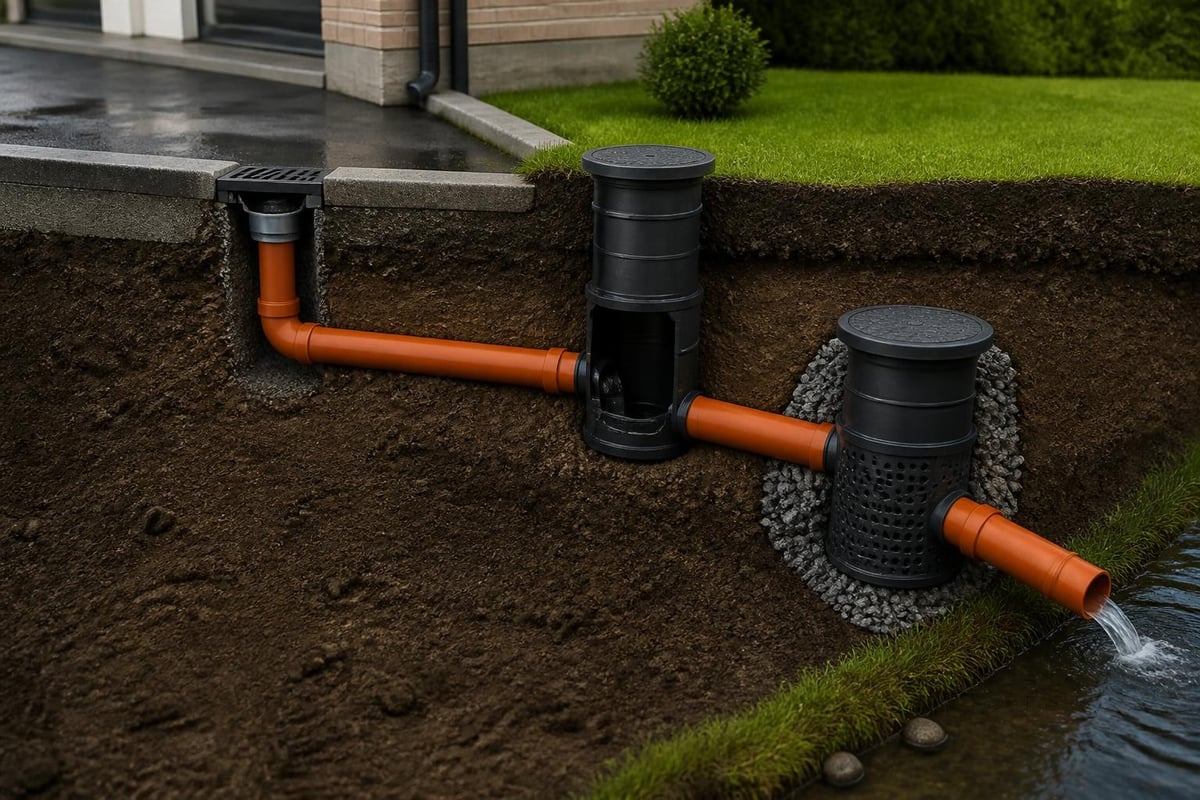
Drainage infrastructure encompasses the comprehensive network of physical installations designed to collect, convey, and dispose of surface water and groundwater away from developed areas. This network includes everything from small-scale domestic installations to extensive municipal systems serving entire communities.
The primary function involves preventing water accumulation that could damage structures, roads, or landscaping. Beyond basic water removal, modern systems must address environmental concerns, regulatory compliance, and long-term sustainability. The Federal Highway Administration provides comprehensive resources on design principles and analysis methods that inform contemporary approaches to drainage infrastructure development.
Components of Comprehensive Systems
Effective drainage infrastructure comprises multiple interconnected elements working in concert:
- Surface channels and gullies that capture water from paved areas
- Underground pipework transporting collected water to discharge points
- Inspection chambers and manholes enabling maintenance access
- Soakaways and attenuation tanks managing flow rates
- Filter systems removing pollutants before discharge
- Outfall structures releasing water into watercourses or sewers
The selection and configuration of these components depends on site-specific factors including topography, soil permeability, anticipated water volumes, and regulatory requirements. Commercial projects like drive-through restaurants require different solutions compared to residential driveways, yet both demand equal attention to design principles.
Design Considerations for Commercial and Residential Projects
The design phase determines the effectiveness and longevity of any water management installation. Engineers must consider numerous variables when developing specifications for commercial developments, residential properties, or highway projects.
Hydraulic capacity represents the foremost design consideration. Systems must handle peak flows during extreme weather events whilst maintaining efficiency during normal conditions. Recent climate patterns demand forward-thinking approaches, with climate-informed design frameworks incorporating projected rainfall intensity increases into planning processes.
| Design Factor | Commercial Applications | Residential Applications |
|---|---|---|
| Flow Volume | High – large impermeable surfaces | Moderate – driveways and patios |
| System Complexity | Multi-stage treatment required | Typically simpler configurations |
| Regulatory Scrutiny | Extensive permitting processes | Standard building regulations |
| Maintenance Access | Professional service contracts | Homeowner responsibility |
Material Selection and Longevity
Material choices significantly impact system performance and lifespan. Modern drainage infrastructure utilises various materials, each offering distinct advantages:
Traditional clay pipes provide excellent durability and resistance to chemical degradation. Plastic alternatives offer lighter weight and easier installation, particularly beneficial for projects requiring extensive pipework. Concrete systems suit heavy-duty applications where structural strength is paramount.
For commercial projects such as the Costa Coffee and Greggs developments, material selection must account for heavy vehicle loads, frequent use, and potential contamination from oils and chemicals. Residential installations prioritise cost-effectiveness whilst maintaining adequate performance standards.
The integration with foundations and piling work requires careful coordination to ensure drainage systems complement rather than compromise structural integrity.
Highway and Road Drainage Systems
Road networks demand specialised drainage infrastructure to maintain safety and prevent surface water accumulation that could cause accidents or accelerate deterioration. Highway drainage represents one of the most challenging applications due to high flow volumes, contamination concerns, and space constraints.
Effective road drainage systems incorporate multiple collection points along carriageways, channelling water away from driving surfaces through carefully graded channels and underground networks. The Seattle Public Utilities drainage system overview demonstrates how municipal authorities integrate road drainage with broader stormwater management strategies.
Sustainable Drainage Solutions
Contemporary approaches increasingly emphasise sustainable drainage systems (SuDS) that mimic natural water cycles rather than simply channelling water away as quickly as possible. These methods offer environmental benefits whilst meeting regulatory requirements.
Key SuDS techniques include:
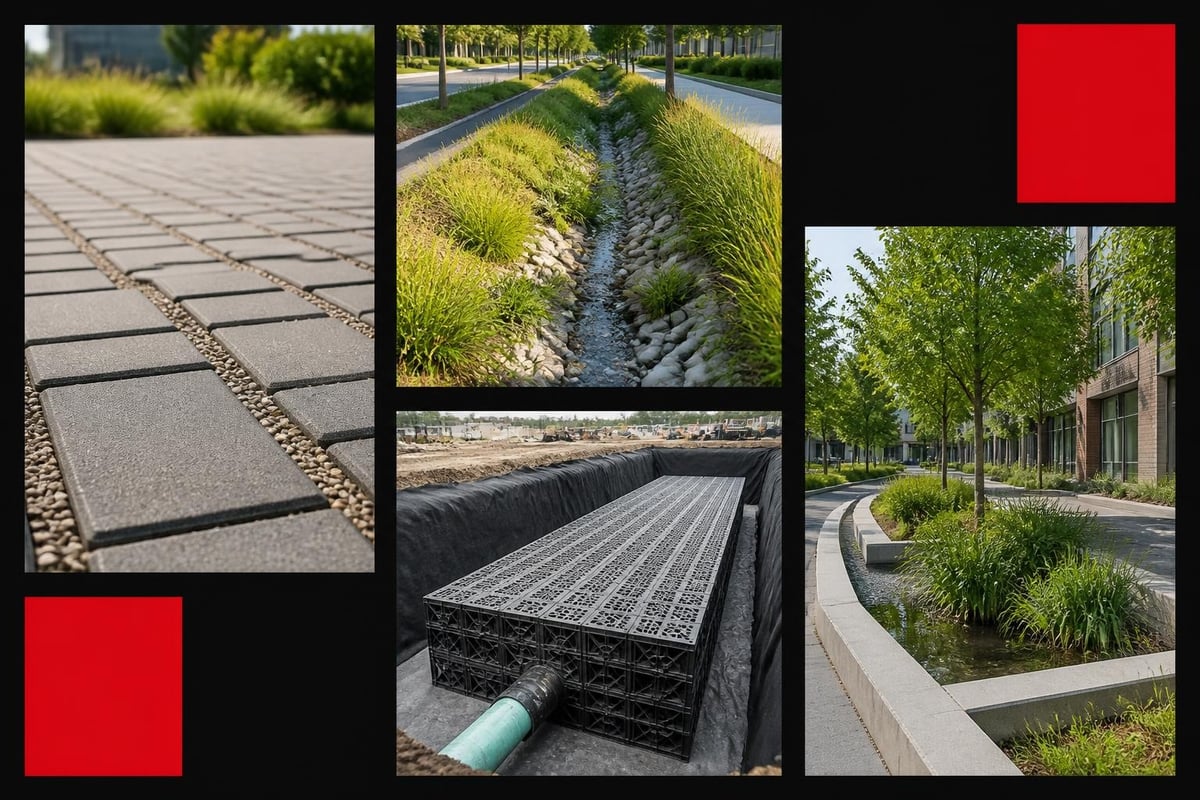
- Permeable paving allowing water infiltration through surface materials
- Swales and bio-retention areas filtering and slowing water flow
- Attenuation ponds temporarily storing water to prevent downstream flooding
- Green roofs reducing runoff from buildings
- Rain gardens treating and infiltrating surface water
These approaches align with UK government guidelines for drainage and wastewater management planning, which emphasise sustainable solutions and long-term planning.
Installation Best Practices and Quality Assurance
Proper installation determines whether drainage infrastructure performs as designed or fails prematurely. Quality workmanship during construction proves as important as sound engineering design.
Ground preparation forms the foundation of successful installation. Excavations must achieve correct depths and gradients, with adequately compacted bedding material supporting pipework. Incorrect gradients result in standing water or inadequate flow velocity, whilst poor compaction leads to settlement and pipe misalignment.
Critical Installation Steps
The installation process follows a logical sequence ensuring each element integrates properly:
Pre-installation: Site survey confirms design assumptions about ground conditions, existing services, and access points. Trial holes verify soil composition and groundwater levels.
Excavation and bedding: Trenches excavated to specified depths with stable sides. Granular bedding material placed and compacted to provide uniform pipe support.
Pipe laying: Sections joined according to manufacturer specifications, maintaining designed gradients. Regular checks confirm alignment and levels throughout installation.
Backfilling and reinstatement: Careful backfilling in layers with proper compaction prevents future settlement. Surface reinstatement matches existing finishes.
| Installation Phase | Common Issues | Prevention Measures |
|---|---|---|
| Excavation | Unstable trench sides | Proper shoring and safe working angles |
| Pipe laying | Incorrect gradients | Laser levels and frequent checking |
| Jointing | Leaks at connections | Quality materials and skilled installation |
| Backfilling | Settlement and subsidence | Systematic compaction in layers |
Professional installation by experienced contractors ensures adherence to these standards. Reputable firms maintain quality throughout projects, from initial groundwork through final surface restoration.
Maintenance and Long-term Performance
Even well-designed and properly installed drainage infrastructure requires ongoing maintenance to sustain performance levels. Neglected systems deteriorate, leading to blockages, flooding, and expensive emergency repairs.
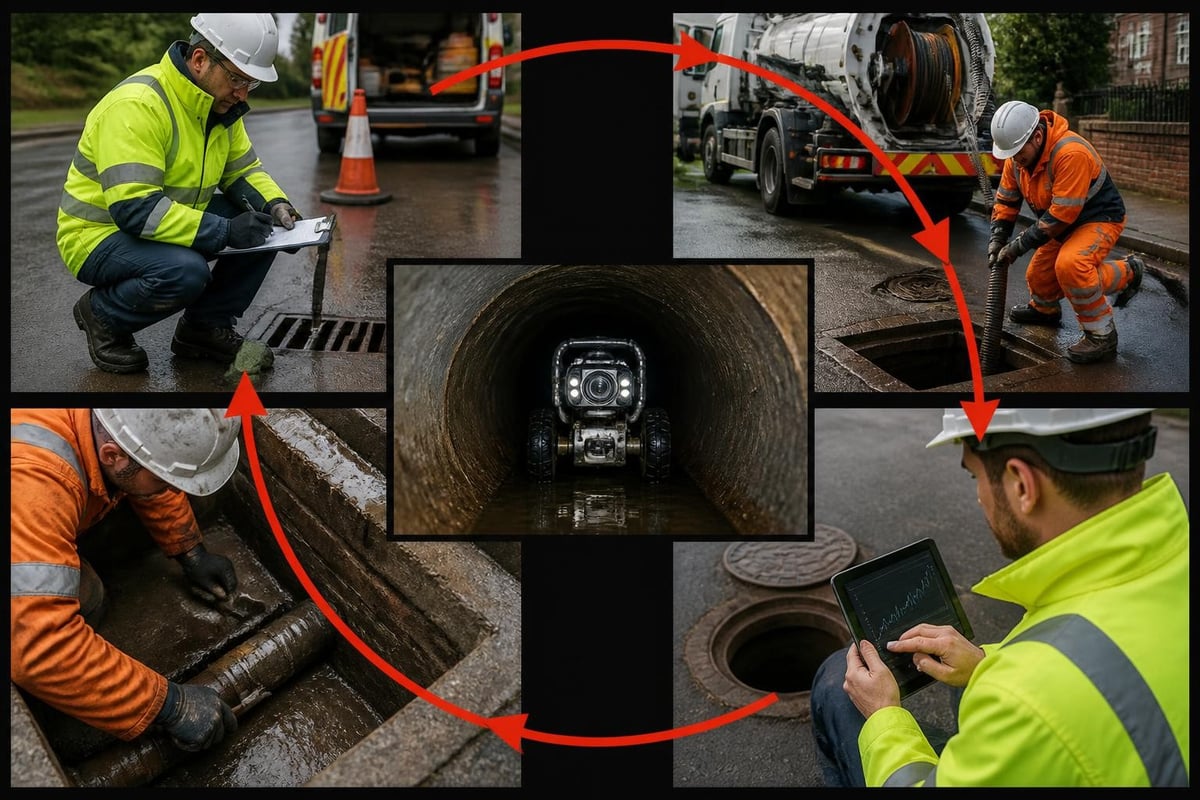
Regular inspection programmes identify potential issues before they escalate. Visual inspections of surface features reveal damage or blockages, whilst CCTV surveys examine underground pipework for defects, root ingress, or structural problems.
Preventative maintenance activities include:
- Clearing gullies and chambers of debris and sediment
- Removing vegetation growth from channels and pipework
- Flushing systems to maintain flow capacity
- Repairing damaged components promptly
- Updating systems to meet changing requirements
Commercial properties benefit from scheduled maintenance contracts ensuring professionals regularly service drainage infrastructure. The American Society of Civil Engineers emphasises that systematic investment in infrastructure maintenance prevents costly failures and extends service life.
For residential properties, homeowners should arrange periodic inspections and address minor issues promptly. Simple actions like keeping gullies clear of leaves significantly reduce blockage risks.
Regulatory Compliance and Environmental Protection
Modern drainage infrastructure projects must navigate complex regulatory frameworks designed to protect water quality, prevent flooding, and ensure public safety. Understanding these requirements proves essential for project approval and successful completion.
Planning applications for commercial developments typically require detailed drainage strategies demonstrating compliance with local authority standards. These strategies must show how surface water will be managed, peak flows attenuated, and water quality protected before discharge.
Stormwater Management Regulations
Stormwater drainage wells and underground injection systems fall under specific regulations protecting groundwater quality. Projects discharging to watercourses require environmental permits ensuring no adverse impacts on aquatic ecosystems.
The regulatory landscape continues evolving, with increasing emphasis on sustainable solutions and climate resilience. Guidelines for modifying existing roadway drainage infrastructure acknowledge these challenges, particularly in urban environments where space limitations constrain options.
Building regulations specify minimum standards for domestic drainage, covering pipe sizes, gradients, ventilation, and connection methods. Non-compliance risks project delays, enforcement action, and potential legal liability if failures cause damage.
Integration with Broader Civil Engineering Projects
Drainage infrastructure rarely exists in isolation. Successful projects integrate water management with other civil engineering elements, creating cohesive developments that function effectively as complete systems.
Road construction projects exemplify this integration. Highway surfacing, kerbing, drainage, and utilities must coordinate seamlessly. Poor coordination results in conflicts requiring expensive remedial work or compromised performance.
For commercial developments like drive-through restaurants, drainage infrastructure must accommodate:
- Vehicle manoeuvring areas with oil interceptors
- Building roof drainage
- Landscaped areas requiring irrigation drainage
- Service yards and delivery zones
- Customer car parking facilities
Residential projects such as driveways and patios similarly require integrated approaches. Surface water from new paved areas needs collection and disposal without impacting neighbouring properties or overloading existing systems. This integration demands expertise across multiple disciplines and careful project management ensuring all elements align.
Viewing examples of completed projects through a gallery of civil engineering work demonstrates how professional contractors achieve this integration whilst maintaining aesthetic appeal alongside functional performance.
Future Developments and Innovation
The drainage infrastructure sector continues advancing through technological innovation, environmental awareness, and climate adaptation requirements. These developments shape how future projects approach water management challenges.
Smart drainage systems incorporating sensors and monitoring equipment provide real-time performance data, enabling predictive maintenance and rapid response to emerging issues. This technology particularly benefits large commercial developments and highway networks where failure impacts many users.
Climate change adaptation increasingly influences design standards. More intense rainfall events require greater capacity and resilience. Attenuation systems slow peak flows, preventing downstream flooding whilst allowing gradual release during dry periods.
Emerging trends include:
- Modular systems enabling easier installation and future modification
- Advanced filtration removing micropollutants before discharge
- Hybrid systems combining traditional and sustainable approaches
- Digital modelling improving design accuracy
- Recycled and sustainable materials reducing environmental impact
These innovations complement established principles rather than replacing them. Fundamental requirements for adequate capacity, proper gradients, and quality construction remain unchanged even as specific technologies evolve.
Professional Expertise and Project Success
The complexity of modern drainage infrastructure demands professional expertise throughout design, installation, and maintenance phases. Successful outcomes depend on contractors combining technical knowledge with practical experience across diverse project types.
Established civil engineering firms bring this expertise to both large commercial works and smaller residential projects. Their experience spans regulatory compliance, material selection, installation techniques, and problem-solving when unexpected challenges arise during construction.
For clients, selecting qualified contractors ensures projects meet specifications, achieve compliance, and deliver long-term performance. This choice proves particularly critical for drainage infrastructure where defects may not become apparent until significant damage has occurred.
Professional contractors maintain quality standards throughout projects, from initial site surveys through final testing and commissioning. They coordinate with other trades, manage regulatory approvals, and provide warranties backing their workmanship. This comprehensive approach delivers value beyond simple installation, providing confidence that systems will perform reliably for decades.
Effective drainage infrastructure forms the foundation of successful development projects, protecting investments whilst ensuring environmental compliance and long-term functionality. Whether planning commercial developments, highway improvements, or residential enhancements, professional design and installation prove essential to achieving optimal outcomes. Based in the North East and operating across the UK, JRG Civils delivers comprehensive civil engineering solutions combining technical expertise with proven experience across diverse project types, ensuring your drainage infrastructure performs reliably from day one through decades of service.