Construction projects demand solid foundations that can withstand immense loads and environmental pressures for decades. Whether you're developing a commercial site, building residential properties, or undertaking infrastructure work, understanding piling solutions becomes essential for project success. The right foundation approach determines structural integrity, longevity, and overall safety. From small-scale residential developments to major commercial undertakings, proper ground preparation through effective piling methods ensures structures remain stable and secure throughout their operational lifetime.
Understanding the Fundamentals of Piling Solutions
Piling solutions represent specialised foundation techniques designed to transfer structural loads through weak surface soils to stronger, more stable ground at depth. These engineered systems prove indispensable when surface-level foundations cannot provide adequate support due to soil conditions, high loads, or environmental factors.
The science behind piling involves creating deep foundation elements that reach load-bearing strata far below the surface. Unlike traditional foundations that spread loads horizontally, piling systems channel forces vertically through unstable layers to competent ground. This approach proves particularly valuable in areas with soft clay, loose fill, or high water tables where conventional foundations would fail.
Types of Piling Methods
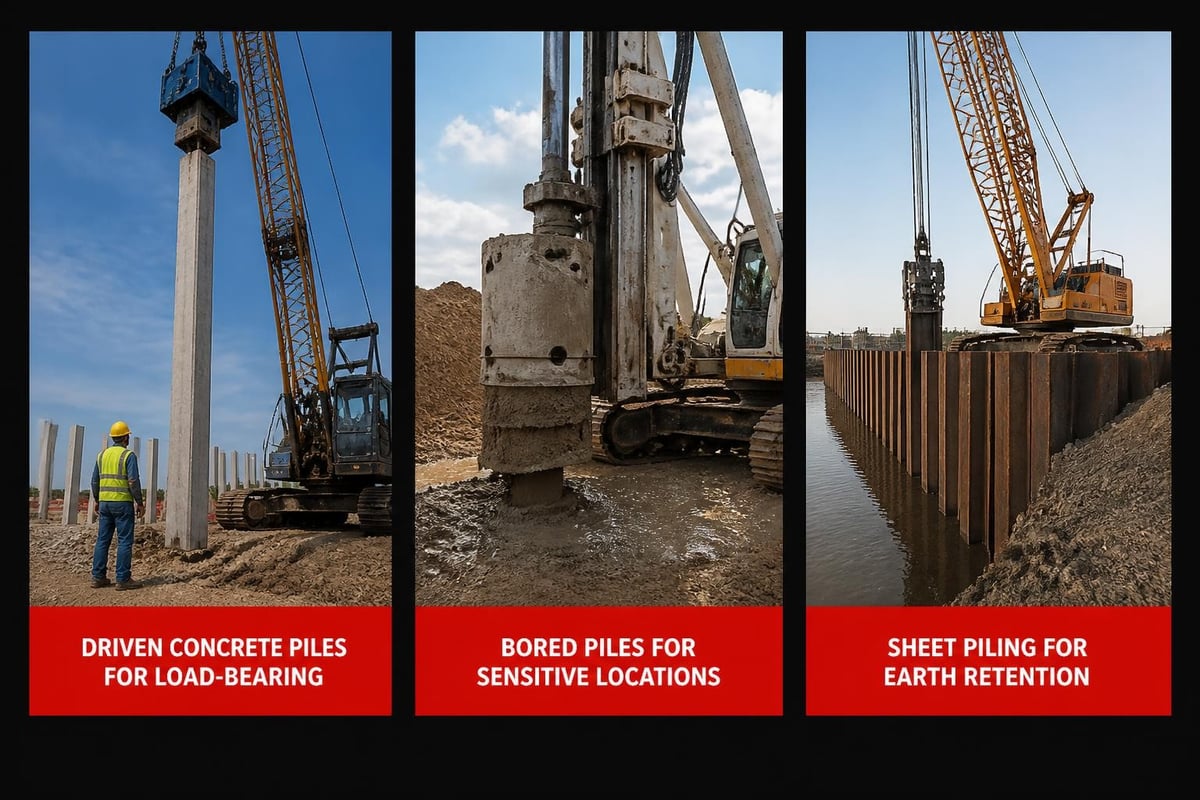
Modern construction employs various piling techniques, each suited to specific ground conditions and project requirements. Driven piles involve forcing precast concrete, steel, or timber elements into the ground using hydraulic hammers or vibrators. This method offers speed and reliability for projects requiring rapid foundation installation.
Bored piles require drilling cylindrical holes into the ground before filling them with reinforced concrete. This quieter alternative suits urban environments where vibration and noise restrictions apply. The Federation of Piling Specialists provides detailed specifications covering various installation methods and quality standards.
Sheet piling creates retaining walls and cofferdams using interlocking steel sections. This technique proves essential for waterfront developments, basements, and excavation support. The ArcelorMittal Piling Handbook offers comprehensive guidance on steel sheet piling design and installation.
Selection Criteria for Effective Solutions
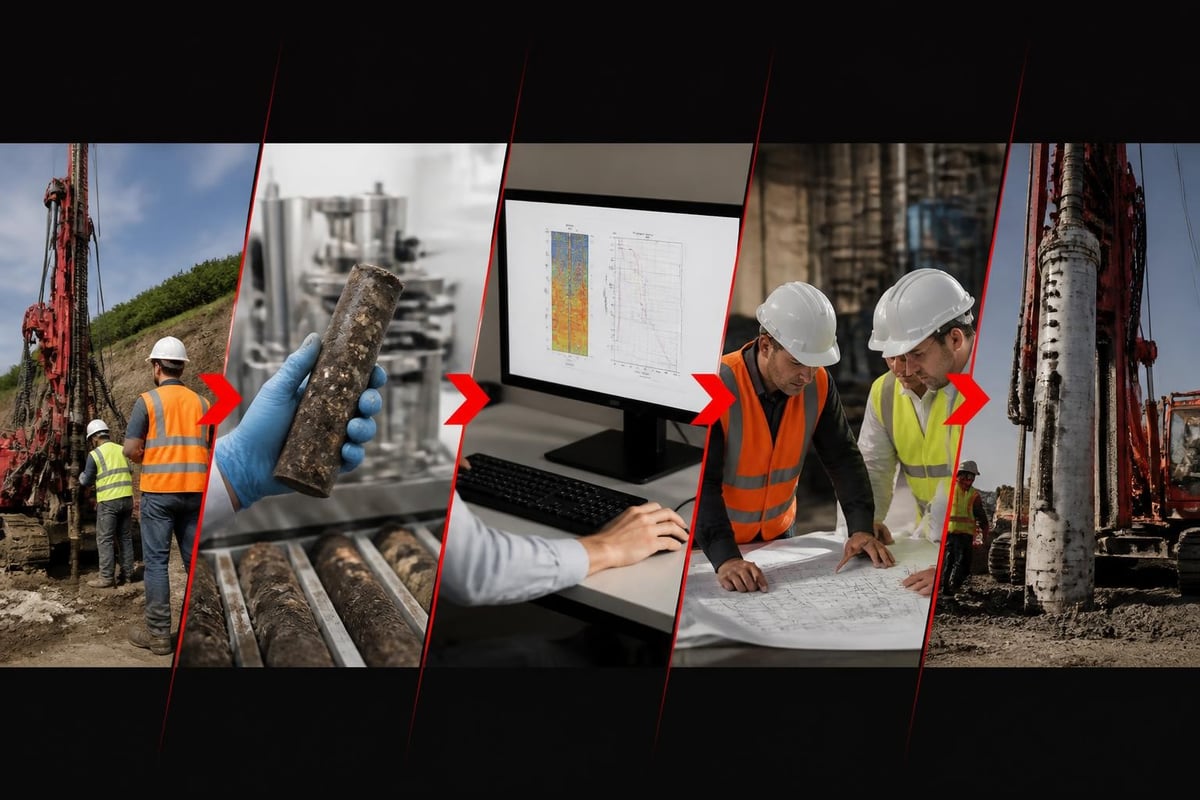
Choosing appropriate piling solutions requires careful assessment of multiple factors. Ground investigation reports provide crucial data about soil composition, bearing capacity, and groundwater levels. These findings inform decisions about pile type, diameter, depth, and installation method.
Project-specific requirements also influence selection:
- Load requirements determine pile capacity and spacing
- Site access constraints affect equipment choices
- Environmental considerations limit noise, vibration, and pollution
- Budget limitations balance performance against cost
- Timeline pressures favour faster installation methods
Applications Across Commercial and Residential Projects
Commercial developments frequently require robust piling solutions to support substantial structures. Drive-through restaurants, retail premises, and industrial facilities all demand foundations capable of bearing heavy loads whilst accommodating services and future modifications. Projects completed by specialists like those outlined in civil engineering jobs demonstrate the range of applications across different sectors.
Commercial Development Requirements
Large commercial projects present unique challenges that piling solutions address effectively. Multi-storey buildings, expansive warehouses, and heavy industrial installations generate considerable loads requiring deep foundation support. The combination of structural weight, dynamic loads from machinery, and long-term settlement considerations necessitates careful pile design.
Franchise developments such as coffee shops and fast-food outlets often occupy sites with varying ground conditions. Piling ensures consistent foundation performance regardless of subsurface variability. This reliability proves crucial for maintaining brand standards and ensuring operational continuity.
| Project Type | Typical Pile Method | Key Considerations |
|---|---|---|
| Drive-throughs | Driven or Bored | Traffic loads, service integration |
| Retail Units | Bored Piles | Minimal disruption, precise positioning |
| Industrial Units | Driven Piles | High load capacity, cost efficiency |
| Multi-storey | Bored Piles | Deep foundations, controlled installation |
Residential and Infrastructure Applications
Residential developments increasingly employ piling solutions where ground conditions prove challenging. Housing estates built on former industrial sites, reclaimed land, or areas with high water tables benefit from piled foundations. These installations provide homeowners with confidence in long-term structural stability.
Infrastructure projects including roads, bridges, and utilities rely heavily on piling. Highway construction often requires ground stabilisation before surfacing works commence. Road design projects must account for subgrade conditions that may necessitate piled foundations for critical structures.
The California Department of Transportation’s construction manual provides extensive guidance on piling for transportation infrastructure, demonstrating the method's importance in public works.
Technical Design and Implementation Standards
Designing effective piling solutions demands rigorous engineering analysis combining geotechnical data with structural requirements. Engineers calculate pile capacity using bearing capacity theories, considering both shaft friction and end-bearing resistance. Load testing validates design assumptions before full installation proceeds.
Design Methodology and Calculations
The design process begins with site investigation to establish ground conditions. Borehole logs reveal soil stratification, strength parameters, and groundwater levels. Laboratory testing determines soil properties essential for capacity calculations.
Engineers then apply established design methods:
- Ultimate capacity determination using bearing capacity equations
- Working load calculation applying appropriate safety factors
- Settlement analysis to ensure acceptable movement
- Pile group effects accounting for interaction between adjacent piles
- Structural design of the pile element itself
Modern software assists with complex calculations, but fundamental engineering principles remain paramount. Design verification through pile load testing provides confidence before main works commence.
Installation Quality Control
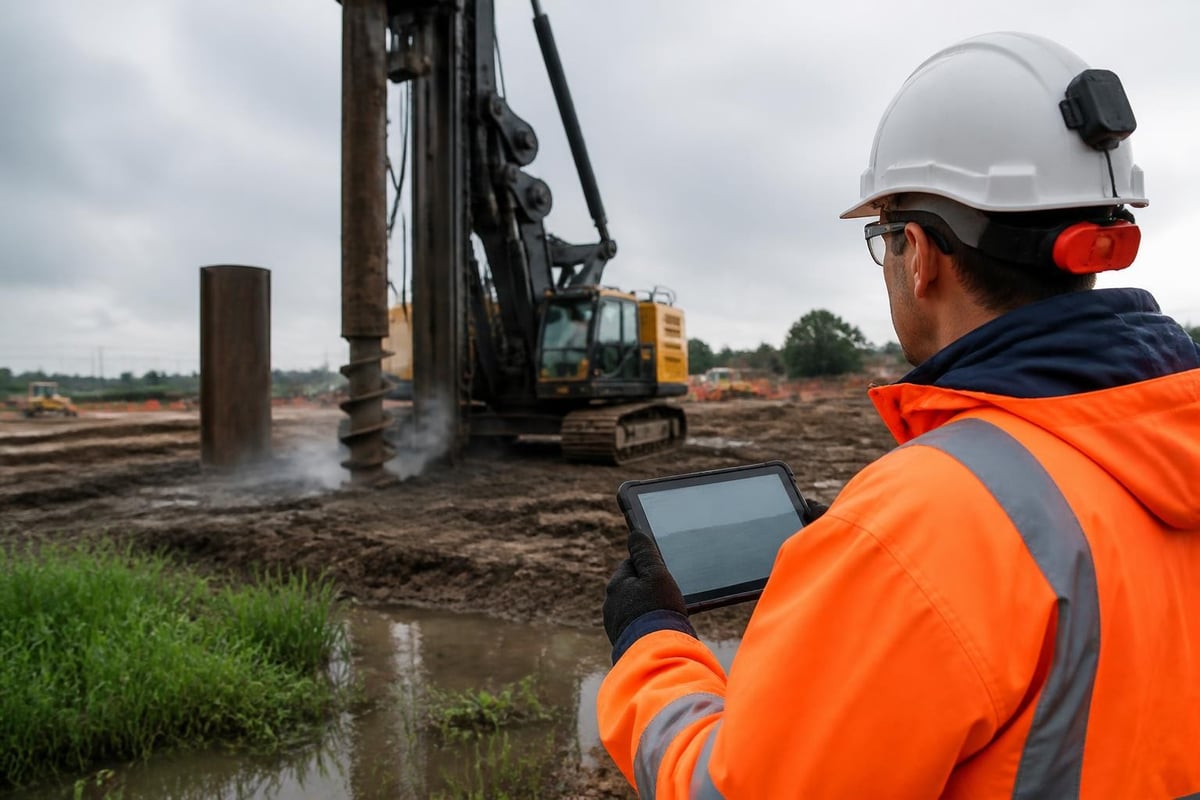
Successful piling solutions require meticulous quality control throughout installation. Monitoring systems track driving resistance, penetration rates, and concrete quality. These parameters ensure each pile achieves design specifications and performs as intended.
Pre-installation checks verify equipment calibration, material certifications, and site preparation. Pile positioning must meet tolerance requirements specified in design drawings. Deviations require immediate assessment and potential corrective action.
During installation, continuous monitoring records critical parameters. For driven piles, blow counts indicate when piles reach set criteria. Bored pile construction demands careful monitoring of drilling progress, spoil removal, and concrete placement. The Pile Buck education resources offer valuable insights into installation best practices.
Post-installation testing validates performance through load tests and integrity testing. Non-destructive testing methods identify defects without compromising pile capacity. These quality assurance measures protect project stakeholders and ensure regulatory compliance.
Economic Considerations and Value Engineering
Piling solutions represent significant project expenditure, making cost-effective design essential. Value engineering identifies opportunities to optimise performance whilst controlling expenses. This approach balances technical requirements against budget constraints without compromising safety or longevity.
Cost Components and Variables
Understanding cost drivers enables informed decision-making during project planning. Major expenses include:
- Mobilisation costs for specialist equipment and personnel
- Material expenses for concrete, steel, or timber elements
- Installation time affecting labour and plant hire charges
- Testing requirements for quality assurance and verification
- Site-specific challenges such as access constraints or contamination
Pile quantity directly influences total cost, making efficient design crucial. Optimising pile spacing, diameter, and length through refined calculations minimises unnecessary expense. Early contractor involvement often identifies practical solutions that reduce costs without affecting performance.
| Cost Factor | Impact Level | Optimisation Strategy |
|---|---|---|
| Pile Length | High | Accurate ground investigation |
| Installation Method | High | Method selection matching conditions |
| Testing Programme | Medium | Risk-based testing strategy |
| Site Access | Medium | Early logistical planning |
| Material Specification | Medium | Performance-based specification |
Long-Term Value Assessment
Evaluating piling solutions requires consideration beyond initial installation costs. Lifecycle costing accounts for durability, maintenance requirements, and performance longevity. Higher-quality solutions may command premium prices but deliver superior long-term value through reduced maintenance and extended service life.
Environmental durability proves particularly important in challenging conditions. Marine environments, aggressive soils, and industrial contamination demand enhanced protection measures. Properly specified piling solutions withstand these challenges for decades, whereas inadequate systems require costly remediation.
Environmental and Regulatory Compliance
Modern piling solutions must satisfy stringent environmental and regulatory requirements. Planning authorities scrutinise foundation proposals to ensure minimal environmental impact and compliance with building standards. Understanding these requirements early prevents costly delays and design modifications.
Environmental Impact Management
Piling operations generate noise, vibration, and potential ground disturbance affecting surrounding properties and ecosystems. Careful planning mitigates these impacts through appropriate method selection and timing restrictions. Bored piling techniques offer quieter alternatives to driven methods in sensitive locations.
Vibration monitoring protects adjacent structures from potential damage. Establishing baseline conditions before works commence enables objective assessment of piling impacts. Real-time monitoring systems alert operators when vibration levels approach trigger thresholds, allowing immediate corrective action.
Noise management proves essential in urban environments and near sensitive receptors. Modern equipment incorporates noise-reduction features, whilst operational controls limit disturbance. Working hour restrictions and acoustic barriers further minimise impact on local communities.
Environmental protection extends to groundwater and contamination risks. Piling through contaminated ground requires specialist techniques preventing pollutant migration. Proper casings, grouting, and drilling fluid management protect aquifer quality.
Building Regulations and Standards
Piling solutions must comply with Building Regulations ensuring structural safety and performance. Part A (Structure) specifies requirements for foundation adequacy, whilst other sections address aspects like drainage and contaminated land. Demonstrating compliance requires comprehensive documentation including design calculations, material certifications, and test results.
Industry standards provide detailed technical guidance supplementing regulatory requirements. British Standards covering piling design and execution establish benchmark practices. Piling Engineering resources offer authoritative technical references supporting compliant design.
Third-party verification through building control or approved inspectors validates compliance. These professionals review designs, inspect installations, and certify completed works meet regulatory standards. Their involvement provides assurance to building owners, future purchasers, and insurance providers.
Integration with Modern Construction Workflows
Successful piling solutions integrate seamlessly with broader construction programmes. Coordination between piling contractors, structural engineers, and main contractors ensures efficient project delivery. Early engagement allows foundation works to proceed without delaying subsequent trades.
Project Planning and Sequencing
Optimal project sequencing positions piling works at appropriate programme stages. Ground investigations must complete sufficiently early to inform design development. Piling installation typically precedes ground slab construction, allowing structural frames to commence promptly.
Programme planning accounts for piling durations based on pile quantities, installation methods, and site constraints. Weather dependencies affect certain operations, requiring contingency allowances. Realistic programming prevents unrealistic expectations causing unnecessary pressure.
Coordination with on-site engineering services ensures utilities and services integrate effectively with piled foundations. Service penetrations through pile caps require careful planning to avoid clashes. Early coordination prevents costly modifications and programme delays.
Technology and Innovation
Modern piling solutions benefit from technological advancement improving efficiency, accuracy, and safety. GPS-guided positioning systems ensure precise pile placement matching design intent. Electronic monitoring records installation parameters providing comprehensive quality documentation.
Building Information Modelling (BIM) facilitates collaborative design and clash detection. Digital pile models integrate with structural and architectural elements, identifying potential conflicts before installation. This coordination reduces abortive work and enhances overall project quality.
Innovations in pile design include hybrid systems combining multiple techniques for optimal performance. Composite materials offer enhanced durability in aggressive environments. Continuous research through industry bodies like Pile Buck Magazine drives ongoing improvement in piling solutions.
Specialist Considerations for Different Ground Conditions
Ground conditions dramatically influence piling solution selection and performance. Understanding soil and rock characteristics enables appropriate method selection and realistic capacity predictions. Geotechnical expertise proves invaluable in interpreting investigation data and recommending suitable approaches.
Challenging Soil Profiles
Soft clays present particular challenges requiring piling solutions capable of developing adequate capacity through shaft friction or end bearing on underlying strata. Pile lengths in such conditions may exceed 30 metres to reach competent layers. Bored piles with enlarged bases enhance bearing capacity in stratified profiles.
Loose granular soils benefit from driven pile installation, which densifies surrounding material improving lateral capacity. Vibration during driving compacts loose sands, enhancing performance. However, liquefaction potential in seismic areas requires specialist assessment.
Variable fill materials, common on brownfield sites, create unpredictable founding conditions. Piling through fill to natural ground eliminates uncertainties associated with compacted layers. This approach provides reliable long-term performance independent of fill settlement.
Rock and Hard Strata Considerations
Sites with shallow rock or very dense strata require robust piling solutions capable of penetrating resistant layers. Rock-socketed bored piles develop exceptional capacity through side friction in the rock mass. Specialist drilling techniques and tools address hard formations efficiently.
The California Department of Transportation guidelines include provisions for piling in rock, reflecting the method's importance in varied geological settings. Proper socket depth and surface preparation ensure optimal load transfer.
Weathered rock zones require careful assessment to establish realistic capacities. Variable weathering creates strength differentials affecting pile performance. Conservative design approaches account for geological uncertainty in such conditions.
Effective piling solutions form the cornerstone of successful construction projects, providing reliable foundations that ensure structural integrity for decades. Whether undertaking commercial developments, residential projects, or infrastructure work, selecting and implementing appropriate piling methods requires technical expertise and practical experience. JRG Civils brings comprehensive civil engineering capabilities to projects across the UK, delivering excellence from initial groundworks through to final completion with the attention to detail that complex foundation works demand.