
Groundwork forms the foundation of every successful construction project, whether you're developing a commercial drive-through or creating a residential driveway. Understanding frasers earthworks principles ensures that your infrastructure projects start on solid ground, literally and figuratively. The complexity of earthworks extends far beyond simple excavation-it encompasses soil analysis, material movement, compaction techniques, and precise grading. For civil engineering contractors and property developers across the UK, mastering these fundamentals separates temporary fixes from permanent solutions that withstand decades of use.
Understanding the Fundamentals of Frasers Earthworks
Earthworks represent the initial and arguably most critical phase of any construction venture. The term encompasses all activities related to moving, shaping, and compacting earth materials to create the desired topography for building.
Core Components of Effective Earthworks
Site Assessment and Analysis
Before any machinery touches the ground, thorough site assessment provides the roadmap for successful execution. This involves:
- Geotechnical investigations to determine soil composition and bearing capacity
- Topographical surveys to understand existing ground levels
- Hydrological studies to identify drainage patterns and water table levels
- Environmental impact assessments to ensure compliance with regulations
Understanding earthworks construction principles helps contractors anticipate challenges before they arise. Soil behavior varies dramatically based on composition, moisture content, and seasonal conditions. Clay soils expand when wet and contract when dry, whilst sandy soils drain quickly but may lack cohesion.
Material Classification and Movement
Frasers earthworks projects categorize materials into distinct classes based on their properties and suitability for different applications. The British Standard classification system helps contractors select appropriate materials for each construction layer.
| Material Type | Characteristics | Typical Applications |
|---|---|---|
| Class 1A | Well-graded granular material | Sub-base layers, capping |
| Class 2 | Granular with some fines | General fill, embankments |
| Class 6N/6F | Cement or lime stabilized | Capping layers, foundations |
| Class 7 | Cohesive soils | Selected fill areas |
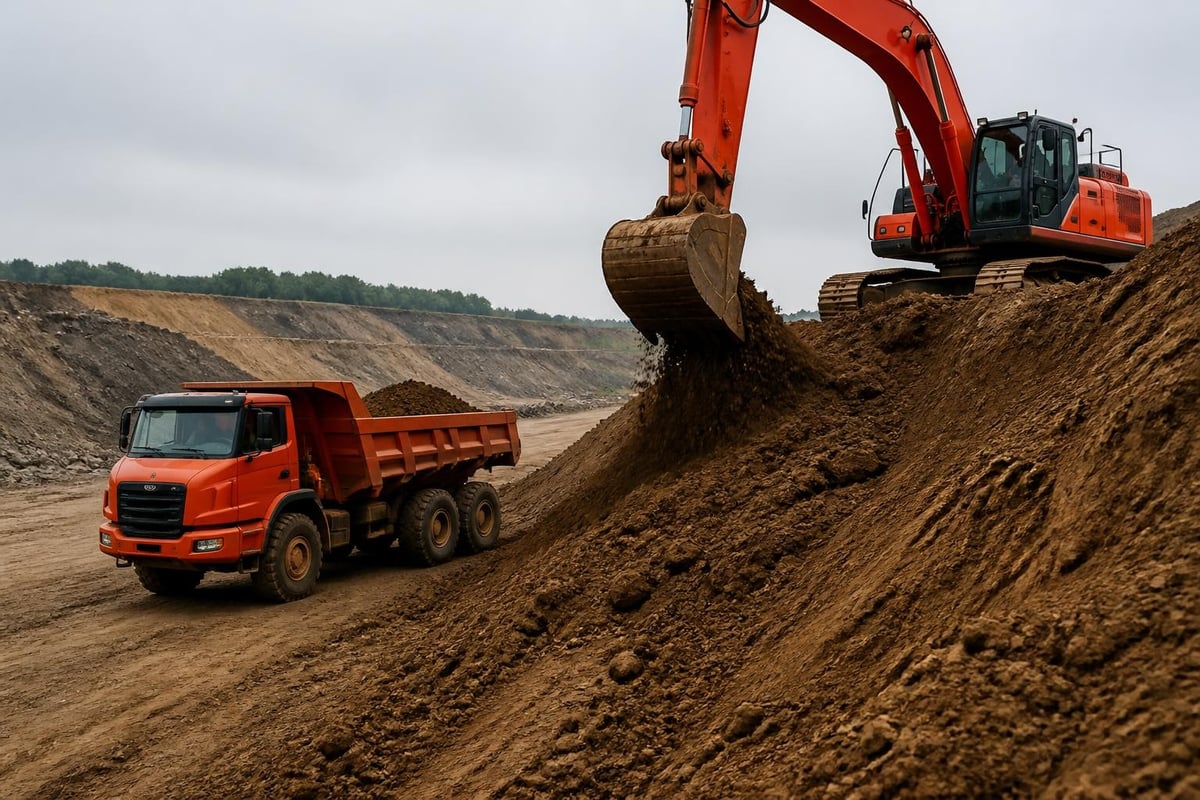
Cut and fill operations form the backbone of earthworks methodology. The cut and fill process involves excavating material from higher elevations (cut) and relocating it to lower areas (fill), achieving the desired grade whilst minimizing material import or export costs.
Planning and Executing Frasers Earthworks Projects
Success in earthworks demands meticulous planning combined with adaptive execution. The gap between theoretical plans and field realities requires experienced contractors who understand both engineering principles and practical constraints.
Pre-Construction Planning Essentials
Effective planning begins months before the first excavator arrives on site. Earthmoving project planning requires coordination across multiple disciplines and stakeholders.
Detailed quantity calculations form the financial and logistical foundation. Estimating volumes requires sophisticated surveying techniques, often utilizing GPS technology and 3D modeling software. Accurate calculations prevent budget overruns and ensure sufficient material availability throughout construction phases.
Equipment selection directly impacts efficiency and cost-effectiveness. Different soil types and project scales demand specific machinery:
- Excavators for precise digging and trenching operations
- Bulldozers for pushing material across moderate distances
- Scrapers for moving large volumes over longer distances
- Graders for achieving precise surface finishes
- Compaction equipment including rollers and rammers
Execution Best Practices for Long-Lasting Results
Once planning concludes, execution quality determines project longevity. Following best practices for site preparation ensures foundations that perform as designed for decades.
Moisture content management proves crucial throughout frasers earthworks operations. Soil at optimum moisture content compacts more efficiently and achieves higher density. Too dry, and materials won't bind properly; too wet, and they become unstable and difficult to compact.
Weather monitoring becomes essential, particularly in Britain's unpredictable climate. Heavy rainfall can halt operations and compromise recently placed materials. Contractors must balance progress against conditions, sometimes working in narrow weather windows.
Technical Specifications and Quality Control
Quality control separates adequate earthworks from exceptional foundations. Rigorous testing and adherence to specifications ensure compliance with engineering requirements and regulatory standards.
Compaction Requirements and Testing
Compaction transforms loose soil into a stable, load-bearing foundation. The process removes air voids, increasing density and reducing future settlement. British standards specify compaction levels as percentages of maximum dry density determined through laboratory testing.
Field density testing verifies compliance with specifications. Common methods include:
- Nuclear density gauge measurements for rapid results
- Sand replacement method for traditional verification
- Core sampling for detailed analysis
- Plate bearing tests for load-bearing capacity
Frasers earthworks projects typically require 95-100% compaction for sub-base layers and 90-95% for general fill areas. Under-compaction leads to settlement, cracking, and premature failure of surface layers.
| Layer Type | Compaction Requirement | Typical Thickness | Testing Frequency |
|---|---|---|---|
| Capping | 95% MDD | 150-600mm | Every 500m² |
| Sub-base | 98% MDD | 150-225mm | Every 250m² |
| Base course | 100% MDD | 50-100mm | Every 100m² |
| Surface | 100% MDD | Variable | Continuous |
Drainage Integration
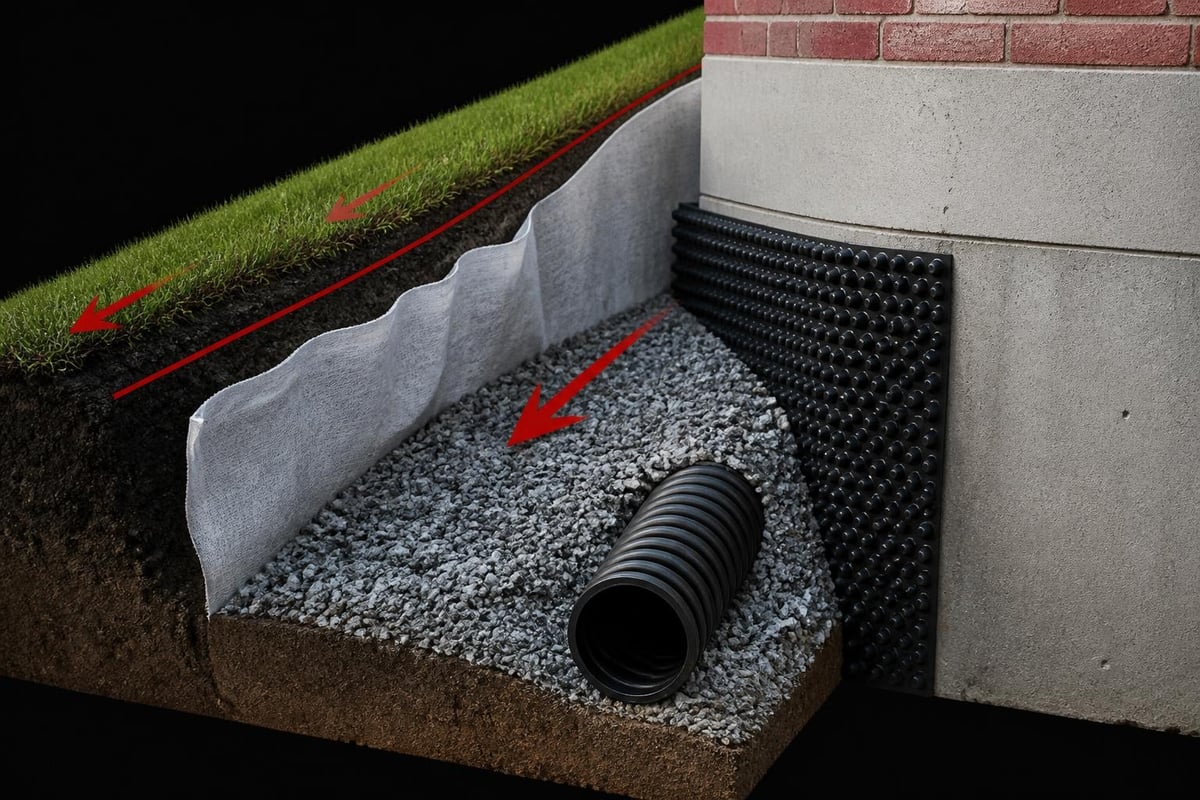
Proper drainage integration during earthworks prevents water accumulation that compromises structural integrity. Water represents the primary enemy of stable foundations, causing erosion, settlement, and frost heave in colder months.
Surface drainage directs water away through appropriate grading. Minimum gradients of 1:80 ensure positive drainage, whilst steeper slopes may require velocity control measures. Civil engineering projects must balance aesthetic preferences with functional drainage requirements.
Subsurface drainage systems include French drains, perforated pipes, and geotextile installations. These hidden elements prove critical for long-term performance, particularly in clay soils with poor natural drainage.
Cost Estimation and Budget Management
Financial planning for frasers earthworks requires understanding multiple variable factors. Estimating earthworks costs involves analyzing soil conditions, equipment requirements, material transport distances, and time constraints.
Key Cost Drivers in Earthworks Projects
Volume calculations form the basis of accurate estimates. Small errors in survey data or volume calculations multiply across large projects, creating significant budget variations. Modern laser scanning and photogrammetry improve accuracy compared to traditional surveying methods.
Site access affects costs substantially. Restricted access requiring smaller equipment reduces productivity and increases labor hours. Urban locations may require night work or weekend operations, commanding premium rates.
Material disposal costs impact projects where unsuitable material requires removal. Contaminated soil, excessive clay, or organic matter often cannot be reused on site. Transport to licensed disposal facilities adds expense, whilst replacement with imported engineered fill increases material costs.
Budget Optimization Strategies
Smart contractors minimize costs without compromising quality through strategic approaches:
- Balance cut and fill volumes to minimize import/export requirements
- Utilize on-site materials where suitable, treating marginal soils with lime or cement stabilization
- Sequence operations efficiently to reduce double-handling of materials
- Schedule weather-dependent activities during favorable seasons
- Negotiate bulk material prices for large-volume projects
Early contractor involvement during design phases enables value engineering. Adjusting proposed grades by mere centimeters sometimes eliminates thousands of pounds in unnecessary material movement.
Commercial and Residential Applications
Frasers earthworks principles apply across diverse project types, from major infrastructure to residential improvements. Understanding application-specific requirements ensures appropriate methodology selection.
Large-Scale Commercial Developments
Commercial projects like drive-through restaurants demand precision earthworks supporting heavy traffic loads and stringent accessibility requirements. Recent projects including Costa Coffee and Greggs locations showcase how proper groundwork enables efficient construction and long-term durability.
Highway and road construction represents earthworks at its most demanding. Traffic loading, drainage complexity, and regulatory compliance create exacting standards. Managing earthworks effectively ensures roads perform throughout their design life, typically 20-40 years for major routes.
Car parks require careful grading to prevent ponding whilst maintaining comfortable access gradients. Disabled access regulations mandate maximum slopes, whilst drainage requires minimum falls-balancing these competing requirements demands experienced design.
Residential and Domestic Projects
Domestic applications including driveways, patios, and garden landscaping follow identical principles at different scales. Homeowners benefit from contractors applying commercial-grade techniques to residential projects.
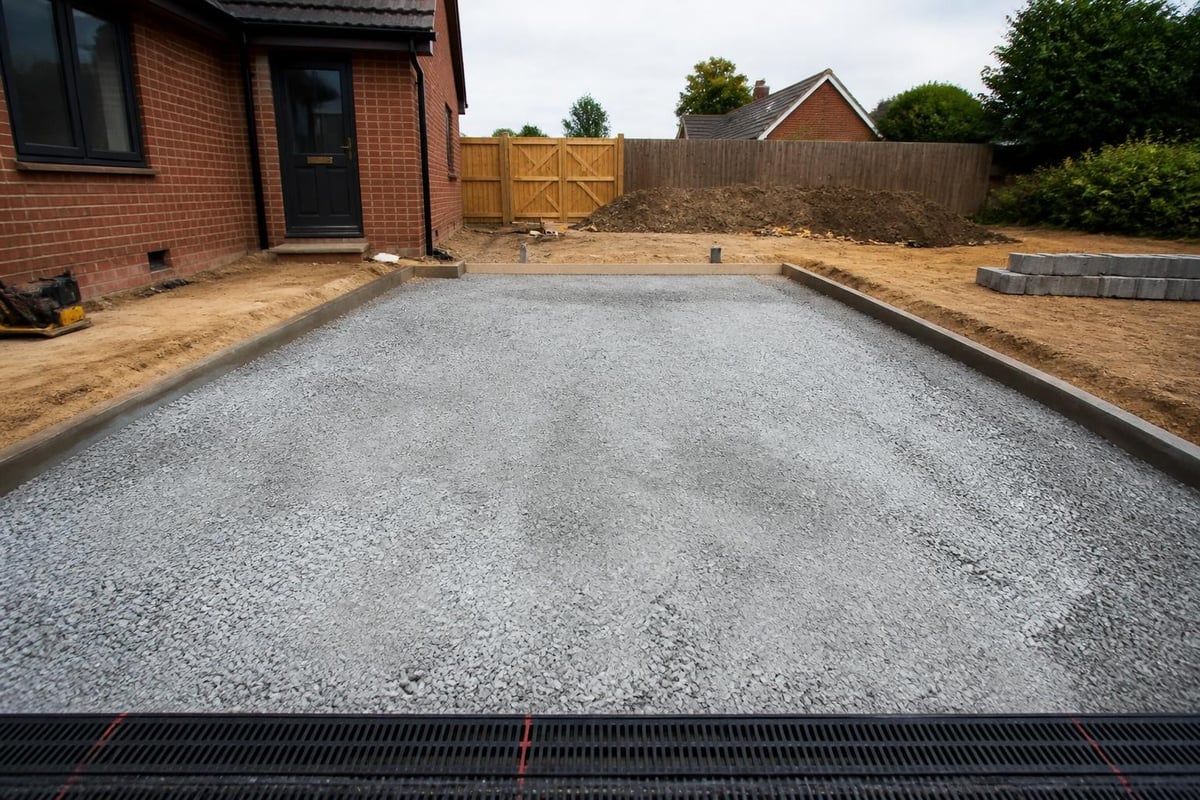
Driveway construction requires adequate sub-base thickness supporting vehicle weights without rutting or settlement. A typical domestic driveway needs 150mm compacted sub-base minimum, increasing to 225mm for heavier vehicles or poor ground conditions.
Patio installations demand precise grading away from buildings, typically 1:60 minimum gradient to prevent water pooling against structures. Proper frasers earthworks prevents the common failures of settlement and drainage problems that plague poorly constructed patios.
Advanced Techniques and Modern Innovations
Technology continues transforming earthworks practices, improving accuracy, efficiency, and environmental performance. Forward-thinking contractors adopt innovations that deliver better outcomes whilst reducing costs.
GPS-Guided Machine Control
Modern excavators and graders equipped with GPS guidance systems achieve millimeter-level accuracy. Operators work to 3D design models loaded directly into machine computers, eliminating traditional grade stakes and reducing surveying requirements.
Benefits include:
- Reduced material waste through precise excavation to design depths
- Improved productivity as operators require fewer checks and adjustments
- Enhanced accuracy meeting specifications more consistently
- Lower labor costs through reduced surveying and supervision needs
Soil Stabilization Technologies
Chemical stabilization extends the usability of marginal materials. Lime treatment improves clay soils, reducing plasticity and increasing strength. Cement stabilization creates a rigid layer suitable for high-load applications.
Environmental considerations increasingly influence frasers earthworks methodology. Sustainable approaches minimize material import through maximum on-site reuse, reduce carbon emissions through efficient logistics, and protect existing ecosystems through careful planning.
Regulatory Compliance and Safety Standards
UK earthworks operations must comply with comprehensive regulatory frameworks protecting workers, the public, and the environment. Understanding these requirements proves essential for legal operation and risk management.
Health and Safety Requirements
Construction (Design and Management) Regulations 2015 establish responsibilities throughout project lifecycles. Principal contractors must ensure safe working conditions, proper equipment maintenance, and adequate worker training.
Excavation safety demands particular attention. Trench collapses represent serious hazards requiring protective measures:
- Appropriate battering or benching of excavation sides
- Trench support systems for deep excavations
- Edge protection preventing falls into excavations
- Exclusion zones around operating machinery
- Emergency rescue procedures and equipment
Environmental Protection Standards
Environmental permits may be required for earthworks affecting watercourses, protected habitats, or archaeological sites. Early consultation with regulatory authorities prevents costly delays and redesigns.
Sediment control measures protect nearby watercourses from contamination. Silt fencing, settlement ponds, and vegetated buffer zones capture runoff before it reaches sensitive areas. Dust suppression through water spraying or chemical stabilizers maintains air quality in populated areas.
Quality Assurance Through Testing and Monitoring
Systematic testing throughout construction phases verifies compliance with specifications and identifies problems before they compromise project success. Engineering principles in earthworks design emphasize the relationship between proper testing and long-term performance.
Laboratory Testing Protocols
Samples collected during construction undergo laboratory analysis determining key properties:
Particle size distribution identifies soil classification and suitability for intended applications. Gradation affects compaction characteristics, drainage properties, and frost susceptibility.
Plasticity testing measures clay content and behavior. The plasticity index indicates how soils respond to moisture changes-critical information for predicting settlement and selecting stabilization methods.
California Bearing Ratio (CBR) testing quantifies sub-base strength. CBR values determine required thickness for pavement layers supporting anticipated traffic loads. Higher CBR values permit thinner, more economical construction.
Field Monitoring and Reporting
Comprehensive documentation creates accountability and provides evidence of compliance. Digital systems now enable real-time reporting with GPS-tagged photographs, test results uploaded directly from field devices, and automated compliance checking.
Settlement monitoring using precision surveying tracks ground movement during and after construction. Unexpected settlement triggers investigation and remedial action before surface layers are installed.
Successful earthworks combine technical knowledge, practical experience, and unwavering attention to detail-principles that separate temporary solutions from infrastructure built to last. Whether you're planning a commercial development, highway improvement, or residential driveway, proper groundwork determines long-term success. At JRG Civils, we apply the same rigorous frasers earthworks standards to every project, from major commercial ventures to domestic improvements, ensuring foundations that perform exactly as designed for decades to come.