Effective water management stands as one of the most critical considerations for any construction or development project. Whether dealing with commercial infrastructure, residential driveways, or agricultural land, proper drainage prevents costly damage, ensures structural integrity, and maintains property value. Land drainage contractors bring specialist expertise to address waterlogging, surface runoff, and subsurface water issues across diverse project types. Their role extends far beyond simple pipe installation, encompassing site assessment, system design, regulatory compliance, and long-term maintenance planning.
Understanding the Role of Professional Drainage Specialists
Land drainage contractors possess the technical knowledge and equipment necessary to diagnose and resolve complex water management challenges. These specialists conduct thorough site surveys, analysing soil composition, topography, water table levels, and existing drainage infrastructure before recommending solutions.
The expertise of qualified contractors proves invaluable when navigating the intersection of construction requirements and environmental regulations. Understanding how agricultural drainage activities impact water quality ensures projects comply with environmental standards whilst achieving optimal water management.
Site Assessment and Survey Techniques
Modern land drainage contractors employ advanced surveying equipment to create detailed site profiles. Laser levels, GPS technology, and soil penetrometers provide precise data about ground conditions and water movement patterns.
Key assessment factors include:
- Soil permeability and infiltration rates
- Natural drainage paths and watershed areas
- Existing infrastructure that may affect water flow
- Seasonal water table fluctuations
- Property boundaries and legal considerations
This comprehensive evaluation forms the foundation for designing effective drainage systems tailored to specific site conditions.
Drainage Solutions for Commercial Development Projects
Commercial projects demand robust drainage solutions that accommodate heavy rainfall, high traffic volumes, and strict regulatory requirements. Land drainage contractors working on retail developments, industrial estates, and infrastructure projects must deliver systems that perform reliably under intensive use.

For developments such as drive-through restaurants or retail premises, contractors integrate multiple drainage components. Surface water collection, attenuation tanks, and connection to existing stormwater networks require careful coordination with highways and carriageways construction.
Commercial Drainage System Components
| Component | Function | Typical Application |
|---|---|---|
| Channel drains | Linear surface water collection | Car parks, loading bays |
| Soakaways | Underground water dispersal | Sites without mains drainage |
| Attenuation tanks | Stormwater flow regulation | Large commercial developments |
| Interceptors | Oil and sediment separation | Fuel stations, industrial areas |
| Pump stations | Active water removal | Low-lying sites |
The selection and sizing of these components depend upon catchment area calculations, predicted rainfall intensity, and discharge consent conditions. Professional contractors ensure systems meet both current demands and anticipated future requirements.
Residential Property Drainage Applications
Homeowners frequently require land drainage contractors to address waterlogged gardens, damp issues affecting foundations, or inadequate surface water management around patios and driveways. Residential drainage projects, whilst typically smaller in scale, demand equal attention to design principles and installation quality.
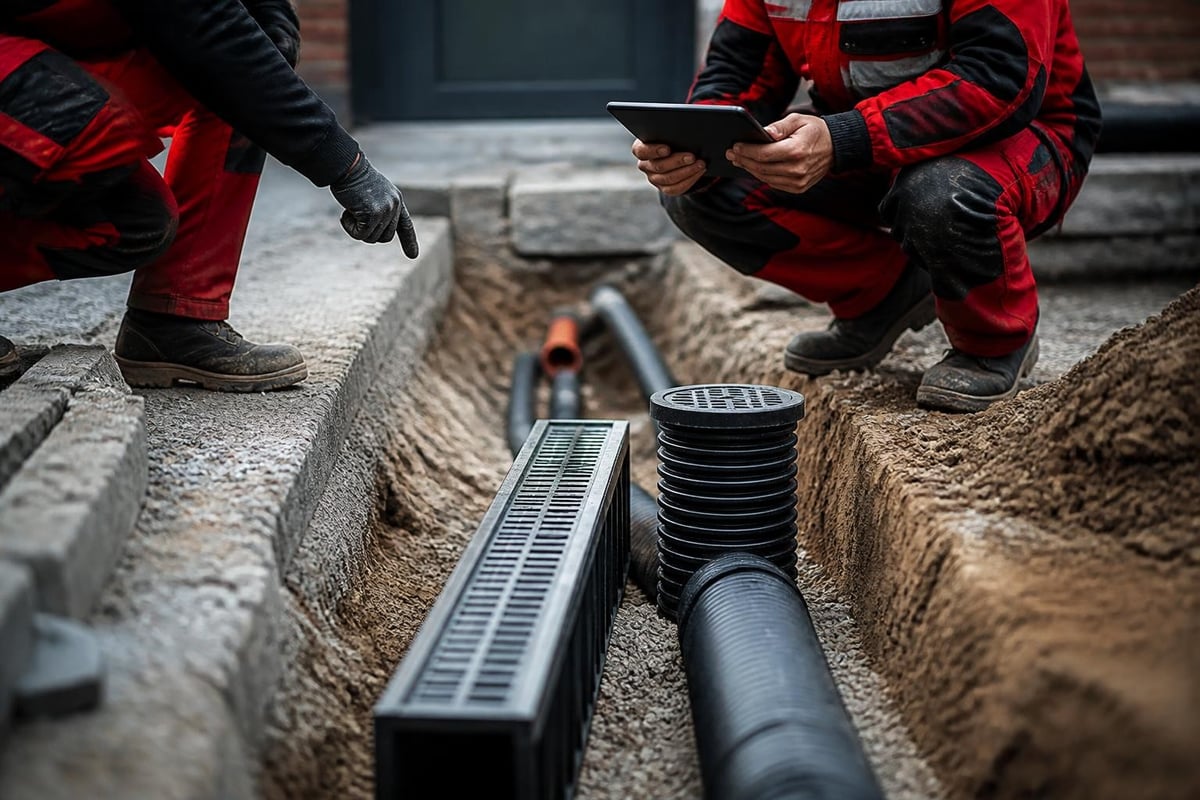
French drains remain amongst the most effective solutions for residential properties. These systems comprise perforated pipes surrounded by gravel, installed at strategic depths to intercept and redirect groundwater away from buildings and landscaping.
Common Residential Drainage Challenges
Properties built on clay soils or in valley locations experience particular difficulties with water management. Land drainage contractors address these challenges through customised solutions:
Surface Water Issues:
- Inadequate gradient causing standing water
- Blocked or undersized gutters and downpipes
- Impermeable surfaces concentrating runoff
- Absence of proper drainage channels
Subsurface Water Problems:
- High water table affecting foundations
- Seasonal groundwater intrusion
- Springs or natural watercourses
- Inadequate soakaway capacity
Implementing effective site drainage requirements protects residential foundations from water damage and maintains property integrity throughout seasonal variations.
Agricultural Land Drainage Expertise
Agricultural operations rely heavily upon effective field drainage to maximise crop productivity and soil health. Land drainage contractors specialising in agricultural work understand the unique requirements of farming operations, including the need for controlled drainage systems that manage water tables whilst preserving soil nutrients.
Modern agricultural drainage extends beyond traditional tile systems. Contractors now implement sophisticated solutions incorporating adjustable water level control structures, allowing farmers to raise water tables during dry periods and lower them for planting or harvesting.
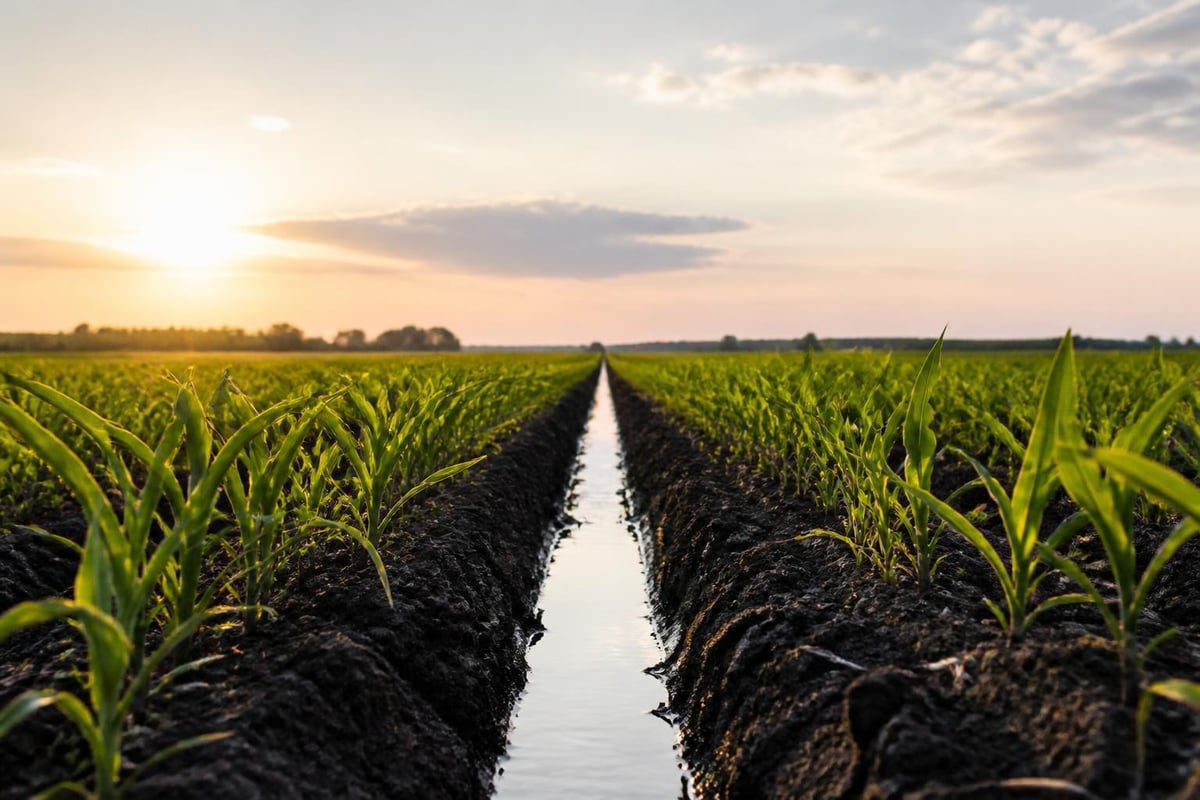
When planning effective land drainage for agricultural properties, contractors must balance productivity goals with environmental protection. This includes consideration of wetland areas, nutrient runoff, and habitat preservation.
Regulatory Compliance and Environmental Considerations
Professional land drainage contractors navigate complex regulatory frameworks governing water management and environmental protection. Projects affecting wetlands or watercourses require particular attention to compliance requirements.
Understanding the Clean Water Act’s implications for drainage activities proves essential for contractors operating across various project types. This knowledge ensures drainage installations meet legal requirements whilst achieving client objectives.
Permitting and Approval Requirements
Different project scales and locations trigger varying regulatory requirements:
- Minor domestic works: Building regulations compliance for foundation drainage
- Major residential developments: Planning conditions and surface water discharge consents
- Commercial projects: Environmental permits and adoption agreements
- Agricultural drainage: Watercourse consents and environmental impact assessments
Land drainage contractors experienced in regulatory processes expedite project approvals and prevent costly compliance issues.
Erosion Control and Worksite Management
Drainage installation itself can create temporary erosion risks if not properly managed. Experienced contractors implement best practices for controlling drainage and erosion on worksites to protect surrounding areas during construction.
These measures include:
- Sediment control barriers and silt fences
- Temporary surface water diversion
- Progressive reinstatement of disturbed areas
- Erosion control matting on slopes
- Regular monitoring and maintenance during works
Effective site management demonstrates contractor professionalism and protects client interests by preventing damage to adjacent properties or environmental features.
Advanced Drainage Technologies and Innovations
The drainage sector continues evolving with new materials, design approaches, and monitoring technologies. Land drainage contractors who embrace innovation deliver superior long-term performance and value.
Modern Drainage Materials:
| Material Type | Advantages | Common Applications |
|---|---|---|
| HDPE perforated pipe | Lightweight, flexible, durable | Agricultural and residential drainage |
| Concrete channel systems | High load capacity, longevity | Commercial and highways applications |
| Geocomposite drainage boards | Space-efficient, rapid installation | Retaining walls and foundations |
| Permeable paving systems | Integrated drainage and surface | Driveways, car parks, pedestrian areas |
Innovations such as micro-drainage systems offer enhanced performance in specific applications, improving soil infiltration through closer pipe spacing at shallow depths.
Maintenance and Long-Term Performance
Drainage systems require ongoing maintenance to ensure continued effectiveness. Professional land drainage contractors often provide maintenance services or advise clients on proper system care.
Maintenance Schedule Recommendations
Annual inspections should include:
- Clearing debris from surface grates and channels
- Checking pipe outfalls for blockages or damage
- Inspecting soakaway performance after heavy rainfall
- Verifying pump station operation (where applicable)
- Documenting any settlement or surface deformation
Five-year reviews involve:
- CCTV surveys of underground pipework
- Soakaway capacity testing
- System capacity assessment against current demands
- Remedial works planning and budgeting
Well-maintained drainage systems deliver decades of reliable performance, protecting property investments and preventing emergency repair costs.
Selecting the Right Drainage Contractor
Choosing qualified land drainage contractors involves evaluating several critical factors beyond initial quotation prices. The most competitive quote rarely represents the best long-term value if installation quality proves substandard.
Essential contractor qualifications include:
- Proven experience in relevant project types
- Professional liability and public liability insurance
- Understanding of applicable regulations and standards
- Track record of completed projects demonstrating quality workmanship
- Membership in relevant professional bodies
Reviewing previous work examples through a contractor's portfolio provides insight into their capabilities and attention to detail. Contractors specialising in civil engineering bring additional expertise in coordinating drainage with broader construction activities.
Integration with Broader Construction Projects
Land drainage contractors frequently work alongside other construction trades, requiring coordination to ensure drainage systems integrate seamlessly with foundations, surfacing, landscaping, and utilities. This coordination proves particularly important for complex developments involving multiple construction phases.
For projects incorporating ductwork installation or piling operations, drainage contractors must sequence their work appropriately to avoid conflicts and ensure all systems function harmoniously.
Critical coordination points include:
- Setting drainage invert levels before foundation construction
- Protecting installed drainage during subsequent site works
- Testing drainage systems before final surfacing
- Coordinating connections to existing infrastructure
- Ensuring adequate access for future maintenance
Cost Considerations and Project Budgeting
Drainage system costs vary considerably based upon site conditions, system complexity, and material specifications. Land drainage contractors provide detailed quotations breaking down material costs, labour requirements, and any necessary specialist equipment.
Factors influencing project costs:
- Excavation depth and volume
- Groundwater management during installation
- Access constraints requiring specialist equipment
- Connection costs to existing drainage networks
- Reinstatement requirements and surface finishes
- Regulatory compliance and testing obligations
Investing appropriately in quality drainage installation prevents far greater future expenses associated with water damage, structural repairs, or system replacement. Professional contractors balance cost efficiency with long-term performance reliability.
Effective water management through professional drainage solutions protects property investments and ensures construction projects deliver lasting value. Whether addressing commercial development requirements, residential property improvements, or agricultural land productivity, qualified land drainage contractors bring essential expertise to every project phase. At JRG Civils, our civil engineering experience spans diverse drainage applications across the North East and throughout the UK, delivering solutions that combine technical excellence with practical reliability. Contact our team to discuss how professional drainage services can benefit your next project.