
When planning commercial construction projects, electrical safety infrastructure often represents a critical yet overlooked component of overall project budgeting. The copper earthing plate 600x600x3mm price varies significantly across suppliers and specifications, making it essential for civil engineering contractors to understand the factors influencing cost, quality standards, and long-term performance characteristics. Whether you're working on commercial developments, highway infrastructure, or franchise installations, selecting the appropriate earthing solution requires balancing immediate budget constraints with compliance requirements and durability expectations.
Understanding Copper Earthing Plates in Civil Engineering Projects
Copper earthing plates serve as fundamental components in electrical safety systems, providing a reliable connection between electrical installations and the earth. These plates dissipate fault currents and protect both equipment and personnel from electrical hazards. The 600x600x3mm specification represents a standard size widely used across commercial and industrial applications, offering sufficient surface area for effective earthing whilst remaining manageable during installation.
In modern construction projects, earthing systems must comply with stringent safety regulations. The copper earth plates provide superior conductivity compared to alternative materials, ensuring consistent performance across varied soil conditions. Civil engineering contractors frequently specify these plates for franchise developments, commercial buildings, and infrastructure projects where electrical safety cannot be compromised.
Material Specifications and Manufacturing Standards
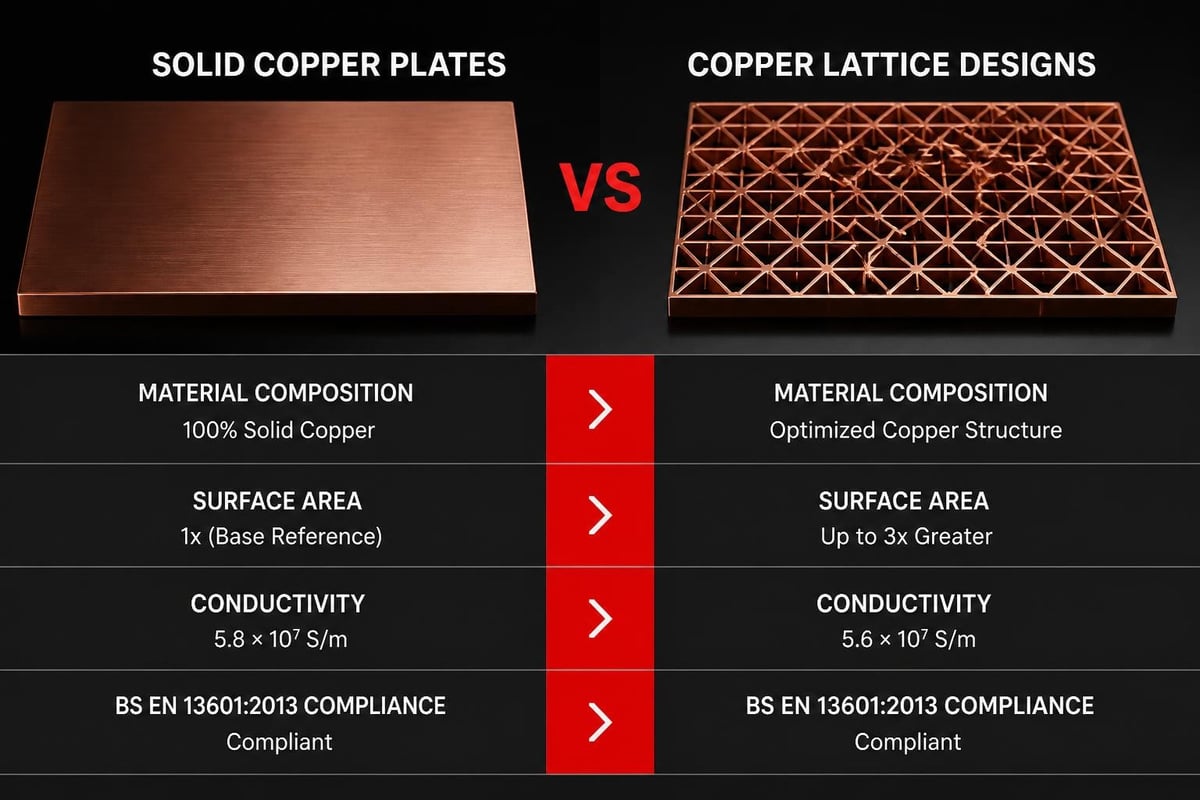
The composition and manufacturing process directly impact the copper earthing plate 600x600x3mm price. High-purity copper ensures optimal conductivity and corrosion resistance, critical factors in long-term performance. British Standard BS EN 13601:2013 governs earthing plate specifications, mandating minimum purity levels, dimensional tolerances, and testing protocols.
Manufacturing variations influence pricing considerably:
- Solid copper plates offer maximum conductivity but command premium prices
- Lattice designs reduce material costs whilst maintaining adequate surface area
- Surface treatments affect both corrosion resistance and installation requirements
- Thickness tolerance impacts structural integrity and conductive capacity
Different projects demand different specifications. Commercial developments typically require solid plates for enhanced reliability, whilst temporary installations might accommodate lattice alternatives. The civil engineering expertise required for proper specification ensures compliance without unnecessary expenditure.
Current Market Pricing for 600x600x3mm Copper Earthing Plates
The copper earthing plate 600x600x3mm price fluctuates based on raw material costs, supplier positioning, and order quantities. As of 2026, market analysis reveals substantial variation across the United Kingdom, with prices ranging from £85 to £165 per unit for standard specifications.
| Supplier Type | Price Range (per unit) | Typical Lead Time | Minimum Order |
|---|---|---|---|
| Specialist Electrical Suppliers | £120-£165 | 3-5 working days | 1 unit |
| General Building Merchants | £95-£135 | 5-10 working days | 5 units |
| Trade-Only Distributors | £85-£115 | 7-14 working days | 10 units |
| Direct Manufacturers | £75-£105 | 14-21 working days | 25 units |
Volume purchasing significantly affects the copper earthing plate 600x600x3mm price structure. Contractors managing multiple concurrent projects achieve better unit costs through consolidated ordering. Bulk purchasing strategies can reduce costs by 20-30% compared to single-unit procurement.
The PE110 Earth Mat Lattice Copper represents a popular specification, combining regulatory compliance with competitive pricing. Market leaders like Furse and A.N. Wallis maintain premium positioning through enhanced quality assurance and technical support services.
Factors Influencing Price Variations
Several elements contribute to the copper earthing plate 600x600x3mm price differential across suppliers. Understanding these factors enables informed purchasing decisions that balance cost efficiency with quality requirements.
Raw material costs represent the primary price determinant. Copper prices fluctuate based on global commodity markets, mining output, and industrial demand. During 2026, copper pricing has remained relatively stable, though geopolitical factors continue influencing long-term trends.
Manufacturing processes add variable costs. Solid plates require more material and precision machining than lattice alternatives. The Copper Earth Lattice 600mmx600mmx3mm demonstrates how design modifications affect pricing whilst maintaining functional performance.
Distribution channels significantly impact final costs:
- Direct manufacturer purchases eliminate intermediary markups
- Specialist suppliers provide technical expertise and faster delivery
- General merchants offer convenience but limited product knowledge
- Online platforms reduce overheads but may compromise service quality
Geographic location influences pricing through transportation costs and regional market dynamics. Projects in remote areas often incur additional delivery charges that materially affect total earthing system costs.
Technical Specifications and Performance Characteristics
Beyond the copper earthing plate 600x600x3mm price, performance specifications determine suitability for specific applications. The 3mm thickness provides structural stability whilst maintaining sufficient flexibility for varied installation conditions.
Electrical conductivity remains paramount. High-purity copper (minimum 99.9%) ensures optimal current dissipation during fault conditions. Surface area calculations determine the plate's effectiveness in different soil resistivity environments, with the 600x600mm dimension offering 0.36 square metres of earth contact.
Compliance and Regulatory Requirements
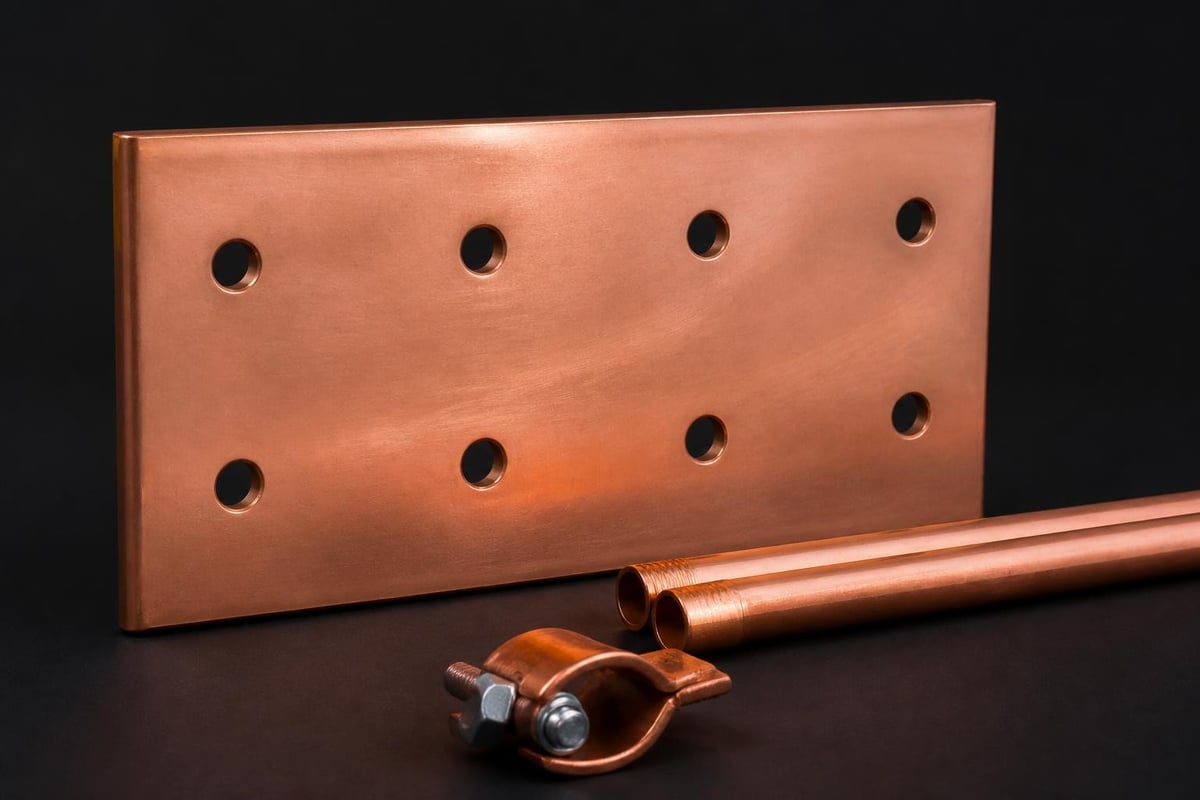
The A.N. Wallis Solid Copper Lattice Earth Mat exemplifies products manufactured to current British Standards. Compliance verification adds value beyond base pricing, ensuring installations meet Building Regulations Part P and the IET Wiring Regulations (BS 7671).
Testing protocols validate earthing system performance:
- Continuity testing verifies connections between plates and electrical installations
- Earth resistance measurements confirm adequate grounding effectiveness
- Soil resistivity analysis determines optimal plate sizing and placement
- Corrosion assessment evaluates long-term durability in specific environments
Documentation requirements for commercial projects necessitate certified products with traceable manufacturing records. The copper earthing plate 600x600x3mm price from certified suppliers includes necessary compliance documentation, avoiding potential complications during building control inspections.
Installation Considerations for Commercial Projects
Proper installation maximises earthing plate effectiveness whilst controlling overall project costs. The ground works expertise required for earthing plate installation integrates seamlessly with broader civil engineering activities, enabling cost-efficient project scheduling.
Installation depth typically ranges from 600mm to 1200mm below finished ground level, depending on soil conditions and frost penetration depth. Deeper installations generally improve earthing effectiveness but increase excavation costs and labour requirements.
| Installation Depth | Typical Applications | Labour Cost Impact | Performance Benefit |
|---|---|---|---|
| 600-800mm | Light commercial, residential | Baseline | Standard |
| 800-1000mm | Commercial developments | +15-20% | Improved |
| 1000-1200mm | Industrial, critical infrastructure | +25-35% | Optimal |
Connection methods influence long-term reliability. Exothermic welding provides superior mechanical and electrical connections compared to bolted or clamped alternatives, though equipment costs and specialist skills affect project budgets.
Integration with Broader Construction Activities
Commercial projects benefit from coordinating earthing plate installation with related ground works. When undertaking foundations and piling activities, contractors can install earthing systems efficiently within existing excavation schedules, reducing mobilisation costs and project timelines.
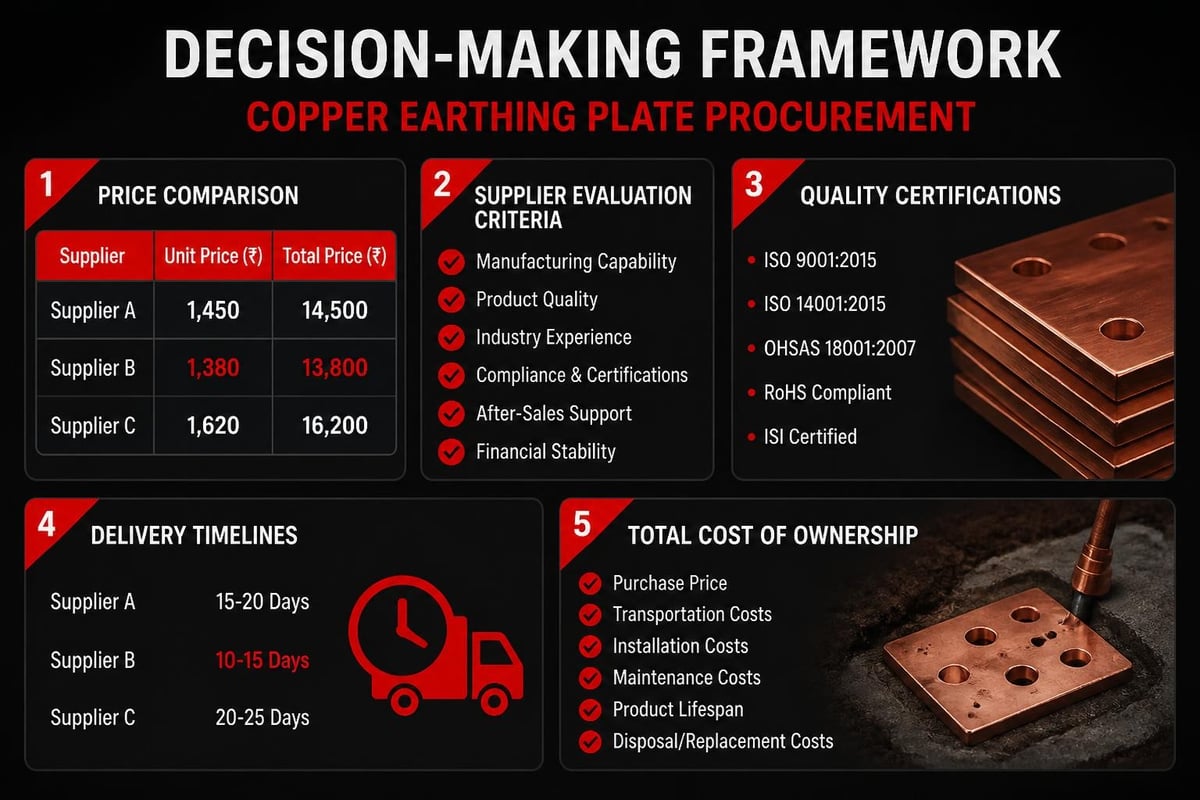
The copper earthing plate 600x600x3mm price represents only one component of total earthing system costs. Additional elements include:
- Earthing conductors connecting plates to electrical installations
- Inspection chambers enabling ongoing maintenance access
- Connection terminals and exothermic welding materials
- Backfill materials optimising electrical contact with surrounding soil
- Testing equipment validating installation effectiveness
Comprehensive project planning accounts for these supplementary costs, avoiding budget overruns and ensuring compliant installations. For franchise developments like drive-through restaurants, standardised earthing specifications streamline procurement across multiple locations whilst ensuring consistent safety standards.
Supplier Selection and Procurement Strategies
Choosing appropriate suppliers involves balancing the copper earthing plate 600x600x3mm price against service quality, technical support, and delivery reliability. Established manufacturers maintain rigorous quality control processes, ensuring consistent product specifications across production runs.
The Furse PE010 solid copper earth plate exemplifies premium-tier products offering comprehensive technical documentation and engineering support. Such suppliers provide value through detailed installation guidance, compliance verification, and warranty programmes that protect project investments.
Trade accounts with specialist distributors enable contractors to access preferential pricing whilst maintaining flexibility for varied project requirements. Volume commitments typically unlock tiered discounting structures, though contractors must balance inventory carrying costs against unit price savings.
Quality Verification and Testing
Reputable suppliers provide certification documenting material composition, manufacturing standards compliance, and performance testing results. The solid copper earth plates from established manufacturers include batch traceability, enabling post-installation verification if required.
Third-party certification adds credibility:
- UKAS accredited testing validates material specifications independently
- ISO 9001 certification confirms quality management system compliance
- Product liability insurance protects against manufacturing defects
- Environmental certifications verify sustainable sourcing practices
Whilst certified products command premium pricing, the copper earthing plate 600x600x3mm price differential often proves negligible when considering risk mitigation and compliance assurance benefits.
Application-Specific Considerations for Different Project Types
Different construction scenarios demand varied approaches to earthing system design and specification. Commercial developments require robust systems accommodating substantial electrical loads, whilst temporary installations might accept alternative solutions balancing cost and performance.
For highway infrastructure projects, earthing systems must withstand harsh environmental conditions and potential mechanical damage from maintenance activities. Enhanced corrosion protection becomes critical in salt-exposed locations, potentially justifying premium material specifications despite higher copper earthing plate 600x600x3mm price points.
Franchise and Retail Developments
Drive-through restaurants and retail franchise installations present unique earthing requirements. Standardised electrical layouts enable consistent earthing specifications across multiple locations, simplifying procurement and installation processes. The commercial services expertise required for franchise developments includes understanding chain-wide compliance standards and coordinating with electrical contractors to ensure seamless integration.
Equipment concentrations in kitchen areas and server rooms demand reliable earthing to protect expensive technology investments. Multiple earthing plates may be required for larger facilities, affecting total project costs beyond individual plate pricing.
Franchise operators increasingly specify earthing systems during initial construction to avoid costly retrofitting. Working with civil engineering contractors experienced in commercial developments ensures proper coordination between earthing installation and related ground works, controlling costs whilst maintaining compliance.
Long-Term Performance and Maintenance Requirements
The copper earthing plate 600x600x3mm price represents an initial capital investment within broader lifecycle cost considerations. Properly specified and installed systems require minimal maintenance whilst providing decades of reliable service.
Soil chemistry significantly affects long-term performance. Acidic or highly alkaline soils accelerate corrosion, potentially necessitating enhanced specifications or protective measures. Periodic testing verifies ongoing effectiveness, with measurements typically conducted during routine electrical safety inspections.
Maintenance activities include:
- Visual inspection of accessible connections and terminals
- Earth resistance testing validating system performance
- Connection integrity verification ensuring continued conductivity
- Documentation updates recording test results and remedial actions
Proactive maintenance preserves earthing system effectiveness whilst identifying potential issues before they compromise safety or require emergency interventions. The high-quality copper earthing plates from reputable manufacturers demonstrate superior corrosion resistance, minimising maintenance requirements and lifecycle costs.
Material Alternatives and Cost-Benefit Analysis
Whilst copper remains the preferred earthing plate material, project constraints occasionally necessitate considering alternatives. Steel and galvanised steel plates offer lower initial costs but present significant performance and durability limitations.
| Material | Relative Cost | Conductivity | Corrosion Resistance | Typical Lifespan |
|---|---|---|---|---|
| Copper (99.9%) | Baseline (100%) | Excellent | Excellent | 50+ years |
| Copper-bonded steel | 60-70% | Good | Moderate | 25-35 years |
| Galvanised steel | 40-50% | Fair | Poor-Moderate | 15-25 years |
| Stainless steel | 120-140% | Good | Excellent | 40+ years |
The copper earthing plate 600x600x3mm price premium over alternatives proves justified through superior performance and extended service life. Lifecycle cost analysis typically favours copper despite higher initial expenditure, particularly for permanent installations requiring long-term reliability.
Copper's inherent properties provide additional benefits. Natural antimicrobial characteristics reduce biological growth around earthing installations, whilst excellent malleability simplifies connection processes and reduces installation damage risks.
Environmental and Sustainability Considerations
Modern procurement increasingly emphasises environmental responsibility alongside technical performance and cost considerations. Copper's recyclability positions earthing plates favourably within circular economy frameworks, with end-of-life materials retaining substantial residual value.
Recycled copper maintains identical electrical properties to virgin material whilst reducing environmental impact. Suppliers offering recycled-content products may provide competitive pricing, though availability varies regionally. The copper earthing plate 600x600x3mm price for recycled-content versions typically falls 5-10% below virgin copper equivalents.
Sustainable sourcing certifications verify responsible mining practices and supply chain transparency. Contractors serving environmentally conscious clients benefit from specifying certified products, supporting broader sustainability commitments without compromising technical performance.
Regional Pricing Variations Across the United Kingdom
Geographic factors influence the copper earthing plate 600x600x3mm price through distribution costs, regional competition levels, and local market dynamics. Urban centres typically offer competitive pricing through concentrated supplier networks, whilst rural locations may experience premium charges reflecting distribution challenges.
Northern regions, including the North East where many commercial and infrastructure projects occur, benefit from established supplier relationships and efficient logistics networks. Regional distributors often provide superior service through local stockholding and responsive delivery scheduling.
Project locations affect total earthing system costs beyond plate pricing. Remote sites incur additional transportation expenses, potentially justifying alternative procurement strategies such as consolidated deliveries across multiple project phases or coordination with other material shipments.
Understanding the factors influencing copper earthing plate 600x600x3mm price enables civil engineering contractors to make informed procurement decisions that balance cost efficiency with quality and compliance requirements. Whether you're managing commercial developments, highway projects, or franchise installations, proper earthing system specification ensures electrical safety whilst controlling project expenditure. At JRG Civils, our expertise in ground works and civil engineering enables seamless integration of earthing systems within broader construction activities, delivering compliant installations that protect both people and infrastructure. For professional guidance on your next project, contact JRG Civils to discuss how our comprehensive civil engineering services can support your requirements.