
Garden curb stones represent one of the most effective solutions for creating clean, defined boundaries within outdoor spaces. Whether you're working on a residential driveway project or a commercial landscaping installation, these versatile elements provide both functional and aesthetic benefits that transform ordinary gardens into professionally finished landscapes. From traditional stone materials to modern concrete alternatives, the selection and installation of appropriate edging can dramatically impact the overall appearance and longevity of any outdoor project.
Understanding the Purpose of Garden Curb Stones
Garden curb stones serve multiple critical functions beyond simple decoration. They create physical barriers that prevent lawn grass from encroaching into flowerbeds, keep mulch and gravel contained within designated areas, and provide a mowing edge that reduces maintenance time significantly.
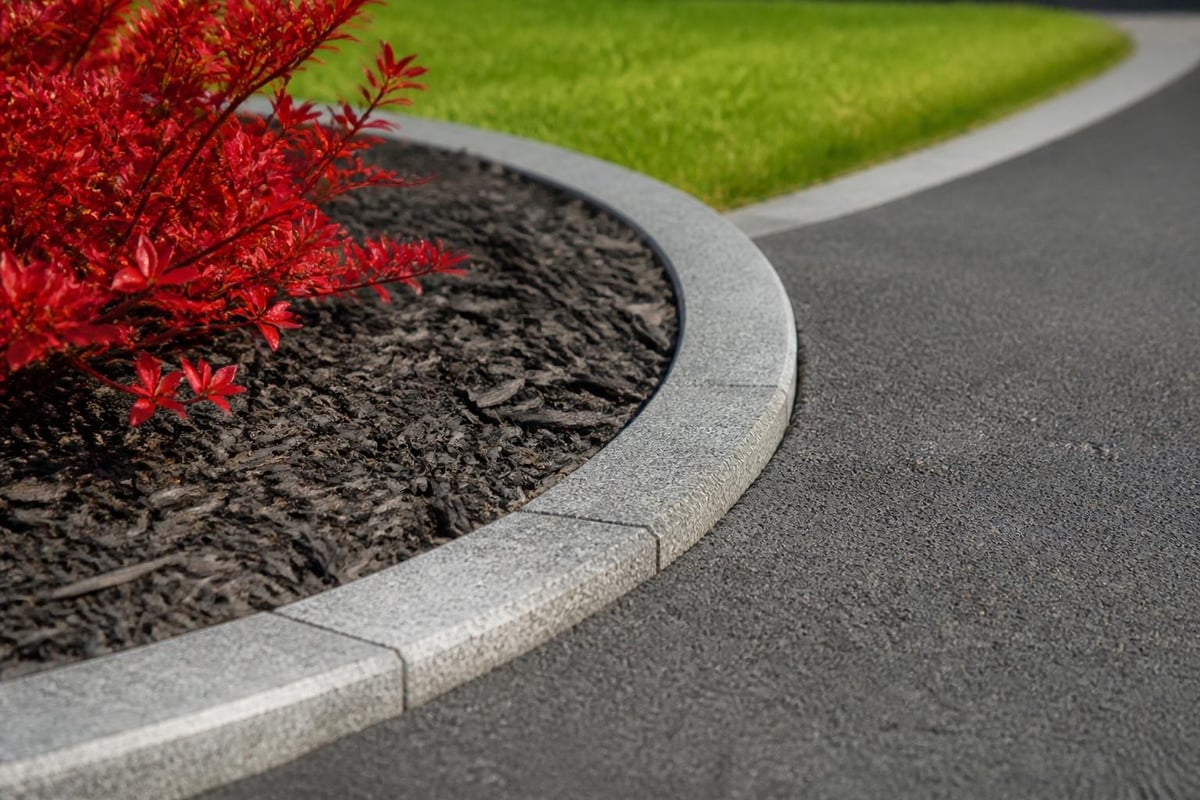
The structural benefits extend to water management as well. Properly installed garden curb stones direct rainfall and irrigation away from building foundations whilst preventing soil erosion along sloped areas. For commercial properties like the drive-through facilities completed by specialists in civil engineering, these elements contribute to essential drainage systems that protect paved surfaces.
Functional Advantages in Various Applications
Different property types benefit from garden curb stones in distinct ways:
- Residential driveways: Create clear separation between parking areas and garden beds
- Commercial landscaping: Define pedestrian pathways and vehicle routes safely
- Public spaces: Establish durable boundaries that withstand heavy foot traffic
- Private gardens: Add visual interest whilst reducing maintenance requirements
When selecting materials, consider how the edging will integrate with existing hardscaping. The most successful installations complement rather than compete with surrounding elements, creating cohesive outdoor environments that enhance property value.
Material Selection for Different Requirements
The choice of material significantly influences both the appearance and performance of garden curb stones. Each option presents unique advantages suited to particular applications and aesthetic preferences.
| Material Type | Durability | Cost Range | Best Applications | Maintenance Level |
|---|---|---|---|---|
| Natural Stone | Excellent | High | Period properties, traditional gardens | Low |
| Concrete | Excellent | Medium | Modern homes, commercial projects | Very Low |
| Brick | Good | Medium-High | Cottage gardens, driveways | Medium |
| Composite | Good | Medium | Contemporary landscapes | Low |
Natural Stone Options
Natural stone garden curb stones offer unmatched character and longevity. Granite, sandstone, and limestone each provide distinct colours and textures that age gracefully over decades. These materials suit period properties exceptionally well, particularly when matching existing architectural features.
The investment in natural stone delivers returns through minimal maintenance requirements and timeless appeal. However, costs remain higher than manufactured alternatives, and professional installation ensures proper placement and stability.
Concrete Curb Solutions
Concrete represents the most versatile material for garden curb stones across both residential and commercial applications. Modern manufacturing techniques produce units in numerous profiles, colours, and finishes that replicate natural materials convincingly whilst offering superior consistency.
Precast concrete kerbs provide standardised dimensions that simplify installation and ensure uniform appearance across large projects. For bespoke requirements, continuous concrete curbing can be formed on-site, creating seamless edges around curved beds and complex layouts.
The durability of concrete makes it ideal for high-traffic areas and locations where vehicles may occasionally mount the kerb. Properly installed concrete garden curb stones withstand freeze-thaw cycles and chemical exposure from de-icing salts far better than many natural alternatives.
Installation Methods and Best Practices
Correct installation determines whether garden curb stones deliver decades of service or require premature replacement. The foundation preparation proves just as important as the visible elements, particularly in areas subject to ground movement or heavy loads.
Site Preparation Requirements
Begin every installation with thorough site assessment and preparation:
- Mark the boundaries using string lines and marking paint to establish exact placement
- Excavate the trench to appropriate depth, typically 150-200mm below finished grade
- Compact the subgrade using mechanical equipment to prevent settlement
- Install aggregate base in 50mm layers, compacting each thoroughly
- Create bedding layer using sharp sand or concrete mix depending on application
Professional civil engineers understand that inadequate preparation causes the majority of edging failures. The excavation depth must accommodate both the base material and sufficient burial of the garden curb stones to prevent shifting under lateral forces.
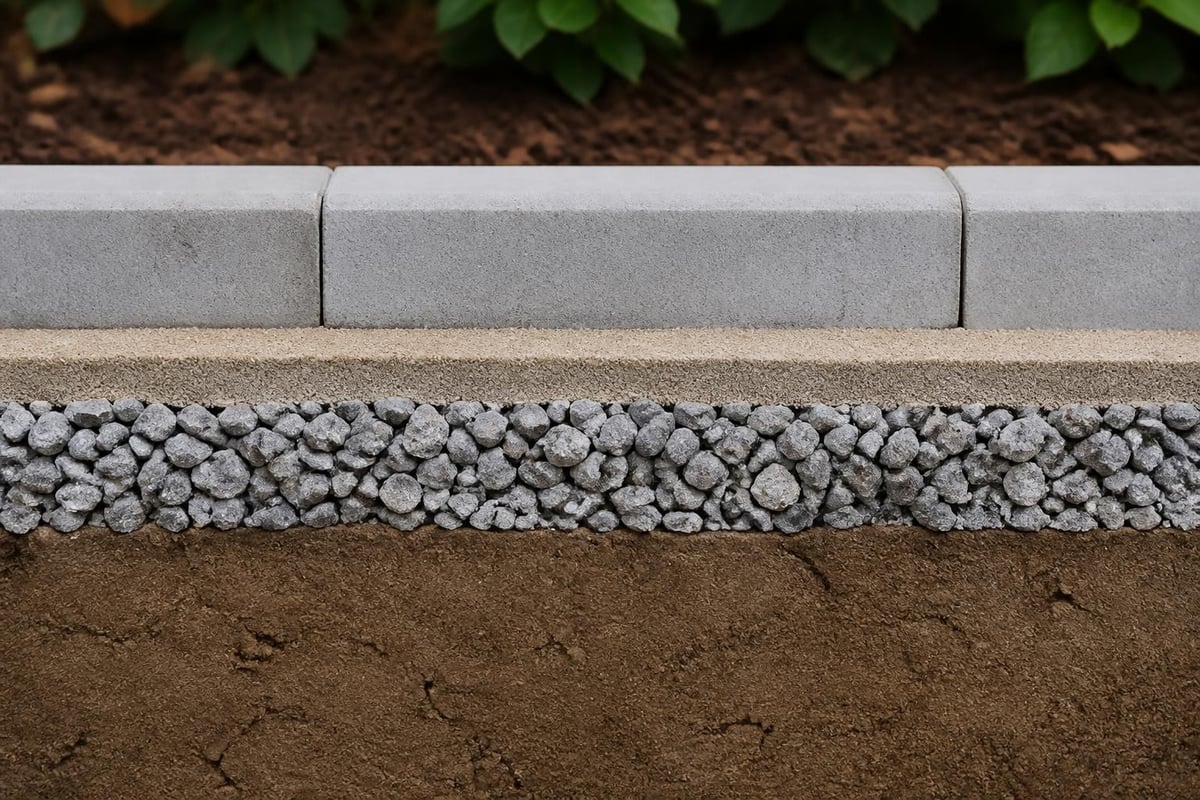
For projects requiring exceptional stability, such as commercial driveways or areas supporting vehicle loads, concrete haunching provides essential support. This involves placing concrete backing against the rear face of garden curb stones, creating a rigid structure that resists displacement.
Professional Installation Techniques
The actual placement of garden curb stones demands precision to achieve professional results. Working from established datum points ensures consistent height across the entire installation, preventing unsightly undulations that compromise both appearance and function.
Alignment and spacing require constant verification throughout installation. String lines stretched at the finished height guide placement, whilst spirit levels confirm both longitudinal fall and cross-sectional accuracy. Even slight deviations accumulate over distance, resulting in noticeable defects.
According to guidance from experts discussing how to make garden paths look expensive, properly installed edging represents a foundational element that elevates the entire landscape design. The joints between individual units should maintain consistent width, typically 5-10mm, filled with appropriate jointing material to prevent weed growth whilst allowing minor movement.
Design Considerations for Maximum Impact
Beyond technical installation requirements, thoughtful design choices determine how effectively garden curb stones enhance outdoor spaces. The selection of profile, colour, and layout pattern should complement architectural styles whilst addressing practical needs.
Profile and Height Selection
Garden curb stones are manufactured in various profiles, each suited to specific applications:
- Flat-top kerbs: Ideal for mowing edges and gentle transitions
- Bullnose profiles: Create softer appearance suitable for traditional gardens
- High-containment units: Essential for raised beds and retaining applications
- Decorative mouldings: Add architectural interest to formal landscapes
The visible height above finished grade affects both aesthetics and functionality. Lower profiles (50-75mm exposure) create subtle definition appropriate for contemporary minimalist designs, whilst taller units (100-150mm) provide stronger visual statements and better containment.
Creating Visual Continuity
Successful landscaping projects demonstrate visual continuity between different elements. Garden curb stones should reference materials used elsewhere within the property, whether matching driveway paving, coordinating with building stone, or complementing retaining wall finishes.
Colour selection extends beyond personal preference to consider practical implications. Lighter shades reflect heat and remain cooler underfoot, benefiting areas used for recreation, whilst darker tones absorb warmth that can benefit adjacent planting beds. The garden edging ideas featured on Gardeningetc showcase how thoughtful material selection creates cohesive outdoor environments.
| Design Element | Traditional Approach | Contemporary Approach | Commercial Application |
|---|---|---|---|
| Colour Palette | Buff, grey, terracotta | Charcoal, black, white | Neutral tones |
| Profile | Decorative mouldings | Clean lines, minimal detail | Functional, high-visibility |
| Layout | Curves, organic shapes | Geometric, angular | Straight runs, clear definition |
Maintenance and Longevity Factors
Well-installed garden curb stones require minimal ongoing maintenance, though periodic attention preserves appearance and prevents minor issues developing into costly repairs. The specific maintenance requirements vary by material and application.
Routine Inspection and Cleaning
Annual inspections identify problems before they escalate. Check for settlement, displacement, or damage to individual units, addressing issues promptly to prevent progressive failure. Cleaning requirements depend largely on exposure and material choice.
Natural stone benefits from periodic washing to remove accumulated dirt and organic growth. Avoid high-pressure washing, which can erode soft stone and damage pointing. Instead, use moderate pressure with appropriate detergents formulated for stone surfaces.
Concrete garden curb stones typically require only occasional brushing to remove debris. Efflorescence, a white crystalline deposit, sometimes appears on new concrete but usually weathers naturally within the first year. Stubborn staining responds to specialised concrete cleaners applied according to manufacturer instructions.
Addressing Common Issues
Several problems commonly affect garden curb stones over time:
- Weed growth in joints: Remove promptly and apply polymeric sand or suitable jointing compound
- Settlement: Carefully lift affected sections, add bedding material, and relay
- Staining: Treat with appropriate cleaners based on stain type and material
- Frost damage: Replace damaged units and improve drainage to prevent recurrence
Properties completed by experienced contractors offering on-site engineering services typically experience fewer maintenance issues due to superior initial installation quality. The foundation preparation and drainage provisions incorporated during construction significantly extend service life.
Cost Factors and Budget Planning
Understanding the cost components associated with garden curb stones helps property owners and project managers make informed decisions that balance quality with budgetary constraints. The total investment extends beyond material costs to encompass site preparation, installation labour, and ongoing maintenance.
Material Cost Breakdown
Garden curb stones vary considerably in price per linear metre:
- Precast concrete kerbs: £8-15 per metre (material only)
- Natural stone edging: £25-60 per metre depending on stone type
- Brick edging: £12-20 per metre for standard bricks
- Premium decorative units: £20-40 per metre
These figures represent material costs only. Installation typically adds £15-30 per metre for straightforward residential applications, whilst complex commercial projects requiring extensive groundwork and precise tolerances command higher rates.
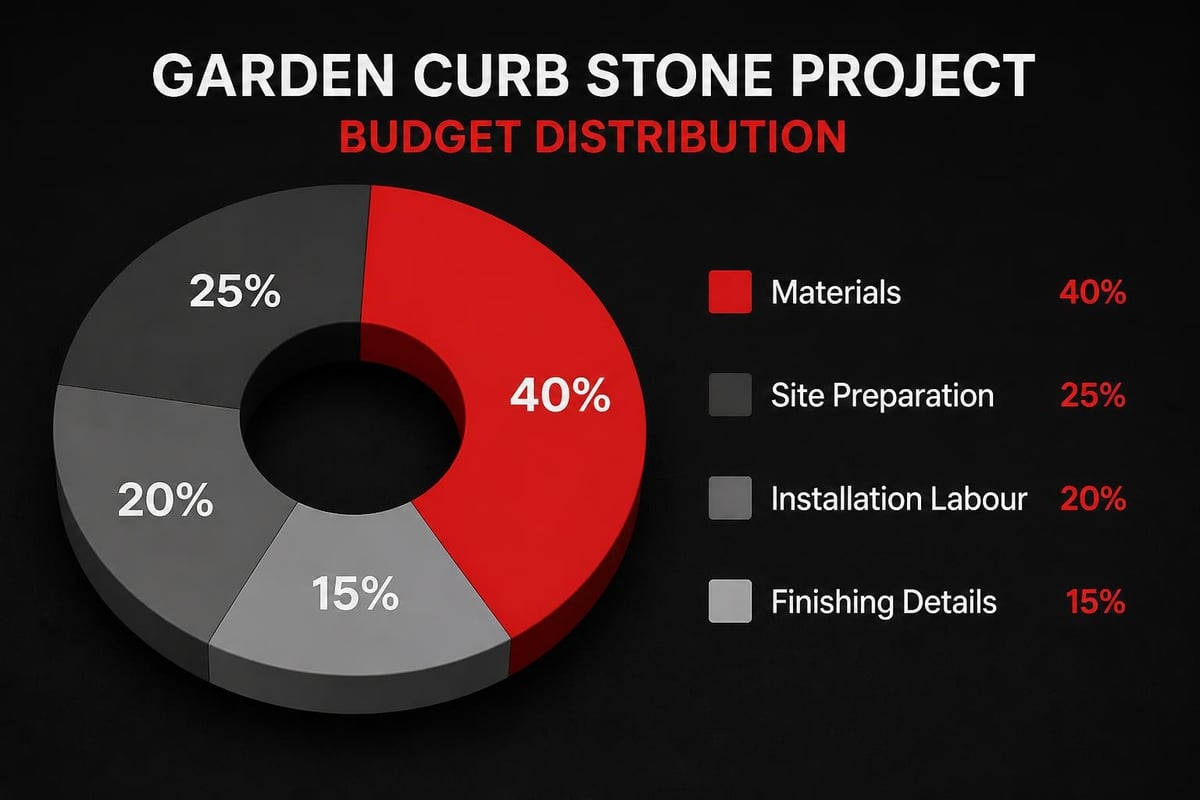
According to information from sources discussing landscape edging ideas that look high-end on any budget, strategic planning allows ambitious landscaping within realistic budgets. Prioritising high-visibility areas for premium materials whilst using cost-effective alternatives elsewhere creates impressive results without excessive expenditure.
Value Engineering Approaches
Several strategies reduce costs without compromising quality:
Standardise profiles: Using consistent kerb sizes throughout reduces waste and simplifies installation. Custom or decorative units should be reserved for focal points where impact justifies additional expense.
Optimise layout: Careful planning minimises cutting and wastage. Arranging curves to suit standard unit lengths and designing features around modular dimensions significantly reduces material requirements.
Phase implementation: Large projects can be divided into stages, spreading costs across multiple budget periods whilst ensuring each completed section delivers immediate visual impact and functionality.
For commercial developments and larger residential projects, engaging specialists in contract civil engineering often proves more economical than piecemeal approaches. Experienced contractors leverage established supplier relationships, efficient work practices, and comprehensive project management to deliver superior value.
Integration with Broader Landscaping Projects
Garden curb stones rarely exist in isolation. They typically form part of comprehensive landscaping schemes encompassing driveways, pathways, patios, and planting areas. Successful integration requires coordinated planning that considers how edging elements interact with adjacent features.
Driveway and Parking Area Applications
For residential driveways, garden curb stones create essential definition between paved surfaces and garden areas. This separation prevents vehicle overrun damage to planted beds whilst providing drivers with clear visual guidance, particularly valuable during reversing manoeuvres.
The edging installation must account for drainage requirements, ensuring surface water flows away from buildings towards suitable collection points. Properly designed systems incorporate falls and gullies that function effectively throughout changing weather conditions.
Commercial projects demand additional considerations. Drive-through facilities, similar to those completed for major franchises, require robust edging capable of withstanding repeated heavy vehicle movements. The garden curb stones must integrate seamlessly with traffic management features, including wheel stops, directional markings, and pedestrian protection measures.
Pathway and Patio Borders
Garden pathways benefit enormously from well-executed edging. The curb stones prevent gravel migration, contain paving materials, and create crisp lines that enhance visual appeal. Resources exploring how to lay garden edging stones provide detailed techniques applicable to various pathway configurations.
Curved pathways present particular challenges and opportunities. Garden curb stones designed for radial work, or flexible edging systems, allow smooth curves that guide movement naturally through gardens. The radius affects material selection, with tighter curves requiring specialist units or multiple shorter sections carefully aligned.
Patio perimeters demand especially careful attention to height relationships. The edging should sit flush with paving surfaces or slightly lower to prevent tripping hazards whilst providing adequate retention for bedding materials. Transitions between different surface levels require gradual changes managed through appropriate kerb profiles.
Environmental and Sustainability Considerations
Modern landscaping projects increasingly emphasise environmental responsibility and long-term sustainability. Garden curb stones contribute to these objectives through multiple mechanisms, from stormwater management to material selection and lifecycle planning.
Sustainable Material Choices
Environmental impact varies significantly between edging materials. Locally sourced natural stone minimises transportation emissions whilst supporting regional economies. Recycled concrete products incorporate reclaimed aggregates, reducing demand for virgin materials and diverting waste from landfills.
Some manufacturers now offer garden curb stones produced using low-carbon cement alternatives or incorporating supplementary cementitious materials like ground granulated blast furnace slag. These innovations reduce embodied carbon without compromising performance.
Durability represents perhaps the most significant sustainability factor. Garden curb stones lasting fifty years or more avoid the environmental costs associated with premature replacement, including manufacturing impacts, transportation emissions, and disposal requirements.
Permeable and Drainage Solutions
Traditional impermeable edging can exacerbate surface water runoff issues, particularly within urban environments where hard surfacing already limits natural drainage. Permeable alternatives allow controlled water movement whilst maintaining boundary definition.
Some applications benefit from incorporating drainage apertures within garden curb stones, creating weep holes that relieve hydrostatic pressure behind retaining edges. This approach proves essential for raised planters and anywhere moisture accumulation might cause structural problems.
Integration with sustainable drainage systems (SuDS) represents current best practice for larger developments. Garden curb stones form components within comprehensive water management strategies that reduce flood risk, improve water quality, and support biodiversity.
Commercial Applications and Specifications
Commercial and public sector projects impose rigorous performance requirements on garden curb stones. These applications demand materials and installation methods exceeding typical residential standards, accounting for intensive use, accessibility obligations, and extended design lives.
Highway and Public Realm Standards
Projects adjacent to adopted highways must comply with specific standards governing kerb dimensions, materials, and installation methods. Standard highway kerbs provide consistent profiles with proven performance under demanding conditions.
These specifications address loading requirements, durability criteria, and dimensional tolerances that ensure long-term serviceability. Garden curb stones used within commercial developments benefit from adopting similar rigorous standards, even where formal compliance isn't mandated.
The installations completed for high-profile commercial clients demonstrate how professional standards elevate project outcomes. Attention to detail during groundwork preparation, precise installation techniques, and quality materials combine to deliver landscaping that enhances brand perception whilst minimising lifecycle costs.
Accessibility and Inclusive Design
Modern commercial landscaping must accommodate all users, including those with mobility impairments or visual disabilities. Garden curb stones contribute to accessible environments through appropriate height differentials, tactile surface integration, and contrast specifications.
Dropped kerbs at crossing points require careful detailing to achieve compliant gradients whilst maintaining drainage functionality. The transition between different surface levels must provide detectable warnings for visually impaired pedestrians without creating trip hazards for wheelchair users or those with walking aids.
Colour contrast between paving surfaces and garden curb stones assists wayfinding for partially sighted individuals. Specifications should reference appropriate guidance documents and achieve verified contrast ratios under various lighting conditions.
Garden curb stones provide essential structure and visual definition across residential, commercial, and public landscaping projects, delivering benefits that extend far beyond simple aesthetics. Whether you're planning a new driveway installation, upgrading existing outdoor spaces, or developing a comprehensive commercial landscape, professional expertise ensures optimal results that stand the test of time. JRG Civils brings the technical knowledge, quality craftsmanship, and attention to detail necessary to transform your vision into reality, delivering civil engineering excellence across the North East and throughout the UK.