
Skelton earthworks represents a critical component in modern civil engineering, encompassing the excavation, movement, and placement of soil and rock materials to create stable foundations for infrastructure projects. Understanding the principles and practices behind skelton earthworks enables construction professionals to deliver superior outcomes across commercial developments, residential enhancements, and highway surfacing projects. This comprehensive approach combines technical expertise with practical application, ensuring projects from drive-through restaurants to private driveways meet exacting standards.
Understanding Skelton Earthworks Fundamentals
The term skelton earthworks refers to systematic ground preparation and manipulation essential for creating stable bases beneath structures, roadways, and surfaces. This foundational process determines the longevity and performance of everything built atop it.
Professional skelton earthworks begins with comprehensive site assessment. Engineers evaluate soil composition, drainage patterns, bedrock depth, and environmental factors that influence excavation strategies. These preliminary investigations inform equipment selection, material handling approaches, and timeline projections.
Key Components of Effective Earthworks
Successful skelton earthworks projects integrate multiple disciplines and considerations:
- Soil analysis and classification to determine load-bearing capacity
- Excavation depth calculations based on structural requirements
- Drainage system integration preventing water accumulation
- Compaction specifications ensuring long-term stability
- Material sourcing and removal managing excavated earth responsibly
The relationship between earthwork construction processes and project success cannot be overstated. Each phase builds upon previous work, creating a cascade effect where early decisions influence final outcomes.
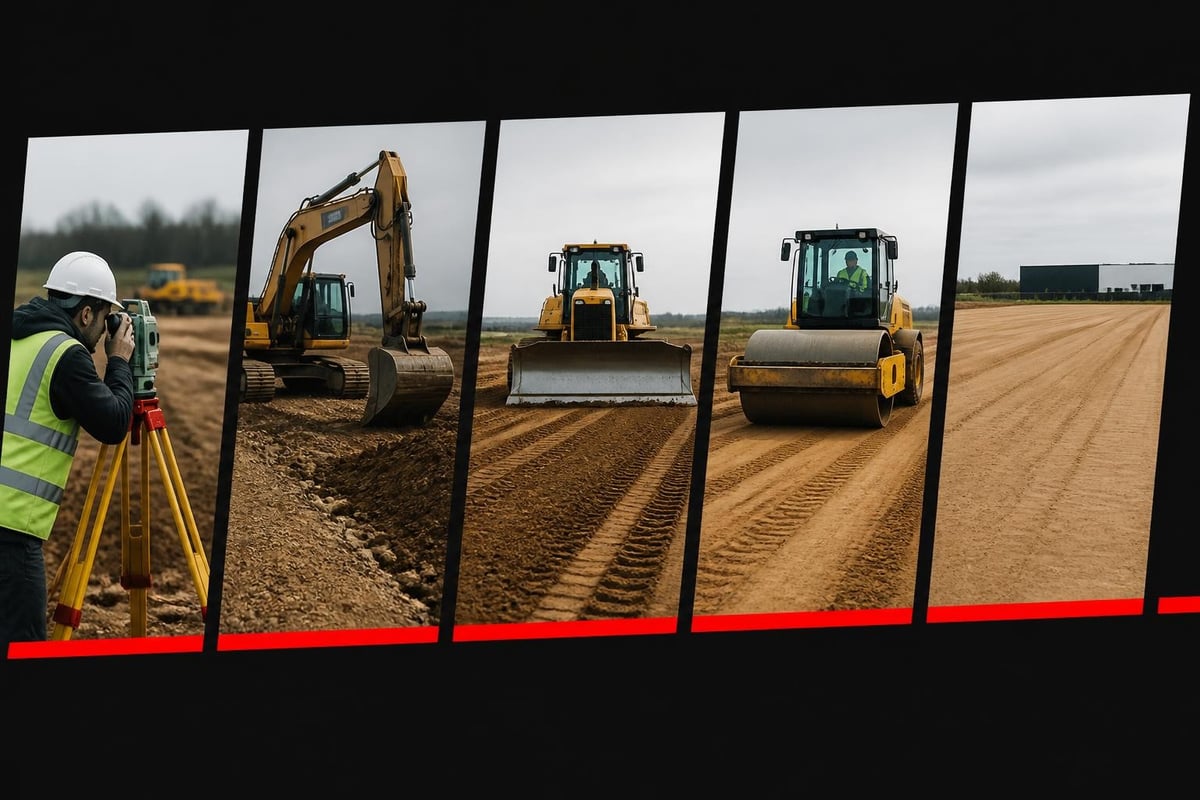
Planning and Preparation for Skelton Earthworks
Proper planning transforms skelton earthworks from labour-intensive excavation into strategic foundation creation. This preparation phase separates exceptional projects from mediocre outcomes.
Before any machinery touches soil, detailed drawings specify cut and fill zones, elevation changes, and material movement patterns. These technical documents guide operators, prevent costly mistakes, and ensure compliance with engineering specifications. Projects undertaken by experienced firms demonstrate how meticulous planning at this stage accelerates later construction phases.
Site Investigation Requirements
Thorough site investigation reveals hidden challenges before they become expensive problems. Geotechnical surveys identify soil stratification, groundwater levels, and potential contamination. This information shapes every subsequent decision in skelton earthworks execution.
| Investigation Type | Purpose | Typical Duration |
|---|---|---|
| Topographical Survey | Establishes existing ground levels | 1-3 days |
| Soil Testing | Determines composition and bearing capacity | 3-5 days |
| Utility Mapping | Locates underground services | 2-4 days |
| Environmental Assessment | Identifies contamination or protected species | 5-10 days |
Understanding these timelines helps project managers schedule skelton earthworks activities appropriately. Rushing investigation phases frequently leads to project delays when unexpected conditions emerge during excavation.
Equipment Selection for Skelton Earthworks Operations
Choosing appropriate machinery directly impacts skelton earthworks efficiency and quality. Modern projects demand equipment matched precisely to soil conditions, site constraints, and project specifications.
Excavators remain the workhorse of skelton earthworks, available in sizes from compact units for residential driveways to massive machines for commercial developments. Tracked excavators provide stability on uneven terrain, whilst wheeled variants offer mobility across finished surfaces. Complementing excavators, bulldozers handle large-scale grading and material pushing.
Machinery Categories and Applications
Different skelton earthworks scenarios require specialized equipment:
Excavation Equipment
- Hydraulic excavators for precise digging and material placement
- Backhoes combining excavation with loading capabilities
- Draglines for deep excavation and waterway construction
Compaction Equipment
- Vibratory rollers for granular materials and asphalt
- Pneumatic rollers for fine grading and sealing
- Plate compactors for confined spaces and trench work
Material Handling
- Articulated dump trucks for efficient earth movement
- Wheel loaders for stockpile management
- Scrapers for large-area cut-and-fill operations
The skelton earthworks approach emphasizes matching equipment to specific tasks rather than using multipurpose machinery inefficiently. This specialization improves productivity whilst reducing fuel consumption and equipment wear.
Excavation Techniques in Skelton Earthworks
Systematic excavation forms the core of skelton earthworks, removing material to designed depths whilst maintaining slope stability and worker safety. These techniques vary based on soil type, excavation depth, and proximity to existing structures.
Benching creates stepped excavations that improve stability in deeper cuts. This skelton earthworks method proves essential when working adjacent to buildings or utilities where slope failure risks unacceptable consequences. Each bench provides a working platform whilst reducing the overall slope angle.
Trench excavation requires specific attention to width, depth, and shoring requirements. Narrow trenches for utilities demand different skelton earthworks approaches than wide foundations for buildings. Safety regulations mandate protective systems beyond specific depths, incorporating shields, shoring, or sloping techniques.
Soil Management During Excavation
Effective skelton earthworks separates topsoil from subsoil, preserving valuable growing medium for landscaping whilst utilizing appropriate materials for structural fill. This segregation prevents organic material from contaminating structural zones where decomposition would create settlement problems.

Moisture content significantly affects excavation efficiency and compaction potential. Skelton earthworks professionals monitor soil conditions, adjusting techniques when materials become too wet or dry for optimal handling. Sometimes excavation must pause whilst soil dries to workable consistency.
Grading and Leveling in Skelton Earthworks
Precision grading transforms rough excavations into surfaces meeting exact specifications. This skelton earthworks phase establishes final elevations, drainage gradients, and surface preparations for subsequent construction.
Laser-guided grading systems enable operators to achieve millimetre accuracy across large areas. These technologies reduce dependency on manual surveying whilst accelerating skelton earthworks completion. GPS-equipped machinery references digital terrain models, automatically adjusting blade positions to match design specifications.
Drainage Integration
Proper drainage represents a non-negotiable aspect of skelton earthworks. Water management prevents structural damage, surface deterioration, and environmental problems. Grading creates positive drainage directing water away from buildings, roads, and other improvements.
Surface drainage employs swales, channels, and slopes guiding water to collection points. Subsurface drainage incorporates perforated pipes, gravel layers, and geotextile fabrics removing water from structural zones. Combined systems provide redundancy protecting against individual component failures.
Projects ranging from commercial developments to residential driveways benefit from integrated drainage planning during skelton earthworks phases. Retrofitting drainage after completion costs substantially more than incorporating it from the outset.
Compaction Methods for Skelton Earthworks
Compaction transforms loose soil into dense, stable material capable of supporting structures and pavement systems. This critical skelton earthworks process removes air voids, increasing load-bearing capacity whilst reducing future settlement risks.
Different soil types require specific compaction approaches. Granular materials respond well to vibration, whilst cohesive clays benefit from kneading action. Skelton earthworks specifications define target density percentages, typically 95-98% of maximum dry density determined through laboratory testing.
| Soil Type | Optimal Compaction Method | Typical Layer Thickness |
|---|---|---|
| Granular (sand/gravel) | Vibratory roller | 200-300mm |
| Cohesive (clay) | Sheepsfoot roller | 150-250mm |
| Mixed soils | Pneumatic roller | 200-250mm |
| Asphalt | Smooth drum roller | 50-100mm |
Achieving specified density requires controlling multiple variables during skelton earthworks compaction. Moisture content must fall within narrow ranges where soil particles bond effectively. Too dry and particles won't consolidate; too wet and excess water prevents proper densification.
Testing and Verification
Quality skelton earthworks programmes incorporate regular density testing, verifying each lift meets specifications before placing subsequent layers. Nuclear density gauges provide rapid results, enabling real-time adjustments to compaction procedures. Sand cone tests offer alternative verification methods where nuclear equipment proves impractical.
Material Sourcing and Specification
Skelton earthworks quality depends heavily on material selection and sourcing. Engineered fills must meet precise gradation, plasticity, and chemical composition requirements ensuring predictable performance characteristics.
Importing select materials becomes necessary when on-site soils prove unsuitable for structural applications. Skelton earthworks professionals evaluate local quarries and suppliers, selecting materials balancing performance requirements against transportation costs. Projects in the North East often benefit from excellent quality aggregates available from regional sources.
Recycled materials increasingly feature in sustainable skelton earthworks approaches. Crushed concrete and reclaimed asphalt provide cost-effective alternatives to virgin aggregates whilst reducing environmental impact. These materials require testing confirming suitability for specific applications before incorporation into projects.
Fill Material Categories
Understanding fill material classifications helps specify appropriate skelton earthworks materials:
- Type 1 granular fill for structural applications beneath pavements
- Type 2 general fill for bulk earthworks and non-structural zones
- Selected cohesive fill for specific engineering applications
- Capping layers providing working platforms for construction traffic
The best practices in earthworks emphasize matching materials to applications, avoiding overspecification that inflates costs without improving performance.
Environmental Considerations in Skelton Earthworks
Modern skelton earthworks must balance construction efficiency with environmental stewardship. Regulatory frameworks require protecting watercourses, controlling dust and noise, and managing contaminated soils responsibly.
Erosion control measures prevent sediment discharge into drainage systems during skelton earthworks activities. Silt fences, sediment traps, and stabilized access points capture soil particles before they leave site boundaries. Temporary seeding or mulching protects disturbed areas awaiting permanent landscaping.
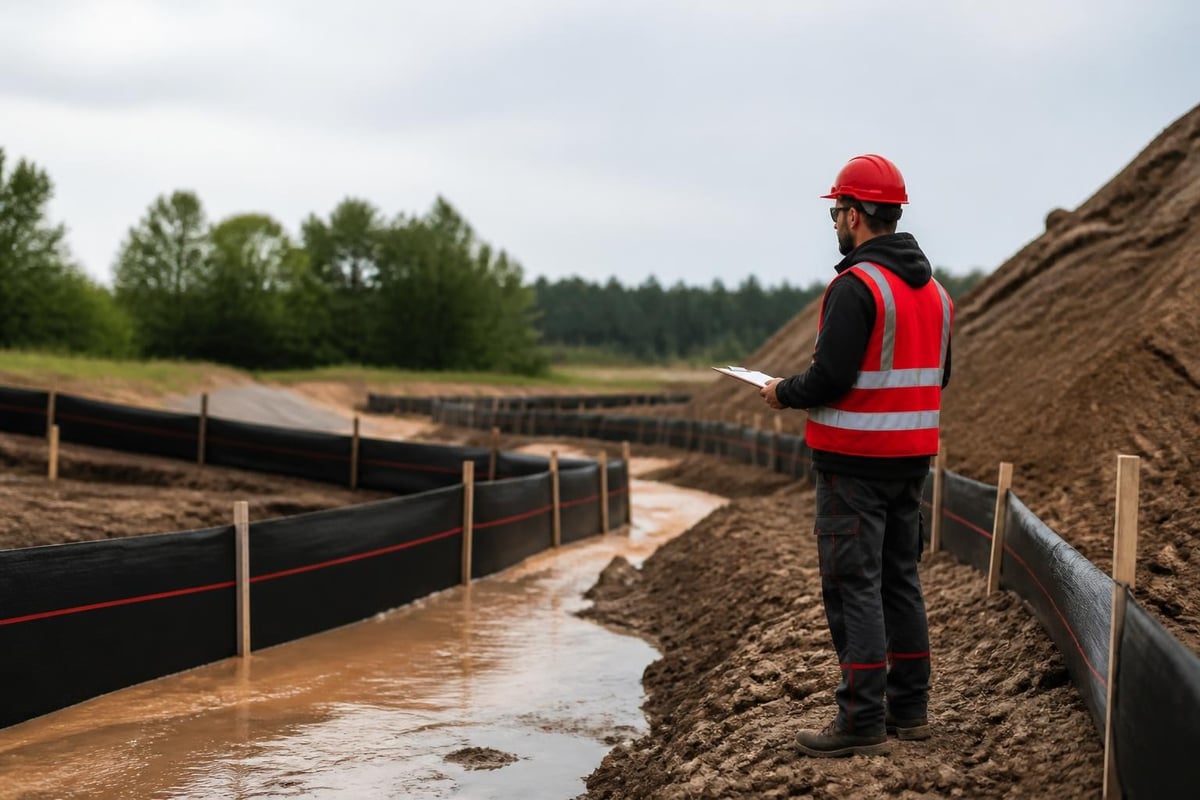
Dust suppression becomes critical during dry conditions when skelton earthworks operations disturb large soil volumes. Water sprays, chemical suppressants, and speed restrictions minimize airborne particles affecting neighbouring properties. Some projects require continuous air quality monitoring ensuring compliance with local regulations.
Contaminated Land Management
Skelton earthworks occasionally encounter contaminated soils requiring specialized handling. Historical industrial use, underground storage tanks, or agricultural chemicals create contamination scenarios demanding careful management. Proper characterization, segregation, and disposal of affected materials protect workers and prevent environmental harm.
Projects involving site work preparation increasingly incorporate environmental risk assessments identifying potential contamination before excavation begins. This proactive approach prevents costly delays when unexpected contamination halts skelton earthworks unexpectedly.
Quality Control in Skelton Earthworks Projects
Systematic quality control distinguishes professional skelton earthworks from haphazard excavation. Structured inspection, testing, and documentation protocols ensure compliance with specifications whilst creating accountability throughout project delivery.
Inspection hold points require verification before proceeding to subsequent activities. Skelton earthworks protocols might mandate geotechnical engineer approval of subgrade conditions before placing structural fill. These checkpoints prevent burying deficient work beneath later construction layers.
Documentation Requirements
Comprehensive skelton earthworks documentation includes:
- Daily activity logs recording work locations, equipment deployment, and weather conditions
- Material delivery tickets confirming source, quantity, and specification compliance
- Compaction test results verifying density achievement at specified intervals
- Photographic records showing conditions at key project stages
- As-built drawings documenting final elevations and drainage installations
This documentation serves multiple purposes within skelton earthworks projects. It demonstrates compliance during inspections, supports payment applications, and provides valuable records should future issues require investigation. Historical records from successful projects inform planning for similar future works.
Skelton Earthworks for Different Project Types
Application requirements vary dramatically across skelton earthworks projects. Commercial developments demand different approaches than residential driveways, though fundamental principles remain constant.
Large commercial projects such as Costa Coffee locations and drive-through restaurants require substantial earthworks supporting extensive paving, drainage infrastructure, and building foundations. These skelton earthworks operations coordinate multiple trades, equipment types, and material deliveries across compressed schedules.
Residential driveways present skelton earthworks challenges in confined spaces with limited access. Compact equipment, hand excavation near services, and careful consideration of neighbouring properties characterize these projects. Despite smaller scale, attention to drainage, compaction, and surface preparation remains equally critical.
Highway and Road Projects
Highway surfacing projects represent specialized skelton earthworks applications where pavement performance directly correlates with subgrade quality. Road construction specifications mandate rigorous testing protocols ensuring uniform support conditions beneath asphalt or concrete surfaces.
Multi-layer pavement systems begin with prepared subgrade following skelton earthworks completion. Capping layers protect weaker soils, sub-base provides structural strength, and base courses create smooth, stable surfaces for final surfacing. Each layer requires individual specification compliance verified through testing.
Advanced Skelton Earthworks Technologies
Innovation continues transforming skelton earthworks from manual processes into technology-enhanced precision operations. These advancements improve efficiency, accuracy, and safety whilst reducing environmental impact.
GPS-guided machinery represents significant skelton earthworks advancement. Operators view real-time position relative to design surfaces on in-cab displays, automatically controlling blade depths and angles. This technology eliminates traditional grade stakes whilst achieving superior accuracy across all site conditions.
Building Information Modeling (BIM) integration enables skelton earthworks planning using three-dimensional site models. Contractors visualize cut-fill quantities, optimize haul routes, and identify potential conflicts before mobilizing equipment. Digital workflows reduce errors whilst improving collaboration between designers, contractors, and clients.
Remote Monitoring and Control
Emerging skelton earthworks technologies include remote equipment operation and autonomous machinery. Though still developing for widespread deployment, these innovations promise improved safety by removing operators from hazardous environments whilst maintaining productivity.
Drone surveys provide rapid topographical data supporting skelton earthworks planning and progress monitoring. Weekly flights document earth movement quantities, verify against design intent, and identify deviations requiring correction. This oversight enhances quality control whilst reducing reliance on manual surveying.
Safety Management in Skelton Earthworks
Safety considerations permeate every skelton earthworks decision from planning through completion. Construction sites present numerous hazards including equipment operation, excavation collapse, and underground utility strikes.
Competent person designation ensures qualified individuals supervise skelton earthworks activities, monitoring for dangerous conditions and enforcing safe work practices. Daily inspections assess excavation stability, protective system integrity, and atmospheric conditions in confined spaces.
Utility location represents critical skelton earthworks safety concern. Underground services including electricity, gas, water, and telecommunications present electrocution, explosion, and flooding risks when damaged. Comprehensive utility surveys combined with cautious excavation near marked services prevent most utility strikes.
Personal Protective Equipment
Standard skelton earthworks PPE requirements include:
- Hard hats protecting against falling objects
- High-visibility clothing ensuring operator awareness
- Safety footwear with steel toe protection
- Hearing protection in high-noise environments
- Respiratory protection when dust levels warrant
Beyond personal protection, skelton earthworks sites implement traffic management plans separating pedestrians from moving equipment. Designated walkways, restricted access zones, and spotters during reversing operations reduce struck-by incidents.
Cost Management in Skelton Earthworks
Understanding skelton earthworks cost drivers enables accurate budgeting and value engineering without compromising quality. Material costs, equipment rates, and labour requirements vary based on project specifics and regional factors.
Balancing cut and fill quantities minimizes material import and export costs within skelton earthworks projects. Designers optimize site grading using existing materials where suitable, reducing haulage expenses and environmental impact. When importing materials, proximity to quarries significantly affects delivered costs.
Equipment productivity directly impacts skelton earthworks expenses. Properly sized machinery operated by skilled personnel completes work efficiently, whilst undersized equipment or inexperienced operators inflate costs through extended durations. Understanding contract civil engineering requirements helps align equipment deployment with project needs.
| Cost Component | Typical Percentage | Cost Management Strategy |
|---|---|---|
| Labour | 25-35% | Optimize crew sizing and scheduling |
| Equipment | 30-40% | Match machinery to tasks, minimize idle time |
| Materials | 25-35% | Source locally, balance cut-fill |
| Testing/QC | 5-10% | Schedule efficiently, prevent rework |
Weather impacts skelton earthworks costs through productivity losses and potential rework. Wet conditions halt compaction operations and create mud requiring removal before quality work resumes. Seasonal planning considers regional weather patterns, scheduling earthworks during favorable conditions when feasible.
Skelton earthworks excellence requires combining technical knowledge, practical experience, and commitment to quality throughout every project phase. From initial site assessment through final surface preparation, professional execution ensures foundations supporting successful developments. When your project demands exceptional civil engineering delivered with pride and precision, JRG Civils brings proven expertise across commercial and residential applications throughout the UK. Contact us to discuss how our skelton earthworks capabilities can support your next development.