Selecting the right kerbing solution can transform any civil engineering project from merely functional to professionally finished. When it comes to proven quality and comprehensive range, marshalls kerbing stands as the industry benchmark for contractors and civil engineers across the United Kingdom. From large-scale commercial developments to residential driveways, understanding the versatility and specifications of Marshalls products ensures project success and long-term durability.
Understanding Marshalls Kerbing Range
The breadth of options available within the marshalls kerbing portfolio addresses virtually every conceivable application in modern civil engineering. Whether you're working on highway infrastructure, commercial car parks, or private residential schemes, there's a tailored solution designed to meet both aesthetic and functional requirements.
Key product categories include:
- Bullnose kerbs for smooth transitions
- Conservation kerbs for heritage and modern applications
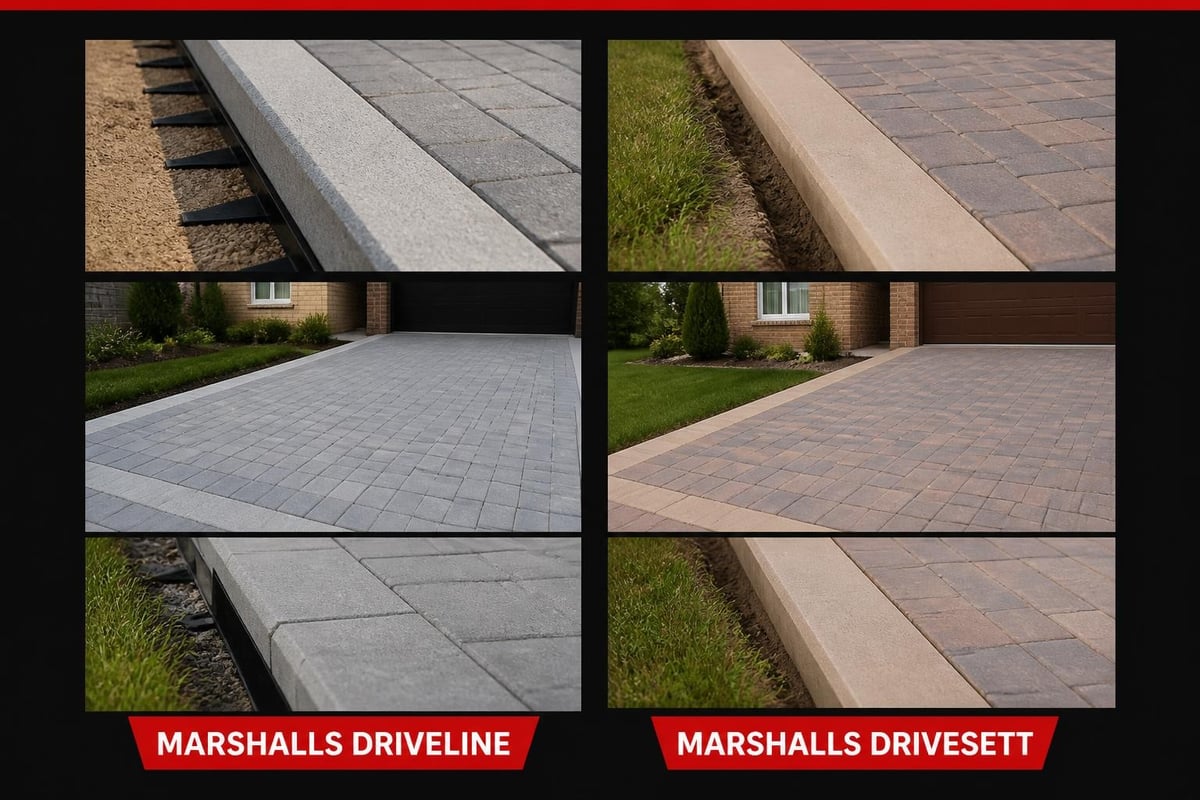
- Driveline edging for residential projects
- Drivesett kerb systems for premium finishes
- British Standard compliant options for highways work
The comprehensive range of Marshalls kerb stones and blocks encompasses both concrete and natural stone options, each engineered to deliver exceptional performance across different environmental conditions and loading requirements.
Materials and Manufacturing Standards
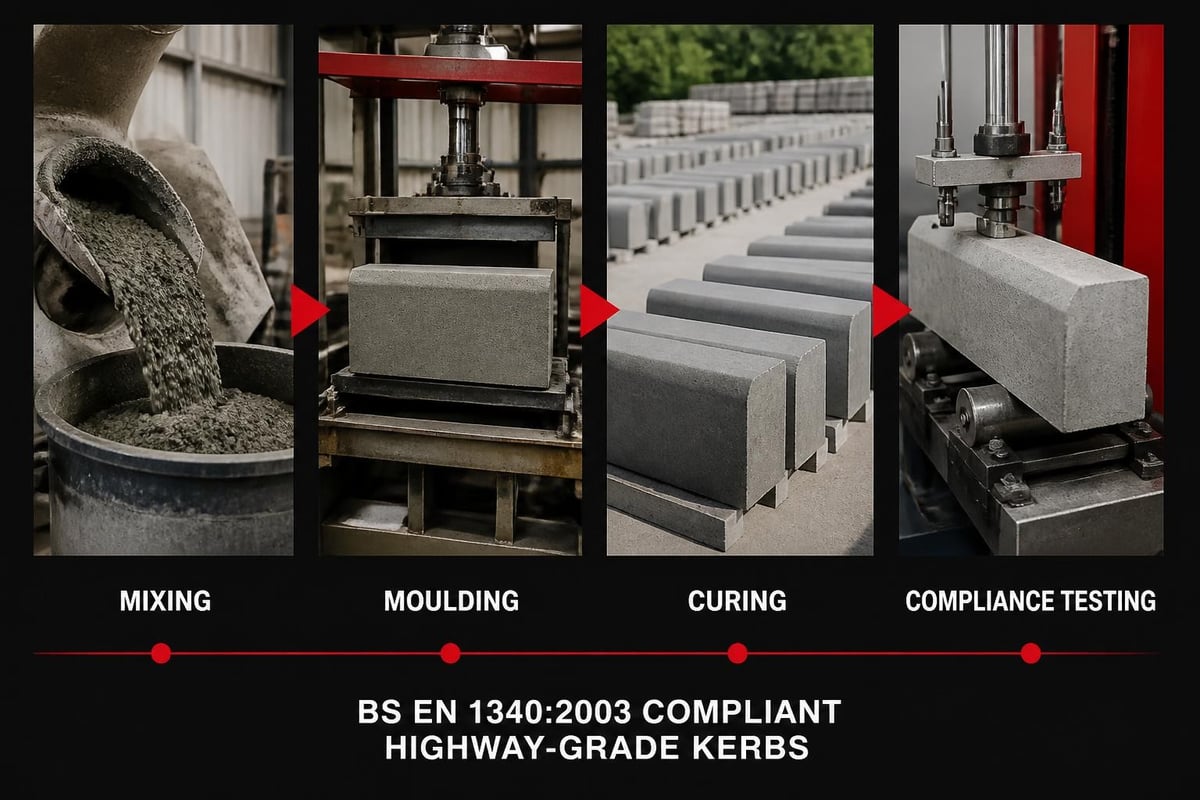
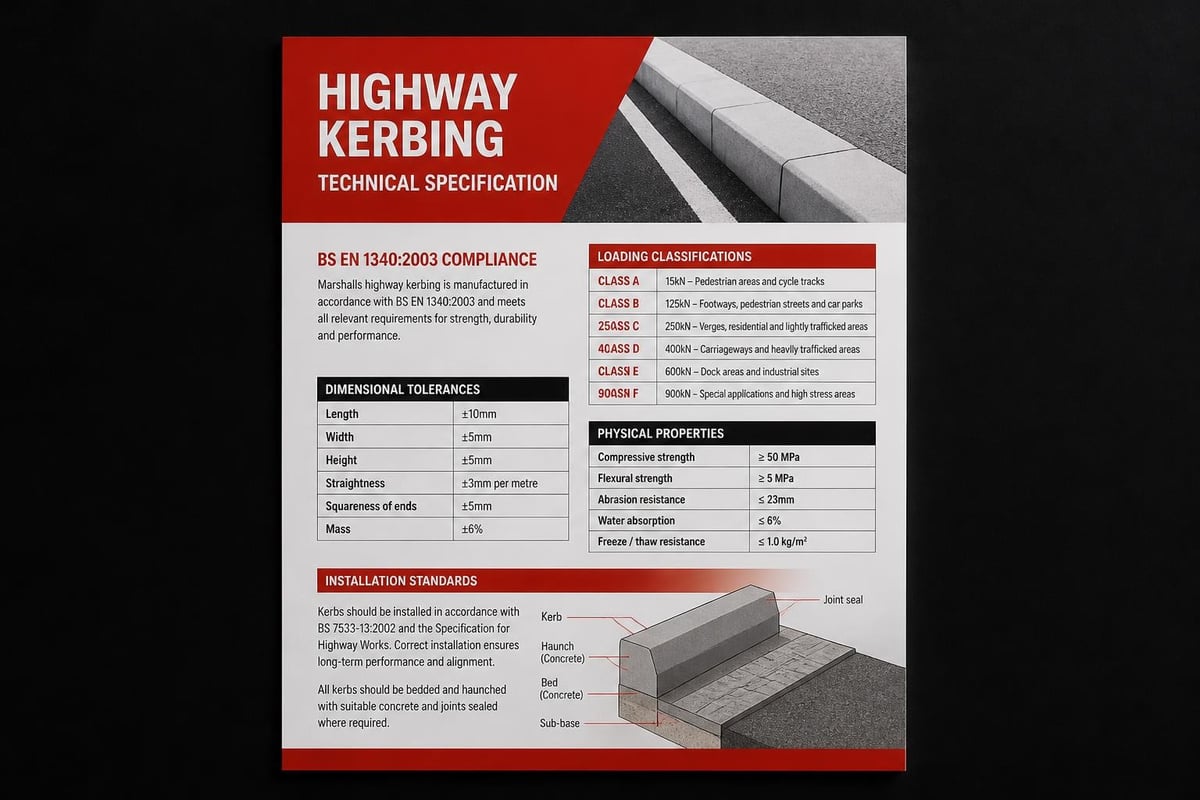
Manufacturing quality separates premium kerbing from inferior alternatives. Marshalls kerbing products undergo rigorous quality control processes, ensuring compliance with BS EN 1340:2003 standards. This British Standard compliance proves particularly crucial for highways projects and local authority contracts where specification adherence isn't negotiable.
The concrete kerbing range utilises high-strength aggregates and precise curing processes that deliver consistent dimensions and surface finishes. Natural stone alternatives provide aesthetic versatility whilst maintaining the structural integrity demanded by contemporary construction standards.
Commercial Applications and Project Considerations
Commercial projects demand kerbing solutions that balance durability, aesthetics, and cost-effectiveness. Having completed multiple franchise developments including Costa Coffee and Greggs drive-throughs, professional contractors understand how marshalls kerbing contributes to overall project success.
The Conservation X Kerb and Edging range exemplifies modern design thinking, combining contemporary aesthetics with exceptional strength characteristics. This range suits diverse applications from pedestrian pavements to heavy-duty car parks.
| Application Type | Recommended Kerb | Key Benefit |
|---|---|---|
| Highway Surfacing | British Standard Bullnose | Regulatory compliance |
| Commercial Car Parks | Conservation X | High strength rating |
| Franchise Drive-throughs | Driveline 4-in-1 | Versatile installation |
| Pedestrian Areas | Bullnose Standard | Smooth transitions |
Load-Bearing Requirements
Understanding load classifications ensures specification accuracy. Marshalls kerbing products cater to different loading scenarios, from pedestrian-only zones to heavy goods vehicle access routes. Highway projects require kerbs capable of withstanding repeated impact from vehicle tyres and occasional overrun events.
Loading classifications to consider:
- Pedestrian zones (minimal vehicle contact)
- Residential driveways (domestic vehicle use)
- Commercial access roads (regular HGV traffic)
- Highway carriageways (continuous heavy loading)
The dimensional consistency of marshalls kerbing products, typically 915mm in length, facilitates accurate planning and minimises wastage during installation. Standard heights of 125mm and 255mm accommodate different application requirements whilst maintaining aesthetic continuity across project phases.
Residential Driveway Solutions
Homeowners increasingly recognise that quality kerbing elevates driveway appearance whilst providing essential edge restraint. The Driveline 4-in-1 Kerb offers remarkable versatility, functioning as edging, kerb, channel, or retaining element depending on installation orientation.
This adaptability proves particularly valuable for residential projects where budget constraints require creative problem-solving. A single product line can address multiple requirements, simplifying procurement and reducing inventory complexity for contractors working across various private developments.
Aesthetic Coordination
Marshalls kerbing ranges coordinate seamlessly with paving and pathway products. The Driveline system, for instance, complements multiple surface treatments from traditional block paving to contemporary resin-bound finishes. This design integration ensures visual cohesion across the entire hardstanding area.
Colour matching capabilities extend beyond simple coordination. Many marshalls kerbing products feature multiple colour options within each range, enabling contractors to create contrasting borders or unified monochromes depending on client preferences.
Installation Best Practices
Proper installation methodology determines long-term performance regardless of product quality. Marshalls kerbing requires specific bedding and haunching techniques to achieve optimal stability and alignment. Professional civil engineering contractors understand that shortcuts during installation inevitably lead to premature failure and costly remediation.
Foundation Preparation Steps
- Excavate to appropriate depth (typically 150-200mm below finished kerb level)
- Install and compact granular sub-base material
- Create concrete bedding layer (minimum 100mm depth)
- Set kerbs to precise line and level
- Apply concrete haunching to rear face
The haunching concrete should achieve minimum 100mm width and extend to approximately two-thirds of the kerb height. This provides lateral restraint preventing forward rotation under repeated loading cycles.
Critical installation factors:
- Line and level accuracy within ±5mm tolerance
- Consistent joint widths between consecutive units
- Adequate curing time before trafficking
- Proper drainage considerations at low points
Projects like the Secret Garden at Bishop Auckland Castle demonstrate how meticulous installation enhances both functionality and visual appeal in prestigious developments.
Bullnose Versus Standard Kerb Profiles
Profile selection influences both performance and aesthetics. The bullnose kerb design from Marshalls features a radiused top edge that provides smooth transitions between surfaces whilst reducing impact damage from vehicle tyres. This profile particularly suits highway applications and areas where vehicle overrun occurs regularly.
Standard square-edged kerbs deliver crisp, defined edges appropriate for formal landscaping schemes and areas with minimal vehicle interaction. The choice depends on specific project requirements and anticipated usage patterns.
| Feature | Bullnose Kerb | Standard Kerb |
|---|---|---|
| Edge Profile | Radiused | Square |
| Impact Resistance | Superior | Moderate |
| Aesthetic | Softer lines | Sharp definition |
| Highway Use | Preferred | Acceptable |
| Formal Gardens | Less common | Preferred |
Transition Zones and Interface Details
Complex projects often require multiple kerb types at different locations. Marshalls kerbing compatibility enables seamless transitions between profiles without visual discord. Highway schemes might employ bullnose kerbs along carriageway edges whilst utilising standard profiles for pedestrian segregation areas.
The Drivesett Kerb Edging specifically addresses the requirement for creating distinct garden spaces whilst maintaining paved area integrity. This specialised edging product demonstrates how marshalls kerbing extends beyond traditional boundary demarcation into landscape design territory.
Specification Compliance for Highways Projects
Local authorities and highways departments maintain stringent specification requirements that contractors must satisfy. Marshalls kerbing products designed for highways applications carry necessary certifications and performance data to support specification compliance.
The British Standard Bull Nosed Concrete Kerb measuring 125mm x 255mm x 915mm represents the industry standard for highways work. Its compliance with BS EN 1340:2003 ensures acceptability across virtually all UK highways projects.
Documentation requirements typically include:
- Material composition certificates
- Dimensional tolerance data
- Compressive strength test results
- Freeze-thaw resistance certification
- Slip resistance values where applicable
Projects such as Roadchef Tibshelf Services require comprehensive documentation demonstrating specification compliance at every level.
Channel Kerbing and Drainage Integration
Effective surface water management relies on properly designed and installed drainage channels. The Concrete Dished Channel Kerb from Marshalls combines edge definition with integral drainage functionality, particularly valuable for road parking and carriageway applications.
Channel kerbs feature a recessed profile along the top surface, directing water flow towards drainage infrastructure. This integrated approach reduces installation complexity compared to separate kerb and channel systems.
Drainage Design Considerations
- Calculate runoff volumes based on catchment area
- Determine appropriate channel depth and width
- Establish fall gradients (minimum 1:100 recommended)
- Locate gully positions for efficient collection
- Verify capacity at design rainfall intensity
Marshalls kerbing products with integral channels eliminate the interface between separate components, reducing potential failure points where water ingress might compromise structural integrity. This design philosophy aligns with contemporary civil engineering best practice emphasising whole-life cost analysis.
Cost Considerations and Value Analysis
Initial material cost represents only one component of total project expenditure. Marshalls kerbing delivers value through longevity, reduced maintenance requirements, and installation efficiency. Professional contractors recognise that premium products often generate superior returns when whole-life costs receive proper consideration.
Value factors beyond initial purchase price:
- Dimensional consistency reducing wastage
- Proven durability minimising replacement cycles
- Wide availability ensuring project continuity
- Technical support from manufacturer
- Specification compliance reducing approval delays
Large commercial projects benefit particularly from these value factors. The economies of scale achieved on developments like caravan parks, exemplified by work at Haggerston Castle Caravan Park, demonstrate how marshalls kerbing contributes to efficient project delivery.
Maintenance and Long-Term Performance
Properly installed marshalls kerbing requires minimal maintenance throughout its service life. Periodic inspections should verify that haunching remains intact and no settlement has occurred at joints. Any minor adjustments prove far simpler and more cost-effective than wholesale replacement of inferior products.
The robustness of Marshalls commercial bullnose kerbs ensures they withstand decades of service in demanding environments. This longevity proves particularly valuable for highways infrastructure where replacement works involve significant traffic management costs and public inconvenience.
| Maintenance Activity | Frequency | Typical Requirements |
|---|---|---|
| Visual Inspection | Annual | Check for settlement, damage |
| Joint Verification | Every 3 years | Ensure haunching integrity |
| Drainage Clearance | Bi-annual | Remove debris from channels |
| Surface Cleaning | As required | Pressure washing if stained |
Performance Monitoring
Proactive monitoring identifies potential issues before they escalate into major problems. Settlement at joints indicates possible sub-base failure requiring investigation. Cracking patterns might suggest inadequate haunching or excessive loading beyond design parameters.
The Marshalls Bullnosed Kerb range features smooth, durable surfaces that resist deterioration from environmental exposure and mechanical wear. This inherent resilience supports predictable performance throughout the design life.
Environmental and Sustainability Factors
Modern construction practices increasingly prioritise environmental considerations. Marshalls kerbing manufacturing processes incorporate sustainability principles including recycled aggregate content where appropriate and energy-efficient production methods.
The longevity of concrete kerbing products contributes positively to sustainability metrics by reducing replacement frequency and associated carbon emissions from repeated installation activities. Specifying durable marshalls kerbing aligns with broader environmental objectives whilst satisfying functional requirements.
Sustainability advantages:
- Extended service life reducing replacement cycles
- Local manufacturing reducing transport emissions
- Recycled content in selected product ranges
- Permeable options supporting sustainable drainage
- Compatibility with BREEAM and similar assessment frameworks
Civil engineering projects increasingly face scrutiny regarding environmental impact. Demonstrating specification decisions based on whole-life sustainability rather than purely initial cost positions contractors favourably for environmentally conscious clients and regulatory frameworks.
Selecting appropriate kerbing solutions demands understanding both immediate project requirements and long-term performance expectations. Marshalls kerbing delivers the proven quality, comprehensive range, and technical support that civil engineering projects demand. Whether you're planning highway infrastructure, commercial developments, or residential enhancements, JRG Civils brings the expertise and attention to detail necessary to achieve outstanding results from specification through to completion across projects throughout the UK.