
Mini earthworks represent a specialised approach to civil engineering that focuses on small-scale excavation, ground preparation, and site development. This technique has transformed how contractors approach residential driveways, commercial car parks, and compact construction sites across the UK. Understanding the capabilities and applications of mini earthworks enables property owners and developers to make informed decisions about their groundwork requirements whilst maintaining cost-efficiency and precision.
Understanding Mini Earthworks in Modern Construction
The term mini earthworks encompasses a range of activities performed on a smaller scale than traditional large-scale earthmoving operations. These projects typically involve precision excavation, ground levelling, foundation preparation, and drainage installation for residential and light commercial applications.
What distinguishes mini earthworks from standard earthmoving operations is the combination of compact equipment, detailed site control, and adaptability to restricted access locations. The scope of these projects ranges from single driveway installations to multi-unit residential developments requiring careful ground preparation.
Equipment Specifications for Small-Scale Operations
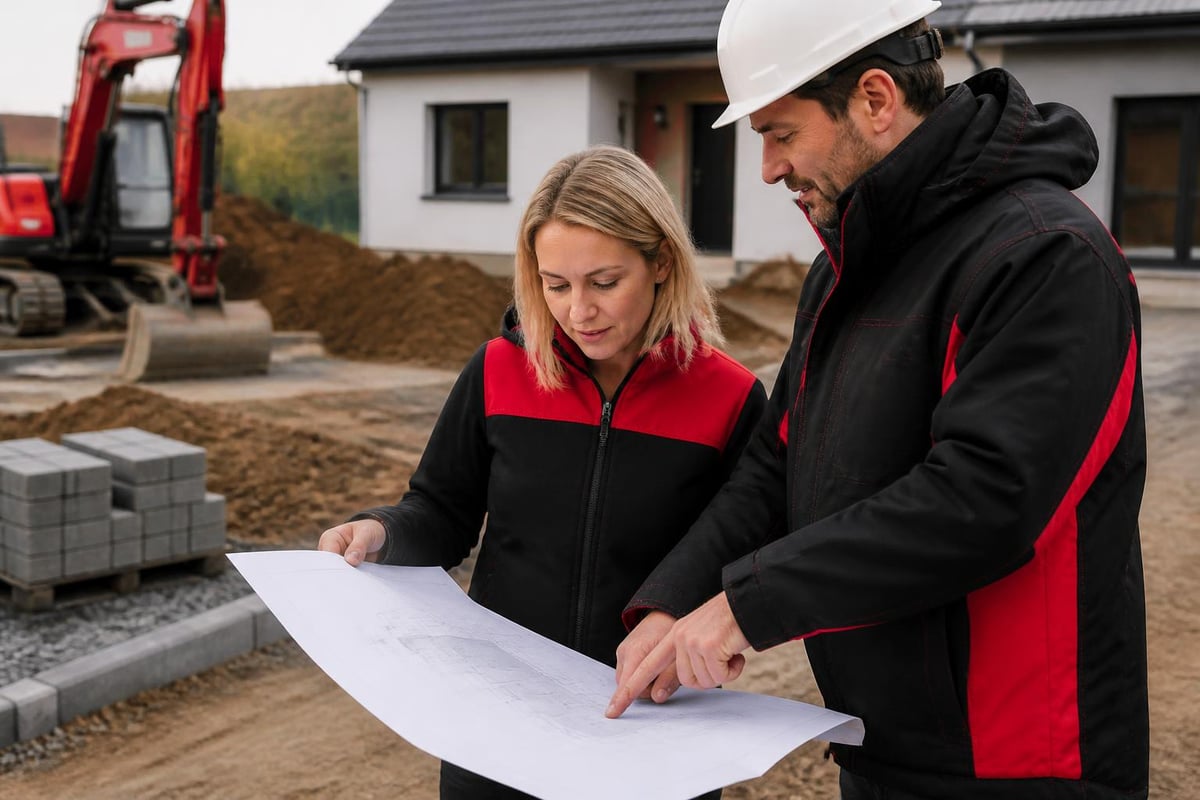
Mini earthworks projects rely on specialized machinery designed for confined spaces and detailed work. Mini excavators form the cornerstone of these operations, typically weighing between 1 and 6 tonnes, offering exceptional manoeuvrability in tight residential settings.
Key equipment includes:
- Compact excavators with variable bucket attachments for different soil types
- Skid-steer loaders for material handling and site clearance
- Vibrating plate compactors ensuring proper ground consolidation
- Dumpers and mini tippers for efficient material removal
- Laser-guided grading equipment for precision levelling
The versatility of mini excavators allows operators to perform various activities from trenching to precise grading, making them indispensable for modern groundwork contractors. These machines can access rear gardens, side passages, and other locations where traditional plant machinery cannot operate effectively.
Applications Across Residential and Commercial Projects
Mini earthworks services find application in diverse scenarios, each requiring specific technical approaches and careful planning. The adaptability of these operations makes them particularly valuable in established urban environments where space constraints and access limitations present ongoing challenges.
Driveway Construction and Surfacing
Driveway projects represent one of the most common applications of mini earthworks. The process begins with accurate excavation to the required depth, typically between 200mm and 350mm depending on ground conditions and intended vehicle loadings.
Preparation stages include:
- Site survey and marking to establish levels and boundaries
- Excavation of existing surfaces and unsuitable materials
- Sub-base installation using Type 1 MOT crushed stone
- Compaction in layers not exceeding 150mm thickness
- Edge restraint installation to prevent lateral movement
- Final surfacing with block paving, tarmac, or resin-bound materials
The geotechnical aspects of earthworks require careful attention to soil bearing capacity and drainage characteristics. Poor ground conditions may necessitate additional excavation and replacement with engineered fill materials.
| Driveway Type | Typical Excavation Depth | Sub-base Thickness | Surfacing Layer |
|---|---|---|---|
| Domestic (cars only) | 250-300mm | 150-200mm | 50-100mm |
| Commercial (light vehicles) | 300-350mm | 200-250mm | 60-100mm |
| Heavy duty (commercial) | 400-450mm | 300-350mm | 75-150mm |
Patio and Garden Landscaping
Garden patios require meticulous mini earthworks to ensure proper drainage and long-term stability. Unlike driveways, patios must balance aesthetic considerations with structural requirements whilst accommodating landscape features.
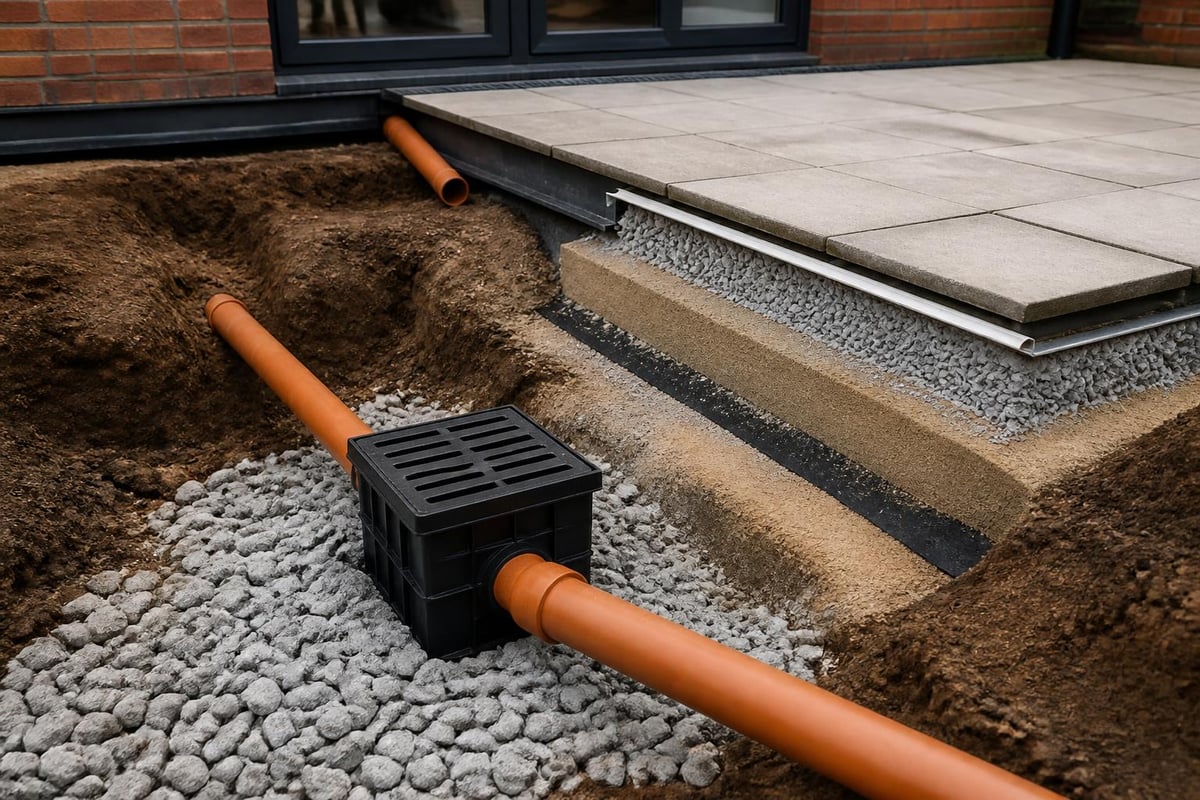
The excavation process for patios demands attention to finished levels relative to damp-proof courses, typically maintaining at least 150mm clearance below any building's DPC. Drainage falls of 1:60 to 1:80 direct surface water away from structures, preventing water ingress and subsidence issues.
Critical patio earthworks considerations:
- Removal of topsoil and organic materials to stable subgrade
- Installation of geotextile membranes preventing weed growth
- Creation of drainage channels and connection to existing systems
- Compacted sub-base providing uniform support across the area
- Edge details integrating with lawn, borders, and garden features
Commercial Drive-Through Facilities
Commercial applications of mini earthworks extend to drive-through restaurants, retail car parks, and service station forecourts. These projects demand higher specifications than residential work, accommodating frequent vehicle movements and heavier loadings.
Drive-through facilities for establishments such as coffee shops and fast-food restaurants require precise coordination between groundworks, drainage, and surfacing contractors. The works typically progress under tight timescales to minimize business disruption and meet franchise opening schedules.
Technical Considerations for Successful Projects
Understanding what earthworks entail in construction contexts helps clients appreciate the complexity involved in seemingly straightforward ground preparation projects. Multiple factors influence project outcomes, from initial soil conditions to weather impacts during construction.
Soil Classification and Bearing Capacity
Different soil types respond variably to excavation, compaction, and loading. Clay soils present challenges in wet conditions, becoming plastic and difficult to compact effectively. Sandy soils drain freely but may require stabilization to achieve adequate bearing capacity. Rocky substrates increase excavation complexity but often provide excellent natural bearing.
Bearing capacity testing determines whether existing ground can support proposed structures or if ground improvement measures become necessary. Weak soils may require:
- Complete excavation and replacement with engineered fill
- Cement or lime stabilization of existing materials
- Installation of geogrid reinforcement layers
- Deep compaction using specialized equipment
Drainage Integration and Water Management
Effective drainage systems form integral components of all mini earthworks projects. Surface water management prevents damage to newly constructed works and protects adjacent properties from flooding or water ingress issues.
| Drainage Solution | Application | Advantages | Limitations |
|---|---|---|---|
| French drains | Subsurface water removal | Unobtrusive, effective | Requires maintenance |
| Channel drainage | Surface water collection | High capacity, robust | Visible, higher cost |
| Soakaways | Water dispersal | Sustainable, low cost | Soil-dependent performance |
| Permeable paving | Integrated drainage | Reduces runoff, compliant | Higher initial cost |
Environmental considerations increasingly influence drainage design, with minimizing impacts on groundwater and natural systems becoming essential in planning applications. Sustainable drainage systems (SuDS) integrate water management with landscape features, providing ecological benefits alongside functional performance.
Quality Control and Compaction Standards
Achieving specified compaction levels represents one of the most critical aspects of mini earthworks. Inadequate compaction leads to settlement, surface deformation, and premature failure of surfacing materials. Professional contractors employ systematic testing protocols ensuring compliance with design specifications.
Testing Methodologies and Compliance
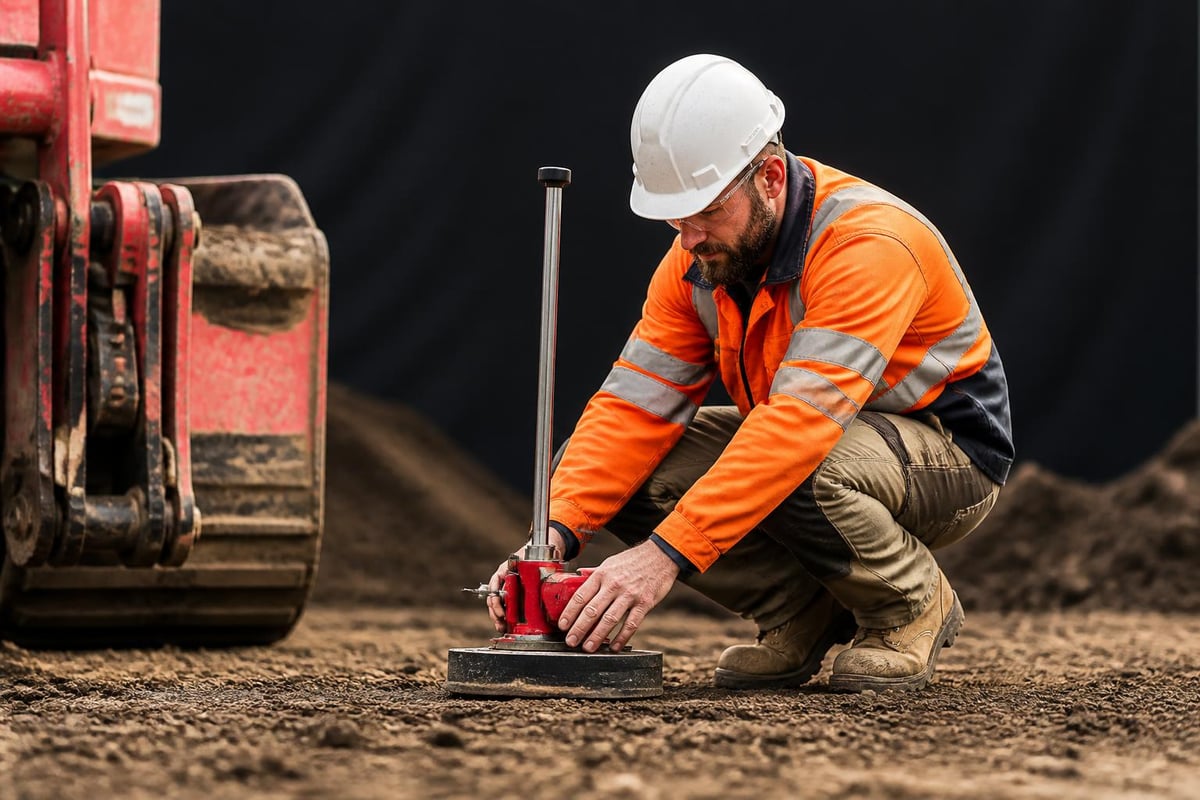
Compaction testing verifies that materials achieve the required density relative to their maximum dry density. The most common methods include nuclear density gauges and plate bearing tests, each offering specific advantages in different situations.
Specification typically requires sub-base materials to achieve 95% or higher of maximum dry density as determined by laboratory testing. Surface layers demand even higher compaction levels, often exceeding 98% to ensure adequate performance under traffic loading.
Progressive quality control involves:
- Material testing confirming compliance with grading specifications
- Layer thickness measurement ensuring proper construction depths
- Compaction testing at regular intervals across the work area
- Level checks maintaining designed falls and finished heights
- Documentation providing evidence of compliance for clients
Environmental and Safety Protocols
Modern mini earthworks operations must comply with stringent environmental and safety regulations. Dust suppression, noise management, and protection of existing services require careful planning and implementation throughout project duration.
Service strikes represent significant risks during excavation activities. Comprehensive utility searches, trial holes, and use of cable avoidance tools minimize these dangers. Safe digging practices include maintaining appropriate distances from identified services and employing hand excavation in sensitive zones.
Cost Factors and Project Planning
Understanding cost drivers enables realistic budgeting for mini earthworks projects. Multiple variables influence final project costs, from ground conditions to access constraints and specification requirements.
Primary cost considerations include:
- Site accessibility and equipment mobilization requirements
- Excavation volumes and disposal costs for arising materials
- Sub-base material quantities and haulage distances
- Specification levels and quality control requirements
- Drainage complexity and connection to existing systems
- Surfacing choice and finish quality expectations
Ground conditions significantly impact excavation costs. Rocky substrates or contaminated soils increase both time and equipment requirements, whilst high water tables necessitate dewatering systems and temporary works. Thorough site investigation during quotation stages prevents unexpected cost escalation during construction.
Timeframes and Scheduling Considerations
Typical mini earthworks projects for residential driveways complete within 3-5 working days, encompassing excavation, sub-base installation, and preparation for surfacing. Commercial projects extend over longer periods due to larger areas and more complex specifications.
Weather significantly influences programming, particularly during winter months. Prolonged rainfall saturates ground conditions, preventing effective compaction and delaying surfacing operations. Professional contractors build contingencies into programmes, accommodating weather risks whilst maintaining realistic completion dates.
Selecting Professional Contractors
Choosing experienced civil engineering contractors ensures mini earthworks projects achieve desired outcomes whilst minimizing risks and complications. Professional firms bring technical expertise, appropriate equipment, and comprehensive insurance coverage to every project.
Evaluation criteria should include:
- Demonstrated experience in similar project types and scales
- Access to appropriate plant machinery and skilled operators
- Comprehensive insurance covering public and employer's liability
- Knowledge of relevant standards and regulatory requirements
- Quality assurance systems and documented working procedures
- Professional memberships and industry accreditations
References from previous clients provide valuable insights into contractor performance, reliability, and problem-solving capabilities. Site visits to completed projects allow assessment of workmanship quality and attention to finishing details that distinguish exceptional contractors from adequate performers.
Integration with Wider Construction Works
Mini earthworks rarely exist in isolation, typically forming part of broader construction or renovation projects. Coordination between groundworks contractors and other trades ensures seamless project progression and optimal outcomes.
For new build developments, mini earthworks contractors work alongside foundation specialists, ensuring proper integration between building foundations and surrounding ground levels. Service installation requires coordination with utility contractors, positioning drainage, electrical, and communication infrastructure before final surfacing operations.
The critical role of earthwork in construction extends beyond simple ground preparation, influencing project success through proper execution and integration with subsequent construction phases.
Material Sustainability and Recycling
Modern construction increasingly emphasizes sustainable material use and waste reduction. Mini earthworks projects generate significant volumes of excavated material, creating opportunities for recycling and reuse rather than disposal to landfill.
Suitable excavated materials can be repurposed within projects for landscaping, level adjustments, or screening mounds. Crushed concrete from demolished surfaces provides economical sub-base material when processed correctly. These approaches reduce haulage costs, lower environmental impact, and contribute to circular economy principles within construction.
| Material Type | Reuse Potential | Processing Required | Typical Application |
|---|---|---|---|
| Topsoil | High | Screening, storage | Landscaping, planting areas |
| Clay subsoil | Medium | Stabilization | Landscape mounding, filling |
| Crushed concrete | High | Crushing, grading | Sub-base material |
| Mixed aggregates | Medium | Separation, grading | General fill, capping layers |
Future Developments in Mini Earthworks
Technological advancement continues reshaping how contractors approach mini earthworks projects. GPS-guided grading systems, traditionally reserved for large-scale operations, now feature on compact equipment, enabling unprecedented accuracy in small projects.
Emerging technologies include:
- Machine control systems providing real-time level guidance
- Telematics monitoring equipment performance and fuel consumption
- Electric and hybrid plant reducing emissions and noise
- 3D modeling software improving design visualization and planning
- Drone surveying delivering accurate site measurements rapidly
These innovations enhance productivity whilst improving quality outcomes and reducing environmental impacts. Forward-thinking contractors invest in technology adoption, delivering superior results and operational efficiency compared to traditional approaches.
The construction sector's ongoing emphasis on sustainability drives development of lower-carbon materials and construction methods. Recycled aggregates, stabilized soils, and permeable paving solutions all contribute to reduced environmental footprints whilst maintaining structural performance standards.
Mini earthworks deliver precision ground preparation essential for successful driveway, patio, and commercial surfacing projects across residential and commercial applications. Understanding the technical requirements, quality standards, and professional expertise required ensures projects achieve lasting performance and aesthetic excellence. Whether you're planning a domestic driveway, commercial car park, or comprehensive site development, JRG Civils brings civil engineering excellence and meticulous attention to detail to every mini earthworks project across the North East and throughout the UK.