
Earth filling in foundation work represents one of the most critical stages in any construction project, whether you're building commercial drive-throughs, residential driveways, or large-scale infrastructure. The quality of foundation filling directly impacts structural integrity, longevity, and overall project success. Understanding the complexities of proper earth filling techniques, material selection, and compaction methods ensures that your foundation can withstand the test of time and environmental challenges.
Understanding Earth Filling in Foundation Work
Earth filling in foundation involves the strategic placement and compaction of soil materials around and beneath structural elements to create a stable, load-bearing base. This process is fundamental to construction projects ranging from small residential patios to extensive commercial developments. The technique requires precise planning, appropriate material selection, and systematic execution to achieve optimal results.
The Purpose and Importance of Foundation Filling
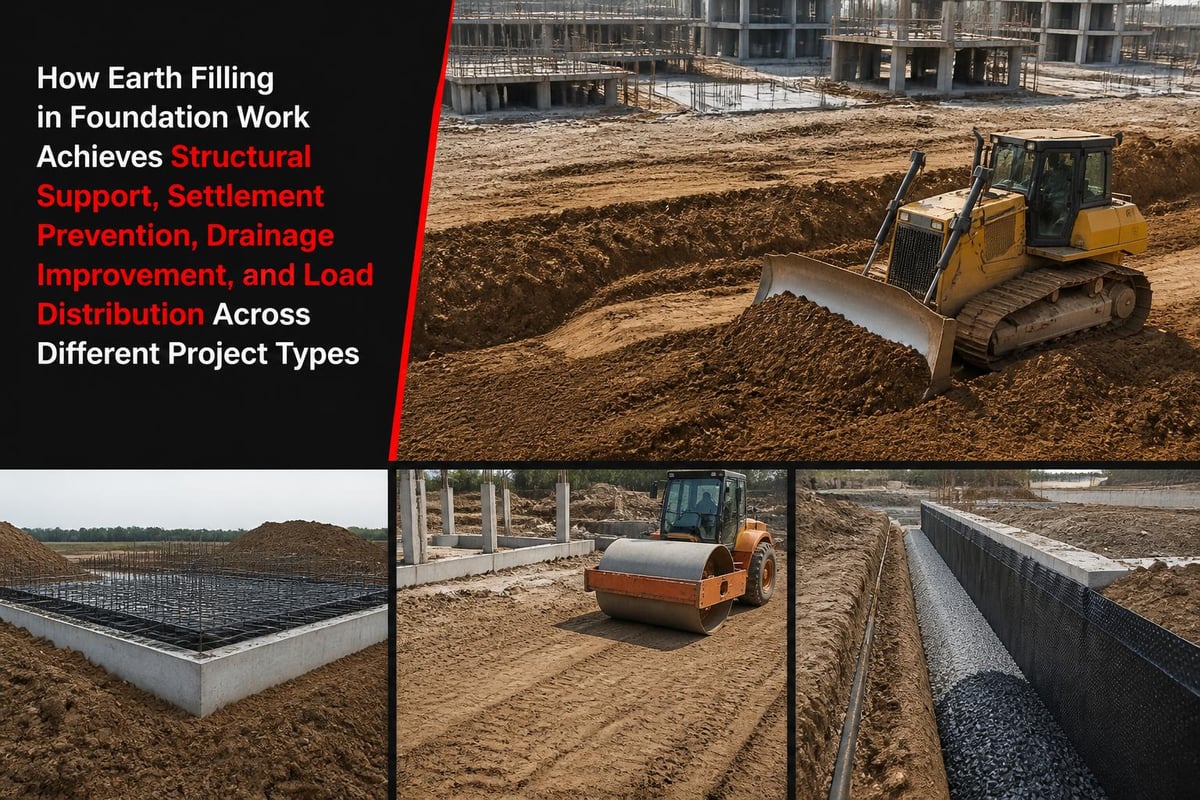
Foundation filling serves multiple critical functions in construction projects. Primary objectives include providing adequate support for structures, preventing settlement, improving drainage characteristics, and creating level surfaces for subsequent construction phases. When executed properly, earth filling in foundation work distributes loads evenly across the subgrade, minimising the risk of differential settlement that can cause structural damage.
The success of any construction project depends significantly on the quality of foundation preparation. Poor filling practices can lead to costly remediation, structural failures, and project delays. For commercial projects like drive-throughs and retail facilities, where heavy traffic loads and consistent performance are essential, the stakes are particularly high.
Material Selection for Foundation Filling
Choosing appropriate fill materials constitutes a crucial decision in foundation work. The selection process must account for project specifications, soil conditions, drainage requirements, and load-bearing expectations.
Common Fill Materials and Their Applications
| Material Type | Best Use Cases | Key Advantages | Considerations |
|---|---|---|---|
| Granular Fill | High-load areas, drainage-critical zones | Excellent compaction, superior drainage | Higher cost, requires moisture control |
| Clay Fill | Low-permeability requirements, expansive soil replacement | Cost-effective, readily available | Poor drainage, expansion concerns |
| Crushed Stone | Heavy-duty foundations, commercial projects | Maximum strength, minimal settlement | Premium pricing, specialized equipment needed |
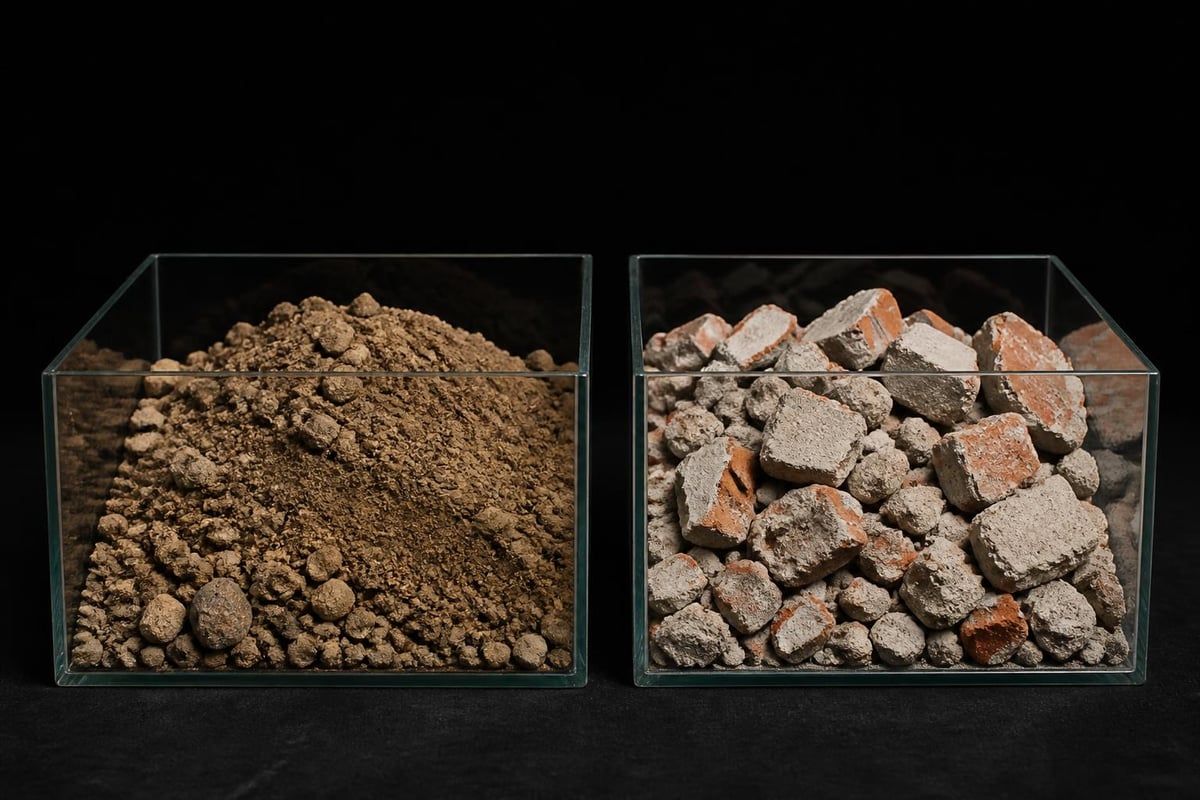
| Recycled Aggregates | Cost-conscious projects, sustainable builds | Environmentally friendly, economical | Variable quality, requires testing |
Understanding fill materials used in foundations helps contractors make informed decisions aligned with project requirements and budget constraints. The choice of material directly influences compaction characteristics, settlement behaviour, and long-term performance.
Material Testing and Quality Assurance
Before commencing earth filling in foundation work, comprehensive material testing ensures compliance with engineering specifications. Laboratory tests typically evaluate grain size distribution, moisture content, Proctor density, and California Bearing Ratio (CBR). These measurements provide critical data for determining compaction requirements and predicting long-term performance.
Field testing complements laboratory analysis by verifying material consistency throughout the project. Regular sampling during delivery and placement prevents quality variations that could compromise foundation integrity. For large-scale commercial projects, establishing a robust quality assurance programme from project inception saves time and prevents costly rework.
Foundation Preparation and Excavation
Proper foundation preparation creates the canvas upon which successful earth filling in foundation work occurs. This phase involves site assessment, excavation to specified depths, and subgrade preparation according to engineering designs.
Site Assessment and Planning
Initial site investigation reveals existing soil conditions, groundwater levels, and potential obstacles. Geotechnical reports inform decisions about excavation depth, fill material selection, and necessary ground treatment. For projects involving foundations and piling, understanding subsurface conditions becomes even more critical.
Site-specific challenges such as expansive soils require specialized approaches. Research into ground treatment methods for high fill embankments demonstrates effective strategies for managing difficult soil conditions that could affect foundation stability.
Excavation Best Practices
- Remove all organic material, topsoil, and unsuitable subgrade material
- Excavate to depths specified in engineering drawings
- Maintain stable excavation walls with appropriate shoring or sloping
- Ensure adequate dewatering in high groundwater conditions
- Create level subgrade surfaces to specified tolerances
Excavation precision directly impacts subsequent filling operations. Uneven surfaces or inadequate removal of unsuitable materials creates weak points that compromise the entire foundation system.
Compaction Methods and Requirements
Compaction transforms loose fill material into a dense, stable foundation capable of supporting design loads. Earth filling in foundation work demands systematic compaction in controlled lifts, with each layer receiving adequate attention before proceeding to the next.
Compaction Equipment Selection
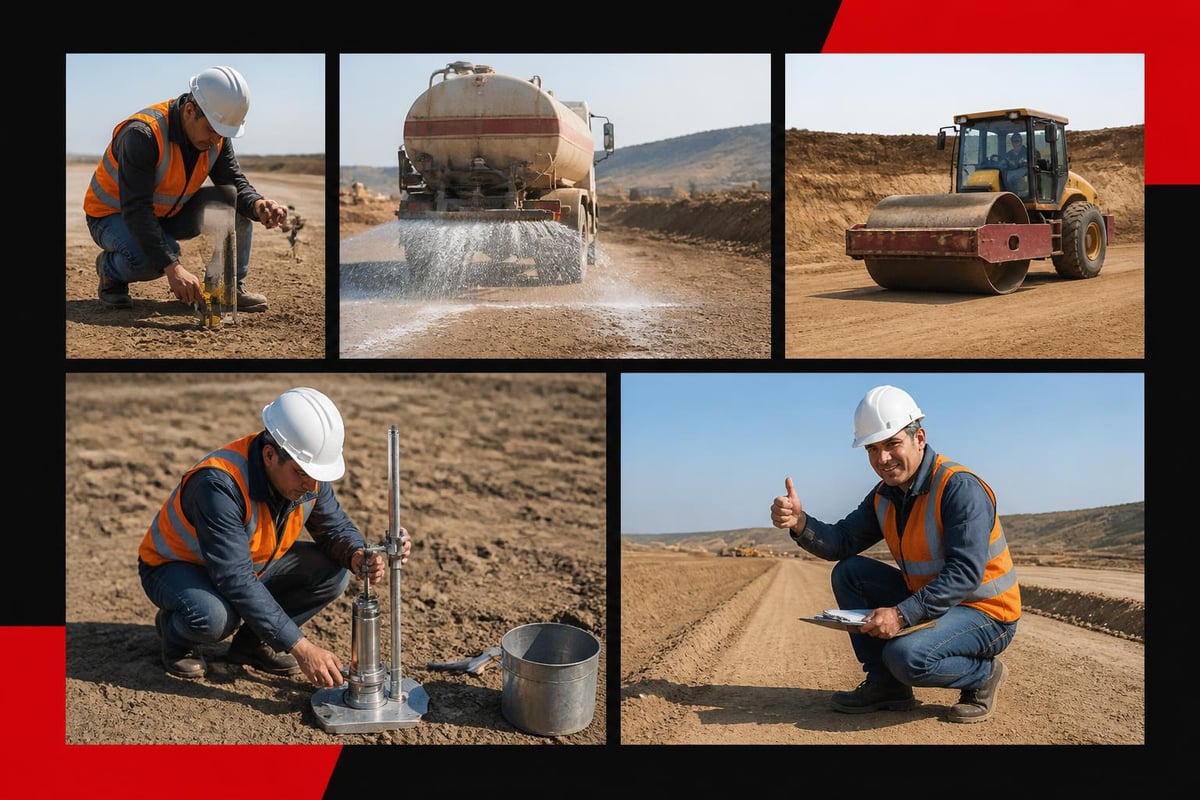
Different projects require specific compaction equipment based on material type, lift thickness, and site constraints. Vibratory plate compactors suit confined spaces and thin lifts, whilst smooth drum rollers excel in large open areas with granular materials. For cohesive soils, padfoot rollers provide superior compaction through kneading action.
Equipment selection also considers project scale and timeline. Commercial developments often justify investment in larger, more efficient machinery, whereas residential projects may rely on smaller, more manoeuvrable equipment.
Achieving Specified Density
Compaction specifications typically reference a percentage of maximum dry density determined through laboratory testing. Common requirements range from 90% to 98% of maximum Proctor density, depending on the application and loading conditions.
The comprehensive guide to backfilling in construction details various compaction methods and quality control measures essential for achieving specified densities. Proper moisture content proves critical, as materials too dry or too wet resist effective compaction regardless of equipment passes.
Layer Thickness and Lift Planning
Earth filling in foundation work proceeds in controlled layers or lifts, each compacted to specification before adding subsequent material. Lift thickness depends on material type, compaction equipment capabilities, and project specifications.
Determining Optimal Lift Thickness
Granular materials typically allow lifts of 200-300mm when using appropriate compaction equipment. Cohesive soils require thinner lifts, usually 150-200mm, to achieve adequate compaction throughout the layer depth. Exceeding recommended lift thickness prevents proper compaction of lower portions, creating weak zones within the fill.
- Spread fill material to specified loose thickness
- Grade material to achieve uniform surface
- Condition moisture content as needed
- Compact with appropriate equipment in systematic pattern
- Test density and verify compliance
- Document results before proceeding to next lift
This systematic approach ensures consistency throughout the filling operation and creates verifiable quality records for project documentation.
Quality Control and Testing Procedures
Rigorous quality control distinguishes professional earth filling in foundation work from substandard practices. Testing protocols verify that compaction meets specifications and that materials perform as designed.
Field Density Testing Methods
| Test Method | Application | Advantages | Limitations |
|---|---|---|---|
| Sand Cone | All soil types, standard reference | Proven accuracy, widely accepted | Time-consuming, single point measurement |
| Nuclear Density Gauge | Rapid testing, multiple locations | Fast results, non-destructive | Requires licensing, safety protocols |
| Drive Cylinder | Cohesive soils, precise volume measurement | Direct measurement, simple procedure | Limited to certain soil types |
| Plate Load Test | Load-bearing verification | Simulates actual loading conditions | Expensive, specialized equipment |
Field testing frequency depends on project size and specifications. Typical requirements mandate testing at intervals of every 500-1000 cubic metres of compacted fill, with additional tests in critical areas or where material changes occur.
Moisture Content Management
Maintaining optimal moisture content throughout earth filling in foundation work ensures efficient compaction and prevents future settlement. Materials too dry require water addition and mixing, whilst overly wet materials need drying time or amendment with dry material.
Detailed construction specifications for earthfill provide guidance on acceptable moisture ranges and adjustment procedures. Environmental conditions affect moisture management, with hot, dry weather accelerating evaporation and wet conditions preventing adequate drying.
Special Considerations for Different Project Types
Various construction projects present unique challenges for earth filling in foundation work. Commercial developments, residential projects, and infrastructure works each require tailored approaches.
Commercial and Drive-Through Facilities
Commercial projects such as drive-through restaurants demand foundations capable of supporting heavy traffic loads and point loads from equipment and structures. These applications typically require higher compaction specifications, premium fill materials, and enhanced quality control measures.
The foundation work must accommodate utilities, drainage systems, and pavement structures whilst maintaining long-term stability. Coordination between earthwork contractors, utility installers, and paving crews ensures seamless project progression and prevents rework.
Residential Driveways and Patios
Residential applications allow more flexibility in material selection and compaction requirements, though professional standards remain essential. Earth filling in foundation work for driveways and patios must account for local soil conditions, drainage patterns, and expected usage.
Proper foundation preparation prevents common issues such as settling pavers, cracked concrete, and poor drainage. Investment in quality foundation work during initial construction eliminates costly repairs and ensures long-term satisfaction.
Environmental and Sustainability Considerations
Modern construction practices increasingly emphasize environmental responsibility and sustainable material use. Earth filling in foundation work offers opportunities for incorporating recycled materials and minimizing environmental impact.
Sustainable Fill Material Options
- Recycled concrete aggregate from demolished structures
- Reclaimed asphalt pavement for appropriate applications
- Industrial by-products such as fly ash or slag when properly tested
- On-site materials excavated and reused when suitable
- Locally sourced materials to reduce transportation impacts
These alternatives often provide cost savings whilst reducing environmental footprints. However, all recycled or alternative materials require thorough testing to verify suitability for specific applications.
Erosion and Sediment Control
During foundation filling operations, implementing effective erosion control measures protects adjacent properties, waterways, and the project site itself. Temporary measures such as silt fences, sediment basins, and stabilized construction entrances prevent soil migration and water quality impacts.
Progressive stabilization of completed areas minimizes exposed soil and reduces erosion risk. Vegetating finished grades or applying temporary cover provides immediate protection whilst permanent landscaping develops.
Common Challenges and Solutions
Even experienced contractors encounter challenges during earth filling in foundation work. Recognizing potential issues and implementing proven solutions maintains project momentum and quality outcomes.
Dealing with Unsuitable Subgrade Conditions
Soft, unstable subgrade conditions require remediation before filling operations commence. Solutions include:
- Over-excavation and replacement with competent material
- Soil stabilization using lime, cement, or other additives
- Geotextile reinforcement to distribute loads and prevent mixing
- Ground improvement techniques such as vibro-compaction or deep soil mixing
Research on mechanical response of fill-soft soil composite foundations provides insights into effective strategies for challenging soil conditions. Selecting appropriate remediation methods depends on project requirements, budget constraints, and time availability.
Managing Groundwater Intrusion
High groundwater levels complicate earth filling in foundation work by saturating fill materials and preventing adequate compaction. Dewatering systems ranging from simple sump pumps to sophisticated wellpoint installations control water levels during construction.
Permanent drainage solutions incorporated into foundation design prevent long-term issues. Perimeter drains, foundation drains, and proper grading ensure water moves away from structures rather than accumulating and causing settlement or structural damage.
Documentation and Project Records
Comprehensive documentation throughout earth filling in foundation work creates valuable records for quality assurance, regulatory compliance, and future reference. Professional contractors maintain detailed logs of all activities, tests, and inspections.
Essential Project Documentation
Daily reports capture weather conditions, work performed, materials placed, equipment used, and any issues encountered. Test results document compaction density, moisture content, and material properties at specific locations and elevations. As-built drawings reflect actual construction conditions, including any deviations from original plans.
Photographic documentation provides visual evidence of work progression, site conditions, and completed phases. Digital tools and cloud-based systems facilitate real-time documentation access for project stakeholders and streamline record management.
Regulatory Compliance and Permits
Local authorities often require permits and inspections for foundation work, particularly on commercial projects. Understanding regulatory requirements before project commencement prevents delays and ensures compliance. Inspectors typically verify excavation depth, subgrade preparation, fill material quality, and compaction adequacy at specified milestones.
Coordination with building inspectors, engineers, and other authorities maintains project schedule and demonstrates commitment to quality standards. Professional contractors familiar with local requirements navigate the approval process efficiently.
Integration with Overall Construction Sequence
Earth filling in foundation work doesn't occur in isolation but integrates with the broader construction sequence. Careful coordination with preceding and subsequent activities optimizes project efficiency and quality outcomes.
Scheduling and Sequencing Considerations
Foundation filling typically follows excavation and utility installation but precedes structural work and hardscaping. Weather considerations significantly impact scheduling, as wet conditions prevent effective compaction and dry conditions may require extensive watering.
Material delivery coordination ensures adequate supply without creating excessive stockpiles that occupy valuable space or become contaminated. Just-in-time delivery balanced with weather contingencies provides optimal inventory management.
Coordination with Other Trades
Utility contractors, concrete suppliers, steel erectors, and other trades depend on properly executed foundation work. Communication and coordination prevent conflicts, ensure access, and maintain project momentum. For complex commercial projects, regular coordination meetings keep all parties informed and aligned.
The versatility demonstrated in projects ranging from commercial drive-throughs to residential enhancements requires adaptable approaches whilst maintaining unwavering quality standards. Professional civil engineering contractors bring expertise across diverse applications, ensuring consistent excellence regardless of project type or scale.
Advanced Techniques and Innovations
Construction technology continues evolving, introducing new methods and materials for earth filling in foundation work. Staying current with industry developments provides competitive advantages and improved project outcomes.
Innovative Foundation Solutions
Recent research into shell folded footings with different angles and EPS cavity filling demonstrates innovative approaches combining traditional earth filling with advanced structural concepts. These hybrid solutions offer potential benefits for specific applications requiring optimized load distribution or reduced material quantities.
Intelligent compaction systems equipped with GPS and continuous monitoring provide real-time feedback on compaction quality, creating comprehensive coverage maps and identifying weak areas requiring additional attention. These systems enhance quality assurance whilst improving productivity.
Digital Tools and Technology Integration
Modern earthwork contractors increasingly utilize technology for planning, execution, and documentation. Machine control systems enable precise grading and filling operations, reducing reliance on manual survey stakes and improving accuracy. Drone surveys provide rapid topographic data and progress monitoring.
Project management software integrates documentation, scheduling, and communication, creating centralized information repositories accessible to all stakeholders. These digital tools enhance efficiency, improve quality control, and facilitate better decision-making throughout project execution.
Successful earth filling in foundation work requires meticulous attention to material selection, compaction procedures, quality control, and project-specific requirements that ensure long-term structural integrity. Whether you're planning a commercial development or residential enhancement, partnering with experienced professionals makes the difference between satisfactory and exceptional outcomes. JRG Civils brings proven expertise in civil engineering and foundation work across the North East and throughout the UK, delivering excellence from initial excavation through final completion on every project we undertake.