
Finding quality curb stones near me has become increasingly important for property owners, developers, and civil engineering projects across the UK. Curb stones, commonly referred to as kerbing in British terminology, serve essential functions beyond mere aesthetics. They define boundaries, manage water drainage, protect pavement edges, and enhance the overall appearance of driveways, roads, and commercial developments. Whether you're planning a residential driveway upgrade or a large-scale commercial project, understanding curb stone options, installation requirements, and local availability ensures your project meets both functional and visual standards.
Understanding Curb Stone Types and Materials
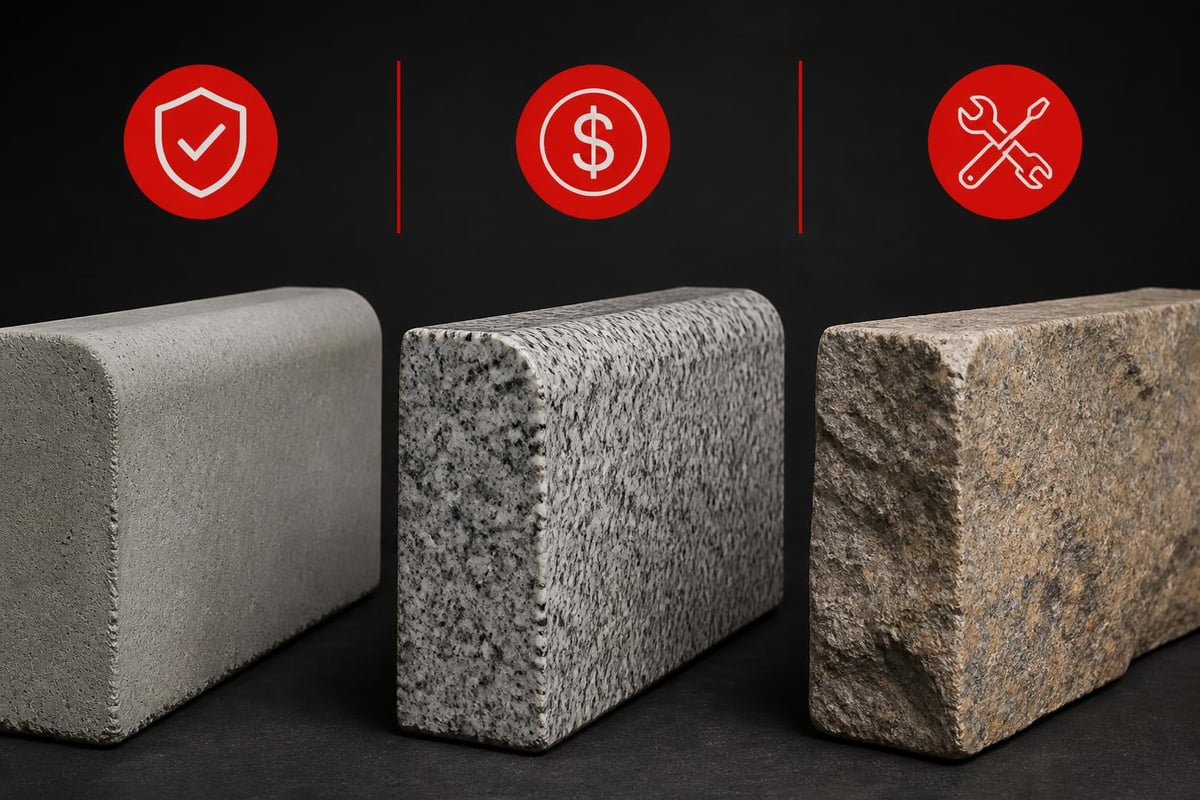
Selecting the right curb stones begins with understanding the various materials and styles available. The most common materials include concrete, granite, and natural stone, each offering distinct advantages depending on your project requirements.
Concrete curb stones represent the most economical choice for many projects. They provide consistent dimensions, reliable performance, and straightforward installation. Modern manufacturing techniques produce concrete kerbs in various profiles, from standard upright configurations to decorative designs that enhance visual appeal.
Granite kerbing offers superior durability and aesthetic qualities. This natural stone withstands heavy traffic, resists weathering, and maintains its appearance for decades. When searching for curb stones near me, granite options typically command higher prices but deliver exceptional longevity, making them ideal for high-profile commercial developments and premium residential properties.
Natural Stone Alternatives
Natural stone curbing extends beyond granite to include sandstone, limestone, and other regional varieties. These materials provide unique character and blend seamlessly with traditional architecture. Natural stone installation requires specific techniques to ensure proper placement and long-term stability.
The choice between materials depends on several factors:
- Project budget and timeline
- Expected traffic loads and usage patterns
- Aesthetic requirements and architectural style
- Local planning restrictions and conservation area regulations
- Maintenance capabilities and long-term costs
Technical Specifications and Installation Standards
Professional curb stone installation follows precise standards to ensure structural integrity and proper function. Understanding these specifications helps when evaluating quotes and comparing suppliers offering curb stones near me.
| Specification | Concrete Kerbs | Granite Kerbs | Natural Stone |
|---|---|---|---|
| Typical Height | 125-150mm | 150-200mm | Variable |
| Standard Length | 915mm | 600-1000mm | Variable |
| Bedding Depth | 100-150mm | 150-200mm | 150-250mm |
| Haunch Width | 150mm minimum | 200mm minimum | 200mm minimum |
The construction standards for curb stones emphasize proper foundation preparation, correct alignment, and adequate haunching. These elements determine whether your kerbing remains stable under traffic loads and environmental stresses.
Foundation Requirements
Proper foundation work proves critical for lasting kerb installation. The sub-base must provide adequate support whilst accommodating drainage requirements. Excavation depth varies according to soil conditions, expected loads, and material specifications.
Key foundation elements include:
- Excavation to required depth plus allowance for bedding material
- Sub-base compaction using appropriate mechanical equipment
- Bedding layer of concrete or mortar to design specifications
- Kerb placement ensuring correct alignment and levels
- Haunching to secure kerbs and prevent movement
Professional civil engineering contractors understand these requirements and execute installations to exacting standards. Civil work specialists bring experience from diverse projects, ensuring consistent quality whether installing kerbing for a domestic driveway or a commercial car park.
Sourcing Local Suppliers and Installation Services
Locating reliable suppliers when searching for curb stones near me involves evaluating multiple factors beyond simple proximity. Quality, availability, delivery capabilities, and technical support all influence project success.
Local suppliers typically offer:
- Immediate stock availability for standard profiles
- Reduced delivery costs and shorter lead times
- Knowledge of regional planning requirements
- Established relationships with local contractors
- After-sales support and warranty provisions
Regional variations in material availability affect both cost and selection. Areas with local quarries may offer competitive pricing on specific stone types, whilst urban centres typically stock wider ranges of manufactured products.
Evaluating Supplier Credentials
Professional suppliers demonstrate their expertise through comprehensive product knowledge, proper certifications, and proven project histories. When comparing options for curb stones near me, request information about material sourcing, manufacturing standards, and installation guidance.
Quality suppliers provide detailed specifications including dimensional tolerances, compressive strength, and frost resistance ratings. This technical data proves essential for projects requiring compliance with specific standards or performance criteria.
The characteristics of curbstone kerbs vary significantly between manufacturers, making supplier selection crucial for achieving desired outcomes. Established suppliers maintain consistent quality control and offer reliable delivery schedules.
Installation Methods and Best Practices
Professional installation distinguishes successful kerbing projects from problematic ones. Whether engaging contractors or undertaking DIY installation, following established methods ensures proper performance and longevity.
Professional Installation Process
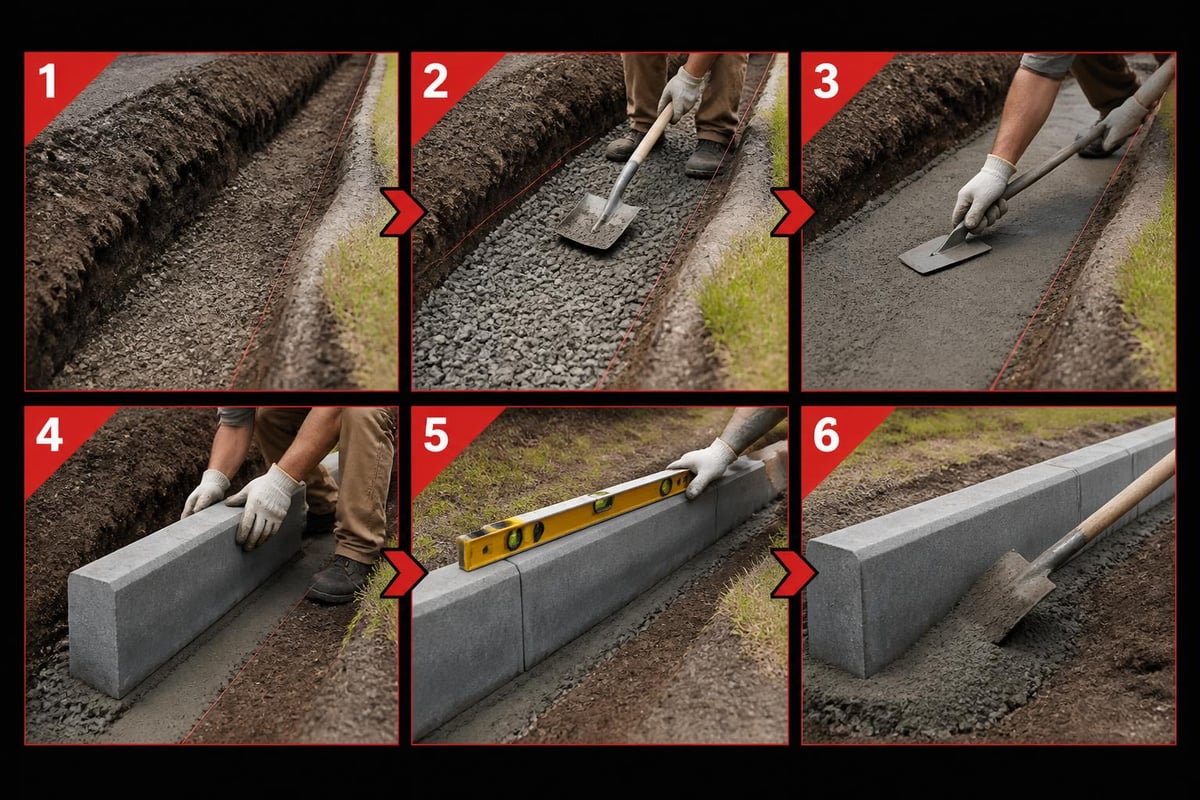
Experienced contractors follow systematic approaches that address every aspect of kerb installation. The process begins with site survey and preparation, progresses through precise placement and alignment, and concludes with quality checks and finishing work.
Site preparation involves:
- Marking out kerb lines using string lines and profiles
- Excavating to specified depths and widths
- Checking levels and falls for proper drainage
- Preparing sub-base materials and compaction
- Organizing materials for efficient installation
Installing kerbs or edging stones requires attention to detail throughout every stage. Professional teams use specialized equipment including laser levels, plate compactors, and concrete mixers to achieve consistent results.
Quality Control Measures
Maintaining quality throughout installation prevents future problems. Regular checks of alignment, levels, and joint spacing ensure the finished installation meets design specifications.
| Quality Check | Frequency | Acceptance Criteria |
|---|---|---|
| Line Alignment | Every 5-10 metres | Maximum 10mm deviation |
| Top Level | Every kerb unit | ±5mm from design level |
| Joint Width | Every joint | 5-10mm consistent spacing |
| Haunch Coverage | Continuous | Minimum specified dimensions |
These standards reflect industry best practices and ensure kerbing performs its intended functions. Projects involving curb stones near me benefit from contractors familiar with local conditions and regulatory requirements.
Regulatory Compliance and Planning Considerations
Understanding relevant regulations proves essential when planning kerb installation projects. Local authorities maintain specific requirements regarding materials, dimensions, and construction methods, particularly for works affecting public highways or conservation areas.
Highway and Pavement Requirements
Projects involving public roads must comply with highway authority specifications. These regulations address kerb profiles, materials, installation methods, and accessibility requirements. New Jersey regulations on curb construction provide examples of detailed construction standards, though UK projects follow British standards and local authority specifications.
Compliance considerations include:
- Obtaining necessary permissions from highway authorities
- Meeting disabled access requirements under current legislation
- Following approved construction details and specifications
- Using approved materials and contractors where specified
- Arranging inspections at required stages
Private developments retain more flexibility but still require adherence to building regulations and planning conditions. Curb stones near me sourced through reputable suppliers typically meet relevant standards, though verification remains the property owner's responsibility.
Conservation Area Restrictions
Properties within conservation areas face additional constraints on materials and design. Local planning authorities maintain approved materials lists and design guidelines to preserve architectural character.
Traditional granite kerbing often receives preference in historic areas, whilst modern concrete alternatives may face restrictions. Early consultation with planning officers prevents costly mistakes and project delays.
Design Integration and Aesthetic Considerations
Beyond functional requirements, curb stones contribute significantly to overall project aesthetics. Thoughtful design integration enhances visual appeal whilst maintaining practical performance.
Profile Selection
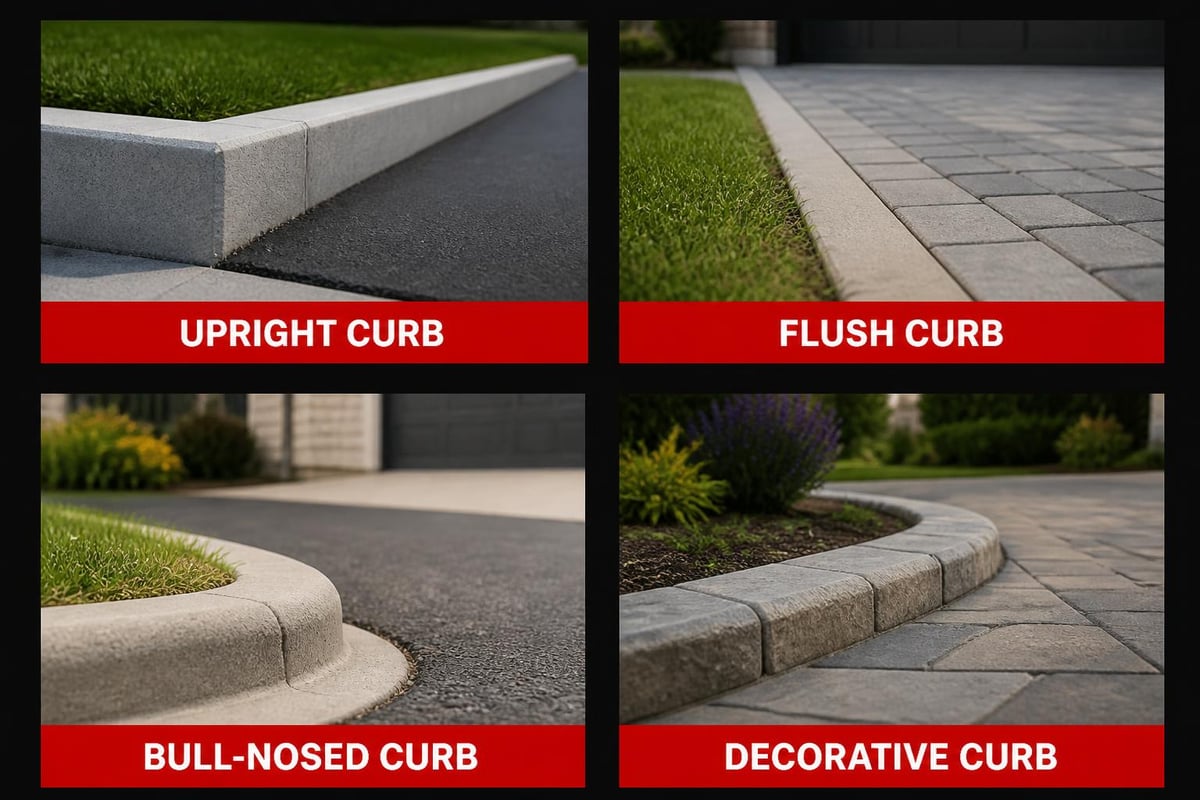
Kerb profiles range from traditional upright designs to modern flush installations. Each style creates different visual effects and suits particular applications.
Common profile types:
- Upright kerbs – traditional design providing clear edge definition
- Flush kerbs – modern appearance supporting accessibility requirements
- Bull-nosed kerbs – rounded top edges for softer visual effect
- Splay kerbs – angled face connecting different surface levels
- Decorative kerbs – specialized profiles adding architectural interest
Selecting appropriate profiles involves considering both immediate visual impact and long-term maintenance requirements. When evaluating curb stones near me, examining installed examples helps visualize how different profiles perform in real-world settings.
Colour and Texture Coordination
Material colour and texture should complement surrounding surfaces and architectural elements. Granite kerbing offers natural colour variations from light grey to dark charcoal, whilst concrete products provide consistent colouration or specialty finishes.
Matching kerb materials to paving, building stone, or architectural features creates visual coherence. Professional designers consider these relationships during planning stages, ensuring harmonious results that enhance property value.
Maintenance and Long-Term Performance
Proper maintenance extends kerb lifespan and preserves appearance. Understanding maintenance requirements informs material selection and helps budget for long-term costs.
Routine Maintenance Tasks
Regular inspection identifies minor issues before they develop into significant problems. Simple maintenance activities preserve both function and appearance.
Essential maintenance includes:
- Clearing debris and vegetation from joints
- Checking alignment and stability
- Repointing joints where mortar has deteriorated
- Addressing drainage issues promptly
- Removing stains and cleaning surfaces periodically
The durability and maintenance of curbstone kerbs depends partly on material selection but primarily on proper installation and ongoing care. Well-installed kerbing using quality materials requires minimal intervention over decades of service.
Repair and Replacement Considerations
Eventually, even well-maintained kerbing may require repairs. Damage from vehicle impacts, ground movement, or severe weathering necessitates intervention to maintain functionality and appearance.
Professional contractors assess damage extent and recommend appropriate solutions. Minor issues often resolve through repointing or resetting individual units, whilst extensive problems may require complete replacement of affected sections.
Cost Factors and Budget Planning
Understanding cost components helps develop realistic budgets for kerbing projects. Multiple factors influence total expenditure, from material selection to site conditions and installation complexity.
Material and Supply Costs
Kerb material costs vary considerably based on type, quality, and quantity. Concrete kerbs represent the most economical option, typically ranging from modest to moderate pricing per linear metre. Granite and natural stone command premium prices reflecting superior durability and aesthetics.
When comparing quotes for curb stones near me, ensure specifications match exactly. Seemingly similar products may differ significantly in quality, requiring careful evaluation of technical specifications and supplier credentials.
| Cost Component | Budget Impact | Variable Factors |
|---|---|---|
| Materials | 30-40% | Type, quality, quantity |
| Installation Labour | 40-50% | Complexity, access, timeline |
| Excavation | 10-15% | Depth, conditions, disposal |
| Finishing | 5-10% | Haunching, pointing, cleaning |
Installation and Labour Expenses
Labour costs typically exceed material expenses for professional kerb installation. Experienced contractors command higher rates but deliver superior results, reducing long-term maintenance costs and avoiding expensive remedial work.
Complex installations involving curved alignments, varied levels, or challenging site access increase labour requirements. Obtaining detailed quotes from multiple contractors provides cost comparisons whilst ensuring comprehensive understanding of project scope.
Commercial Applications and Large-Scale Projects
Commercial developments require kerbing solutions that withstand intensive use whilst meeting specific design requirements. Projects like drive-through restaurants, commercial car parks, and retail developments demand robust installations using appropriate materials.
Franchise and Retail Developments
Experience with commercial projects proves invaluable for complex installations. Contractors who have completed multiple franchise developments understand specific requirements for traffic flow, accessibility, and brand presentation standards.
Large-scale projects benefit from contractors with proven track records in commercial work. Their experience ensures efficient project execution, compliance with stringent specifications, and coordination with other trades.
Highway and Infrastructure Projects
Road construction and infrastructure developments involve the most demanding kerbing applications. These projects require compliance with highway authority standards, accommodation of heavy vehicle loads, and integration with complex drainage systems.
Highway right-of-way requirements illustrate the detailed specifications governing roadway kerbing. UK projects follow equivalent British standards tailored to local conditions and requirements.
Professional civil engineering contractors bring essential expertise to infrastructure projects. Their understanding of civil work requirements ensures compliant installations that perform reliably under demanding conditions.
Residential Applications and Property Enhancement
Domestic properties benefit significantly from quality kerbing installation. Driveways, patios, and garden areas gain definition, improved drainage, and enhanced visual appeal through properly installed curb stones.
Driveway Edging Solutions
Residential driveways require kerbing that balances aesthetics with practical performance. Materials should complement property architecture whilst withstanding regular vehicle traffic and weathering.
Residential kerbing provides:
- Clear definition between paved areas and lawns or planting
- Edge restraint preventing surface spreading and deformation
- Improved drainage directing water away from structures
- Enhanced visual appeal increasing property value
- Reduced maintenance through contained surface edges
Homeowners searching for curb stones near me should consider long-term value alongside initial costs. Quality materials and professional installation deliver decades of reliable service, justifying higher initial investment.
Garden and Patio Applications
Beyond driveways, kerbing enhances various garden features. Patio edging, raised beds, and pathway borders benefit from appropriate kerb installation. Lighter-duty applications permit greater design flexibility whilst maintaining practical functionality.
Quality curb stone selection and professional installation deliver lasting benefits for both commercial developments and residential properties. Understanding materials, specifications, and installation requirements ensures successful project outcomes. Whether you're planning a driveway upgrade, commercial development, or infrastructure project, JRG Civils brings the expertise and attention to detail necessary for exceptional results across the North East and throughout the UK.