
The bullnose curb represents a distinctive approach to roadway edging that combines functionality with aesthetic appeal, serving as a critical element in modern civil engineering projects. Unlike standard vertical curbs, this design features a rounded profile that creates a gradual transition between road surfaces and adjacent areas, offering specific advantages for vehicle access, pedestrian safety, and water management. From commercial car parks to residential driveways, the bullnose curb continues to play an essential role in infrastructure development across the United Kingdom.
Understanding Bullnose Curb Design Principles
A bullnose curb features a characteristic rounded edge that slopes gradually from the roadway surface upward, creating a smooth, curved profile rather than a sharp 90-degree angle. This fundamental design difference sets it apart from traditional barrier curbs and creates unique functional properties.
The rounded profile typically measures between 150mm and 200mm in height, though dimensions can vary based on specific project requirements and local regulations. The gradual slope allows vehicles to mount the curb more easily than vertical alternatives, making it particularly suitable for locations where controlled vehicle access is necessary.
Material Composition and Durability
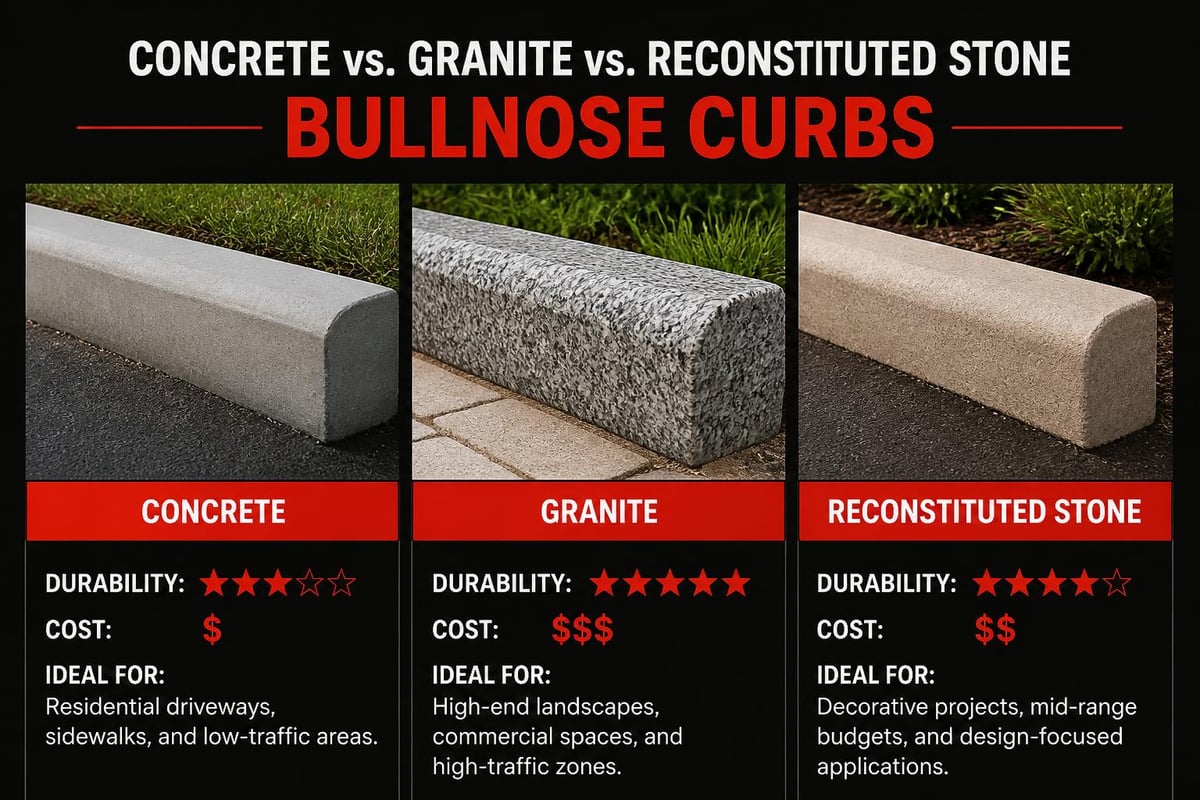
Bullnose curbs can be constructed from various materials, each offering distinct advantages:
- Concrete: Most common choice for durability and cost-effectiveness
- Granite: Premium option providing exceptional longevity and visual appeal
- Reconstituted stone: Balances aesthetics with practical budget considerations
- Precast units: Expedites installation while maintaining quality standards
Material selection significantly impacts both initial installation costs and long-term maintenance requirements. Granite curbing options demonstrate how premium materials can enhance visual appeal whilst providing superior weather resistance, particularly valuable in high-traffic commercial applications.
Installation Techniques and Best Practices
Proper installation forms the foundation of long-lasting bullnose curb performance. The process requires careful attention to ground preparation, alignment, and finishing techniques that ensure structural integrity and visual consistency.
Site Preparation Requirements
Before installing a bullnose curb, contractors must establish a stable foundation through systematic ground preparation. Excavation depth typically ranges from 200mm to 300mm below the finished curb level, accommodating both the curb unit and a supporting concrete base.
The foundation requirements include:
- Excavate to appropriate depth with consistent width
- Compact subgrade to prevent future settlement
- Install Type 1 aggregate base layer (minimum 100mm)
- Compact aggregate thoroughly using mechanical compaction
- Create concrete bedding layer (typically 100mm thick)
- Set curb units whilst concrete remains workable
Following established design standards ensures installations meet necessary structural and safety requirements whilst maintaining consistency across larger projects.
Alignment and Gradient Considerations
Achieving proper alignment requires precision from initial setting through final adjustments. Professional contractors utilise stringlines and laser levels to maintain consistent height and direction throughout extended runs.
| Specification | Standard Requirement | Commercial Projects |
|---|---|---|
| Height tolerance | ±10mm | ±5mm |
| Alignment deviation | ±15mm per 10m | ±8mm per 10m |
| Gradient accuracy | ±0.5% | ±0.25% |
The bullnose curb must integrate seamlessly with drainage systems to prevent water accumulation. Longitudinal gradients typically range from 0.5% to 2%, ensuring adequate surface water runoff whilst maintaining comfortable vehicle crossing angles.
Commercial Applications and Case Studies
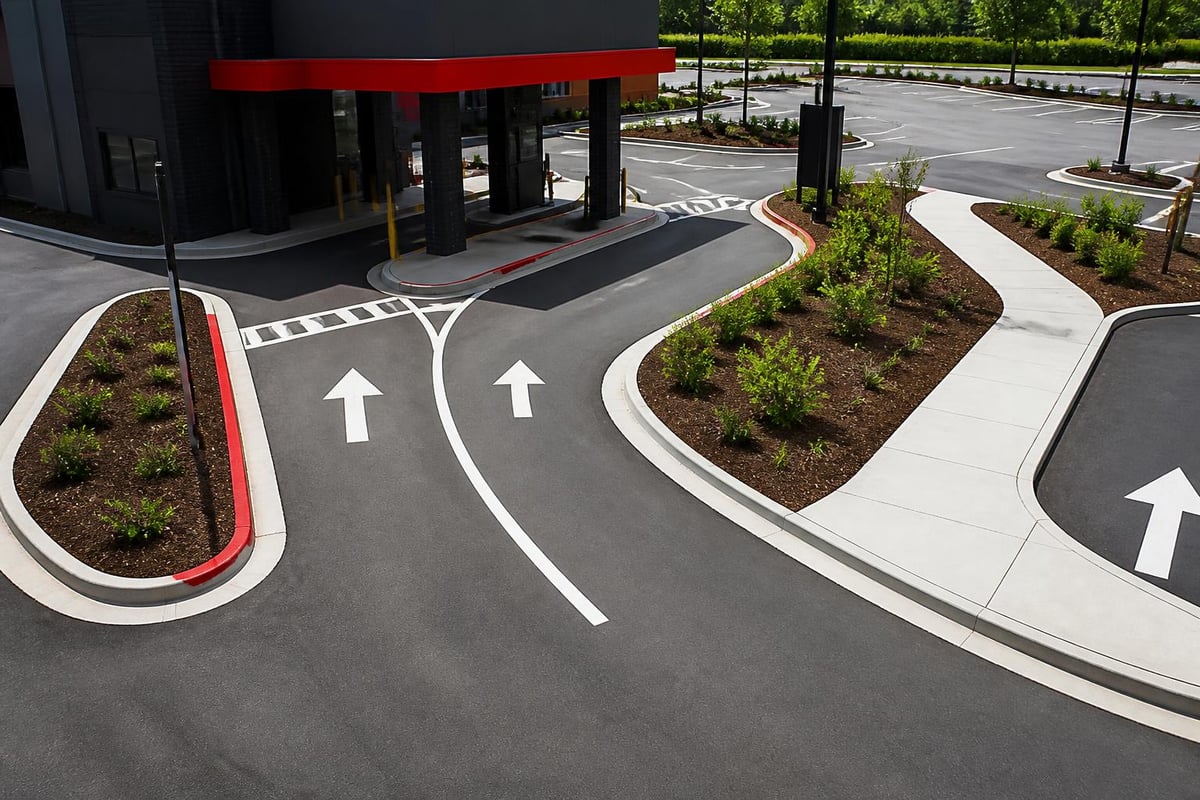
Drive-through facilities represent one of the most demanding applications for bullnose curb installations, requiring precise execution to accommodate heavy traffic whilst maintaining visual appeal. These environments subject curbing to constant vehicle movements, making durability essential.
Modern quick-service restaurants and coffee shops frequently incorporate bullnose curbs throughout their car parks and drive-through lanes. The design facilitates smooth traffic flow whilst clearly delineating pedestrian zones and landscaped areas.
Retail and Hospitality Sectors
Commercial developments benefit significantly from strategic bullnose curb placement. The rounded profile reduces vehicle impact forces compared to vertical curbs, minimising damage to both vehicles and curbing infrastructure.
Key commercial applications include:
- Car park perimeters: Defining boundaries whilst allowing controlled access
- Loading bay edges: Protecting building infrastructure from vehicle contact
- Landscaping borders: Creating attractive transitions between hardstanding and planted areas
- Pedestrian refuges: Providing accessible routes with minimal trip hazards
The regulatory framework governing curb installations emphasises safety considerations particularly relevant to commercial environments, where pedestrian and vehicle interaction requires careful management.
Residential Applications and Property Enhancement
Beyond commercial settings, the bullnose curb offers substantial benefits for residential properties, particularly in driveway construction and garden landscaping projects. Homeowners increasingly recognise how proper curbing enhances both functionality and property value.
Driveway Entrances and Transitions
Creating an attractive, functional driveway entrance requires thoughtful curb selection and installation. A bullnose curb provides a gentler transition from public roadways to private drives compared to vertical alternatives, reducing vehicle stress and improving comfort.
The rounded profile accommodates vehicles with lower ground clearance whilst maintaining clear property boundaries. This characteristic makes it particularly suitable for households with sports cars or vehicles featuring front spoilers.
Installation considerations for residential applications:
- Match curb height to existing road levels
- Ensure adequate width for vehicle wheelbase
- Integrate with existing drainage systems
- Coordinate appearance with property aesthetics
- Allow for future maintenance access
Patio and Garden Edging Solutions
Landscape design increasingly incorporates bullnose curbs as elegant borders for patios, pathways, and garden beds. The smooth profile creates visual continuity whilst providing practical separation between different surface materials.
Garden applications benefit from the curb's ability to contain decorative aggregates, prevent grass encroachment, and define outdoor living spaces. The rounded edge reduces trip hazards compared to traditional square-edge designs, enhancing safety in family gardens.
Technical Specifications and Regulatory Compliance
Professional installations must address numerous technical requirements governing dimensions, materials, and construction methods. Understanding these specifications ensures projects meet statutory obligations whilst delivering optimal performance.
Dimensional Standards and Tolerances
Standard bullnose curb units typically measure 915mm in length, facilitating efficient installation whilst minimising joint frequency. Width specifications vary based on intended application, ranging from 125mm for light-duty residential use to 200mm for heavy commercial traffic.
Height measurements deserve particular attention, as they directly impact both functionality and accessibility. Most installations specify heights between 100mm and 150mm, providing adequate definition whilst permitting controlled vehicle mounting where appropriate.
The comprehensive guidelines for curb installations emphasise the importance of consistent dimensions throughout projects, ensuring uniform performance and appearance.
Modern Installation Methods
Contemporary construction techniques have evolved significantly, offering efficiency improvements over traditional methods. Slipform construction enables continuous curb formation, eliminating joints and accelerating project completion.
| Method | Advantages | Typical Applications |
|---|---|---|
| Precast units | Consistent quality, faster installation | Residential drives, small car parks |
| Slipform | Continuous profile, fewer joints | Highways, large commercial sites |
| Hand-formed | Maximum flexibility, complex shapes | Curved sections, special features |
Modern slipform techniques particularly suit extensive projects requiring consistent profiles across significant distances, delivering both economy and quality in highway surfacing applications.
Maintenance Requirements and Longevity Factors
Properly installed bullnose curbs require minimal maintenance whilst delivering decades of reliable service. However, understanding maintenance needs helps property owners and facility managers preserve both functionality and appearance.
Routine Inspection and Preventive Care
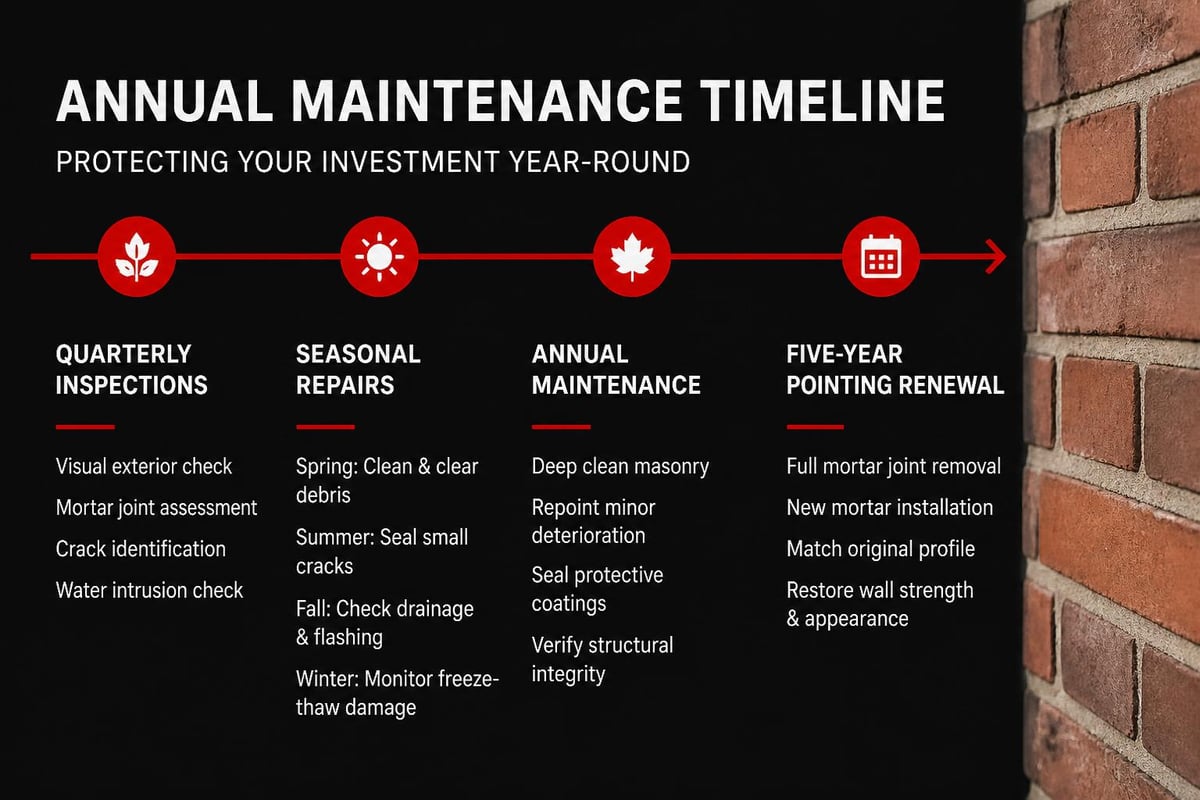
Regular visual inspections identify potential issues before they develop into significant problems. Quarterly examinations should assess:
- Joint integrity and pointing condition
- Surface cracking or spalling
- Settlement or movement from original position
- Drainage channel blockages
- Vehicle impact damage
Minor repairs completed promptly prevent water ingress and frost damage, substantially extending service life. Repointing joints every five to seven years maintains weather resistance and structural stability.
Environmental Stress Factors
British weather conditions subject curbing to freeze-thaw cycles that can compromise structural integrity over time. Quality materials and proper installation techniques provide essential protection against these environmental stresses.
Salt exposure from winter gritting operations particularly affects concrete curbs, potentially causing surface deterioration. Selecting high-grade concrete mixes with appropriate air entrainment significantly improves resistance to chemical attack and frost damage.
Cost Considerations and Project Planning
Budgeting accurately for bullnose curb installation requires understanding the multiple factors influencing overall project costs. Material selection, site conditions, and project scale all significantly impact final expenditure.
Material and Labour Cost Variables
Material costs vary considerably based on specification choices. Standard concrete units offer economical solutions for budget-conscious projects, whilst premium granite provides superior longevity justifying higher initial investment.
Professional installation represents a significant portion of total project costs. Experienced contractors deliver quality results efficiently, avoiding costly remedial work resulting from improper installation techniques.
Typical cost components include:
- Materials: Curb units, concrete bedding, aggregates, joint materials
- Labour: Excavation, preparation, installation, finishing
- Equipment: Compaction machinery, cutting tools, laser levels
- Ancillary works: Drainage connections, reinstatement, waste removal
Obtaining detailed quotations from established civil engineering contractors ensures comprehensive cost understanding before project commencement. Contacting experienced specialists provides accurate estimates based on specific site conditions and project requirements.
Long-Term Value Assessment
Evaluating true project costs requires considering lifecycle expenses rather than solely initial installation charges. Higher-quality materials and professional installation typically deliver superior long-term value through reduced maintenance requirements and extended service life.
A well-installed bullnose curb can serve effectively for 25-30 years with minimal intervention, making it a sound infrastructure investment. This longevity particularly benefits commercial properties where replacement costs include not only materials and labour but also business disruption during remedial works.
Design Integration and Aesthetic Considerations
Successful bullnose curb installations extend beyond mere functionality, contributing meaningfully to overall site aesthetics and user experience. Thoughtful design integration enhances property appeal whilst maintaining practical performance.
Colour and Finish Options
Modern manufacturing techniques offer diverse appearance options accommodating various architectural styles and landscape designs. Natural stone colours range from warm buff tones to cool greys, whilst concrete units can incorporate pigments matching specific colour schemes.
Surface finishes influence both appearance and functional characteristics:
- Smooth finish: Clean contemporary appearance, easier cleaning
- Textured surface: Enhanced slip resistance, traditional character
- Exposed aggregate: Decorative appearance, excellent durability
- Polished stone: Premium aesthetic, reflective surface qualities
Coordinating curb appearance with surrounding paving materials creates visual harmony throughout developments. This attention to aesthetic detail elevates overall project quality, particularly valuable in customer-facing commercial environments.
Curved Sections and Complex Geometries
Many projects require curved sections accommodating circular features or following sinuous roadway alignments. Bullnose curbs adapt readily to these geometries through purpose-made radius units or careful cutting of standard pieces.
Tight radius curves demand specialised units manufactured to specific dimensions. Most suppliers offer standard radius options for common applications, whilst bespoke manufacturing accommodates unique design requirements.
Professional contractors possess the expertise to execute complex curb geometries maintaining consistent appearance and structural integrity throughout transitions. This capability proves particularly valuable in prestigious developments where design sophistication distinguishes the finished project.
Safety Implications and Accessibility Standards
The bullnose curb design inherently addresses numerous safety considerations affecting both vehicle operators and pedestrians. Understanding these implications ensures installations serve all users effectively whilst meeting regulatory requirements.
Pedestrian Safety Features
The rounded profile reduces trip hazards compared to vertical curb faces, benefiting pedestrians particularly in areas with high foot traffic. This characteristic makes bullnose designs appropriate for locations frequented by elderly residents or young children.
However, the same profile that reduces trip risk can create challenges for visually impaired pedestrians who rely on tactile cues for navigation. Careful consideration of placement ensures bullnose curbs enhance rather than compromise pedestrian safety.
Accessibility requirements increasingly influence curb design decisions. Dropped kerbs providing wheelchair access often incorporate bullnose profiles creating smooth transitions between different surface levels whilst maintaining adequate tactile definition.
Vehicle Interaction Characteristics
The relationship between bullnose curbs and vehicle movements requires careful consideration during design development. The rounded profile permits controlled vehicle mounting in designated locations whilst discouraging inappropriate access elsewhere through height specification.
Emergency vehicle access represents a critical consideration in many developments. Properly designed bullnose curb installations accommodate fire apparatus and ambulances whilst preventing unauthorised vehicle movements onto pedestrian areas or landscaping.
Impact resistance varies based on curb dimensions and reinforcement details. Heavier commercial vehicles exert substantial forces during mounting manoeuvres, necessitating robust construction to prevent premature failure or displacement.
The bullnose curb continues proving its worth across diverse applications, from busy commercial developments to refined residential properties, offering a practical solution that balances accessibility, aesthetics, and durability. Whether you're planning a drive-through facility, enhancing a property entrance, or undertaking comprehensive highway improvements, professional installation ensures optimal performance and longevity. If you're considering a project requiring expert curb installation and civil engineering expertise throughout the North East or across the UK, JRG Civils brings the experience and attention to detail necessary to deliver exceptional results from initial groundworks through to final finishing touches.