
The foundation of any successful civil engineering project lies beneath the surface. High performance earthworks represent the critical difference between infrastructure that endures and structures that fail prematurely. From commercial developments to residential driveways, the precision and quality of groundwork directly influence long-term durability, drainage efficiency, and structural integrity. Understanding the principles, technologies, and methodologies behind superior earthworks enables contractors and clients alike to achieve exceptional outcomes whilst minimizing costly remediation and maintenance.
The Fundamentals of High Performance Earthworks
High performance earthworks extend far beyond simple excavation and compaction. This specialized discipline encompasses precise site preparation, sophisticated drainage solutions, material optimization, and advanced quality control measures that collectively ensure superior project outcomes.
The primary objective centres on creating stable, well-drained foundations capable of supporting overlying structures for decades. This requires comprehensive understanding of soil mechanics, hydrology, geotechnical engineering, and construction methodology. Projects ranging from highway surfacing to commercial developments demand consistent application of best practices throughout every phase.
Critical Components of Superior Groundwork
Material selection and testing form the cornerstone of quality earthworks. Engineers must evaluate soil characteristics, bearing capacity, permeability, and compaction properties to determine suitability for specific applications. Laboratory testing and field analysis inform decisions about excavation depth, fill material requirements, and necessary soil stabilisation measures.
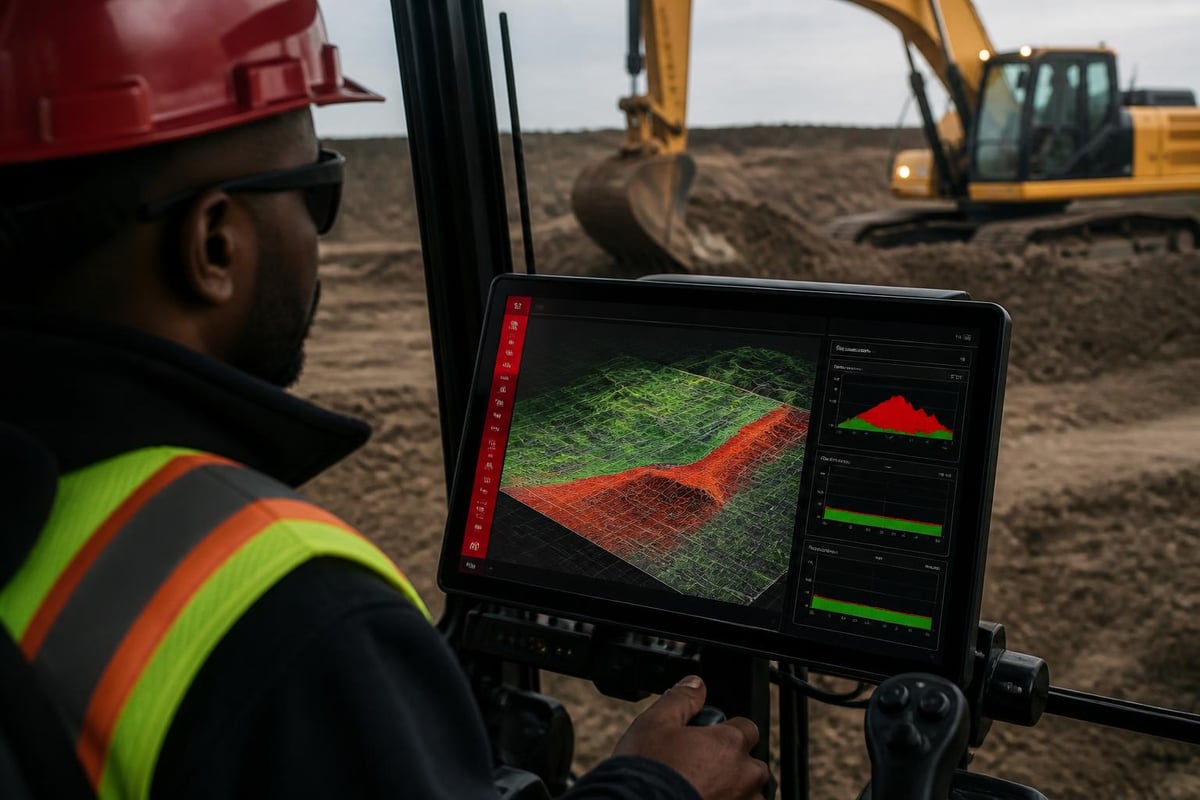
Precision grading and compaction ensure uniform load distribution and prevent differential settlement. Modern earthmoving equipment equipped with machine control systems enables operators to achieve millimetre-level accuracy, dramatically reducing the need for rework and material wastage.
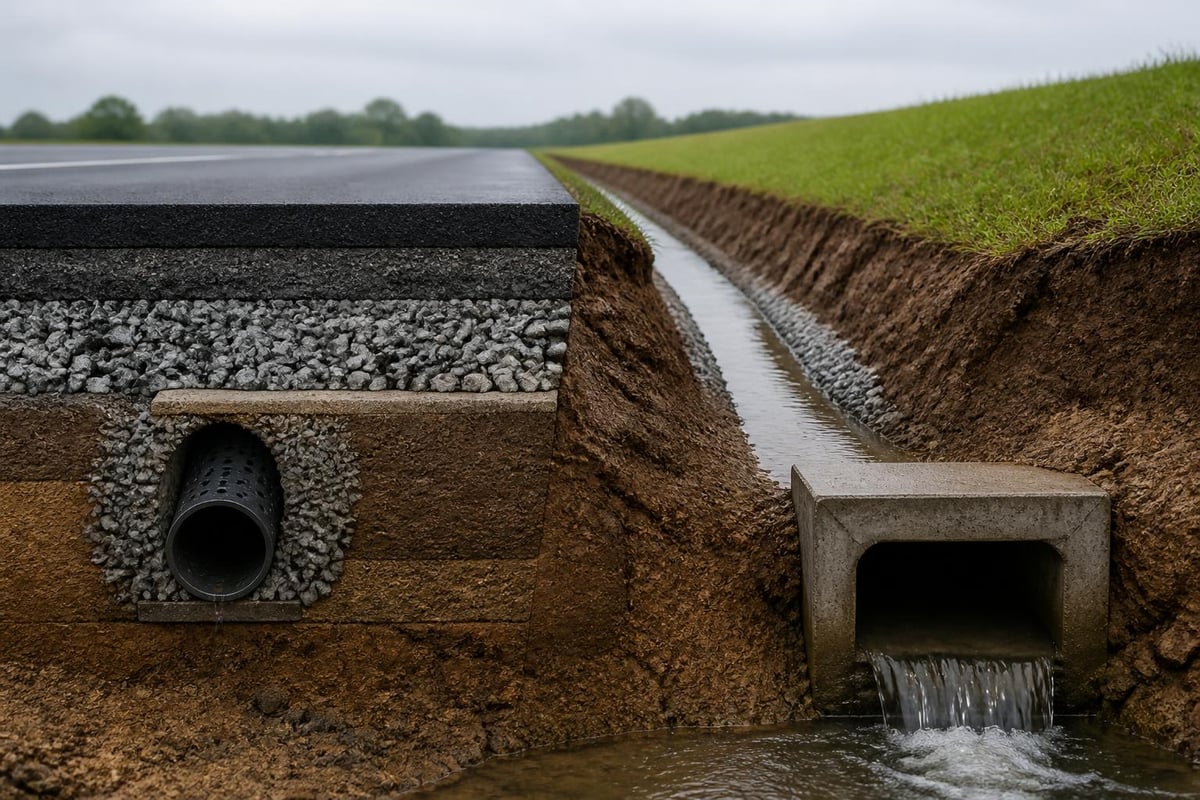
Drainage infrastructure protects earthworks from the destructive effects of water infiltration. Properly designed and installed drainage systems, including high-performance polypropylene pipe systems, channel water away from critical areas and prevent soil saturation that compromises structural stability.
Advanced Technologies Transforming Earthworks Quality
The integration of digital technologies has revolutionised how contractors approach complex groundwork projects. GPS-guided machinery, 3D modelling software, and real-time monitoring systems have elevated accuracy whilst reducing project timelines and costs.
Machine Control Systems and 3D Modelling
Trimble Earthworks and similar platforms enable operators to work directly from digital design models, eliminating traditional grade stakes and manual surveying. Beaver Excavating Company achieved 20% faster and more accurate excavation on major highway projects by implementing advanced machine control technology.
The benefits extend across multiple dimensions:
- Enhanced accuracy: Operators maintain precise tolerances throughout excavation and grading operations
- Improved productivity: Reduced downtime for surveying and grade checking accelerates project completion
- Material optimization: Precise cut-fill calculations minimize waste and unnecessary haulage costs
- Safety enhancement: Operators work confidently in challenging conditions with real-time elevation feedback
- Documentation: Automated data collection provides comprehensive as-built records
These technologies prove particularly valuable on complex urban projects where space constraints and existing utilities demand exceptional precision. Buesing Corp. utilized machine control for deep excavations, enhancing both safety and accuracy in challenging below-grade work.
Drone Technology for Earthworks Monitoring
Unmanned aerial vehicles have transformed progress tracking and quantity verification on large-scale developments. Survey teams can now capture accurate topographic data across extensive sites in hours rather than days, enabling responsive project management and precise earthwork volume calculations.
Daily tracking of earthwork quantities through drone surveys provides contractors with unprecedented visibility into project progress, supporting accurate billing and early identification of discrepancies between design intent and field conditions.
Material Management and Soil Stabilisation
High performance earthworks demand strategic approaches to material handling, from initial excavation through final placement and compaction. Understanding material behaviour under varying conditions enables engineers to specify appropriate treatments and achieve optimal outcomes.
Geotechnical Considerations
Different soil types exhibit distinct characteristics that influence suitability for specific applications. Clay soils provide excellent impermeability but may experience problematic expansion and contraction with moisture changes. Granular materials offer superior drainage but require careful compaction to achieve adequate bearing capacity.
| Soil Type | Bearing Capacity | Drainage | Compaction Difficulty | Ideal Applications |
|---|---|---|---|---|
| Clay | Moderate-High | Poor | Moderate | Impermeable barriers, liners |
| Silt | Low-Moderate | Poor | Difficult | Limited structural use |
| Sand | Moderate | Excellent | Easy | Drainage layers, backfill |
| Gravel | High | Excellent | Easy | Base courses, foundations |
| Mixed/Engineered | High | Good | Moderate | Structural fills, pavements |
RPS provides comprehensive guidance on earthworks management, emphasizing the importance of understanding material behaviour and implementing appropriate specifications to prevent construction challenges and ensure long-term performance.
Geosynthetic Solutions
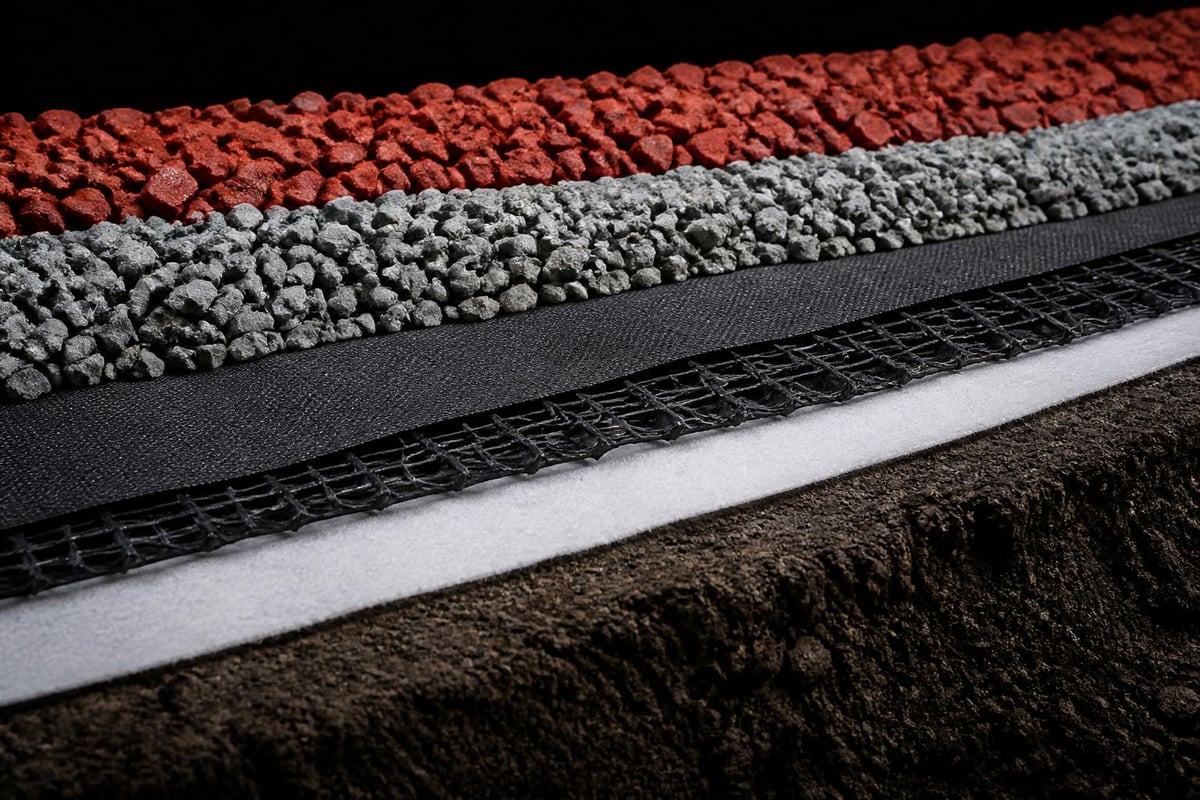
Modern high performance earthworks increasingly incorporate geosynthetic materials that enhance drainage, provide reinforcement, and accelerate consolidation processes. These engineered fabrics and grids offer cost-effective alternatives to traditional methods whilst delivering superior performance characteristics.
Applications include:
- Separation geotextiles preventing contamination between dissimilar soil layers
- Drainage composites facilitating rapid water removal from saturated soils
- Reinforcement geogrids distributing loads and improving bearing capacity
- Erosion control blankets protecting exposed slopes during vegetation establishment
Geosynthetic solutions at Magna Park, Lutterworth demonstrated how consolidation drainage layers can rapidly improve sub-formation quality, enabling accelerated construction schedules on challenging sites.
Quality Assurance and Testing Protocols
Rigorous quality control distinguishes high performance earthworks from standard construction practices. Systematic testing throughout project execution verifies compliance with specifications and identifies issues before they compromise structural integrity.
Essential Testing Procedures
Proctor compaction tests establish the relationship between moisture content and maximum dry density for specific soil types. This laboratory data guides field compaction operations, ensuring operators achieve specified densities under prevailing site conditions.
In-situ density testing verifies field compaction results through nuclear density gauges, sand cone tests, or lightweight deflectometer measurements. Regular testing at specified intervals throughout fill placement provides documented evidence of compliance.
California Bearing Ratio (CBR) testing measures subgrade strength and informs pavement design calculations. Higher CBR values indicate greater load-bearing capacity, directly influencing required pavement thickness and anticipated service life.
Moisture content monitoring ensures soils remain within acceptable ranges during compaction operations. Excessively wet or dry conditions prevent achievement of specified densities and may necessitate material conditioning or replacement.
Documentation and Traceability
Comprehensive record-keeping supports quality assurance and provides valuable protection against future disputes. Digital platforms now enable real-time data capture, automated report generation, and cloud-based storage that ensures accessibility throughout project lifecycles.
Testing documentation should include:
- Sample locations with GPS coordinates
- Test results with acceptance criteria
- Moisture content at time of placement
- Compaction equipment and methodology
- Weather conditions during operations
- Non-conformance reports and corrective actions
Drainage Design and Implementation
Water management represents perhaps the most critical aspect of high performance earthworks. Inadequate drainage leads to soil saturation, reduced bearing capacity, frost heave, and accelerated pavement deterioration. Proper design and installation of drainage infrastructure protects investments and ensures long-term functionality.
Surface and Subsurface Drainage Systems
Surface drainage relies on appropriate grading to direct water away from sensitive areas. Minimum slopes of 1-2% typically provide adequate conveyance whilst maintaining vehicle stability and pedestrian safety. Crown sections, cross-falls, and longitudinal gradients work together to prevent ponding and channel runoff to collection points.
Subsurface drainage addresses water infiltrating through pavement surfaces or rising through capillary action from high water tables. French drains, perforated pipes, and geocomposite drainage layers intercept and remove this water before it compromises structural layers.
| Drainage Type | Primary Function | Typical Applications | Maintenance Requirements |
|---|---|---|---|
| Surface swales | Conveyance | Roadside channels, car parks | Vegetation control, sediment removal |
| Catch basins | Collection | Highways, commercial sites | Grate cleaning, sump clearing |
| Perforated pipe | Subsurface removal | Beneath pavements, behind walls | Periodic inspection, flushing |
| Filter drains | Interception | Embankment toes, structural fills | Minimal, monitor outlets |
The A421 Expressway project showcased integration of advanced drainage systems with precision earthworks, demonstrating how modern equipment and design methodologies combine to deliver complex infrastructure projects efficiently.
Application Across Project Types
High performance earthworks principles apply universally, though implementation details vary based on project scale, intended use, and site-specific constraints. Understanding these nuances enables contractors to adapt methodologies whilst maintaining quality standards.
Commercial and Highway Projects
Large-scale developments demand exceptional attention to subgrade preparation, as failures affect extensive areas and impose substantial remediation costs. Highway projects particularly require precise longitudinal and transverse grading to ensure proper drainage whilst maintaining safe operating speeds.
Traffic loading considerations necessitate robust pavement foundations capable of withstanding millions of heavy vehicle passes without excessive deformation. Proper compaction of granular base courses, adequate thickness design, and effective drainage all contribute to extended service life and reduced lifecycle costs.
Franchise developments, including drive-through restaurants and retail facilities, present unique challenges combining heavy traffic areas with pedestrian zones, landscaping, and extensive utility infrastructure. These projects benefit from civil engineering expertise that integrates multiple disciplines and coordinates complex construction sequences.
Residential Driveways and Patios
Domestic projects may involve smaller volumes but demand equal attention to detail. Poorly prepared bases lead to cracking, settlement, and premature surface failure, creating unsightly conditions and necessitating expensive repairs.
Residential earthworks focus on:
- Adequate excavation depth to accommodate subbase, base, and surfacing layers
- Proper compaction of underlying soils before placement of imported materials
- Edge restraints preventing lateral movement and maintaining surface integrity
- Drainage provisions directing water away from structures and preventing saturation
- Material quality ensuring aggregates meet specifications for grading and durability
The same fundamental principles governing major infrastructure apply equally to private driveways, demonstrating how high performance earthworks methodologies scale across project types whilst maintaining consistent quality standards.
Environmental Considerations and Sustainability
Modern high performance earthworks increasingly incorporate environmental stewardship alongside traditional engineering objectives. Sustainable practices reduce environmental impact whilst often delivering economic benefits through material conservation and operational efficiency.
Material Reuse and Recycling
On-site material reuse minimizes haulage costs and environmental impacts associated with material transportation. Careful planning during design phases identifies opportunities to balance cut and fill volumes, reducing both import and export requirements.
Recycled aggregates from demolition activities provide cost-effective alternatives to virgin materials for many applications. Properly processed and graded recycled concrete aggregate performs adequately as subbase material, diverting waste from landfills whilst reducing demand for quarried stone.
Erosion and Sediment Control
Construction activities expose soils to erosive forces, potentially releasing sediment into watercourses and violating environmental regulations. Comprehensive erosion control measures protect both the project site and surrounding environment.
Temporary measures include:
- Silt fencing along site perimeters
- Sediment basins capturing runoff before discharge
- Stabilised construction entrances preventing tracking onto public roads
- Dust suppression through water application or chemical stabilizers
- Rapid revegetation of exposed slopes
Permanent erosion control integrates with final grading and landscaping, establishing vegetation cover that stabilizes soils and enhances aesthetic appeal.
Risk Management and Project Planning
Successful delivery of high performance earthworks requires comprehensive planning that anticipates challenges and implements appropriate mitigation strategies. Proactive risk management minimizes delays, controls costs, and ensures quality outcomes.
Site Investigation and Characterization
Thorough geotechnical investigations inform design decisions and construction planning. Boreholes, trial pits, and in-situ testing reveal subsurface conditions, including soil types, groundwater levels, contamination, and buried obstructions.
Inadequate investigation frequently leads to unforeseen conditions requiring design modifications, material substitutions, or additional treatments. The investment in comprehensive site characterization invariably proves economical compared to addressing unexpected issues during construction.
Weather Contingencies
Earthworks operations remain highly weather-dependent, with excessive rainfall preventing compaction and freezing temperatures halting productive work. Realistic programming accounts for seasonal variations and builds appropriate contingencies into schedules.
Winter working may require:
- Heated enclosures for critical operations
- Frost protection measures for completed works
- Modified material specifications accounting for cold conditions
- Extended curing periods before subsequent construction phases
Summer challenges include dust generation, moisture loss from materials, and accelerated curing of stabilized soils, each requiring specific management approaches.
Contractor Selection and Project Delivery
Engaging qualified contractors with demonstrated expertise in high performance earthworks proves essential for achieving superior outcomes. Experience, equipment capabilities, quality systems, and commitment to excellence distinguish top-tier contractors from those offering merely adequate service.
Evaluation Criteria
Clients should assess potential contractors based on:
Previous project experience in similar applications, demonstrating familiarity with relevant techniques and potential challenges. Review completed projects, speak with references, and evaluate quality of finished works.
Equipment inventory and technology including modern earthmoving plant, compaction equipment, and machine control systems that enable efficient, accurate execution. Projects utilizing advanced plant technology typically achieve superior quality whilst maintaining competitive pricing.
Quality management systems documenting procedures, testing protocols, and corrective action processes. Formal quality plans provide confidence that contractors systematically verify compliance throughout project execution.
Health and safety record reflecting organizational culture and commitment to protecting workers and the public. Strong safety performance correlates with overall project management competence and attention to detail.
Financial stability ensuring contractors possess resources to complete projects without cash flow interruptions or insolvency risks that jeopardize delivery.
Collaborative Project Delivery
High performance earthworks benefit from collaborative relationships between clients, designers, and contractors. Early contractor involvement during design phases enables constructability reviews, value engineering suggestions, and realistic programming that considers site-specific constraints.
Open communication channels facilitate rapid resolution of field issues, preventing minor discrepancies from escalating into significant problems. Regular progress meetings, documented through detailed minutes, maintain alignment between all parties and create clear audit trails.
High performance earthworks form the invisible foundation upon which successful civil engineering projects depend, requiring expertise that combines traditional craftsmanship with modern technology. Whether you're planning commercial development, highway infrastructure, or residential improvements, partnering with experienced professionals ensures your project achieves the quality and longevity you expect. JRG Civils brings proven excellence in civil engineering to projects across the UK, delivering meticulous attention to detail from initial groundwork through final completion.