
Road curb stones serve as essential structural and aesthetic elements in highway construction, commercial developments, and residential driveways. These purpose-built components define boundaries, manage water drainage, and enhance pedestrian safety whilst contributing to the overall visual appeal of any paved surface. Understanding the specifications, installation requirements, and maintenance protocols for road curb stones ensures projects deliver lasting value and compliance with modern engineering standards. From large-scale commercial developments like drive-through facilities to residential driveways and patios, selecting the appropriate kerb solution forms the foundation of successful civil engineering outcomes.
Understanding Road Curb Stone Functions and Types
Road curb stones perform multiple critical functions within highway and driveway infrastructure. These components provide clear demarcation between different surface areas, channel stormwater runoff, and offer physical protection for pedestrian zones. Understanding curb functions in road construction helps designers and contractors select appropriate profiles for specific applications.
Primary Functions of Kerb Systems
The engineering requirements for road curb stones extend beyond simple boundary definition. These elements must withstand vehicular loads, resist weathering, and maintain structural integrity across varying climate conditions. Properly installed kerbs prevent edge deterioration of paved surfaces whilst directing water flow towards designated drainage systems.
Key functional benefits include:
- Structural edge support preventing pavement spreading and failure
- Water management directing runoff away from road foundations
- Safety demarcation protecting pedestrians and guiding traffic flow
- Aesthetic enhancement creating clean, professional boundaries
- Accessibility features incorporating tactile surfaces and appropriate gradients
The classification of kerb types depends largely on their intended application and load-bearing requirements. Barrier kerbs typically measure 125mm in height, preventing vehicle overrun in most circumstances. Mountable kerbs feature gentler profiles allowing controlled vehicle access when necessary. Flush kerbs sit level with the carriageway, primarily serving drainage functions.

Material Specifications and Standards
Material selection for road curb stones depends on project requirements, budget constraints, and aesthetic preferences. Concrete remains the most common choice due to its versatility, cost-effectiveness, and ease of installation. Granite and natural stone options offer superior longevity and premium appearance but command higher investment. Regulatory standards for curb construction establish minimum performance criteria across different jurisdictions.
| Material Type | Typical Lifespan | Key Advantages | Common Applications |
|---|---|---|---|
| Precast Concrete | 25-40 years | Cost-effective, consistent quality | Highways, commercial car parks |
| Natural Granite | 50+ years | Exceptional durability, premium aesthetics | Heritage areas, high-end developments |
| Reconstituted Stone | 30-45 years | Natural appearance, moderate cost | Residential driveways, urban landscaping |
| Clay Pavers | 20-35 years | Colour variety, traditional character | Conservation areas, period properties |
The strength classification of concrete kerbs typically ranges from C28/35 to C40/50, ensuring adequate resistance to impact and weathering. Surface finishes vary from smooth-faced options for modern developments to textured profiles complementing traditional architecture.
Installation Standards and Best Practices
Proper installation determines the long-term performance of road curb stones regardless of material quality. The foundation preparation, bedding methodology, and jointing techniques all contribute to structural stability and longevity. Professional civil engineering contractors understand these critical parameters ensure compliance with project specifications.
Foundation and Bedding Requirements
The sub-base layer beneath road curb stones must provide adequate load-bearing capacity and drainage characteristics. Detailed installation guidelines specify minimum foundation depths ranging from 150mm to 300mm depending on soil conditions and expected loading. Granular Type 1 material forms the standard sub-base specification, compacted to 95% maximum dry density.
Concrete bedding typically measures 100mm to 150mm in depth, extending 50mm beyond the kerb face on both sides. This haunching provides lateral restraint preventing movement under traffic loads or ground settlement. The concrete mix should achieve minimum 28-day compressive strength of C20/25 for residential applications and C28/35 for highways and commercial projects.
Installation sequence follows these critical steps:
- Excavate to formation level accounting for sub-base, bedding, and kerb height
- Place and compact granular sub-base material in maximum 100mm layers
- Set string lines establishing correct alignment, level, and gradient
- Position kerb units on fresh concrete bedding maintaining specified joint widths
- Place concrete haunching supporting both faces of the kerb line
- Backfill and compact behind kerb before concrete fully cures
Temperature considerations affect installation timing and curing procedures. Avoid placing concrete bedding when temperatures fall below 3°C or when frost is forecast within 48 hours. Hot weather above 25°C requires additional curing measures including damp hessian covering and regular water application.
Alignment Precision and Joint Details
Achieving straight sight lines and consistent levels distinguishes professional installations from substandard work. String lines must be taut and positioned at exact finished kerb height. Slight variations become magnified across longer sections, creating visually unacceptable results and potential water pooling.
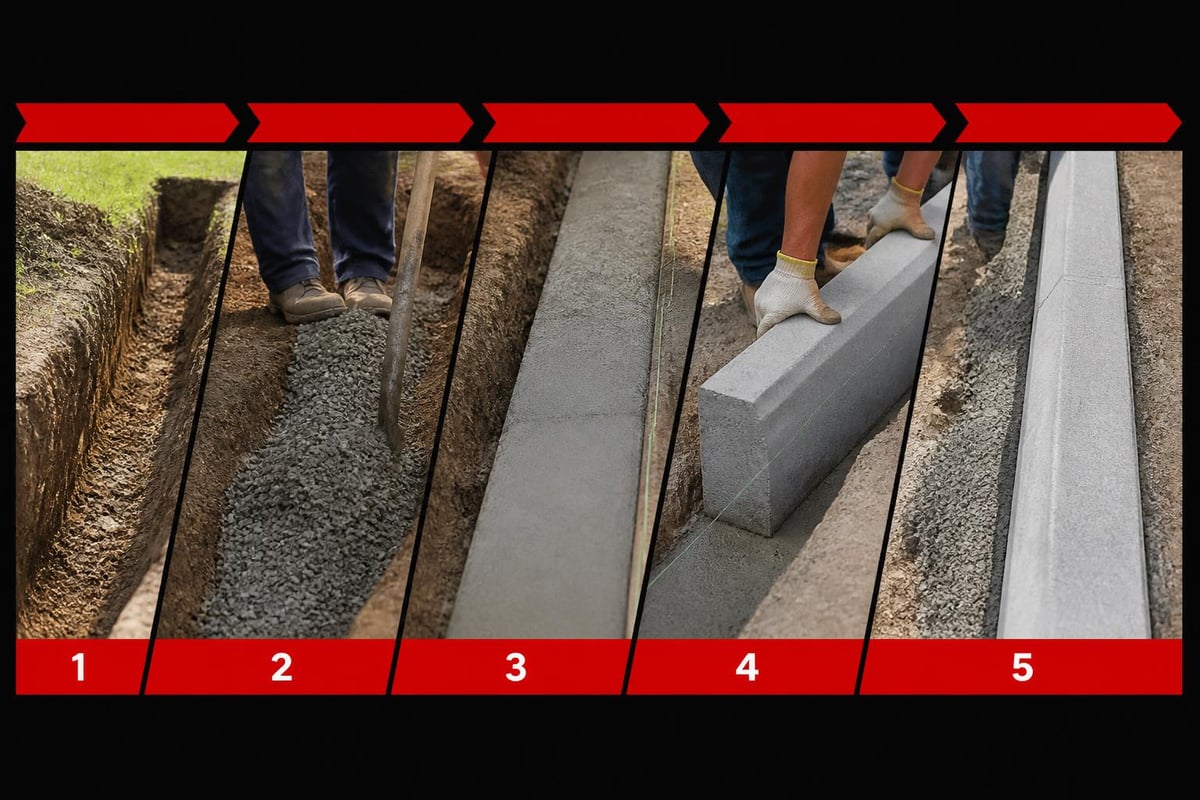
Joint spacing between individual road curb stones typically ranges from 3mm to 6mm, filled with mortar or proprietary jointing compound. Expansion joints at 6-metre intervals accommodate thermal movement in concrete kerbs, preventing cracking and displacement. These joints require compressible filler material and sealant protection against water ingress.
For curved sections, manufactured radius units provide neater results than cutting straight kerbs. However, tight radii may necessitate careful cutting and fitting by experienced operatives. Diamond-blade cutting equipment ensures clean edges without damaging the kerb face or structural integrity.
Maintenance Requirements and Longevity
Regular maintenance preserves the functionality and appearance of road curb stones throughout their service life. Proper care and maintenance practices prevent minor issues escalating into costly repairs or premature replacement requirements. Both commercial property managers and residential homeowners benefit from implementing systematic inspection and maintenance schedules.
Routine Inspection Protocols
Quarterly visual inspections identify developing problems before they compromise structural integrity. Look for signs of settlement, cracking, joint deterioration, or vegetation growth. Early intervention typically involves simple repairs whereas neglected issues may require complete kerb replacement.
Common maintenance indicators include:
- Hairline cracks potentially admitting water into the bedding layer
- Settlement or movement creating trip hazards or drainage problems
- Joint material loss exposing bedding concrete to weathering
- Surface staining from vehicle fluids or organic matter
- Vegetation establishing in joints or behind kerb faces
Understanding curbstone characteristics and performance helps maintenance teams prioritise interventions based on severity and functional impact. Minor cosmetic issues may await scheduled works whilst safety hazards demand immediate remediation.
Cleaning and Surface Treatment
Road curb stones accumulate dirt, organic growth, and traffic residues requiring periodic cleaning. Pressure washing effectively removes surface contamination without damaging properly installed kerbs. Maintain nozzle pressure below 3000 PSI and keep the spray head at least 300mm from the kerb face to avoid erosion of joint material or surface mortar.
| Cleaning Method | Effectiveness | Typical Frequency | Considerations |
|---|---|---|---|
| Pressure Washing | High | Annually | Protect joints, avoid excessive pressure |
| Chemical Treatment | Very High | Every 2-3 years | Select environmentally responsible products |
| Manual Brushing | Moderate | As required | Labour-intensive but gentle on surface |
| Steam Cleaning | High | Annually | Excellent for oil/grease removal |
Chemical treatments address stubborn staining and biological growth but require careful product selection. Avoid acidic cleaners on natural stone which may etch surfaces or leach minerals. Alkaline-based cleaners suit most concrete applications, followed by thorough rinsing to prevent residue accumulation.
Repair Techniques and Reinstatement
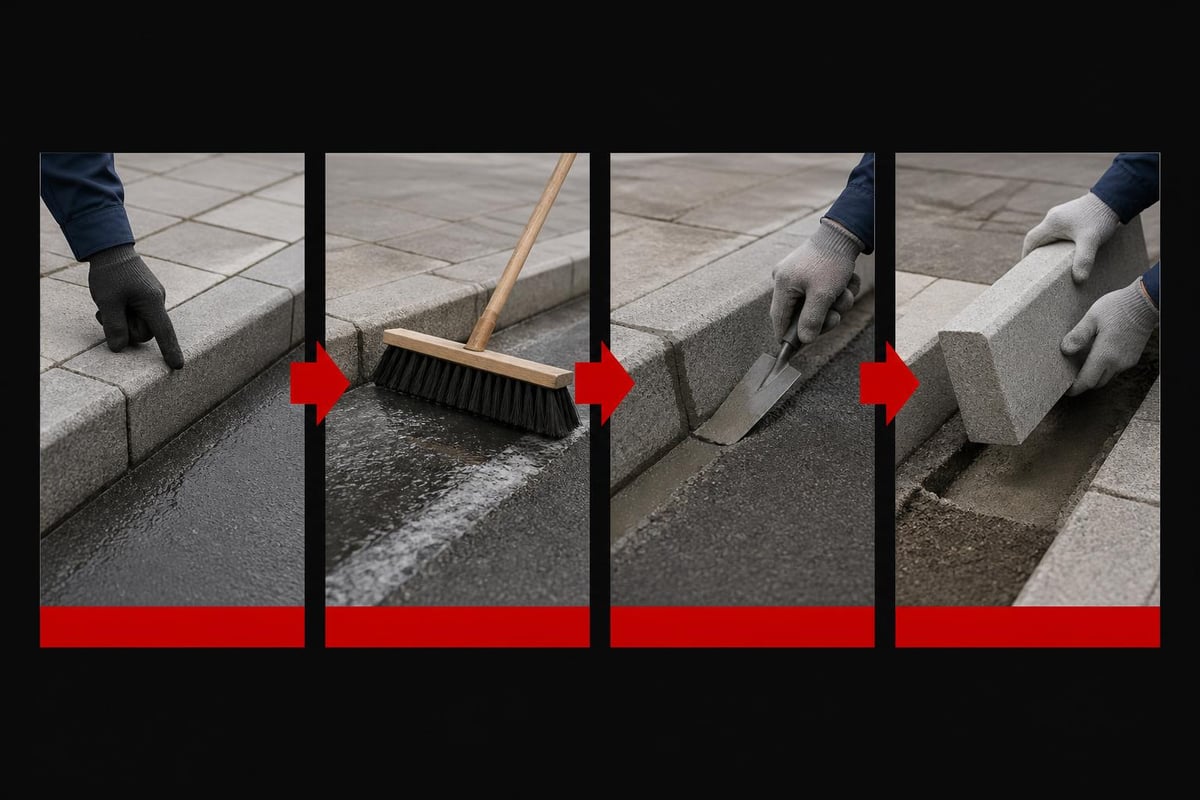
Individual damaged road curb stones require careful removal and replacement to maintain overall system integrity. Cut out the bedding concrete surrounding the affected unit using a disc cutter, taking care not to damage adjacent kerbs. Remove the unit complete with bedding, prepare the formation, and install a replacement following original installation standards.
Joint repairs form the most common maintenance activity. Rake out deteriorated mortar to minimum 25mm depth, clean surfaces, and repoint using appropriate mortar mix. For concrete kerbs, use 1:3 cement:sand mortar with plasticiser. Natural stone benefits from lime-based mortars allowing vapour permeability and accommodating minor movement.
Settlement repairs may require lifting several units to address underlying foundation problems. Maintaining stone driveway surfaces shares principles applicable to kerb foundations, emphasising proper drainage and adequate compaction. Investigate the settlement cause before reinstating kerbs to prevent recurrence.
Design Considerations for Commercial and Residential Applications
Road curb stones contribute significantly to project aesthetics whilst fulfilling functional requirements. Selecting appropriate profiles, materials, and finishes ensures compatibility with overall design intent. Commercial developments demand robust specifications accommodating heavy trafficking, whilst residential driveways balance performance with visual character.
Commercial Highway and Car Park Specifications
Large-scale projects like drive-through facilities require kerbs withstanding constant vehicle movements including overrun from articulated delivery vehicles. Standard highway specifications typically employ HB2 precast concrete kerbs measuring 125mm high with bull-nosed profile. These units resist impact damage whilst clearly defining circulation routes.
Car park perimeters benefit from barrier kerbs preventing vehicles mounting landscaped areas or damaging building facades. Internal traffic islands may utilise lower mountable profiles allowing controlled access for maintenance vehicles. Understanding concrete curb classification assists designers in specifying appropriate types for different zones within complex developments.
Commercial specification priorities:
- Load-bearing capacity exceeding anticipated vehicle weights
- Impact resistance withstanding occasional contact
- Drainage integration managing surface water efficiently
- Visibility incorporating reflective elements where appropriate
- Longevity minimising lifecycle replacement costs
Colour and finish selections increasingly feature in commercial specifications as clients recognise kerbs' contribution to corporate identity. Charcoal and buff concrete options complement contemporary architecture, whilst natural stone suits heritage-inspired developments. Consistency across multiple sites becomes crucial for franchise operations maintaining brand standards.
Residential Driveway and Patio Applications
Domestic projects afford greater design flexibility with road curb stones enhancing property character and value. Natural stone kerbs create premium boundaries for block paving driveways, whilst precast concrete units offer cost-effective solutions maintaining high quality standards. Comprehensive guidance on paving curb stones covers both material selection and installation techniques for residential applications.
Colour coordination with existing property features ensures cohesive visual impact. Matching kerb tones to house brickwork or roofing materials creates harmonious transitions between built elements and landscaping. Contrasting approaches using darker or lighter kerbs produce striking definition emphasising driveway geometry.
| Application Type | Recommended Profile | Typical Material | Design Considerations |
|---|---|---|---|
| Driveway Edging | Semi-barrier 100mm | Concrete or Granite | Vehicle overrun resistance |
| Patio Perimeter | Decorative 75mm | Reconstituted Stone | Aesthetic integration with paving |
| Garden Borders | Flat-top 50mm | Clay or Concrete | Plant bed definition and mowing strip |
| Path Edging | Shallow 40mm | Various | Level access, trip hazard prevention |
Gradient transitions at driveway entrances require careful kerb profiling maintaining safe vehicle access whilst managing water runoff. Dropped kerbs must comply with accessibility standards where they cross public footways, incorporating tactile paving alerts for visually impaired pedestrians.
Sustainable Practices and Environmental Considerations
Modern civil engineering increasingly prioritises environmental responsibility in material selection and installation practices. Road curb stones manufactured using recycled aggregates reduce primary resource extraction whilst maintaining performance standards. Permeable bedding systems support sustainable drainage strategies managing rainfall at source rather than overwhelming sewerage infrastructure.
Material Sustainability and Lifecycle Assessment
Concrete kerb production generates carbon emissions through cement manufacturing, prompting industry efforts reducing environmental impact. Supplementary cementitious materials including ground granulated blast furnace slag (GGFBS) and pulverised fuel ash (PFA) partially replace Portland cement without compromising strength. These additions can reduce embodied carbon by 30-50% whilst enhancing long-term durability through reduced permeability.
Natural stone extraction and processing involves significant energy consumption and landscape disturbance. However, exceptional longevity means granite kerbs may represent sustainable choices for heritage projects where replacement cycles extend beyond 50 years. Local sourcing minimises transportation emissions, an important consideration given kerbs' weight and volume.
Sustainability evaluation factors include:
- Embodied carbon across manufacturing and transportation
- Resource depletion from primary material extraction
- Expected service life before replacement becomes necessary
- End-of-life recycling potential and waste minimisation
- Local economic benefits from regional material sourcing
Recycled aggregate incorporation typically reaches 20-30% in precast concrete kerbs without affecting structural performance. Some manufacturers achieve higher percentages using advanced production techniques ensuring consistent quality. Maintaining stone driveway longevity extends material service life, maximising sustainability benefits regardless of initial environmental impact.
Drainage Integration and Water Management
Road curb stones form critical components within sustainable drainage systems (SuDS) controlling surface water runoff. Properly designed kerb lines channel rainfall towards permeable areas, infiltration basins, or attenuation features rather than directly to combined sewers. This approach reduces flooding risk whilst promoting groundwater recharge and water quality improvement through natural filtration.
Permeable concrete bedding allows water percolation through the kerb foundation into underlying drainage layers. This technique proves particularly effective in car parks and commercial hardstanding where large impermeable areas generate substantial runoff. Combined with permeable paving systems, sustainable kerb installations significantly reduce development impact on existing drainage infrastructure.
Kerb heights and profiles require careful specification ensuring water directs appropriately without creating ponding or concentrated flows causing erosion. Generally, minimum falls of 1:80 along kerb lines prevent water accumulation whilst avoiding excessive gradients complicating installation. Cross-falls from carriageway to kerb channel typically range from 1:40 to 1:30 depending on surface type and anticipated rainfall intensity.
Quality Assurance and Project Management
Delivering successful road curb stone installations demands rigorous quality control throughout procurement, installation, and finishing stages. Establishing clear specifications, monitoring workmanship standards, and conducting systematic inspections ensures projects meet client expectations and regulatory requirements. Professional civil engineering contractors implement comprehensive quality management systems protecting both immediate outcomes and long-term performance.
Specification Development and Product Selection
Detailed specifications eliminate ambiguity regarding acceptable materials and installation standards. Reference relevant British Standards including BS EN 1340 for concrete kerbs and BS 7533 for paving construction. Specify concrete strength classes, dimensional tolerances, surface finishes, and any special requirements such as tactile features or decorative profiles.
Product certifications provide assurance regarding manufacturing quality and consistency. Look for third-party certification schemes verifying compliance with declared standards. Manufacturer warranties covering defects or premature failure offer additional protection, particularly valuable on large commercial projects where replacement costs prove substantial.
Sample approvals before bulk orders prevent specification misunderstandings and aesthetic disappointments. Physical samples allow assessment of colour, texture, and dimensional accuracy under site conditions. For large projects, request samples from specific production batches ensuring consistency across the entire installation.
Installation Supervision and Testing
Site supervision ensures contractors follow approved methodologies and maintain workmanship standards. Daily inspections during installation identify problems when remediation remains straightforward rather than after substantial work completion. Check foundation preparation, concrete quality, kerb alignment, and joint finishing against specification requirements.
Critical inspection points include:
- Formation level and sub-base compaction verification
- Concrete bedding mix design and placement methodology
- Kerb unit positioning, alignment, and level accuracy
- Haunching concrete placement and finishing
- Joint width consistency and pointing quality
- Final cleanliness and protection during cure period
Testing protocols may include compaction testing of granular layers using nuclear density gauges or plate bearing tests. Concrete samples from bedding and haunching operations verify strength compliance. Professional contractors welcome quality oversight recognising it protects their reputation whilst ensuring client satisfaction.
Photography documenting installation stages provides valuable records supporting warranty claims or future maintenance planning. Capture foundation preparation, bedding placement, kerb positioning, and completed works. These images prove particularly useful on projects involving multiple phases or extended construction programmes.
Road curb stones represent fundamental components in successful highway surfacing, commercial development, and residential driveway projects, requiring careful material selection, professional installation, and ongoing maintenance to deliver lasting performance. Whether you're planning a large-scale commercial development, upgrading existing highway infrastructure, or enhancing your residential property, JRG Civils brings the civil engineering expertise and attention to detail ensuring your kerb installations meet the highest standards from initial groundworks through to final finishing touches.