
Stainless steel kerbing has emerged as a critical component in modern civil engineering and construction projects, particularly where hygiene, durability, and longevity are paramount. This specialist edging solution provides a seamless transition between walls and floors whilst creating protective barriers that withstand the most demanding environments. From food manufacturing facilities to commercial drive-throughs, stainless steel kerbing delivers performance that traditional materials simply cannot match. Understanding the applications, benefits, and installation considerations helps contractors and property owners make informed decisions for their projects.
Understanding Stainless Steel Kerbing Applications
Stainless steel kerbing serves multiple purposes across diverse sectors, with each application demanding specific technical characteristics. The material's inherent resistance to corrosion, bacterial growth, and physical damage makes it ideally suited for environments where cleanliness and structural integrity cannot be compromised.
Commercial and Industrial Environments
Food processing facilities represent the primary market for stainless steel kerbing solutions. These environments require materials that can withstand rigorous cleaning protocols, including high-pressure washing and chemical sanitisation. The stainless steel kerb profiles from ACO demonstrate how engineered solutions create hygienic wall-floor connections that prevent contamination and simplify maintenance routines.
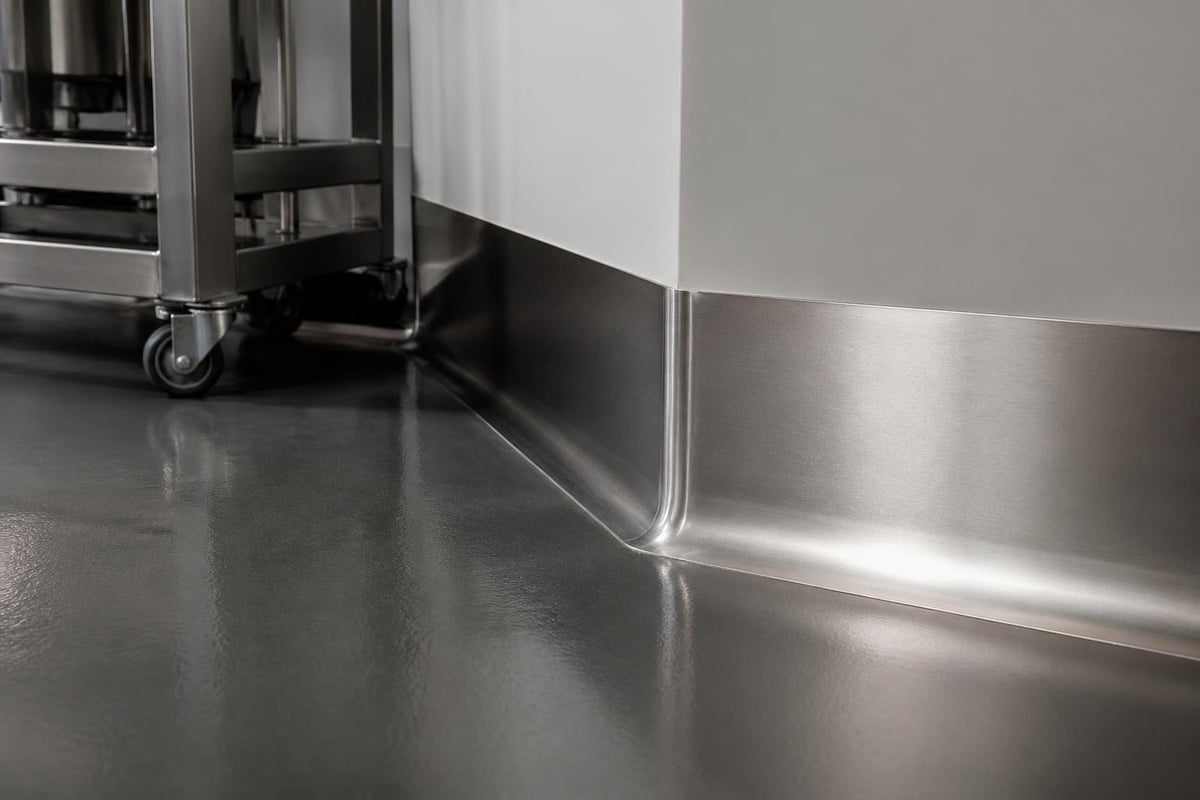
Manufacturing plants benefit from the impact resistance that stainless steel kerbing provides. Heavy machinery, forklift traffic, and constant material handling create significant stress on floor perimeters. Stainless steel absorbs these impacts without cracking, chipping, or degrading over time.
Healthcare facilities increasingly specify stainless steel kerbing for operating theatres, laboratories, and sterile processing departments. The non-porous surface prevents bacterial colonisation whilst maintaining structural integrity under continuous exposure to medical-grade disinfectants.
Retail and Hospitality Installations
Drive-through restaurants and coffee shops present unique challenges that stainless steel kerbing addresses effectively. Vehicle traffic patterns, oil spillage, and frequent cleaning cycles demand materials that maintain appearance and function under constant stress. Projects involving franchise developments, such as Costa Coffee and Greggs locations, often incorporate stainless steel kerbing to meet corporate standards for durability and brand presentation.
Car parks and service areas benefit from the reflective properties of stainless steel, which enhance visibility in low-light conditions. The material's resistance to de-icing salts and petroleum products extends service life significantly beyond concrete or plastic alternatives.
Technical Specifications and Material Properties
The performance characteristics of stainless steel kerbing derive from carefully controlled metallurgical processes and precise fabrication techniques. Understanding these technical aspects helps specifiers select appropriate grades and profiles for specific applications.
Grade Selection and Corrosion Resistance
Most stainless steel kerbing utilises 304 or 316 grade stainless steel, each offering distinct advantages. Grade 304 provides excellent general corrosion resistance suitable for most commercial applications, whilst Grade 316 incorporates molybdenum for enhanced resistance to chlorides and aggressive chemicals.
| Property | Grade 304 | Grade 316 |
|---|---|---|
| Chromium Content | 18-20% | 16-18% |
| Nickel Content | 8-10.5% | 10-14% |
| Molybdenum | None | 2-3% |
| Chloride Resistance | Good | Excellent |
| Cost Factor | Standard | Premium |
Research into stainless steel surface structure and oxidation reveals how the passive chromium oxide layer forms spontaneously, providing self-healing properties that maintain corrosion resistance even after surface damage. This characteristic proves particularly valuable in high-traffic areas where minor impacts occur regularly.
Dimensional Options and Configurations
Stainless steel kerbing systems accommodate various installation requirements through multiple height, width, and profile configurations. Standard heights range from 75mm to 150mm, with custom dimensions available for specific applications. PolySto’s prefabricated stainless steel kerbs illustrate the range of dimensional options available to contractors.
Common Profile Types:
- Straight profiles: Standard 90-degree wall-floor junction
- Coved profiles: Radiused transition for enhanced cleanability
- Ramped profiles: Gradual slope for wheelchair accessibility
- Custom profiles: Engineered solutions for unique requirements
Length availability significantly impacts installation efficiency. Continuous lengths up to 18 meters eliminate multiple joints, reducing labour costs and potential failure points. The MKERB stainless steel kerbing system exemplifies how extended lengths deliver both time and cost savings during installation.
Installation Methods and Best Practices
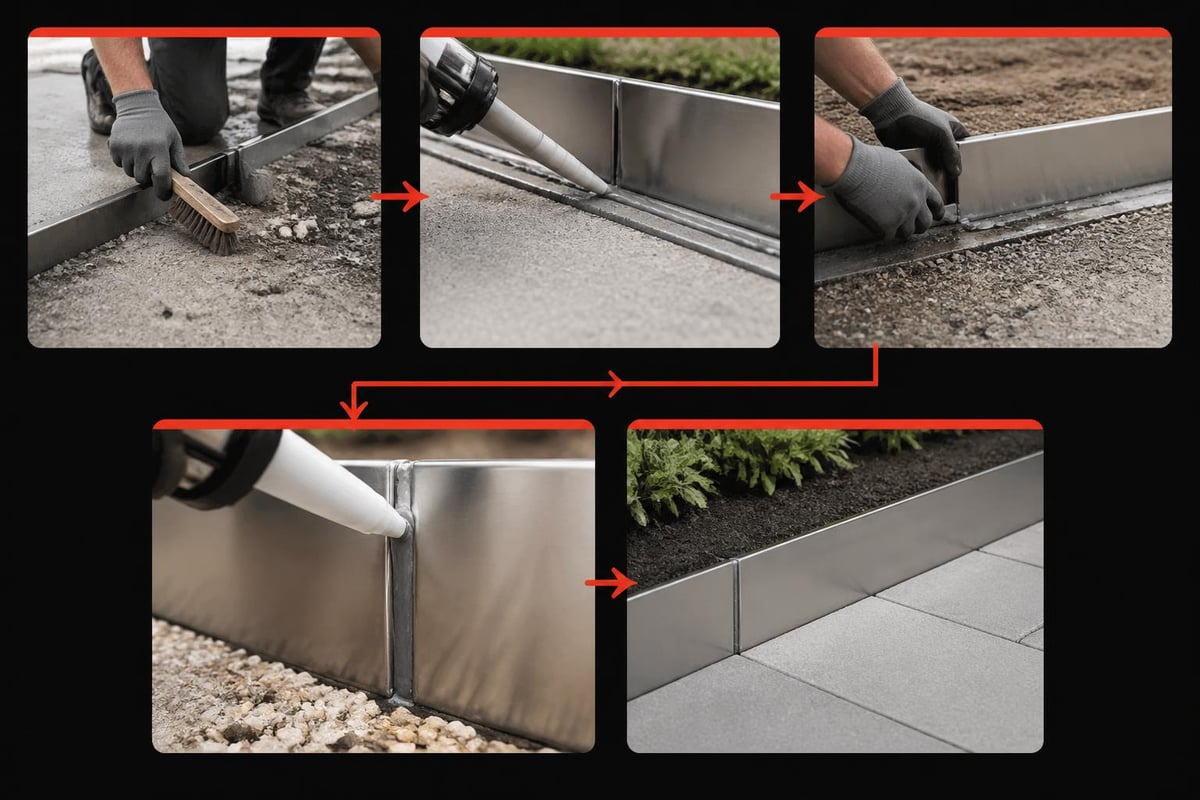
Proper installation determines the long-term performance of stainless steel kerbing systems. Whether retrofitting existing structures or incorporating kerbing into new construction, following established procedures ensures optimal results.
Substrate Preparation Requirements
The foundation supporting stainless steel kerbing must provide adequate strength and levelness. Concrete substrates require proper curing before kerbing installation, typically 28 days for full strength development. Surface preparation includes:
- Cleaning to remove all contaminants, oils, and loose material
- Grinding or shot-blasting to achieve appropriate surface profile
- Repairing cracks, spalls, or depressions to create uniform support
- Applying primer systems where specified by adhesive manufacturers
- Marking installation lines to ensure accurate positioning
Moisture content testing prevents adhesive failure. Concrete substrates should contain less than 5% moisture by weight, verified through calcium chloride testing or electronic moisture meters.
Fixing and Anchoring Systems
Mechanical fixing provides immediate stability whilst adhesive systems develop full bond strength. Stainless steel anchors spaced at 300-600mm intervals secure kerbing during initial installation. Chemical anchoring systems using epoxy or polyester resins create permanent bonds capable of withstanding significant lateral forces.
Adhesive selection depends on substrate type, environmental conditions, and expected service loads. Epoxy-based adhesives offer superior bond strength and chemical resistance, whilst polyurethane systems provide flexibility that accommodates minor substrate movement. Component Developments’ stainless steel kerbing solutions demonstrate professional installation approaches for both new builds and retrofit applications.
Joint treatment requires particular attention to maintain hygiene and prevent moisture ingress. Butt joints between kerb sections utilise either mechanical couplers or welded connections, with exposed welds ground flush and polished to match surrounding surfaces. Silicone or polyurethane sealants fill the wall-kerb and kerb-floor junctions, creating continuous, cleanable surfaces.
Maintenance and Lifecycle Considerations
Stainless steel kerbing delivers exceptional longevity when properly maintained. Understanding appropriate cleaning methods and recognising potential issues prevents premature deterioration whilst maximising return on investment.
Cleaning Protocols and Surface Care
Regular cleaning maintains both appearance and hygiene. The frequency and intensity of cleaning depend on environmental conditions and regulatory requirements. Food production facilities may require multiple daily cleaning cycles, whilst commercial applications need less frequent attention.
Recommended Cleaning Procedures:
- Use pH-neutral detergents for routine cleaning
- Employ soft cloths or non-abrasive pads to prevent surface scratching
- Rinse thoroughly with clean water after detergent application
- Dry surfaces to prevent water spotting and mineral deposits
- Avoid chloride-containing cleaners that may initiate pitting corrosion
Stubborn staining or discolouration responds to specialised stainless steel cleaners containing mild abrasives or chemical brighteners. Always test cleaning products on inconspicuous areas before widespread application. The natural patina that develops on stainless steel surfaces actually enhances corrosion resistance, so aggressive polishing proves counterproductive except for aesthetic reasons.
Performance Monitoring and Issue Resolution
Despite exceptional durability, stainless steel kerbing may develop issues requiring attention. Early identification prevents minor problems escalating into costly repairs.
| Issue | Cause | Resolution |
|---|---|---|
| Surface pitting | Chloride exposure | Clean, passivate, apply protective coating |
| Joint separation | Adhesive failure | Remove, re-prepare substrate, reinstall with fresh adhesive |
| Discolouration | Mineral deposits | Deep clean with acidic cleaner, rinse thoroughly |
| Physical damage | Impact | Straighten minor dents, replace severely damaged sections |
Statistical analysis of stainless steel material characteristics provides insights into expected performance under various loading conditions, helping engineers design appropriate support systems and predict service life.
Cost Analysis and Investment Justification
Stainless steel kerbing commands premium pricing compared to alternative materials, yet lifecycle cost analysis frequently demonstrates superior value. Understanding the total cost of ownership helps stakeholders make informed investment decisions.
Initial Capital Expenditure
Material costs for stainless steel kerbing typically range from £80 to £200 per linear metre, depending on specification, quantity, and supplier. Grade 316 stainless steel costs approximately 30-40% more than Grade 304, whilst custom profiles add further premium. DRH Fabrications’ custom stainless steel kerbing solutions offer bespoke options that address specific project requirements.
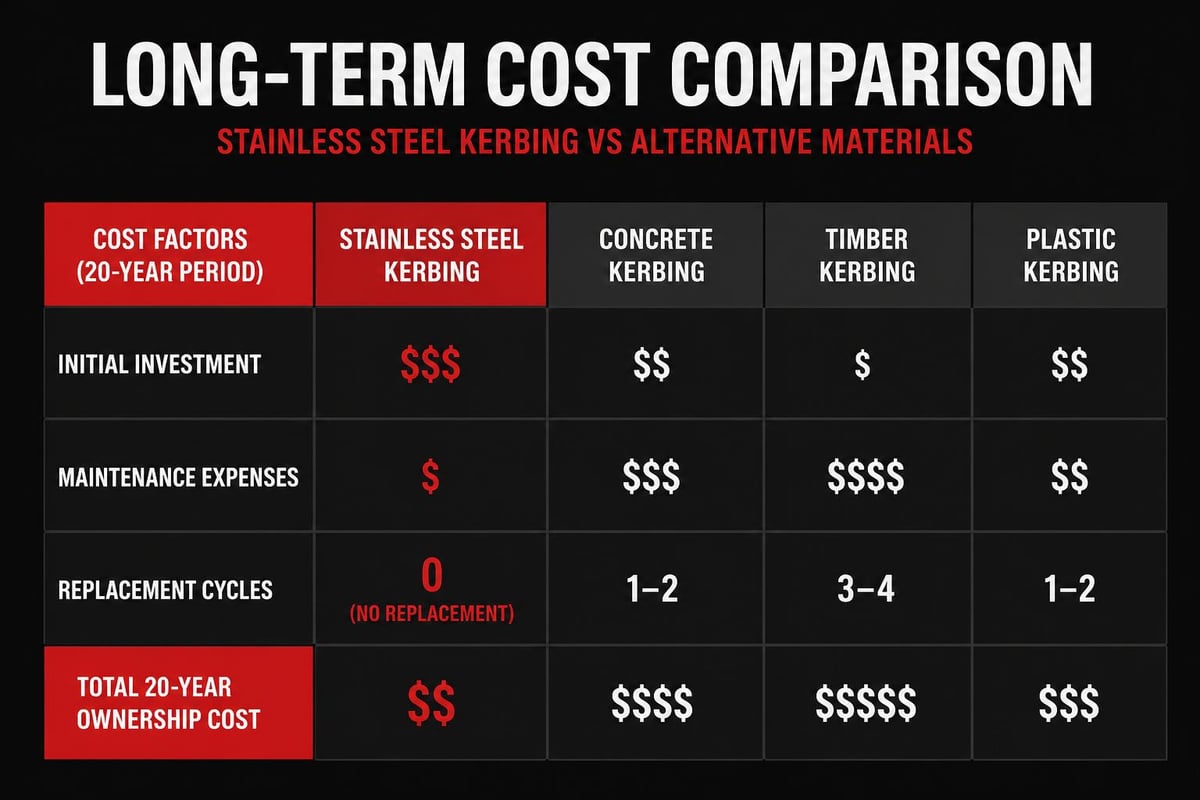
Installation labour represents a significant cost component, influenced by site conditions, accessibility, and installation complexity. Professional civil engineering contractors typically charge £40-£80 per linear metre for installation, including substrate preparation, fixing, and finishing.
Preparatory works may add substantial costs where existing floors require modification or reinforcement. Cutting concrete, installing anchors, and ensuring proper drainage all contribute to project expenses.
Lifecycle Cost Advantages
Maintenance costs for stainless steel kerbing remain minimal throughout service life. Unlike plastic or rubber alternatives requiring periodic replacement, properly installed stainless steel kerbing can last 25-30 years with basic cleaning alone.
Replacement costs for deteriorated kerbing include not only material and labour but also operational disruption. Food manufacturers face particular challenges when shutting down production areas for maintenance, with downtime costs potentially exceeding repair expenses. Stainless steel kerbing eliminates these recurring costs.
Hygiene compliance costs decrease with stainless steel installation. The seamless, non-porous surface simplifies cleaning protocols, reduces labour hours, and minimises chemical consumption. Facilities report 30-50% reduction in cleaning time for areas protected by stainless steel kerbing compared to traditional solutions.
Design Integration and Aesthetic Considerations
Beyond functional performance, stainless steel kerbing contributes to overall design aesthetics whilst supporting architectural objectives. The material's clean lines and reflective surfaces complement contemporary design approaches across commercial and industrial settings.
Finish Options and Visual Appeal
Surface finishes range from highly polished mirror finishes to subdued brushed or satin appearances. Each finish offers distinct visual characteristics and practical considerations:
- Mirror polish (#8 finish): Maximum reflectivity, shows fingerprints and minor scratches
- Brushed finish (#4 finish): Directional grain pattern, hides minor imperfections
- Satin finish (#6 finish): Soft lustre, excellent for high-traffic areas
- Bead-blasted finish: Uniform matte appearance, superior scratch resistance
Kemtile’s stainless steel kerbs demonstrate how finish selection impacts both functionality and appearance in food and drink industry applications.
Integration with Floor and Wall Systems
Successful stainless steel kerbing installation requires coordination with adjacent building elements. Resin floors, ceramic tiles, and concrete surfaces each present unique interface requirements. The kerb profile must accommodate floor thickness, expansion joints, and drainage falls whilst maintaining continuous protection.
Wall cladding systems, particularly in hygienic environments, often incorporate matching stainless steel panels or sheet materials. Coordinating kerb height with panel reveals creates visually cohesive installations that reinforce design intent.
Regulatory Compliance and Industry Standards
Various industries impose specific requirements governing kerbing materials and installation methods. Understanding applicable standards ensures compliance whilst avoiding costly remediation.
Food Safety Regulations
Food manufacturing facilities must comply with Food Standards Agency requirements and industry-specific certifications. Stainless steel kerbing contributes to compliance by eliminating harbourage points for bacteria and facilitating effective cleaning. Gilwood Ltd’s stainless steel kerbing solutions specifically address food and catering environment requirements.
HACCP (Hazard Analysis Critical Control Points) protocols frequently specify stainless steel for areas where food contact or contamination risk exists. The material's inert properties prevent chemical migration whilst resisting degradation from cleaning chemicals and temperature extremes.
Building Regulations and Accessibility
Building Regulations Part M governs accessibility requirements, including kerb heights and ramping at transitions. Stainless steel kerbing systems accommodate these requirements through profiled sections that maintain protection whilst ensuring wheelchair access.
Fire safety regulations may influence material selection in specific applications. Stainless steel's non-combustible classification (Euroclass A1) satisfies the most stringent fire performance requirements without additional treatment or certification.
Comparative Analysis with Alternative Materials
Selecting appropriate kerbing materials requires understanding how alternatives perform against stainless steel benchmarks. Each material type offers distinct advantages and limitations.
| Material | Durability | Hygiene | Cost | Lifespan |
|---|---|---|---|---|
| Stainless Steel | Excellent | Excellent | High | 25-30 years |
| Plastic/PVC | Fair | Good | Low | 5-8 years |
| Aluminium | Good | Good | Medium | 15-20 years |
| Concrete | Good | Fair | Low | 10-15 years |
Plastic kerbing offers low initial cost but degrades under UV exposure, chemical attack, and physical impact. Frequent replacement negates initial savings whilst creating ongoing disruption.
Aluminium provides good corrosion resistance at lower cost than stainless steel, yet lacks comparable impact resistance and may react with certain chemicals. Protective coatings require periodic renewal, adding maintenance requirements.
Concrete kerbing suits external applications but presents hygiene challenges in food environments. The porous surface harbours bacteria and proves difficult to sanitise effectively.
Supplier Selection and Procurement Strategies
Choosing appropriate suppliers impacts project outcomes through material quality, technical support, and delivery reliability. Establishing evaluation criteria helps contractors identify partners capable of supporting demanding projects.
Quality Assurance and Certification
Reputable suppliers provide material test certificates confirming stainless steel grade, chemical composition, and mechanical properties. Mill certificates trace material origin whilst demonstrating compliance with relevant standards including BS EN 10088 for stainless steel specifications.
Fabrication quality varies significantly between suppliers. Inspect welded joints, polished surfaces, and dimensional tolerances through sample evaluation before committing to large orders. Crystal Kerbs’ stainless steel solutions emphasise quality control throughout manufacturing processes.
Lead Times and Inventory Management
Standard profiles typically ship within 2-4 weeks, whilst custom fabrications may require 6-8 weeks from order confirmation. Projects on tight schedules should engage suppliers early in the design process to align delivery with construction programmes.
Some suppliers maintain stock of common profiles and lengths, enabling rapid deployment for urgent requirements. Establishing relationships with multiple suppliers provides flexibility when schedule pressures arise.
Stainless steel kerbing represents a professional, long-term solution for commercial and industrial projects demanding superior hygiene, durability, and aesthetic quality. The initial investment delivers exceptional lifecycle value through minimal maintenance requirements and extended service life. Whether you're developing a commercial drive-through, industrial facility, or specialist hygienic environment, JRG Civils brings the expertise and attention to detail necessary to deliver outstanding results. Our experience across commercial and private projects throughout the UK ensures your kerbing installation meets the highest standards from initial groundwork through to final finishing touches.