
Kerbing stones for garden applications have transformed how homeowners and landscape professionals approach property boundaries, creating defined spaces that combine functionality with visual appeal. Whether separating a pristine lawn from a gravel pathway or establishing raised beds for planting, quality kerbing provides structure that withstands weather, foot traffic, and the test of time. These essential landscaping elements serve multiple purposes beyond simple aesthetics, offering drainage solutions, erosion control, and clear demarcation between different garden zones.
Understanding Garden Kerbing Materials and Their Applications
Selecting appropriate kerbing stones for garden installations requires understanding the distinct characteristics of available materials. Each option brings specific advantages to residential and commercial landscaping projects.
Natural Stone Kerbing Options
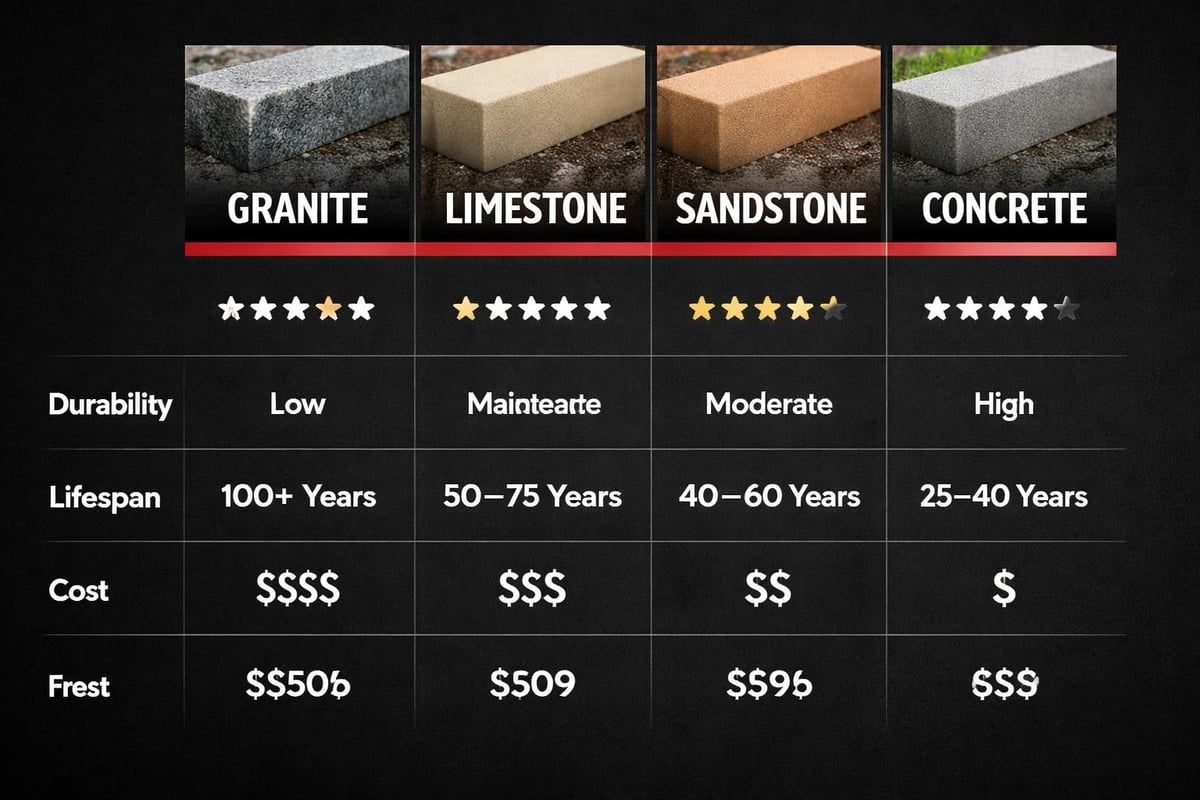
Natural stone remains the premium choice for discerning property owners seeking authenticity and longevity. Granite kerbing delivers exceptional durability and resistance to weathering, making it ideal for high-traffic areas and driveways. Limestone presents a softer appearance with warm tones that complement traditional architecture, whilst sandstone offers textured surfaces that prevent slipping in wet conditions.
Key advantages of natural stone include:
- Unique colour variations creating bespoke visual appeal
- Superior longevity spanning decades with minimal maintenance
- Excellent resistance to freeze-thaw cycles
- Enhanced property value through premium materials
- Natural ageing that develops attractive patina
The comparison between natural stone and manufactured garden kerbs reveals important considerations for material selection, particularly regarding environmental impact and long-term performance.
Manufactured and Concrete Alternatives
Concrete kerbing stones for garden projects offer cost-effective solutions without compromising functionality. Modern manufacturing techniques produce units with consistent dimensions, simplifying installation whilst maintaining structural integrity. Pre-cast concrete kerbs arrive ready for immediate placement, reducing labour time significantly compared to bespoke stonework.
| Material Type | Typical Lifespan | Maintenance Level | Cost Range | Best Application |
|---|---|---|---|---|
| Granite | 50+ years | Very Low | High | Driveways, commercial |
| Limestone | 30-40 years | Low | Medium-High | Pathways, borders |
| Sandstone | 25-35 years | Low-Medium | Medium | Garden edges, patios |
| Concrete | 20-30 years | Medium | Low-Medium | Budget projects, lawns |
| Composite | 15-25 years | Medium | Medium | Modern designs |
Manufactured options accommodate various types of garden kerbs for landscape design, from traditional Victorian-style reproductions to contemporary minimalist profiles.
Planning Your Garden Kerbing Installation
Proper planning transforms kerbing stones for garden projects from simple boundaries into cohesive design elements that enhance entire landscapes. Professional civil engineering contractors understand that successful installations begin with thorough site assessment and detailed preparation.
Measuring and Layout Considerations
Accurate measurements prevent material waste and ensure seamless corner transitions. Calculate total linear metreage by mapping all proposed kerbing runs, then add 10% for cutting and potential errors. Consider curve radii carefully-tight bends require smaller kerbing units or careful cutting to maintain consistent appearance.
Essential planning steps:
- Mark proposed kerbing lines using string lines and stakes
- Verify levels across the entire run using optical or laser equipment
- Identify underground services including water pipes, electrical cables, and drainage
- Assess soil conditions and drainage requirements
- Calculate material quantities including sub-base aggregates
- Plan access routes for material delivery and equipment
The civil engineering expertise that JRG Civils applies to large-scale infrastructure projects translates directly to residential kerbing installations, ensuring precision from initial survey through final pointing.
Drainage and Ground Preparation
Kerbing stones for garden applications must accommodate proper water management. Poorly planned installations create standing water, undermining foundations and causing premature failure. Establish falls of minimum 1:80 to direct surface water towards designated drainage points.
Excavation depth depends on kerbing height and intended use. Lawn edging typically requires 150-200mm total depth, whilst driveway kerbing demands 250-350mm to accommodate increased loading. Remove all organic material and soft spots, replacing with compacted granular sub-base.
Installation Techniques for Professional Results
Transforming kerbing stones for garden spaces into permanent features demands methodical installation following civil engineering principles. Proper technique ensures decades of reliable performance regardless of material choice.
Foundation and Bedding Methods
A robust foundation begins with mechanical compaction of the sub-base layer. Use plate compactors for restricted areas and vibratory rollers for longer runs, achieving minimum 95% maximum dry density. This creates a stable platform resistant to settlement and movement.
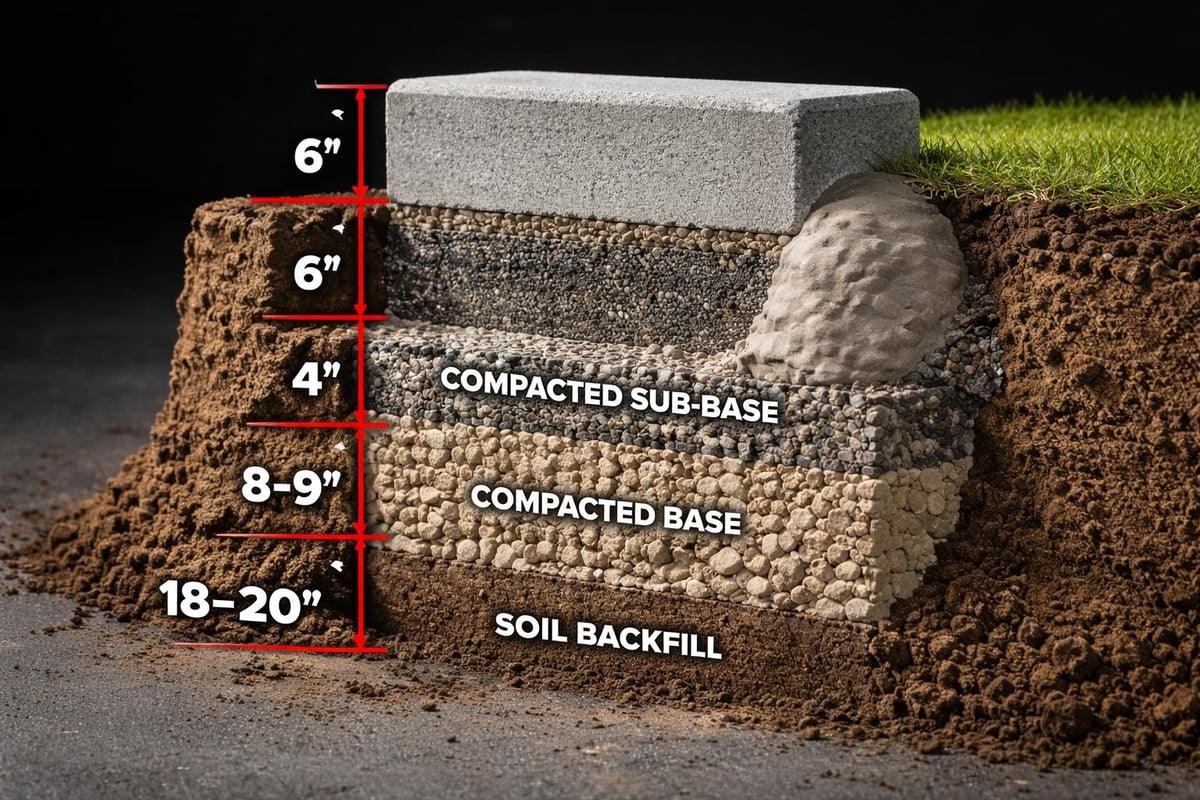
Bedding mortar requires careful mixing to achieve workable consistency whilst maintaining strength. A standard mix of 4:1 sharp sand to cement provides adequate support for most residential applications. Spread bedding 25-30mm thick, allowing adjustment during stone placement whilst ensuring full contact.
Professional installation sequence:
- Excavate to required depth maintaining consistent trench width
- Compact sub-base in 75mm layers using appropriate equipment
- Set string lines at finished kerbing height and alignment
- Mix bedding mortar to stiff but workable consistency
- Place kerbing units checking level and alignment continuously
- Apply concrete haunching to both sides for stability
- Allow 24-48 hours curing before backfilling
Cutting and Joining Techniques
Achieving neat terminations and angles requires proper cutting equipment and technique. Diamond-blade disc cutters deliver clean cuts through granite and concrete, whilst limestone and sandstone respond well to traditional splitting methods. Always score cutting lines deeply before full penetration to prevent unwanted fractures.
Corner details separate amateur installations from professional work. Internal corners demand precise mitred cuts at 45-degree angles, whilst external corners benefit from purpose-made radius units where available. Staggered joints in straight runs enhance structural strength and visual appeal.
The experience gained through completing commercial projects and franchise installations enables professional contractors to handle complex geometries efficiently whilst maintaining consistent quality throughout.
Design Applications Across Garden Zones
Kerbing stones for garden projects serve distinct functions across different landscape areas. Understanding these applications helps homeowners maximise both practical benefits and aesthetic impact.
Driveway and Parking Area Definition
Driveway kerbing withstands significant loading from vehicles whilst preventing surface materials spreading onto lawns and borders. Upright kerbing creates clear boundaries between tarmac or block paving and planted areas, simplifying maintenance and enhancing kerb appeal. The various garden edging stones available suit different architectural styles and functional requirements.
Properly installed kerbing stones for garden driveways also improve drainage efficiency. Water channels naturally along kerbing lines towards gullies and soakaways, preventing puddles that damage surfaces and create hazardous ice patches during winter.
Pathway and Patio Borders
Garden pathways benefit enormously from defined edges that prevent gravel migration and maintain clean lines. Flush kerbing allows lawn mowers to traverse edges without obstruction, reducing trimming time significantly. Raised kerbing creates physical barriers protecting delicate border plants from foot traffic.
| Application | Recommended Height | Typical Width | Installation Method |
|---|---|---|---|
| Lawn edging | 50-75mm exposed | 100-150mm | Flush or slightly raised |
| Gravel retention | 100-150mm exposed | 150-200mm | Raised with haunching |
| Driveway boundary | 125-150mm exposed | 200-250mm | Upright with foundation |
| Raised bed walls | 200-400mm exposed | 200-300mm | Mortared courses |
| Step edging | Varies | 200-300mm | Secured to step structure |
Patio surrounds require careful consideration of finished levels. Kerbing set 15-20mm above paving prevents water pooling whilst maintaining clean aesthetic lines. This detail proves particularly important for residential enhancement projects where outdoor entertaining spaces demand pristine presentation.
Planting Bed and Border Creation
Raised planting beds constructed using kerbing stones for garden applications offer numerous horticultural advantages. Elevated soil warms faster in spring, extending growing seasons for vegetables and tender perennials. Improved drainage prevents waterlogging, whilst physical barriers deter slugs and reduce weed encroachment from surrounding lawns.
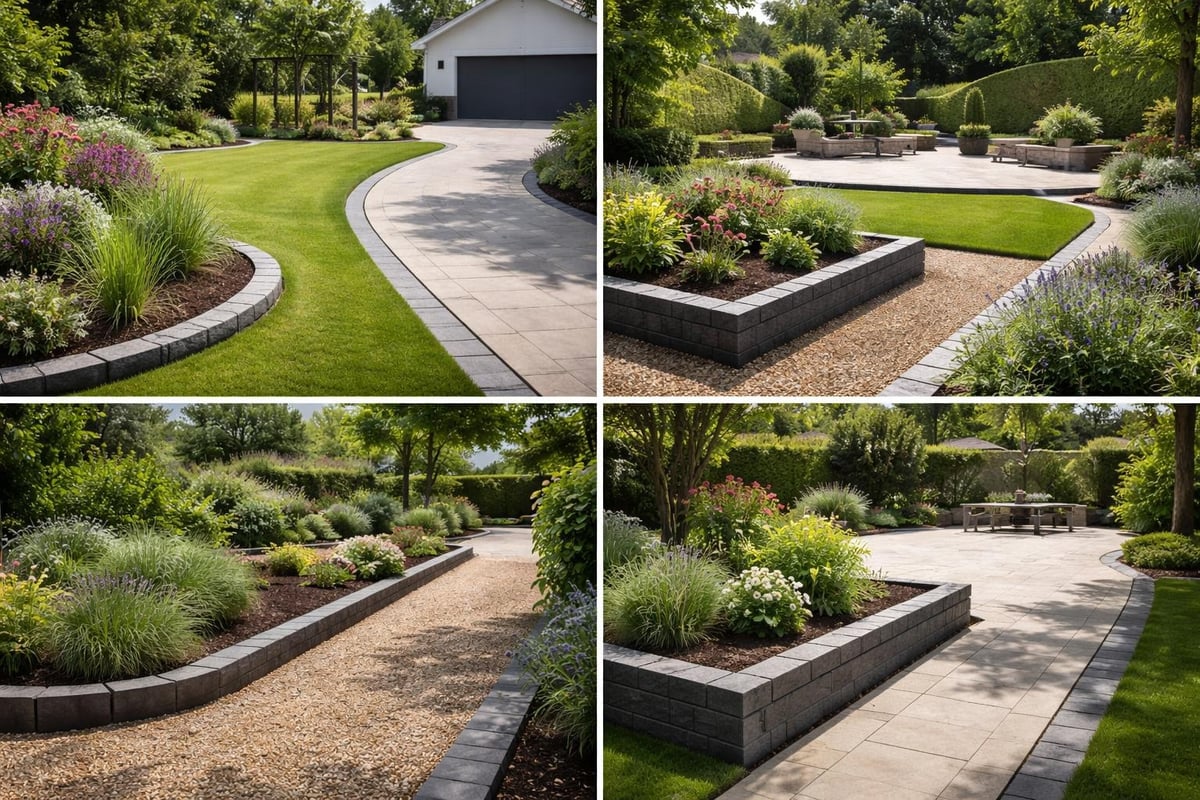
Kerbing height affects planting possibilities significantly. Low edging of 75-100mm suits shallow-rooted alpines and groundcovers, whilst 300mm heights accommodate deep-rooted specimens and small shrubs. Consider root spread when positioning kerbing-aggressive plants like bamboo require barriers extending 450mm below ground.
Maintenance and Longevity Considerations
Quality kerbing stones for garden installations deliver decades of service when properly maintained. Regular attention prevents minor issues developing into costly failures requiring complete replacement.
Routine Cleaning and Inspection
Annual inspections identify potential problems before they escalate. Check for movement indicating foundation settlement, cracks suggesting frost damage, and pointing deterioration allowing water penetration. Address issues promptly-small repairs cost significantly less than complete reinstallation.
Cleaning requirements vary by material. Pressure washing removes organic growth from concrete and granite surfaces, though excessive pressure damages softer stones like limestone. Biological treatments eliminate moss and algae without mechanical action, protecting stone surfaces whilst improving slip resistance.
Seasonal maintenance checklist:
- Spring: Remove winter debris, check for frost damage, re-point as necessary
- Summer: Control weed growth in joints, clean surfaces, inspect drainage function
- Autumn: Clear fallen leaves, verify water flow before winter, address any settlement
- Winter: Monitor for ice damage, keep drainage channels clear, avoid de-icing salt contact
Long-Term Performance Optimisation
Professional installation by experienced civil engineers maximises kerbing lifespan considerably. The precision and attention to detail that specialist contractors bring to civil engineering projects ensures foundations remain stable and materials perform optimally throughout their service life.
Re-pointing becomes necessary every 8-12 years depending on exposure and original workmanship. Remove deteriorated mortar to 15-20mm depth before applying fresh material, ensuring compatibility with original bedding. This relatively simple maintenance task prevents water ingress that causes more serious structural problems.
Material Selection for Specific Project Requirements
Choosing appropriate kerbing stones for garden projects depends on multiple factors beyond initial cost. Consider total lifecycle expenses including installation, maintenance, and eventual replacement when comparing options.
Climate and Environmental Factors
Regional weather patterns significantly influence material performance. Freeze-thaw cycles demand materials with low porosity-dense granite and properly manufactured concrete excel in harsh climates. Coastal locations require resistance to salt spray, favouring natural stones over some manufactured products prone to surface degradation.
Soil conditions affect foundation requirements and material choice. Heavy clay soils experience significant seasonal movement, demanding robust foundations and flexible joints. Sandy soils drain freely but offer less lateral support, necessitating deeper haunching for stability.
Aesthetic Integration With Property Style
Kerbing stones for garden settings should complement architectural character rather than conflict with established design language. Traditional properties benefit from natural stone matching or coordinating with building materials-sandstone kerbing echoes sandstone facades beautifully. Contemporary developments accommodate bolder choices including dark granite and engineered composites with crisp, modern profiles.
Colour coordination extends beyond buildings to include paving, roofing, and boundary treatments. Create cohesive landscapes by limiting palette to three complementary tones. Contrast provides visual interest-light kerbing against dark paving emphasises boundaries effectively whilst maintaining harmony.
Professional Installation Benefits
Whilst confident DIY enthusiasts tackle smaller kerbing projects successfully, professional installation delivers superior results for extensive or complex work. Civil engineering contractors bring specialised equipment, technical knowledge, and efficiency that justify professional fees through quality outcomes.
Technical Expertise and Equipment Access
Achieving accurate levels across extended kerbing runs requires optical or laser levelling equipment beyond most homeowner tool collections. Professional contractors utilise these instruments routinely, ensuring water management functions correctly and visual appearance meets exacting standards.
Cutting large quantities of kerbing stones for garden installations demands industrial-grade equipment. Petrol-powered disc cutters with diamond blades slice through granite and concrete efficiently whilst maintaining cutting precision. Hiring such equipment often costs nearly as much as professional labour whilst requiring operator skill and safety awareness.
Warranty and Quality Assurance
Established civil engineering firms provide guarantees covering both materials and workmanship. This protection proves invaluable should defects emerge during early service life. Professional contractors maintain comprehensive insurance protecting property owners from liability associated with site accidents or utility damage during excavation.
The diverse project portfolio developed through commercial and residential work enables experienced contractors to anticipate challenges and implement proven solutions. Whether adapting to unexpected ground conditions or modifying designs to accommodate site constraints, professional expertise ensures successful project completion.
Cost Considerations and Value Assessment
Understanding the financial aspects of kerbing stones for garden projects helps homeowners budget appropriately whilst recognising value beyond simple material costs. Initial expenditure represents one component of total ownership economics.
Material and Installation Pricing
Natural stone commands premium prices reflecting quarrying, processing, and transportation costs. Granite kerbing typically costs £25-45 per linear metre for materials alone, whilst limestone ranges £20-35 and sandstone £18-30. Concrete alternatives offer significant savings at £8-18 per metre, though visual impact differs considerably.
Typical project cost breakdown:
- Materials (kerbing stones): 35-45% of total
- Sub-base and bedding materials: 10-15% of total
- Labour and equipment: 35-45% of total
- Waste removal and site clearance: 5-10% of total
Installation costs vary regionally and depend on project complexity. Straight runs on level ground cost significantly less per metre than curved layouts requiring extensive cutting and adjustment. Obtaining multiple quotations from reputable contractors ensures competitive pricing whilst allowing assessment of proposed methods and materials.
Return on Investment and Property Value
Quality landscaping improvements deliver measurable returns when properties reach market. Well-executed kerbing enhances kerb appeal dramatically, creating positive first impressions that influence buyer perception significantly. Estate agents consistently identify neat, well-maintained boundaries as valuable features adding 2-4% to property valuations in competitive markets.
Beyond resale considerations, kerbing stones for garden applications reduce ongoing maintenance time and costs. Defined boundaries simplify mowing, prevent gravel spread, and protect plants from accidental damage. These practical benefits accumulate over years, justifying initial investment through reduced labour and replacement plant costs.
Integration With Broader Landscape Projects
Kerbing installation often forms part of comprehensive garden renovation programmes. Coordinating with paving, planting, and drainage work ensures cohesive results whilst potentially reducing overall costs through efficient scheduling and resource utilisation.
Coordinating With Surfacing Work
Installing kerbing before laying driveways or patios establishes accurate boundaries and levels for subsequent surface work. This sequence prevents contamination of finished surfaces and allows adjustment of kerb positions if necessary. Professional civil engineers coordinate trades effectively, ensuring logical workflow and efficient site management.
Combining kerbing with surfacing projects may qualify for volume discounts on materials and reduced mobilisation charges from contractors. The comprehensive civil engineering capabilities required for diverse construction projects enable single-source procurement, simplifying project management whilst ensuring consistent quality standards throughout.
Drainage and Utility Considerations
Kerbing lines frequently coincide with drainage requirements, creating opportunities for integrated solutions. Channel drains set within or adjacent to kerbing manage surface water effectively whilst maintaining clean aesthetic presentation. Planning these elements together prevents costly modifications after installation.
Underground utilities demand careful consideration during kerbing projects. Service strikes cause delays, safety hazards, and expensive repairs. Professional contractors utilise cable location equipment and consult statutory records before excavation, protecting existing infrastructure whilst ensuring safe working conditions.
Selecting and installing kerbing stones for garden projects transforms outdoor spaces through defined boundaries, improved drainage, and enhanced visual appeal. Whether undertaking driveway upgrades, creating raised planting beds, or establishing neat lawn edges, quality materials and professional installation techniques deliver lasting results. At JRG Civils, our civil engineering expertise ensures every project meets exacting standards from initial survey through final pointing. Based in the North East but serving clients across the UK, we bring the same attention to detail to residential kerbing that has made our commercial installations successful. Contact JRG Civils to discuss how professional kerbing installation can enhance your property's functionality and value.