
Earth filling work represents a fundamental aspect of civil engineering and construction projects, from large-scale commercial developments to residential driveways and patios. The process involves carefully placing and compacting soil or other suitable materials to create stable foundations, level surfaces, or fill excavated areas. Whether preparing ground for a new drive-through facility or establishing a solid base for residential enhancements, proper earth filling techniques ensure structural integrity and long-term performance. Understanding the methodologies, materials, and quality control measures required for successful earth filling work is essential for delivering projects that stand the test of time.
Understanding Earth Filling Work Fundamentals
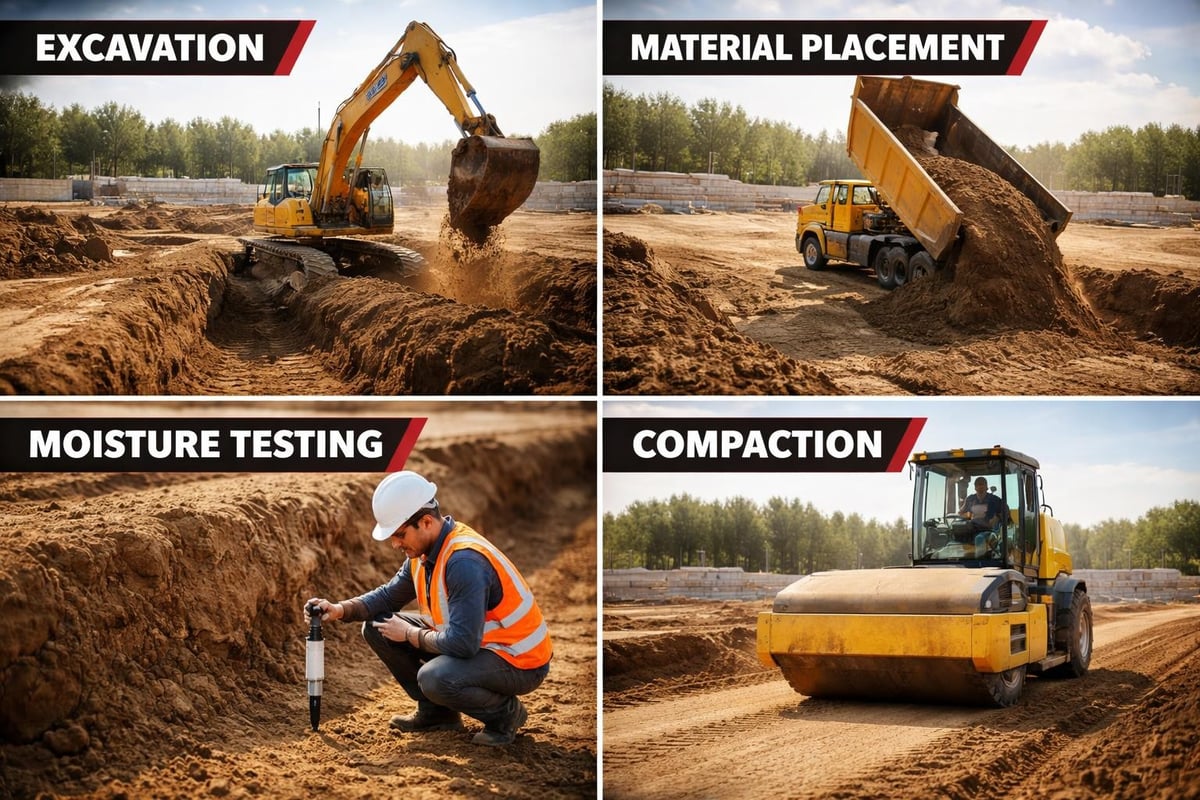
Earth filling work encompasses much more than simply moving soil from one location to another. This critical construction process requires precise planning, material selection, and execution to achieve optimal results. The primary objective involves creating a stable, properly compacted surface that can support subsequent construction activities or serve as the final grade level.
The success of any earth filling project depends on several interconnected factors. Soil type, moisture content, compaction methodology, and layer thickness all contribute to the final outcome. When executed correctly, earth filling provides a robust foundation that prevents settlement, maintains structural stability, and supports the intended load-bearing requirements.
Key Components of Successful Earth Filling
Professional earth filling work requires attention to multiple technical aspects:
- Material selection and testing to ensure suitability for the intended purpose
- Moisture content optimization for achieving maximum compaction density
- Layer thickness control to facilitate proper compaction throughout the fill
- Compaction equipment selection based on soil type and project specifications
- Quality assurance testing to verify density and stability requirements
The importance of earth filling in construction cannot be overstated, as it directly impacts the longevity and performance of the entire project. Commercial developments, such as the Costa Coffee and Greggs drive-through facilities that require extensive groundwork, demand particularly rigorous earth filling standards to accommodate heavy traffic loads and prevent future settlement issues.
Material Selection and Preparation
Selecting appropriate materials for earth filling work directly influences project outcomes. Not all soils possess the characteristics necessary for creating stable, long-lasting fills. Engineers and contractors must evaluate several properties before approving materials for use.
Soil Classification and Suitability
Different soil types exhibit varying compaction characteristics and load-bearing capacities. Clay soils, sandy materials, and granular fills each present unique advantages and challenges during earth filling operations.
| Soil Type | Compaction Ease | Drainage | Stability | Best Applications |
|---|---|---|---|---|
| Granular | Excellent | Excellent | Very Good | Road bases, driveways |
| Sandy | Good | Very Good | Good | General fill, drainage layers |
| Clay | Moderate | Poor | Excellent when dry | Structural fills, embankments |
| Mixed | Variable | Good | Good | General-purpose fills |
Proper material selection for earth filling ensures that the completed work meets both immediate construction needs and long-term performance expectations. Projects involving highways surfacing and driveway construction particularly benefit from granular materials that compact readily and provide excellent drainage characteristics.
Material Testing and Approval
Before incorporating any material into earth filling work, comprehensive testing verifies its suitability. Laboratory analysis determines particle size distribution, moisture-density relationships, and bearing capacity. These tests inform decisions about compaction requirements and help establish quality control benchmarks.
Field testing continues throughout the filling process. In-situ density measurements confirm that each layer achieves the specified compaction level. Moisture content checks ensure optimal conditions for compaction equipment to perform effectively.
The Layered Approach to Earth Filling
One of the most critical principles in earth filling work involves the methodical placement of material in distinct layers. Performing earth filling in layers provides numerous technical advantages that contribute to overall project success.
Layer Thickness Standards
Standard practice typically limits each earth filling layer to between 150mm and 300mm before compaction. This thickness allows compaction equipment to effectively densify the material throughout the entire layer depth. Thicker layers risk creating inconsistent compaction, with well-compacted surface material concealing loose, unstable fill beneath.
The specific layer thickness depends on several factors:
- Equipment capabilities and the type of compaction machinery available
- Soil characteristics including particle size and moisture content
- Project specifications outlined in engineering drawings and contracts
- Accessibility and working space constraints on the construction site
- Quality control requirements and testing frequency protocols
Compaction Methodology
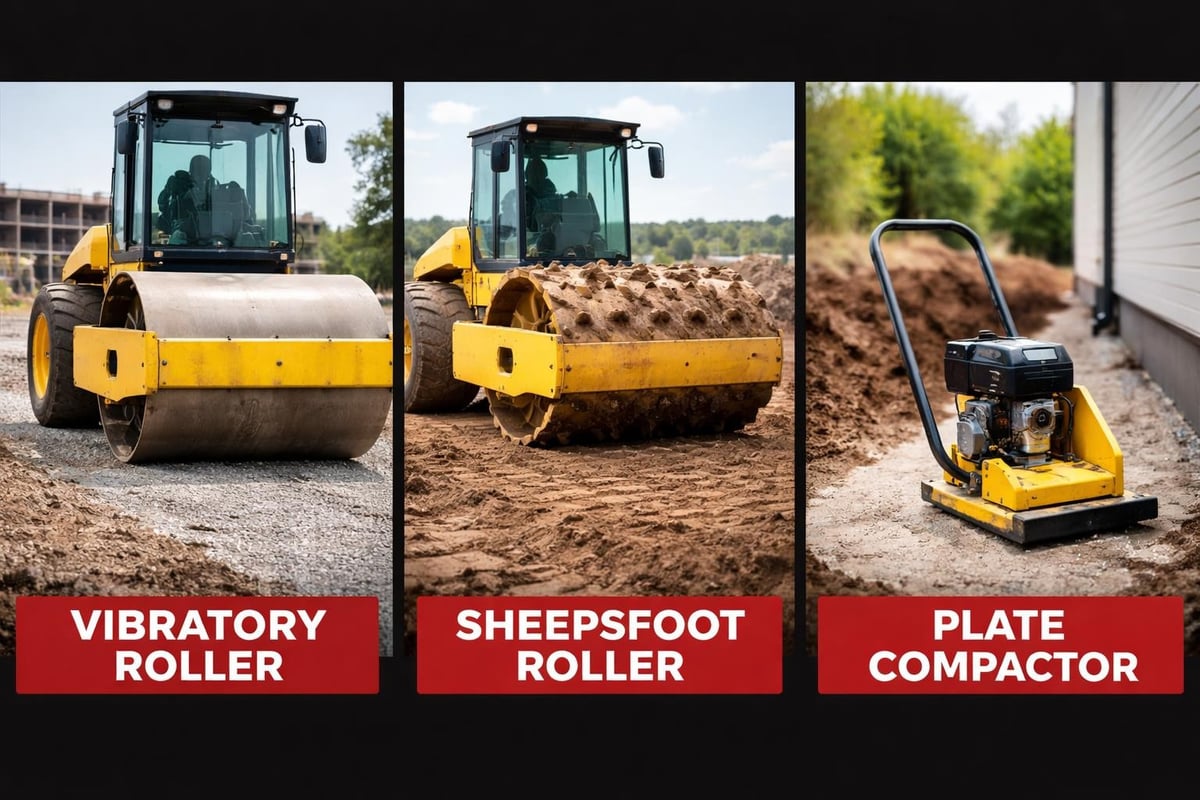
Each layer of earth filling work requires thorough compaction before placing the next layer. This process eliminates air voids, increases material density, and creates the interlocking particle structure necessary for stability. Different compaction equipment suits different soil types and project requirements.
Vibratory rollers excel at compacting granular materials, whilst sheepsfoot rollers prove more effective for cohesive clay soils. Plate compactors and rammer equipment provide excellent results in confined spaces where larger machinery cannot operate effectively. The earth backfilling and compaction process demonstrates how proper equipment selection and technique directly impact final results.
Quality Control and Testing Procedures
Rigorous quality control measures distinguish professional earth filling work from substandard practices. Systematic testing and documentation ensure that every aspect of the filling process meets or exceeds specified requirements.
Density Testing Methods
Field density testing represents the primary method for verifying compaction adequacy. The sand cone method, nuclear density gauge, and drive cylinder test each provide reliable measurements of in-situ density. These results compare against laboratory-determined maximum dry density values to calculate the percentage of compaction achieved.
Most specifications require earth filling work to achieve between 95% and 98% of maximum dry density, depending on the application. Structural fills supporting buildings or roadways typically demand higher compaction levels than general landscaping fills.
Moisture Content Management
Moisture content profoundly affects compaction efficiency and the final density achievable in earth filling work. Too much moisture creates a slurry that cannot compact properly, whilst insufficient moisture prevents particles from achieving optimal packing density.
Testing protocols include:
- Initial material testing upon delivery to the site
- Pre-compaction checks before operating compaction equipment
- Post-compaction verification to confirm acceptable density levels
- Environmental monitoring to account for weather-related moisture changes
Common Challenges and Solutions
Even experienced contractors encounter difficulties during earth filling work. Understanding potential problems and their solutions helps ensure smooth project execution.
Settlement and Subsidence Prevention
Inadequate compaction represents the primary cause of post-construction settlement. When earth filling settles after project completion, it can damage overlying structures, create surface depressions, and necessitate costly remediation work. Following essential dos and don’ts for earth filling helps prevent these issues through proper technique and quality control.
Prevention strategies include:
- Maintaining consistent layer thickness throughout the fill
- Achieving specified compaction levels for every layer
- Using appropriate materials free from organic content
- Controlling moisture content within optimal ranges
- Allowing adequate time for settlement observation where required
Working with Variable Site Conditions
Construction sites rarely present ideal conditions for earth filling work. Contractors must adapt to sloping terrain, confined spaces, poor weather conditions, and challenging soil characteristics. Flexibility in approach whilst maintaining quality standards separates successful projects from problematic ones.
| Challenge | Impact | Solution |
|---|---|---|
| Wet conditions | Poor compaction, delays | Moisture stabilisation, drainage improvements |
| Confined spaces | Limited equipment access | Smaller compaction equipment, hand methods |
| Unsuitable native soil | Weak foundation | Excavation, replacement with engineered fill |
| Steep slopes | Material stability concerns | Benching, geotextile reinforcement |
Integration with Broader Construction Activities
Earth filling work rarely occurs in isolation. It forms part of a comprehensive construction sequence that includes excavation, drainage installation, structural construction, and surface finishing. Understanding how earth filling integrates with these activities ensures coordinated, efficient project execution.
Excavation and Filling Coordination
The relationship between excavation and filling processes requires careful planning to optimise material movement and minimise costs. Ideally, excavated material from one area of a site becomes fill material for another area, reducing both disposal costs and the need to import additional fill.
This balance-of-earthworks approach requires:
- Accurate surveying and quantity calculations
- Material testing to confirm suitability for reuse
- Strategic stockpiling to facilitate efficient operations
- Coordination between excavation and filling crews
Surface Preparation for Final Works
Properly executed earth filling work creates an ideal platform for subsequent construction activities. Whether preparing a base for highways surfacing, establishing grades for drainage systems, or creating level areas for building foundations, the quality of earth filling directly influences the success of finishing works.
For driveway and patio projects, the earth filling provides the stable sub-base essential for preventing cracking, settlement, and surface deterioration. Commercial developments like drive-through facilities require particularly robust earth filling to support heavy vehicle loads and intensive use patterns over many years.
Specification Compliance and Documentation
Professional earth filling work adheres to detailed specifications that define acceptable materials, placement methods, compaction requirements, and testing protocols. These specifications may originate from client requirements, engineering designs, industry standards, or regulatory authorities.
Understanding Project Specifications
Comprehensive specifications for earth filling typically address multiple technical aspects. Material gradation limits, plasticity requirements, organic content restrictions, and maximum particle sizes all receive detailed attention. Placement requirements specify lift thickness, moisture content ranges, and compaction standards.
Contractors must thoroughly review these specifications before commencing work. Questions or ambiguities require clarification with engineers or project managers to prevent misunderstandings that could compromise quality or necessitate expensive remedial work.
Record-Keeping Requirements
Thorough documentation demonstrates compliance with specifications and provides valuable records for future reference. Daily reports should record weather conditions, materials used, quantities placed, compaction equipment employed, and test results obtained.
Photographic documentation captures visual evidence of proper procedures and material conditions. GPS-referenced photographs prove particularly valuable for large projects where specific location identification becomes important for future reference or dispute resolution.
Cost Considerations and Budget Planning
Understanding the financial aspects of earth filling work enables accurate project budgeting and cost control. Multiple factors influence overall expenses, from material costs to equipment requirements and testing protocols.
Budget Components
A comprehensive earth filling budget encompasses several distinct cost categories:
- Material costs including procurement, testing, and transportation
- Labour expenses for equipment operators and support personnel
- Equipment charges whether owned, hired, or subcontracted
- Testing and quality control laboratory analysis and field verification
- Site preparation access improvements and temporary works
The cost considerations in cutting and filling earthwork demonstrate how proper planning reduces expenses whilst maintaining quality standards. Efficient operations that minimise material double-handling, optimise equipment utilisation, and prevent quality failures deliver cost-effective results.
Value Engineering Opportunities
Experienced contractors identify opportunities to reduce costs without compromising quality. These might include sourcing suitable fill materials locally, optimising haul distances, scheduling work during favourable weather conditions, or employing efficient compaction equipment that increases productivity.
However, cost-cutting measures must never compromise the fundamental requirements for proper earth filling work. Inadequate compaction, unsuitable materials, or insufficient quality control create false economies that lead to expensive failures requiring remediation.
Environmental and Sustainability Considerations
Modern earth filling work increasingly incorporates environmental awareness and sustainable practices. These considerations benefit both the natural environment and project economics through reduced waste, efficient resource utilisation, and regulatory compliance.
Reusing excavated materials as fill reduces the environmental impact associated with material extraction, processing, and transportation. This approach conserves natural resources, minimises carbon emissions from haulage, and reduces the burden on landfill facilities that would otherwise receive excavated material.
Proper erosion and sediment control during earth filling work protects water quality in nearby streams, rivers, and drainage systems. Temporary measures such as silt fences, sediment traps, and erosion control blankets prevent soil particles from leaving the construction site during rainfall events.
Professional Standards and Best Practices
Maintaining professional standards in earth filling work requires ongoing education, attention to industry developments, and commitment to excellence. Contractors who consistently deliver high-quality results understand that reputation depends on every project, from small residential driveways to major commercial developments.
Best practices encompass technical competence, effective communication, thorough planning, and systematic quality control. These elements combine to create outcomes that satisfy clients, meet specifications, and provide long-term performance.
The civil engineering sector continues evolving with new materials, equipment technologies, and methodologies. Professional contractors remain informed about these developments and evaluate their potential application to improve efficiency, quality, or sustainability in earth filling operations.
Successful earth filling work demands technical expertise, proper equipment, quality materials, and rigorous attention to detail throughout every phase of the project. Whether you're planning a commercial development, highway surfacing project, or residential enhancement, the foundation provided by professional earth filling determines long-term success. At JRG Civils, we bring civil engineering excellence to every project, from initial excavation through final finishing touches, ensuring your investment delivers lasting value across the North East and throughout the UK.