
Understanding kerbing prices is essential for anyone planning a driveway, patio, or commercial development in 2026. Whether you're a homeowner enhancing your property's kerb appeal or a developer working on large-scale infrastructure, accurate cost estimation determines project feasibility and budget allocation. The price of kerbing varies significantly based on material selection, project scale, installation complexity, and regional labour rates across the UK.
Factors That Influence Kerbing Prices
Multiple variables affect the final cost of kerbing installations, making it crucial to understand each component before requesting quotes. Material choice remains the most significant factor, with options ranging from economical concrete to premium natural stone.
Material Selection and Quality
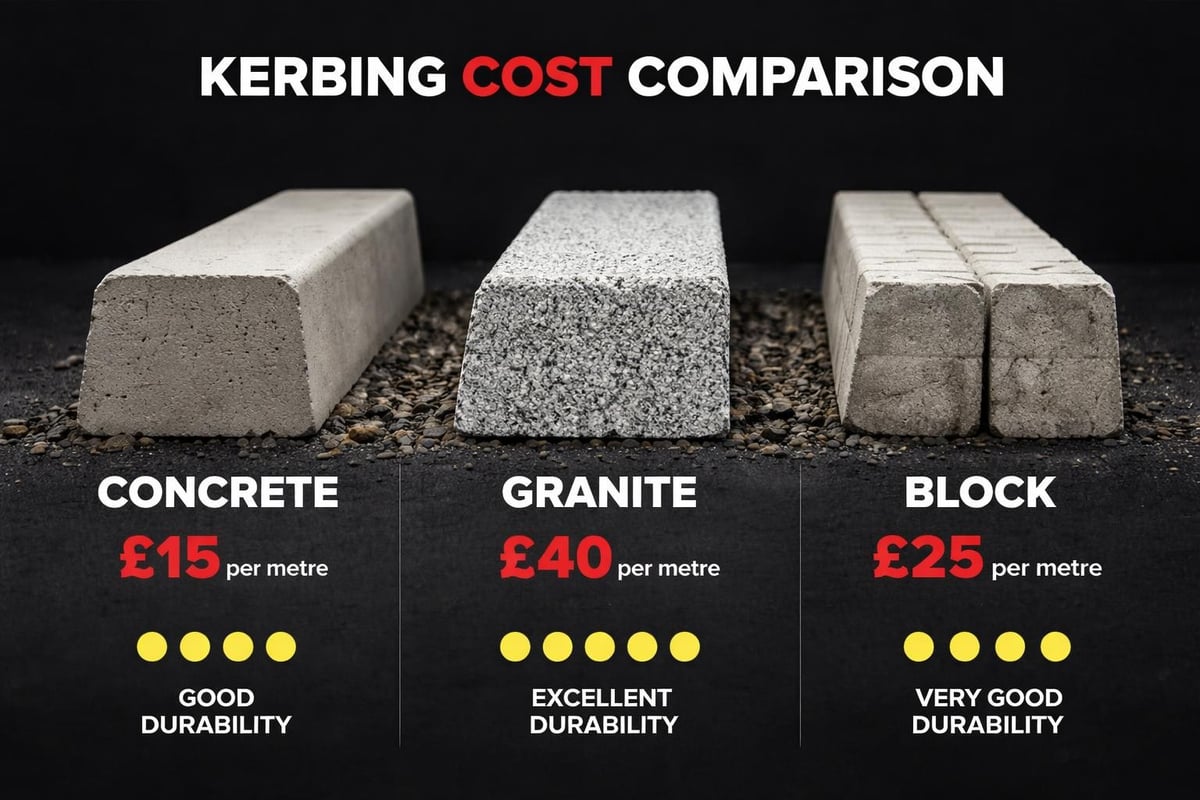
The type of kerbing material directly impacts both initial investment and long-term durability. Concrete kerbs represent the most cost-effective option for most projects, typically ranging from £8 to £15 per linear metre for standard profiles. Understanding concrete kerbing costs helps homeowners and contractors budget accurately for residential and commercial applications.
Granite and natural stone kerbs command premium prices, often between £25 and £60 per linear metre, but offer exceptional longevity and aesthetic appeal. Block paving kerbs fall into a mid-range category, providing versatility in design whilst maintaining reasonable costs between £12 and £22 per linear metre.
The quality grade within each material category also affects pricing:
- Standard grade: Basic profiles suitable for functional applications
- Enhanced grade: Improved finish and tighter tolerances
- Premium grade: Architectural quality with superior aesthetics
Project Scale and Complexity
Larger projects typically benefit from economies of scale, reducing the per-metre cost of both materials and installation. A residential driveway requiring 30 metres of kerbing will have a higher per-metre rate than a commercial car park needing 300 metres of the same specification.
Installation complexity adds significant labour costs to kerbing prices. Curved sections, intricate corner details, and multi-level installations require additional time and skilled craftsmanship. Projects involving existing surface removal, substantial groundwork, or challenging access conditions will see increased quotes from experienced contractors.
| Project Type | Typical Length | Complexity Level | Price Range per Metre |
|---|---|---|---|
| Residential Driveway | 20-50m | Low to Medium | £15-£30 |
| Commercial Car Park | 200-500m | Medium | £12-£25 |
| Road Infrastructure | 500m+ | High | £18-£35 |
| Decorative Garden | 10-30m | High | £25-£50 |
Labour Costs and Installation Considerations
Labour represents approximately 40-60% of total kerbing prices in the UK market. Experienced civil engineering contractors bring valuable expertise that ensures proper installation, adequate drainage provision, and long-term structural integrity.
Regional Variations Across the UK
Geographic location significantly impacts labour rates and material availability. The North East, where many civil engineering firms operate, often provides competitive pricing compared to London and the South East, where labour costs can be 20-30% higher.
Regional material availability also influences kerbing prices. Projects in areas close to quarries or manufacturing facilities benefit from reduced transport costs, whilst remote locations may incur additional delivery charges that add £2-£5 per linear metre to the overall cost.
Urban versus rural considerations:
- Urban projects may face access restrictions requiring specialist equipment
- Rural installations might require longer travel times for contractors
- City centre work often demands weekend or night-time installation
- Country locations may need additional groundwork for proper drainage
Installation Methods and Timeframes
Traditional wet-bed installation using concrete haunching provides maximum stability but requires curing time and skilled application. This method typically costs between £18 and £28 per linear metre including materials and labour for standard concrete kerbing.
Dry installation techniques, suitable for certain applications, can reduce labour time and costs by approximately 15-20%. However, this approach may not be appropriate for all situations, particularly high-traffic commercial areas or locations with significant vehicle loading. Detailed pricing breakdowns demonstrate how installation methods affect overall project costs.
Commercial Project Kerbing Prices
Large-scale commercial developments require different pricing considerations than residential projects. Road construction, retail parks, and industrial estates demand robust kerbing solutions capable of withstanding heavy vehicle loads and frequent traffic.
Heavy-Duty Specifications
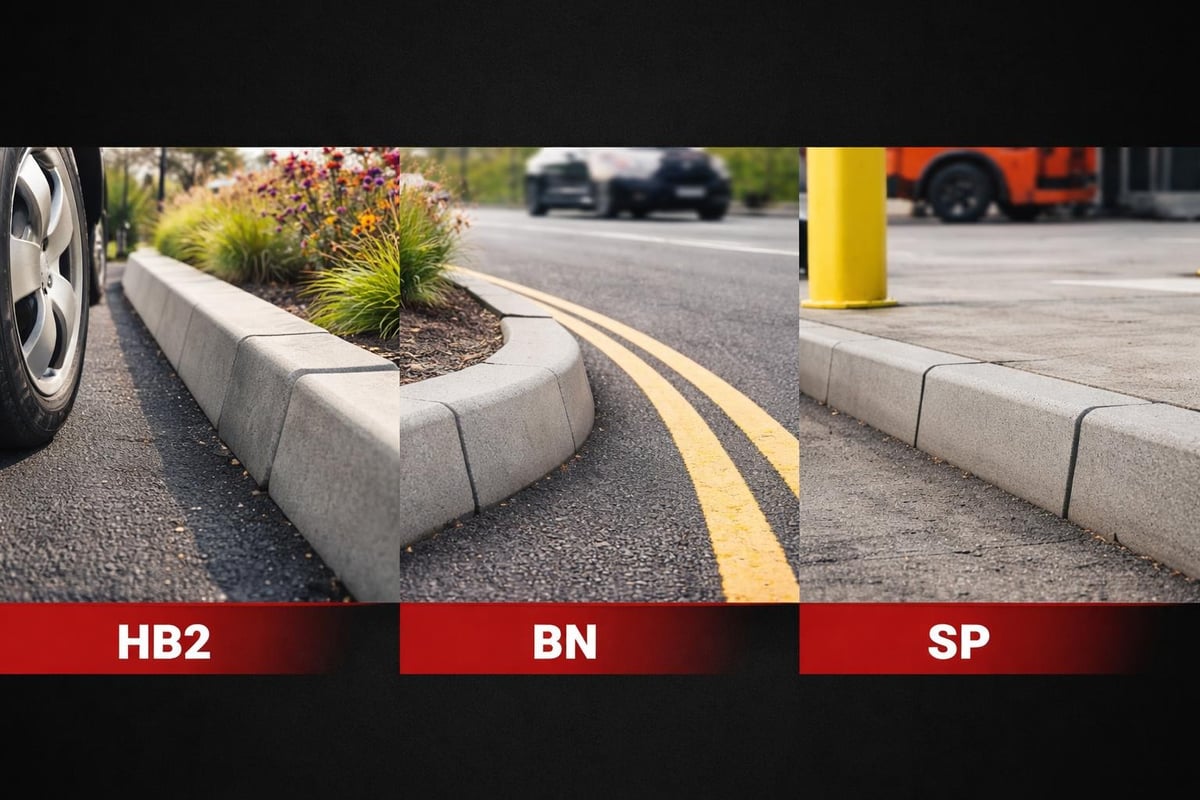
Commercial kerbing prices reflect enhanced specifications designed for durability and performance. Standard profiles include:
- HB2 (Half Batter) kerbs: £12-£18 per metre (125mm x 255mm)
- BN (Bull Nose) kerbs: £14-£22 per metre (150mm x 305mm)
- SP (Splayed) kerbs: £16-£24 per metre for dropped crossings
High-containment kerbs for motorways and dual carriageways range from £30 to £50 per linear metre, incorporating specialized profiles engineered for vehicle safety systems. These enhanced specifications require precision installation and often include additional foundation work that increases total project costs.
Tender Pricing and Contract Considerations
Commercial kerbing prices submitted through formal tender processes must account for comprehensive project requirements including quality assurance, testing, and extended liability periods. Experienced contractors factor in:
- Design compliance costs: Ensuring specifications meet highways standards
- Quality control measures: Testing and documentation requirements
- Programme coordination: Integration with other construction phases
- Warranty provisions: Extended maintenance periods beyond practical completion
- Professional indemnity insurance: Coverage for design-build contracts
These additional responsibilities typically add 15-25% to base material and labour costs but provide clients with certainty regarding performance and longevity. Projects requiring Section 38 or Section 278 agreements for adoption by local authorities demand particularly rigorous standards that influence overall pricing structures.
Residential Driveway Kerbing Prices
Homeowners investing in new driveways or enhancing existing installations face different considerations than commercial clients. Aesthetic appeal, property value enhancement, and long-term maintenance requirements drive material selection and specification choices.
Standard Residential Specifications
Typical residential kerbing prices for driveway installations range from £20 to £35 per linear metre installed, with variations based on material choice and design complexity. This pricing typically includes:
- Excavation and preparation of the kerb line
- Supply of specified kerbing materials
- Concrete haunching for stability
- Backfilling and making good
- Removal of excavated material
Popular residential kerbing options include:
| Material Type | Aesthetic Appeal | Durability | Price per Metre (Installed) |
|---|---|---|---|
| Concrete Rectangular | Functional | 25-30 years | £18-£25 |
| Block Paving Kerb | Versatile | 20-25 years | £22-£32 |
| Natural Stone | Premium | 50+ years | £40-£65 |
| Decorative Edging | High | 15-20 years | £28-£45 |
Landscape curbing cost considerations provide additional context for homeowners planning garden and driveway enhancements, particularly when integrating kerbing with broader landscaping projects.
Design Features That Affect Pricing
Curved driveways require specialized cutting and fitting techniques that increase labour time by approximately 30-40% compared to straight runs. Radial kerbs, pre-manufactured for curves, offer an alternative solution but command premium material prices of £30-£50 per metre.
Decorative features such as contrasting colours, textured finishes, or integrated lighting systems add both material and installation costs. These enhancements typically increase baseline kerbing prices by £10-£25 per linear metre but deliver significant aesthetic improvements that enhance property value and visual appeal.
Material Cost Trends in 2026
The civil engineering sector has experienced notable material price fluctuations over recent years, with kerbing prices reflecting broader construction market trends. Understanding current cost drivers helps clients and contractors plan projects with realistic budget expectations.
Supply Chain and Manufacturing Factors
Concrete production costs have risen approximately 12-15% since 2024 due to increased energy prices and raw material costs. These increases directly impact kerbing prices, particularly for projects requiring large quantities of precast concrete elements.
Natural stone kerbing has seen more moderate price increases of 6-8%, with availability remaining relatively stable. However, imported materials face additional cost pressures from currency fluctuations and international shipping rates that can add 10-15% to landed costs.
Key cost drivers in 2026:
- Energy costs affecting concrete manufacturing
- Labour shortages in skilled installation trades
- Transport and logistics expenses
- Raw material availability and quarry capacity
- Environmental compliance and carbon reduction initiatives
Sustainability and Environmental Considerations
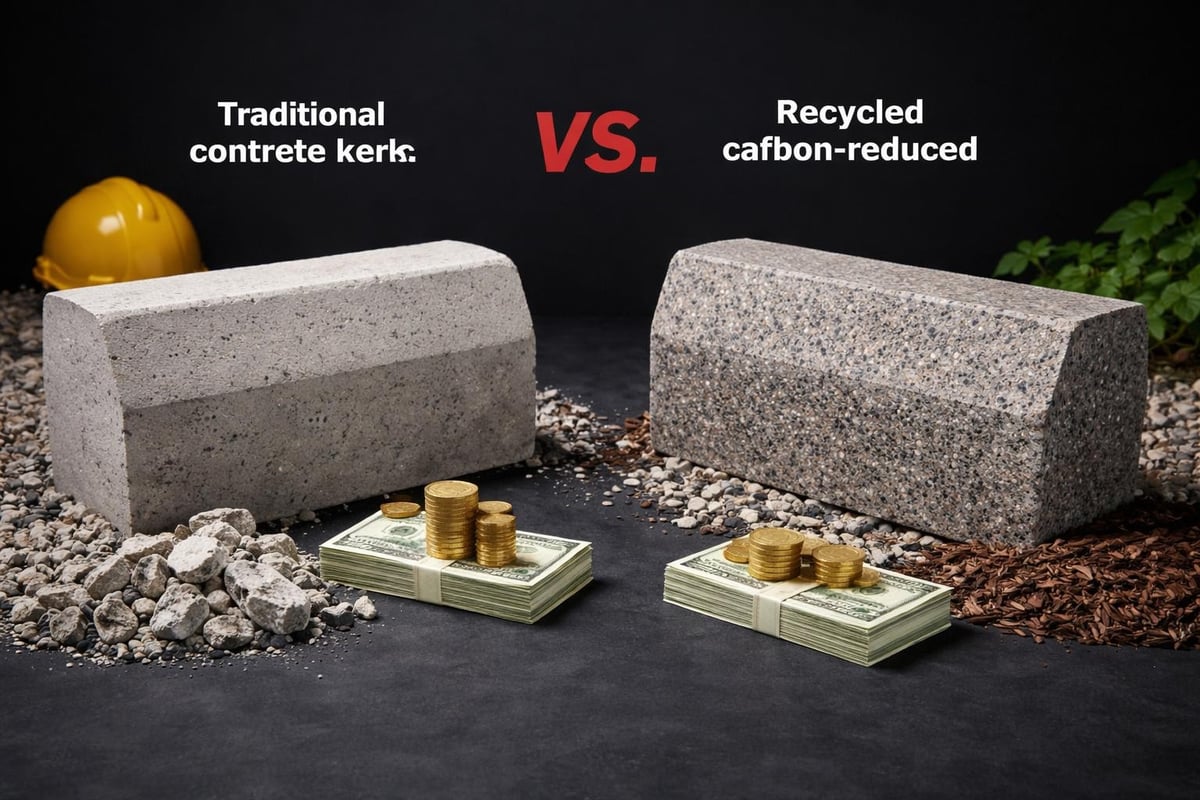
Increasing focus on sustainable construction practices influences kerbing prices through several mechanisms. Recycled concrete kerbs, manufactured from reclaimed materials, offer environmental benefits whilst typically pricing 5-10% below virgin material equivalents.
Carbon-reduced concrete products, incorporating supplementary cementitious materials, may command slight premiums of 3-8% but help projects achieve environmental targets and certifications. Road kerb pricing variations demonstrate how different specifications affect both cost and environmental performance.
Getting Accurate Quotes for Kerbing Projects
Obtaining precise pricing requires detailed project information and clear communication with experienced contractors. Vague specifications or incomplete site information inevitably lead to provisional quotes that may increase substantially once full project scope becomes apparent.
Essential Information for Accurate Pricing
Professional contractors require specific details to provide firm kerbing prices:
- Total linear metres required with site plan
- Preferred material type and profile specification
- Ground conditions and existing surface details
- Access limitations and working constraints
- Required completion timeframe
- Quality standards and adoption requirements
Site surveys allow contractors to assess ground conditions, identify potential complications, and verify measurements. This investment in proper assessment typically costs £150-£400 for residential projects but significantly improves pricing accuracy and reduces variation risks.
Comparing Quotes Effectively
When evaluating multiple quotes for kerbing work, price represents just one consideration among several critical factors. The lowest quote may not deliver best value if it compromises quality, uses inferior materials, or fails to include essential elements.
Evaluation criteria should include:
- Detailed specification of materials and installation methods
- Clarity regarding groundwork and preparation included
- Warranty provisions and guarantee periods
- Contractor experience with similar project types
- Professional accreditations and insurance coverage
- Payment terms and milestone structure
References from previous projects provide valuable insights into contractor reliability, quality standards, and ability to deliver on schedule and budget. Established civil engineering firms with proven track records in highways surfacing and infrastructure work typically deliver superior long-term value despite potentially higher initial kerbing prices.
Maintenance and Long-Term Cost Considerations
Initial installation costs represent only part of the total lifetime investment in kerbing. Proper material selection and quality installation significantly reduce long-term maintenance requirements and associated costs.
Durability and Replacement Cycles
Well-installed concrete kerbing typically provides 25-30 years of serviceable life before requiring replacement, whilst premium granite installations can exceed 50 years with minimal maintenance. These extended service lives justify higher initial kerbing prices through reduced whole-life costs.
Factors affecting longevity include:
- Quality of base preparation and haunching
- Exposure to de-icing salts and chemicals
- Vehicle loading and traffic volume
- Drainage provision and water management
- Installation quality and workmanship standards
Maintenance Requirements and Costs
Routine maintenance for kerbing installations primarily involves cleaning, minor repairs, and joint resealing. Annual maintenance costs typically range from £0.50 to £1.50 per linear metre for commercial installations, with residential projects often requiring minimal intervention.
Damaged or displaced kerbs require prompt repair to prevent deterioration of adjacent surfacing. Individual kerb replacement costs £40-£80 per metre including excavation, new materials, and reinstatement, making quality initial installation a worthwhile investment.
Budget Planning and Cost Control
Effective budget management for kerbing projects requires understanding both fixed and variable cost elements. Material costs remain relatively predictable, whilst labour and site-specific factors introduce greater variability into final pricing.
Contingency Allowances
Prudent project budgeting includes contingency provisions for unforeseen complications that may affect kerbing prices during execution. Residential projects typically allocate 10-15% contingency, whilst commercial developments may reserve 15-20% for complex installations.
Common issues requiring contingency funding include:
- Unexpected underground services requiring relocation
- Poor ground conditions necessitating additional excavation
- Design changes during construction
- Adverse weather causing programme delays
- Material availability issues requiring specification changes
Phasing Options for Large Projects
Breaking large kerbing installations into manageable phases can improve cash flow management and allow budget allocation across multiple financial periods. This approach suits both residential clients extending driveways progressively and commercial developers coordinating with broader construction programmes.
Phased installation maintains continuity of contractor relationships and ensures consistent quality across the complete project. However, mobilization costs may increase slightly compared to single-phase execution, typically adding 5-8% to total kerbing prices for multi-phase approaches.
Value Engineering and Cost Optimization
Achieving optimal value from kerbing investments requires balancing initial costs against performance requirements and aesthetic objectives. Experienced contractors can suggest alternative approaches that reduce expenses without compromising essential functionality.
Material Substitutions and Alternatives
Strategic material selection delivers cost savings whilst meeting project requirements. For example, using standard concrete kerbs for less visible sections and reserving premium materials for prominent areas can reduce overall kerbing prices by 15-25%.
Alternative approaches include:
- Hybrid specifications: Combining material types for optimal cost-performance
- Standard profiles: Using readily available sizes rather than custom profiles
- Local materials: Sourcing regionally produced kerbs to minimize transport costs
- Simplified details: Reducing complex junctions and features where practical
Installation Efficiency Improvements
Optimizing installation sequences and methods can reduce labour costs without affecting quality. Larger project scales allow contractors to deploy specialized equipment that improves productivity by 20-30%, with savings reflected in competitive kerbing prices for substantial contracts.
Coordinating kerbing installation with other construction activities minimizes site establishment costs and reduces overall project duration. This integrated approach particularly benefits commercial developments where multiple trades work concurrently on highways surfacing, drainage, and landscape elements.
Understanding kerbing prices empowers property owners and developers to make informed decisions that balance budget constraints with quality expectations and long-term performance requirements. Whether you're planning a residential driveway enhancement or a major commercial development, expert guidance ensures optimal value from your kerbing investment. JRG Civils brings extensive experience in highways surfacing and civil engineering across the North East and throughout the UK, delivering professional kerbing solutions backed by meticulous workmanship and competitive pricing. Contact our team today to discuss your project requirements and receive a detailed, transparent quotation tailored to your specific needs.