
When commercial or residential development projects require changes to existing highway infrastructure, understanding the complexities of statutory agreements becomes essential. These legally binding arrangements between developers and local highway authorities ensure that necessary road improvements, access points, and traffic management systems are delivered to appropriate standards. For civil engineering contractors and property developers across the United Kingdom, navigating this regulatory landscape represents a critical component of project planning and budgeting.
Understanding the Legal Framework for Highway Development
The statutory basis for developer-funded highway improvements stems from Section 278 of the Highways Act 1980, which grants highway authorities the power to enter into agreements with third parties for works affecting the public highway. These 278 works encompass a broad spectrum of modifications, from simple dropped kerbs and access points to complex junction reconfigurations and traffic signal installations.
Under this legislation, developers bear the financial responsibility for highway modifications necessitated by their projects. The highway authority retains oversight throughout the design, approval, and construction phases, ensuring all works meet current standards and specifications.
Key Components of Highway Development Agreements
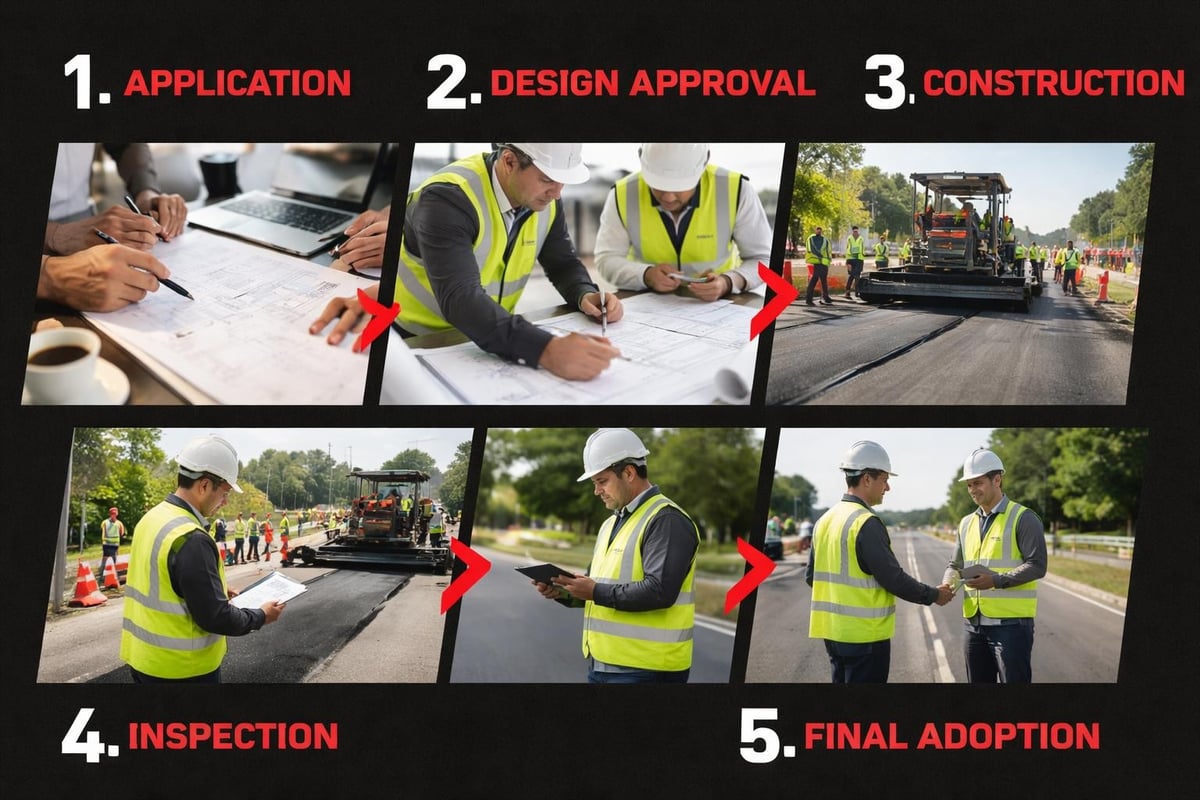
Every agreement contains specific provisions governing the scope, quality, and delivery of works. The documentation typically includes:
- Detailed technical drawings and specifications
- Cost estimates and payment schedules
- Programme timelines and milestone dates
- Commuted sum calculations for future maintenance
- Performance bond or insurance requirements
- Inspection and approval protocols
The commuted sum deserves particular attention, as this represents the authority's estimated cost of maintaining the new infrastructure over a specified period, typically 15 to 30 years. Developers must pay this amount upfront, adding significantly to overall project costs.
Financial Implications and Cost Management
Budget planning for 278 works requires careful consideration of multiple cost elements beyond the direct construction expenses. Understanding these financial obligations enables developers to create realistic project feasibility assessments and avoid unexpected expenditure.
| Cost Component | Typical Range | Notes |
|---|---|---|
| Design Fees | £5,000-£50,000 | Depends on complexity and authority requirements |
| Construction Works | £20,000-£500,000+ | Varies significantly with scope |
| Commuted Sum | £10,000-£100,000 | Based on maintenance cost calculations |
| Legal Fees | £2,000-£10,000 | Agreement preparation and execution |
| Performance Bond | 10-15% of works value | Returned upon successful completion |
Professional quantity surveying advice becomes invaluable when estimating these expenses. The Royal Institution of Chartered Surveyors provides guidance on Section 278 agreements that helps developers understand the valuation methodologies and financial implications.
Managing Unexpected Cost Increases
Experience across numerous commercial projects reveals that initial cost estimates frequently underestimate final expenditure. Several factors contribute to budget overruns:
Scope creep occurs when authorities request additional works during the design review process. What begins as a simple access point may expand to include pedestrian crossing facilities, street lighting upgrades, or drainage improvements.
Utility diversions often emerge during detailed design phases, requiring collaboration with statutory undertakers to relocate existing services. These unforeseen complications can add months to programmes and tens of thousands to budgets.
Ground condition variations discovered during construction may necessitate enhanced foundation designs or additional drainage provisions, particularly in areas with poor soil quality or high water tables.
Timeline Considerations for Highway Projects
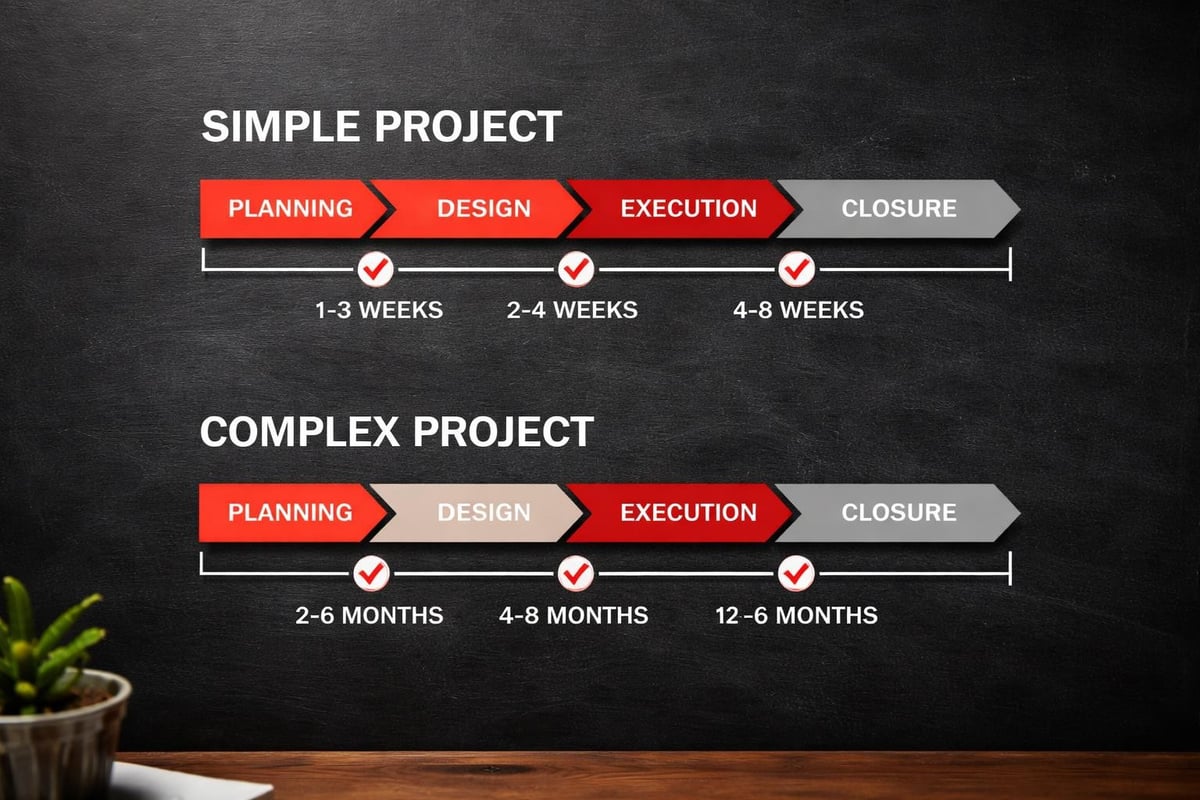
The duration from initial concept to completed 278 works varies considerably depending on project complexity, authority workload, and technical challenges. Understanding typical timeframes enables realistic programme planning and coordination with broader development schedules.
A straightforward access point serving a small commercial development might achieve completion within six to nine months. Conversely, major junction modifications supporting large-scale mixed-use developments can require two to three years from initial discussions through to practical completion.
Breaking Down the Programme Phases
Pre-application consultation (4-8 weeks) involves preliminary discussions with the highway authority to establish feasibility and principle requirements. This dialogue shapes the development design and identifies potential obstacles early in the process.
Formal application and agreement negotiation (12-20 weeks) encompasses submission of detailed proposals, technical review by authority engineers, legal agreement drafting, and commercial negotiations. This phase frequently experiences delays as authorities balance competing priorities.
Detailed design development (8-16 weeks) sees the appointed designer creating construction-ready drawings, specifications, and supporting documentation. Multiple review cycles with the authority ensure compliance with standards and local policies.
Tender and procurement (6-10 weeks) allows for competitive contractor selection or negotiation with preferred suppliers. The highway authority typically requires approval of the appointed contractor before works commence.
Construction and inspection (8-40 weeks) represents the physical delivery phase, with durations varying enormously based on works complexity. Regular authority inspections verify quality and compliance throughout construction.
Completion and adoption (4-8 weeks) involves final inspections, snagging resolution, and formal certification that works meet required standards. Only after this process does the authority adopt the new highway infrastructure.
Technical Standards and Design Requirements
Highway authorities apply rigorous technical standards to all 278 works, ensuring new infrastructure integrates seamlessly with existing networks whilst meeting safety, accessibility, and longevity requirements. Designers must navigate numerous guidance documents and specifications when developing proposals.
The Design Manual for Roads and Bridges (DMRB) provides the primary technical reference for most highway works. This comprehensive suite of documents covers geometric design, pavement construction, drainage systems, traffic signs, road markings, and street lighting amongst other topics.
Material Specifications and Construction Methods
Highway authorities maintain approved lists of materials, products, and construction techniques. Deviations from these specifications require special approval and comprehensive justification. Common requirements include:
- Hot rolled asphalt or stone mastic asphalt surface courses
- Hydraulically bound materials for roadbase layers
- Concrete block paving for footways and cycleways
- Ductile iron for gully frames and covers
- Aluminium for traffic sign posts and street lighting columns
Quality assurance throughout construction protects both developer and authority interests. Independent testing organisations verify material properties, compaction levels, and finished tolerances, providing objective evidence of compliance.
Common Challenges and Practical Solutions
Experienced civil engineering contractors identify recurring obstacles across 278 works projects. Anticipating these challenges and implementing appropriate mitigation strategies significantly improves delivery success rates.
Authority capacity constraints represent perhaps the most frequent complaint from developers and their consultants. Under-resourced highway departments struggle to review submissions promptly, creating programme delays that cascade through project schedules. Early engagement and relationship building with authority officers helps secure priority review slots.
Third-party coordination becomes particularly complex when works affect multiple stakeholders. Traffic signal modifications require approval from signal maintenance contractors. Tree removals need ecology assessments. Parking bay relocations trigger consultation with local residents and businesses.
Traffic management requirements during construction can dramatically affect cost and programme. Working within live carriageways necessitates detailed safety planning, temporary traffic regulation orders, and potentially night-time or weekend working. These constraints increase labour costs whilst reducing productivity.
Managing Stakeholder Expectations
Successful 278 works delivery requires effective communication across all parties. Developers must maintain realistic expectations regarding timescales and costs whilst authorities need clear understanding of commercial pressures and development programmes.
Regular progress meetings create accountability and facilitate problem-solving before issues escalate. A typical meeting structure includes:
- Review of actions from previous meeting
- Programme status update and critical path analysis
- Technical matters requiring resolution
- Commercial and contractual discussions
- Forward look at upcoming milestones
Documentation of all decisions, variations, and agreements protects parties should disputes arise. Contemporary project management tools enable shared access to drawings, correspondence, and programme information, reducing miscommunication risks.
Procurement Strategies for Highway Works
Selecting the appropriate procurement route influences project outcomes significantly. Three primary approaches dominate 278 works delivery, each offering distinct advantages depending on project characteristics and developer priorities.
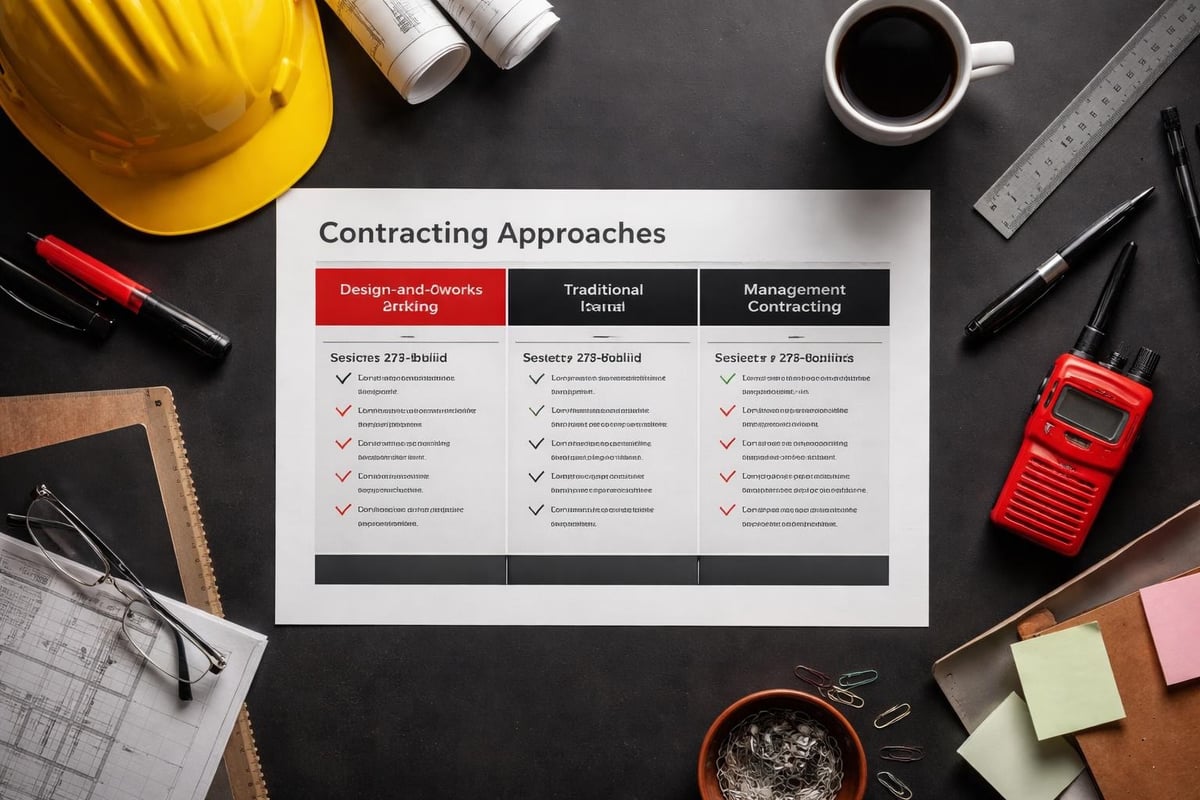
| Procurement Route | Developer Responsibilities | Typical Applications | Key Benefits |
|---|---|---|---|
| Design and Build | Performance specification | Complex junctions, large-scale works | Single point responsibility, cost certainty |
| Traditional | Full design before tender | Standard access points, minor modifications | Competitive pricing, design control |
| Management Contracting | Overall coordination | Phased developments, enabling works | Flexibility, early start potential |
Highway authorities sometimes operate approved contractor frameworks that developers can access. These arrangements offer pre-vetted suppliers with established pricing mechanisms, potentially accelerating procurement whilst providing cost transparency.
Quality Assurance and Inspection Protocols
The highway authority's role extends beyond design approval into comprehensive construction oversight. Understanding inspection requirements and quality documentation expectations prevents delays during the construction phase of 278 works.
Authority inspectors attend site at key stages, witnessing critical activities that become inaccessible once subsequent layers are placed. Typical hold points include:
- Subgrade inspection before capping layer placement
- Capping layer approval before roadbase construction
- Roadbase verification before binder course application
- Binder course check before surface course laying
- Final surface inspection and defect identification
Between formal inspections, contractors maintain detailed records documenting material deliveries, test results, as-built dimensions, and photographic evidence. This quality file forms part of the adoption documentation and demonstrates compliance with approved specifications.
Managing Non-Conformances and Remedial Works
Despite rigorous planning and experienced contractors, construction defects occasionally occur. The response protocol significantly affects programme and cost implications. Minor deviations within specified tolerances may receive acceptance without remediation. More significant non-conformances require corrective action plans agreeable to the authority.
Experienced civil engineering firms maintain contingency allowances covering potential remedial works, typically representing three to five percent of construction values. This prudent approach prevents budget crises when unexpected issues emerge.
Integration with Broader Development Programmes
Strategic coordination between 278 works and overall development construction optimises efficiency whilst minimising disruption. Poor integration creates access problems, programme conflicts, and relationship difficulties with authorities and neighbouring properties.
Early 278 works completion enables site access for main construction traffic, preventing damage to newly constructed highway infrastructure. Conversely, premature highway works before development construction can result in damage from heavy plant movements, necessitating costly repairs before authority adoption.
The optimal strategy typically involves:
Phase 1: Temporary access construction using sacrificial materials, enabling development traffic without compromising permanent works.
Phase 2: Main development construction using the temporary access infrastructure.
Phase 3: Permanent highway works construction following substantial completion of development buildings.
Phase 4: Final surfacing and finishing after all heavy construction traffic ceases.
This phased approach protects investment in quality highway infrastructure whilst maintaining practical site access throughout the development programme. Close collaboration between highway contractors and main development builders ensures smooth transitions between phases.
Risk Allocation and Performance Security
Financial protection mechanisms within 278 works agreements safeguard authority interests should contractors or developers default on obligations. Understanding these requirements influences cash flow planning and procurement decisions.
Performance bonds represent the most common security instrument, typically valued at ten to fifteen percent of estimated works costs. Banking institutions or insurance companies issue these guarantees, which the authority can call should the developer fail to complete approved works satisfactorily.
Alternative security arrangements include:
- Parent company guarantees from financially robust holding companies
- Escrow accounts holding funds released upon milestone achievement
- Insurance-backed warranties providing long-term defect protection
- Letters of credit from recognised financial institutions
The highway authority assesses each developer's financial standing when determining appropriate security levels and mechanisms. Established property developers with strong balance sheets may negotiate reduced bond percentages compared to newly formed special purpose vehicles.
Adoption Process and Long-term Responsibilities
Completion of physical construction represents a significant milestone but not the conclusion of developer obligations. The adoption process transfers responsibility for newly constructed highway infrastructure from the developer to the highway authority, typically occurring 12 months after practical completion.
During this defects liability period, the developer remains responsible for rectifying any failures, settlement, or workmanship issues. The authority conducts thorough inspections throughout this period, compiling defect schedules requiring resolution before adoption proceeds.
Post-adoption Maintenance Funding
The commuted sum calculation referenced earlier funds the authority's maintenance obligations for adopted infrastructure over an agreed period. This complex calculation considers:
- Asset type and expected lifespan
- Anticipated maintenance interventions and frequencies
- Current cost rates with inflation assumptions
- Authority-specific maintenance strategies
- Material durability and performance characteristics
Challenging commuted sum assessments requires detailed technical justification and frequently benefits from specialist quantity surveying input. Even modest percentage reductions in commuted sums translate to significant savings on large-scale projects involving extensive highway modifications.
Successfully delivering 278 works demands thorough understanding of legal frameworks, technical standards, procurement strategies, and stakeholder management. These complex projects require experienced civil engineering contractors who navigate regulatory requirements whilst maintaining programme discipline and cost control. Whether you're planning commercial development access, residential estate roads, or major junction improvements, JRG Civils brings the technical expertise and project delivery capabilities to ensure your highway infrastructure works meet required standards whilst supporting your broader development objectives.