
Earth works excavation forms the foundation of virtually every civil engineering project, from highway construction to residential driveways. This comprehensive process involves removing, relocating, and reshaping soil and rock to create a stable base for construction activities. Whether preparing ground for commercial developments like drive-through facilities or residential patios, understanding the technical requirements and safety protocols ensures project success and regulatory compliance.
Understanding Earth Works Excavation Fundamentals
Earth works excavation encompasses far more than simply digging holes. It represents a precise engineering discipline requiring thorough site assessment, accurate calculations, and strategic execution. The process involves evaluating soil composition, determining load-bearing capacities, managing groundwater, and ensuring proper drainage systems.
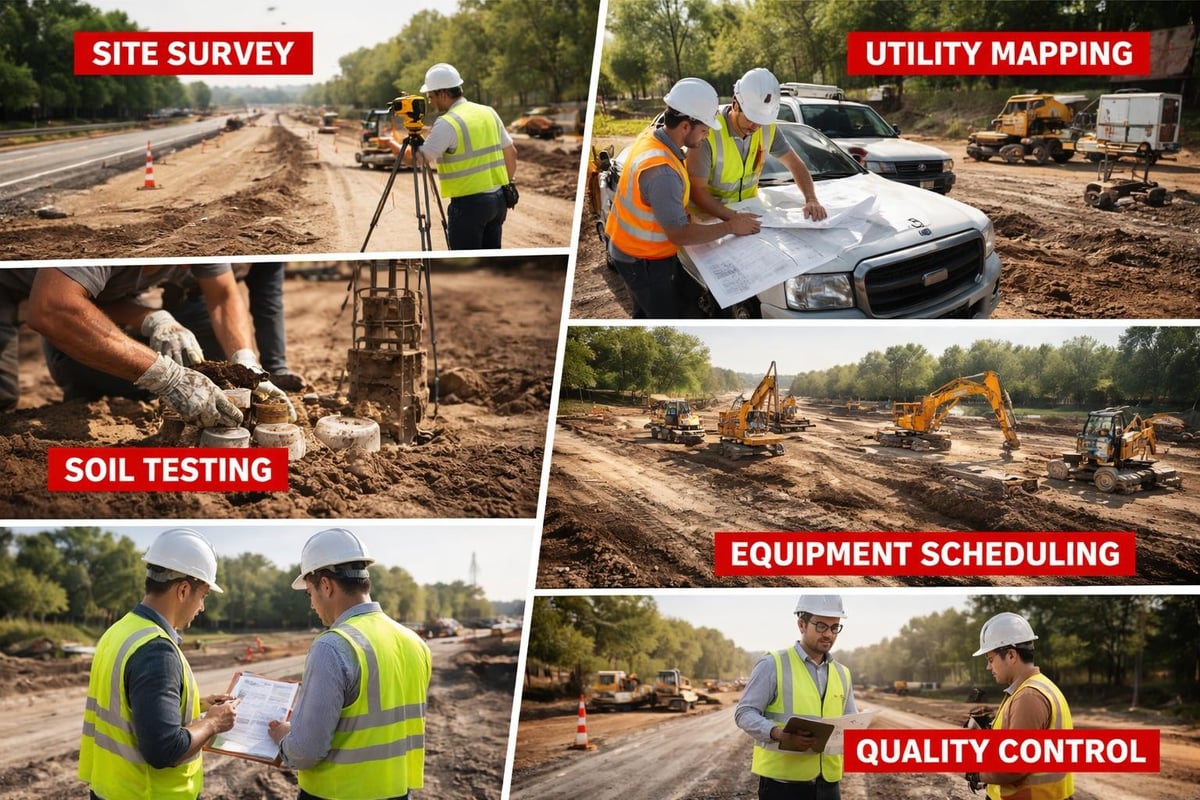
Professional excavation work begins with comprehensive site surveys. Engineers must identify underground utilities, assess soil stability, and calculate the volume of material requiring removal or redistribution. This preliminary work prevents costly mistakes and ensures projects remain on schedule.
Types of Excavation Projects
Different construction requirements demand specific excavation approaches:
- Topsoil excavation: Removing the upper layer of vegetation and organic material before construction begins
- Trench excavation: Creating narrow, deep channels for utilities, drainage systems, or foundations
- Basement excavation: Large-scale removal for below-ground structures in commercial and residential buildings
- Road excavation: Preparing substrates for highways, car parks, and access routes
- Drainage excavation: Installing systems to manage surface water and prevent flooding
Each category requires specialized equipment and techniques. Road construction projects demand precise grading to ensure proper water runoff, whilst basement excavation must maintain vertical stability throughout the digging process.
Safety Protocols and Regulatory Compliance
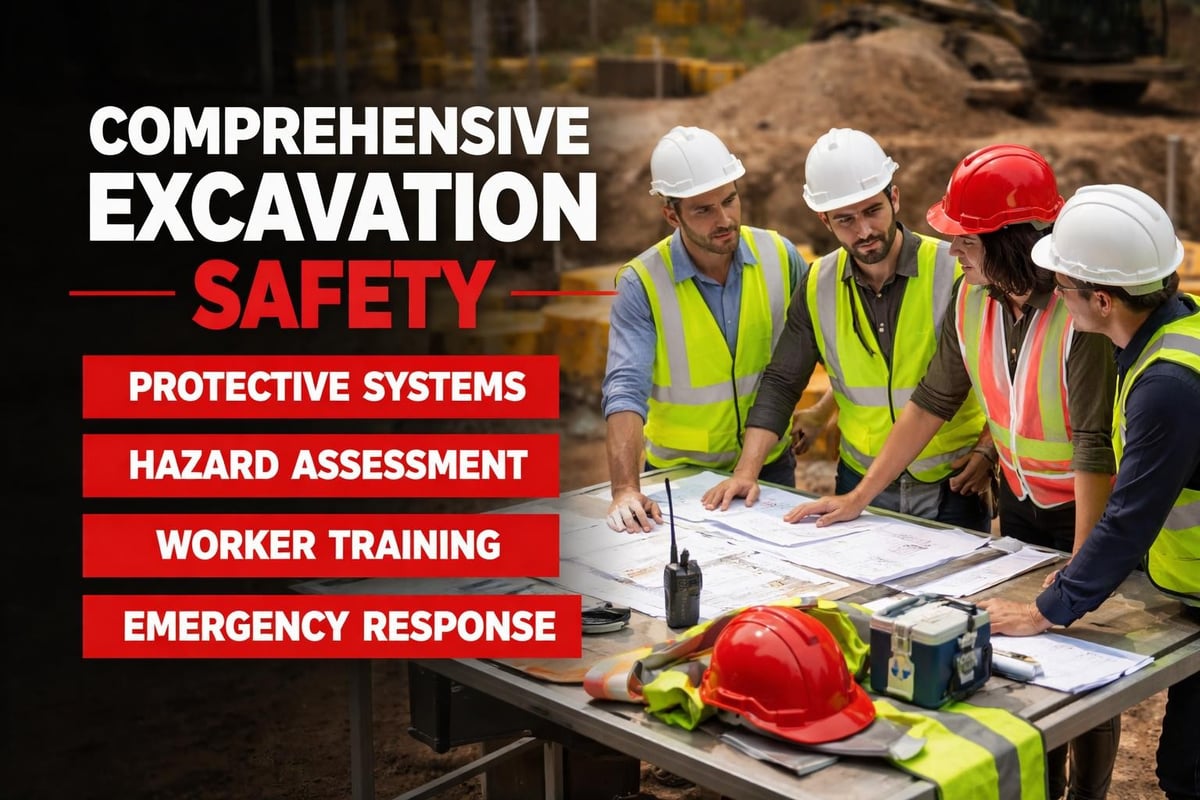
Safety stands as the paramount concern in all earth works excavation activities. The OSHA trenching and excavation standards establish comprehensive guidelines that protect workers from cave-ins, falls, and equipment-related injuries. These regulations apply to any excavation exceeding 1.5 metres in depth.
Critical Safety Requirements
Implementing robust safety measures protects personnel and ensures legal compliance. Every excavation site must undergo daily inspections by a competent person who can identify hazards and authorize corrective actions. This individual monitors soil conditions, atmospheric hazards, and structural stability throughout the project duration.
According to federal excavation regulations, protective systems become mandatory when workers enter trenches deeper than 1.5 metres. These systems include:
| Protective System | Application | Key Benefits |
|---|---|---|
| Sloping | Cutting back trench walls at an angle | Eliminates cave-in risk, requires more space |
| Shoring | Installing timber or hydraulic supports | Maintains vertical walls, suitable for utilities |
| Shielding | Using trench boxes or similar structures | Protects workers, allows movement along trench |
| Benching | Creating stepped excavation sides | Stable for certain soil types, cost-effective |
Soil classification determines which protective system suits specific conditions. Type A soil (clay, hardpan) offers maximum stability, whilst Type C soil (gravel, sand) presents the highest risk and demands stringent protection measures.
Equipment and Site Management
Modern earth works excavation relies on sophisticated machinery operated by certified professionals. Equipment selection depends on project scale, soil conditions, and access constraints. Common machinery includes:
- Excavators with various bucket attachments
- Bulldozers for grading and material distribution
- Dumper trucks for spoil removal
- Compaction equipment for substrate preparation
- Trenching machines for utility installation
Proper excavation and earthwork compliance extends beyond equipment operation. Site managers must establish clear access routes, implement traffic management systems, and maintain adequate separation between workers and moving vehicles.
Planning and Executing Commercial Projects
Large-scale commercial developments demand meticulous planning and coordination. Projects such as drive-through restaurants, retail facilities, and highway construction involve multiple stakeholders and complex timelines. Success requires integrating earth works excavation with broader construction schedules whilst maintaining safety and quality standards.
Site Assessment and Preparation
Before excavation begins, engineers conduct thorough geotechnical investigations. These studies reveal soil composition, water table levels, and potential contamination issues. Understanding substrate characteristics informs decisions about foundation design, drainage requirements, and construction methodology.
Ground penetrating radar and electromagnetic detection identify underground utilities before digging commences. Striking electricity cables, gas mains, or telecommunications infrastructure causes dangerous situations, project delays, and substantial financial penalties.
Environmental considerations shape modern earth works excavation practices. Projects must manage:
- Erosion control measures preventing sediment discharge
- Dust suppression protecting air quality
- Noise management respecting nearby residents
- Groundwater protection avoiding contamination
- Spoil management ensuring proper disposal or reuse
Grading and Drainage Solutions
Proper grading creates surfaces that shed water effectively whilst maintaining structural integrity. Highway projects require precise cambers and crossfalls directing rainfall to drainage systems. Car park construction demands subtle slopes preventing ponding whilst ensuring accessibility compliance.
French drains, soakaways, and attenuation tanks integrate with excavation work to manage surface water. These systems prevent flooding, protect foundations from moisture damage, and satisfy planning conditions. Installation occurs during the excavation phase, coordinating underground infrastructure before backfilling begins.
Residential Earth Works Applications
Domestic projects ranging from garden patios to driveway installation benefit from professional earth works excavation. Homeowners often underestimate the complexity involved in seemingly straightforward projects. Inadequate preparation leads to settling, cracking, and premature failure requiring expensive remediation.
Driveway and Patio Construction
Quality driveways begin with proper excavation establishing stable foundations. The process involves:
- Marking out: Defining precise boundaries and checking for underground services
- Excavation: Removing topsoil and unsuitable material to specified depths
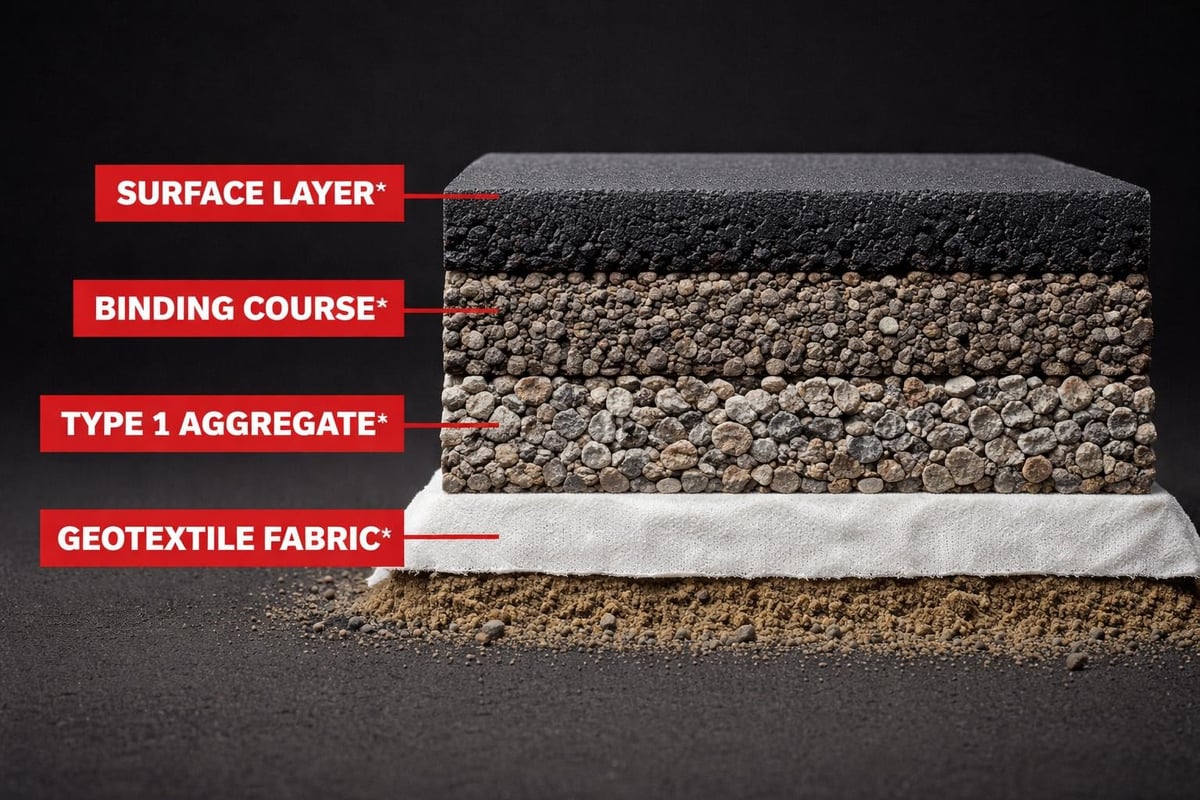
- Substrate preparation: Installing and compacting hardcore or Type 1 aggregate
- Edge restraints: Positioning kerbs or boards preventing lateral movement
- Surfacing: Laying block paving, tarmac, or resin-bound materials
Depth requirements vary based on anticipated traffic loads and existing ground conditions. Domestic driveways typically need 200-250mm of compacted substrate, whilst areas accommodating commercial vehicles demand 300mm or more.
Drainage integration prevents water accumulation that undermines structural integrity. Properly designed systems direct runoff away from buildings and prevent surface ponding. Permeable paving solutions offer sustainable alternatives meeting modern planning requirements whilst reducing flood risk.
Garden Landscaping and Levelling
Creating level entertaining areas or terraced gardens involves sophisticated earth works excavation. Projects must account for:
- Existing vegetation and root systems
- Soil retention solutions preventing erosion
- Level changes requiring retaining structures
- Access for machinery and material delivery
- Final soil quality supporting landscaping plans
Retaining walls become necessary when level changes exceed comfortable gradients. These structures require foundations extending below frost depth and proper drainage preventing hydrostatic pressure buildup. Engineering calculations ensure walls withstand soil loads and remain stable throughout their service life.
Technical Specifications and Material Selection
Successful earth works excavation demands understanding material properties and performance characteristics. Aggregate selection influences structural capacity, drainage performance, and long-term durability. Specifications must align with project requirements and industry standards.
Substrate Materials Comparison
| Material Type | Particle Size | Compaction | Drainage | Typical Applications |
|---|---|---|---|---|
| Type 1 | 0-40mm | Excellent | Good | Road construction, car parks |
| Type 2 | 0-63mm | Good | Moderate | General fill, capping layers |
| MOT Type 1 | 0-31.5mm | Excellent | Very good | Driveways, hardstandings |
| Sand | Fine | Moderate | Poor | Bedding layers, levelling |
| Crushed concrete | Varies | Good | Good | Sustainable fill material |
Compaction quality determines material performance under load. Proper compaction eliminates air voids, increases density, and creates stable platforms resisting settlement. Vibratory rollers, plate compactors, and wacker plates achieve specified densities based on layer thickness and material type.
Quality Control Measures
Professional contractors implement rigorous testing protocols ensuring work meets specifications. Key quality indicators include:
- CBR testing: California Bearing Ratio measures soil strength and load capacity
- Proctor testing: Determines optimal moisture content for maximum compaction
- Plate bearing tests: Assesses substrate stiffness and deformation characteristics
- Level surveys: Confirms grading accuracy throughout excavation areas
Documentation proves compliance with design requirements and provides evidence for warranty purposes. Photographic records, test certificates, and as-built drawings create comprehensive project histories supporting future maintenance and modifications.
Advanced Techniques and Modern Innovations
Contemporary earth works excavation incorporates technological advances improving accuracy, efficiency, and safety outcomes. GPS-guided machinery achieves centimetre-level precision reducing material waste and minimising rework. 3D modelling software allows contractors to visualise projects before breaking ground, identifying potential issues during the planning phase.
Machine Control Systems
Modern excavators equipped with integrated GPS and laser systems automatically maintain design grades without constant manual adjustment. Operators view real-time information showing cut and fill requirements at the bucket position. This technology delivers:
- Faster project completion through reduced staking and checking
- Improved accuracy minimising over-excavation and material costs
- Enhanced safety reducing ground personnel requirements
- Better documentation with digital records of completed work
Smaller residential projects benefit from laser levels and digital measuring tools ensuring precise formations. These instruments help maintain consistent falls, verify depths, and confirm level surfaces before proceeding to subsequent construction phases.
Sustainable Excavation Practices
Environmental responsibility shapes modern earth works excavation methodologies. Contractors increasingly adopt practices minimising ecological impact whilst maintaining project quality. Sustainable approaches include:
On-site material reuse: Processing excavated material for use as fill or substrate reduces transportation requirements and disposal costs. Crushing concrete rubble creates serviceable aggregate for non-structural applications, diverting waste from landfills.
Fuel efficiency: Route optimisation, equipment right-sizing, and operator training reduce carbon emissions. Modern machinery incorporates hybrid technologies and efficient engines lowering environmental footprints without compromising productivity.
Biodiversity protection: Timing excavation work outside nesting seasons, creating habitat corridors, and implementing sensitive working methods preserve local ecosystems. These considerations satisfy planning conditions and demonstrate corporate responsibility.
Project Management and Client Communication
Successful earth works excavation requires transparent communication between contractors, clients, and stakeholders. Clear expectations regarding timelines, costs, and potential challenges establish foundations for positive working relationships. Detailed quotations specify scope, materials, and contingencies preventing disputes arising from misunderstandings.
Pre-Construction Consultations
Professional contractors conduct thorough site visits before providing quotations. These assessments evaluate:
- Access constraints affecting machinery deployment
- Existing services requiring protection or diversion
- Soil conditions influencing excavation methodology
- Disposal routes for excavated material
- Neighbourhood considerations affecting working hours
Written specifications document agreed scope preventing scope creep and establishing clear completion criteria. Contracts should address payment schedules, variation procedures, and dispute resolution mechanisms protecting both parties' interests.
Progress Monitoring and Reporting
Regular updates keep clients informed about project advancement and any emerging issues. Photographic records document conditions before, during, and after excavation work. This evidence proves valuable for insurance purposes, planning compliance, and future reference.
Weather conditions significantly impact earth works excavation schedules. Heavy rainfall transforms stable soil into unworkable mud, whilst frozen ground prevents proper compaction. Realistic timelines account for seasonal variations and include contingency allowances addressing unforeseen delays.
Experienced civil engineering firms understand these complexities, bringing expertise developed across numerous commercial and residential projects. Their knowledge encompasses regulatory requirements, technical specifications, and practical problem-solving skills ensuring successful outcomes regardless of project scale.
Earth works excavation represents a critical foundation phase demanding technical expertise, safety consciousness, and meticulous planning. Whether preparing sites for major highway developments or creating beautiful residential driveways, professional execution ensures structural integrity and long-term performance. At JRG Civils, we combine extensive experience with modern equipment and unwavering commitment to quality, delivering exceptional results across the North East and throughout the UK. From initial site assessment through to final completion, our team ensures every project meets the highest standards. Contact JRG Civils today to discuss your excavation requirements and discover how our civil engineering excellence can bring your project to life.