
The foundation of any successful construction project begins long before the first brick is laid or the first beam is erected. Earthworx-the comprehensive groundwork and site preparation services that transform raw land into build-ready sites-represents the critical first phase of civil engineering excellence. Whether you're planning a commercial development, residential driveway, or major highway project, understanding the scope and importance of earthworx ensures your project starts on solid ground. This specialized field combines technical expertise, heavy machinery operation, and precise engineering to create stable, properly graded surfaces that stand the test of time.
Understanding the Scope of Earthworx Services
Earthworx encompasses far more than simple excavation. The term represents a complete suite of ground preparation services that establish the foundation for construction success.
Modern earthworx operations involve sophisticated techniques including excavation, grading, land clearing, soil stabilization, and drainage implementation. These services work together to create sites that meet exact specifications whilst addressing environmental and structural requirements.
Core Components of Professional Earthworx
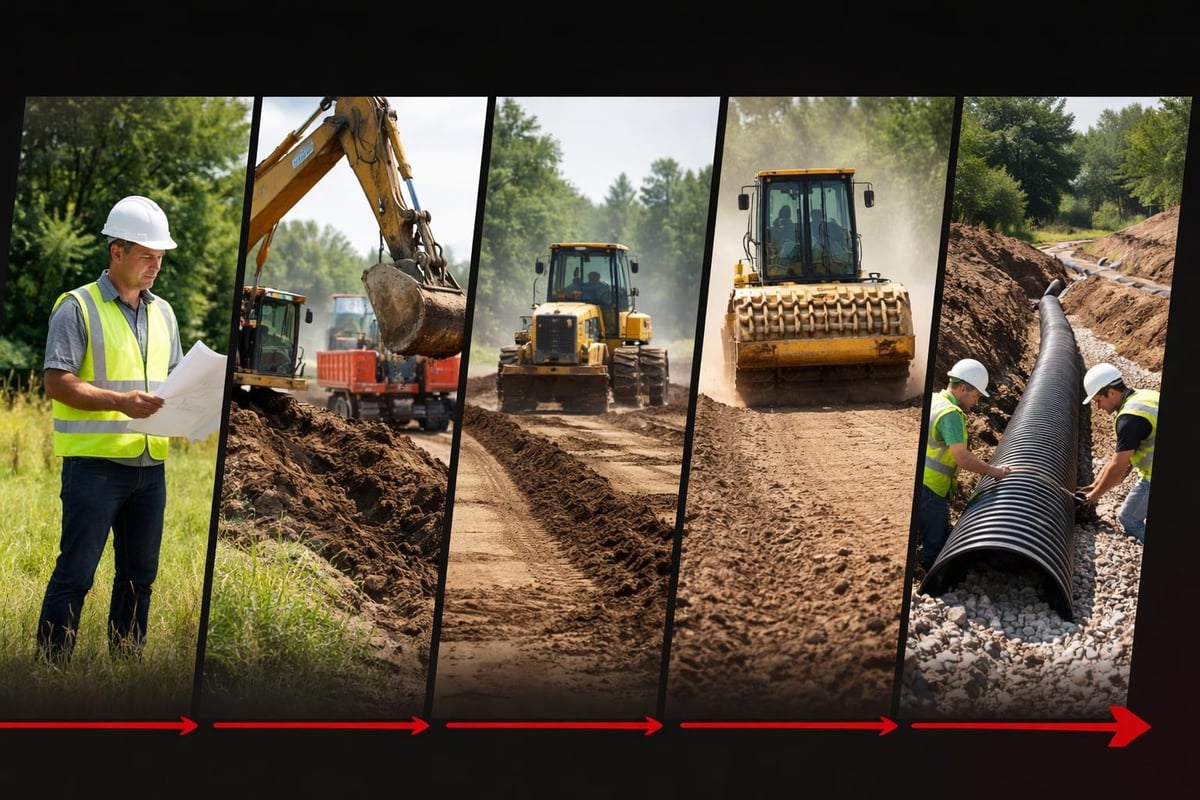
Site preparation begins with comprehensive assessment and planning. Professional contractors evaluate soil composition, drainage patterns, load-bearing capacity, and environmental factors before any machinery touches the ground.
The essential earthworx services include:
- Excavation and removal of unsuitable materials
- Precision grading to achieve specified elevations and slopes
- Soil compaction ensuring long-term stability
- Drainage system installation preventing water damage
- Utility trenching for essential service connections
- Erosion control measures protecting the site during construction
Each element contributes to creating a stable platform that supports subsequent construction phases. Professional earthworx contractors understand how these components interact, preventing costly issues that arise from inadequate site preparation.
Material Management in Earthworx Projects
Successful earthworx operations depend heavily on proper material handling and selection. The choice between cut-and-fill operations versus importing select materials significantly impacts project timelines and budgets.
| Material Type | Application | Key Benefits |
|---|---|---|
| Crushed Stone | Base layers, drainage | Excellent compaction, drainage properties |
| Select Fill | Foundation support | Consistent quality, predictable performance |
| Topsoil | Final landscaping | Supports vegetation, erosion control |
| Recycled Aggregates | Secondary applications | Cost-effective, environmentally sustainable |
Companies like Earthworx in Brookville, PA demonstrate the importance of quality material supply in supporting both professional and residential projects. The right materials ensure longevity whilst optimizing construction efficiency.
Balancing Cut and Fill Operations
Efficient earthworx projects minimize material transportation by balancing excavation (cut) with areas requiring fill. This approach reduces costs whilst decreasing environmental impact through reduced haulage requirements.
Professional contractors employ sophisticated surveying technology to calculate exact volumes, creating site plans that maximize on-site material reuse. This strategic approach transforms earthworx from simple earth moving into precise engineering.
Drainage Solutions Within Earthworx
Water management represents one of the most critical aspects of quality earthworx. Inadequate drainage undermines foundations, damages surfaces, and creates ongoing maintenance headaches.
Comprehensive drainage design begins during the earthworx phase, incorporating surface grading, subsurface drainage systems, and strategic placement of collection points. The goal is directing water away from structures and surfaces whilst preventing erosion and standing water.
Surface and Subsurface Drainage Strategies
Surface drainage relies on carefully calculated slopes and contours that channel water towards designated collection areas. Industry standards typically require minimum gradients of 1-2% to ensure effective water movement without creating excessive velocity.
Subsurface systems complement surface grading through:
- French drains collecting groundwater before it reaches critical areas
- Channel drains managing concentrated water flow across surfaces
- Perforated pipes directing water to appropriate discharge points
- Filter fabrics preventing soil migration whilst allowing water passage
- Retention systems managing stormwater in accordance with regulations
Companies specializing in excavation and landscape services understand that proper drainage integration during earthworx saves clients from expensive remediation work later. This preventative approach exemplifies professional civil engineering practice.
Equipment and Technology in Modern Earthworx
The earthworx industry has evolved dramatically through technological advancement. Modern projects leverage GPS-guided machinery, laser leveling systems, and drone surveying to achieve unprecedented precision.
Heavy equipment forms the backbone of earthworx operations, with each machine serving specific purposes. Excavators handle digging and material movement, bulldozers achieve rough grading, and motor graders create precise surface finishes. Compaction equipment ensures the density required for structural stability.
Precision Technology Enhancing Traditional Methods
GPS-guided machinery allows operators to achieve design specifications within centimeters of accuracy, dramatically reducing rework and material waste. This technology proves particularly valuable on large-scale projects where traditional surveying methods would prove time-consuming and less accurate.
The integration of Building Information Modeling (BIM) into earthworx planning enables contractors to visualize subsurface utilities, identify conflicts before excavation begins, and optimize equipment deployment. This digital-first approach transforms earthworx from reactive problem-solving into proactive project management.

Environmental Considerations in Earthworx Operations
Contemporary earthworx must balance construction requirements with environmental stewardship. Regulations governing sediment control, habitat protection, and stormwater management shape how projects proceed from conception through completion.
Earthworx operations in Australia exemplify sustainable approaches to site preparation, focusing on efficiency whilst minimizing environmental disruption. These practices include phased clearing that reduces erosion exposure, strategic placement of sediment barriers, and rehabilitation planning integrated from project inception.
Sustainable Earthworx Practices
Progressive contractors implement environmental protection measures that exceed minimum regulatory requirements. These practices protect both the immediate project site and downstream areas from sediment pollution and habitat degradation.
Effective environmental management in earthworx includes:
- Installing silt fencing and sediment traps before major earth moving begins
- Scheduling operations to minimize disturbance during sensitive periods
- Preserving existing vegetation where feasible to reduce erosion
- Utilizing erosion control blankets on exposed slopes
- Implementing dust suppression measures for air quality
- Planning site restoration as an integral project component
Earthworx for Different Project Types
The specific earthworx requirements vary significantly based on project type, scale, and intended use. Commercial developments demand different approaches than residential projects, whilst highway construction introduces unique challenges around traffic management and extensive linear grading.
| Project Type | Primary Earthworx Focus | Key Challenges |
|---|---|---|
| Commercial Sites | Load-bearing capacity, extensive utilities | Coordinating multiple trades, tight schedules |
| Residential Driveways | Drainage, aesthetic grading | Site access, protecting existing structures |
| Highway Projects | Precise longitudinal grading, base construction | Traffic management, extensive linear scope |
| Subdivision Development | Comprehensive infrastructure, mass grading | Phasing, long-term site management |
Commercial and Franchise Development Earthworx
Large commercial projects require robust earthworx that accommodate heavy loads, extensive parking areas, and complex utility networks. The groundwork for franchise developments like coffee shops or restaurants demands precision-creating level building pads whilst ensuring proper drainage across parking and service areas.
These projects often involve significant cut-and-fill operations to achieve the extensive flat areas required for commercial use. Professional earthworx contractors sequence operations to maintain site access whilst progressively developing areas from back to front.
Residential Earthworx Applications
Whilst large commercial projects showcase earthworx capabilities, residential applications demonstrate attention to detail and aesthetic sensitivity. Driveway construction, patio installation, and garden landscaping all rely on proper earthworx foundations.
Family-owned civil construction operations in New Zealand and elsewhere understand that residential earthworx requires balancing technical requirements with homeowner expectations. The work must be structurally sound whilst creating visually appealing results that enhance property value.
Driveway and Hardscape Preparation
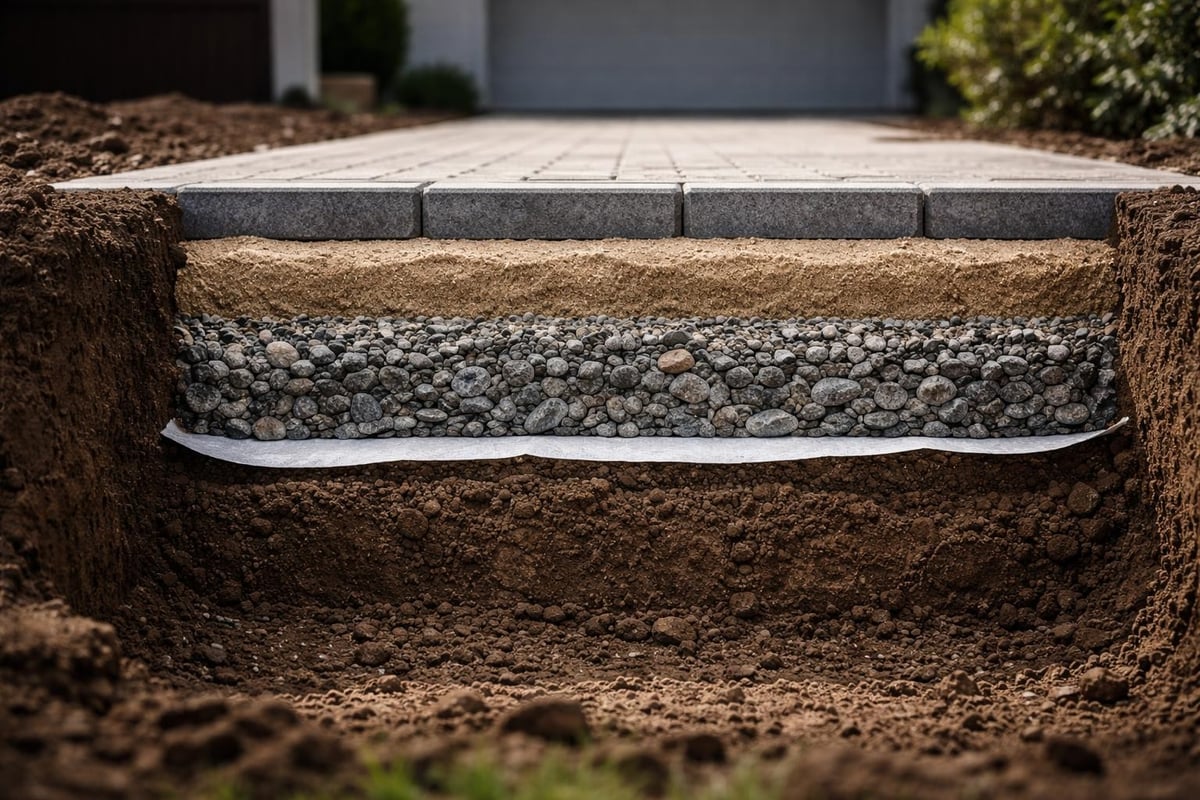
Quality driveway construction begins with earthworx that establishes proper base conditions. The sequence typically involves:
- Excavating to required depth based on soil conditions
- Installing geotextile fabric to prevent base contamination
- Placing and compacting granular base layers
- Creating precise grades for drainage
- Preparing the subgrade for final surfacing materials
Each layer serves specific purposes, with compaction standards ensuring the finished surface resists settling and cracking. The earthworx phase determines whether a driveway performs well for decades or requires premature replacement.
Quality Control in Earthworx Operations
Ensuring earthworx quality requires systematic testing, inspection, and documentation throughout the project lifecycle. Professional contractors implement quality control protocols that verify each phase meets specifications before proceeding.
Soil compaction testing represents the most critical quality control measure in earthworx. Nuclear density gauges or alternative testing methods verify that fill materials achieve the specified percentage of maximum density, typically ranging from 95% to 98% depending on application.
Testing Protocols and Standards
Professional earthworx operations incorporate testing at regular intervals and lift thicknesses. Most specifications require testing at maximum 300mm lift thicknesses, ensuring uniform compaction throughout the depth of fill.
Testing verifies:
- Density meeting project specifications
- Moisture content within optimal range for compaction
- Material composition matching approved specifications
- Grade elevations conforming to design plans
- Drainage function performing as designed
Documentation of these tests provides assurance to clients, engineers, and regulators that earthworx meets required standards. This systematic approach separates professional operations from inadequate groundwork that leads to future failures.
Coordinating Earthworx with Overall Project Schedules
Earthworx represents the foundational phase that enables all subsequent construction activities. Delays or quality issues during earthworx cascade through entire project timelines, making effective coordination essential.
Professional civil engineering firms integrate earthworx scheduling with weather forecasts, material delivery logistics, and downstream construction requirements. This holistic approach prevents bottlenecks whilst ensuring resources deploy efficiently.
Seasonal Considerations and Weather Management
Weather significantly impacts earthworx productivity and quality. Wet conditions compromise compaction effectiveness, whilst frozen ground prevents excavation. Experienced contractors plan earthworx timing to maximize favorable conditions whilst incorporating contingencies for weather disruptions.
The specialists providing excavating solutions understand regional weather patterns and adjust schedules accordingly. Spring and autumn often provide optimal earthworx conditions in many climates, balancing ground conditions with construction season demands.
Cost Factors in Earthworx Projects
Earthworx costs vary based on numerous factors including site conditions, material requirements, access constraints, and project complexity. Understanding these variables helps clients budget appropriately whilst making informed decisions about project scope.
Major cost drivers include:
- Site accessibility affecting equipment deployment
- Existing soil conditions requiring removal or stabilization
- Volume of cut and fill operations needed
- Material import or export requirements
- Utility conflicts requiring careful excavation
- Environmental protection measures and permits
- Testing and quality control requirements
Professional estimating accounts for these variables whilst building appropriate contingencies for unforeseen conditions common in earthworx. Transparent communication about potential cost factors prevents budget surprises as projects progress.
Selecting Qualified Earthworx Contractors
The quality of earthworx fundamentally determines project success, making contractor selection critical. Evaluating potential contractors requires examining their experience, equipment capabilities, safety records, and past project performance.
Look for contractors demonstrating:
- Relevant project experience in similar scope and scale
- Modern, well-maintained equipment appropriate for the work
- Qualified operators and supervisors with proven expertise
- Quality control systems ensuring consistent results
- Safety programs protecting workers and the public
- Financial stability supporting project completion
- References from previous clients confirming performance
Contractors offering comprehensive civil engineering services bring integrated expertise that prevents coordination issues between earthworx and subsequent construction phases. This holistic capability proves particularly valuable on complex projects requiring multiple specialized trades.
The Future of Earthworx Innovation
The earthworx industry continues evolving through technological advancement and sustainability imperatives. Autonomous equipment, artificial intelligence for optimization, and advanced materials promise to enhance productivity whilst reducing environmental impact.
Emerging technologies include:
- Autonomous grading equipment operating with minimal human intervention
- Real-time soil analysis enabling immediate compaction adjustments
- Augmented reality overlaying design data onto physical sites
- Advanced geosynthetics improving soil stabilization with less material
- Electric and hybrid machinery reducing emissions and noise
These innovations build upon fundamental earthworx principles whilst enhancing precision, efficiency, and sustainability. The core requirement remains unchanged-creating stable, properly prepared sites that support successful construction.
Quality earthworx establishes the foundation for construction projects ranging from major commercial developments to residential driveways, combining technical expertise with precise execution to create stable, long-lasting results. Whether your project involves highway surfacing, commercial site development, or residential enhancements, professional groundwork proves essential to avoiding costly issues and ensuring optimal performance. JRG Civils brings civil engineering excellence to earthworx and site preparation across the North East and throughout the UK, delivering the meticulous attention to detail that transforms raw sites into build-ready platforms for your construction vision.