
Earthworks construction forms the critical foundation of virtually every civil engineering project, from commercial developments to residential driveways. This essential phase involves the systematic movement, shaping, and compaction of earth materials to create stable, level surfaces ready for subsequent construction activities. Whether you're planning a drive-through restaurant, a new housing development, or highway infrastructure, understanding the principles and processes of earthworks construction ensures project success and long-term structural integrity.
Understanding the Fundamentals of Earthworks Construction
Earthworks construction encompasses a comprehensive range of ground preparation activities that transform natural terrain into construction-ready sites. This discipline combines engineering expertise with practical execution to manage soil, rock, and other earth materials effectively.
The primary objective involves creating stable foundations that can support structures, roadways, and other infrastructure elements. Site conditions, soil composition, and project specifications all influence the approach contractors take when planning earthworks operations.
Key Components of Earthworks Projects
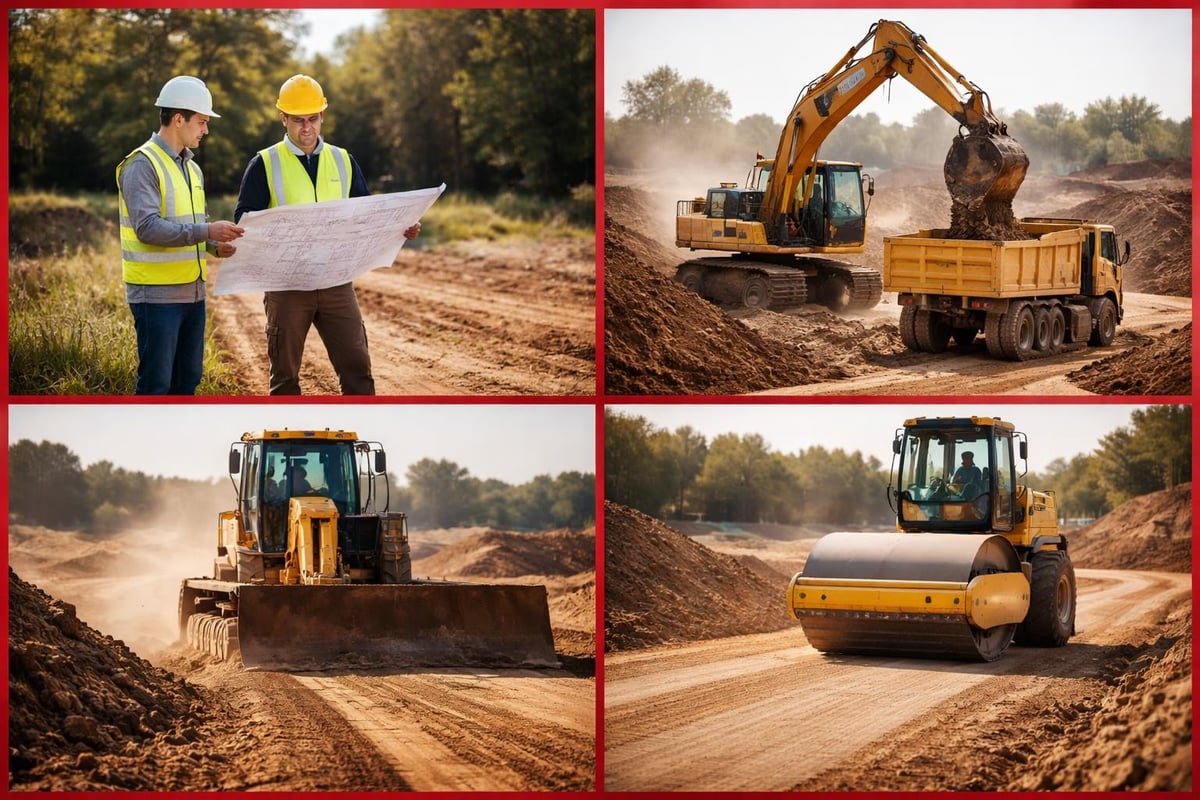
Every earthworks construction project involves several fundamental processes:
- Excavation: Removing earth materials to achieve required depths and profiles
- Grading: Shaping terrain to establish proper drainage patterns and levels
- Compaction: Densifying soil to increase load-bearing capacity
- Cut and fill operations: Balancing earth movement by using excavated material in other areas
- Erosion control: Implementing measures to prevent soil displacement during construction
Modern earthworks construction requires precise measurements and careful planning. Advanced surveying techniques ensure that ground levels meet design specifications within millimetres, particularly crucial for projects like commercial parking areas where drainage and accessibility standards must be met.
Planning and Site Assessment
Thorough planning distinguishes successful earthworks construction from projects that encounter delays, cost overruns, or structural problems. Before any machinery arrives on site, comprehensive assessments establish the scope, challenges, and requirements specific to each location.
Pre-Construction Investigations
Geotechnical surveys provide essential data about soil composition, bearing capacity, and groundwater levels. These investigations inform decisions about excavation methods, required compaction levels, and potential stabilization needs.
Site topography analysis reveals existing contours, drainage patterns, and features that may impact construction sequencing. Understanding these elements allows contractors to develop efficient earthworks strategies that minimize material waste and transportation costs.
| Assessment Type | Purpose | Key Deliverables |
|---|---|---|
| Geotechnical Survey | Soil analysis and bearing capacity | Soil classification, CBR values, moisture content |
| Topographical Survey | Existing ground levels and features | Contour maps, drainage analysis, volume calculations |
| Environmental Assessment | Ecological and contamination screening | Protected species surveys, soil contamination reports |
| Utilities Detection | Locate existing services | Service drawings, safe digging depths |
Environmental considerations have become increasingly important in earthworks construction planning. The implementation of sustainable practices in civil earthworks helps minimize ecological impact whilst maintaining project efficiency.
Design and Engineering Specifications
Design specifications for earthworks construction must address multiple performance criteria. Load-bearing requirements, drainage provisions, and long-term settlement predictions all factor into engineering calculations that guide construction activities.
For commercial projects such as drive-through facilities, specifications typically demand higher compaction standards and more robust sub-base construction compared to standard residential work. These enhanced requirements ensure pavements can withstand heavy vehicle loads and intensive use over extended periods.
Excavation Methods and Techniques
Excavation represents the first active phase of most earthworks construction projects, involving the controlled removal of earth materials to achieve design levels. The selection of appropriate excavation methods depends on soil type, project scale, access constraints, and proximity to existing structures.
Equipment Selection for Different Conditions
Hydraulic excavators provide versatility for general excavation work, whilst bulldozers excel at pushing large volumes of material across sites. Scrapers offer efficiency for long-distance earth movement on larger projects.
Soil conditions significantly influence equipment choices. Clay soils require different handling compared to sandy or rocky materials. Wet conditions may necessitate specialized machinery or temporary dewatering systems to maintain safe working conditions.
- Track-mounted excavators for soft ground conditions
- Wheeled machines for harder surfaces and mobility
- Mini-excavators for confined spaces and residential projects
- Rock breakers for encountering unexpected solid substrata
Safety remains paramount throughout excavation activities. Following comprehensive guidelines for earthworks safety protects workers whilst ensuring compliance with health and safety regulations.
Grading and Surface Preparation
Grading operations transform excavated areas into precisely shaped surfaces that meet design specifications. This critical earthworks construction phase establishes the foundation for everything that follows, from drainage systems to final surfacing.
Achieving Precise Levels and Slopes
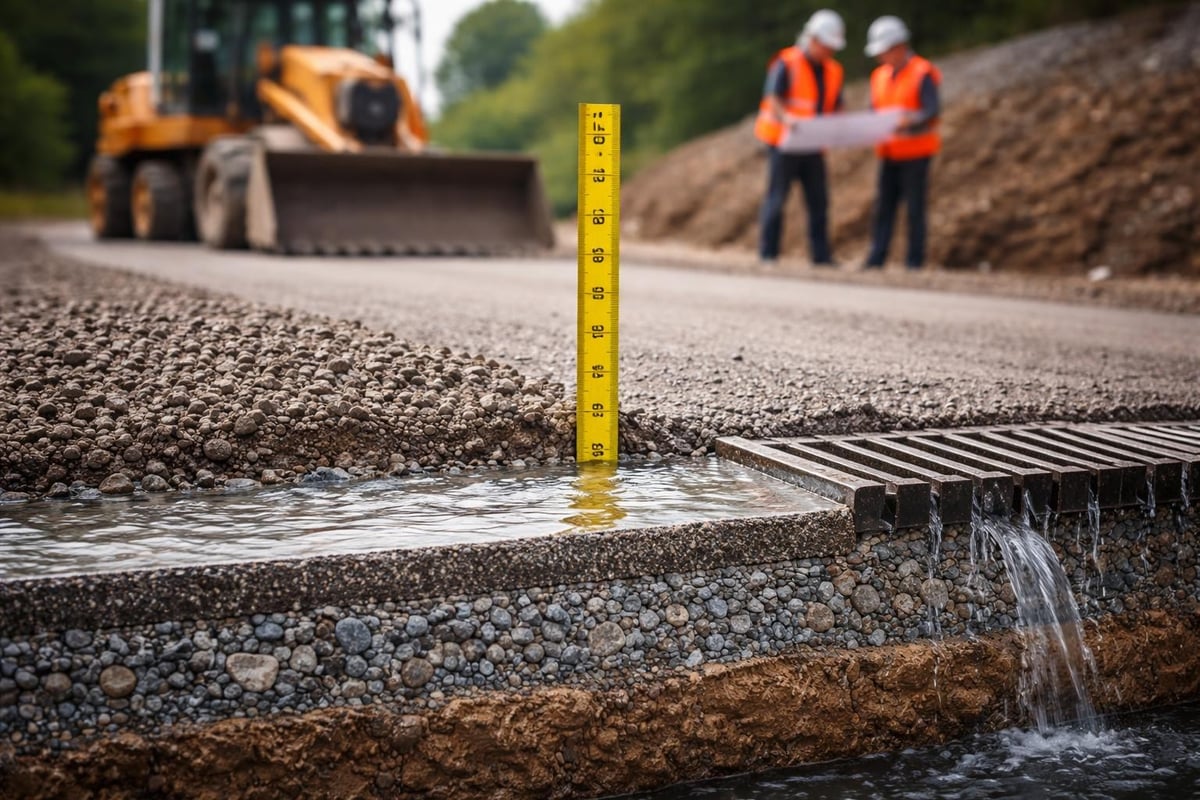
Modern laser-guided grading equipment enables contractors to achieve remarkable precision, typically within 5-10mm of design levels. This accuracy proves essential for projects requiring specific drainage gradients or exact surface profiles.
Proper drainage design prevents water accumulation that could undermine structural integrity. Surfaces must incorporate appropriate crossfalls, typically ranging from 1:40 to 1:60 for paved areas, ensuring effective water runoff whilst maintaining comfortable gradients for vehicle and pedestrian use.
Sub-base Construction Standards
Following initial grading, earthworks construction progresses to sub-base installation. This layer provides additional load distribution and forms the immediate foundation for surface courses.
Granular sub-base materials typically consist of crushed stone or recycled aggregates meeting specific grading requirements. Material selection depends on anticipated loads, with commercial projects generally requiring higher specification materials than residential applications.
The BS 6031:2009 code of practice for earthworks provides comprehensive guidance on material specifications, construction methods, and quality control procedures applicable to UK projects.
| Layer Type | Typical Depth | Compaction Standard | Common Applications |
|---|---|---|---|
| Capping Layer | 150-300mm | 90% maximum dry density | Weak subgrade improvement |
| Sub-base (Type 1) | 150-250mm | 95% maximum dry density | Roads and commercial areas |
| Sub-base (Type 2) | 100-150mm | 95% maximum dry density | Light-duty residential driveways |
| Drainage Layer | 100-200mm | 90% maximum dry density | Permeable installations |
Compaction and Stabilization Processes
Compaction represents perhaps the most critical aspect of earthworks construction, directly influencing the long-term performance and durability of completed projects. Insufficient compaction leads to settlement, surface deformation, and premature failure of pavements and structures.
Compaction Equipment and Methods
Different compaction equipment suits various soil types and layer thicknesses. Vibratory rollers work effectively on granular materials, whilst smooth-wheeled rollers suit cohesive soils. Plate compactors handle confined areas where larger machinery cannot access.
Achieving specified compaction levels requires careful attention to several factors:
- Moisture content: Soil must be at or near optimum moisture for effective compaction
- Layer thickness: Thinner layers (typically 150-225mm loose) compact more effectively
- Number of passes: Multiple roller passes progressively increase density
- Equipment weight: Machine selection must suit material type and layer depth
Testing confirms that compaction meets specification requirements. Nuclear density gauges provide rapid field measurements, whilst sand replacement tests offer a reliable alternative method for verifying density achievements.
Soil Stabilization Techniques
Challenging soil conditions sometimes require stabilization before effective compaction becomes possible. Poor-quality subgrades may exhibit low bearing capacity, excessive moisture content, or unstable composition.
Lime stabilization improves clay soils by reducing plasticity and increasing strength. Cement stabilization creates a semi-rigid layer suitable for heavily trafficked areas. These ground improvement techniques enhance subgrade performance whilst utilizing in-situ materials, reducing the need for extensive excavation and imported fill.
Geotextile reinforcement provides another stabilization option, particularly for sites with weak subgrades or where construction must proceed during unfavourable weather conditions. These engineered fabrics separate, reinforce, and filter, preventing mixing of subgrade and sub-base materials whilst allowing drainage.
Quality Control and Testing Procedures
Rigorous quality control throughout earthworks construction ensures that completed works meet specification requirements and provide the foundation for long-lasting infrastructure. Testing protocols verify material properties, compaction achievements, and dimensional accuracy.
Field Testing Methods
California Bearing Ratio (CBR) tests measure subgrade strength, informing pavement design decisions. Proof rolling identifies soft spots or areas of inadequate compaction requiring remediation before construction proceeds.
Level surveys verify that grading operations achieve design profiles within specified tolerances. Deviations from target levels may compromise drainage effectiveness or create areas susceptible to water ponding.
Regular testing throughout construction phases proves more cost-effective than discovering deficiencies after completion. Early identification of issues allows prompt correction whilst equipment and personnel remain on site.
Documentation and Compliance
Comprehensive records demonstrate compliance with specifications and provide valuable documentation for future maintenance planning. Test results, material certifications, and photographic evidence create an audit trail supporting quality assurance processes.
For commercial earthworks construction projects, clients increasingly require detailed documentation meeting specific quality management standards. This documentation proves particularly valuable should disputes arise or when demonstrating due diligence in construction practices.
Environmental Considerations and Sustainable Practices
Modern earthworks construction increasingly emphasizes environmental responsibility alongside technical performance. Innovations in earthworks reducing environmental footprints demonstrate the industry's commitment to sustainable development.
Minimizing Site Impact
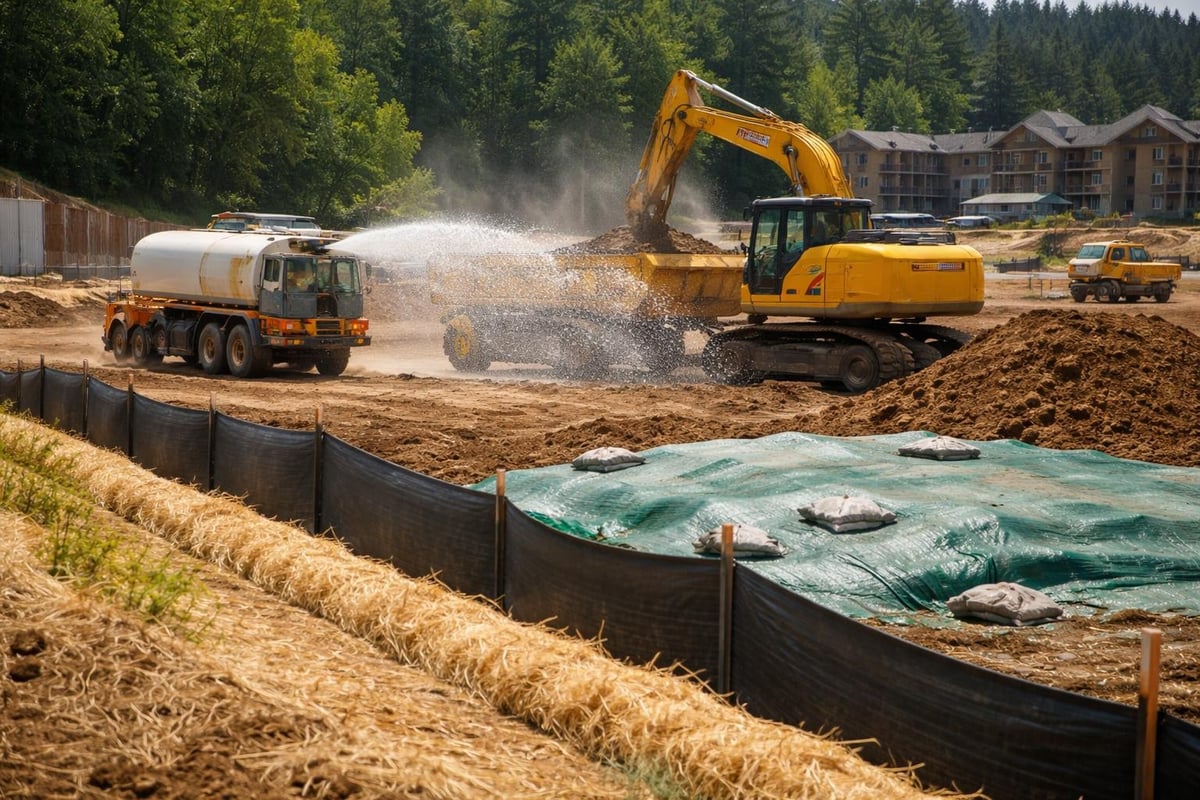
Erosion control measures prevent sediment runoff that could pollute watercourses or damage adjacent properties. Techniques include silt fencing, sediment traps, and temporary seeding of exposed areas.
Dust suppression through water spraying or dust suppressant application maintains air quality and reduces nuisance to neighbouring properties. This consideration proves particularly important on sites adjacent to residential areas or operating during dry conditions.
Noise management strategies respect community wellbeing whilst allowing construction to progress efficiently. Restricting noisy activities to permitted hours and utilizing modern, quieter machinery demonstrates consideration for those living near active earthworks construction sites.
Material Reuse and Waste Reduction
Effective earthworks construction minimizes material waste through careful planning of cut and fill operations. Balancing excavation with fill requirements reduces the need for material importation or off-site disposal, lowering both costs and environmental impact.
Recycled materials increasingly feature in sustainable earthworks projects. Crushed concrete, recycled asphalt planings, and processed demolition waste can meet sub-base specifications whilst reducing demand for virgin aggregates.
Following best practices in earthworks helps contractors minimize environmental impact whilst maintaining technical standards. These approaches align with broader industry trends toward sustainable construction methods.
Commercial Versus Residential Earthworks Requirements
Earthworks construction requirements vary significantly between commercial and residential applications, reflecting different performance expectations, usage patterns, and regulatory frameworks.
Commercial Project Specifications
Commercial developments such as retail parks, drive-through restaurants, and industrial facilities demand robust earthworks construction capable of supporting heavy vehicles, intensive use, and long service lives without major maintenance interventions.
Design specifications typically require:
- Higher compaction densities (often 98% maximum dry density)
- Thicker sub-base layers (250-350mm common)
- Enhanced drainage provisions
- More stringent level tolerances
- Comprehensive quality documentation
These elevated standards ensure pavements withstand delivery vehicles, customer traffic, and operational demands over decades of service. The additional investment in quality earthworks construction proves economical compared to premature failure and costly remediation.
Residential Applications
Residential earthworks construction for driveways, patios, and garden areas generally permits slightly relaxed specifications whilst still ensuring adequate performance for domestic use. A well-constructed residential driveway requires proper sub-base preparation and compaction but may utilize lighter specifications than commercial work.
Attention to detail remains essential regardless of project scale. Proper drainage, appropriate materials, and thorough compaction prevent common problems such as surface rutting, ponding, or premature deterioration.
Regional Considerations for UK Earthworks
The United Kingdom's varied climate and geology present specific challenges and considerations for earthworks construction projects. Understanding these regional factors enables contractors to adapt their approaches for optimal results.
Weather and Seasonal Factors
British weather conditions significantly influence earthworks construction scheduling and methodology. High rainfall, particularly during autumn and winter months, can render clay subgrades unworkable and create challenging site conditions.
Many contractors prefer scheduling major earthworks construction during drier months when ground conditions prove more favourable. However, project timelines often necessitate year-round working, requiring additional measures such as:
- Enhanced site drainage systems
- Geotextile reinforcement for working platforms
- Weather protection for materials stockpiles
- Contingency planning for weather-related delays
Ground frost during winter months affects compaction effectiveness and may damage recently constructed earthworks. Protection measures or temporary cessation of works may become necessary during severe cold periods.
Geological Variations
From the sandy soils of coastal areas to heavy clays in much of lowland Britain, geological diversity requires adaptable approaches to earthworks construction. Regional geology influences excavation methods, stabilization requirements, and material selection for sub-base construction.
The Earthworks Manual provides comprehensive technical guidance addressing diverse ground conditions and climate considerations, offering valuable reference material for practitioners working across different regions.
Technology and Innovation in Modern Earthworks
Technological advancement continues transforming earthworks construction, enhancing precision, efficiency, and safety whilst reducing environmental impact. Modern projects increasingly leverage digital tools and innovative techniques.
GPS and Laser-Guided Systems
Machine control technology integrates GPS and laser guidance with earthmoving equipment, enabling operators to achieve design levels with unprecedented accuracy. These systems reduce over-excavation, minimize material waste, and accelerate construction whilst improving quality.
Real-time feedback displays show operators exactly where their blade or bucket sits relative to design surfaces, eliminating the need for constant level checking and grade stakes. This technology proves particularly valuable on complex grading projects or sites with multiple level changes.
Digital Design and 3D Modelling
Building Information Modelling (BIM) and 3D design software allow earthworks construction teams to visualize projects before breaking ground. Digital terrain models facilitate accurate volume calculations, identify potential drainage issues, and optimize cut-and-fill balancing.
These tools improve communication between designers, contractors, and clients, reducing misunderstandings and enabling more efficient project delivery. Clash detection identifies conflicts between earthworks design and existing services or proposed structures before construction commences.
Regulatory Compliance and Safety Standards
Earthworks construction operates within a comprehensive regulatory framework designed to protect workers, the public, and the environment. Understanding and implementing required safety measures forms an essential responsibility for all contractors.
Health and Safety Requirements
Construction Design and Management (CDM) Regulations establish duties for all parties involved in construction projects. Principal contractors must implement effective safety management systems, conduct risk assessments, and ensure appropriate control measures protect workers and others affected by construction activities.
Excavation work presents particular hazards including:
- Ground collapse or cave-ins
- Contact with underground services
- Falls from height or into excavations
- Plant and vehicle movement risks
- Manual handling injuries
Proper edge protection, safe access and egress provisions, and clearly marked exclusion zones mitigate these risks. Regular safety briefings and competent supervision ensure workforce awareness and compliance with safety procedures.
Environmental Permits and Consents
Many earthworks construction projects require various permits or consents before commencing. Environmental permits may be necessary for water discharge, waste management, or working near protected habitats. Highways permits regulate work affecting public roads.
Early identification of regulatory requirements prevents project delays and ensures compliance with legal obligations. Engaging with regulatory authorities during planning stages facilitates smoother project delivery and demonstrates professional project management.
Managing Earthworks on Constrained Sites
Urban and developed areas often present space constraints that complicate earthworks construction. Limited access, proximity to existing structures, and restricted working areas require adapted approaches and specialized techniques.
Access and Logistics Planning
Narrow site entrances may preclude standard earthmoving equipment, necessitating smaller machinery or alternative construction methods. Mini-excavators and compact rollers enable work in confined spaces, though potentially extending project duration compared to using full-sized equipment.
Material delivery and spoil removal require careful coordination to minimize disruption to surrounding areas. Wheel washing facilities prevent mud tracking onto public highways, maintaining good relations with neighbours and avoiding potential enforcement action.
Vibration and Settlement Monitoring
Earthworks construction near existing buildings requires monitoring to detect any movement or damage. Vibration monitoring ensures compaction operations remain within acceptable limits, whilst settlement monitoring tracks any ground movement affecting adjacent structures.
Pre-construction condition surveys document the existing state of nearby properties, providing baseline information should claims arise regarding construction-related damage. This proactive approach protects both contractors and property owners.
Understanding the complexities of earthworks construction enables better project planning, realistic budgeting, and superior outcomes for commercial and residential developments alike. Whether you're developing a commercial site, constructing highway infrastructure, or enhancing residential property, professional earthworks construction forms the foundation for lasting success. At JRG Civils, we combine technical expertise with meticulous attention to detail across projects throughout the North East and beyond, delivering earthworks construction that meets the highest standards from initial excavation through to final completion.