
Civil engeering forms the backbone of modern society, encompassing the design, construction, and maintenance of infrastructure that connects communities and enables economic growth. From expansive highway networks to intimate residential driveways, this discipline requires technical expertise, meticulous planning, and unwavering commitment to quality. Whether undertaking large-scale commercial projects or enhancing private properties, the principles of civil engeering remain consistent: precision, durability, and professional execution. Understanding the fundamentals of this field empowers property owners, developers, and businesses to make informed decisions about their infrastructure investments.
Understanding the Scope of Civil Engeering Projects
Civil engeering encompasses an extensive range of construction activities that shape our built environment. The field extends far beyond traditional roadworks, incorporating drainage systems, foundations, groundworks, and surface treatments that require specialized knowledge and equipment.
Commercial Infrastructure Development
Large-scale commercial projects demand comprehensive civil engeering expertise. Drive-through facilities for major franchises, such as Costa Coffee and Greggs, require precise coordination of multiple elements:
- Site preparation and groundworks including excavation and levelling
- Drainage infrastructure to manage surface water and prevent flooding
- Access roads and car park construction designed for heavy traffic volumes
- Surface treatments suitable for continuous vehicular movement
- Compliance with regulatory standards set by The American Society of Civil Engineers and local authorities
These projects typically involve working with architects, planners, and local councils to ensure every aspect meets stringent safety and performance requirements. The civil engeering work must account for soil conditions, load-bearing requirements, and long-term durability whilst maintaining project timelines and budgets.

Highway and Road Construction
Highway surfacing represents one of the most demanding aspects of civil engeering, requiring adherence to strict specifications and quality standards. Modern road construction involves multiple layers, each serving a specific purpose in the overall structure.
| Layer Type | Purpose | Typical Materials |
|---|---|---|
| Sub-base | Load distribution and drainage | MOT Type 1 aggregate |
| Base course | Primary structural strength | Dense bitumen macadam |
| Binder course | Load spreading and levelling | Asphalt concrete |
| Surface course | Skid resistance and weatherproofing | Hot rolled asphalt or stone mastic |
The selection of appropriate materials and construction methods depends on anticipated traffic volumes, environmental conditions, and budget constraints. Highway projects demand extensive planning, including traffic management schemes and coordination with utility companies.
Research published in the Journal of Construction Engineering & Management highlights the importance of proper material selection and construction techniques in ensuring long-term pavement performance.
Residential Civil Engeering Applications
Private residential projects represent a significant portion of civil engeering work across the UK. Driveways, patios, and garden landscaping require the same fundamental principles as larger projects, albeit on a different scale.
Homeowners investing in driveway construction should expect:
- Comprehensive site survey to assess ground conditions and drainage requirements
- Excavation to appropriate depth typically 200-300mm depending on usage
- Sub-base installation using compacted aggregate materials
- Edge restraints to prevent lateral movement
- Surface layer application in chosen material (block paving, tarmac, resin-bound gravel)
- Drainage integration ensuring water management complies with regulations
The attention to detail in residential civil engeering directly impacts property value and longevity of the installation. Professional contractors understand that shortcuts during construction inevitably lead to premature failure and costly repairs.
Material Selection and Quality Standards
Choosing appropriate materials represents a critical decision in any civil engeering project. The materials must withstand environmental stresses, traffic loads, and chemical exposure whilst remaining cost-effective and aesthetically pleasing.
Aggregates and Sub-Base Materials
The foundation of any civil engeering structure relies on properly selected and compacted aggregate materials. MOT Type 1 aggregate remains the industry standard for sub-base construction, offering excellent load-bearing characteristics and drainage properties.
Key considerations for aggregate selection include:
- Particle size distribution for optimal compaction
- Frost susceptibility in colder climates
- Permeability for drainage applications
- Source quality and consistency
- Environmental impact of extraction and transportation
Proper compaction of sub-base materials cannot be overstated. Even the highest-quality aggregates fail to perform adequately if insufficient compaction allows subsequent settlement.
Surface Treatment Options
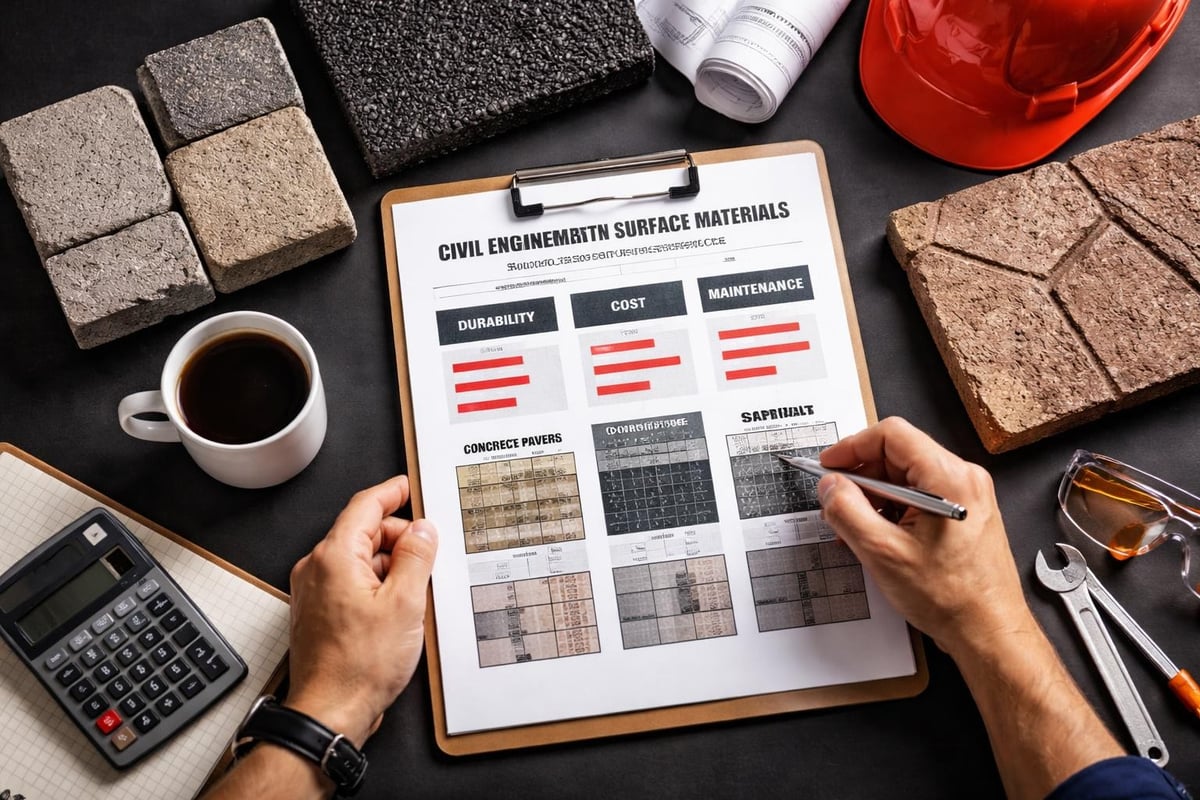
Modern civil engeering offers diverse surfacing solutions, each with distinct advantages and applications. The choice depends on project requirements, budget, and aesthetic preferences.
| Surface Type | Lifespan | Maintenance | Best Applications |
|---|---|---|---|
| Tarmac (asphalt) | 15-20 years | Low | Highways, large driveways, car parks |
| Block paving | 20-25 years | Moderate | Residential drives, patios, pedestrian areas |
| Resin-bound | 15-20 years | Low | Decorative driveways, pathways |
| Concrete | 25-30 years | Very low | Heavy-duty commercial areas, industrial yards |
Each surface treatment requires specific installation techniques and curing periods. Tarmac, for instance, must be laid at precise temperatures and compacted immediately, whilst block paving demands meticulous attention to joint spacing and edge details.
Project Planning and Execution Excellence
Successful civil engeering projects begin with thorough planning and continue through systematic execution. Professional contractors distinguish themselves through their approach to project management and quality control.
Initial Assessment and Design
Every project commences with comprehensive site assessment. This critical phase identifies potential challenges and informs design decisions that affect the entire project lifecycle.
The assessment process typically includes:
- Topographical survey to understand site levels and gradients
- Soil investigation to determine ground conditions and bearing capacity
- Utility detection to locate existing services and prevent damage
- Drainage analysis to establish water management requirements
- Access evaluation for equipment and material delivery
This information feeds into the design process, where civil engeering principles combine with client requirements to produce detailed specifications. The Civil Engineering Source platform offers valuable insights into contemporary design methodologies and industry best practices.
Construction Phase Management
Once design approval is secured, the construction phase demands rigorous project management to ensure quality outcomes. Professional civil engeering contractors maintain detailed schedules, coordinate multiple trades, and implement quality control measures throughout construction.
Critical success factors include:
- Proper equipment selection for specific tasks
- Skilled operatives trained in modern techniques
- Weather monitoring and contingency planning
- Material testing and quality verification
- Health and safety compliance at all times
- Regular client communication and progress updates
The construction sequence must follow logical progression, with each stage properly completed before proceeding. Attempting to accelerate work by overlapping incompatible activities invariably compromises quality and may necessitate costly remediation.
Drainage and Water Management Considerations
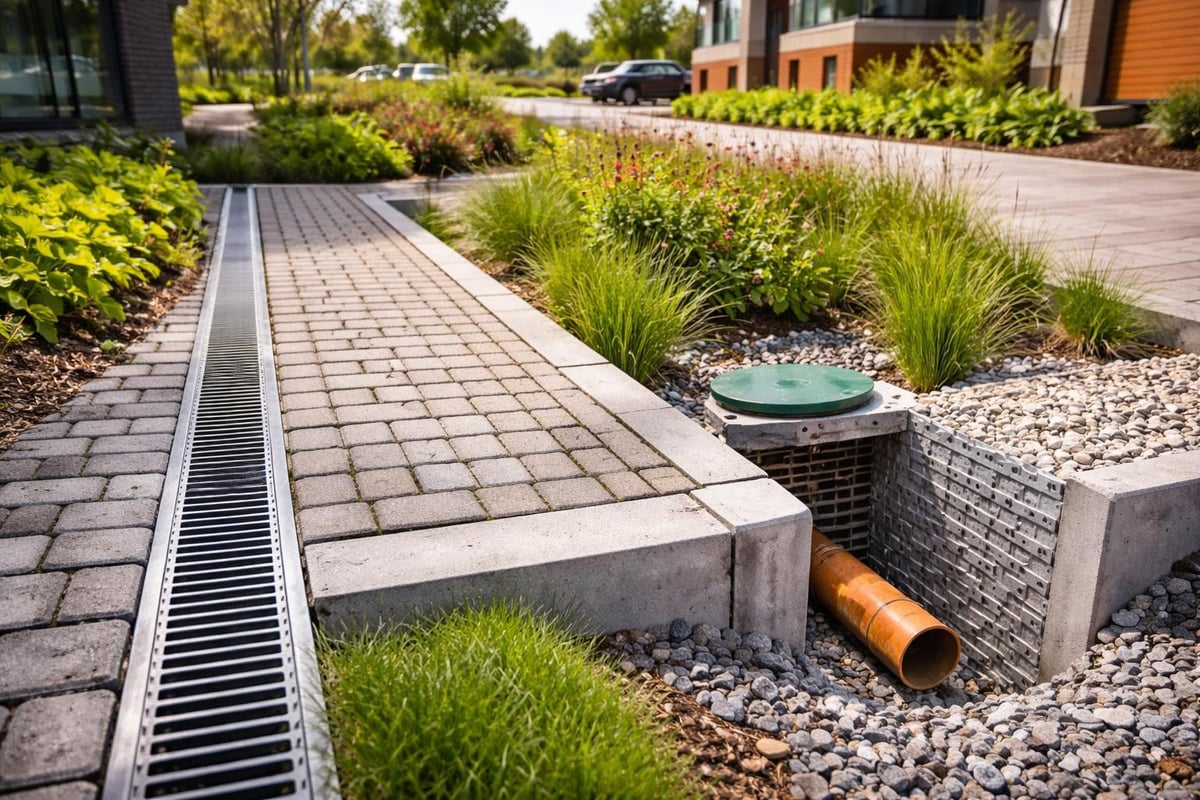
Effective drainage design represents a fundamental aspect of civil engeering that often receives insufficient attention until problems emerge. Modern regulations require sustainable drainage systems (SuDS) that manage surface water responsibly.
Surface Water Management
Highway and driveway construction must incorporate appropriate drainage to prevent water accumulation and structural damage. Standing water accelerates surface deterioration, weakens sub-base materials, and creates safety hazards during freezing conditions.
Professional drainage solutions include:
- Linear drainage channels along impermeable surfaces
- Permeable paving systems allowing water infiltration
- French drains for groundwater management
- Soakaways where connection to mains drainage proves impractical
- Interceptor drains protecting foundations and structures
The sizing and positioning of drainage elements require careful calculation based on surface area, expected rainfall intensity, and soil permeability. Resources available through George Washington University’s civil engineering research guide provide detailed technical information on hydraulic design principles.
Environmental Compliance
Contemporary civil engeering projects must address environmental concerns and comply with increasingly stringent regulations. Surface water discharge requires appropriate consents, whilst contaminated land may necessitate specialist remediation before construction commences.
Sustainable practices include:
- Recycling existing materials where feasible
- Minimizing soil displacement and waste generation
- Implementing erosion control measures
- Protecting existing vegetation and habitats
- Managing noise and dust during construction
Property owners and developers benefit from engaging contractors who understand these requirements and incorporate environmental best practices as standard procedure.
Quality Assurance and Professional Standards
Distinguishing professional civil engeering work from substandard construction requires understanding the quality indicators and verification processes that ensure long-term performance.
Testing and Verification Procedures
Reputable contractors implement testing protocols throughout construction to verify compliance with specifications. These procedures provide objective evidence of quality and identify potential issues before they become serious problems.
| Test Type | Purpose | Frequency |
|---|---|---|
| Compaction testing | Verify sub-base density | Every 100-200m² |
| Material sampling | Confirm specification compliance | Per delivery batch |
| Level surveys | Check gradients and falls | Continuously during construction |
| Core sampling | Assess pavement thickness | Post-construction verification |
Digital technologies increasingly support quality assurance in civil engeering. Research on digital twin frameworks for civil engineering structures demonstrates how advanced monitoring systems enable predictive maintenance and real-time quality verification.
Professional Certifications and Industry Standards
The civil engeering industry operates within a framework of professional standards and best practices developed over decades. Contractors who engage with professional bodies demonstrate commitment to maintaining high standards and continuous improvement.
Working with certified professionals provides several advantages:
- Access to latest technical knowledge and innovations
- Insurance coverage protecting clients against defects
- Accountability through professional codes of conduct
- Adherence to health and safety regulations
- Quality assurance through established procedures
The Structurae database catalogues civil engineering works worldwide, offering valuable reference information on construction techniques and structural solutions.
Maintenance and Long-Term Performance
Even the highest-quality civil engeering work requires appropriate maintenance to achieve its design lifespan. Understanding maintenance requirements helps property owners budget appropriately and preserve their infrastructure investment.
Preventive Maintenance Strategies
Regular inspection and minor interventions prevent small issues escalating into major failures requiring expensive reconstruction. Highway authorities implement systematic maintenance regimes, and similar principles apply to private infrastructure.
Recommended maintenance activities include:
- Annual inspection identifying surface defects
- Prompt repair of minor cracks and edge deterioration
- Drainage system clearance preventing blockages
- Surface treatments extending pavement life
- Vegetation control around hard surfaces
For tarmac surfaces, seal coating every 3-5 years significantly extends lifespan by protecting the bitumen from oxidation and water ingress. Block paving benefits from periodic re-sanding of joints and replacement of damaged units.
Recognizing When Professional Intervention is Required
Property owners should understand the warning signs indicating professional assessment is necessary. Early intervention typically proves more cost-effective than deferred maintenance leading to structural failure.
Contact civil engeering specialists when observing:
- Persistent water pooling suggesting drainage inadequacy
- Widespread cracking indicating sub-base movement
- Edge collapse compromising structural integrity
- Settlement or subsidence creating trip hazards
- Surface raveling with loose aggregate material
The University of New Brunswick’s civil engineering resources offer comprehensive technical information supporting informed decision-making regarding maintenance and repairs.
Commercial Project Delivery and Client Expectations
Commercial civil engeering projects demand additional considerations beyond technical competence. Businesses investing in infrastructure improvements require contractors who understand commercial pressures and deliver value beyond basic construction services.
Project Timeline Management
Commercial clients operate under time constraints where delays translate directly to lost revenue. Drive-through facilities, retail developments, and car parks must open on schedule to meet business plans and franchise agreements.
Professional contractors achieve reliable delivery through:
- Realistic scheduling accounting for weather and contingencies
- Resource planning ensuring equipment and material availability
- Proactive communication regarding any emerging issues
- Flexible working arrangements minimizing business disruption
- Efficient site management reducing construction duration
The ability to coordinate multiple subcontractors, manage interfaces between different work packages, and maintain quality whilst working to aggressive schedules distinguishes experienced civil engeering firms from less capable competitors.
Value Engineering and Cost Management
Sophisticated clients appreciate contractors who identify opportunities to enhance value without compromising quality. Value engineering examines specifications and methodologies to optimize outcomes within budget constraints.
This approach might involve:
- Alternative material selections offering equivalent performance
- Construction sequence modifications improving efficiency
- Design refinements reducing quantities or complexity
- Innovative techniques achieving better results
- Lifecycle cost analysis supporting investment decisions
Transparent cost management throughout the project builds trust and enables clients to make informed decisions when variations or changes become necessary. Detailed quotations breaking down costs by element allow proper evaluation and comparison.
Regional Considerations for UK Civil Engeering
Operating across the UK requires understanding regional variations in climate, geology, regulations, and construction practices. These factors significantly influence project design and execution.
Climate and Weather Impacts
UK weather patterns present particular challenges for civil engeering work. The temperate maritime climate brings frequent rainfall, frost cycles, and temperature fluctuations affecting construction scheduling and material performance.
Northern regions, including the North East, experience harsher winter conditions requiring frost-resistant designs and seasonal work planning. Summer construction windows prove shorter than in southern counties, necessitating efficient project execution.
Weather-related considerations include:
- Ground conditions varying seasonally
- Temperature requirements for tarmac laying
- Curing times for concrete and cement-bound materials
- Working day constraints during winter months
- Protection measures for partially completed works
Experienced contractors maintain flexibility in scheduling and resource allocation, adapting to weather forecasts and ground conditions whilst maintaining progress toward completion.
Geological Variations and Ground Conditions
UK geology varies dramatically across regions, from stable limestone and sandstone formations to challenging clay soils and former mining areas. Understanding local ground conditions proves essential for appropriate foundation design.
Clay soils, prevalent in many areas, present particular challenges through shrinkage during dry periods and expansion when saturated. These movements can compromise civil engeering structures unless properly addressed through design and construction techniques.
Proper site investigation identifies these risks early, allowing design adjustments that ensure long-term stability and performance.
Civil engeering excellence requires combining technical knowledge, quality materials, professional execution, and attention to detail throughout every project phase. Whether planning highway improvements, commercial developments, or residential enhancements, partnering with experienced specialists ensures infrastructure investments deliver lasting value. JRG Civils brings proven expertise to projects across the UK, from major franchise developments to private driveways, maintaining the highest standards from initial planning through final completion. Contact our team to discuss how professional civil engeering services can enhance your property or business infrastructure.