
Quality infrastructure depends on two fundamental elements that work together to create durable, functional surfaces: paving and kerbing. Whether you're planning a commercial development, highway upgrade, or residential driveway, understanding these core components ensures long-lasting results. From Costa Coffee drive-throughs to domestic driveways, these civil engineering essentials shape the spaces we navigate daily.
Understanding the Fundamentals of Paving and Kerbing
Paving and kerbing form the backbone of road construction and surface development projects across the United Kingdom. These two elements serve distinct yet complementary purposes in creating functional, attractive, and long-lasting infrastructure.
Paving refers to the process of laying a durable surface for vehicular or pedestrian traffic. This includes roads, driveways, car parks, and pathways. The surface material varies depending on application requirements, traffic volume, and budget constraints.
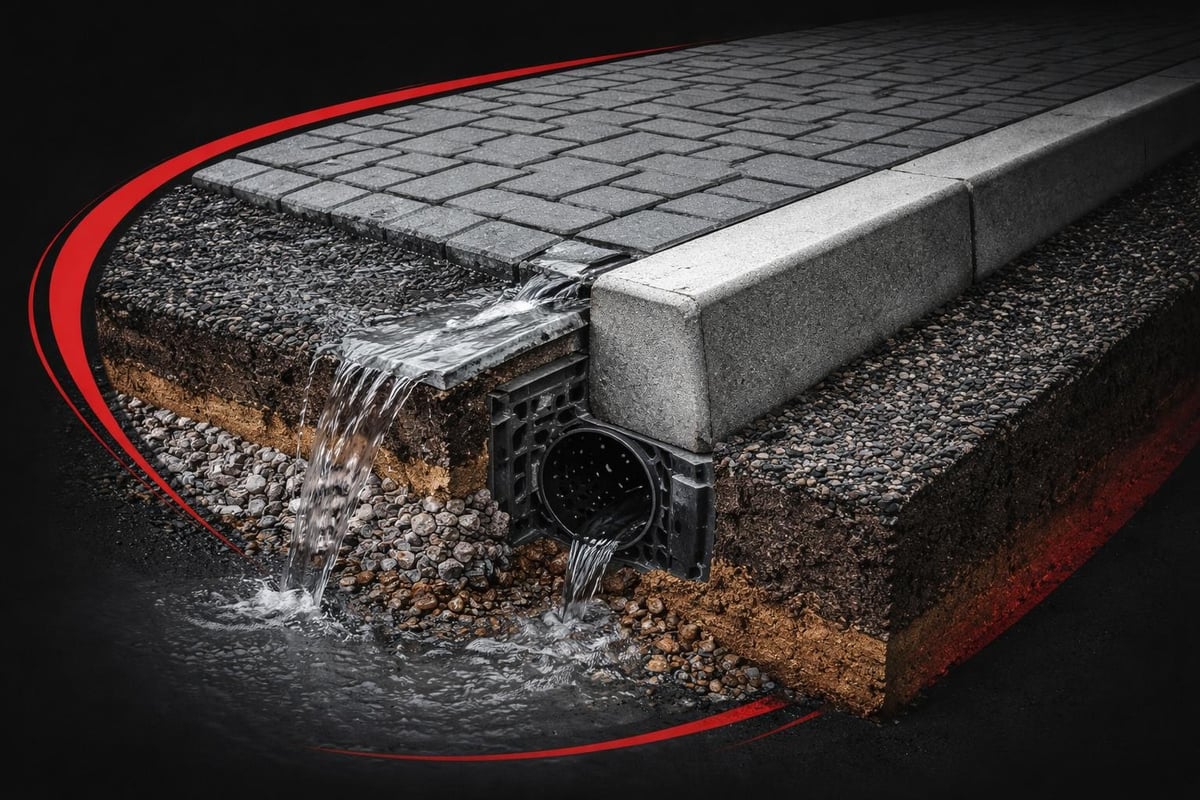
Kerbing defines the boundaries of paved areas whilst providing structural support and drainage control. These raised edges prevent surface spread, direct water flow, and create clear delineation between different zones.
Why These Elements Matter Together
The relationship between paving and kerbing extends beyond aesthetics. Properly installed kerbs contain the paving material during installation and throughout its service life, preventing edge deterioration and maintaining structural integrity.
| Function | Paving Role | Kerbing Role |
|---|---|---|
| Structural | Load-bearing surface | Edge restraint and support |
| Drainage | Surface runoff | Water channeling and collection |
| Safety | Smooth travel surface | Visual and physical boundary |
| Longevity | Resistance to wear | Protection from edge damage |
Recent research into sustainable paving blocks using recycled concrete aggregate demonstrates how modern materials enhance both environmental responsibility and performance characteristics.
Material Selection for Paving Applications
Choosing appropriate materials for paving and kerbing projects requires careful consideration of multiple factors. Different applications demand different characteristics, from heavy commercial traffic to light residential use.
Paving Material Options
Asphalt (Tarmac)
- Cost-effective for large areas
- Quick installation and curing
- Excellent for roads and car parks
- Requires periodic maintenance
- Smooth, continuous surface
Concrete
- Highly durable and long-lasting
- Suitable for heavy loads
- Lower long-term maintenance
- Higher initial investment
- Versatile finishing options
Block Paving
- Attractive aesthetic appeal
- Easy to repair individual sections
- Permeable options available
- Ideal for driveways and patios
- Higher installation labour costs
The construction sector has seen significant innovation in paving materials. Studies on ceramic waste incorporation in paver blocks highlight how recycled materials enhance sustainability whilst maintaining structural performance.
Kerbing Material Choices
Standard kerbing materials include concrete, natural stone, and pre-cast units. Each offers distinct advantages depending on project requirements and aesthetic preferences.
Concrete kerbs dominate commercial and highway applications due to their strength, consistency, and cost-effectiveness. Natural stone provides premium aesthetics for high-end residential projects, whilst pre-cast concrete units offer standardized dimensions for efficient installation.
Technical Standards and Specifications
Professional paving and kerbing work must comply with British Standards and industry specifications to ensure quality, safety, and longevity. These standards govern everything from material composition to installation methodology.
Key Standards for Paving Operations
The BS ISO 15878 standard for paver-finishers establishes commercial specifications for road construction equipment, ensuring consistent quality across projects.
For pedestrian applications, specific guidelines address different requirements than vehicular surfaces. Technical specifications for segmental concrete paving in pedestrian areas detail proper installation techniques and material characteristics.
Design Considerations
Proper design accounts for anticipated load, drainage requirements, soil conditions, and climate factors. A well-designed paving and kerbing system considers:
- Expected traffic volume and vehicle types
- Soil bearing capacity and stability
- Surface water management strategy
- Local climate conditions and freeze-thaw cycles
- Aesthetic requirements and boundary definitions
- Long-term maintenance accessibility
Installation Methodology and Best Practices
Successful paving and kerbing projects depend on meticulous preparation and execution. Cutting corners during installation inevitably leads to premature failure, costly repairs, and client dissatisfaction.
Site Preparation
- Survey and mark out the area with precise measurements and levels
- Excavate to required depth based on design specifications and soil conditions
- Install proper sub-base using appropriate aggregate materials
- Compact thoroughly using mechanical equipment for even density
- Establish drainage falls to prevent water pooling and surface damage
The sub-base provides critical support for both paving and kerbing. Inadequate preparation here undermines even the highest-quality surface materials.

Kerb Installation Sequence
Kerbs should be installed before paving work commences, providing edge restraint and level references for the finished surface.
Concrete Bedding Method:
- Prepare concrete haunch on compacted sub-base
- Position kerbs to exact line and level
- Back-fill and support with concrete
- Allow adequate curing time before paving
Proper alignment ensures straight lines and consistent reveals. Professional installers use string lines and regular checks to maintain precision throughout lengthy runs.
Paving Installation Techniques
For Asphalt Surfaces:
- Heat material to specified temperature
- Lay in continuous runs using mechanical pavers
- Compact immediately with rollers
- Achieve specified density and smoothness
- Seal joints and edges properly
For Block Paving:
- Lay blocks to established pattern
- Maintain consistent joint widths
- Cut edge blocks accurately
- Compact thoroughly with vibrating plate
- Fill joints with kiln-dried sand
Drainage Integration in Paving and Kerbing
Water management separates successful projects from problematic installations. Paving and kerbing work together to control surface water, preventing damage and maintaining usability.
Surface Water Considerations
Proper drainage design incorporates multiple elements working in harmony:
- Adequate surface falls (typically 1:40 to 1:80)
- Kerb reveals allowing water flow
- Gulley connections at strategic points
- Permeable paving options where appropriate
- Drainage channels integrated with kerbs
| Drainage Method | Application | Advantages | Considerations |
|---|---|---|---|
| Surface falls to gullies | Roads, car parks | Effective for large areas | Requires gulley infrastructure |
| Permeable paving | Driveways, paths | Sustainable drainage | Higher material costs |
| Channel drains | Level areas | Handles high volumes | Needs regular maintenance |
| Soakaways | Residential | Natural infiltration | Depends on soil permeability |
Commercial projects like drive-through restaurants require carefully planned drainage to handle concentrated traffic and prevent standing water in critical areas.
Commercial Applications and Project Delivery
Paving and kerbing requirements vary significantly between commercial and residential applications. Large-scale projects demand different approaches to planning, execution, and quality control.
Highway and Road Projects
Highway surfacing represents the most demanding application for paving and kerbing. These projects must accommodate heavy traffic, meet strict safety standards, and provide long service life under challenging conditions.
Road construction projects require coordination with multiple stakeholders, including local authorities, utility companies, and traffic management specialists. Detailed planning ensures minimal disruption whilst maintaining safety throughout the works.
Commercial Development Projects
Franchise developments like Costa Coffee and Greggs drive-throughs present unique challenges. These sites require:
- Durable surfaces for continuous vehicle movements
- Clear traffic flow patterns established by kerbing
- Adequate parking and queueing space
- Accessible pedestrian areas
- Attractive presentation reflecting brand standards
Fast-track delivery schedules demand efficient project management and experienced teams capable of delivering quality results within tight timeframes.

Residential Paving and Kerbing Projects
Domestic driveways and patios represent a significant segment of paving and kerbing work. Homeowners seek attractive, durable surfaces that enhance property value whilst providing practical functionality.
Driveway Installation
A well-executed driveway combines aesthetics with performance. Key considerations include:
- Vehicle access requirements and turning space
- Integration with existing property features
- Complementary materials and colours
- Appropriate drainage to prevent flooding
- Planning permission compliance where required
Block paving remains popular for residential driveways due to its visual appeal and flexibility. The range of colours, patterns, and finishes allows homeowners to create distinctive entrances that complement their property style.
Resin-bound surfaces offer smooth, permeable alternatives gaining popularity in 2026. These systems provide contemporary aesthetics whilst meeting sustainable drainage requirements.
Patio and Garden Paving
Residential paving extends beyond driveways to patios, pathways, and garden features. These areas prioritize aesthetics whilst maintaining practical durability for regular use.
Natural stone, porcelain, and concrete slabs offer diverse options for creating outdoor living spaces. Proper installation on well-prepared bases ensures these surfaces remain level, stable, and attractive for decades.
Maintenance and Long-Term Performance
Even the highest-quality paving and kerbing requires appropriate maintenance to maximize service life and preserve appearance. Proactive care prevents minor issues from developing into major problems.
Routine Maintenance Tasks
- Regular cleaning removes debris, moss, and organic growth
- Joint sand replenishment maintains block paving integrity
- Surface sealing protects against weathering and staining
- Drainage clearance prevents water pooling and freeze damage
- Crack repair addresses minor damage before it spreads
| Maintenance Item | Frequency | Impact if Neglected |
|---|---|---|
| Surface cleaning | Quarterly | Reduced aesthetics, slip hazards |
| Drainage checks | Bi-annually | Water damage, pooling |
| Joint maintenance | Annually | Block movement, weed growth |
| Sealant application | Every 2-3 years | Accelerated weathering |
| Structural inspection | Annually | Undetected deterioration |
Common Issues and Solutions
Edge deterioration typically results from inadequate kerb restraint or foundation settlement. Early intervention prevents progressive failure requiring complete reconstruction.
Surface cracking in asphalt or concrete demands prompt attention. Modern repair techniques restore structural integrity whilst maintaining aesthetic continuity.
Block movement in paved surfaces indicates sub-base problems or inadequate edge restraint. Professional assessment determines whether localized repair or broader intervention is required.
Sustainable Practices in Modern Paving
Environmental considerations increasingly influence material selection and installation methods. Sustainable paving and kerbing solutions balance performance requirements with ecological responsibility.
Recycled and Alternative Materials
Innovation in construction materials has produced viable alternatives to traditional options. Research into plastic waste as binding material in paving blocks demonstrates how industry waste streams can be transformed into functional construction materials.
Similarly, studies on cement cobblestones incorporating polymer roof waste show promising results for creating durable surfaces whilst reducing landfill burden.
Permeable Paving Systems
Sustainable drainage systems (SuDS) incorporate permeable paving to manage surface water at source. These systems allow rainfall to infiltrate naturally, reducing strain on conventional drainage infrastructure whilst replenishing groundwater.
Permeable options include:
- Porous asphalt with open structure
- Permeable concrete with controlled voids
- Block paving with wide joints and permeable bedding
- Resin-bound aggregates allowing water penetration
Quality Assurance and Professional Standards
Professional civil engineering companies distinguish themselves through consistent quality, attention to detail, and adherence to industry standards. These factors determine project success and long-term client satisfaction.
Project Management Excellence
Successful paving and kerbing projects require coordination across multiple disciplines. Effective project management ensures:
- Accurate site surveys and design specifications
- Appropriate material selection and procurement
- Skilled labour deployment and supervision
- Quality control throughout installation
- Timely completion within budget parameters
Professional Certification and Training
The civil engineering sector demands continuous professional development. Operators of specialized equipment require appropriate certification, whilst site supervisors need comprehensive understanding of materials, techniques, and standards.
Commitment to excellence extends from initial quotation through final inspection. Professional contractors stand behind their work with appropriate guarantees and ongoing support.
Regional Considerations Across the UK
Whilst fundamental principles remain consistent, regional variations in climate, soil conditions, and material availability influence paving and kerbing specifications. Projects across the United Kingdom benefit from local knowledge and experience.
Climate Impact on Design
Northern regions experience harsher winter conditions requiring consideration of freeze-thaw cycling in material selection and installation methodology. Proper drainage becomes even more critical in high-rainfall areas.
Coastal locations face additional challenges from salt exposure, demanding materials and edge details resistant to accelerated weathering.
Soil Conditions and Foundation Requirements
Varied geology across the UK influences foundation design. Clay soils prone to seasonal movement require deeper excavation and enhanced sub-base specification. Sandy or gravelly soils may offer better drainage but need careful assessment for bearing capacity.
Experienced contractors adapt standard approaches to local conditions, ensuring reliable performance regardless of location. Companies operating nationwide, like those working from the North East across the entire UK, bring valuable breadth of experience to diverse project sites.
Professional paving and kerbing transforms commercial and residential spaces into durable, functional infrastructure that serves for decades. From material selection through installation methodology to long-term maintenance, every decision impacts final performance and client satisfaction. When you're ready to discuss your paving and kerbing requirements, whether for commercial development, highway surfacing, or residential driveways, JRG Civils brings proven expertise and commitment to excellence across projects throughout the UK.