
As the UK prepares for increased infrastructure demands in 2026, the quality of highways surfacing driveways has never been more critical. Advances in technology, a rising emphasis on sustainability, and evolving regulations are transforming how surfacing projects are planned and delivered.
Expert insights can help property owners, developers, and local authorities make informed choices that balance durability, cost-effectiveness, and environmental responsibility.
In this comprehensive guide, you will discover the latest surfacing types, step-by-step processes, innovations, regulatory updates, and expert recommendations to ensure your next project stands the test of time.
Understanding Highways and Driveways Surfacing: Fundamentals and Trends
The world of highways surfacing driveways is evolving rapidly, driven by the need for safe, resilient, and sustainable infrastructure. Whether for busy public roads or private domestic access, understanding the basics of surfacing is essential for making informed decisions. This section breaks down the fundamentals, materials, trends, and challenges shaping the future of highways surfacing driveways in the UK.
Definitions and Scope of Surfacing
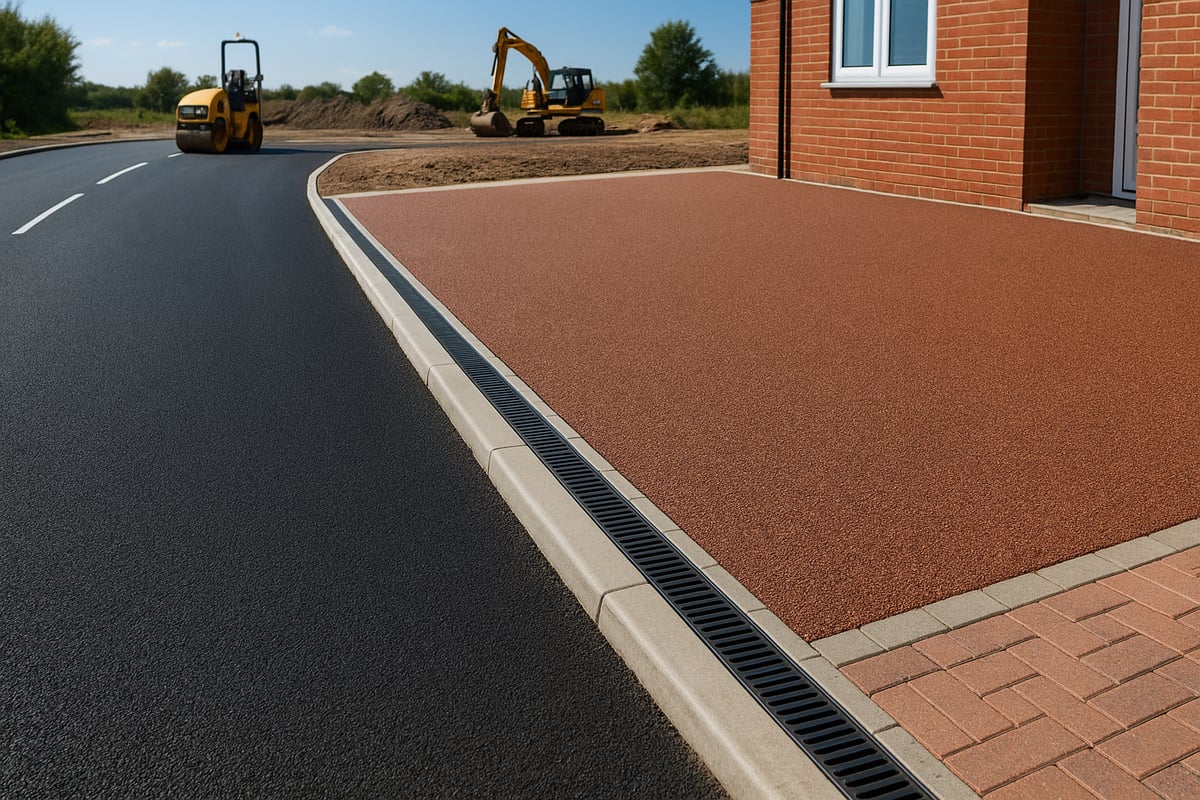
Highways surfacing driveways projects cover both public roads and private access routes, each with unique demands. Highways are designed for heavy, continuous traffic, while driveways serve lighter, more variable loads. Both require a layered construction: sub-base for strength, base for support, binder for cohesion, and surface course for durability and safety.
The primary functions of these layers are to distribute loads, resist weathering, and provide a safe, smooth surface. For a detailed look at the methods and processes involved, you can explore Highways and road surfacing methods.
Common Surfacing Materials in 2026
Selecting the right material for highways surfacing driveways is crucial for performance and longevity. Asphalt remains the dominant choice for highways, with over 90 percent of UK roads using it as of 2024. Driveways, on the other hand, are increasingly adopting resin-bound and block paving solutions for their aesthetic and permeability benefits.
| Material | Pros | Cons | Typical Use |
|---|---|---|---|
| Asphalt | Durable, cost-effective | Can crack, heat softens | Highways, driveways |
| Tarmac | Quick to lay | Less flexible | Roads, car parks |
| Concrete | Long lifespan | Higher upfront cost | Commercial driveways |
| Resin-bound | Permeable, decorative | Needs skilled install | Domestic driveways |
| Block paving | Flexible design | Maintenance needed | Paths, driveways |
Emerging Trends
Innovation in highways surfacing driveways is gathering pace. Recycled materials and low-carbon binders are now widely used, helping to reduce environmental impact. Permeable surfacing is gaining traction, especially in urban areas where sustainable drainage systems (SuDS) are a regulatory requirement.
Smart surfacing technologies, such as embedded sensors and solar panels, are being trialled to monitor road health and generate renewable energy. These trends signal a shift towards eco-friendly, intelligent infrastructure.
Factors Influencing Surfacing Choices
When planning highways surfacing driveways, several factors must be considered. Traffic volume and load dictate material strength and thickness. The UK's varied climate influences drainage and freeze-thaw durability. Budget constraints often determine material selection and maintenance plans.
Regulatory and planning requirements, especially for public spaces, are increasingly strict, focusing on safety, accessibility, and sustainability. Local authorities and homeowners alike must balance these considerations to achieve lasting results.
Challenges and Opportunities
The prevalence of potholes remains a challenge, with over 1.7 million repairs reported in the UK during 2023. Balancing longevity with upfront costs is a common debate. New materials and construction techniques offer opportunities to reduce maintenance and improve resilience, but require careful assessment and skilled installation.
Sustainability targets and climate adaptation are pushing the industry to innovate, creating both challenges and opportunities for future projects.
Case Example and Key Insights
A recent example involves a local authority adopting permeable asphalt for residential streets to mitigate flooding risks. This approach not only addresses immediate drainage concerns but also meets the latest SuDS regulations.
The key takeaway for highways surfacing driveways is clear: matching the surfacing type to its intended use and site conditions is essential. With the growing preference for sustainable and future-proof solutions, informed choices will shape the durability and cost-effectiveness of both highways and driveways in the years ahead.
Step-by-Step Guide to Highways and Driveways Surfacing Projects
Embarking on a highways surfacing driveways project requires careful planning, precise execution, and expert oversight. Each step in the process builds the foundation for a durable, long-lasting surface that meets both functional needs and regulatory demands.
Whether you are a property owner, developer, or local authority, understanding the step-by-step approach ensures every highways surfacing driveways project delivers value and longevity. Let us walk through each critical phase, highlighting best practices and key considerations for 2026.
1. Initial Assessment and Planning
Every successful highways surfacing driveways project starts with a comprehensive site assessment. Surveyors evaluate ground conditions, drainage patterns, and access points. Defining the project scope, including surface area, intended use, and traffic load, is essential for accurate planning.
Budget estimation and timeline scheduling follow, considering material costs, labour, and weather contingencies. Securing regulatory permissions is vital, especially for public highways. For example, understanding the Section 278 roadworks explained process helps ensure compliance with local authority requirements.
Early engagement with stakeholders and clear communication set the stage for a smooth highways surfacing driveways project, reducing the risk of costly delays.
2. Excavation and Sub-Base Preparation
The excavation phase involves removing the existing surface, vegetation, and debris to expose a stable foundation. Proper excavation is critical, as any remaining soft spots can compromise the highways surfacing driveways structure.
Selecting the right sub-base material is key. MOT Type 1 is standard for strength, while Type 3 offers permeability for SuDS compliance. Each layer is compacted to strict standards, ensuring uniform support and preventing future settlement.
Attention to drainage at this stage is crucial. Poorly managed water can undermine the entire highways surfacing driveways system over time.
3. Edge Restraints and Kerbing
Edge restraints and kerbing provide stability and a professional finish to highways surfacing driveways. These elements prevent lateral movement, support load distribution, and define the boundaries of the paved area.
Choices include concrete, stone, or recycled plastic kerbs, each with unique advantages. Installation requires precision, as misaligned kerbs can lead to uneven surfaces or premature edge failure.
Best practices involve setting kerbs on a solid bed, ensuring correct alignment, and allowing adequate curing time. This step enhances both the durability and appearance of highways surfacing driveways.
4. Base and Binder Course Installation
The base and binder courses form the structural core of highways surfacing driveways. The base layer, often made from dense aggregate, distributes loads and resists deformation. The binder course, typically a bituminous mix, provides flexibility and binds the structure together.
Thickness and compaction are dictated by traffic volume and site conditions. Quality control checks at this stage, such as measuring compaction and material consistency, are vital for achieving a robust highways surfacing driveways result.
Properly installed base and binder courses not only extend lifespan but also improve safety and performance.
5. Surface Course Application
The surface course is the visible, functional layer of highways surfacing driveways. Choices include asphalt for highways, resin-bound or block paving for driveways, each offering distinct benefits.
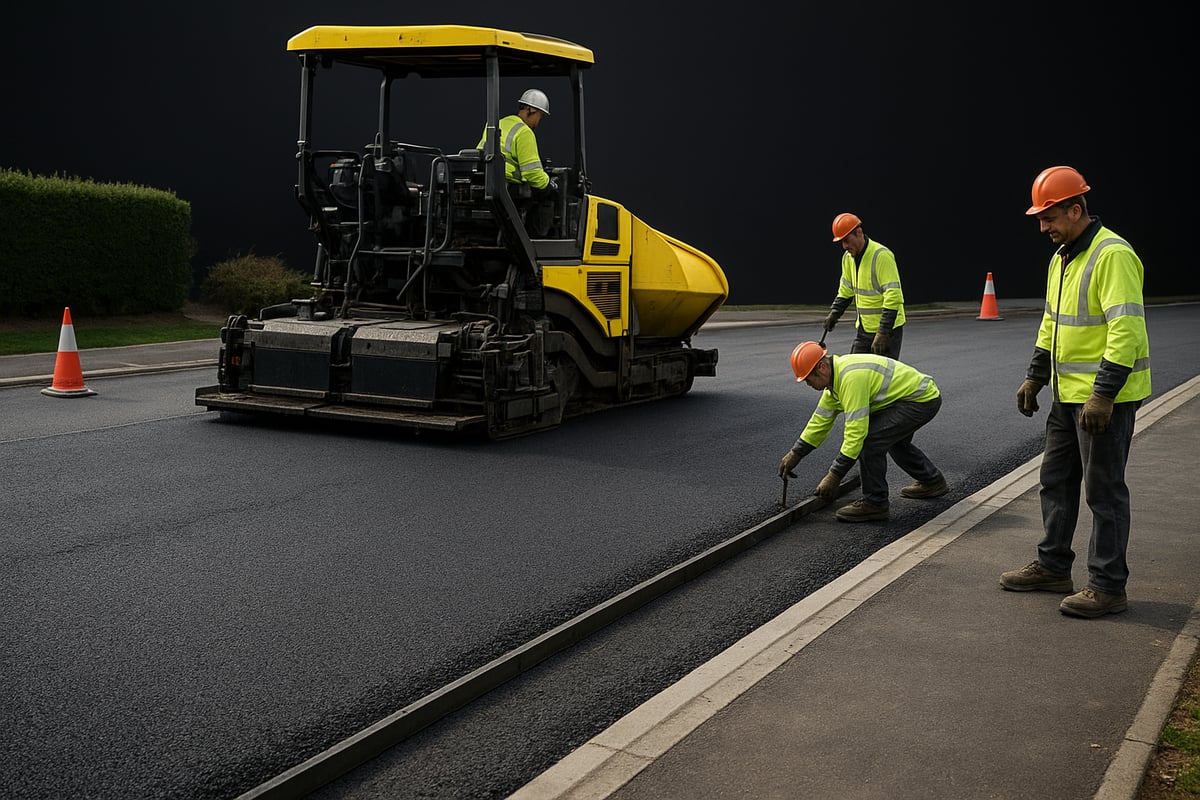
Laying techniques focus on achieving a smooth, even finish. Temperature and weather conditions must be optimal to ensure proper curing and bonding. For highways surfacing driveways, specialist equipment and skilled operatives are essential for consistent results.
The correct choice and application of the surface course directly influence durability, appearance, and safety.
6. Finishing Touches and Markings
Final details set highways surfacing driveways projects apart. Line marking, anti-skid coatings, and decorative finishes enhance functionality and aesthetics. Drainage channels and access covers are installed to maintain performance and compliance.
Attention to these finishing touches ensures highways surfacing driveways not only look professional but also meet regulatory and safety standards. Every detail, from clear markings to well-fitted drainage, contributes to the long-term success of the project.
7. Final Inspection and Handover
The last step is a thorough inspection. A snagging list identifies any defects or incomplete items. Quality assurance checks confirm the highways surfacing driveways meet all standards.
A maintenance schedule is provided at handover, outlining routine care to maximise lifespan. Typical project timelines vary: a standard driveway may take 3–5 days, while a highway section could require 1–2 weeks depending on scale.
Following each step methodically ensures highways surfacing driveways projects deliver safe, durable, and cost-effective results, reducing the risk of premature failure.
Innovations and Technologies Transforming Surfacing in 2026
The world of highways surfacing driveways is evolving rapidly as we move into 2026. Innovations in materials, technology, and automation are redefining how projects are planned, delivered, and maintained. These advancements not only support greater sustainability but also offer smarter, more resilient solutions for the demands of modern infrastructure.

Sustainable Materials and Green Solutions
Sustainability sits at the heart of highways surfacing driveways innovation in 2026. Warm-mix asphalt, which can reduce carbon emissions by up to 30%, is increasingly specified for both highways and driveways. Recycled aggregates and bio-based binders further support a lower environmental footprint without compromising performance.
Forward-thinking projects are now guided by the need for resilience against climate change and regulatory pressures. The use of low-carbon materials is not only a trend but an expectation, as highlighted in recent discussions on highway network resilience and impact of low carbon technologies. These changes are shaping procurement decisions and setting new standards for the industry.
Permeable and Porous Surfaces
Permeable surfacing is transforming how highways surfacing driveways address urban drainage and flood prevention. By allowing water to pass through the surface, permeable asphalt and resin-bound systems help mitigate runoff and reduce the risk of localised flooding.
Compliance with sustainable drainage system (SuDS) requirements is now standard for new developments, making these solutions essential. Homeowners and developers benefit from fewer drainage issues, while local authorities appreciate the long-term reduction in maintenance and infrastructure stress.
Smart Surfacing Technologies
The integration of smart technologies is revolutionising highways surfacing driveways. Embedded sensors within the pavement monitor traffic flow, temperature, and structural health in real time. This data-driven approach enables proactive maintenance and extends the service life of roads and driveways.
Solar roadways are also being trialled in pilot projects, offering the potential to generate renewable energy while providing a durable driving surface. While still in early stages, these innovations signal a shift towards truly intelligent infrastructure.
Machinery and Automation Advances
Advancements in construction machinery are enhancing both precision and speed in highways surfacing driveways. Automated paving equipment ensures consistent compaction and thickness, resulting in smoother and longer-lasting surfaces.
Drones now play a pivotal role in site surveys and progress monitoring. They provide accurate aerial data, streamline project management, and support quality assurance at every stage of construction.
Digital Project Management
Digital tools are reshaping how highways surfacing driveways projects are delivered. Building Information Modelling (BIM) is widely adopted for highways, providing detailed visualisations and real-time updates.
These platforms support collaboration between engineers, contractors, and clients, ensuring that quality and compliance are monitored throughout the project lifecycle. Real-time data tracking improves decision-making and reduces the risk of costly errors or delays.
Key Insights
The adoption of new technologies in highways surfacing driveways is extending lifespan, reducing maintenance costs, and supporting regulatory compliance. Investing in sustainable materials, smart monitoring, and digital project management is no longer optional but essential for future-ready infrastructure.
With regulatory incentives encouraging green and smart solutions, clients and contractors alike are positioned to benefit from resilient, cost-effective, and environmentally conscious surfacing outcomes.
Regulations, Standards, and Compliance for Surfacing Projects
Navigating the complex landscape of regulations is crucial for successful highways surfacing driveways projects. Compliance ensures not only the safety and durability of surfaces but also protects stakeholders from costly delays or fines. Understanding the evolving standards and how they apply to both public highways and private driveways is essential for anyone involved in surfacing works.
Key UK Regulations and Standards
The regulatory framework for highways surfacing driveways in the UK is extensive. Key standards include the Design Manual for Roads and Bridges (DMRB) for highways, BS EN 13108 for asphalt materials, and the British Standards for block paving and concrete surfaces. For driveways, local councils may require specific permissions, especially if access to the public highway is altered.
A vital part of modern compliance is adherence to sustainable drainage requirements. Since 2024, all new developments must meet National standards for sustainable drainage systems (SuDS), ensuring surface water is managed responsibly and flood risk is minimised.
Health, Safety, and Environmental Considerations
Health and safety are foundational in highways surfacing driveways projects. The Construction (Design and Management) Regulations 2015 set out clear roles and responsibilities for project teams. All operatives must be trained in safe handling of bituminous materials, and personal protective equipment is mandatory.
Environmental controls include measures to reduce noise, dust, and pollution during construction. Projects must follow best practices to prevent runoff into local waterways and protect surrounding habitats.
Permitting and Planning
Proper permitting is essential for highways surfacing driveways works. For highways, Section 278 and Section 38 agreements under the Highways Act 1980 grant permissions for works on public roads. Private driveways often require planning permission if they involve new access points or significant alterations, particularly in conservation areas.
Early engagement with local authorities streamlines approvals and avoids potential legal complications.
Quality Assurance and Testing
Quality assurance is critical to the longevity of highways surfacing driveways. Contractors routinely perform core sampling to verify material thickness, compaction testing to ensure stability, and skid resistance checks for safety. Third-party certifications and warranties are increasingly common, providing additional peace of mind for clients.
| Test Type | Purpose | Frequency |
|---|---|---|
| Core Sampling | Verify layer thickness | Project milestones |
| Compaction Testing | Ensure load capacity | Each layer |
| Skid Resistance | Safety compliance | Final inspection |
Accessibility and Inclusivity
Modern highways surfacing driveways projects must address accessibility. This includes installing tactile paving at crossings, providing dropped kerbs for wheelchair users, and ensuring surfaces are even and slip-resistant. These measures help create safer, more inclusive spaces for all road and pavement users.
Recent Regulatory Changes
The regulatory environment for highways surfacing driveways is dynamic. In 2024, updates to SuDS requirements placed greater emphasis on permeable surfaces and sustainable drainage in both public and private projects. Staying informed about such changes is vital for compliance and long-term success.
Early engagement with authorities and a commitment to meeting current standards ensure your surfacing project is future-proof and resilient.
Maintenance, Lifespan, and Cost Considerations
Regular maintenance is crucial for ensuring the longevity and performance of highways surfacing driveways. With the right approach, property owners and local authorities can maximise value, minimise unexpected costs, and keep surfaces safe for all users.
Routine and Preventative Maintenance
Adopting a proactive maintenance schedule is essential for highways surfacing driveways. Annual inspections help identify early signs of wear, such as surface cracks, weed growth, or drainage issues. Biannual cleaning, including removing debris and clearing drains, prevents water accumulation that can weaken the structure.
Routine tasks also include sealing cracks as soon as they appear and addressing weeds promptly. These simple actions extend the lifespan of both highways and driveways, reducing the risk of more costly repairs later. Preventative maintenance is especially important in the UK, where changing weather can accelerate surface deterioration.
Repair and Resurfacing Options
Despite best efforts, repairs are sometimes unavoidable for highways surfacing driveways. Common repair methods include patching small potholes, overlaying worn areas, or undertaking full resurfacing when damage is extensive. The choice depends on the severity and underlying causes of surface defects.
Patching typically costs between £50 and £100 per square metre, while full resurfacing may range from £120 to £180 per square metre. For those seeking more detail on solutions and costs, this guide on resurfacing companies near me provides helpful insights. Timely intervention not only restores appearance and safety but also prevents minor issues from escalating into major structural failures.
Lifespan Expectations by Material
The expected lifespan of highways surfacing driveways varies significantly by material and maintenance quality. Asphalt surfaces on highways often last 15 to 20 years, while driveways typically see 10 to 15 years of service. Resin-bound surfaces, when maintained properly, can also reach 15 to 20 years.
Concrete is known for its durability, with many installations lasting 20 to 30 years. Factors such as sub-base quality, drainage effectiveness, traffic loading, and weather exposure directly influence longevity. Selecting the right material for the intended use and committing to regular upkeep are the best strategies for maximising lifespan.
| Material | Highway Lifespan | Driveway Lifespan | Maintenance Level |
|---|---|---|---|
| Asphalt | 15–20 years | 10–15 years | Moderate |
| Resin-bound | 15–20 years | 15–20 years | Moderate |
| Concrete | 20–30 years | 20–30 years | Low to Moderate |
Cost Drivers, Budgeting, and Sustainability
Understanding the key cost drivers for highways surfacing driveways is vital for effective budgeting. Material choice, site access, project scale, and regulatory fees all play a part. A typical 50m² driveway project in 2025 can cost between £3,000 and £7,000, depending on specifications.
Long-term savings are achievable by investing in sustainable options, such as permeable asphalt, which can reduce maintenance and drainage costs. For a broader perspective on the importance of quality and maintenance, the latest road conditions in England to March 2025 highlights how proper surfacing impacts overall infrastructure costs. Proactive planning ensures both immediate value and long-term resilience.
Expert Recommendations and Future Outlook for Highways and Driveways Surfacing
Navigating the evolving landscape of highways surfacing driveways requires both technical knowledge and a forward-looking mindset. As 2026 approaches, property owners, developers, and local authorities face more choices and higher standards than ever before. Making informed decisions today will ensure resilient, cost-effective, and sustainable outcomes for years to come.
Selecting the Right Surfacing Solution
Choosing the correct material and design for highways surfacing driveways is crucial. Consider the intended use, local climate, and budget constraints before making a decision. For example, high-traffic roads may favour asphalt for its durability, while resin-bound surfaces provide aesthetic appeal and permeability for driveways.
A professional assessment ensures the surfacing is tailored to site-specific needs. Experts evaluate factors like sub-base condition, drainage, and anticipated load, minimising the risk of premature failure. Investing time in this planning stage pays dividends in longevity and reduced maintenance costs for highways surfacing driveways.
Preparing for Future Trends
Staying ahead of regulatory changes and sustainability requirements is essential. The UK is increasing demands for sustainable drainage and low-carbon materials, affecting all highways surfacing driveways projects. Integrating smart technologies, such as embedded sensors, can provide real-time data on surface condition and performance, supporting predictive maintenance.
To explore how technology is shaping the future, review the Road condition data and technology review: position paper, which highlights advancements in monitoring and standards. Proactive adaptation to these trends can future-proof investments and ensure ongoing compliance with highways surfacing driveways regulations.
Common Pitfalls and How to Avoid Them
Mistakes in highways surfacing driveways projects can lead to costly repairs or safety issues. Some frequent pitfalls include:
- Inadequate drainage, causing water pooling and surface damage.
- Weak or poorly compacted sub-base, leading to subsidence or cracks.
- Failure to secure permits or comply with local standards.
- Using unsuitable materials for the site’s requirements.
Learning from real-world examples, such as projects halted for regulatory non-compliance, illustrates the importance of thorough preparation. Avoiding these errors ensures a smooth, durable finish for all highways surfacing driveways.
The Role of Professional Contractors
Engaging accredited, experienced specialists is vital for quality outcomes in highways surfacing driveways. Professional contractors bring technical expertise, up-to-date knowledge of regulations, and access to advanced equipment.
When selecting a contractor, consider the following:
- Review accreditations and industry memberships.
- Check client testimonials and completed projects.
- Request detailed quotes and timelines.
- Ensure clear communication and transparent processes.
For those in the North East, a Driveway surfacing company North East can offer local expertise and tailored solutions for highways surfacing driveways, reinforcing the value of working with trusted professionals.
JRG Civils Ltd: Your Partner for Expert Surfacing Solutions
JRG Civils Ltd stands out as a leader in highways surfacing driveways across the UK. Their portfolio spans commercial and residential projects, demonstrating versatility and commitment to quality. The company holds industry accreditations and follows best practices in health, safety, and environmental management.
Clients benefit from free, no-obligation quotes and bespoke designs, ensuring each highways surfacing driveways project meets exact specifications. JRG Civils Ltd’s dedication to customer satisfaction and innovative techniques makes them an ideal partner for future-ready surfacing solutions.
Future-Proofing Your Investment
To maximise the value and lifespan of highways surfacing driveways, consider resilience to climate change and evolving usage patterns. Build in robust drainage, select materials with proven durability, and factor in lifecycle environmental impacts.
Tips for future-proofing include:
- Specify permeable or recycled materials where feasible.
- Plan for easy access to utilities and future upgrades.
- Schedule regular inspections and preventative maintenance.
By balancing upfront investment with long-term performance, highways surfacing driveways can withstand future demands and deliver sustainable value.
Key Insights
Combining expert guidance, innovative materials, and rigorous standards is the cornerstone of successful highways surfacing driveways projects. Staying informed, choosing the right partners, and planning for tomorrow ensures every project is built to last.