Imagine stepping into a city where every street, park, and plaza welcomes you to connect, relax, and thrive. Across the UK and beyond, public realm development in 2026 is transforming urban life, making these inspiring spaces a reality for everyone.
This guide will show how innovative approaches are shaping more inclusive, resilient, and engaging city environments. Whether you are a planner, developer, or community leader, understanding public realm development is essential for creating places that truly work for people.
We will explore what defines the public realm, why it matters, the latest trends, step-by-step development processes, design principles, ways to involve stakeholders, sustainability strategies, and the challenges ahead. Ready to reimagine your city’s future?
Understanding the Public Realm in 2026
Public realm development is at the heart of creating vibrant, accessible, and resilient cities. In 2026, the way we design and manage shared spaces continues to evolve, shaping the daily experience of millions. But what exactly is the public realm, and why does it matter more than ever?
What is the Public Realm?
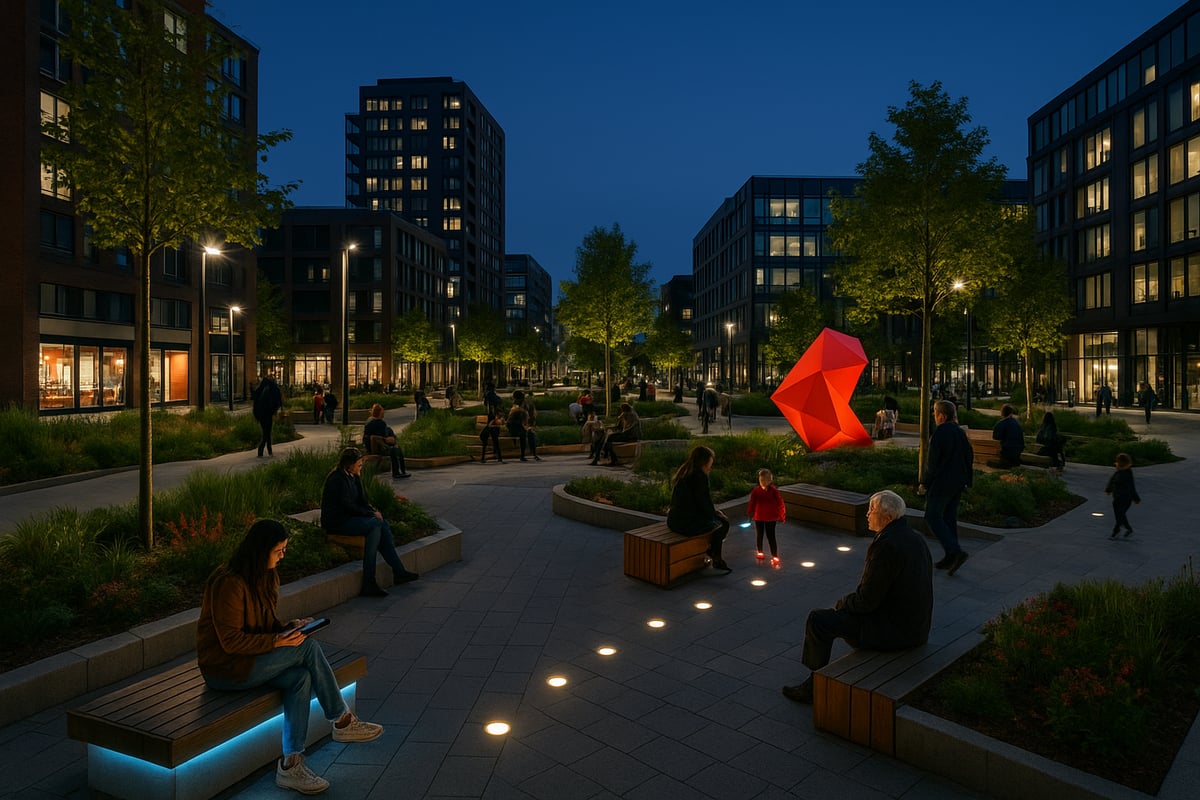
The public realm includes all spaces in a city that are open and accessible to everyone. Think of bustling streets, leafy parks, lively plazas, and shared communal areas. These differ from private spaces, as the public realm welcomes all, regardless of background or purpose.
Over the past decade, public realm development has transformed, responding to new social, environmental, and technological demands. Iconic examples include London’s Trafalgar Square and New York’s High Line, both demonstrating how shared spaces can shape a city’s identity.
Key functions of the public realm are diverse:
- Social: Encourages interaction and connection
- Cultural: Hosts events and celebrates heritage
- Economic: Drives footfall and supports businesses
- Environmental: Delivers green infrastructure and biodiversity
This evolution highlights how public realm development serves as a foundation for inclusive, thriving cities.
Why Public Realm Matters
A well-designed public realm is crucial for community wellbeing. Access to quality spaces boosts mental health, offering places for relaxation, exercise, and socialising. The economic impact is significant too. Local businesses see increased footfall, while attractive environments raise property values and foster investment.
Social cohesion is another outcome, as inclusive public realm development ensures accessibility for all, reducing barriers and promoting equality. Environmentally, green spaces and sustainable features improve air quality and support urban wildlife.
Consider this: studies reveal that well-designed public spaces can increase local economic activity by up to 20%. Clearly, public realm development is not just about aesthetics, but measurable community benefits.
Key Trends Shaping 2026
Public realm development in 2026 is defined by several forward-thinking trends. Technology is a major driver, with smart benches, public Wi-Fi, and interactive installations becoming standard. Flexible, post-pandemic designs allow spaces to adapt quickly to new uses or social distancing needs.
Climate resilience is a priority, with urban greening and flood mitigation strategies embedded into plans. Inclusive design has moved beyond compliance, actively catering for all ages and abilities. London’s pedestrianisation projects, for instance, have boosted walkability and community interaction.
A recent analysis found that 65% of UK councils are increasing investment in public realm improvements. Innovative approaches, such as those discussed in Pathways to an Outcomes-Based Public Realm, emphasise measurable social, environmental, and economic benefits. These trends ensure public realm development remains responsive to changing needs and expectations.
Challenges and Opportunities
Despite progress, public realm development faces notable challenges. Funding constraints require creative financing, such as mixed public and private investment. Balancing historic character with modern requirements is complex, particularly where heritage assets are involved.
Managing competing interests—transport, commerce, recreation—demands thoughtful negotiation. Yet, opportunities are growing for community-led design, where residents shape their environment directly.
A standout example is Glasgow’s transformation of its public realm through grassroots initiatives, demonstrating how local stewardship can drive successful outcomes. Overcoming these challenges ensures public realm development continues to deliver value, resilience, and inclusivity for all.
Step-by-Step Guide to Public Realm Development
Delivering successful public realm development requires a clear, methodical process from vision to long-term management. Each step builds upon the last, ensuring that spaces are inclusive, sustainable, and loved by communities. Below, we break down the essential phases to help planners and stakeholders create vibrant, resilient public spaces for 2026 and beyond.
Step 1: Visioning and Needs Assessment
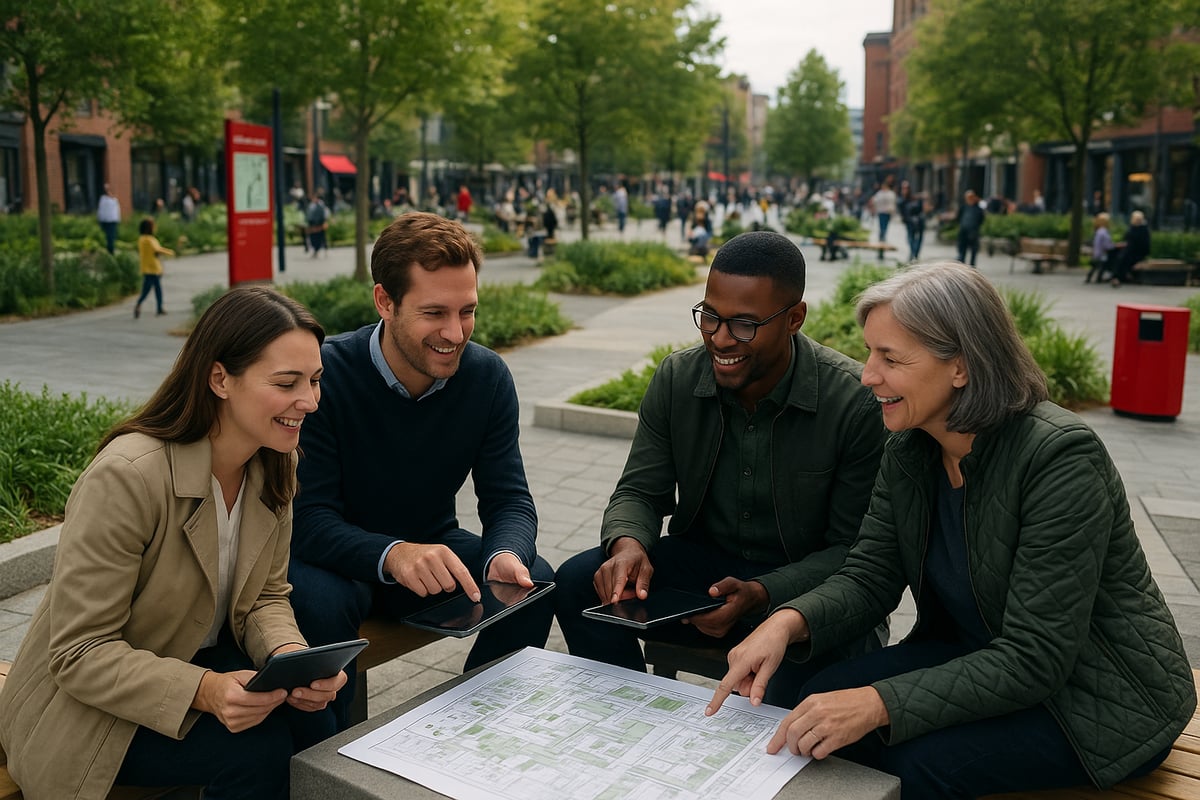
The foundation of effective public realm development is a shared vision rooted in local needs. Engaging stakeholders early—councils, residents, and businesses—builds consensus and trust. Use surveys, interactive workshops, and digital tools to gather insights and aspirations.
For example, Newcastle’s “City Futures” initiative harnessed digital engagement and participatory planning to shape its public realm. Seeking professional input at this stage can be invaluable; services like Public realm services in the North East offer expertise in facilitating visioning and consultation processes, ensuring every voice is heard.
This groundwork ensures public realm development responds to genuine community priorities.
Step 2: Masterplanning and Concept Design
Masterplanning translates vision into a cohesive spatial strategy. This phase of public realm development integrates transport links, green spaces, and social amenities into a unified plan. Prioritise connectivity and accessibility for all users.
Digital tools such as 3D modelling and virtual walkthroughs help visualise proposed layouts, enabling stakeholders to explore options before construction. Collaborative workshops allow feedback from the community and technical teams.
A successful masterplan balances ambition with practicality, paving the way for detailed design with clear objectives and measurable outcomes.
Step 3: Securing Funding and Approvals
Securing funding is a pivotal stage in public realm development. Projects often draw on a mix of public grants, private investment, and partnership funding. Crafting a compelling business case, backed by data and clear benefits, increases the likelihood of support.
Navigating local planning permissions and environmental assessments is essential. Understanding regulatory frameworks helps prevent costly delays. Notably, 40% of UK public realm projects rely on mixed funding streams, reflecting the sector’s adaptive financial approach.
Transparent approval processes help maintain momentum and stakeholder confidence throughout the project.
Step 4: Detailed Design and Specification
This phase refines every detail of public realm development, from materials to maintenance. Selecting durable, sustainable materials ensures longevity and reduces lifecycle costs. Aesthetic choices should reflect local character and enhance user experience.
Inclusive features—such as tactile paving, comfortable seating, and effective lighting—make spaces accessible to all. Collaboration between landscape architects, engineers, and community groups shapes practical, attractive environments.
A focus on specification at this stage prevents issues later, supporting the delivery of high-quality public spaces.
Step 5: Construction and Implementation
Turning plans into reality requires careful management. Phased development strategies minimise disruption to daily life, keeping spaces partially open where possible. Adhering to health and safety standards is non-negotiable in public realm development.
Robust project management, regular site inspections, and quality control safeguard outcomes. Manchester’s St. Peter’s Square demonstrates the success of phased redevelopment, maintaining access while transforming the space.
Clear communication with the public during construction builds goodwill and anticipation for the finished result.
Step 6: Activation and Ongoing Management
The final step in public realm development is activating and sustaining the space. Programming events, markets, and performances brings life to new environments. A long-term maintenance plan, with dedicated funding, preserves quality and safety.
Community stewardship models encourage local involvement, fostering pride and care for the space. Research shows actively managed public realms see a 30% increase in use, highlighting the value of ongoing engagement and oversight.
Regular reviews and adaptive management ensure the public realm continues to meet evolving community needs.
Core Principles of Successful Public Realm Design
Designing exceptional public spaces in 2026 relies on a set of core principles that ensure each environment is welcoming, functional, and future-ready. By adhering to these principles, public realm development can deliver spaces that thrive socially, economically, and environmentally.
Placemaking and Identity
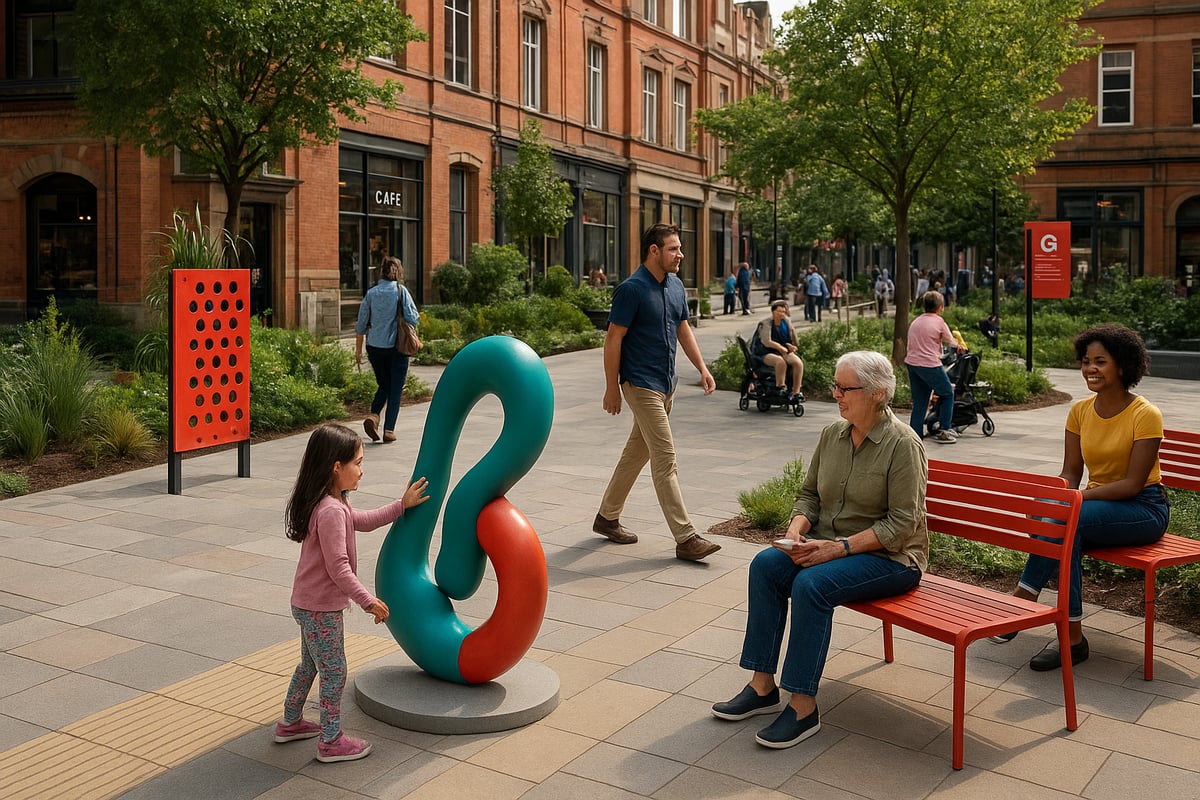
Successful public realm development begins with placemaking, creating spaces that reflect local culture and foster a strong sense of identity. Distinctive features, such as public art, unique landscaping, and references to local history, make each space memorable.
Landmarks like Gateshead’s Angel of the North illustrate how art can become a symbol of place. Community input ensures authenticity, while placemaking toolkits, for example, the Placemaking Toolkit for Wales, provide valuable frameworks for shaping public realm development.
By celebrating heritage and encouraging community pride, placemaking adds lasting value to urban environments.
Accessibility and Inclusivity
For public realm development to be genuinely successful, it must be accessible to everyone, regardless of age or ability. Step-free routes, clear and legible signage, and sensory features ensure all users can enjoy public spaces independently.
Incorporating the requirements of the Equality Act 2010, designers address both visible and invisible disabilities. Tactile paving, accessible seating, and inclusive play areas are now standard features. Birmingham’s city centre redevelopment offers a strong example of prioritising inclusivity at every stage.
A commitment to accessibility strengthens community cohesion and opens opportunities for all.
Safety and Security
Safety is a cornerstone of effective public realm development. Applying Crime Prevention Through Environmental Design (CPTED) principles reduces antisocial behaviour while supporting comfort and openness.
Key features include well-lit pathways, clear sightlines, and natural surveillance from surrounding buildings. Data shows that well-lit public spaces can reduce incidents of antisocial behaviour by 20 percent. Balancing security with accessibility and hospitality is essential for vibrant urban life.
Thoughtful design reassures users and encourages regular use, making spaces safer through increased activity.
Sustainability and Biodiversity
Modern public realm development integrates sustainability at every stage. Urban greening, such as tree planting, rain gardens, and green roofs, supports biodiversity and improves air quality.
Sustainable drainage systems (SuDS) help manage surface water and reduce flood risks. Sheffield’s Grey to Green corridor demonstrates how green infrastructure transforms former grey spaces into thriving habitats.
Designs that prioritise pollinators, local wildlife, and climate resilience ensure public spaces remain healthy and attractive for years to come.
Flexibility and Adaptability
Flexibility is crucial in public realm development, allowing spaces to evolve with changing community needs. Movable furniture, pop-up installations, and multi-purpose infrastructure enable rapid adaptation for events, markets, or seasonal shifts.
London’s Southbank, with its pop-up markets and adaptable spaces, showcases this principle in action. By planning for flexibility, designers future-proof public spaces, ensuring they remain relevant and lively.
Adaptable designs maximise the value and utility of every public realm development project, supporting long-term success.
Stakeholder Engagement and Community Involvement
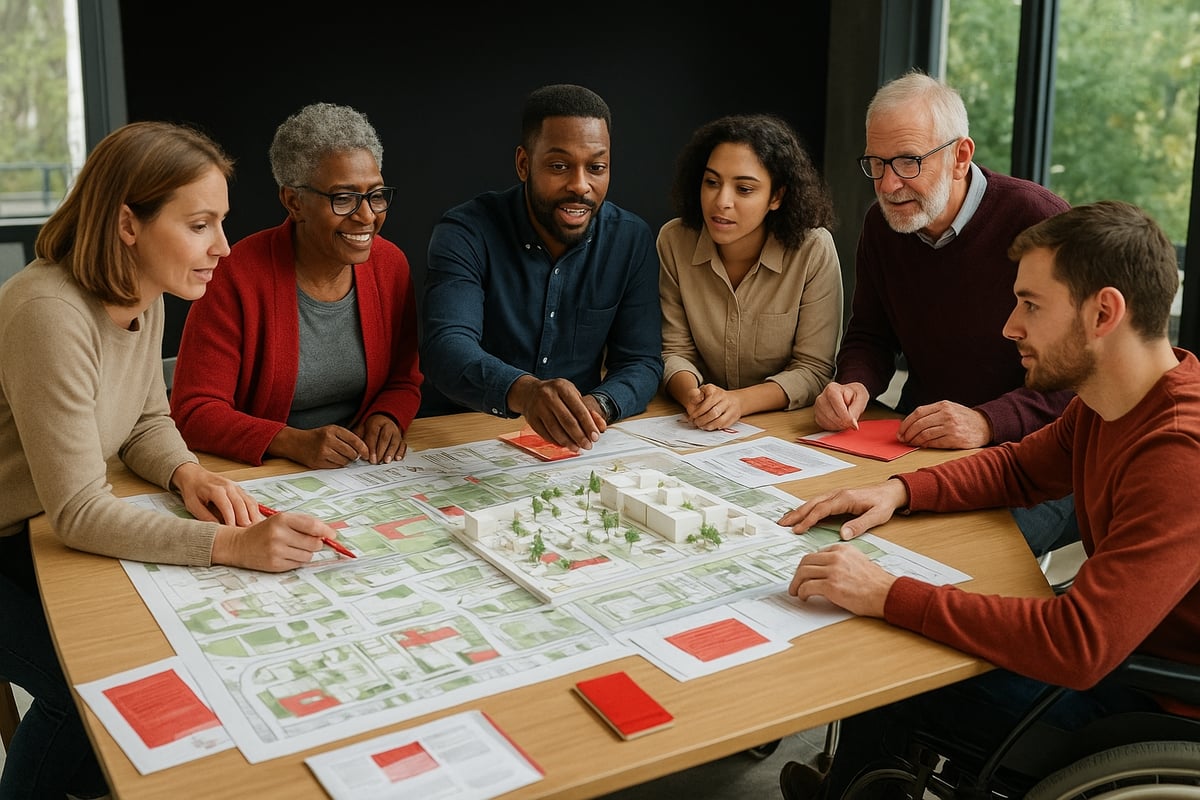
Stakeholder engagement is fundamental to effective public realm development. Meaningful involvement ensures that new and revitalised spaces genuinely reflect community needs, foster a sense of ownership, and deliver lasting value. When planners, local authorities, businesses, and residents collaborate from the outset, projects are more likely to succeed and enjoy ongoing support.
Importance of Collaboration
Public realm development thrives on strong partnerships between key stakeholders. Local councils provide strategic vision, while developers bring technical expertise and resources. Businesses offer insights into economic impact, and residents contribute lived experience and local knowledge.
Early and continuous engagement builds trust and ensures plans align with community aspirations. By establishing a shared vision, stakeholders can resolve potential conflicts, streamline decision-making, and create spaces that are both functional and meaningful. For example, Bristol’s community-led street redesigns have demonstrated that inclusive collaboration leads to innovative, well-used public places.
Methods of Engagement
A variety of methods are used to involve communities in public realm development. Public consultations and charrettes give stakeholders a voice in shaping proposals. Digital platforms, such as interactive maps and online surveys, enable broader participation and real-time feedback.
Inclusive outreach is essential, especially for groups that may be underrepresented. Creative approaches like art workshops and pop-up events can spark interest and generate fresh ideas. Projects with robust engagement strategies often report satisfaction rates up to 25 percent higher, reflecting the value of diverse input and active participation.
Overcoming Barriers to Participation
Barriers to effective engagement can limit the success of public realm development. Language differences, mobility challenges, and limited digital access may exclude some residents from the process. Addressing these issues is vital for equitable outcomes.
Providing translated materials, accessible venues, and alternative feedback channels helps to bridge gaps. Incentives, such as vouchers or recognition, can motivate involvement. Transparent feedback loops, where participants see how their input shapes decisions, further encourage sustained engagement. Edinburgh’s multi-lingual approach to Leith Walk consultations is a strong example of overcoming such barriers.
Case Studies in Effective Engagement
Examining real-world projects reveals best practices and areas for improvement in public realm development. Glasgow’s “People Make Glasgow” campaign successfully mobilised residents to co-create city centre spaces, while Liverpool’s waterfront regeneration included youth councils to bring fresh perspectives.
Lessons from less successful efforts highlight the importance of ongoing dialogue and adapting engagement tactics. For those seeking further insights, the Newcastle public realm case studies showcase a range of approaches to community involvement and the outcomes achieved.
Integrating Sustainability and Climate Resilience
Creating sustainable and climate-resilient city spaces is now a core part of public realm development. Planners and designers are weaving environmental strategies into every stage, ensuring that urban areas can adapt and thrive in the face of climate change. Let us explore the practical methods shaping resilient public spaces in 2026.
Urban Greening and Nature-Based Solutions
Urban greening has become fundamental to public realm development. Planting more trees, creating green corridors, and introducing wildflower meadows all help cities combat the urban heat island effect. These nature-based solutions enhance biodiversity, improve air quality, and provide cooling shade.
Manchester’s City of Trees initiative illustrates how large-scale planting can transform grey spaces into living landscapes. Nature-based approaches also support pollinators and reconnect communities with local wildlife. According to Sustainable Development in Cultural Districts, integrating green infrastructure into cultural and civic districts boosts both environmental and social value.
Sustainable Drainage and Water Management
Water management sits at the heart of climate-ready public realm development. Sustainable drainage systems (SuDS) like permeable paving, swales, and rain gardens help to reduce flood risk and improve water quality.
Pilot projects across the UK have recorded a 50% drop in surface water run-off by using innovative SuDS techniques. Collaborating with local water authorities ensures that new public spaces are resilient to heavy rainfall and future-proofed against climate impacts. These systems not only boost function but also create attractive, multi-purpose landscapes for communities.
Low-Carbon Materials and Construction
Selecting low-carbon materials is now standard practice in public realm development. Recycled aggregates, locally sourced stone, and sustainably certified timber all help reduce the embodied carbon of new spaces.
Cities like Leeds are leading the way, using recycled materials in pavements and seating areas. Modular construction also supports flexibility and reduces waste. Lifecycle analysis tools make it easier to compare material impacts, ensuring that urban spaces are built to last with the lowest environmental footprint possible.
| Material Type | Carbon Impact | Typical Use in Public Realm |
|---|---|---|
| Recycled Aggregate | Low | Paving, sub-base |
| Local Stone | Medium | Walls, seating |
| Certified Timber | Low | Benches, decking |
Promoting Sustainable Mobility
Encouraging walking, cycling, and public transport is a key goal of public realm development. Pedestrian-first streets, protected cycleways, and accessible public transport links all help reduce car dependency and lower emissions.
Many city centres now include EV charging points and bike hire schemes as standard. Data shows that pedestrianisation can increase retail sales by 12 percent, proving that sustainable mobility benefits both the economy and the environment. Integrated planning ensures every journey is safer and more enjoyable for all users.
Monitoring and Measuring Impact
Ongoing evaluation is essential for effective public realm development. Post-occupancy surveys, environmental sensors, and biodiversity counts help track the real-world impact of new spaces.
Cities like London use real-time analytics to monitor air quality and footfall, adapting management strategies as needed. Following Public Realm and Lighting Design Guidance helps teams set clear benchmarks for performance, safety, and user satisfaction.
Regular monitoring ensures that sustainability commitments translate into tangible results, guiding future improvements and keeping public spaces vibrant and resilient.
Future Challenges and Innovations in Public Realm Development
Urban environments are evolving rapidly, and public realm development must keep pace. As we look to 2026 and beyond, planners face a unique set of challenges, from shifting lifestyles to technological disruption. Embracing innovation while overcoming these hurdles is key to creating resilient, vibrant spaces that serve diverse communities.
Adapting to Changing Urban Lifestyles
The way people live, work, and move within cities is undergoing a transformation. Remote work, flexible schedules, and the desire for accessible amenities are driving a shift towards hybrid public-private spaces. Public realm development must now prioritise adaptability, supporting everything from outdoor coworking to pop-up markets.
The "15-minute city" concept, piloted in Paris and now influencing local UK projects, aims to bring daily essentials within a short walk or cycle. Regional initiatives, such as Gateshead public realm developments, showcase how tailored solutions can respond to local needs. By embracing these trends, public realm development supports social connection and economic vitality.
Digital Transformation and Smart Spaces
Technology is reshaping public realm development at every stage. Cities are integrating IoT sensors, interactive lighting, and digital wayfinding to create responsive, engaging environments. Real-time data collection enables proactive maintenance and improved user experiences.
Milton Keynes is setting a benchmark with its smart city initiatives, leveraging connected infrastructure to enhance safety and accessibility. Integrating robust digital systems requires collaboration with experts in urban civil engineering solutions. As public realm development evolves, balancing technological advancement with privacy and security will remain a top priority.
Funding and Delivery Models
New funding approaches are essential to realise ambitious public realm development projects. Public-private partnerships, community investment, and crowdfunding are becoming increasingly common. Innovative mechanisms such as land value capture and social impact bonds help unlock additional resources.
By 2025, around 30% of new public realm development schemes are expected to use alternative funding models. Effective risk management and value engineering are vital for maximising returns. Drawing on expertise from civil engineering partners ensures projects remain viable and resilient, even in uncertain economic times.
Policy, Regulation, and Standards
Policy frameworks are evolving to support the next generation of public realm development. National and local standards now emphasise sustainability, accessibility, and safety. Updates to the National Design Guide for 2026 reflect these priorities, guiding planners and developers towards best practice.
Government incentives and streamlined planning reforms are helping accelerate progress. Regional examples, like the Gateshead public realm developments, illustrate how local authorities can set ambitious standards while respecting heritage. Compliance with accessibility and environmental regulations is crucial for long-term success.
Skills, Capacity, and Workforce Development
Delivering future-ready public realm development depends on a skilled workforce. However, shortages in landscape architecture, urban design, and civil engineering remain a concern. Upskilling and training programmes are essential to bridge these gaps.
Collaboration with educational institutions and industry bodies is helping to build capacity for the sector. Investment in workforce development ensures that the next generation of professionals can deliver innovative, sustainable public realm development across the UK.