The civil engineering sector is entering a new era, driven by rapid advances in technology, sustainability goals, and urban growth. Every civil engineering company faces mounting pressure to adapt and innovate in order to thrive in this evolving landscape.
Emerging trends like smart materials, digital construction techniques, and eco-friendly solutions are transforming the way infrastructure is designed and delivered. These developments present unique opportunities for forward-thinking entrepreneurs.
This article explores seven cutting-edge civil engineering company ideas set to make a difference in 2026. Each concept offers distinct advantages, innovative features, and the potential to shape the future of construction.
7 Innovative Civil Engineering Company Ideas for 2026
The civil engineering sector is at the forefront of transformation, offering immense opportunities for those ready to embrace new technologies and business models. As infrastructure demands evolve, a civil engineering company can stand out by focusing on innovation, sustainability, and digital solutions. Below are seven company ideas set to redefine the industry landscape in 2026.
1. Smart Infrastructure Monitoring Firms
A smart infrastructure monitoring civil engineering company leverages cutting-edge IoT sensors and AI analytics to revolutionise asset management. These firms install sensor networks on bridges, roads, and tunnels, capturing real-time data on structural health, load, and environmental conditions.
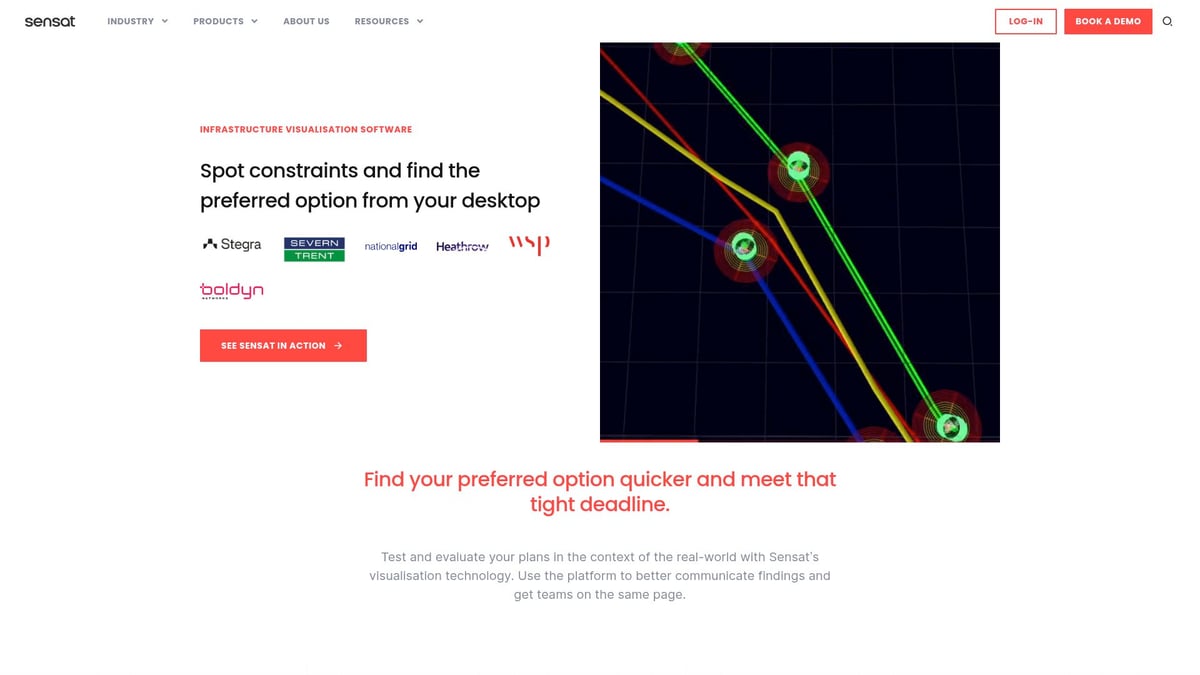
Through AI-driven analytics, clients receive predictive maintenance alerts, reducing downtime and extending infrastructure lifespan. The civil engineering company provides custom project-based pricing, with enterprise contracts typically starting at £10,000 per month.
Key features include:
- End-to-end digital twin creation for comprehensive asset visualisation
- Cloud-based dashboards for real-time monitoring
- Seamless integration with legacy systems, ensuring compatibility
The benefits for clients are clear. Reduced infrastructure downtime, optimised asset performance, and actionable insights enhance decision-making. These solutions particularly attract government agencies, transport authorities, and large facility managers.
Pros:
- Proactive issue detection minimises costly repairs
- Enhanced safety for public assets
- Long-term cost savings
Cons:
- High initial setup costs may deter smaller clients
- Data privacy and cybersecurity concerns require robust mitigation
A standout example is Sensat’s digital twin platform, currently deployed on major UK highway projects, demonstrating the tangible impact a forward-thinking civil engineering company can deliver.
2. Sustainable Urban Drainage Solution Providers
A sustainable urban drainage solutions civil engineering company addresses one of the most pressing urban challenges: managing surface water and flood risks. These firms specialise in permeable paving, rain gardens, green roofs, and bio-retention systems tailored to specific sites.
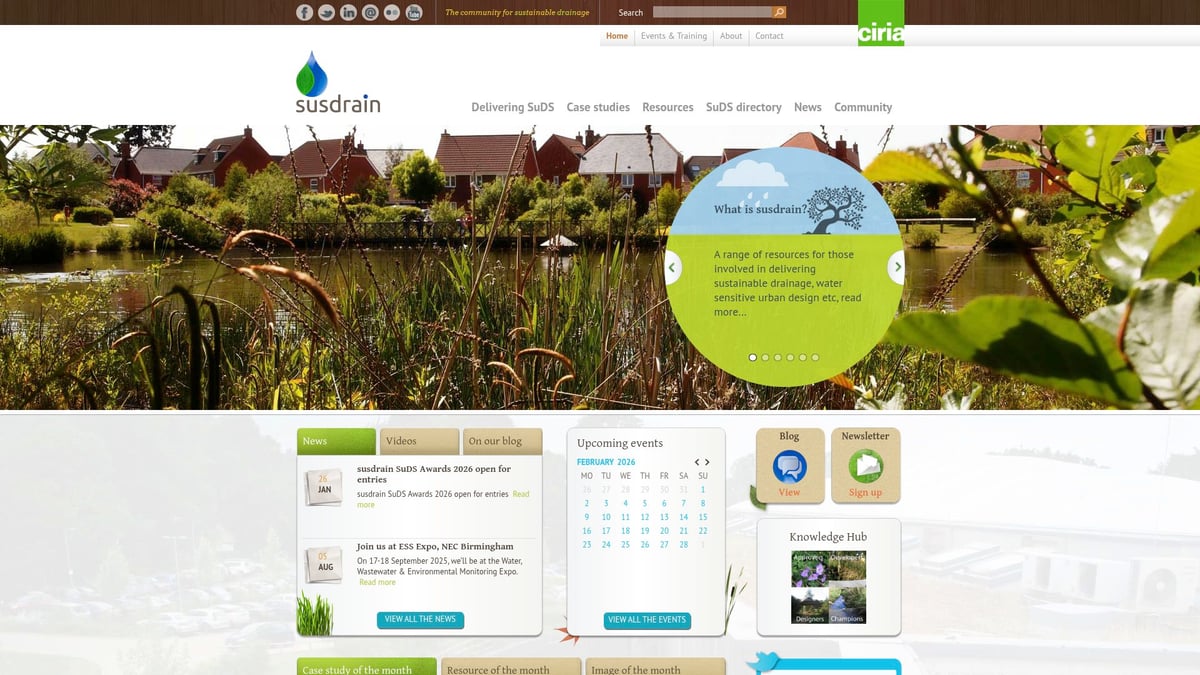
Custom site assessments ensure each project meets regulatory requirements and enhances local biodiversity. Typical installations start at £20,000 for small sites, with ongoing maintenance packages available. This approach not only reduces flood risk but also supports compliance with local authority mandates.
Unique selling points include:
- Bespoke designs for diverse urban environments
- Full regulatory support and documentation
- Maintenance contracts for long-term performance
The primary clients are local councils, commercial developers, and housing associations who must balance regulatory compliance with environmental goals.
Pros:
- Tangible environmental impact
- Enhanced community spaces
- Future-proofed against stricter regulations
Cons:
- Specialist knowledge required for design and installation
- Higher upfront costs compared to conventional drainage
SuDS projects in London boroughs have demonstrated a 30% reduction in surface water flooding, highlighting the effectiveness of this civil engineering company model.
3. Modular Bridge Construction Companies
A modular bridge construction civil engineering company transforms traditional project timelines with rapid, pre-fabricated solutions. By manufacturing bridge components off-site, these firms enable swift on-site assembly, drastically reducing traffic disruption and project costs.
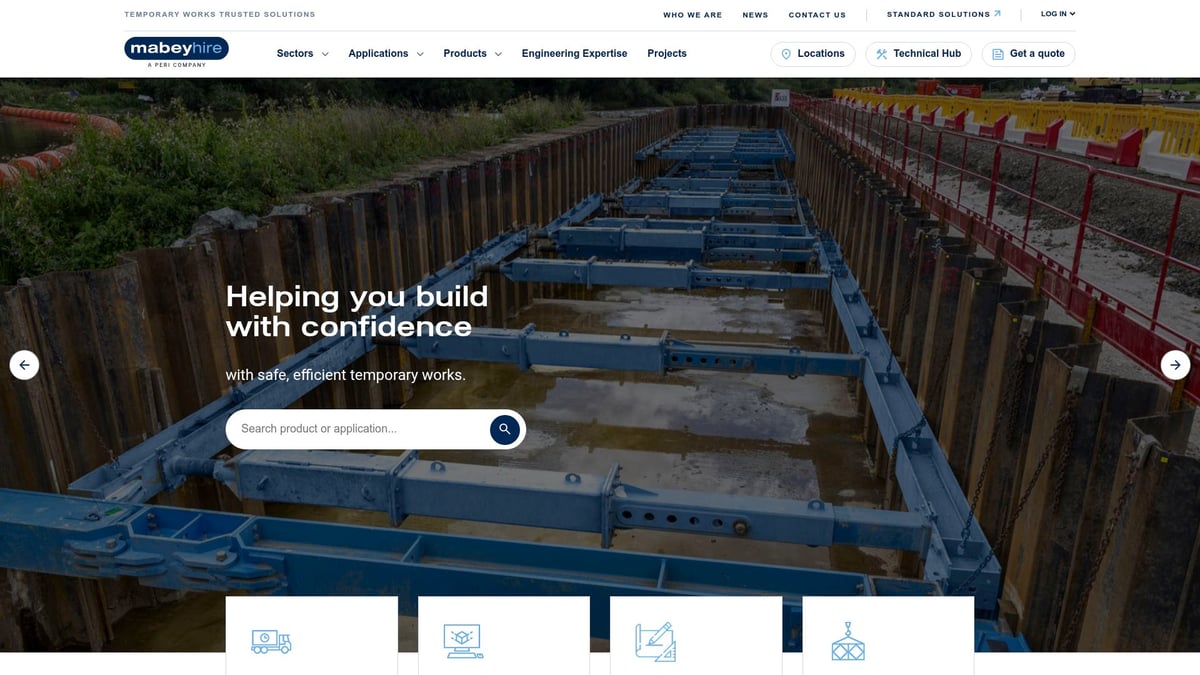
Bridges can be customised for span and load class, with prices starting from £50,000. Rental options provide flexibility for emergency or temporary needs. The civil engineering company ensures compliance with BS EN 1090 standards, fostering trust among local authorities and contractors.
Key USPs:
- Reusable modules for sustainability
- Scalable designs for diverse applications
- Logistics support for challenging sites
Target audiences include councils, emergency response teams, and contractors needing fast deployment.
Pros:
- Quick installation minimises public inconvenience
- Lower environmental impact from reduced site work
- Adaptable to a wide range of scenarios
Cons:
- Limited to specific bridge sizes and classes
- Transport logistics can be complex
A prime example is Mabey Hire’s deployment of modular bridges for UK flood relief. For more real-world applications, see these civil engineering project examples. This illustrates how a modular-focused civil engineering company can make a rapid, positive impact.
4. Digital Construction Management Platforms
A digital construction management civil engineering company harnesses BIM integration and augmented reality (AR) to streamline project delivery. These platforms offer real-time collaboration tools, AR headsets for on-site model visualisation, and cloud-based document management.
Licensing typically starts at £300 per user per month, making solutions scalable for projects of any size. The civil engineering company’s unique selling points include clash detection, instant updates, and seamless communication among stakeholders.
Key features:
- Real-time BIM integration for accurate planning
- AR-driven site walkthroughs to reduce errors
- Centralised cloud document repositories
Clients, such as project managers, architects, and civil engineering firms, benefit from reduced rework, greater transparency, and faster decision-making.
Pros:
- Enhanced project accuracy and efficiency
- Improved communication across teams
- Scalable for both small and major projects
Cons:
- Staff training required for adoption
- Some resistance to new technology in traditional settings
XYZ Reality’s platform, used on HS2, demonstrates how a digital-focused civil engineering company can revolutionise large-scale infrastructure projects.
5. Advanced Materials R&D Companies
An advanced materials R&D civil engineering company pioneers next-generation construction materials. By developing graphene-reinforced concrete, self-healing asphalt, and carbon-neutral composites, these firms address durability and sustainability challenges.
Projects are often bespoke, with pilot products starting from £50,000. The civil engineering company collaborates with academic partners for lab-to-site testing and holds patents on innovative formulas.
Unique selling points:
- Custom material solutions for unique challenges
- Rigorous testing protocols
- Opportunities for licensing and commercialisation
Target clients include major contractors, government innovation programmes, and research institutions.
Pros:
- Significant boost to infrastructure lifespan
- Reduced maintenance and lifecycle costs
- Enhanced environmental credentials
Cons:
- Long development cycles before commercial viability
- Navigating regulatory approval processes
Graphene Lab’s successful self-healing concrete trials on UK highways showcase how a research-driven civil engineering company can set new industry standards.
6. Civil Engineering Robotics & Automation Startups
A robotics and automation civil engineering company is at the cutting edge of construction innovation. These startups deploy robotic excavation, automated surveying, and drone-based site inspections to increase productivity and safety.

Equipment leasing starts from £2,000 per week, with full automation packages available on request. The civil engineering company integrates AI-powered robotics and remote operation capabilities with existing machinery, making transitions smoother for clients.
Key USPs:
- Scalable solutions for projects of any size
- Enhanced worker safety through exoskeletons and automation
- Continuous operation, reducing project timelines
Target audiences include large contractors, infrastructure owners, and mining companies seeking efficiency gains.
Pros:
- Significant productivity improvements
- Reduced labour costs and risks
- Adaptable to different site conditions
Cons:
- High capital investment needed
- Workforce reskilling and training essential
Ekso Bionics’ exoskeletons, now used to boost construction worker efficiency, highlight the potential for this civil engineering company model to transform the sector.
7. Net Zero Construction Consultancy Firms
A net zero construction consultancy civil engineering company offers expert guidance on reducing carbon footprints and meeting sustainability targets. These firms provide carbon assessments, net zero roadmaps, and procurement strategies tailored to each client’s operations.
Consultancy starts at £5,000 per project, with ongoing support packages to help clients achieve long-term ESG goals. The civil engineering company stands out with in-depth carbon auditing, supply chain optimisation, and staff training modules.
Key benefits:
- Achieve regulatory compliance and attract green funding
- Enhance reputation with stakeholders and investors
- Realise cost savings through sustainable practices
Target clients are developers, local authorities, and infrastructure investors committed to future-proofing projects.
Pros:
- Proactive approach to evolving regulations
- Long-term cost and resource savings
- Strong reputational advantage
Cons:
- Organisational buy-in and behaviour change required
- Complex data collection and reporting challenges
Zero Construct’s advisory work on UK hospital decarbonisation projects exemplifies the strategic value a sustainability-focused civil engineering company can provide.
Key Trends Driving Civil Engineering Innovation in 2026
The civil engineering company landscape is undergoing rapid transformation. New technologies, sustainability priorities, and urban growth are reshaping both challenges and opportunities. Understanding these key trends is vital for any civil engineering company aiming to remain at the forefront of the industry in 2026.
Digital Transformation and Smart Data
Digital tools are revolutionising how every civil engineering company manages projects and assets. The surge in Building Information Modelling (BIM), IoT sensors, and AI-driven analytics is enabling data-led decision making. This not only improves efficiency but also reduces cost overruns and maintenance issues. For a deeper look at these advancements, see Emerging trends in civil engineering for 2025. The UK’s National Digital Twin programme stands as a prime example of this data-centric shift.
Sustainability and Net Zero Mandates
Sustainability is now a core requirement for any civil engineering company. Government policies are pushing for low-carbon construction, circular economy practices, and green materials. In 2023, 42% of UK infrastructure projects included sustainability KPIs, reflecting the rising demand for eco-friendly solutions. Civil engineering company leaders must prioritise carbon footprint reduction and adopt net zero strategies to secure funding and regulatory approval.
Urbanisation and Infrastructure Upgrades
Accelerating urbanisation is driving significant investment in regeneration and smart city schemes. A civil engineering company must deliver resilient, adaptable infrastructure to support growing populations and changing needs. Recent projects, such as smart street lighting and traffic management in Manchester, demonstrate how technology and modern design are shaping vibrant, future-proof cities.
Labour Shortages and Automation
The civil engineering company sector faces a looming skills gap, as 25% of the UK construction workforce is projected to retire by 2030. This challenge is prompting rapid adoption of robotics, modular construction, and off-site manufacturing. Automation not only addresses labour shortages but also boosts productivity and safety, ensuring civil engineering company projects run efficiently despite workforce constraints.
Funding and Procurement Innovations
Securing funding is evolving for the modern civil engineering company. Public-private partnerships (PPPs) are becoming more common, allowing for larger, more ambitious projects. Digital procurement platforms now streamline tendering and supplier management, offering civil engineering company leaders greater transparency and speed in project delivery.
How to Start a Future-Proof Civil Engineering Company in 2026
Navigating the process of launching a future-proof civil engineering company requires a strategic blend of market insight, technical excellence, and strong business foundations. Entrepreneurs need to anticipate change and adapt swiftly to thrive in the evolving landscape.
Market Research and Opportunity Identification
Success begins with thorough market research. Assess both local and global infrastructure trends to identify where your civil engineering company can offer unique value. Look for underserved niches such as eco-drainage systems or AI-powered monitoring.
Study competitors and analyse regulatory shifts shaping demand. Utilise resources like industry reports and building and civil engineering insights to inform your strategy. By understanding the landscape, you position your civil engineering company to spot gaps and capitalise on emerging opportunities.
Building Technical Capabilities
A future-ready civil engineering company invests in advanced technologies and ongoing staff training. Embrace BIM, AR, and robotics to enhance productivity and reduce errors. Partner with tech providers and universities to access cutting-edge knowledge.
Offer continuous upskilling to your team, ensuring they remain proficient with new tools. This approach not only boosts your company’s expertise but also attracts forward-thinking clients seeking innovative solutions from a civil engineering company.
Compliance and Accreditation
Meeting industry standards is essential for any civil engineering company. Navigate UK regulations such as HSE requirements and secure accreditations like ISO, ConstructionLine, or SafeContractor. These certifications not only ensure legal compliance but also build trust with clients and partners.
Stay up to date with evolving safety and quality benchmarks. For a comprehensive overview of expectations, refer to this civil engineering services overview. Consistent compliance signals reliability and professionalism.
Business Model and Funding Strategies
Define a robust business model for your civil engineering company. Decide whether to focus on consultancy, product development, or a hybrid approach. Analyse funding options, including grants, innovation funds, and public-private partnerships.
Explore digital procurement platforms to streamline tendering and supplier management. A well-structured business model and secure funding avenues set your civil engineering company up for sustainable growth and resilience.
Marketing and Client Engagement
Building a strong digital presence is vital for a modern civil engineering company. Create an engaging website, showcase successful projects, and leverage industry networks. Use social media and thought leadership content to demonstrate expertise and attract clients.
Engage with potential clients through case studies and testimonials. By prioritising transparent communication and relationship-building, your civil engineering company can establish credibility and foster long-term partnerships.
The Future of Civil Engineering: Challenges and Opportunities
Civil engineering company leaders face a pivotal moment as the industry evolves at speed. The coming years will bring both significant challenges and exciting opportunities, especially for those ready to innovate and adapt. Success will depend on a strategic response to technology, sustainability, complexity, new business models, and global trends.
Adapting to Rapid Technological Change
The pace of digital transformation is reshaping every civil engineering company. New platforms, such as Building Information Modeling (BIM), Internet of Things (IoT) sensors, and artificial intelligence, are becoming essential for modern projects. Firms must continually upskill their teams to avoid falling behind.
Technological adoption is not only about efficiency, but also about staying relevant. Tools for AI-driven predictive maintenance are now critical for asset management. By integrating solutions like AI-driven predictive maintenance in civil engineering, companies can reduce downtime and improve safety. Embracing innovation will distinguish industry leaders from those left behind.
Meeting Sustainability and Regulatory Demands
The drive towards net zero and strict environmental standards means every civil engineering company must prioritise sustainable practices. Regulatory frameworks are evolving quickly, demanding accurate carbon reporting, responsible sourcing, and green construction techniques.
Those who invest in sustainable innovation can gain a competitive edge. Meeting and exceeding these requirements not only ensures compliance, but also attracts eco-conscious clients and investors. Firms that fail to adapt risk being excluded from lucrative public and private projects.
Managing Project Complexity and Risk
Modern infrastructure projects are more complex than ever. Multi-stakeholder involvement, integrated delivery models, and digital systems increase both opportunity and risk for every civil engineering company.
Ensuring robust data security and managing cyber-risk are now as important as traditional risk controls. Collaborative tools and clear communication channels help manage complexity, reduce costly errors, and keep projects on track. Integrated platforms and strong governance are the new foundation for success.
Capitalising on New Business Models
The civil engineering company landscape is changing with the rise of subscription-based services, modular construction, and asset-as-a-service models. These innovative approaches can provide consistent revenue and stronger client relationships.
For example, infrastructure monitoring as a managed service is gaining traction, offering clients ongoing value beyond project delivery. Embracing new business models requires a willingness to experiment and adapt, but it can unlock long-term growth and resilience.
Global Expansion and Export Opportunities
International markets offer significant growth potential for the forward-thinking civil engineering company. The UK's expertise in smart, sustainable engineering is in high demand abroad, particularly in regions such as the Middle East and Asia-Pacific.
Understanding global trends and tapping into civil engineering market growth projections can guide strategic expansion. Export success relies on local partnerships, cultural awareness, and the ability to tailor services to diverse infrastructure needs.