
As 2026 approaches, local authorities and contractors are navigating a new era of challenges and opportunities in the field of road resurfacing. Well-maintained roads are vital for keeping people safe, supporting efficient transport, and prolonging the life of our infrastructure.
With evolving techniques, advanced materials, and stricter compliance standards, staying informed is more important than ever. This guide is designed to empower you with the most current insights so you can make confident, informed choices for your upcoming projects.
Inside, you’ll find expert-backed advice on the latest trends, proven resurfacing processes, innovative technology, regulations, funding, sustainability, and what the future holds for road resurfacing in the UK.
The State of UK Roads and Why Resurfacing Matters
As we approach 2026, the state of the UK's roads remains a pressing concern for both local authorities and the public. Worn surfaces, rising maintenance backlogs, and shifting weather patterns all contribute to a complex landscape. Understanding these challenges is vital for anyone involved in road resurfacing, as each factor impacts the safety and efficiency of our transport networks.
Current Condition of UK Roads
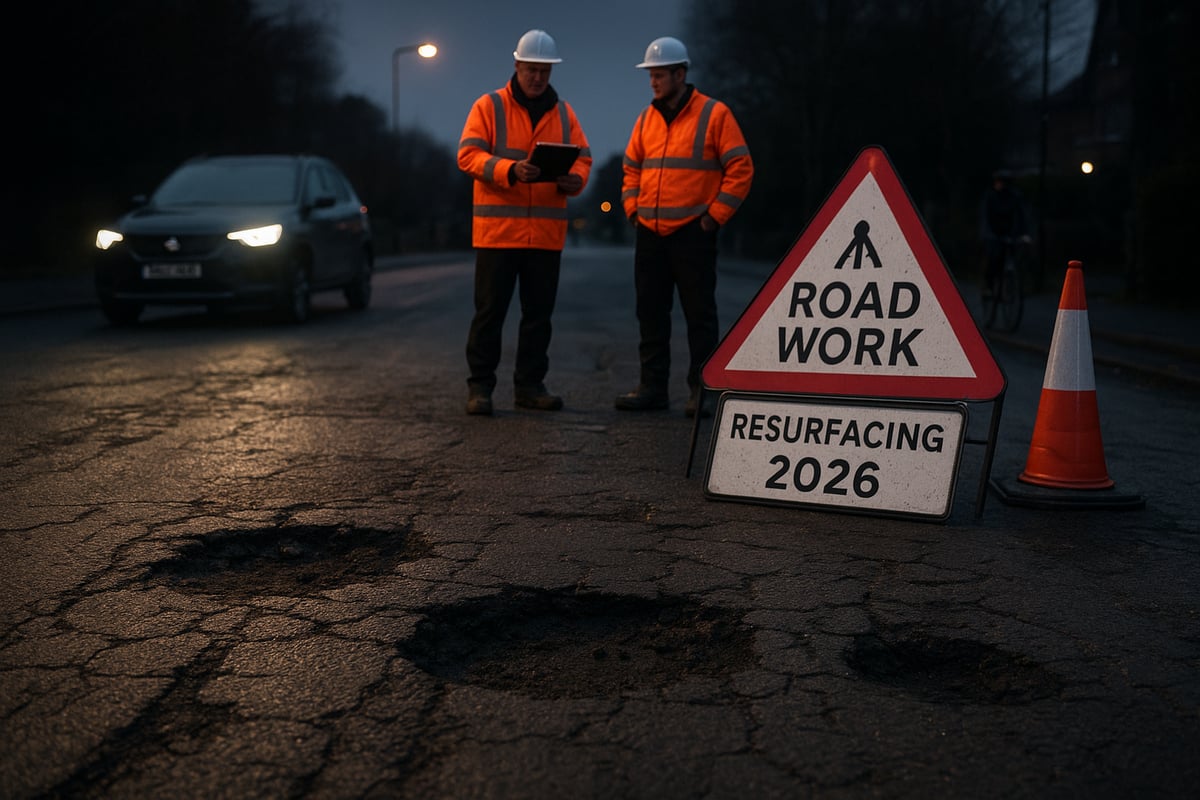
Across the UK, road surfaces are under significant strain. According to the Road conditions in England to March 2025, nearly one in five local roads now require urgent maintenance. Potholes, surface cracks, and rutting remain widespread, particularly after harsh winters and periods of heavy rainfall.
Local authority reports, such as those from Suffolk County Council, highlight recurring issues like deteriorating rural lanes and urban congestion hotspots. Climate change has only intensified these problems, with more frequent freeze-thaw cycles causing further road surface breakdown. Public dissatisfaction is rising, as demonstrated by a steady increase in complaints about road quality.
The need for effective road resurfacing has never been greater. Authorities must balance maintenance priorities with limited budgets, all while responding to adverse weather and growing public scrutiny. Regular surveys and condition assessments are essential to identify the worst-affected routes and plan timely interventions.
The Importance of Road Resurfacing
Road resurfacing plays a pivotal role in keeping the nation moving safely and efficiently. Well-maintained roads reduce accident risks for motorists, cyclists, and pedestrians alike. Smooth surfaces help prevent skidding and improve visibility of road markings, directly impacting safety.
Resurfacing also protects vehicles from costly damage. Tyre wear, suspension issues, and alignment problems are all less likely on well-kept roads. By extending the lifespan of existing carriageways, authorities can reduce the frequency and cost of major repairs.
A recent resurfacing project in the North East demonstrates these benefits. After targeted interventions, accident rates on treated sections dropped, while local businesses reported smoother deliveries and improved customer access. Investing in road resurfacing is not just about infrastructure, but also about supporting local economies and efficient transport.
In summary, regular road resurfacing is vital for reducing long-term maintenance costs, improving safety, and sustaining economic growth. Every well-executed project brings measurable benefits to communities across the UK.
Challenges Facing Road Maintenance in 2026
Looking ahead to 2026, road maintenance faces a difficult set of challenges. Financial constraints persist, with funding gaps widening as budgets struggle to keep pace with demand. Traffic volumes continue to rise, and the trend towards heavier vehicles adds extra pressure to already stressed surfaces.
Environmental regulations are becoming stricter, pushing contractors to adopt greener materials and methods. Labour shortages in civil engineering further complicate planning and execution, making it harder to deliver timely road resurfacing projects.
The combined effect of these factors means that authorities must innovate and adapt. From smarter planning to new materials, the sector will need every tool available to protect and enhance the UK’s critical transport links.
Road Resurfacing Methods and Processes Explained
Understanding the various road resurfacing methods is essential for anyone involved in managing, planning, or delivering road projects. Each approach has unique advantages, and selecting the right one can influence the safety, durability, and efficiency of the road network.

Overview of Resurfacing Techniques
Road resurfacing encompasses a range of techniques, each tailored to specific conditions and needs. Common methods include:
- Surface Dressing: Spraying bitumen and covering it with stone chippings. It seals surfaces, restores skid resistance, and is cost-effective for rural and low-traffic roads.
- Micro-Surfacing: Applying a thin, quick-setting mixture of bitumen, aggregate, and additives. Suitable for rapid maintenance on busy routes, it minimises downtime.
- Hot Rolled Asphalt (HRA): A traditional, durable mix ideal for high-traffic roads. It provides a robust surface but requires skilled installation.
- Thin Surfacing Systems: Modern alternatives using polymer-modified bitumen for flexibility and noise reduction, often used in urban settings.
- Full-Depth Reconstruction: Completely removing and rebuilding the road layers, typically reserved for severely damaged roads where other solutions are insufficient.
Selecting the appropriate road resurfacing technique depends on a thorough assessment of road type, usage, and long-term objectives.
Step-by-Step Guide to the Resurfacing Process
A successful road resurfacing project follows a systematic process to ensure quality and safety. The main steps are:
- Initial Assessment and Survey: Engineers evaluate the road’s current condition using visual inspections and digital tools.
- Planning and Scheduling: Works are scheduled to limit disruption, considering traffic patterns and local events.
- Site Preparation and Safety: The area is secured with barriers, signage, and temporary traffic controls to protect workers and the public.
- Removal of Old Surface: Existing materials are milled or planed to create a suitable base for new surfacing.
- Application of New Materials: Chosen materials are laid using specialised machinery, ensuring even coverage.
- Compaction and Finishing: Rollers compact the surface for strength and smoothness.
- Quality Control and Inspection: Inspections confirm the road resurfacing meets required standards before reopening to traffic.
Every stage demands attention to detail to achieve a durable, safe result.
Choosing the Right Method for Each Project
Selecting the optimal road resurfacing method relies on several key factors:
- Road Type: Urban roads often require thin surfacing for noise reduction, while rural roads may benefit from surface dressing.
- Traffic Load: Heavily trafficked roads need robust solutions like HRA or full-depth reconstruction.
- Budget: Surface dressing and micro-surfacing are more economical but may not suit all conditions.
| Technique | Best For | Pros | Cons |
|---|---|---|---|
| Surface Dressing | Rural/low-traffic | Cost-effective, quick | Not ideal for heavy traffic |
| Micro-Surfacing | Urban/busy roads | Fast, minimal disruption | Shorter lifespan |
| HRA | Highways/busy roads | Durable, long-lasting | Higher cost, skilled labour |
| Thin Surfacing Systems | Urban/quiet areas | Flexible, reduces noise | Moderate cost |
| Full-Depth Reconstruction | Severely damaged roads | Comprehensive, long-term | Expensive, time-consuming |
Innovations in materials, such as recycled aggregates and polymer-modified bitumen, are increasingly influencing method choices. For a broader overview of best practices, visit the Highways and road surfacing overview.
Minimising Disruption During Works
Reducing disruption is a core goal in modern road resurfacing projects. Effective strategies include:
- Public Communication: Advance notice through signage, websites, and local media keeps residents informed.
- Night-Time Works: Scheduling major phases overnight can reduce congestion and improve safety.
- Temporary Traffic Management: Using clear diversions, cones, and barriers helps maintain flow and protect road users.
- Efficient Project Management: Careful sequencing of tasks ensures work is completed swiftly and efficiently.
A recent project in Newcastle demonstrated how clear communication and phased night works enabled essential road resurfacing with minimal impact on daily commuters.
Proactive planning and stakeholder engagement are key to successful, low-disruption outcomes.
Technology and Innovation in Road Resurfacing
The landscape of road resurfacing in the UK is changing rapidly as technology and innovation drive progress. Staying ahead of these developments is vital for local authorities and contractors aiming for efficiency, sustainability, and long-term value.

Digital Tools and Smart Planning
Digital transformation is reshaping road resurfacing from initial surveys to project completion. Local authorities now rely on Geographic Information Systems (GIS) to map and assess road conditions with precision. Drone surveys provide high-resolution imagery, enabling early detection of surface defects and supporting targeted repairs.
Project management software streamlines scheduling and logistics, ensuring resources are allocated efficiently. Predictive maintenance, powered by artificial intelligence and big data, helps prioritise interventions before roads deteriorate further. This proactive approach to road resurfacing reduces emergency repairs and extends asset life.
By integrating these digital tools, organisations can deliver safer, more reliable roads while optimising budgets and minimising disruption.
Advanced Materials and Machinery
Material innovation is at the heart of modern road resurfacing. Warm mix asphalt, which can be produced and laid at lower temperatures, reduces energy consumption and emissions. The use of recycled and sustainable aggregates is increasing, supporting the circular economy and cutting raw material costs.
State-of-the-art resurfacing machinery now features improved automation and precision, enhancing both productivity and worker safety. For example, local authorities have reported significant efficiency gains by adopting the latest pavers and compaction equipment. A practical illustration can be seen in road surfacing in Newcastle, where advanced materials and techniques have delivered durable, high-quality results.
As road resurfacing evolves, selecting the right materials and machinery is essential for meeting both performance and sustainability targets.
Environmental Impact Reduction
Environmental stewardship is now central to every road resurfacing project. Emissions reduction technologies, such as warm mix asphalt and electric-powered machinery, are helping to lower the carbon footprint of works. Contractors are also prioritising waste minimisation by reusing planed materials and recycling asphalt wherever possible.
Water management and pollution controls protect local ecosystems during resurfacing. Techniques like using silt fences, bunds, and sediment traps are increasingly standard practice. These measures ensure road resurfacing aligns with stricter environmental regulations and community expectations.
By embracing these strategies, the industry is reducing its impact while still delivering roads built to last.
Future Innovations to Watch
The future of road resurfacing holds exciting possibilities. Self-healing materials, which can repair minor cracks autonomously, are being trialled in UK pilot schemes. Smart road surfaces embedded with sensors can monitor traffic flow, temperature, and surface conditions in real time.
Research into advanced composites and polymer-modified bitumen is ongoing, promising roads that are more resilient to weather extremes and heavy use. Collaboration between industry, academia, and government is accelerating these breakthroughs.
With these innovations, road resurfacing is set to become smarter, greener, and more responsive to the needs of both users and the environment.
Compliance, Regulations, and Health & Safety in 2026
Keeping up with compliance and regulations is vital for road resurfacing projects in 2026. The landscape is evolving, with higher standards for safety, sustainability, and accountability. Local authorities, contractors, and stakeholders must ensure every stage of road resurfacing meets the latest legal and best practice requirements, protecting both workers and the public.
Key UK Standards and Regulations
Road resurfacing in the UK is governed by a strict framework of standards and regulations. The Design Manual for Roads and Bridges (DMRB) and the Manual of Contract Documents for Highway Works (MCHW) set out technical requirements for construction, materials, and safety. Local authorities also require permits and compliance with planning rules for resurfacing works.
Environmental regulations cover waste management, noise, and emissions, demanding that contractors adopt best practices to limit environmental impact. Additionally, projects involving changes to public highways may need to comply with Section 278 roadworks explained, which details the legal obligations for developers and councils.
Staying updated on new guidelines is essential, as standards are regularly reviewed to reflect advances in road resurfacing technology and environmental policy.
Health and Safety Best Practices
Health and safety are at the heart of every road resurfacing project. Risk assessments must be carried out before work begins, identifying potential hazards to both workers and the public. All staff must receive comprehensive training on safety protocols and wear appropriate personal protective equipment (PPE) at all times.
Key safety measures include:
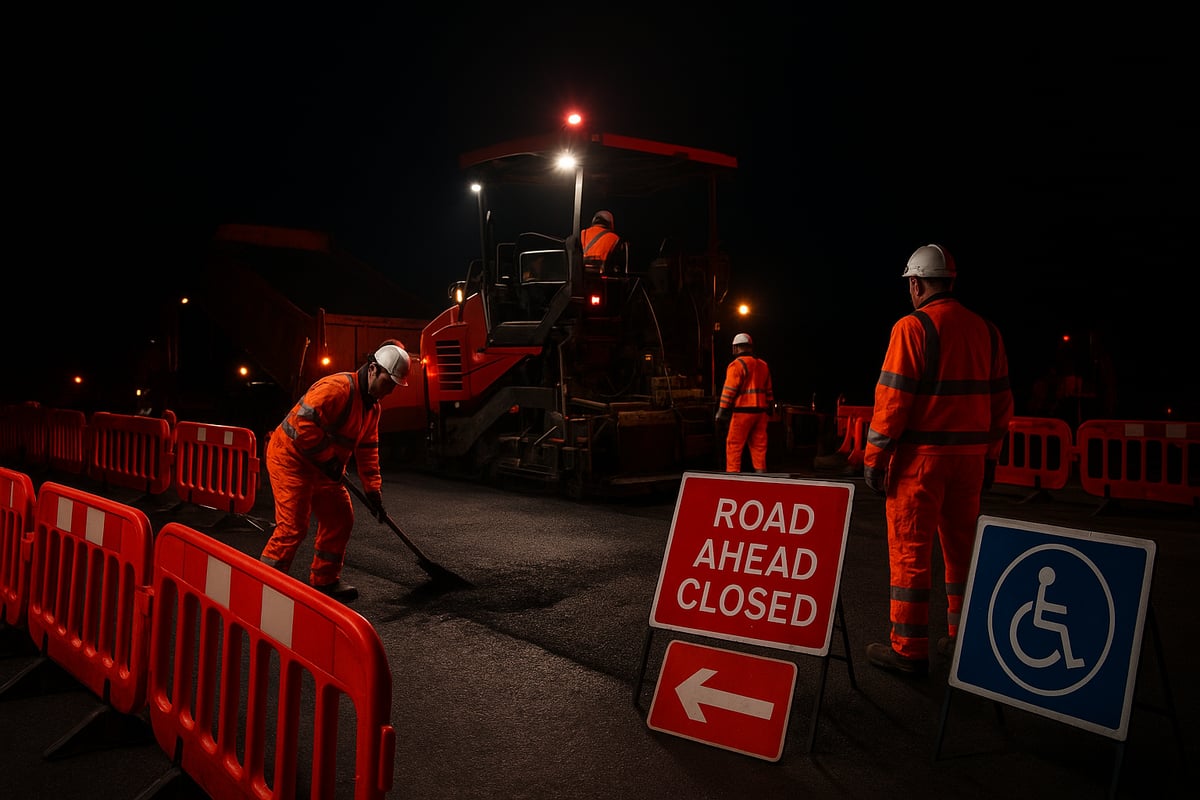
- Clear site boundaries and barriers to separate work zones from traffic
- Visible signage and lighting to alert motorists and pedestrians
- Regular safety briefings and emergency response planning
Effective road resurfacing relies on a culture of safety, where proactive reporting of hazards and ongoing monitoring are standard. This approach minimises the risk of accidents and ensures compliance with the latest health and safety legislation.
Accessibility and Inclusivity
Modern road resurfacing projects must prioritise accessibility and inclusivity. Designs should ensure that resurfaced routes are safe and usable for all, including cyclists, pedestrians, and disabled users. Features such as tactile paving, dropped kerbs, and cycle-friendly surfaces are increasingly specified in project plans.
Resurfacing teams must also consider temporary access solutions during works, maintaining clear pathways and signage for those with mobility needs. Consultation with local accessibility groups and stakeholders helps identify barriers and opportunities for improvement.
By embedding inclusivity into every phase of road resurfacing, contractors support equal access and help create safer, more welcoming communities.
Reporting and Accountability
Accountability is fundamental to the long-term success of road resurfacing. Inspection regimes are in place to ensure quality control, with regular checks at each stage of the process. Contractors must document their work and maintain records for future reference.
After resurfacing, local authorities encourage the public to report defects or safety concerns. Feedback is used to trigger further inspections and prompt remedial action if needed. Quality assurance processes, including post-completion reviews, are essential for maintaining high standards.
Public engagement and transparent reporting not only build trust but also drive continuous improvement in road resurfacing practices.
Cost, Funding, and Project Management Considerations
Understanding the financial landscape of road resurfacing is essential for local authorities and contractors aiming to deliver value and quality. Costs, funding sources, and project management strategies all play a pivotal role in ensuring successful outcomes.
Typical Cost Breakdown for Resurfacing Projects
The cost of road resurfacing varies according to project scale, chosen method, and local factors. Key components include materials, labour, plant machinery, and overheads. Comparing methods helps stakeholders make informed decisions:
| Method | Material Cost | Labour Cost | Machinery | Overheads |
|---|---|---|---|---|
| Surface Dressing | Low | Low | Low | Low |
| Micro-surfacing | Medium | Low | Medium | Medium |
| Hot Rolled Asphalt | High | High | High | High |
| Thin Surfacing System | Medium | Medium | Medium | Medium |
| Full-depth Reconst. | Very High | High | High | High |
Factors such as road type, traffic volume, and environmental requirements also influence costs. According to the ALARM Survey 2025 Executive Summary, funding shortfalls have led to a backlog of repairs, making cost efficiency critical for road resurfacing in 2026.
Funding Sources and Budgeting
Securing adequate funding for road resurfacing remains a challenge. Local authorities depend on a mix of central government allocations, council budgets, and special grants.
For 2026, new schemes aim to bridge funding gaps and encourage innovation. Authorities must submit detailed budget proposals, justifying their chosen methods and expected outcomes. Grants may target sustainability, climate resilience, or preventative maintenance.
Budgeting effectively requires accurate cost forecasting, contingency planning, and alignment with strategic transport goals. Transparent cost tracking supports accountability and helps ensure that road resurfacing projects deliver long-term value for communities.
Effective Project Management Strategies
Project management is crucial to the success of road resurfacing. Careful timeline planning minimises disruption to residents and businesses. Resource allocation must consider plant availability, skilled labour, and material supply chains.
Best practices include:
- Early engagement with stakeholders
- Clear procurement processes for contractor selection
- Use of project management software for scheduling
Risk management plans should address potential delays, weather impacts, and health and safety concerns. Regular progress reviews enable swift response to issues, keeping road resurfacing projects on track and within budget.
Maximising Value and Reducing Costs
Maximising value in road resurfacing means looking beyond initial expenses. Lifecycle costing highlights the long-term savings of quality materials and preventative maintenance. Investing in durable solutions can reduce the frequency of repairs and extend road life.
Preventative approaches are increasingly recognised as cost-effective. The RAC and RSTA call on Government to mandate preventative road maintenance training underscores the shift towards proactive strategies over reactive repairs.
A notable case study is a Midlands council's adoption of recycled materials and targeted maintenance. This approach reduced annual spend while improving road conditions, demonstrating that strategic planning and innovation can transform road resurfacing outcomes.
Sustainability and the Future of Road Resurfacing
The future of road resurfacing is increasingly shaped by sustainability. As climate targets tighten, local authorities and industry leaders are adopting greener practices to reduce their environmental impact. These efforts are reshaping how roads are built and maintained, setting new standards for long-term resilience.
Environmental Sustainability in Resurfacing
Environmental sustainability is now at the heart of road resurfacing. Contractors are increasingly using recycled materials, such as reclaimed asphalt pavement and glass, to create durable, low-carbon surfaces. This approach not only diverts waste from landfill but also reduces the demand for raw materials.
Circular economy principles are driving innovation, ensuring materials are reused throughout their lifecycle. New surfacing techniques are designed to lower energy use, while warm mix asphalt significantly cuts emissions during application. Road resurfacing projects are now evaluated on their total carbon footprint, encouraging continuous improvement in both materials and processes.
Social and Economic Sustainability
Social and economic sustainability in road resurfacing means looking beyond the surface. Procurement strategies that prioritise local suppliers keep investment in the community and create jobs. By choosing local resurfacing companies near me, authorities can support regional economies while ensuring quick response times and local expertise.
Training programmes for local labour are essential. They help address skill shortages and raise the standard of road resurfacing projects. When local people are involved, there is a greater sense of ownership and pride in the infrastructure, leading to better maintenance and long-term value.
Preparing for Future Challenges
The coming years will test the resilience of the UK’s road network. Climate change is expected to bring more extreme weather, which will put additional strain on road resurfacing efforts. Adaptation strategies, such as installing permeable surfaces and improving drainage, are being integrated into designs to protect against flooding and heat damage.
Emerging trends in sustainable transport require roads that can accommodate new technologies, including electric vehicles and smart traffic systems. Proactive investment in road resurfacing is essential for building a resilient and future-ready network, as highlighted by reports noting the decline in local maintenance in recent years. For more context, see the article on how local road maintenance hits ‘new low’ with 45% drop in last five years.
Road Resurfacing Outlook for 2026 and Beyond
Looking ahead, regulatory changes will continue to drive innovation in road resurfacing. Stricter environmental standards are likely, requiring even more efficient materials and processes. Experts predict a sharp rise in the use of smart materials and digital monitoring to extend road lifespan and optimise maintenance.
The next decade will see the integration of sustainability, advanced technology, and community engagement in every road resurfacing project. These trends will shape a safer, greener, and more reliable transport infrastructure across the UK, ensuring that road resurfacing remains a cornerstone of national progress.