
The UK faces a pivotal moment as it tackles ageing infrastructure and rising demand for smarter, greener roads in 2026. With the government committing £14 billion to modernise the network, the focus has shifted to sustainability, congestion relief, and improved regional connectivity.
This investment is driving a new era of road projects designed to meet the needs of modern commuters, businesses, and communities. These projects bring together innovation in design, advanced technology, and a commitment to positive community impact.
In this article, we reveal eight transformative road projects that will reshape the UK’s transport future. Discover how major bypasses, smart motorways, eco-friendly upgrades, and regional connectors are setting new standards for the industry.
The State of UK Road Infrastructure in 2026
The UK's road network is facing a pivotal moment in 2026. Growing demand, ageing assets, and evolving environmental expectations are putting unprecedented pressure on planners, engineers, and policymakers. Understanding the challenges and innovations shaping current road projects is essential to grasp why transformation is so urgent.
Growing Pressures on the Road Network
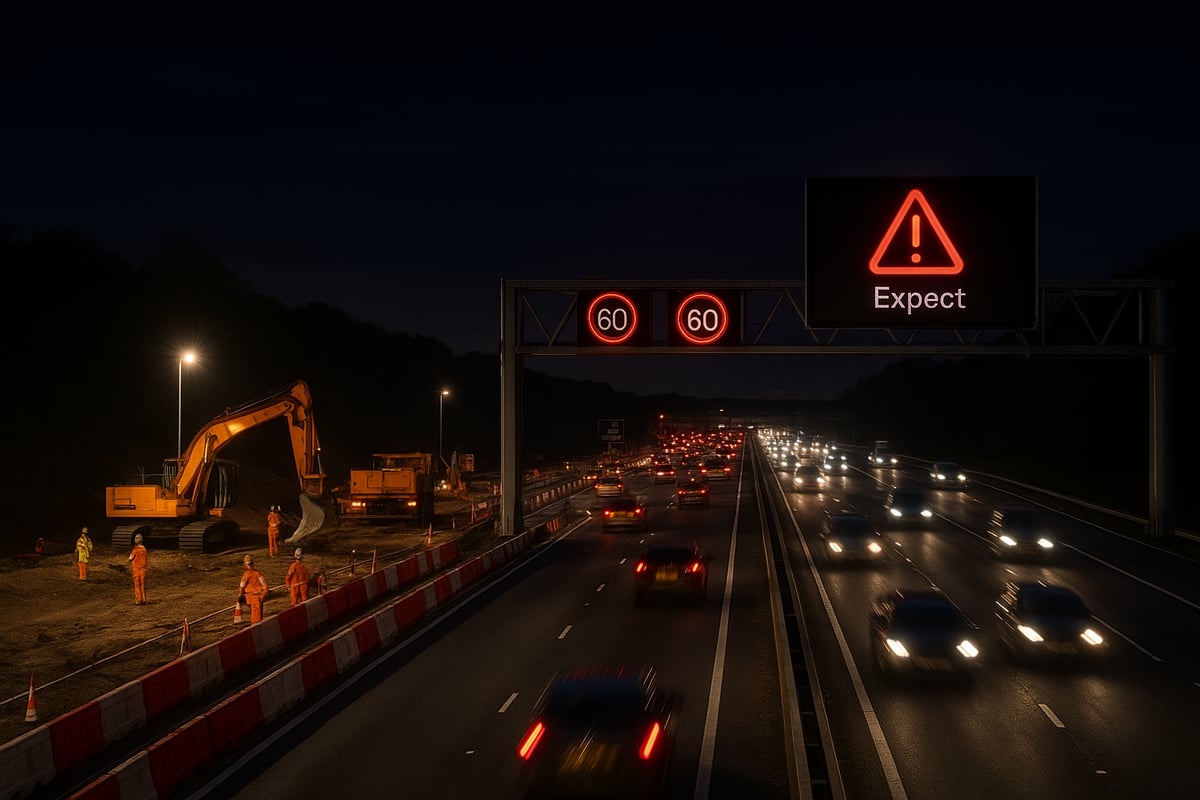
UK roads are busier than ever, with car ownership and freight traffic rising steadily. This surge strains already ageing infrastructure, leading to mounting maintenance backlogs and urgent repairs.
Major cities and key corridors are experiencing frequent congestion, making journey times unpredictable for commuters and businesses alike. Environmental concerns add another layer of complexity, with emissions, noise, and habitat disruption now central to every discussion on road projects.
There are also stark regional disparities. While some areas benefit from recent upgrades, others face poor-quality surfaces and limited accessibility, impacting local economies and social mobility.
Government Investment and Policy Drivers
In response, the government has committed £14 billion to National Highways, aiming to upgrade critical links and future-proof the network. Devolved authorities like Transport Scotland, the Welsh Government, and DfI Roads are also driving region-specific road projects, ensuring local needs are met.
Key policy drivers include decarbonisation, digitalisation, and building resilience against climate and economic shocks. Legal and planning hurdles remain significant, with community consultation and environmental compliance often extending timelines. Increasingly, road projects are integrated into broader transport strategies, such as rail and public transit, to support joined-up regional growth.
Delivering on these ambitions requires specialist expertise. For a closer look at the engineering behind these investments, see Civil engineering for road projects.
Technology and Sustainability Trends in Road Building
Innovation is reshaping how road projects are designed and delivered. Smart motorway technology uses dynamic lanes, sensors, and AI-driven traffic management to improve safety and reduce congestion. Construction processes now focus on recycled and low-carbon materials to cut emissions.
Wildlife crossings and green bridges are increasingly common, helping to protect biodiversity while minimising disruption. Digital twins and Building Information Modelling (BIM) enhance planning and long-term maintenance, reducing the risk of overruns. Community engagement is central, ensuring inclusive design and local support for new developments.
The Need for Innovation in UK Road Projects
Past delays and cost overruns highlight the need for a new approach to road projects. Future-proofing infrastructure has become critical, balancing economic growth with environmental stewardship.
Collaboration is at the heart of modern delivery, involving local authorities, the private sector, and the public. This collective effort is setting new standards for UK road projects, ensuring they are robust, adaptable, and truly fit for the future.
The stage is now set for eight transformative projects, each pushing the boundaries of what is possible on the UK’s roads.
8 Innovative Road Projects Transforming the UK in 2026
As the UK embraces a new era of smarter, greener travel, a series of bold road projects are redefining the nation's infrastructure in 2026. These schemes deliver not just new routes and capacity, but also fresh thinking in design, technology, and environmental stewardship.
Below, we explore eight transformative road projects, each addressing modern challenges while supporting communities, businesses, and the wider economy.
1. Lower Thames Crossing: The UK’s Longest Road Tunnel
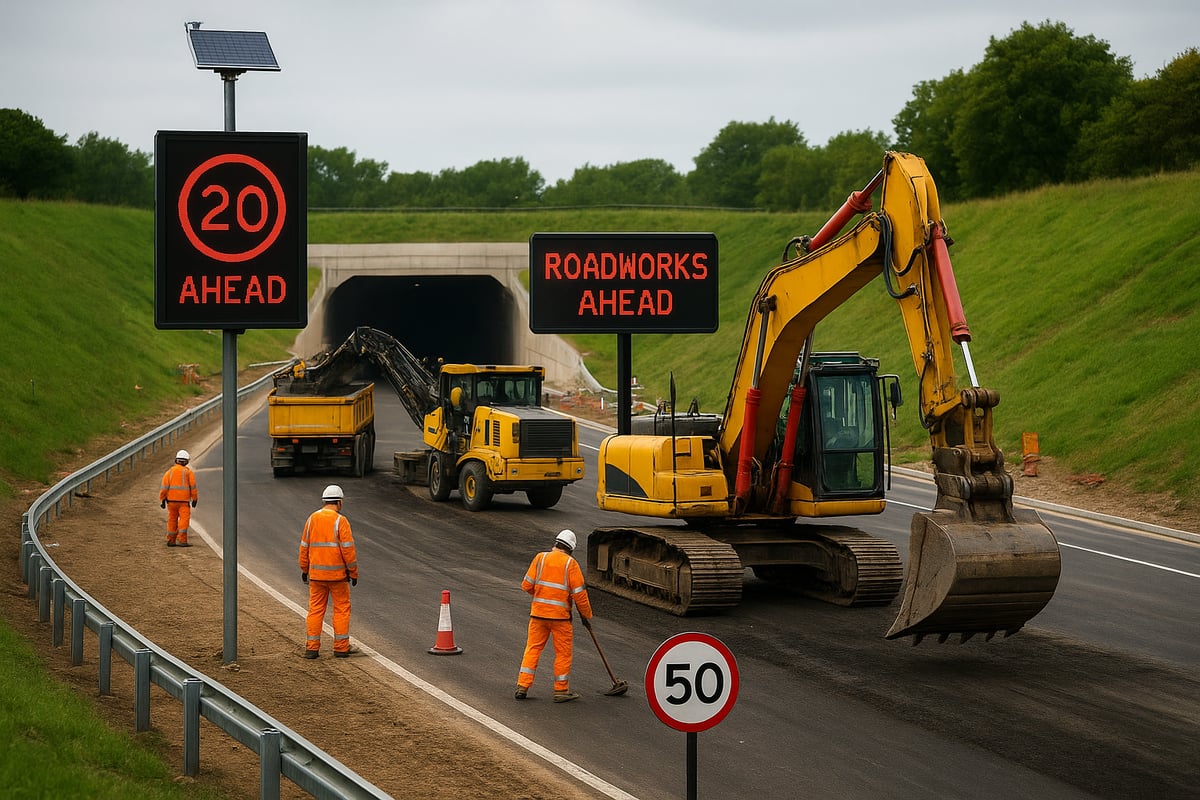
The Lower Thames Crossing stands as one of the most ambitious road projects in recent UK history. Spanning 23 kilometres and linking Essex with Kent, this scheme will feature the nation's longest road tunnel, a twin-bore structure beneath the River Thames.
Designed to relieve pressure on the Dartford Crossing and the M25, the project will transform regional connectivity and cut journey times for thousands of commuters and freight operators. Integrated smart systems will monitor traffic, optimise flow, and enhance safety, reflecting the shift towards intelligent road projects across the UK.
Sustainability is a core focus. The scheme incorporates large-scale habitat creation, extensive carbon offsetting measures, and innovative construction materials. With a projected economic impact including job creation and improved freight efficiency, the Lower Thames Crossing is set to unlock new growth opportunities.
Work is progressing through detailed planning and consultation phases, with construction milestones and budget updates available via Lower Thames Crossing project details.
Local communities have engaged actively, voicing both support and concerns, ensuring the project balances regional benefits with environmental and social responsibilities. Among 2026’s road projects, this crossing will set a new benchmark for scale and innovation.
2. A9 Dualling Project: Scotland’s Backbone Gets Smart
The A9 Dualling Project is a flagship for Scotland’s modern road projects, aiming to upgrade the critical route from Perth to Inverness. This phased initiative covers challenging sections such as Tomatin to Moy and Tay Crossing to Ballinluig, improving reliability and capacity for both commuters and freight.
Digital infrastructure is at the heart of the scheme. Weather sensors and real-time updates support safer journeys, while wildlife corridors and careful landscape integration protect the Highland environment.
Reducing accidents and journey times, the project supports economic development across the Highlands and Islands. However, the terrain and unpredictable weather present significant engineering and cost management challenges, underscoring the complexity of large-scale road projects in remote regions.
Local business leaders and residents have influenced project priorities, ensuring the upgrades respond to regional needs. The A9’s transformation demonstrates how futureproofed road projects can blend advanced technology, safety, and community benefit in one of the UK’s most scenic corridors.
3. A66 Northern Trans-Pennine Upgrade: East-West Superhighway
The A66 Northern Trans-Pennine Upgrade is a major step forward for road projects connecting the North of England. By comprehensively dualling the A66 between the M6 and A1(M), this scheme enhances the region’s east-west links, supporting both local and national logistics.
Key features include new bypasses, upgraded junctions, and safer crossings, all designed to cut congestion and reduce accident rates. Smart motorway technology, such as variable speed limits and continuous monitoring, is being deployed to optimise traffic flow.
For freight operators, the A66 upgrade is a game changer, providing a reliable, high-capacity corridor through the Pennines. Environmental sensitivities are a top priority, with careful planning to protect local habitats and landscapes.
Construction is moving forward, with engagement from communities ensuring the project reflects local priorities. The economic boost for Tees Valley and Cumbria highlights the far-reaching impact of innovative road projects on regional prosperity.
4. Norwich Western Link: Unlocking East Anglia’s Potential
The Norwich Western Link is a 3.8-mile dual carriageway designed to connect the A47 and A1067, easing congestion around Norwich and its growing suburbs. As one of the more sustainability-focused road projects, it features a unique wildlife bridge and eco-friendly construction methods.
Integration with local cycling and pedestrian routes ensures the project supports active travel, not just vehicles. By reducing journey times and facilitating new housing developments, the scheme will help unlock East Anglia’s economic potential.
Stakeholder collaboration, led by Norfolk County Council and driven by public input, has shaped the project’s evolution. Funding sources and clear milestones have been established, although environmental objections remain a challenge.
Mitigation strategies, such as habitat restoration and noise reduction, are central to the project’s design. Among 2026’s road projects, the Norwich Western Link stands out for its commitment to both connectivity and conservation.
5. Shrewsbury North West Relief Road: Sustainable Growth Corridor
The Shrewsbury North West Relief Road is a 6.5km single-carriageway bypass to the west of the historic town. Its primary goal is to divert through-traffic away from the congested town centre, preserving heritage and improving urban air quality.
Flood mitigation measures, including the creation of new wetland habitats, reflect the project's emphasis on sustainability. Recycled materials and low-carbon construction methods further align this scheme with the next generation of road projects.
The road will boost access for business parks and support new housing, helping to drive long-term economic growth. However, local debate continues, with environmental concerns balanced against the promise of improved mobility and reduced congestion.
Timeline and cost projections are under close scrutiny, with the community closely engaged in shaping the project’s long-term vision. As one of Shropshire’s most significant road projects, it demonstrates how infrastructure can support sustainable growth.
6. Carlisle Southern Link Road: Connecting Communities and Growth
The Carlisle Southern Link Road, an 8km route linking the A595, A689, and M6 at Junction 42, is central to the future of Carlisle’s regional development. It will support St Cuthbert’s Garden Village, facilitating over 10,000 new homes and unlocking vital employment land.
A multi-modal design, with cycleways, footpaths, and bus priority measures, ensures the project fits into wider mobility strategies. Flood resilience and sustainable drainage are priorities, reflecting the environmental expectations for modern road projects.
Economic regeneration for Carlisle and Cumbria is a key driver, with local businesses and commuters set to benefit from improved access and reduced journey times. Challenges, such as land acquisition and environmental surveys, have required strong partnerships between Cumbria County Council, Homes England, and the community.
This scheme highlights how road projects can be catalysts for both connectivity and sustainable urban expansion.
7. A27 Arundel Bypass: Heritage Meets Modern Mobility
The A27 Arundel Bypass will deliver a new dual carriageway around one of the South Coast’s most notorious bottlenecks. Sensitive route alignment minimises the impact on the South Downs National Park, respecting the area’s unique heritage.
Advanced noise mitigation and landscape integration techniques are being employed, making this one of the most environmentally considerate road projects in the region. Smart junctions will improve safety and reduce delays for both local and through traffic.
Extensive community engagement has led to design revisions, ensuring the scheme balances heritage preservation with the pressing need for traffic relief. Funding, timeline, and delivery partners have been confirmed, setting the project on a clear path to completion.
The expected economic uplift for local tourism and business further demonstrates the broader value of forward-thinking road projects.
8. M54 to M6 Link Road: Midlands Freight Powerhouse
The M54 to M6 Link Road is a strategic addition to the West Midlands’ road projects portfolio. By connecting the M54 with the M6 and M6 Toll near Wolverhampton, the scheme will ease congestion across the A460, A449, and A5 corridors.
This route is critical for freight and logistics, supporting regional industry and enhancing journey time reliability. Safety improvements, environmental enhancements such as new planting and wildlife corridors, and the inclusion of digital infrastructure for real-time traffic management set this project apart.
Stakeholder input from local authorities, businesses, and residents has informed the scheme’s design. The delivery schedule reflects the urgency of supporting economic growth while minimising disruption.
As with other 2026 road projects, the M54 to M6 Link Road exemplifies how innovation, consultation, and sustainability are shaping the future of UK transport.
Regional and National Impact of the 2026 Road Projects
The new generation of road projects in the UK is set to deliver far-reaching benefits. These developments go beyond smoother journeys, driving economic, environmental, and social change at both regional and national scales. Let us explore how these schemes are shaping the future for communities and businesses across the country.
Economic Growth and Levelling Up
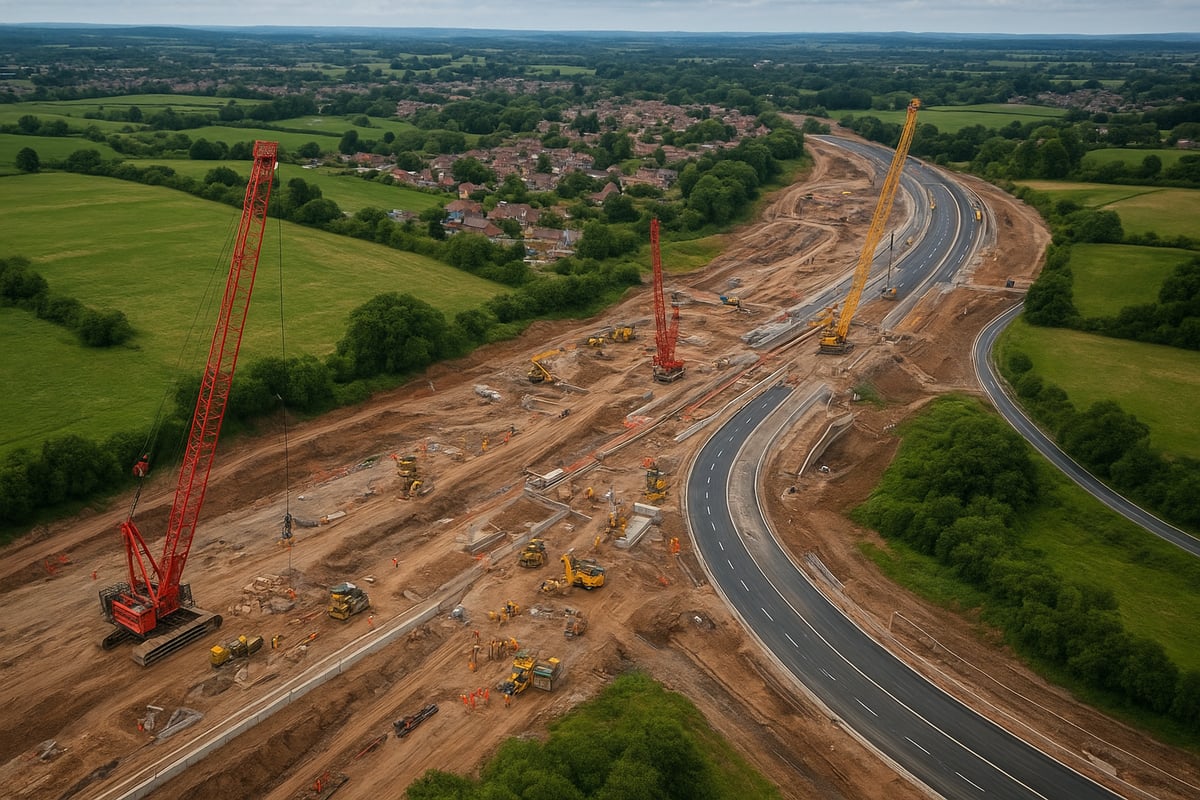
Major road projects are powerful engines for job creation, both during construction and long-term operation. Improved transport links open up new opportunities for regional businesses, making it easier to move goods and reach customers. Investment in these schemes attracts further funding to underserved regions, helping to bridge economic divides.
For example, the A66 Northern Trans-Pennine Upgrade is a catalyst for growth in the North of England. By connecting key enterprise zones and supporting logistics, such projects unlock potential in areas like Tees Valley and Cumbria. You can see more examples of how recent civil engineering projects have delivered measurable impact for local economies by exploring Recent civil engineering projects.
Sustainability and Environmental Outcomes
Modern road projects prioritise carbon reduction and environmental stewardship. From the use of low-carbon materials to the restoration of habitats, sustainability is now central to every stage. Many schemes incorporate green bridges and wildlife crossings, supporting biodiversity and minimising habitat fragmentation.
Air quality improvements and noise reduction are also key objectives. Rigorous monitoring and transparent reporting ensure that environmental targets are met. Lessons learned from specific mitigation efforts are being shared across the industry, ensuring that each new project raises the bar for sustainable development.
Social Connectivity and Community Benefits
Enhanced transport connectivity opens doors for education, healthcare, and employment, especially in remote or underserved regions. Road projects are increasingly designed with active travel in mind, integrating cycling, walking, and public transport to make communities more accessible and resilient.
Reduced congestion benefits both urban and rural areas, while improved road safety and emergency response times deliver direct advantages for residents. Ongoing community engagement ensures that local voices shape project outcomes, creating infrastructure that truly serves its users.
Challenges and Lessons for Future UK Road Projects
Delivering large-scale road projects is not without challenges. Managing budgets and timelines, resolving planning hurdles, and balancing environmental concerns require robust project management and stakeholder consensus.
The move towards digital transformation, including smarter technologies and data-driven approaches, is setting new standards for future infrastructure. By learning from current schemes, the UK is building a knowledge base that will inform and improve the next generation of road projects, ensuring that innovation and inclusivity remain at the forefront.
Frequently Asked Questions About UK Road Projects in 2026
Modern road projects across the UK are evolving rapidly, sparking many questions from commuters, residents, and business owners. Below, we address the most common queries about the innovation, technology, environmental impact, and community role in 2026’s transformative road projects.
What makes a road project “innovative” in the UK context?
Innovation in UK road projects is defined by the integration of advanced technology, sustainable construction practices, and positive community outcomes. Projects that feature smart systems, digital infrastructure, and low-carbon materials are setting new benchmarks. For example, the A9 Dualling Project overview demonstrates how digital monitoring and eco-sensitive design are driving innovation. These aspects ensure road projects meet future demands and environmental standards.
How are environmental concerns addressed in modern road schemes?
Environmental responsibility is a top priority for today’s road projects. Developers must follow strict planning guidelines, using mitigation strategies like wildlife bridges, habitat restoration, and recycled materials. Environmental impact assessments guide every stage, ensuring that air, water, and biodiversity are protected. Many road projects now incorporate green corridors and noise barriers to minimise disruption, setting new standards for sustainability. The result is infrastructure that supports both mobility and ecological health.
What is the role of smart technology in these projects?
Smart technology is transforming how road projects operate and are maintained. Features such as real-time traffic sensors, dynamic lane management, and AI-driven systems help optimise safety and traffic flow. These tools enable rapid responses to incidents and provide up-to-date information to drivers. By embedding digital infrastructure, road projects are becoming more resilient and adaptable. This technological leap supports efficient travel and reduced congestion for everyone.
How do these projects affect local communities?
Local communities are at the heart of modern road projects. Engagement processes include public consultations, feedback sessions, and partnerships with local authorities. By listening to residents’ concerns, planners can address issues like construction disruption and long-term benefits. Many projects also follow Section 278 works explained guidelines, ensuring improvements align with community needs. Ultimately, these road projects aim to balance progress with quality of life for all affected areas.
Where can I find updates or get involved in road project consultations?
To stay informed or participate in road project consultations, visit official project websites and government portals. These platforms provide regular updates, planning documents, and opportunities for public input. Many road projects also host open days and online surveys, making it easier for stakeholders to share their views. Engaging early in the process helps shape the future of UK transport and ensures that projects reflect community priorities.