
The civil engineering north east landscape is experiencing a period of rapid transformation, with new infrastructure projects reshaping the region’s future. From cutting-edge transport upgrades to innovative urban regeneration schemes, the sector is driving growth and creating new opportunities for local communities.
This guide offers a clear overview of civil engineering north east, exploring key market drivers, emerging technologies, and the growing importance of sustainability. Whether you are an industry professional or simply interested in the region’s development, you will discover the challenges and opportunities that will shape the sector up to 2026.
State of Civil Engineering in the North East (2024–2026)
The civil engineering north east sector is undergoing significant transformation as the region adapts to new demands and opportunities. Major infrastructure projects, evolving technologies, and a focus on sustainability are all shaping the next phase of growth. This section explores the current landscape, drivers of change, landmark projects, and workforce developments influencing civil engineering north east.
Current Market Overview
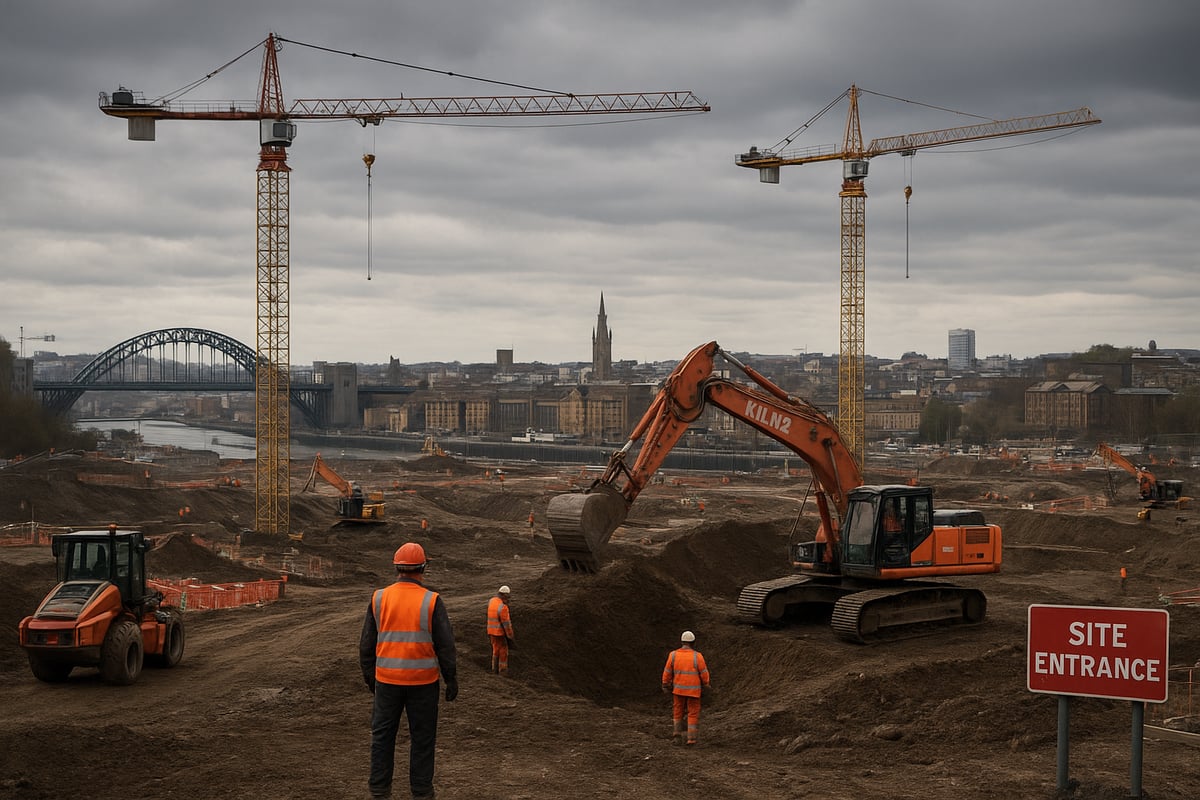
The civil engineering north east market is a vital contributor to the regional economy, supporting thousands of jobs and delivering strategic infrastructure. The sector’s annual output stands at several billion pounds, with recent data from the ONS highlighting steady growth through 2024.
Key projects shaping the region include Teesworks, the A19 and A1(M) upgrades, and urban regeneration schemes in Newcastle and Sunderland. Growth areas span transport, energy, and commercial development, reflecting both public and private sector priorities.
| Region | Output (£bn) | Major Projects | Employment (000s) |
|---|---|---|---|
| North East | 4.2 | Teesworks, A19, Tyne Rail | 22 |
| North West | 7.1 | HS2, Liverpool Docks | 35 |
| Yorkshire | 6.3 | Leeds Urban, Humber Ports | 29 |
Key stakeholders include local councils, national agencies, private contractors, and major developers. Regional employment in civil engineering north east is robust, with a growing emphasis on digital and green skills. Compared to other UK regions, the North East is showing resilience and adaptability, particularly in urban regeneration and energy projects.
Key Drivers of Change
Government funding remains a cornerstone, with levelling up initiatives unlocking new civil engineering north east projects. Net zero and sustainability targets are influencing every stage, from planning to delivery.
Private sector investment is rising, particularly in renewable energy and digital infrastructure. Public-private partnerships are increasingly common, fostering collaboration and resource sharing.
Other drivers include:
- Brexit-related supply chain adjustments
- Rapid adoption of digital transformation and BIM
- Shifts in regional planning priorities to support housing and climate resilience
The sector’s agility in responding to policy and market changes is enabling it to remain competitive and forward-looking.
Notable Civil Engineering Projects
Landmark civil engineering north east projects are redefining the region’s landscape. Road upgrades like the A19 and A1(M) improvements enhance connectivity, while new flood defences along the Tyne and Wear rivers bolster resilience.
Spotlight projects include:
- Teesworks industrial redevelopment
- Newcastle Central Station refurbishment
- Major commercial sites such as Quayside Business Park
- Urban renewal of brownfield sites in Middlesbrough
Water management and environmental schemes are on the rise, with contractors and SMEs playing critical roles. Community engagement and social value initiatives are integral, ensuring that these projects deliver lasting benefits. Projected completion dates extend into 2026, with investment figures reaching hundreds of millions.
For more about local expertise and flagship developments, see North East Civil Engineers.
Skills, Training, and Workforce Trends
A key challenge for civil engineering north east is addressing skills shortages, particularly in digital and green construction. Recruitment remains competitive, with apprenticeships and degree-level training on the rise.
Local colleges and universities, such as Newcastle University, are launching targeted initiatives. Upskilling for BIM, digital tools, and sustainable methods is a priority.
Efforts to improve diversity and inclusion are intensifying, supported by industry-wide retention strategies. The workforce is adapting to remote and hybrid work models, which are influencing project delivery and staff wellbeing.
Looking ahead, the sector’s ability to attract, train, and retain talent will be critical for meeting the demands of 2026 and beyond.
Emerging Technologies and Innovation in Civil Engineering
The pace of innovation in civil engineering north east is accelerating, with digital tools, sustainable practices, and collaborative research reshaping the industry. As regional projects grow in complexity and ambition, the adoption of new technologies is becoming essential for future success.

Digital Transformation and Smart Construction
Digital transformation is at the heart of civil engineering north east. Building Information Modelling (BIM), Geographic Information Systems (GIS), and digital twins are now standard on large infrastructure projects, enabling teams to visualise, analyse, and manage assets efficiently. The use of drones for site surveys and robotics for repetitive tasks has cut project times and improved safety.
Local firms are increasingly adopting data-driven tools and cloud-based collaboration platforms, which allow for real-time monitoring and communication across dispersed teams. Cybersecurity is gaining importance as project data moves online, with robust protocols now a must for every contractor.
Pilot projects, such as those highlighted at the Transforming Construction Conference 2026, showcase the region’s leadership in smart construction. These innovations are delivering tangible benefits in project efficiency, cost control, and sustainability. As civil engineering north east embraces these tools, the sector is set to remain at the forefront of digital change.
Sustainable Materials and Construction Methods
Sustainability is driving rapid change in civil engineering north east, with contractors and developers prioritising low-carbon and circular approaches. Low-carbon concrete, recycled aggregates, and modular construction methods are becoming the norm on major schemes. Prefabrication not only reduces waste but also shortens project times and minimises disruption to local communities.
Green infrastructure, such as living walls and permeable pavements, is increasingly integrated into urban developments. Regional case studies demonstrate how circular economy initiatives are cutting costs and environmental impact. Local authorities and industry partners are working together to overcome barriers, such as upskilling and supply chain readiness.
Despite some challenges in scaling up these methods, the commitment to sustainable construction remains strong. Civil engineering north east continues to set benchmarks for responsible development and resource optimisation.
Infrastructure for Renewable Energy
The transition to renewable energy is reshaping the landscape of civil engineering north east. Engineers are playing a pivotal role in designing and delivering wind, solar, and hydrogen infrastructure. Offshore wind farms, in particular, are driving major upgrades to ports and supply chains, while grid reinforcement and energy storage projects are unlocking new capacity.
Collaboration with energy companies is essential for aligning technical requirements and ensuring seamless integration. Regional investment in renewables is rising, with forecasts indicating sustained growth through 2026. Training programmes are being expanded to equip the workforce with specialist skills for this sector.
Environmental impact assessments are central to project planning, ensuring that new developments support both climate goals and biodiversity. Civil engineering north east is poised to lead the way in building a cleaner, greener energy future.
Innovation Hubs and Research Partnerships
Collaboration is the engine of innovation in civil engineering north east. Partnerships between universities, such as Teesside and Durham, and industry are driving research into advanced materials, digital tools, and construction methods. Local innovation centres and enterprise zones provide spaces for start-ups and SMEs to develop and test new ideas.
Government grants and R&D funding are helping to accelerate the adoption of transformative technologies. Knowledge transfer partnerships ensure that the latest academic insights are rapidly translated into practical solutions on the ground.
Recent award-winning projects demonstrate the region’s competitiveness and commitment to excellence. By fostering a culture of collaboration, civil engineering north east is strengthening its reputation as a centre of innovation and expertise.
Sustainability and Environmental Considerations
Sustainability is now central to the future of civil engineering north east. The region faces rising expectations to deliver low-carbon, climate-resilient infrastructure while supporting economic growth. Local authorities, contractors, and communities are working together to embed net zero targets and environmental best practices into every stage of project delivery.
Net Zero Commitments and Green Infrastructure
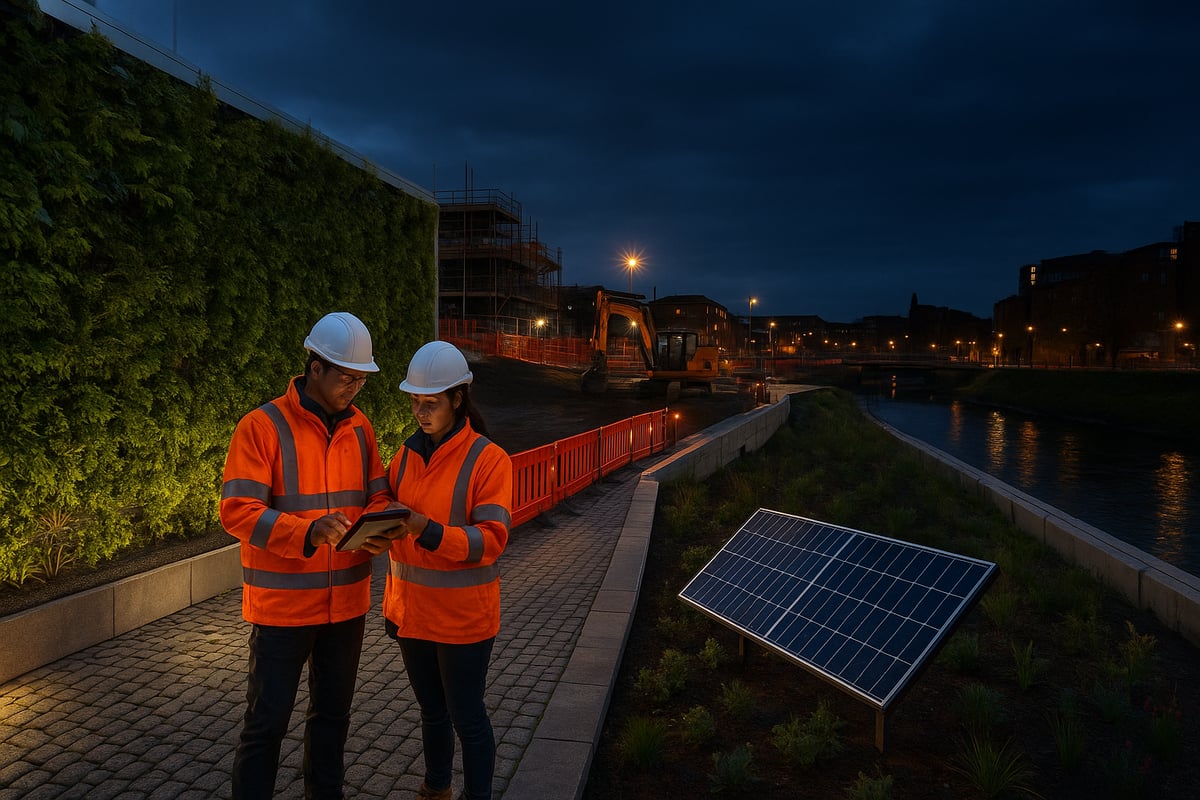
The civil engineering north east sector is actively aligning with regional net zero targets for both 2030 and 2050. Local councils are prioritising green corridors, cycleways, and urban parks in regeneration plans. Sustainable Urban Drainage Systems (SUDS) are increasingly integrated into new developments to mitigate flood risks and enhance biodiversity.
Notable projects, including riverside parks and green corridors in Newcastle and Sunderland, showcase the shift towards nature-based solutions. Biodiversity net gain requirements are driving developers to create habitats and improve ecological value alongside infrastructure.
Monitoring and reporting frameworks help track sustainability outcomes, ensuring that civil engineering north east projects meet and exceed environmental standards. For further insight into how these principles shape project delivery, see the Civil Engineering Services Overview.
Reducing Carbon Footprint in Construction
Efforts to reduce the carbon footprint of civil engineering north east projects focus on both embodied and operational emissions. Contractors are adopting electric plant machinery and low-emission vehicles, supporting cleaner site operations. On-site renewable energy generation, such as solar panels, is becoming more common, particularly on larger schemes.
Material sourcing is increasingly transparent, with a preference for recycled aggregates and locally produced low-carbon concrete. Digital tools enable accurate carbon tracking and benchmarking, helping teams to optimise resource use.
Regulatory incentives and industry benchmarks are motivating further progress. As a result, civil engineering north east firms are well-positioned to lead the way in sustainable construction practices across the UK.
Water Management and Flood Defence
Recent flood events have highlighted the vulnerability of the North East and the critical role of civil engineering north east in managing water risk. Significant investments in flood alleviation schemes on the River Wear and Tyne are underway, incorporating both hard engineering and natural flood management techniques.
Innovative approaches, such as wetland restoration and the use of permeable surfaces, are being integrated with wider urban regeneration initiatives. These measures not only protect communities but also improve local environments.
Community engagement is central to the success of these projects, ensuring local needs and knowledge inform design and delivery. Performance data from recent schemes demonstrates improved resilience and reduced flood risk across the region.
Social Value and Community Impact
Maximising social value is a core aspect of civil engineering north east today. Local employment and skills development are prioritised in procurement, with contractors working closely with colleges and community organisations. Co-design processes encourage genuine public input, ensuring infrastructure meets the needs of all residents.
Projects now aim to enhance public spaces, promote accessibility, and deliver measurable health and wellbeing benefits. Social value metrics are embedded in contracts, addressing regional inequalities and supporting inclusive growth.
The long-term legacy of major civil engineering north east projects is seen in stronger communities, improved quality of life, and a more resilient regional economy.
Challenges Facing Civil Engineering in the North East
The civil engineering north east sector is entering a pivotal period, navigating a series of complex challenges that could shape the region’s future growth. While opportunities abound, addressing these hurdles effectively will determine the sector’s resilience and success.
Funding and Economic Uncertainty
Funding remains a major concern for civil engineering north east projects. Inflation and fluctuating material costs are putting financial pressure on both public and private sector schemes. Local authorities face tighter budgets, leading to delays in project approvals and a more cautious approach to new investments.
Private investors are also showing hesitancy, weighing up risks in an uncertain economic climate. This has led to a slowdown in the pipeline of new projects, with some developments paused or re-scoped. According to the UK Construction Activity Report 2025, the region experienced a notable dip in civil engineering activity, reflecting national trends.
To build resilience, many organisations are exploring diversified funding streams and adopting flexible project delivery models. Comparing the region to national benchmarks helps identify gaps and opportunities for future investment.
Planning, Regulation, and Policy
Navigating the planning landscape is increasingly complex for civil engineering north east stakeholders. Recent updates to building regulations and environmental standards require ongoing adaptation. Securing permits often involves lengthy processes, with community objections and public inquiries causing further delays.
Policy alignment with national strategies, such as levelling up and net zero targets, is essential. Local enterprise partnerships play a vital role in streamlining planning for critical infrastructure. However, balancing accelerated delivery with robust consultation remains challenging.
Key strategies include early engagement with stakeholders and leveraging regional procurement frameworks. These approaches can help mitigate regulatory risks while supporting sustainable growth in the sector.
Skills Shortages and Demographic Pressures
The civil engineering north east workforce is experiencing notable demographic shifts. An ageing workforce and increasing retirements are creating skills gaps across the industry. Attracting young talent remains difficult, as the sector competes with other regions and professions for STEM graduates.
Training and upskilling initiatives are essential, yet gaps persist in digital and green construction skills. Diversity and inclusion efforts are underway, but progress is gradual. These challenges can impact project delivery timelines and long-term sector viability.
To address shortages, organisations are partnering with educational institutions, promoting apprenticeships, and investing in continuous professional development. Building a more diverse workforce will also be critical for future success.
Climate and Environmental Risks
Weather extremes are becoming more frequent, impacting civil engineering north east sites through flooding, storms, and prolonged wet conditions. Such events can cause project delays, damage materials, and increase insurance costs.
Evolving climate policy introduces regulatory risks, requiring companies to adapt their designs and methods for greater resilience. Risk management strategies now focus on flexible construction schedules, site protection measures, and enhanced environmental assessments.
Case studies from recent regional projects highlight the need for preparedness and adaptation. Strengthening climate resilience is now a core priority for both public and private sector stakeholders.
Opportunities and Future Trends for 2026
The future of civil engineering north east is marked by optimism, innovation, and a wave of transformative projects. As the sector adapts to shifting priorities and new technologies, opportunities abound for businesses, communities, and professionals eager to shape the region’s built environment. Let’s explore the driving forces and trends set to define the landscape by 2026.
Major Investment and Growth Sectors
Civil engineering north east is witnessing significant investment in transport, energy, and digital infrastructure. The pipeline of projects to 2026 includes upgrades to highways, expansion of renewable energy facilities, and urban regeneration schemes.
Key growth areas include:
- Major highway improvements and new link roads
- Offshore wind port developments and hydrogen hubs
- Digital connectivity and smart city projects
Freeports and enterprise zones are attracting both public and private capital, unlocking export opportunities for local contractors. The economic impact is substantial, with job creation and supply chain benefits rippling throughout the region. For a closer look at highways and infrastructure growth, visit Highways Construction in North East.
Government funding streams, such as levelling up grants, are supporting large-scale regeneration, while private investment is fuelling commercial and residential builds. The civil engineering north east sector is well positioned to capitalise on these trends.
Digital Skills and Future Workforce
The demand for digital engineering and data analysis skills is reshaping the civil engineering north east workforce. Employers are seeking talent proficient in BIM, GIS, and automation, while apprenticeships and upskilling programmes are expanding rapidly.
Regional colleges and universities are collaborating with industry to align training with emerging needs. Initiatives include:
- Degree apprenticeships in digital construction
- Short courses in data-driven project management
- Outreach to attract young people and underrepresented groups
Retention and attraction strategies are critical, as competition for skilled professionals intensifies. According to the Construction Skills Network Report 2023–2027, the region must upskill thousands of workers to meet future project demand.
By fostering partnerships between education providers and employers, the civil engineering north east sector aims to build a resilient, future-ready workforce.
Sustainability as a Competitive Advantage
Sustainability is now a core differentiator for civil engineering north east firms. Clients increasingly demand evidence of green credentials, from low-carbon materials to innovative energy solutions.
Key strategies include:
- Sourcing sustainable, locally-produced construction materials
- Integrating net zero targets into project delivery
- Demonstrating compliance with ESG (environmental, social, governance) standards
Local contractors are leading on circular economy initiatives and low-carbon innovations. Success stories from the region showcase how civil engineering north east is achieving net zero delivery, enhancing marketing appeal and brand value.
By embedding sustainability throughout the supply chain, companies strengthen their market position and contribute to the region’s climate goals.
Collaboration and Regional Partnerships
Collaboration is central to unlocking the full potential of civil engineering north east. Multi-agency alliances between councils, Local Enterprise Partnerships (LEPs), industry, and academia are driving shared success.
Examples include:
- Joint procurement frameworks for large-scale projects
- Community benefit agreements ensuring local impact
- Knowledge sharing platforms to accelerate innovation
Pooling resources and expertise accelerates project delivery and increases competitiveness for national and international funding bids. Regional partnerships also enable effective responses to challenges, from skills shortages to climate resilience.
By working together, the civil engineering north east community is building a stronger, more innovative, and sustainable future for all.
Leading Civil Engineering Companies and Contractors in the North East
The civil engineering north east sector is defined by a diverse group of contractors, each contributing significantly to the region’s infrastructure and economic resilience. These companies lead on projects that range from vital transport upgrades to complex urban regeneration schemes.
Top Regional Contractors and Their Projects
Several leading firms anchor the civil engineering north east market, including Esh Group, Sir Robert McAlpine, and Galliford Try. These contractors have delivered high-profile projects such as the A19 Testo’s upgrade, Sunderland’s strategic transport improvements, and large-scale commercial builds. Specialisms span highways, energy infrastructure, utilities, and flood resilience.
Many of these companies have been recognised for quality and innovation at the ICE North East Awards 2026, showcasing their commitment to best practice and sustainable delivery. Regional employment is boosted by their operations, supporting apprenticeships and skilled roles. By investing in local supply chains, these contractors drive both economic growth and community value.
JRG Civils Ltd: Excellence in North East Civil Engineering
JRG Civils Ltd stands out in the civil engineering north east landscape for its comprehensive services to both commercial and domestic clients. The company’s portfolio features high-visibility projects, including Costa Coffee and Greggs drive-throughs, along with essential road and drainage works.
Clients rely on JRG Civils Ltd for its rigorous approach to quality, safety, and client satisfaction. The team holds industry accreditations and is recognised for robust project management. With the ability to deliver projects regionally and nationally, JRG Civils Ltd ensures every scheme is completed to the highest standards. For those seeking a trusted partner in civil engineering north east, their expertise and responsiveness make them a preferred choice.
How to Choose the Right Civil Engineering Partner
Selecting a civil engineering north east partner requires careful consideration. Start by reviewing experience, accreditations, and a proven project portfolio. Local expertise and established supply chain connections can streamline project delivery and reduce risk.
Evaluate each contractor’s commitment to sustainability, innovation, and clear communication. Seek client testimonials and case studies to gauge reliability. Ask for a free, no-obligation quote and ensure pricing is transparent. Finally, discuss your requirements directly to establish a partnership built on trust and shared goals.