
Civil engineering design projects are at the heart of shaping the world’s future, addressing urgent challenges from climate change to urban growth. In this article, we spotlight 12 groundbreaking civil engineering design projects that promise to lead innovation and inspire in 2026.
Discover a dynamic mix of sustainable infrastructure, smart city solutions, resilient structures, and state-of-the-art technologies. These projects set new benchmarks for efficiency, community impact, and environmental stewardship.
Whether you are a professional, student, or enthusiast, explore these visionary initiatives and find inspiration to drive your own contributions to the evolving landscape of civil engineering.
The Evolving Landscape of Civil Engineering Design in 2026
Civil engineering design projects are transforming rapidly as the industry responds to new global priorities. The year 2026 is set to showcase unprecedented innovation across sustainability, digital transformation, resilience, community engagement, and advanced construction. These shifts are not only influencing how structures are built, but also how they function within society.
Embracing Sustainability and Green Technologies
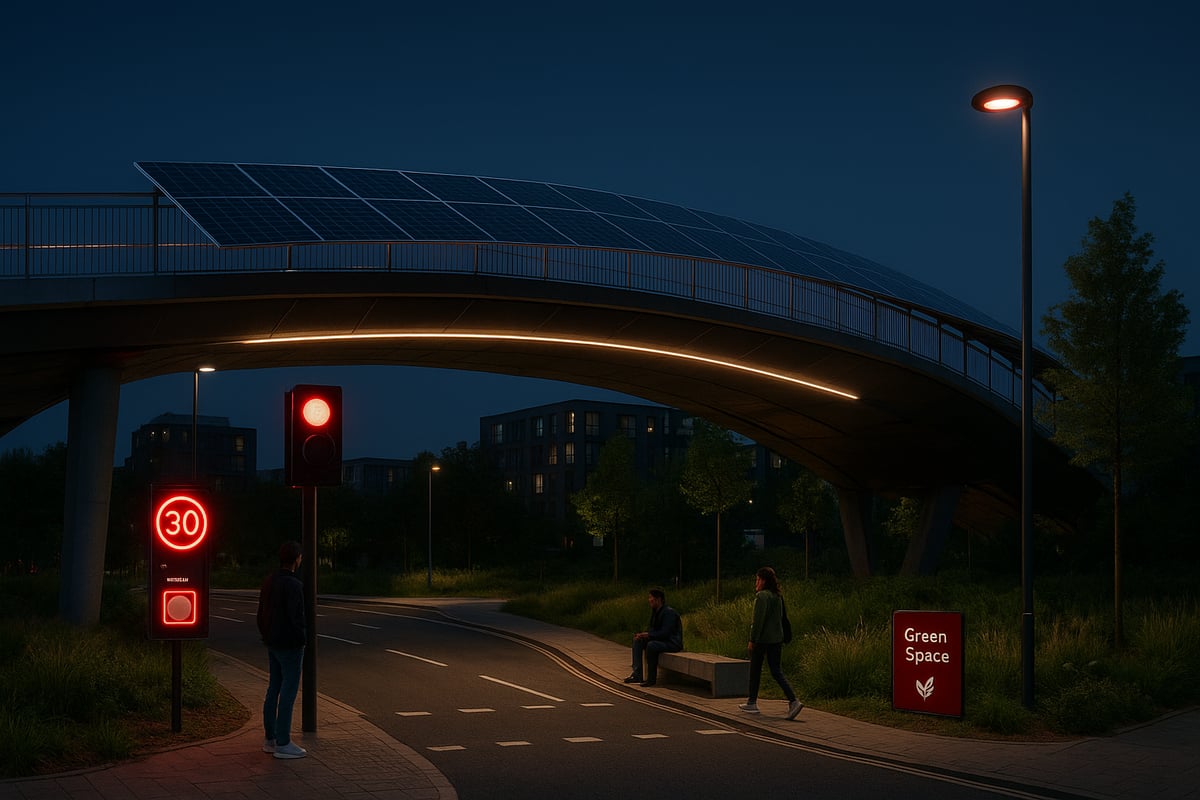
Sustainability is now the foundation of all civil engineering design projects. The demand for eco-friendly materials and low-carbon construction methods is surging, with renewable energy integration becoming standard. Examples include using recycled aggregates in major developments and solar-powered bridges that generate energy for local communities.
According to the Institution of Civil Engineers, 70% of new UK infrastructure projects in 2026 will target net-zero emissions. To see real-world applications of these trends, explore recent civil engineering projects that highlight how the industry is putting green innovation into practice.
Smart Cities and Digital Transformation
Digital transformation is reshaping civil engineering design projects through the adoption of digital twins, IoT sensors, and AI-driven management tools. These technologies enable real-time monitoring, predictive maintenance, and improved safety across large-scale developments.
Projects such as London’s smart traffic management systems and advanced digital mapping in new urban areas exemplify this trend. Digital tools are enhancing every phase of design, construction, and operation, driving efficiency and data-driven decision-making.
Resilience and Climate Adaptation
Modern civil engineering design projects prioritise resilience against climate threats. Flood-defence systems, earthquake-resistant structures, and adaptable urban planning are becoming essential components of new developments.
The Thames Barrier upgrade and climate-resilient coastal housing demonstrate how the sector is proactively addressing risks. By anticipating future challenges, engineers ensure infrastructure remains robust and adaptable in the face of uncertainty.
Community-Centred and Inclusive Design
Inclusive design is taking centre stage in civil engineering design projects, with a focus on accessibility, social value, and stakeholder engagement. Community-led initiatives are rising, reflecting a 30% increase in such projects according to RIBA.
Urban parks designed for multi-generational use and accessible public spaces exemplify this approach. Community input not only enhances project success but also ensures longevity and a stronger sense of ownership among residents.
Advanced Construction Methods and Materials
Innovation in construction methods is accelerating the delivery of civil engineering design projects. Modular construction, 3D printing, and self-healing concrete are now widely adopted, drastically reducing waste and project timelines.
Prefabricated bridges and additive manufacturing in housing are making construction faster and more sustainable. These advanced techniques are setting new benchmarks for efficiency and environmental responsibility within the industry.
12 Inspiring Civil Engineering Design Projects to Explore in 2026
The landscape of civil engineering design projects in 2026 is set to redefine how we build, connect, and sustain our communities. From London’s riverbanks to the coasts of Cardiff and the urban centres of Manchester, these projects offer a glimpse into the future of infrastructure. If you are looking for more examples of large-scale civil engineering design projects in the UK, explore this comprehensive overview.
1. Thames Green Corridor Revitalisation
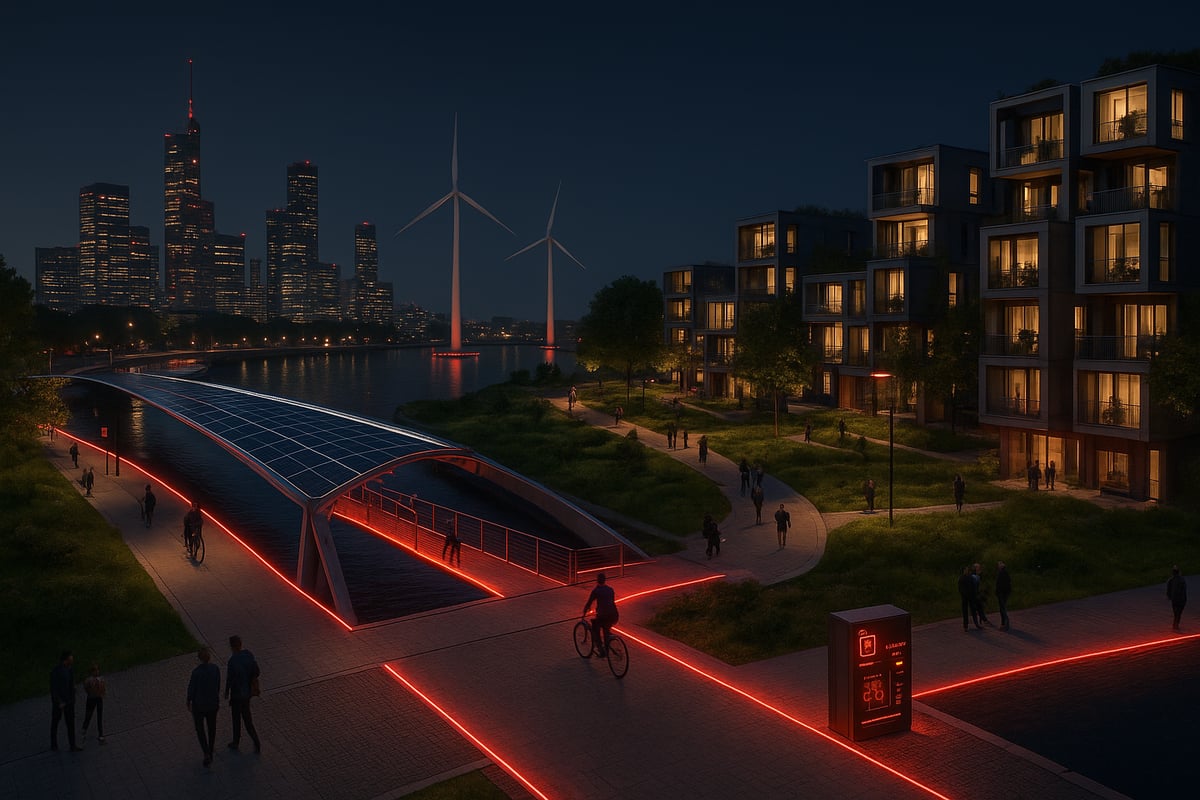
The Thames Green Corridor Revitalisation is transforming London’s riverfront into a model for sustainable urban living. This ambitious civil engineering design projects initiative integrates advanced flood defences, thriving wildlife habitats, and vibrant public spaces.
Key features include living shorelines that absorb tidal energy, permeable walkways to manage runoff, and smart lighting powered by renewable energy. By blending heritage preservation with cutting-edge climate resilience, the project is expected to cut local flood risk by 40 percent.
Beyond environmental benefits, the revitalised corridor will boost biodiversity and provide recreational opportunities for Londoners. Its holistic approach demonstrates how civil engineering design projects can honour the past while safeguarding the future.
2. Hyperloop UK Pilot Route
The Hyperloop UK Pilot Route stands at the forefront of transport innovation, promising to transform intercity travel. As one of the most ambitious civil engineering design projects this decade, it will connect major cities with high-speed, low-carbon transport.
Utilising magnetic levitation and vacuum tubes, the pilot route aims to drastically reduce journey times and emissions. AI-driven traffic control ensures optimal scheduling and safety, while the infrastructure supports both passengers and logistics.
Despite regulatory and financial challenges, the Hyperloop pilot represents a leap forward in sustainable mobility. It sets a benchmark for future civil engineering design projects focused on efficient, eco-friendly transport networks.
3. North Sea Floating Wind Farm Foundations
Offshore energy is evolving with the North Sea Floating Wind Farm Foundations. These civil engineering design projects use modular, corrosion-resistant concrete bases to anchor turbines in deep waters, expanding renewable energy potential.
Remote monitoring and adaptive maintenance systems help maximise efficiency. By enabling wind farms in previously inaccessible locations, the project supports the UK’s net-zero ambitions and is projected to power over 500,000 homes.
This approach demonstrates how civil engineering design projects can overcome environmental and technical barriers, providing scalable, sustainable energy solutions for the future.
4. Smart Motorways Retrofit Programme
The Smart Motorways Retrofit Programme is a nationwide effort to upgrade existing roadways with intelligent technology. As a leading example of civil engineering design projects in transport, it features dynamic lane management, real-time hazard alerts, and automated incident response.
On the M25 pilot section, these innovations reduced congestion by 25 percent. Dynamic systems increase capacity and safety, yet the removal of hard shoulders has sparked debate over emergency access.
Balancing efficiency with safety, this retrofit showcases how civil engineering design projects can modernise infrastructure through digital transformation.
5. JRG Civils Ltd: Excellence in Infrastructure Delivery
JRG Civils Ltd exemplifies excellence in civil engineering design projects across the UK. Specialising in commercial and domestic works, the company delivers highways, driveways, and public realm enhancements.
Notable achievements include drive-throughs for Costa Coffee and Greggs, plus bespoke residential improvements. Clients benefit from end-to-end project management, accredited quality, and tailored solutions.
JRG Civils Ltd’s comprehensive service range, local expertise, and client-focused approach position it as a leader in civil engineering design projects for businesses, franchise operators, and homeowners alike. Learn more
6. Newcastle Urban Resilience Park
Flood-prone urban areas are being reimagined through civil engineering design projects like the Newcastle Urban Resilience Park. This adaptive green infrastructure features rain gardens, bioswales, and permeable pavements, all designed with community input.
Interactive public spaces encourage engagement, while nature-based solutions manage stormwater and reduce the urban heat island effect. The park is projected to cut surface flooding by 60 percent during peak rainfall.
This project highlights the power of civil engineering design projects to build climate resilience, improve mental health, and foster community well-being.
7. Modular Affordable Housing Initiative, Manchester
Addressing housing shortages, the Modular Affordable Housing Initiative in Manchester leverages prefabricated construction. These civil engineering design projects deploy energy-efficient modules with flexible layouts and smart home technology.
By halving construction times and reducing costs, the scheme plans to deliver over 1,000 units in 2026. Modular methods also cut waste and environmental impact.
This initiative sets new standards for rapid, sustainable urban expansion, proving that civil engineering design projects can tackle pressing social challenges with innovation.
8. Edinburgh Sustainable Cycle Bridge
The Edinburgh Sustainable Cycle Bridge is a landmark in civil engineering design projects for active travel. Spanning the Water of Leith, it features recycled steel, solar-powered lighting, and integrated environmental sensors.
The bridge connects communities, promotes cycling and walking, and sets a new benchmark for inclusive, community-led design. Its innovative funding model and participatory approach ensure long-term success.
By demonstrating how civil engineering design projects can merge sustainability and connectivity, this bridge inspires cities across the UK.
9. Birmingham Smart Water Management Network
Birmingham’s Smart Water Management Network is a city-wide upgrade using sensors and AI for better water infrastructure. These civil engineering design projects enable leak detection, predictive maintenance, and automated flow controls.
A recent pilot prevented a major city centre pipe burst, highlighting the system’s reliability. The network is projected to reduce water waste by 30 percent and improve supply consistency.
This digital transformation shows how civil engineering design projects can safeguard resources and future-proof essential systems.
10. HS2 Green Viaducts
HS2 Green Viaducts are redefining rail infrastructure through nature-integrated design. As part of the UK’s largest civil engineering design projects, these viaducts feature green roofs, wildlife corridors, and stormwater management systems.
The approach minimises environmental impact and enhances landscape integration. Over 10km of green viaducts are planned by 2026, supporting noise reduction and pollinator habitats.
HS2’s commitment to sustainability sets a precedent for future civil engineering design projects, balancing infrastructure with ecological stewardship.
11. Cardiff Coastal Defence and Leisure Promenade
Cardiff’s Coastal Defence and Leisure Promenade combines robust sea defences with vibrant public spaces. This dual-purpose civil engineering design projects initiative features wave-dissipating geometry, integrated seating, and native landscaping.
Engineered to withstand 1-in-200 year storm events, the promenade also boosts tourism and supports marine life. The design encourages community use while offering long-term protection.
This project exemplifies how civil engineering design projects can deliver resilience and recreation in coastal environments.
12. Glasgow Circular Construction Hub
The Glasgow Circular Construction Hub is a centre for research, training, and demonstration in circular economy practices. These civil engineering design projects include material reuse labs, on-site recycling, and live project showcases.
By reducing construction waste and fostering innovation, the hub supports skills development for students, professionals, and local contractors. It exemplifies the shift towards sustainable, resource-efficient building.
As circular economy principles become mainstream, this hub is a beacon for future civil engineering design projects focused on environmental responsibility.
Key Trends Shaping Civil Engineering Projects in the UK
The landscape of civil engineering design projects in the UK is evolving rapidly, driven by urgent environmental, social, and technological challenges. As we approach 2026, five key trends are shaping how these projects are imagined, delivered, and measured for success.

Growing Emphasis on Sustainability and Net Zero
Sustainability has become a non-negotiable in civil engineering design projects. The UK government’s net zero mandate for 2050 is accelerating the adoption of low-carbon materials and greener construction methods. More projects are targeting BREEAM and CEEQUAL certifications to demonstrate their environmental credentials.
For example, many new bridges and public buildings now feature recycled content, green roofs, and integrated renewable energy systems. These changes are not just about compliance, but about redefining what responsible infrastructure means in practice.
Integration of Digital Tools and BIM
Digital transformation is at the heart of modern civil engineering design projects. Building Information Modelling (BIM) is now standard on major developments, enabling precise planning and real-time collaboration. Digital twins and advanced analytics allow project teams to simulate scenarios, optimise resource use, and predict maintenance needs.
For deeper insight into how these digital tools are revolutionising design, see this civil engineering design insights resource. By embracing these technologies, firms are delivering smarter, safer, and more cost-effective infrastructure.
Community and Stakeholder Engagement
Modern civil engineering design projects increasingly place communities at the centre of decision-making. Participatory design and co-creation are becoming the norm, with digital platforms enabling wider feedback and collaboration. This approach ensures that infrastructure projects not only meet technical requirements but also reflect the needs and aspirations of local people.
Community workshops and online consultations are common, helping to build trust and foster a sense of shared ownership. Ultimately, this leads to more successful and enduring infrastructure outcomes.
Focus on Resilience and Adaptation
Climate adaptation is now embedded from the earliest stages of civil engineering design projects. Engineers are prioritising flood prevention, heat mitigation, and disaster recovery features. For instance, significant investment is flowing into innovative flood defence systems and heat-resilient urban spaces.
The UK government has allocated £5bn for flood prevention by 2026, signalling a long-term commitment to resilient infrastructure. These strategies help safeguard both communities and assets against increasingly unpredictable weather patterns.
Advances in Modular and Offsite Construction
Modular and offsite methods are transforming the delivery of civil engineering design projects. These techniques cut waste, speed up construction, and reduce costs, making them especially attractive for public sector developments. Prefabricated housing, bridges, and schools are now commonplace.
For a broader perspective on how these trends are shaping the future, visit Top 5 civil engineering trends to watch in 2025. The mainstream adoption of modular construction reflects a broader shift toward efficiency and innovation across the sector.
How to Get Involved in Cutting-Edge Civil Engineering Projects
Becoming part of innovative civil engineering design projects is within reach for professionals and aspiring engineers alike. Begin by pursuing professional development, such as CPD courses and industry-recognised certifications. These steps not only build expertise but also open doors to new opportunities.
Engage with respected industry bodies by attending conferences, joining working groups, and connecting with peers. Developing digital skills, particularly in BIM, GIS, and project management software, is now essential for staying competitive in civil engineering design projects.
Consider volunteering for pilot schemes or local infrastructure initiatives to gain first-hand experience. Networking with leading firms and innovators provides valuable insights, while following project updates and case studies keeps you informed about the latest trends.
If you want a deeper understanding of ongoing opportunities, explore this Civil engineering services overview to see how you can contribute to the next generation of civil engineering design projects. Postgraduate study or research in emerging areas can further enhance your impact in the field.