Every successful construction project in 2026 starts with strong foundations, making piling services more crucial than ever. Whether you are building commercial towers or residential developments, the right approach to piling determines safety, longevity, and value.
This guide offers expert insights, highlights the latest industry trends, and provides practical steps for selecting and executing piling services with confidence. Discover the essential piling types, step-by-step processes, innovative technologies, regulatory updates, and professional tips you need to maximise your project's success.
Understanding Piling Services in 2026
Piling services are the backbone of modern construction, providing the essential support needed for buildings, bridges, and infrastructure to stand securely. In 2026, the role of piling services is more critical than ever, as projects grow in complexity and sustainability demands rise.
What Are Piling Services?
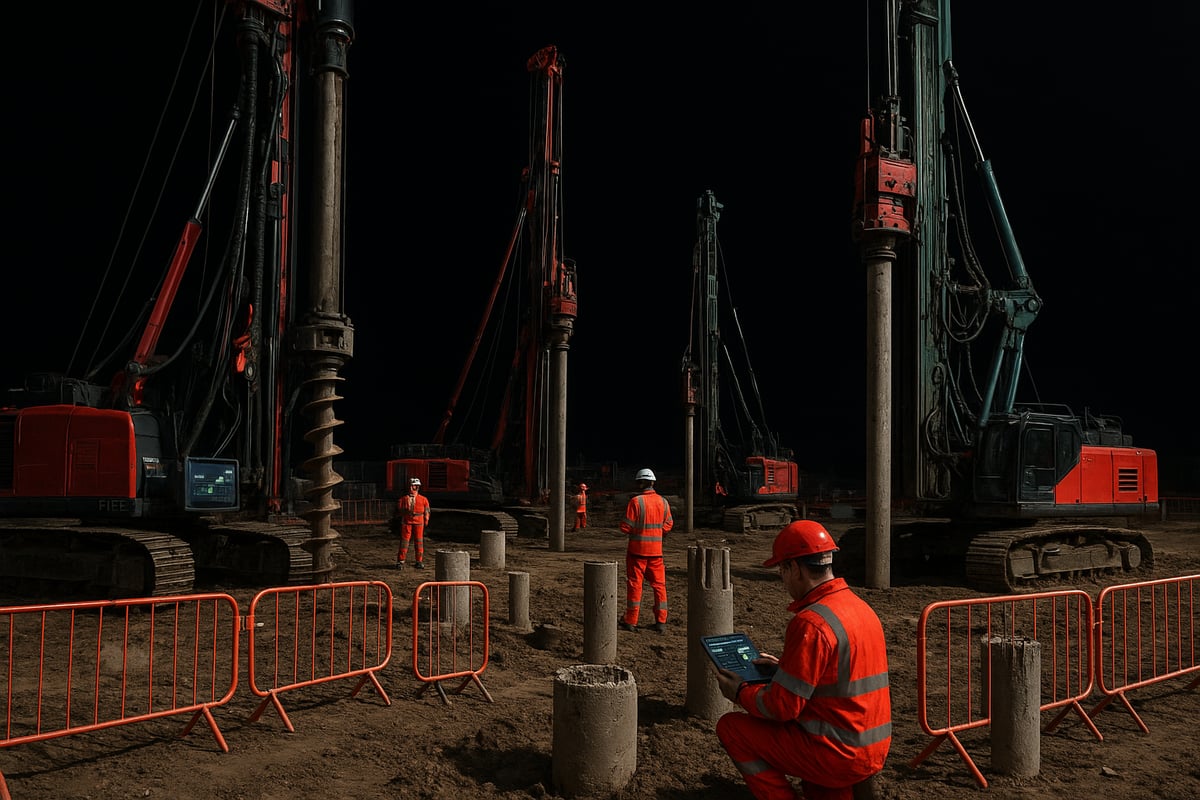
At their core, piling services involve driving or drilling structural elements, known as piles, deep into the ground to transfer building loads to stable soil or rock layers. This process ensures the longevity and stability of any structure, especially on sites with challenging ground conditions or high load requirements.
Types of Piling Services and Best-Use Scenarios
The industry offers several types of piling services, each suited to specific project needs:
| Pile Type | Description | Best Use |
|---|---|---|
| Driven | Piles hammered or vibrated into the ground | Large-scale, open sites |
| Bored | Holes drilled, then filled with concrete | Urban areas, minimal vibration |
| CFA | Continuous flight auger for quick install | Medium loads, soft to stiff soils |
| Mini-piles | Small diameter, installed in tight spaces | Restricted access, refurbishments |
| Screw piles | Helical steel piles screwed into ground | Fast, low-noise, remote sites |
For a deeper dive into the types and technical details, see Foundations and Piling Expertise.
2026 Market Trends and Innovations
The piling services sector is evolving fast. Demand continues to grow, driven by new infrastructure, commercial, and residential projects. Sustainability is a top priority, with recycled steel and low-carbon concrete becoming standard materials.
Technological advancements set 2026 apart. Automation and AI-based design tools streamline project planning, while real-time monitoring systems improve safety and quality. These innovations help piling services deliver projects faster, with greater accuracy and reduced environmental impact.
Regulatory Landscape
Recent updates to British Standards and Building Regulations are reshaping piling services. Stricter documentation requirements and new environmental controls affect how projects are planned and executed. Staying compliant demands up-to-date knowledge and close collaboration between contractors, engineers, and regulators.
Challenges Facing Piling Services
Despite progress, piling services face ongoing challenges. Site constraints, such as limited access or protected environments, require creative solutions. Soil variability can complicate pile selection and installation. Environmental impact, including noise and vibration, must be managed carefully to protect local communities and wildlife.
Industry Data and Case Study
According to leading construction bodies, the UK piling services market grew by 8% in 2025, reaching a value of over £1.2 billion. More than 40% of new infrastructure projects now specify sustainable piling methods.
A recent example is the Thames Gateway bridge project, which used AI-optimised bored piles and real-time monitoring to reduce installation time by 15%. This case highlights how advanced piling services can deliver measurable benefits in cost, speed, and environmental performance.
By understanding the types, trends, and challenges shaping piling services in 2026, project teams can make informed decisions that ensure long-term success and compliance.
The Piling Process: Step-by-Step Guide
Understanding the piling process is crucial for any construction project aiming for long-term durability and compliance. In 2026, piling services have become more advanced, with precise steps ensuring every project meets demanding safety and performance standards. Here is a detailed, step-by-step guide to help you navigate each phase of piling services, from the first soil test to the final handover.
Initial Site Investigation & Assessment
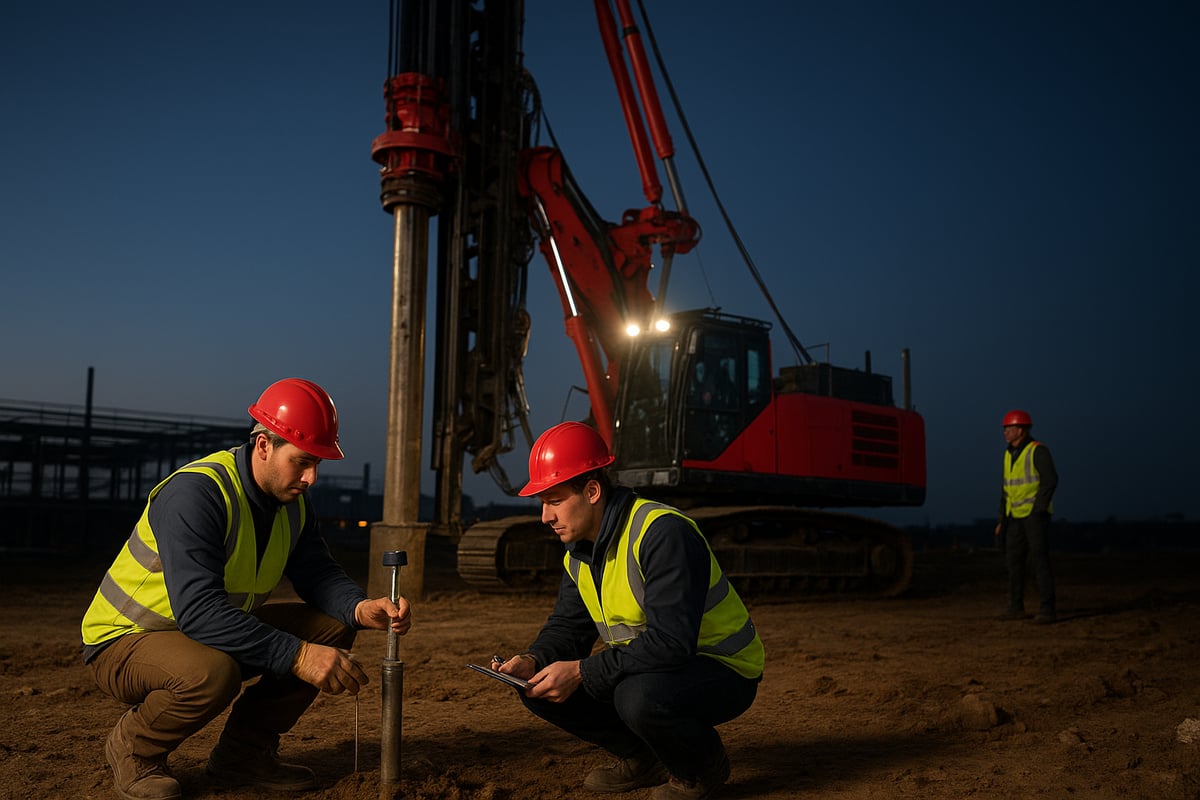
The success of piling services starts with a thorough site investigation. Geotechnical surveys and detailed soil testing provide critical data about subsurface conditions, such as soil composition, water tables, and bearing capacity. These insights influence every future decision.
Identifying load requirements is essential. Engineers calculate the weight the piles must support, taking into account building design, expected usage, and safety margins. This stage also highlights potential risks, such as contamination or groundwater, that may affect piling services.
Environmental and site-specific data are gathered, including access routes, nearby structures, and ecological considerations. For example, a recent project in Manchester encountered unexpected underground obstructions during assessment, prompting a shift to mini-piles for minimal disruption. By investing in comprehensive site investigations, you reduce the risk of costly surprises and ensure your piling services are tailored to the site’s unique demands.
Pile Design & Specification
Once the investigation is complete, design and specification become the focus. Effective piling services require close collaboration between engineers, architects, and contractors. This teamwork ensures all requirements are addressed from the outset.
Selection criteria include load capacity, soil type, site access, and available budget. Digital modelling and simulation tools allow teams to visualise different scenarios and optimise pile layouts before work begins. Compliance with the latest British Standards and Building Regulations is mandatory, guaranteeing safety and quality.
During this phase, the piling services provider will specify the pile type, diameter, length, and installation method. These choices are based on both the technical findings and practical constraints. Regular design reviews and value engineering sessions help refine the approach, striking a balance between cost, safety, and sustainability.
Mobilisation & Site Preparation
Mobilisation is where planning becomes action. Efficient piling services depend on well-coordinated equipment logistics, ensuring piling rigs and support vehicles can access the site safely and on schedule.
Health and safety protocols are a top priority in 2026. New PPE standards, on-site training, and digital safety briefings protect all personnel involved in piling services. Environmental protection measures are implemented, such as noise barriers, dust suppression systems, and vibration controls to minimise impact on neighbours and wildlife.
Site preparation also involves marking out pile positions, setting up exclusion zones, and ensuring all utilities are located. By meticulously preparing the site, the piling services team creates a safe, efficient environment that supports precise installation and minimises delays.
Pile Installation
Pile installation is the most visible and technically demanding stage of piling services. There are several primary methods:
- Driven piles: Steel or concrete piles are hammered or vibrated into the ground, suitable for dense soils and rapid installation.
- Bored piles: Holes are drilled, then filled with concrete, ideal for urban settings with minimal vibration.
- Continuous Flight Auger (CFA) piles: Concrete is pumped into the ground as the auger is withdrawn, combining speed and reduced noise.
- Screw piles: Steel piles with helical blades are rotated into the soil, perfect for restricted access or low-impact projects.
Each method has a step-by-step sequence, from positioning the rig to monitoring pile depth and alignment. Quality assurance is enhanced by sensors and real-time data logging, supporting immediate adjustments if required. To learn more about the latest advancements in equipment and monitoring, see Innovative Technologies in Piling Equipment.
Unexpected obstacles, such as buried utilities or high groundwater, are managed using contingency plans and adaptive techniques. The piling services team must stay agile, resolving issues quickly to keep the project on track.
Testing, Verification & Handover
After installation, rigorous testing and verification ensure the integrity of piling services. Load testing is performed to validate that piles can support the intended loads. Non-destructive integrity checks, such as sonic logging and pile driving analysis, confirm quality throughout the pile length.
Comprehensive documentation is produced, detailing installation records, test results, and compliance certificates. This paperwork is vital for regulatory approval and future reference. A structured handover process, with clear communication between piling services and the main contractor, guarantees a smooth transition to the next construction phase.
By following each step meticulously, piling services deliver foundations that are safe, compliant, and built to last.
Choosing the Right Piling Contractor
Selecting the ideal partner for piling services is a crucial step that can define your project's outcome. The right contractor will provide not only technical expertise but also peace of mind throughout the build. With evolving standards in 2026, knowing what to look for has never been more important.
Key Criteria for Contractor Selection
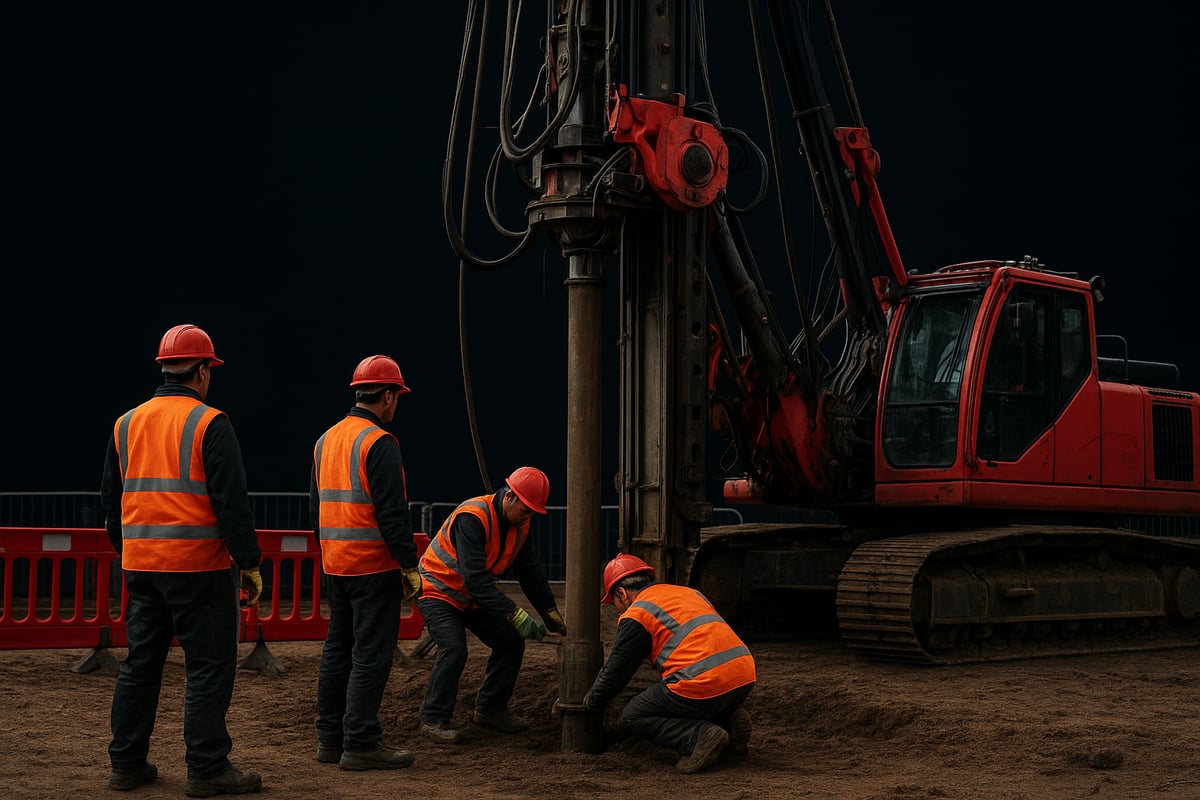
Begin by assessing a contractor’s accreditation and industry certifications. These credentials confirm that the company meets the latest British Standards for piling services. Next, consider their experience, especially with projects similar in scale and complexity to yours.
Evaluate their equipment and technology. The best contractors invest in modern piling rigs, advanced monitoring systems, and sustainable practices. Lastly, review their safety record. A strong history of compliance and accident-free projects is non-negotiable.
Evaluating Portfolios and Experience
A reputable provider of piling services should showcase a diverse portfolio. Look for evidence of successful commercial, infrastructure, and residential projects. This breadth demonstrates adaptability and reliability under varied conditions.
You can gain further insight by exploring Commercial Civil Engineering Projects, which highlights real-world scenarios where piling services have played a pivotal role. Case studies reveal how contractors handle challenges and deliver results.
Pricing, Communication, and Project Management
Transparent pricing is vital. Insist on detailed, itemised quotations that outline every stage of the piling services process. This reduces the risk of hidden costs and scope creep.
Strong communication is another key attribute. Reliable contractors maintain clear channels with all stakeholders and use digital project management tools for real-time updates. This approach streamlines workflows and minimises misunderstandings.
Warranties, Aftercare, and Red Flags
Always ask about warranties and aftercare packages. Leading piling services contractors offer guarantees on workmanship and provide ongoing support after project completion.
Be wary of red flags such as incomplete documentation, lack of public liability insurance, or a poor safety record. These issues can jeopardise both timelines and compliance.
Example: Success vs. Pitfalls and Industry Stats
Consider two scenarios. In one, a contractor with a proven track record and transparent processes completes piling services on schedule, ensuring seamless progression. In the other, a firm lacking documentation and project oversight causes delays and costly rework.
Recent industry data reveals that in 2025, over 18% of UK construction projects faced delays due to contractor errors. Choosing the right partner for piling services is essential to avoid such pitfalls and secure project success.
Innovations & Future Trends in Piling Services
The piling services sector is on the brink of a transformation in 2026, fuelled by sustainability, digital innovation, and evolving regulations. Companies are rethinking their approach, moving beyond traditional methods to embrace solutions that promise greener, faster, and more cost-effective results. Staying ahead of these trends is crucial for any construction professional seeking to maximise value and ensure long-term project success.

Sustainable Piling Solutions
In 2026, sustainability is at the forefront of piling services. The industry is shifting towards low-carbon materials, such as recycled steel and innovative concrete mixes that significantly reduce emissions. These materials not only lower the environmental footprint but also help clients meet increasingly strict planning requirements.
Eco-friendly installation methods are also on the rise. Techniques that minimise noise, dust, and vibration are being adopted to protect communities and wildlife. For example, silent piling methods and electric machinery are now common on urban projects, dramatically improving air quality and reducing disruption.
A recent infrastructure project in Manchester used recycled steel piles combined with low-carbon concrete, resulting in a 40 percent reduction in embodied carbon compared to traditional piling services. This success story demonstrates how sustainable choices can deliver both environmental and commercial benefits.
Smart Technology Integration
Smart technology is revolutionising piling services. Companies now use AI-driven design tools that analyse ground conditions and optimise pile placement, reducing waste and ensuring structural integrity. Real-time monitoring systems enable teams to track installation progress and identify issues before they escalate.
Predictive maintenance, powered by machine learning, helps anticipate equipment failures and schedule repairs proactively. Digital twins, virtual replicas of construction sites, allow engineers to visualise projects, test scenarios, and mitigate risks without costly on-site trials.
The pace of change is rapid, as highlighted in the Piling Machine Trends 2025: AI, Automation & Sustainability report, which details how automation and AI are shaping the future of piling services. Embracing these advancements leads to greater efficiency, reduced errors, and enhanced safety on every project.
Modular & Offsite Piling
Modular and offsite solutions are gaining traction within piling services, offering a faster, more reliable alternative to traditional on-site methods. Prefabricated piling systems are manufactured in controlled environments, ensuring consistent quality and minimising weather-related delays.
Key benefits include:
- Reduced installation times
- Lower site disruption and noise
- Improved safety through factory conditions
Clients value these efficiencies, as modular piling services can accelerate project timelines and keep costs in check.
Regulatory & Industry Developments
Regulatory changes are influencing all aspects of piling services in 2026. Updates to British Standards and Building Regulations require stricter documentation, improved environmental protection, and enhanced accountability.
Contractors must adapt their methods and materials to comply with new rules. This includes using certified low-emission equipment and maintaining detailed records for regulatory audits. Staying informed about these shifts ensures projects remain compliant and avoids costly delays.
The evolving landscape means that proactive engagement with industry bodies is essential for any firm delivering piling services.
Cost & Value Optimisation
Optimising costs remains a top priority in piling services. New techniques, such as digital project management and real-time cost tracking, help teams identify savings without compromising on quality.
Lifecycle cost analysis is increasingly common, weighing upfront investment against long-term performance and maintenance. Choosing sustainable materials and innovative methods may have a higher initial price, but often deliver greater value over the lifespan of the structure.
A table below summarises key strategies for cost optimisation:
| Strategy | Benefit |
|---|---|
| Digital cost tracking | Reduces overruns |
| Modular piling | Cuts installation time |
| Lifecycle analysis | Maximises long-term value |
By adopting these approaches, piling services providers can deliver competitive pricing and superior results for clients.
Expert Tips for Piling Project Success
Delivering a successful construction project in 2026 requires more than technical expertise. It demands strategic planning, risk awareness, seamless collaboration, and a willingness to embrace innovation at every stage of your piling services journey. By following these expert tips, you will not only avoid common pitfalls but also maximise the value, safety, and efficiency of your investment in piling services.
Planning for Success: Early Engagement
Early engagement is the cornerstone of every successful piling services project. By involving piling specialists from the initial stages, you ensure that site investigation, design, and execution are aligned from day one. This proactive approach prevents costly redesigns and delays later in the project.
Collaboration between engineers, architects, and contractors is vital. It enables the team to assess ground conditions, load requirements, and regulatory constraints before finalising the piling services plan. For example, a recent UK commercial project avoided a six-week delay by identifying challenging soil conditions during the concept phase, allowing for timely adjustment of the piling method.
To explore how early engagement fits into the wider framework of construction planning, see the Civil Engineering Services Overview, which details the importance of selecting the right expertise for each stage.
Start early, communicate clearly, and integrate piling services into your project’s master plan for the best results.
Risk Management & Contingency Planning
Every piling services project faces unique site risks. Identifying these early and setting up robust contingency plans is essential for project resilience.
Begin by conducting thorough geotechnical surveys to reveal soil variability, groundwater presence, and potential obstructions. Use this data to shape risk registers and inform contingency budgets. Smart project teams allocate additional time and resources to address unforeseen issues, such as hidden utilities or changing weather conditions.
Contingency planning in piling services should also account for regulatory changes and environmental considerations. This forward-thinking approach ensures your project remains on track, even when unexpected challenges arise.
Effective risk management safeguards your timeline, budget, and reputation.
Communication & Collaboration
Strong communication is at the heart of effective piling services delivery. All stakeholders, from designers to site operatives, must share real-time updates to prevent misunderstandings and delays.
Digital collaboration tools, such as cloud-based project management platforms, enhance transparency and streamline document sharing. These systems allow for instant updates on site progress, design changes, and safety alerts across the piling services team.
Regular coordination meetings, both virtual and onsite, keep everyone aligned with project goals. This approach fosters trust and enables rapid response to issues as they arise.
Prioritising open communication ensures every member of the piling services team is informed, engaged, and accountable.
Quality Assurance & Continuous Improvement
Quality assurance is non-negotiable for piling services. Implementing robust QA/QC processes throughout installation and testing helps maintain high standards and regulatory compliance.
Regular inspections, load tests, and integrity checks should be scheduled at key milestones. Use lessons learned from previous projects to refine your approach. Recording and analysing these findings allows your piling services team to improve methods and avoid repeating mistakes.
Continuous improvement is not just about meeting today’s standards—it is about setting new benchmarks for safety, efficiency, and reliability in piling services.
Commit to quality from the outset and drive ongoing improvement across every project phase.
Maximising Value Through Innovation
Innovation is the key to unlocking greater value in piling services. Embracing new technologies and advanced materials can reduce costs, speed up installation, and minimise environmental impact.
For example, digital modelling tools and AI-driven design allow for more precise pile placement and resource allocation. Partnering with forward-thinking contractors who adopt these innovations ensures your piling services are both future-proof and cost-effective.
Stay informed about emerging trends and be open to adopting new methods. Innovative piling services solutions often translate into measurable benefits for both the project and the environment.
By championing innovation, you set your project apart and maximise long-term value.
Piling Services Costs & Budgeting Insights
Understanding the true cost of piling services is essential for any construction project aiming for success in 2026. With budgets under increasing pressure, knowing where your investment goes and how to optimise spend can make the difference between profitability and costly overruns.
Typical Cost Breakdown by Pile Type and Project Scale
Piling services costs vary widely depending on pile type, project size, and technical requirements. Below is a summary table to help demystify average cost ranges:
| Pile Type | Residential (£/m) | Commercial (£/m) | Infrastructure (£/m) |
|---|---|---|---|
| Driven Concrete | 80–120 | 70–110 | 65–100 |
| Bored Piles | 100–180 | 90–160 | 85–150 |
| CFA (Continuous) | 90–140 | 80–130 | 75–120 |
| Mini Piles | 120–200 | 110–180 | 100–170 |
| Screw Piles | 100–150 | 90–140 | 85–130 |
Note: These figures reflect typical 2026 prices, but actual piling services costs can be higher in challenging ground conditions or urban sites.
Key Factors Influencing Piling Services Costs
Several variables can impact the overall cost of piling services:
- Site Access: Limited access may require specialised equipment, raising costs.
- Ground Conditions: Unstable or contaminated soils demand advanced solutions and may increase prices.
- Pile Type and Length: Deeper or larger diameter piles naturally cost more.
- Regulatory Compliance: Meeting updated British Standards can add to both material and documentation expenses.
Budgeting for piling services should always account for these factors from the outset to avoid surprises later in the project.
Hidden Costs and Budget Risks
Beyond the headline figures, hidden costs often emerge during piling works. Common issues include:
- Delays caused by unexpected obstructions or groundwater
- Remediation if piles fail initial tests or require redesign
- Additional Testing mandated by inspectors
- Temporary Works such as shoring or dewatering
Factoring in a contingency—typically 10–15% of the piling services budget—can help mitigate these risks.
Strategies for Accurate Budgeting and Value Engineering
To control piling services costs, consider these strategies:
- Early Contractor Involvement: Engage piling specialists during design to anticipate challenges.
- Detailed Site Investigation: Invest in thorough geotechnical surveys to reduce unknowns.
- Transparent Quotations: Request itemised quotes to compare like-for-like.
- Value Engineering: Assess alternative materials and methods to balance upfront savings with long-term durability.
For example, a recent commercial development in Manchester avoided a £250,000 overrun by switching to CFA piles after a detailed ground survey revealed variable soil strata.
2026 Price Trends, Market Data, and Planning for Success
Material costs and labour rates for piling services have risen by 8–12% since 2024, driven by inflation and increased demand for sustainable solutions. According to the Piling Rigs Market Size & Forecast, the sector is expected to grow steadily up to 2035, with technology adoption influencing both pricing and efficiency.
Recent UK surveys show the average piling services project cost for a mid-sized development ranges from £120,000 to £400,000, with overruns reported in 28% of cases, often linked to inadequate site investigation or poor contractor selection.
By integrating robust planning, clear communication, and ongoing value reviews, you can ensure your piling services investment delivers maximum return and project certainty.