
Unlock the secrets behind successful infrastructure projects with the definitive all civil works handbook for 2026. In an era where efficient, safe, and sustainable civil works are vital, understanding the intricacies of these projects has never been more important.
From highways and drainage to residential upgrades, the world of all civil works is vast and complex. Each project demands careful planning, expert knowledge, and a commitment to the latest industry standards.
This comprehensive guide promises actionable strategies, practical insights, and up-to-date guidance for every stage of your civil engineering journey. Whether you are planning, building, or managing projects, this article is your essential companion.
Explore step-by-step advice on project planning, discover the key components of civil works, learn about sustainable practices, risk management, regulatory compliance, and future innovations. Let’s build a better tomorrow, together.
Understanding Civil Works: Scope and Significance
Civil works form the backbone of modern infrastructure, shaping the environments in which we live, work, and travel. From bustling city centres to quiet residential streets, these projects ensure communities function efficiently and safely.
Defining Civil Works
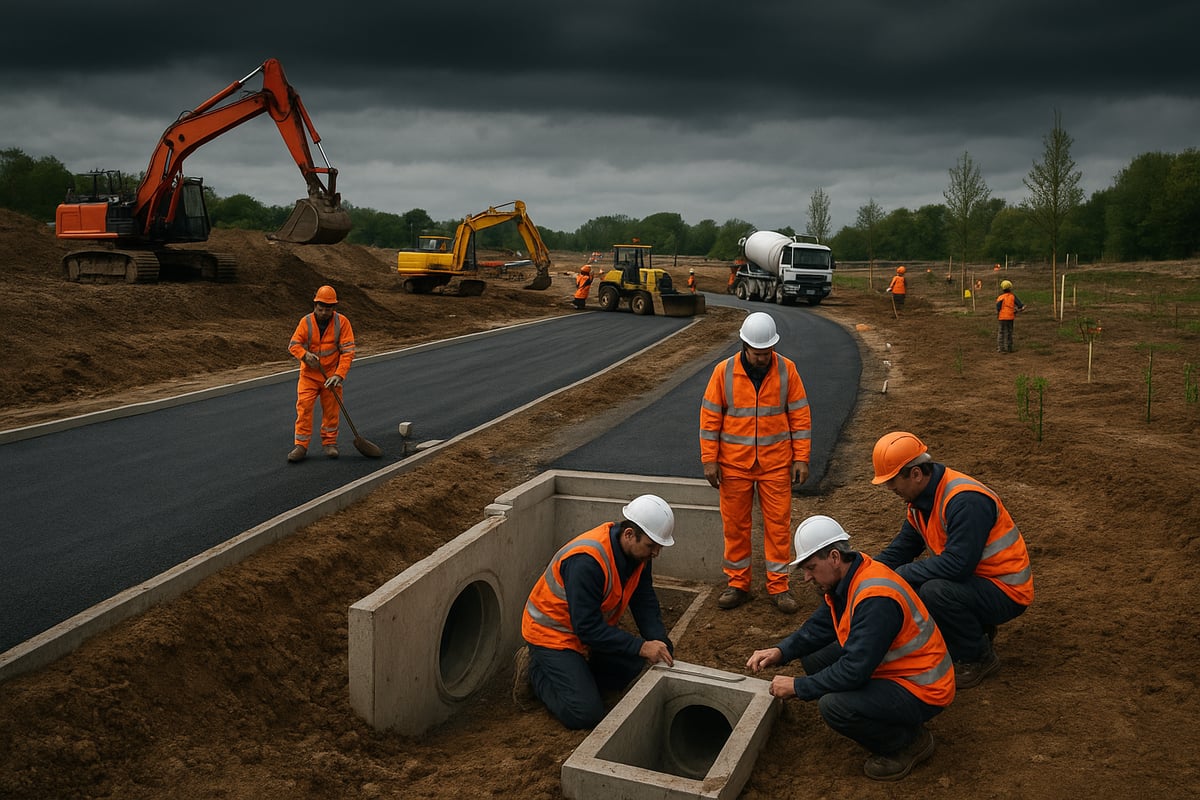
All civil works refer to the design, construction, and maintenance of essential infrastructure that supports society’s daily needs. These projects span various sectors, including transport, utilities, public spaces, and residential developments.
Examples of civil works include:
- Road and highway construction
- Drainage and flood defences
- Landscaping for parks and urban spaces
Unlike general construction, all civil works focus on infrastructure that benefits the wider public, driving economic growth and safeguarding communities.
Types of Civil Works Projects
The range of all civil works is extensive, covering both large-scale and domestic projects. Key types include:
- Highways, bridges, and transport networks
- Water management: drainage, sewage, and flood protection
- Foundations and structural elements for buildings
- Public realm enhancements such as parks and plazas
- Residential improvements like driveways and fencing
Each category serves a unique function, ensuring that urban and rural environments remain accessible, resilient, and attractive.
Stakeholders and Their Roles
Successful delivery of all civil works relies on collaboration between multiple stakeholders. These typically involve:
- Government bodies setting standards and funding
- Contractors and engineers overseeing works
- Private sector partners and civil engineering consultants
- Local communities engaged through consultations
A notable example is urban regeneration, where public and private groups work hand in hand to transform city spaces, ensuring projects meet both technical and social goals.
Recent Industry Statistics and Trends
The UK’s civil engineering sector underpins thousands of jobs and billions in economic value. Recent years have seen a surge in sustainable infrastructure, digital tools, and efficient project delivery. According to the UK civil engineering market size and outlook, the market is set for continued growth through 2030.
Sustainability, Building Information Modelling (BIM), and government-backed initiatives are now central to all civil works, reflecting the evolving demands of society and the environment.
Step-by-Step Civil Works Project Lifecycle
Mastering the project lifecycle is essential for success in all civil works. Each phase brings unique challenges and opportunities, demanding structured planning, technical expertise, and ongoing collaboration. By following a clear step-by-step approach, teams can deliver infrastructure projects that are efficient, safe, and built to last.
1. Initial Planning and Feasibility
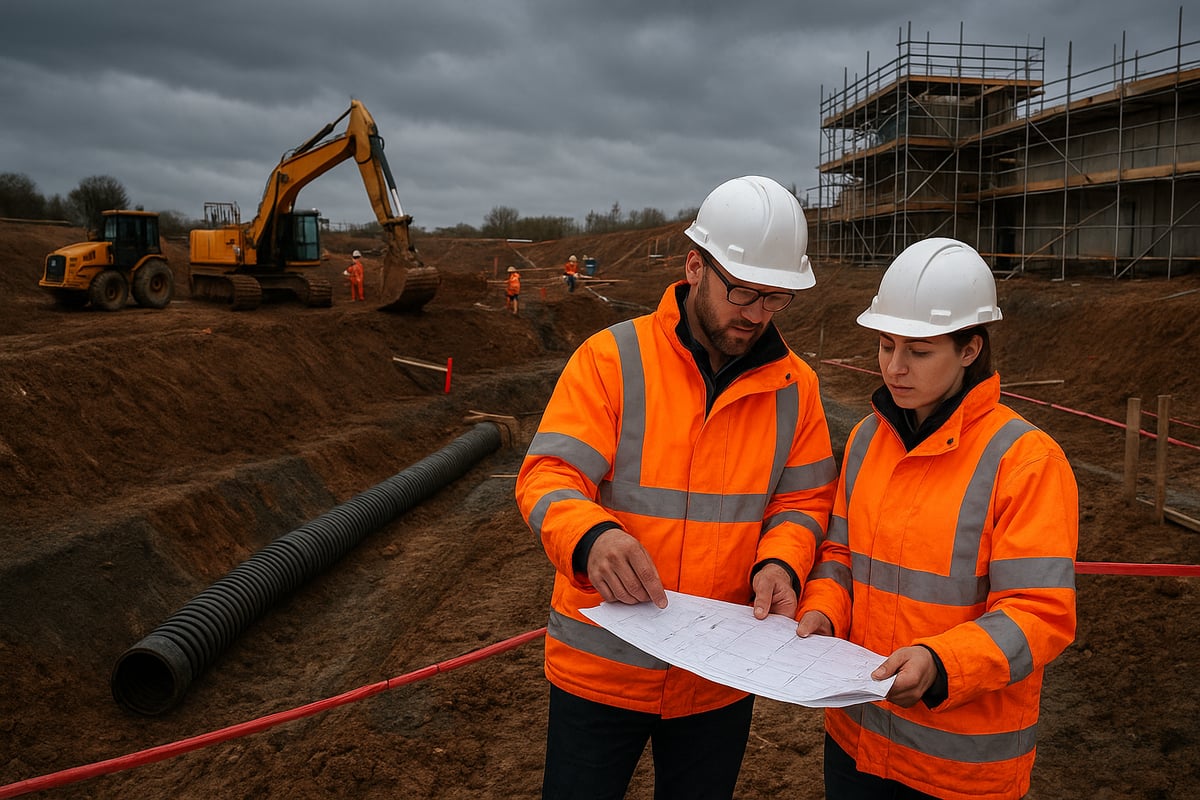
The first step in all civil works is site assessment. Teams conduct detailed surveys using modern equipment to evaluate topography, ground conditions, and accessibility. Environmental and geotechnical studies follow, identifying constraints such as flood risk or soil stability.
Budget estimation is critical at this stage. Accurate cost analysis ensures financial viability and helps secure funding from public or private sources. Stakeholder consultation gathers input from local authorities, residents, and businesses, shaping project objectives to match community needs.
Feasibility studies combine technical, economic, and environmental factors. For example, a bypass project might require traffic modelling, ecological assessments, and cost-benefit analysis before moving forward. Early planning minimises risks and lays the foundation for a successful project outcome in all civil works.
2. Design and Engineering
Once feasibility is established, the design phase begins. Civil engineers develop both conceptual and detailed designs, integrating input from architects, planners, and environmental specialists. Digital tools like CAD and BIM streamline this process, allowing teams to visualise structures and detect conflicts early.
Designs must comply with relevant codes and standards to guarantee safety and performance. Close coordination ensures that all civil works meet regulatory requirements and align with project goals. Design reviews and approval processes provide additional quality checks before construction starts.
Effective engineering design is not just about technical drawings. It requires balancing functionality, sustainability, and cost, ensuring the final solution serves its intended purpose for years to come. This phase sets the technical blueprint for all civil works projects.
3. Procurement and Contractor Selection
Procurement is the gateway to turning plans into reality for all civil works. The process often starts with preparing tender documents and inviting bids from qualified contractors. Transparent evaluation criteria, such as experience, financial stability, and safety records, help identify the best candidates.
Contract types vary depending on project complexity. Common options include design-build, traditional, and management contracting, each offering different levels of risk and flexibility. Prequalification ensures that only capable firms participate, reducing the likelihood of delays or disputes.
Public sector projects, like highways, often follow strict procurement regulations to ensure fairness. Selecting the right partners is vital for achieving quality, timely delivery, and value for money in all civil works.
4. Construction and Site Management
Site mobilisation marks the start of physical work in all civil works. Setting up site boundaries, welfare facilities, and traffic management systems is essential for safety and efficiency. Health, safety, and environmental (HSE) management underpin every activity, protecting workers and the public.
Quality assurance is achieved through regular inspections and adherence to specifications. Progress is tracked using digital reporting tools, enabling proactive problem-solving. Managing subcontractors and suppliers demands clear communication and scheduling.
For further insight into effective site management practices, see civil engineering site management. Phased construction is common in large drainage or road projects, minimising disruption and maintaining access as work progresses. Strong site management is the backbone of all civil works.
5. Inspection, Testing, and Handover
As construction nears completion, inspection and testing become the focus in all civil works. Commissioning involves thorough checks of systems and components, confirming they function as designed. Materials are tested for quality and compliance, with certification provided as evidence.
Defects liability and snagging are addressed through systematic reviews, ensuring any issues are rectified before official handover. Comprehensive documentation, including maintenance manuals and as-built drawings, is handed to the client. Training sessions help clients manage new assets effectively.
Post-completion support ensures a smooth transition and long-term reliability. Planning for future maintenance at this stage strengthens the overall value and performance of all civil works.
6. Maintenance and Lifecycle Management
Ongoing care is essential to maximise the lifespan of all civil works. Scheduled maintenance includes routine inspections, cleaning, and minor repairs, while reactive strategies address unexpected faults. Asset management systems track the condition of infrastructure and forecast future needs.
Digital tools, such as remote sensors and maintenance planning software, enhance efficiency and reduce costs. Budgeting for long-term upkeep prevents deterioration and supports sustainability. For example, public realm projects benefit from lifecycle planning that integrates green infrastructure and community input.
Sustainable maintenance practices protect investments and deliver lasting benefits. Prioritising lifecycle management ensures that all civil works continue to serve communities safely and efficiently.
Key Components of Civil Works Projects
Understanding the key components of all civil works projects is essential for anyone involved in infrastructure development. Each element, from earthworks to residential enhancements, contributes to the overall success and sustainability of a project. Let us explore the primary building blocks that define all civil works, highlighting their unique features and best practices.
Earthworks and Ground Engineering
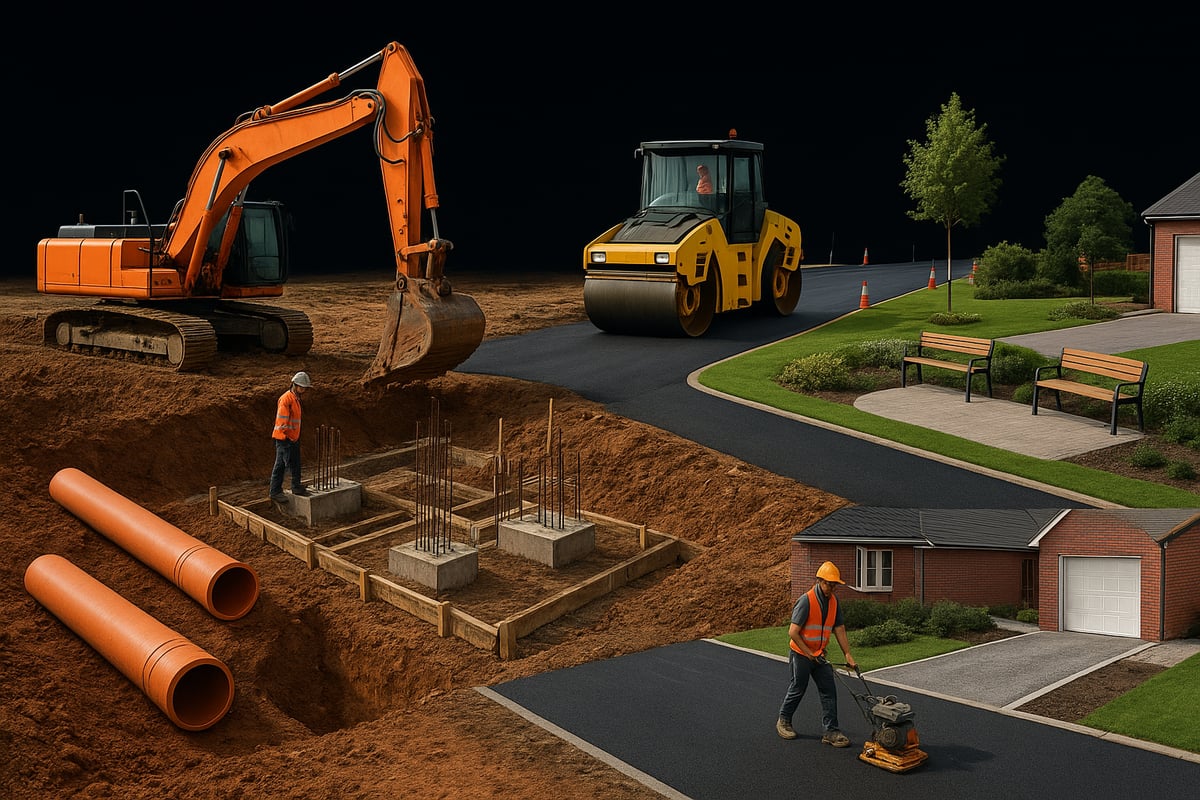
Earthworks are the foundation of all civil works, shaping the landscape to prepare for construction. This stage includes site clearance, excavation, and grading to ensure levels and stability. Ground engineering techniques, such as soil stabilisation and compaction, play a vital role in preventing future settlement issues.
Modern projects often use geotextiles and advanced ground improvement methods to reinforce the soil, especially in challenging conditions. For example, in flood-prone regions, robust earthworks can significantly reduce risk and improve resilience. The careful planning and execution of these tasks are crucial in all civil works to guarantee a safe and durable base for further construction.
Drainage and Water Management
Effective drainage and water management systems are integral to all civil works projects, safeguarding assets and communities. Surface and subsurface drainage solutions manage runoff and prevent waterlogging, while Sustainable Urban Drainage Systems (SuDS) offer environmentally friendly alternatives.
Flood prevention measures, such as retention basins and permeable surfaces, are increasingly important as climate patterns shift. Water quality is maintained through filtration and sediment control features. A recent urban drainage upgrade in the UK showcased how innovative approaches can enhance both performance and sustainability, demonstrating the evolving nature of all civil works.
Foundations and Structural Elements
Robust foundations are the backbone of all civil works, providing stability and longevity to structures. Common types include strip, raft, pile, and pad foundations, each selected based on soil conditions, load requirements, and site constraints.
Factors such as reinforcement, waterproofing, and ground movement influence foundation design. The integration of piling and advanced methods ensures safety and compliance on complex sites. For more detailed insights, see the Foundations and piling services page, which explores these core aspects of all civil works. A well-designed foundation is essential for commercial and residential projects alike.
Roads, Highways, and Surfacing
Roads and highways form the connective tissue of all civil works, supporting transport and commerce. Key materials include asphalt, concrete, and block paving, each offering distinct benefits for durability and maintenance.
Adherence to road design standards ensures safety, while traffic management strategies minimise disruption during construction. Features such as kerbing, signage, and pedestrian crossings enhance accessibility and safety for all users. An example is the resurfacing of a major city road, where advanced surfacing solutions and clear markings improved both function and aesthetics, underscoring the importance of this component in all civil works.
Public Realm and Landscaping
The public realm and landscaping elements of all civil works projects create welcoming, functional spaces for communities. Hard landscaping includes paving, walls, and retaining structures, while soft landscaping features planting and turfing for visual appeal and environmental benefit.
Accessibility and inclusive design are key, ensuring spaces are usable by everyone. Street furniture, lighting, and green infrastructure, such as rain gardens, add value and character. The revitalisation of a public square can transform urban areas, making them more attractive and sustainable, which highlights the broader social impact of all civil works.
Residential Civil Works
Residential aspects of all civil works focus on enhancing living environments through practical and aesthetic improvements. Driveways, patios, and garden design offer tailored solutions for homeowners, while domestic drainage and kerbing ensure proper water management.
Fencing and boundary treatments provide security and privacy, complementing the overall landscape. A sustainable driveway installation, using permeable materials and recycled aggregates, demonstrates how all civil works can combine functionality with environmental stewardship. Attention to detail in residential projects ensures lasting value and satisfaction for residents.
Sustainable and Innovative Practices in Civil Works
To achieve long-term success in all civil works, embracing sustainability and innovation is essential. The industry is evolving, with new methods and technologies driving projects towards greater efficiency, lower environmental impact, and enhanced social value. Let us explore the leading practices that set the benchmark for 2026 and beyond.
Environmental Impact and Mitigation
Reducing environmental impact is a key priority for all civil works projects. Every stage, from planning to completion, must consider ways to lower carbon emissions, conserve resources, and protect the local environment.
Effective strategies include:
- Conducting detailed environmental assessments
- Using low-emission machinery and renewable energy
- Managing waste through recycling and reuse
Eco-friendly site management also involves protecting habitats and biodiversity. For example, some sites create temporary wildlife corridors or install noise barriers to minimise disruption. These efforts ensure that all civil works align with environmental regulations and community expectations.
Green Materials and Technologies
Selecting sustainable materials is transforming all civil works. Recycled aggregates, low-carbon concrete, and responsibly sourced timber are now standard options for many contractors.
Technologies that reduce environmental impact include:
- Permeable paving to manage stormwater
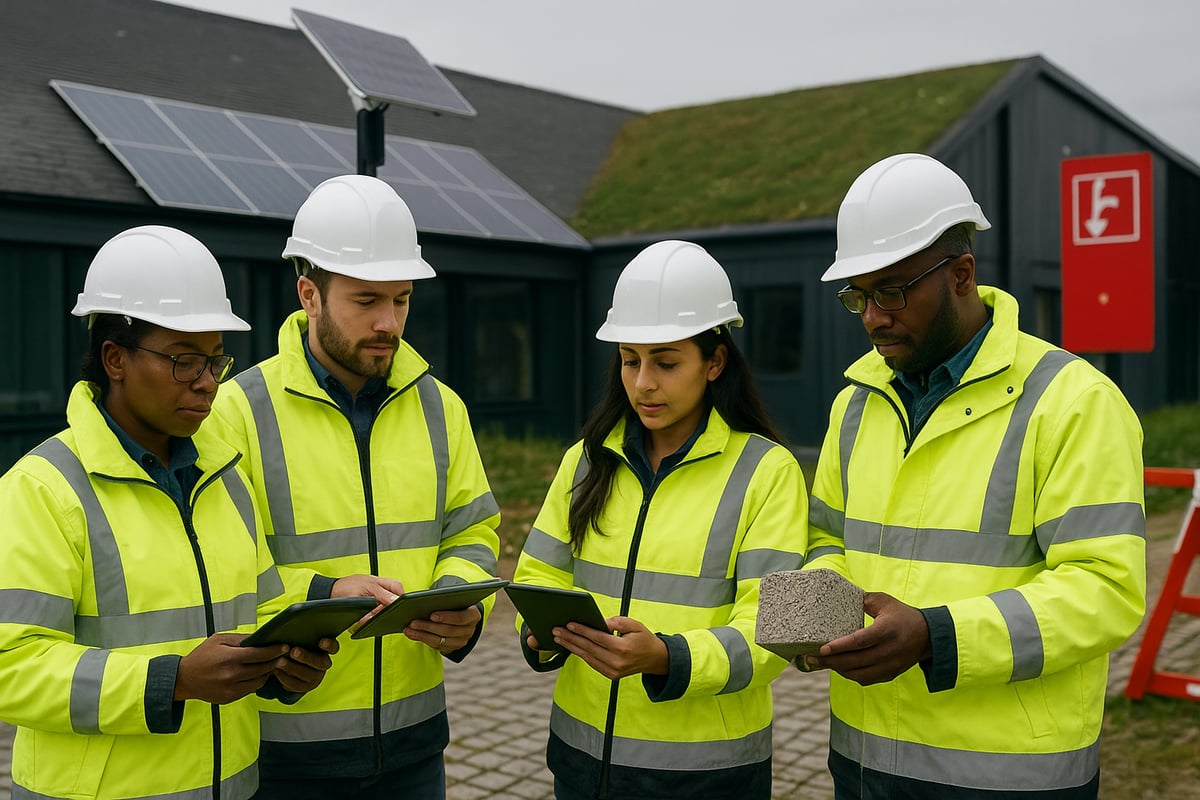
- Green roofing for insulation and biodiversity
- Solar power for site operations
Adopting these solutions not only cuts emissions but also improves long-term project value. For example, a solar-powered site office can lower operational costs and set a strong example for sustainable practice within all civil works.
Digital Transformation in Civil Engineering
Digital innovation is revolutionising all civil works. Building Information Modelling (BIM), drones, and IoT sensors are streamlining both design and construction. These tools enable real-time monitoring, improve collaboration, and reduce errors.
BIM, in particular, allows teams to visualise infrastructure projects before breaking ground. For a deeper look at recent advancements, see this bibliometric analysis of BIM applications in civil infrastructure. Drones are used for rapid site surveys, while IoT sensors provide data for predictive maintenance.
By integrating digital tools, all civil works are becoming more efficient, transparent, and adaptable to change.
Health, Safety, and Wellbeing
Protecting people is at the heart of all civil works. The latest health, safety, and environmental (HSE) standards require rigorous site controls, regular training, and thorough risk assessments.
Recent innovations include:
- Wearable technology to monitor worker health
- Smart PPE that detects hazards
- Mental health support programmes
These measures have led to significant reductions in workplace incidents. By embedding safety and wellbeing into every stage, all civil works can maintain a productive and responsible workforce.
Community Engagement and Social Value
All civil works projects must deliver benefits beyond physical infrastructure. Engaging local communities, offering apprenticeships, and supporting local employment are all vital strategies.
Community-driven projects often involve:
- Public consultations during planning
- Local supply chains and hiring
- Enhancements to shared public spaces
For example, urban improvement schemes that involve residents from the outset tend to achieve better outcomes and stronger support. By focusing on social value, all civil works contribute to healthier, more connected communities.
Regulatory Framework, Compliance, and Best Practices
Navigating the regulatory landscape is essential for successful delivery of all civil works. The UK’s robust framework ensures that projects meet safety, environmental, and quality benchmarks. Understanding and adhering to these requirements not only protects project stakeholders but also enhances long-term value and public trust.
UK Legal and Regulatory Requirements
Every all civil works project in the UK must comply with strict legal and regulatory frameworks. Securing planning permission is a crucial first step, involving submission of detailed designs and environmental studies to local authorities. Building regulations ensure that structures are safe, accessible, and energy efficient.
Environmental Impact Assessments (EIA) are often mandatory, especially for larger or sensitive projects. These studies identify potential environmental effects and outline mitigation measures. Health and safety is governed by the Construction (Design and Management) Regulations (CDM), which set duties for clients, designers, and contractors to manage risks throughout a project’s lifecycle.
For example, major infrastructure projects, such as highways or bridges, require comprehensive compliance documentation before breaking ground. Adherence to these regulations is essential to avoid costly delays or legal challenges.
Industry Standards and Accreditation
Consistency and quality in all civil works are maintained through adherence to recognised industry standards. British Standards (BS) and Eurocodes provide technical guidance for materials, design, and construction methods. Accreditation schemes, such as ConstructionLine and SafeContractor, demonstrate a contractor’s commitment to quality and safety.
Professional bodies like the Institution of Civil Engineers (ICE) and the Chartered Institution of Highways and Transportation (CIHT) play a pivotal role in setting best practice benchmarks. Third-party certification offers assurance to clients and regulators that all processes meet established criteria.
For an in-depth look at how these standards integrate with broader project delivery, see Civil engineering and building projects. Meeting these requirements is a hallmark of excellence in all civil works.
| Standard/Accreditation | Purpose |
|---|---|
| BS & Eurocodes | Technical and safety benchmarks |
| ConstructionLine | Contractor prequalification |
| SafeContractor | Health and safety compliance |
| ICE, CIHT | Industry best practice guidance |
Risk Management and Quality Assurance
Effective risk management is a cornerstone of all civil works. Identifying potential hazards early, from ground conditions to supply chain disruptions, allows project teams to develop mitigation strategies. Risk assessments are routinely performed at each project stage, ensuring proactive control measures are in place.
Quality assurance involves regular audits, inspections, and testing of materials and workmanship. Robust documentation and clear communication channels support quick resolution of issues. Insurance, such as public liability and professional indemnity, provides further protection for clients and contractors.
For instance, bridge construction projects often face unique risks, including structural integrity and weather impacts. Systematic risk management and thorough quality checks safeguard both the workforce and the public, ensuring the reliability of all civil works.
Cost Control and Value Engineering
Controlling costs is vital for the success of all civil works, especially as project complexity increases. Accurate budgeting starts at the planning phase, using detailed estimates and contingency allowances. Value engineering workshops help identify opportunities to reduce expenses without sacrificing quality or functionality.
Effective management of change orders, regular financial reviews, and transparent reporting keep projects on track. Cost overruns are a common challenge, but proactive controls and lessons learned from past projects can lead to significant savings.
A notable example is the use of value engineering in highway resurfacing projects, where material choices and construction sequencing have delivered both cost and time efficiencies. By embedding these best practices, all civil works teams can achieve exceptional results, even in a dynamic regulatory environment.
Future Trends and Innovations in Civil Works
The landscape of all civil works is rapidly evolving as new technologies and priorities shape the industry. From digital innovation to climate resilience, the future is defined by adaptability, efficiency, and sustainability. Let us explore the key trends transforming all civil works in 2026 and beyond.
Smart Infrastructure and Digital Twins
Smart infrastructure is at the forefront of all civil works innovation. The integration of IoT sensors and artificial intelligence is revolutionising how projects are managed and maintained. Digital twins, which create a real-time virtual replica of physical assets, enable predictive maintenance and streamline asset management.
UK projects such as smart motorway systems use these technologies to monitor traffic flows, detect issues, and optimise performance. The use of digital twins is not limited to transport; they are increasingly applied to public spaces and utilities, enhancing decision-making throughout the asset lifecycle. As all civil works projects adopt these tools, efficiency and reliability are set to increase significantly.
Offsite Manufacturing and Modular Construction
Offsite manufacturing and modular construction techniques are transforming all civil works by improving quality and reducing waste. Prefabrication allows for controlled production environments, leading to faster assembly and enhanced safety. In the UK, modular bridge installations have demonstrated the benefits of these methods, particularly in minimising disruption to local communities.
For highways and urban infrastructure, offsite solutions streamline delivery, reduce environmental impact, and support sustainable practices. If you want to learn more about practical applications, visit Highways and road surfacing solutions for insights into the latest modular and prefabricated techniques in all civil works.
Climate Resilience and Adaptation
Adapting all civil works to a changing climate is a top priority for both public and private sectors. Projects are now designed to withstand extreme weather events, from flooding to heatwaves. The use of resilient materials and advanced water management systems ensures that critical infrastructure remains operational under challenging conditions.
A notable example is the implementation of climate-adaptive urban drainage systems, which help manage surface water and mitigate flood risks. As climate challenges intensify, integrating resilience into all civil works is not just best practice but essential for long-term sustainability.
Skills, Training, and Workforce Development
The future of all civil works relies on a skilled and adaptable workforce. Addressing the skills gap is crucial, with investment in continuous professional development (CPD) and targeted training programmes. Industry initiatives are focusing on attracting new talent, supporting apprenticeships, and promoting diversity within engineering roles.
Recent statistics highlight industry growth, as civil engineering project starts up 26% in 2024, indicating strong demand for expertise in all civil works. By empowering the workforce through training and innovation, the sector is well-placed to meet future challenges and deliver value for communities.