
The scale and complexity of engineering works are set to reach new heights in 2026, reshaping cities, transport networks, and essential services across the UK. From major rail upgrades to digital infrastructure projects, the year ahead promises both unprecedented challenges and opportunities for all involved.
This essential guide breaks down every stage of engineering works, helping you understand what drives these projects, how regulations are changing, and which technologies are transforming the sector. Whether you are a professional, a stakeholder, or simply impacted by planned works, you will discover practical insights to help you navigate the year ahead.
Explore the trends, project strategies, and stakeholder considerations that will define engineering works in 2026. Equip yourself with knowledge to adapt, plan ahead, and make the most of the changes on the horizon.
Understanding Engineering Works in 2026
Engineering works in 2026 encompass a wide spectrum of activities, from minor maintenance to major infrastructure upgrades. These include civil, rail, utilities, highways, and digital infrastructure projects. The difference between routine maintenance and large-scale schemes is significant: maintenance focuses on small repairs, while major projects transform entire networks or communities. Key sectors impacted are transport, energy, water services, and digital connectivity. Examples range from rail upgrades and road resurfacing to utility replacement. For a deeper dive into the core aspects of civil engineering within engineering works, see this Civil engineering overview. The importance of engineering works cannot be overstated, as they underpin economic growth and safeguard public safety.
Definition and Scope of Engineering Works
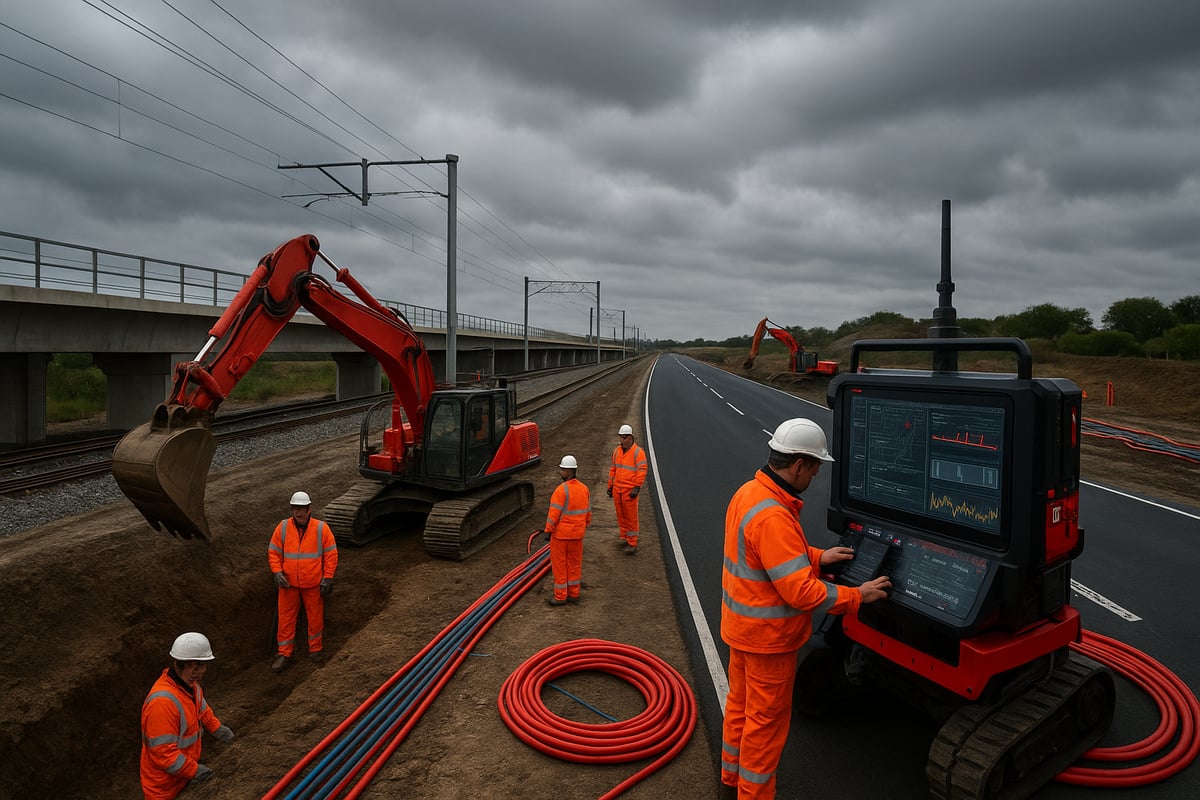
Engineering works in 2026 cover a broad range of activities essential to national development. These works include infrastructure upgrades, civil projects, rail network enhancements, utility replacements, and highway improvements.
Minor maintenance tasks, such as pothole repairs, differ greatly from major infrastructure projects like bridge construction or rail corridor expansions. The key sectors influenced by engineering works are transport, energy, water management, and digital infrastructure.
Examples include nationwide rail upgrades, resurfacing of major roads, and the replacement of outdated utility lines. These projects are vital for supporting economic growth and ensuring the safety of the public.
Key Trends and Drivers for 2026
Several trends are shaping engineering works in 2026. There is an increasing demand for sustainable and resilient infrastructure, prompting the adoption of low-carbon materials and construction practices.
Digital transformation is a major driver, with tools such as BIM, AI, and IoT revolutionising planning and execution. Government investment, particularly through initiatives like the UK Infrastructure Bank, is prioritising large-scale projects.
Climate adaptation measures and net-zero targets are now central to project design, while urbanisation and population growth continue to drive new engineering works across the country.
Regulatory and Compliance Changes
Regulations governing engineering works are evolving rapidly for 2026. Updates to both UK and EU engineering standards are influencing project delivery and quality assurance.
Environmental regulations, such as biodiversity net gain and mandatory carbon reporting, are having a direct impact on project planning. Health and safety requirements are becoming stricter, emphasising the well-being of both workers and the public.
Permitting and planning processes are being streamlined, though recent regulatory changes have added complexity to major projects, requiring careful navigation by all involved.
Stakeholders in Engineering Works
The delivery of engineering works relies on effective collaboration among diverse stakeholders. Government bodies, local authorities, contractors, and consultants all play pivotal roles.
Community engagement and public consultation are now standard practice, ensuring that local concerns are addressed early. Collaboration with utility companies and transport operators is essential to minimise disruption.
Stakeholder conflicts do arise, but structured dialogue and transparent communication often lead to effective resolutions, keeping projects on track.
Timeline of Planned Works in 2026
A significant number of national and regional engineering works are scheduled for 2026. These include major rail upgrades, highway improvements, and utility infrastructure replacements.
Planned works calendars, particularly for rail and road networks, are widely used to coordinate activities and inform the public. Early notification is crucial, allowing affected users to plan ahead and reduce inconvenience.
Statistics and Data Points
In 2026, the volume of planned engineering works in the UK is projected to reach record levels. Government and private sector investment is estimated to exceed several billion pounds.
Major projects are expected to cause temporary disruptions, but comprehensive mitigation measures, such as alternative travel routes and detailed communication plans, are in place to reduce impact. These efforts demonstrate the sector’s commitment to efficiency and public support.
Planning and Managing Engineering Works: Step-by-Step Guide
Delivering successful engineering works in 2026 requires a structured, methodical approach. By following a proven step-by-step process, organisations can ensure projects meet compliance standards, stay within budget, and deliver value to communities.

Step 1: Needs Assessment and Feasibility
Every engineering works project begins with a thorough needs assessment. This involves identifying current infrastructure gaps, safety concerns, and maintenance priorities. Feasibility studies are then conducted, covering technical, economic, and environmental aspects.
Modern tools, such as GIS mapping and asset management software, support data-driven decisions. Stakeholder engagement at this stage ensures priorities align with local needs. For example, a feasibility review for a new rail corridor might examine passenger demand, environmental impact, and connectivity benefits. For a deeper look at effective planning and execution, see Construction engineering insights.
Step 2: Securing Permissions and Funding
After confirming feasibility, the next step is to obtain planning permissions and statutory approvals. Navigating these processes requires an understanding of local, regional, and national regulations.
Funding sources can include government grants, private investment, or public-private partnerships. Accurate budget forecasting is essential, alongside cost-benefit analyses to justify investment. Community impact assessments are often required, particularly for major engineering works. For instance, a major road upgrade project may blend government funding with private sector contributions to share risk and resources.
Step 3: Design and Procurement
Design and procurement are pivotal for successful engineering works. Digital tools such as BIM and CAD enable collaborative, sustainable design, ensuring all specifications comply with 2026 standards.
Sustainability and resilience are prioritised, with designers selecting low-impact materials and considering future climate risks. The procurement process involves tendering, evaluating contractors, and awarding contracts based on capability and value. For example, the procurement timeline for utility upgrades includes pre-qualification, tender evaluation, and contract negotiation, ensuring transparency and competitiveness.
Step 4: Communication and Public Engagement
Transparent communication is vital throughout engineering works. Early engagement with the public, local businesses, and stakeholders helps manage expectations and address concerns.
Common strategies include online consultation platforms, community meetings, and regular updates through planned works calendars. Proactive communication minimises resistance and builds trust. For instance, city centre improvement projects often use digital alerts and social media to inform residents of upcoming road closures and alternative routes.
Step 5: Execution and Project Management
With plans in place, the execution phase mobilises resources and initiates site preparation. Health, safety, and environmental controls are rigorously enforced, protecting workers and the public.
Digital project management tools enable real-time monitoring of progress, budgets, and supply chains. Managing subcontractors and logistics is crucial for timely delivery. IoT sensors can track milestones and identify bottlenecks, improving efficiency. For example, installing IoT-enabled devices on a rail project allows teams to monitor track conditions and schedule maintenance before issues escalate.
Step 6: Monitoring, Handover, and Maintenance
The final step in engineering works involves quality assurance, compliance checks, and a formal handover to asset owners or operators. Maintenance schedules and monitoring systems are established to ensure long-term performance.
Feedback is collected from stakeholders to identify lessons learned and drive continuous improvement. A post-completion review of a newly built bridge, for example, assesses structural integrity, user satisfaction, and maintenance needs, ensuring the project delivers on its promises.
Technology and Innovation in 2026 Engineering Works
Engineering works in 2026 are undergoing rapid transformation, driven by technological advancements and a strong push for sustainability. Across the UK, these innovations are reshaping how projects are designed, delivered, and maintained. Embracing digital tools, automation, and data-driven strategies is no longer optional for success in modern engineering works.

Digital Tools and Smart Infrastructure
Digital transformation is at the heart of engineering works in 2026. Building Information Modelling (BIM) enables integrated planning, helping teams collaborate from concept to completion. IoT devices monitor assets in real time, supporting predictive maintenance and reducing downtime.
AI-driven scheduling tools optimise project timelines and resource allocation. Digital twins allow engineers to simulate and visualise projects before breaking ground, identifying potential challenges early. Smart railways and connected construction sites use these technologies to boost efficiency and safety.
Key benefits include:
- Enhanced collaboration across disciplines
- Faster issue detection and resolution
- Improved asset lifecycle management
Digital tools are now essential for delivering engineering works on time and within budget.
Sustainable Engineering Solutions
Sustainability is a core driver in engineering works for 2026. Project teams are adopting low-carbon materials, such as recycled aggregates and innovative concrete alternatives, to cut emissions. Renewable energy systems, like solar panels and wind turbines, are integrated into infrastructure to reduce reliance on fossil fuels.
Circular economy principles guide material choices, encouraging reuse and recycling. Biodiversity features, such as green bridges and permeable road surfaces, help mitigate environmental impacts. Climate adaptation strategies are embedded in project designs, ensuring resilience against extreme weather.
For example, recent highway upgrades use recycled asphalt and rainwater harvesting, demonstrating the commitment to sustainable engineering works.
Automation and Robotics
Automation is revolutionising engineering works, making sites safer and more productive. Drones are deployed for site surveys and inspections, collecting data quickly and safely. Robotics tackle repetitive or hazardous tasks, such as concrete pouring or steel assembly, reducing risks to human workers.
Automated machinery streamlines road surfacing and rail maintenance, increasing quality and speed. These advancements free up skilled professionals to focus on complex challenges, while improving site safety and reducing errors.
Key technologies include:
- Drones for mapping and inspection
- Robotic arms for assembly tasks
- Automated paving and track-laying equipment
The integration of automation is transforming how engineering works are executed in the UK.
Data-Driven Decision Making
Data analytics play a crucial role in modern engineering works. Big data platforms collect and analyse information from sensors, machinery, and project management tools. Predictive analytics anticipate maintenance needs, allowing teams to act before issues escalate.
Real-time dashboards provide stakeholders with up-to-date project status, enhancing transparency and accountability. For instance, rail networks use data-driven disruption minimisation strategies, adjusting schedules and resources based on live information.
Benefits of data-driven approaches include:
- Improved risk management
- More accurate forecasting
- Faster response to changing conditions
As a result, engineering works are becoming more efficient and resilient through data-led insights.
Future Innovations on the Horizon
The future of engineering works in 2026 and beyond is shaped by a wave of emerging technologies. 3D printing enables rapid prototyping and component manufacturing on-site, saving time and reducing waste. Modular construction methods speed up project delivery and improve quality control.
Advanced composites offer lighter, stronger materials for bridges and buildings. Pilot projects are already testing these approaches, with results expected to influence industry standards. The workforce is evolving, with new skills required to manage digital tools and innovative processes.
For further insight into these trends, see UK Engineering Trends 2026, which explores how breakthroughs like fusion energy and digital innovation are set to transform the sector.
Continuous innovation ensures that engineering works remain at the forefront of progress, meeting the challenges of tomorrow with confidence.
Minimising Disruption and Managing Impact
Effectively minimising disruption and managing impact is vital for successful engineering works in 2026. With rising expectations from the public, businesses, and regulators, project teams must adopt proactive and comprehensive strategies. This section explores best practices for disruption management, stakeholder engagement, inclusivity, environmental protection, and performance monitoring.
Proactive Disruption Management Strategies
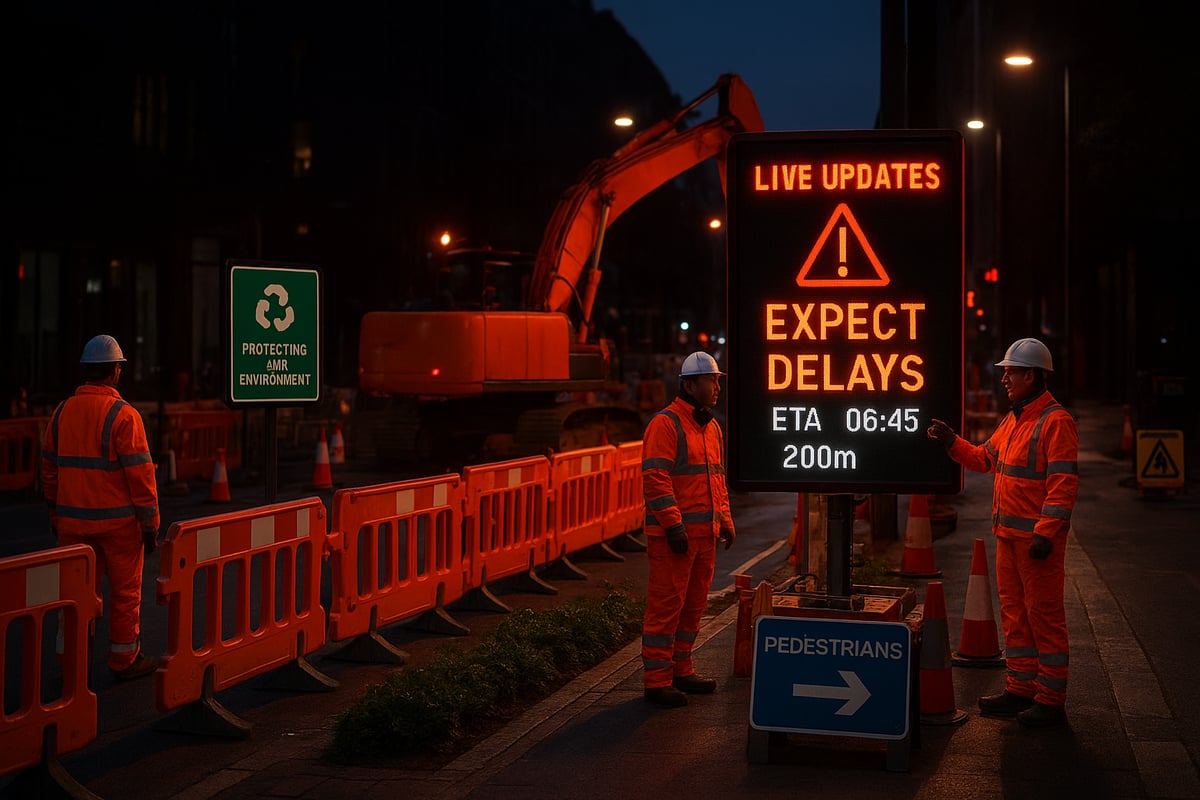
Minimising disruption starts with clear and early communication. Advance public notification is essential for all major engineering works, allowing travellers and businesses to plan ahead. Digital journey planning tools, such as mobile apps and real-time websites, help keep everyone informed of upcoming works and potential delays.
Implementing rail replacement services and promoting alternative routes during closures can significantly reduce inconvenience. Scheduling works during off-peak periods or overnight further limits the impact on daily commuters. Weekly summaries and live updates ensure the public remains aware of ongoing activities.
Key strategies include:
- Early notification through email, SMS, and social media
- Real-time updates on dedicated engineering works calendars
- Collaboration with local media for wider reach
For practical examples of disruption management in real-world projects, visit Civil engineering projects explained. These approaches are shaping best practice for 2026.
Stakeholder Collaboration and Communication
Effective management of engineering works relies on seamless collaboration between multiple stakeholders. Coordination among rail, highways, and utilities agencies ensures that overlapping projects are aligned to avoid unnecessary disruption.
Local businesses and communities must be engaged early in the planning process. Transparent progress updates and clear reporting of any changes build trust and allow stakeholders to adjust their operations accordingly.
A successful example is the cross-sector collaboration on city infrastructure upgrades, where regular meetings and shared digital platforms enable real-time problem-solving. By keeping all parties informed, engineering works proceed with minimal friction.
Accessibility and Inclusivity Considerations
Ensuring that engineering works are accessible and inclusive is a legal and ethical imperative. All planned disruptions should account for the needs of disabled passengers, elderly individuals, and other vulnerable groups.
Key measures include:
- Providing step-free routes and accessible signage
- Offering passenger assist schemes during rail works
- Deploying staff to guide and support those with additional needs
Compliance with national accessibility standards is non-negotiable. By prioritising inclusivity, engineering works limit negative impacts and foster community goodwill.
Environmental and Social Impact Mitigation
Mitigating environmental and social impacts is a core responsibility during engineering works. Noise and dust control measures, such as acoustic barriers and water spray systems, help protect local residents and ecosystems.
Projects must also safeguard habitats and urban green spaces, often by scheduling works outside sensitive periods or relocating wildlife. Social value initiatives, including local employment and skills training, enhance the positive legacy of engineering works.
Continuous environmental monitoring ensures compliance with regulations and demonstrates a commitment to sustainable delivery. Transparent reporting of performance builds public confidence in project outcomes.
Performance Monitoring and Continuous Improvement
Measuring the effectiveness of disruption minimisation is essential for ongoing improvement. Setting clear KPIs, such as journey time reliability and user satisfaction scores, provides a benchmark for success.
Feedback channels, including surveys and dedicated helplines, allow users to report concerns and suggest improvements. Lessons learned from each phase of engineering works are captured in post-project reviews, ensuring that future projects benefit from past experience.
A culture of continuous improvement, driven by data and stakeholder input, ensures that engineering works in 2026 will be more efficient, inclusive, and sustainable than ever before.
Case Studies: Major Engineering Works in 2026
The year 2026 is set to be a milestone for engineering works across the UK, with a diverse portfolio of high-impact projects. From national rail upgrades to urban infrastructure renewal, each initiative demonstrates the evolving priorities, technologies, and collaborative efforts shaping the sector. Below, we explore a series of case studies illustrating the breadth and depth of engineering works in 2026.
National Rail Upgrades
National rail engineering works in 2026 are driving transformation across the country's transport network. Projects such as the Transpennine Route Upgrade are setting new standards for connectivity, reliability, and sustainability. These upgrades involve modern signalling, electrification, and station enhancements, with works scheduled in phases to minimise commuter disruption.
A significant focus is placed on passenger communication, including real-time service updates and alternative travel arrangements. Weekly engineering works bulletins ensure early notification for all stakeholders. According to recent figures, there will be over 2,000 scheduled engineering works on the rail network in 2026, representing billions in investment. For a broader view of the scale and ambition of these projects, see UK Mega Infrastructure Projects 2026.
Road and Highway Projects
Road and highway engineering works in 2026 are equally ambitious. Key projects include major smart motorway upgrades, advanced resurfacing with low-carbon materials, and the introduction of intelligent traffic management systems. The collaborative efforts of contractors, local authorities, and technology partners are critical to success.
For example, a major A-road upgrade will feature live traffic monitoring, digital signage, and overnight works to reduce daytime disruption. Enhanced safety protocols and real-time public updates are now standard practice. These engineering works not only improve journey times but also support the UK's net-zero targets by integrating sustainable construction methods and renewable energy sources.
Urban Infrastructure and Utilities
City centres are seeing a new wave of engineering works focused on regeneration, utility replacement, and the creation of digital infrastructure. 2026 projects prioritise green spaces, pedestrian-friendly layouts, and smart city features. Utility upgrades in dense urban areas, such as central London, require close coordination with transport operators and community stakeholders.
Public engagement is embedded through online consultations and local forums, ensuring the community's voice shapes project outcomes. The multidisciplinary approach of modern engineering works is explored in more detail on Building and civil engineering, highlighting the intersection of civil, digital, and environmental expertise in urban renewal.
Lessons from Recent Projects
Recent engineering works from 2024 and 2025 offer valuable insights for 2026. Success stories include rail station modernisation projects that delivered enhanced accessibility and energy efficiency. Challenges have centred on supply chain disruptions and adapting to new regulatory requirements.
Innovative solutions, such as modular construction and AI-driven project management, have proven effective in accelerating delivery and reducing costs. Community feedback from these engineering works has shaped future project planning, with lessons learned being applied sector-wide. Post-project reviews consistently highlight the importance of early stakeholder engagement and transparent communication.
Future Outlook: What’s Next Beyond 2026
Looking ahead, engineering works scheduled beyond 2026 are set to benefit from further advances in technology and evolving regulations. Projects such as large-scale water treatment upgrades and digital infrastructure expansion are already in the pipeline. Anticipated policy changes and new construction standards will continue to influence project delivery and compliance.
The sector remains focused on continuous improvement, with ongoing investment in staff training, digital skills, and resilient design. Engineering works will increasingly prioritise flexibility, adaptability, and community value, ensuring that infrastructure meets the needs of future generations.
Essential Resources and Tools for Navigating Engineering Works
Successfully navigating engineering works in 2026 requires the right resources, clear guidance, and timely information. As projects become more complex, having access to accurate tools and support is vital to minimise disruption and maintain productivity.
Whether you are a project manager, commuter, business owner, or local resident, the following essential resources will help you stay informed, prepared, and adaptable throughout the lifecycle of engineering works.
Planned Works Calendars and Alerts
Keeping track of planned engineering works is the foundation of effective preparation. National and regional calendars provide visibility into upcoming projects, allowing users to anticipate disruptions and adjust plans accordingly.
Key sources for engineering works calendars include:
- National rail and road network websites
- Regional transport authority portals
- Dedicated mobile apps offering live updates
Setting up personalised alerts helps commuters and businesses receive timely notifications about disruptions impacting their routes. For a broader view of major infrastructure programmes, the UK Major Projects Pipeline 2025 offers insight into high-profile initiatives and timelines. Utilising these resources ensures no stakeholder is caught off guard by engineering works.
Journey Planning and Travel Tools
Navigating around engineering works is far easier with digital journey planning tools. Mobile apps and online platforms provide real-time information on travel times, alternative routes, and live service updates.
Popular journey planners include:
- National Rail Enquiries and Transport for London apps
- Third-party route finders with disruption alerts
- Rail replacement service locators for affected journeys
By integrating live departure and arrival data, these tools empower users to make informed decisions and reduce the frustration of unexpected delays. For those affected by frequent engineering works, setting up recurring notifications can be a game changer.
Community and Stakeholder Information Channels
Open communication ensures that everyone impacted by engineering works remains informed and engaged. Official project websites, newsletters, and social media accounts offer regular updates on progress, changes, and community events.
Channels commonly used include:
- Weekly engineering work summaries emailed to subscribers
- Local authority public consultation platforms
- Helplines and online contact forms for feedback
Proactive information sharing not only keeps the public updated but also encourages constructive dialogue. Stakeholders can raise concerns, ask questions, and receive tailored assistance throughout each phase of engineering works.
Industry Standards and Compliance Resources
Adhering to updated industry standards is essential for the safe and legal delivery of engineering works. Access to the latest guidance documents, health and safety protocols, and environmental requirements streamlines compliance and reduces project risk.
Valuable resources include:
- Online portals for UK and EU engineering standards
- Health, safety, and environmental compliance libraries
- Training and certification platforms for engineers and contractors
For a comprehensive overview of regulatory changes affecting engineering works in 2026, consult the UK Construction Policy Changes 2026. Staying informed about such updates is crucial for maintaining best practice and avoiding costly delays.
Professional Support and Advisory Services
Complex engineering works often benefit from specialist advice. Consulting firms, legal experts, and public engagement professionals can provide tailored guidance on project planning, permissions, and stakeholder management.
Support services may include:
- Engineering and planning consultants for feasibility reviews
- Legal advisors for statutory approvals and compliance
- Communication specialists for public engagement campaigns
Leveraging professional expertise helps project teams navigate regulatory hurdles and deliver successful outcomes. When challenges arise, having experienced advisors on hand can make all the difference.
Future-Proofing Your Approach
With the pace of change in engineering works accelerating, continuous learning is vital. Staying ahead of new regulations, technologies, and working practices enables organisations to build resilience into their projects.
Future-proofing strategies involve:
- Monitoring upcoming regulatory changes and industry trends
- Investing in digital skills and staff training
- Benchmarking performance and gathering feedback for improvement
By adopting a proactive mindset and embracing innovation, stakeholders can ensure their approach to engineering works remains robust and adaptable for years to come.