
In 2026, infrastructure projects are poised to reshape economies, communities, and daily life across the UK and worldwide. These ambitious undertakings will introduce new levels of scale and innovation, responding to some of society's most urgent needs.
This essential guide offers a clear overview of what lies ahead for infrastructure projects. It covers the latest trends, emerging technologies, funding strategies, regulatory changes, and the real impact on communities.
Explore key project types and see how these initiatives benefit businesses, individuals, and the environment. Stay ahead by engaging with this guide and empower yourself to navigate the evolving landscape of 2026.
The Landscape of Infrastructure Projects in 2026
The landscape of infrastructure projects in 2026 is rapidly evolving, shaped by technological innovation, societal needs, and the urgent drive for sustainability. Across the UK and internationally, these projects are becoming more ambitious and transformative, influencing the way people live, work, and connect.
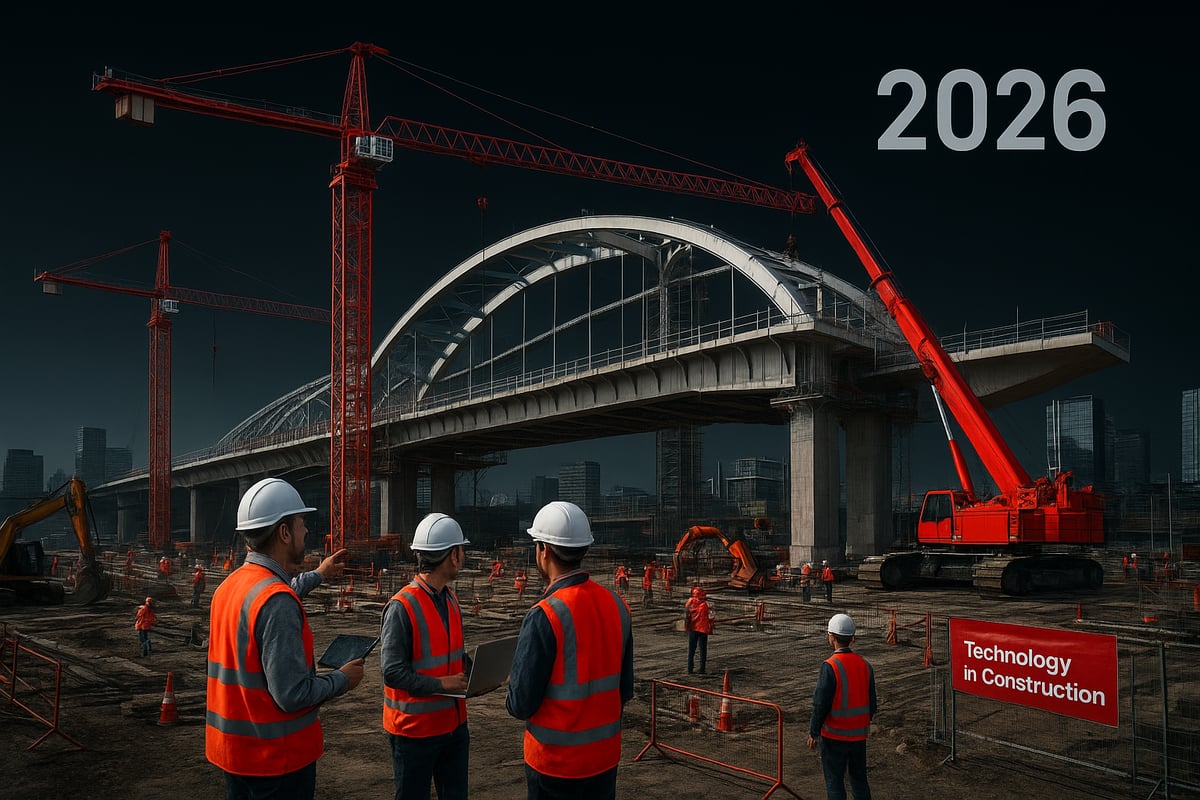
Defining Infrastructure Projects in 2026
Infrastructure projects in 2026 encompass a diverse range of undertakings, from traditional civil engineering works to pioneering digital developments. Traditionally, infrastructure projects focused on physical assets such as roads, bridges, and water supply networks. Today, the scope has widened to include digital infrastructure, renewable energy, and social facilities that serve evolving community needs.
Key sectors driving this transformation include:
- Transportation (roads, railways, aviation hubs)
- Energy (renewable generation, interconnectors)
- Water (distribution, treatment, flood defences)
- Digital (broadband, data centres, smart networks)
- Social infrastructure (schools, hospitals, community spaces)
Notable examples illustrate the scale and ambition of current infrastructure projects. The Strategic Pipeline Alliance, for instance, is delivering climate-resilient water networks. Belfast Grand Central Station is setting new standards in integrated transport. Internationally, the Central Kowloon Bypass in Hong Kong exemplifies multidisciplinary engineering and urban connectivity.
Civil engineering sits at the heart of many infrastructure projects, requiring collaboration between engineers, planners, environmental specialists, and digital experts. These projects are driven by urgent factors such as population growth, urbanisation, climate change, and the digitalisation of society.
According to the Institution of Civil Engineers (ICE), there are over 300 major infrastructure projects actively shaping the UK and international markets. Regional focus is strong, with significant investment across London, Scotland, the North East, and other UK regions, as well as global hotspots in Asia and the Middle East. For a deeper dive into the variety and impact of these developments, see this civil engineering projects overview.
Major Trends and Priorities
In 2026, several major trends are redefining how infrastructure projects are planned and delivered. Sustainability and decarbonisation now form the cornerstone of project priorities, influencing every stage from design to construction. The integration of digital infrastructure is accelerating, with smart cities and intelligent transport systems becoming more prevalent.
Resilience against climate-related events is another key priority. Projects increasingly include flood defences, coastal protection, and drought-resilient water systems. Social infrastructure is gaining prominence, with new schools, hospitals, and community facilities designed to meet future demand and improve quality of life.
The industry is also embracing modern construction methods. Offsite fabrication and modular construction are streamlining delivery, reducing waste, and improving safety. For example, the Visual Impact Provision projects aim to enhance landscapes while protecting the environment, and new renewable energy interconnectors are supporting the transition to a low-carbon grid.
These shifts reflect a broader commitment to long-term value, efficiency, and community benefit. As infrastructure projects become more complex and interconnected, multidisciplinary collaboration, digital tools, and sustainability expertise are essential for success.
Step-by-Step Process: Delivering Infrastructure Projects in 2026
Successfully delivering infrastructure projects in 2026 requires a robust, phased approach. Each stage builds upon the last, combining technical expertise, stakeholder input, and innovative methods. From early planning to final handover, this process ensures every aspect is covered, reducing risk and maximising value for all involved. For a deeper dive into the construction engineering process underpinning these steps, visit the Construction engineering process page.

1. Planning and Feasibility Studies
The journey of infrastructure projects in 2026 begins with comprehensive planning and feasibility studies. Early engagement with stakeholders helps identify community needs and project objectives. Environmental impact assessments and sustainability appraisals are essential, ensuring alignment with net-zero targets.
Digital modelling tools support data-driven decisions, enabling teams to visualise and optimise proposals before any ground is broken. Regulatory requirements, such as planning permissions and land acquisition, are addressed at this stage. A notable example is the Strategic Pipeline Alliance, where climate impact was rigorously assessed during initial planning.
2. Funding and Financing
Securing adequate funding is a cornerstone of successful infrastructure projects. Both public and private financing models play key roles, with government initiatives, green bonds, and public-private partnerships (PPPs) providing diverse options.
Cost estimation and risk management frameworks are deployed early to avoid overruns. In the UK, infrastructure projects collectively receive over £10 billion in annual investment, highlighting the scale and importance of effective financing. National Grid's RIIO business plans exemplify large-scale, regulated investment strategies supporting long-term infrastructure development.
3. Design and Engineering
Once funding is secured, multidisciplinary teams advance the design and engineering phase. Value engineering is applied to balance cost, quality, and sustainability. The use of Building Information Modelling (BIM) and digital twins is now standard, allowing for seamless collaboration and real-time scenario analysis.
Accessibility, safety, and environmental considerations are embedded in every design decision. Belfast Grand Central Station showcases integrated transport design, prioritising user experience and operational efficiency. These innovations are transforming how infrastructure projects are conceptualised and delivered.
4. Procurement and Contracting
Procurement strategies for infrastructure projects have evolved to encourage transparency and collaboration. Traditional models, design-build approaches, and NEC contracts are widely adopted, each tailored to the specific needs of the project.
Contractor prequalification, often through platforms like ConstructionLine and SafeContractor, ensures competency and compliance. Risk-sharing and collaborative contracting are increasingly favoured, promoting shared responsibility for outcomes. UK public infrastructure often leverages NEC contracts to streamline delivery and manage risk effectively.
5. Construction and Delivery
The construction phase of infrastructure projects demands careful coordination. Phased delivery minimises disruption to communities and existing services. Strict health and safety standards are enforced, with digital tools enabling real-time progress monitoring and compliance tracking.
For example, Anglian Water’s pipeline projects use advanced monitoring systems to ensure construction remains on schedule and within budget. These methods improve transparency and allow for proactive issue resolution, supporting successful project delivery.
6. Commissioning and Handover
The final stage in delivering infrastructure projects is commissioning and handover. Comprehensive testing and quality assurance are conducted to confirm all systems perform as intended. Effective communication with stakeholders during this transition is crucial for a smooth handover to operators and maintenance teams.
Post-completion reviews capture lessons learned, driving continuous improvement for future infrastructure projects. This focus on feedback and adaptation ensures long-term value and resilience in the built environment.
Key Challenges Facing Infrastructure Projects in 2026
Infrastructure projects in 2026 will encounter a complex web of challenges, from evolving regulations to shifting economic conditions. Stakeholders must be prepared to address these hurdles to ensure successful project delivery and lasting impact.

Navigating Regulatory and Planning Hurdles
The regulatory landscape for infrastructure projects is shifting rapidly. Authorities are introducing stricter environmental and safety requirements, while planning processes are becoming more rigorous. Navigating these changes demands deep understanding of both local and national frameworks.
Community consultation is now a non-negotiable part of the planning stage. Project teams must engage with local residents, businesses, and advocacy groups early to identify concerns and build trust. This can add time but is crucial for reducing conflict and securing approvals.
Projects in sensitive areas, like coastal regions, often face delays due to environmental objections. For example, new flood defence schemes have been postponed as stakeholders debate the ecological impacts. Adapting to these regulatory hurdles requires flexibility and transparent communication.
Managing Costs, Risks, and Supply Chain Issues
Cost volatility is one of the most pressing concerns for infrastructure projects. Inflation, fluctuating material prices, and labour shortages can quickly erode budgets. The average project overrun in this sector ranges from 10 to 20 percent, according to ICE data.
Supply chain disruptions, whether due to global events or local shortages, also impact timelines and costs. Effective risk management strategies are essential, including robust contract terms and diversified procurement.
Public and private sector leaders are increasingly focused on transparent procurement and collaborative contracting. These approaches help share risk and maintain momentum even when conditions change. For a deeper look at these trends, see the UK Construction Outlook 2026.
Sustainability and Climate Resilience
Sustainability is now at the heart of infrastructure projects. Meeting decarbonisation targets and net-zero commitments is a central goal for both public and private developments.
Projects must be designed for climate adaptation, with features like advanced flood defences and drought resilience. Urban schemes increasingly integrate green infrastructure, such as living roofs and permeable surfaces, to enhance environmental performance.
Regulatory bodies are tightening standards for carbon emissions and resource efficiency. As a result, project teams need to prioritise low-carbon materials, circular economy principles, and nature-based solutions from the outset.
Technological Disruption and Skills Gaps
Rapid technological change is transforming how infrastructure projects are delivered. The adoption of digital tools, automation, and smart systems is accelerating, but there are challenges in upskilling the workforce to meet new demands.
Skills shortages in engineering and construction remain a significant barrier. Employers are investing in training, apprenticeships, and professional development programmes to bridge the gap.
Collaboration across disciplines is more important than ever, as digital transformation requires new expertise and agile project teams. Successful infrastructure projects in 2026 will depend on the ability to attract, retain, and develop talent for a changing industry.
Technological Innovations Shaping Future Projects
The landscape of infrastructure projects in 2026 is rapidly evolving, shaped by technological advancements that redefine how assets are planned, built, and managed. These innovations are not only enhancing efficiency but also driving sustainability and resilience across the sector.

Digital Transformation in Infrastructure
Digital technologies are at the heart of the transformation in infrastructure projects. Building Information Modelling (BIM), Geographic Information Systems (GIS), and digital twins are now standard tools for planning, visualising, and managing assets throughout their lifecycle.
Smart sensors and the Internet of Things (IoT) enable real-time monitoring of assets, supporting predictive maintenance and efficient operation. Intelligent Transport Systems, such as adaptive traffic signals and connected vehicles, are being rolled out in major UK cities to improve mobility and safety.
The integration of digital platforms is also streamlining collaboration among engineers, contractors, and stakeholders. According to UK Construction Trends 2026, these digital innovations are setting new benchmarks for productivity and project delivery in infrastructure projects.
Sustainable Construction Methods
Sustainability is a driving force behind new construction methods in infrastructure projects. Offsite fabrication and modular building are reducing on-site waste and accelerating construction timelines. The adoption of low-carbon materials, such as recycled steel and concrete, is helping to lower the environmental impact of large-scale developments.
Circular economy principles are being embedded, focusing on reusing materials and minimising waste from the earliest design stages. Many infrastructure projects, including major road and rail schemes, now specify the use of recycled materials to meet stringent sustainability targets.
These methods not only support decarbonisation goals but also enhance the resilience of infrastructure projects against future climate risks. The shift towards sustainable construction is reshaping industry standards and expectations.
Energy and Water Efficiency Technologies
Advances in energy and water efficiency are redefining the capabilities of infrastructure projects. Renewable energy integration, including wind, solar, and interconnectors, is becoming standard in new developments. Smart pipelines and water-saving technologies are addressing the challenges of resource scarcity and climate change.
A notable example is the Anglian Water Strategic Pipeline Alliance, where smart monitoring and efficient design have enabled significant reductions in water loss and energy consumption. These innovations support the long-term sustainability and operational excellence of infrastructure projects.
By adopting cutting-edge technologies, project teams are ensuring that infrastructure projects remain adaptive and future-ready, meeting the evolving needs of communities and the environment.
Impact of Infrastructure Projects on Communities and the Economy
Infrastructure projects are catalysts for profound change, shaping the future of communities and driving economic progress. Their influence extends beyond mere construction, touching every aspect of life from employment to the environment. By investing in infrastructure projects, societies lay the groundwork for sustainable growth, enhanced well-being, and greater opportunity.
Economic Growth and Job Creation
Infrastructure projects are a powerful engine for economic growth, stimulating activity across multiple sectors. Every major scheme, from transport upgrades to energy networks, generates thousands of direct and indirect jobs.
For example, Belfast Grand Central Station is projected to sharply boost the regional economy by connecting businesses, commuters, and logistics networks. Large-scale investment in infrastructure projects contributes significantly to the UK’s GDP, with annual totals regularly surpassing £10 billion. According to the UK Construction Sector Forecast 2025, robust infrastructure spending is expected to drive job creation and regional development well into 2026.
Key economic impacts include:
- Increased employment in construction, engineering, and related fields
- Growth in local businesses due to improved connectivity
- Enhanced attractiveness for inward investment
By prioritising infrastructure projects, regions can unlock new prosperity and long-term resilience.
Social and Environmental Benefits
Beyond economic gains, infrastructure projects deliver meaningful social and environmental improvements. Enhanced transport links improve access to education, healthcare, and employment, especially in underserved areas.
Social infrastructure projects, such as new schools and hospitals, directly raise the quality of life for residents. Environmentally, well-designed infrastructure projects introduce green spaces, promote biodiversity, and help reduce air and noise pollution. More than 50 social infrastructure projects have recently been tracked in the UK, reflecting a strong commitment to community well-being.
Examples of social and environmental benefits:
- Safer, more efficient public transport systems
- Increased urban green space and recreational areas
- Reduced emissions and better air quality
By focusing on sustainability, infrastructure projects support healthier and more inclusive communities.
Community Engagement and Inclusivity
Successful infrastructure projects depend on meaningful engagement with the communities they serve. Early and ongoing consultation ensures that local voices shape project outcomes, while also addressing concerns around noise, disruption, or heritage preservation.
The Central Kowloon Bypass project stands as a model for effective community consultation, balancing major engineering works with respect for local needs. Inclusive planning can result in tailored benefits, such as improved accessibility, training opportunities, and local employment.
Effective community engagement strategies include:
- Public exhibitions and workshops to gather feedback
- Transparent communication of project timelines and impacts
- Initiatives to prioritise local hiring and skills development
By embedding inclusivity at every stage, infrastructure projects foster trust and deliver lasting value to communities.
Regulatory Frameworks and Policy Drivers for 2026
Navigating the regulatory landscape is crucial for the success of infrastructure projects in 2026. A strong policy environment, robust standards, and evolving regulations will shape how infrastructure projects are planned, funded, and delivered across the UK and beyond.
National and Local Policy Initiatives
Government strategy will continue to be a driving force for infrastructure projects in 2026. National policies such as the UK National Infrastructure Strategy set out priorities for investment, decarbonisation, and regional growth. Local authorities further shape these ambitions through development frameworks tailored to their communities.
Regional differences are significant, with devolved governments in Scotland, Wales, and Northern Ireland setting their own infrastructure agendas. Local plans often prioritise transport, housing, and digital connectivity, responding to unique demographic and economic pressures.
For a deeper look at how national and regional priorities influence project delivery, see Infrastructure in UK construction. These initiatives ensure infrastructure projects meet both immediate needs and long-term strategic goals.
Environmental and Safety Regulations
All infrastructure projects must comply with a growing range of environmental and safety regulations. Environmental Impact Assessments (EIA) are mandatory for most large-scale developments, ensuring sustainability and community well-being remain central. Safety standards, enforced by UK bodies like the HSE, drive continual improvement in site practices.
Industry accreditations, such as SafeContractor, ConstructionLine, SSIP, UKAS, and SMAS, are now standard requirements for contractors. These accreditations help verify compliance, competence, and commitment to best practice in delivering infrastructure projects.
By embedding rigorous standards from planning through to operation, the sector aims to reduce risks, minimise environmental harm, and improve public trust in infrastructure projects.
Funding and Incentive Programmes
Funding is a key driver for the pace and scope of infrastructure projects. The UK government and local authorities offer a range of grants, green financing, and tax incentives designed to encourage investment in sustainable and resilient infrastructure.
Public-Private Partnerships (PPPs) are increasingly used for complex or large-scale infrastructure projects, bringing private sector expertise and capital into public works. Green bonds and targeted grants support decarbonisation, digital upgrades, and social infrastructure.
The availability of these financial tools helps ensure that infrastructure projects can adapt to changing demands and deliver long-term value for communities.
International Standards and Collaboration
In 2026, infrastructure projects are expected to align with international standards, reflecting the global nature of the industry. Organisations like the World Federation of Engineering Organisations (WFEO), UNESCO, and the Institution of Civil Engineers (ICE) promote knowledge sharing and set benchmarks for best practice.
Cross-border collaboration is becoming more common, especially for digital infrastructure and climate resilience initiatives. Sharing expertise and harmonising standards allows infrastructure projects to benefit from advances in technology, sustainability, and risk management.
This focus on international cooperation ensures UK infrastructure projects remain competitive and future-ready, supporting economic growth and societal progress.
Future Outlook: Opportunities and Predictions for 2026 and Beyond
As we look to the future, infrastructure projects are set to reshape how societies function, grow, and connect. The coming years will bring both new opportunities and unique obstacles for project delivery, requiring forward-thinking strategies and innovative solutions.
Emerging Sectors and Project Types
The landscape of infrastructure projects is rapidly evolving to meet changing demands. Digital infrastructure, renewable energy, and climate adaptation schemes are set to dominate investment. Urban regeneration and smart city initiatives will increase, with projects integrating intelligent transport, digital connectivity, and sustainable energy systems.
In the UK, we will see a surge in transport upgrades, water resilience programmes, and green energy interconnectors. Internationally, high-speed rail, coastal protection, and data centre developments are expected to expand. These shifts signal a move towards infrastructure projects that are both future-proof and people-centred.
Evolving Skills and Workforce Needs
The success of future infrastructure projects will depend on a skilled and adaptable workforce. Digital literacy, sustainability expertise, and advanced engineering skills are in high demand. Employers are investing in professional development, apprenticeships, and upskilling to bridge skills gaps.
As highlighted in UK Infrastructure Industry Predictions 2026, the sector is prioritising talent pipelines and diversity to meet future challenges. Collaboration with educational institutions and industry bodies will be vital for building expertise in infrastructure projects.
Investment and Funding Landscape
Investment in infrastructure projects is shifting towards sustainability and resilience. Public-private partnerships remain a cornerstone, but there is growing momentum for green bonds and climate-focused funding streams. International investors are increasingly interested in projects that demonstrate environmental and social value.
Data shows that funding allocations for infrastructure projects are rising, particularly for those aligned with net-zero goals. Transparent procurement, robust risk management, and innovative finance models will underpin future growth and stability in the sector.
The Role of Innovation and Collaboration
Innovation is at the heart of successful infrastructure projects. Multidisciplinary teams are bringing together engineers, planners, and digital experts to solve complex challenges. Collaboration with stakeholders, including communities and regulators, is fostering more inclusive and resilient outcomes.
Emerging technologies such as digital twins, AI-driven analytics, and modular construction methods are transforming project delivery. These advances are helping infrastructure projects become more efficient, adaptable, and responsive to user needs.
Anticipated Challenges and Mitigation Strategies
Despite the optimism, infrastructure projects face several hurdles. Regulatory complexity, environmental constraints, and evolving community expectations can delay progress. Rising costs, supply chain instability, and climate risks require agile planning and proactive risk management.
Mitigation strategies include early stakeholder engagement, scenario planning, and embedding flexibility into project design. Building resilience into infrastructure projects will ensure they can adapt to future uncertainties and deliver long-term benefits.
Case Studies: Projects to Watch in 2026
Several key infrastructure projects are set to make headlines in 2026. The Belfast Grand Central Station will redefine regional transport connectivity, while Anglian Water’s Strategic Pipeline Alliance is setting new standards for water resilience and climate adaptation. Major highways and road surfacing works, such as those outlined in Highways and road surfacing works, represent the ongoing commitment to improving the UK’s transport network.
These projects offer valuable lessons in collaboration, sustainability, and technological integration. Their anticipated impacts will serve as benchmarks for future infrastructure projects across the globe.