
Civil building is evolving rapidly as we move towards 2026, with projects becoming more complex and ambitious. Today’s landscape demands expert insights to navigate emerging technologies, sustainability imperatives, and shifting regulations. Understanding best practices, robust project management, and future trends is essential for all stakeholders. This article delivers a thorough civil building guide, offering professional perspectives and practical advice tailored for 2026. Explore key phases, sustainable methods, technological advancements, compliance essentials, and what lies ahead in the industry.
Understanding Civil Building: Definitions, Scope, and Trends
Civil building is a cornerstone of the built environment, yet it is often confused with other construction domains. Unlike commercial or industrial construction, civil building focuses on the creation and maintenance of infrastructure vital to daily life. This includes everything from roads and bridges to public buildings and urban spaces. For a deeper look at how civil building relates to broader engineering practice, see the Building and Civil Engineering Insights.

What Is Civil Building?
Civil building encompasses the design, construction, and management of essential infrastructure. It stands apart from other sectors by prioritising public utility and long-term resilience. Core elements include transportation networks, water systems, and civic facilities. Collaboration between engineers, architects, and planners ensures each civil building project meets both functional and regulatory requirements.
The Broad Scope of Civil Building
The scope of civil building in the UK is vast. It ranges from motorways and railways to schools, hospitals, and urban regeneration schemes. Civil building projects can reshape entire communities, providing the backbone for economic growth and social wellbeing. Urban development, flood defences, and public transport upgrades all fall within this dynamic sector.
Emerging Trends and Notable Projects
Recent years have seen a rapid shift towards digitalisation and sustainability in civil building. Smart technologies, such as digital twins and advanced sensors, are being integrated into new infrastructure. Modular construction and offsite manufacturing are improving efficiency and reducing waste. Notable achievements, like the Cambridge Civil Engineering Building, highlight how innovation is transforming the industry.
Industry Statistics, Challenges, and Expert Insights
According to recent data, the UK civil building sector continues to expand, contributing billions to the national economy. However, challenges persist, including skills shortages, supply chain issues, and the need for climate-resilient design. Experts note that future success will depend on embracing digital tools, investing in workforce development, and prioritising sustainability across all civil building activities.
The Civil Building Process: Step-by-Step Guide for 2026
Navigating the civil building process in 2026 requires a strategic approach, clear communication, and a commitment to best practices. Each phase brings its own challenges, but understanding these steps can help deliver successful, resilient projects.
Step 1: Project Planning and Feasibility
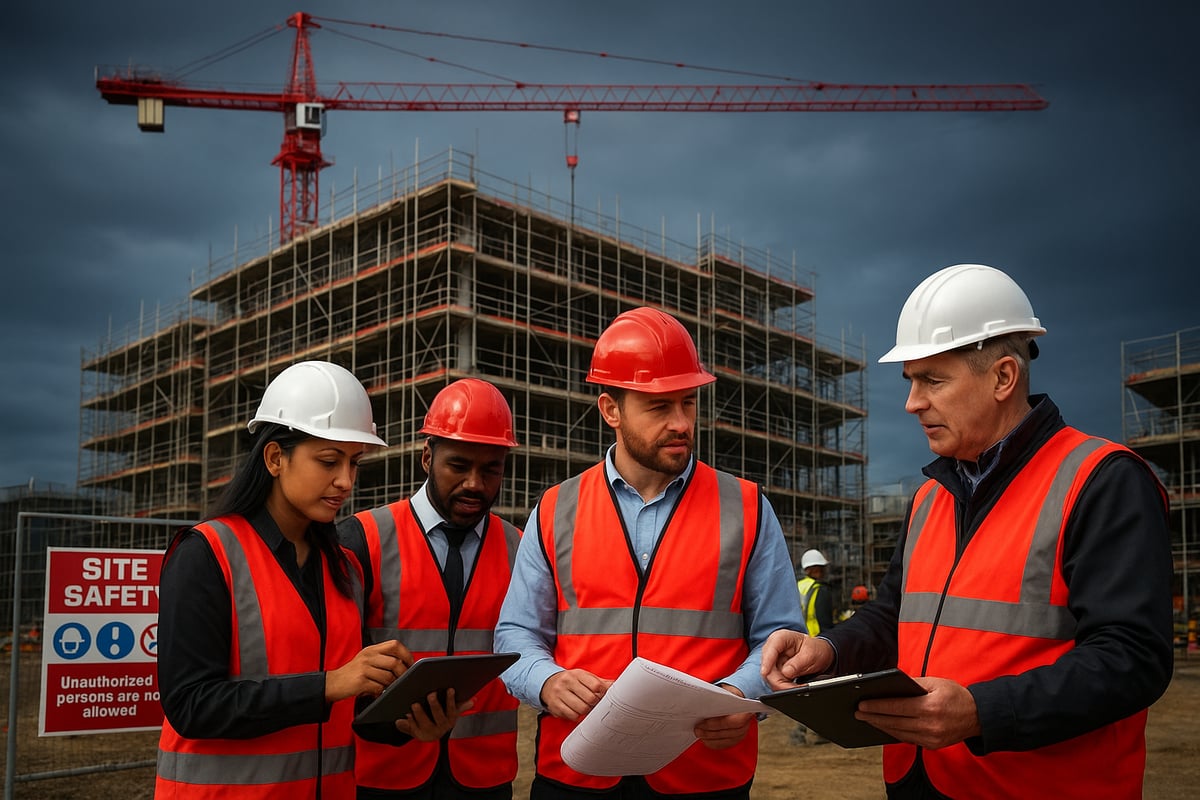
The foundation of any civil building project lies in meticulous planning and robust feasibility studies. Teams begin by conducting detailed site analyses, evaluating environmental, logistical, and regulatory factors that could impact delivery.
Establishing realistic budgets and timelines is essential. Early engagement with key stakeholders ensures their needs and aspirations are understood, fostering a sense of ownership throughout the civil building journey. For example, the University of Cambridge’s “Move West” strategy relied on comprehensive masterplanning, aligning academic requirements with infrastructure capacity.
Regulatory compliance is addressed from the outset, with planners identifying potential risks and mitigation strategies. By embedding climate resilience and long-term value into feasibility assessments, civil building projects are better equipped to succeed in a rapidly evolving landscape.
Step 2: Design and Engineering
The design phase is where the vision for a civil building takes shape. Architects, civil engineers, and consultants collaborate to develop innovative solutions that balance function, aesthetics, and sustainability.
Sustainable design is now a baseline expectation. Teams integrate features that reduce carbon footprints and future-proof assets against climate risks. Advanced tools like Building Information Modelling (BIM) and digital twins enable real-time coordination, clash detection, and visualisation of the civil building before ground is broken.
Collaboration with research institutions, such as UKCRIC, brings cutting-edge insights into material science and design strategies. The RIBA Stage 1 study for the Cambridge Civil Engineering Building exemplifies this, blending academic expertise with practical design thinking to achieve optimal outcomes.
Step 3: Procurement and Contractor Selection
With designs finalised, the civil building process advances to procurement and contractor selection. Transparent tendering processes ensure fairness and attract high-quality bids. Pre-qualification checks help assess contractor experience, financial stability, and safety records, which are vital for complex civil building projects.
Aligning with multidisciplinary teams that combine local knowledge and national expertise is crucial. This approach increases the likelihood of meeting programme, quality, and sustainability targets. For a comprehensive overview of essential services and the expertise required at this stage, consider reviewing the Civil Engineering Services Overview.
By selecting the right partners, clients set the stage for smooth delivery and proactive problem-solving throughout the civil building lifecycle.
Step 4: Construction and Site Management
Once construction commences, effective site management becomes the heartbeat of any civil building project. Mobilisation involves setting up logistics, site facilities, and robust safety protocols to protect workers and the public.
Quality control is maintained through stringent materials management, routine inspections, and a focus on reducing waste. Coordination between main contractors and project teams, as seen with SDC and Cambridge University Estate Management, ensures that milestones are met and disruptions are minimised.
Relocation logistics, such as moving staff and specialist equipment, require careful planning and clear communication. By prioritising safety, efficiency, and transparency, civil building teams can overcome on-site challenges and drive projects towards successful completion.
Step 5: Commissioning, Handover, and Post-Occupancy
The final phase of the civil building process involves thorough testing, commissioning, and compliance checks to confirm that all systems perform as intended. Structured handover procedures ensure that building users receive comprehensive training and documentation, laying the groundwork for smooth operations.
Post-occupancy evaluation is now standard practice in civil building, capturing feedback and lessons learned to inform future projects. Facilities management teams use digital tools to monitor performance and address issues promptly, reinforcing the value of continuous improvement.
By reflecting on recently completed projects, the sector builds a culture of learning and resilience, ensuring that every civil building delivered in 2026 exceeds expectations.
Sustainability and Green Building in Civil Construction
Modern civil building projects are under increasing pressure to deliver sustainable outcomes. As environmental concerns rise, the industry is shifting towards green building practices that cut emissions, reduce waste, and promote long-term resilience. These changes are reshaping how civil building is planned, designed, and delivered across the UK.
Sustainable Materials and Methods
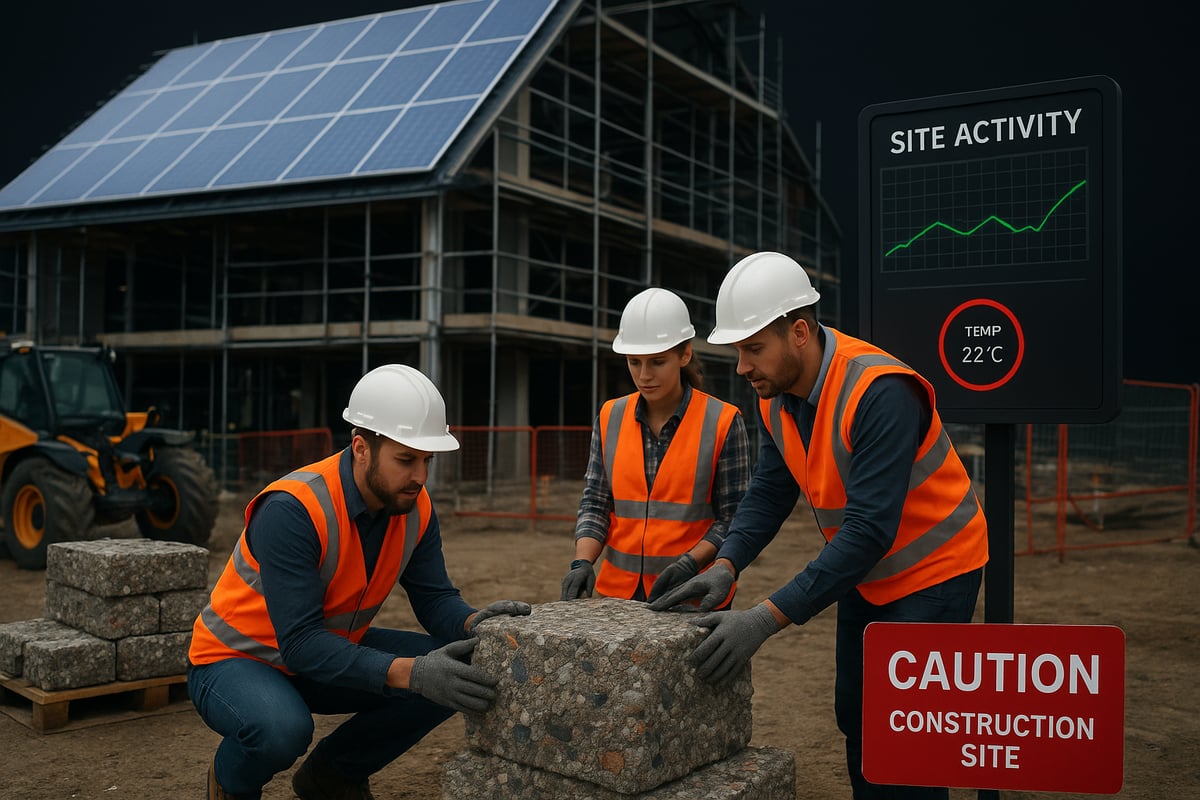
Sustainable materials are at the heart of every forward-thinking civil building project. The move towards recycled, low-carbon, and locally sourced materials is transforming the industry. For instance, the use of alternative concretes and engineered timber is now common in new developments.
- Recycled steel and aggregates are reducing embodied carbon.
- Low-carbon concrete mixes offer both strength and climate benefits.
- Locally sourced timber minimises transport emissions.
Furniture recycling initiatives at the Cambridge Civil Engineering Building provide a real-world example of waste reduction and resource efficiency. These efforts are complemented by innovations in green procurement and digital tracking of material lifecycles. For more on these evolving practices, explore Sustainable Construction Engineering. As civil building evolves, such methods are not only environmentally responsible but are becoming essential for compliance and reputation.
Energy Efficiency and Smart Infrastructure
Energy efficiency is a defining feature of modern civil building. Integrating renewable energy sources, such as solar panels and heat pumps, is now standard practice in large-scale projects. Smart building management systems further enhance operational performance, reducing both costs and carbon footprints.
- Renewable systems cut reliance on traditional energy sources.
- Automated lighting and HVAC systems adapt to real-time occupancy.
- Digital twins optimise building operations for long-term savings.
Infrastructure sensing at UKCRIC facilities demonstrates how smart technology can inform maintenance and improve resilience. These advancements make civil building more adaptive to future demands, supporting the UK's net zero ambitions.
Waste Management and Circular Economy
Effective waste management is essential in every civil building scheme. On-site segregation and recycling are now standard, helping to divert materials from landfill and meet strict targets.
- Segregation of concrete, metals, and plastics for recycling.
- Circular economy principles encourage reuse at all stages.
- Data-driven tracking ensures continuous improvement.
The UK construction sector generates significant waste, but new regulations and client expectations are driving positive change. Civil building projects that embrace circular economy models benefit from lower costs and enhanced sustainability credentials.
Compliance with Environmental Standards
Compliance with rigorous environmental standards is mandatory in UK civil building. Early planning is crucial to navigate BREEAM, LEED, and other certification schemes, as well as UK and EU regulations.
- BREEAM and LEED measure energy, water, and material efficiency.
- Local planning policies require detailed sustainability assessments.
- Early compliance reduces project delays and reputational risks.
Civil building teams that prioritise environmental standards from the outset are better positioned to deliver successful, future-ready projects. This approach builds trust with stakeholders and sets new benchmarks for the sector.
Technology and Innovation Shaping Civil Building
The landscape of civil building is being transformed by rapid technological advancements. As we approach 2026, digital tools, automation, and smart infrastructure are redefining how projects are planned, delivered, and maintained. Embracing these innovations is essential for anyone aiming to thrive in the evolving civil building sector.
Digital Transformation in Construction
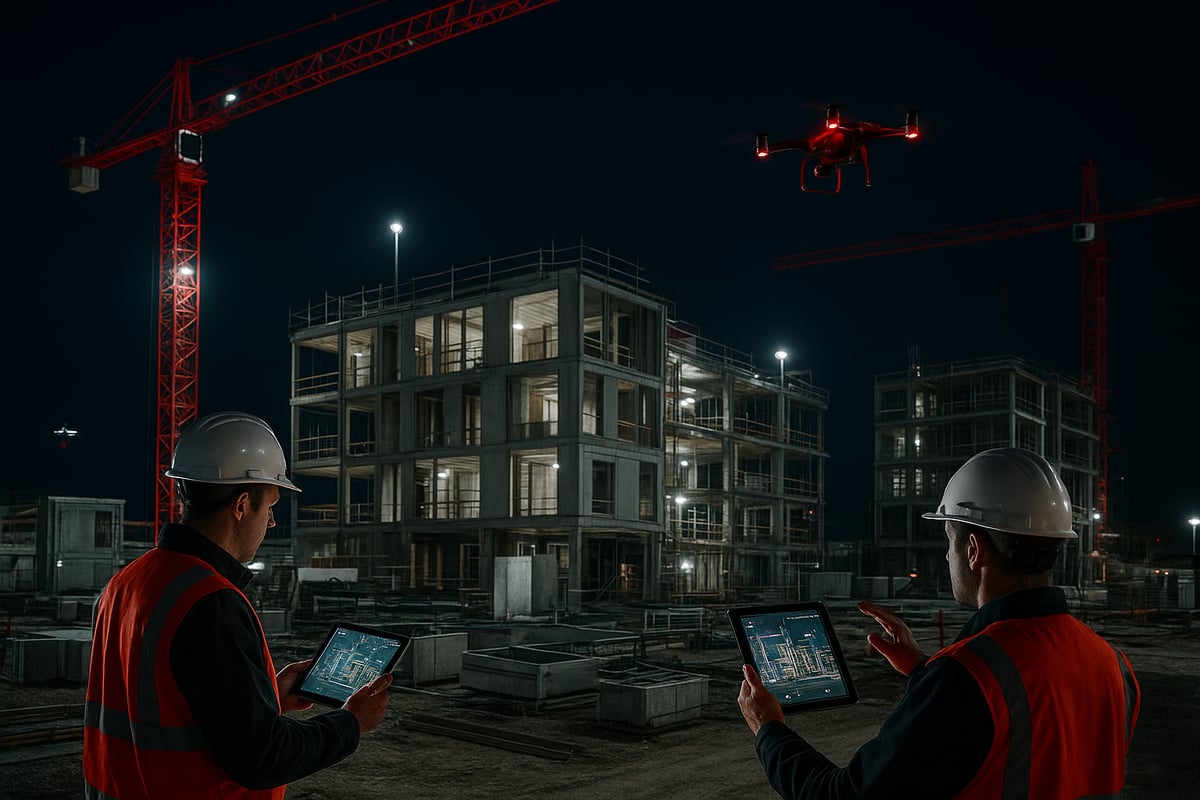
Digital transformation is revolutionising the civil building process. The adoption of Building Information Modelling (BIM), digital twins, and advanced data analytics is now standard practice for leading projects. These technologies enable real-time collaboration, reduce errors, and help teams visualise every stage of a project's lifecycle.
With BIM, stakeholders share a single source of truth, making communication seamless. Digital twins allow for ongoing monitoring and predictive maintenance, extending the useful life of civil building assets. Analytics tools provide insights into cost, scheduling, and risk, which supports better decision-making.
Collaboration between universities and industry, such as the integration of digital design at Cambridge projects, demonstrates the potential of these innovations. For more examples of how digital tools are shaping the industry, see these Civil Engineering Project Examples. As digital transformation becomes embedded, civil building is set to deliver projects that are more efficient, resilient, and sustainable.
Automation, Robotics, and Offsite Construction
Automation is reshaping civil building through robotics, prefabrication, and modular construction. Offsite manufacturing allows components to be produced in controlled environments, improving quality and reducing waste. Robotics on site automate repetitive tasks, enhancing safety and productivity.
Emerging technologies such as drones provide real-time site monitoring, while 3D printing is beginning to deliver bespoke structural elements. AI-powered project management tools help optimise resource allocation and scheduling.
The integration of these innovations leads to faster project delivery and cost savings. Civil building teams are now able to overcome traditional challenges, such as labour shortages and complex logistics, by leveraging automation and robotics in daily operations.
Infrastructure Sensing and Smart Cities
Smart infrastructure is a cornerstone of future civil building projects. The deployment of sensors throughout structures enables continuous monitoring of structural health and performance. This data-driven approach allows for predictive maintenance, reducing downtime and extending asset lifespan.
Infrastructure sensing also supports the development of smart cities, where adaptive systems respond to changing urban needs. Insights from the National Research Facility for Infrastructure Sensing are guiding best practices in this space.
With these technologies, civil building projects are becoming more resilient and adaptable to environmental and societal demands.
Future-Proofing Civil Buildings
Designing for the future is critical in civil building. Projects now incorporate climate adaptation measures, such as flood resilience and energy storage solutions. Flexibility is built into spaces, allowing them to be repurposed as requirements evolve.
Case studies of recent developments highlight how adaptable spaces and advanced materials contribute to long-term value. Integrating future-proofing strategies ensures that civil building investments remain robust in the face of uncertainty.
By embracing these innovations, stakeholders in civil building are not just reacting to change—they are shaping a more sustainable and resilient built environment for generations to come.
Project Management and Delivery Excellence
Achieving excellence in project management is vital for every civil building endeavour. From the earliest planning stages to the long-term operation of assets, a structured approach ensures projects are delivered on time, within budget, and to the highest standards. The following subsections outline essential strategies for successful civil building delivery in 2026.
Effective Stakeholder Engagement
Strong stakeholder engagement forms the backbone of every successful civil building project. Early and ongoing communication is crucial for aligning expectations and identifying potential conflicts before they escalate. Engaging stakeholders such as clients, end-users, local authorities, and contractors ensures their needs are understood and integrated into the project’s objectives.
Regular meetings, transparent updates, and feedback mechanisms help build trust and foster collaboration. For instance, university-led civil building schemes often involve diverse academic and community groups, highlighting the need for tailored communication strategies. By prioritising engagement throughout the project lifecycle, teams can secure greater buy-in and reduce the risk of costly misunderstandings.
Risk Management and Quality Assurance
Proactive risk management is essential to mitigate the uncertainties that can threaten civil building projects. Identifying and assessing risks at each phase, from planning to construction, allows teams to implement effective controls and contingency plans. Quality assurance frameworks, such as ISO 9001, support continuous improvement and ensure that deliverables meet or exceed client expectations.
Oversight from experienced estate management teams, as seen at Cambridge University, demonstrates the value of rigorous monitoring and independent review. The CMA interim report on civil engineering market provides further insight into sector-wide challenges and opportunities for improving project outcomes. A robust approach to risk and quality safeguards the integrity of civil building assets and protects stakeholders’ interests.
Scheduling, Budgeting, and Resource Allocation
Efficient scheduling and budgeting are the cornerstones of successful civil building delivery. Accurate timelines and cost plans help teams allocate resources effectively and anticipate challenges before they arise. Digital project management tools support real-time tracking of progress, allowing for quick adjustments and transparent reporting.
Common causes of overruns in UK civil building projects include unforeseen site conditions, design changes, and supply chain delays. Addressing these risks early, using reliable data and industry benchmarks, helps maintain control over time and budget. Regular reviews and adaptive planning are essential for keeping projects on track.
Facilities Management and Lifecycle Planning
The transition from construction to operation is a critical stage in civil building project management. Early consideration of facilities management ensures that assets are designed for efficient maintenance and long-term sustainability. Digital tools, such as Building Information Modelling, enable seamless asset handover and support ongoing performance monitoring.
Post-occupancy evaluation creates feedback loops that inform future civil building projects and drive continuous improvement. By integrating lifecycle planning into the initial project phases, organisations can maximise value, reduce operational costs, and extend the useful life of their buildings. Effective facilities management is the foundation for resilient, adaptable infrastructure.
Regulatory Compliance and Health & Safety in Civil Building
Ensuring regulatory compliance and robust health and safety standards is fundamental for every civil building project in the UK. As the sector evolves, keeping pace with new legislation, safety protocols, and inclusivity requirements is more crucial than ever. Each phase, from planning permission to project completion, demands detailed attention to both legal obligations and the wellbeing of everyone involved.
Navigating Planning Permission and Building Regulations
Securing planning permission is the first major regulatory milestone for any civil building scheme. The process typically begins with a pre-application consultation, followed by submission of detailed plans to local authorities. This stage involves public consultations, environmental assessments, and careful alignment with local development frameworks.
For civil building projects, compliance with UK Building Regulations is non-negotiable. These regulations set standards for structural integrity, fire safety, energy efficiency, and accessibility. Each phase, from design to completion, requires clear documentation and regular inspections to confirm adherence.
A good example is the masterplanning and approvals process for major university projects, where multidisciplinary teams collaborate to ensure every regulatory box is ticked. Early engagement with planning officers and legal experts can help identify risks, streamline approvals, and avoid costly delays.
Recent ONS construction output statistics February 2025 highlight the ongoing complexity and volume of civil building activity in the UK, reinforcing the need for rigorous compliance practices.
Health, Safety, and Security Protocols
Health and safety are at the heart of every civil building site. UK regulations require comprehensive site safety plans, including risk assessments, induction training, and clear incident reporting procedures. All workers must have access to personal protective equipment, while regular drills and toolbox talks ensure ongoing awareness.
Security protocols are equally vital. Effective access control, CCTV coverage, and safeguarding measures protect both people and assets. Regular site audits and safety inspections, often led by independent advisors, help maintain high standards and reduce accident rates.
UK construction site safety statistics reveal a steady improvement in accident rates, but vigilance remains essential. Civil building teams that prioritise safety not only protect lives but also enhance productivity and reputation. Lessons from recent academic builds show the value of continuous improvement and investment in workforce wellbeing.
Accessibility and Inclusivity in Civil Projects
Designing for accessibility and inclusivity is now a legal and ethical requirement in civil building. Projects must comply with the Equality Act and best practice guidelines, ensuring spaces are usable by everyone, regardless of physical ability.
Key features include step-free access, tactile surfaces, accessible toilets, and clear signage. Recent academic buildings have set benchmarks with innovative solutions, such as fully accessible lecture theatres and sensory-friendly environments.
By embedding inclusivity from the outset, civil building projects create spaces that serve diverse communities and futureproof their value.
The Future of Civil Building: Trends and Expert Predictions for 2026
The landscape of civil building is set for significant transformation by 2026. Rapid advances in technology, new policy drivers, and a renewed focus on sustainability are shaping the industry’s future. Stakeholders must stay ahead of these trends to remain competitive, ensure compliance, and deliver resilient projects.
Anticipated Shifts in Civil Building
As 2026 approaches, climate adaptation takes centre stage in civil building projects. Designers are increasingly prioritising flood resilience, heat mitigation, and future-proofing for changing weather patterns. The sector is also embracing digitalisation at a rapid pace, with tools like Building Information Modelling and digital twins fundamentally changing how projects are planned and delivered.
The drive for sustainability is influencing every phase of civil building. Projects now focus on life-cycle carbon, circular economy principles, and integration of renewable energy systems. These shifts demand new skillsets and cross-disciplinary collaboration.
Smart Cities and Urban Integration
Civil building is playing a critical role in the evolution of smart cities. Infrastructure is being designed to support real-time data collection, automated systems, and seamless connectivity. Smart sensors are embedded in bridges, roads, and public spaces, enabling predictive maintenance and enhanced safety.
Urban development strategies are shifting towards mixed-use spaces, green corridors, and transport integration. By 2026, civil building will be central to creating liveable, adaptable, and efficient urban environments.
Academia, Research, and Industry Collaboration
Collaboration among universities, research centres, and industry leaders is accelerating innovation in civil building. Initiatives like the UK Collaboratorium for Research on Infrastructure and Cities (UKCRIC) bring together experts to tackle challenges such as infrastructure resilience and digital transformation.
Joint ventures between academia and industry are expected to drive advancements in materials, design methods, and project delivery models. These partnerships not only foster knowledge exchange but also support the upskilling of the next generation of civil building professionals.
Investment and Funding Outlook
The investment landscape for civil building in the UK remains robust. According to UK civil engineering market growth projections, the sector is expected to see sustained growth, underpinned by infrastructure upgrades, government spending, and private sector participation.
Key segments such as transportation, utilities, and public buildings are attracting significant funding. Stakeholders who understand emerging trends and align with green finance criteria will be best positioned to secure future projects in civil building.
Policy, Regulation, and Compliance
Policy changes are expected to have a considerable impact on civil building by 2026. Updates to UK building regulations will likely emphasise net zero targets, digital documentation, and enhanced safety protocols. Early compliance planning and ongoing regulatory monitoring are becoming essential for all project teams.
New frameworks for procurement and project delivery are also anticipated, with an emphasis on transparency, social value, and environmental responsibility. Civil building professionals must stay informed about evolving standards to remain compliant and competitive.
Workforce Development and Skills
The future of civil building depends on a skilled, adaptable workforce. Addressing skills shortages is a top priority, with targeted programmes for digital skills, sustainability, and modern construction techniques. Upskilling and reskilling are now routine, as job roles evolve alongside technological advancements.
Collaboration with educational institutions and industry bodies is key to developing talent pipelines. By 2026, civil building will require not only technical expertise but also strong leadership, communication, and project management skills to deliver complex, multidisciplinary projects.
Challenges and Opportunities Ahead
Looking forward, the civil building sector faces both challenges and opportunities. Climate adaptation, digital disruption, and regulatory complexity will test even the most experienced teams. However, those who invest in innovation, foster collaboration, and prioritise sustainability will thrive.
Expert predictions highlight the importance of agility and resilience in civil building. As the industry adapts to new realities, it will play a pivotal role in shaping the UK’s sustainable, connected, and prosperous future.