
The landscape of civil construction projects in the UK is rapidly evolving, driven by new technologies, sustainability demands, and changing regulations. As we look towards 2026, these projects are set to become even more complex and innovative.
This guide offers essential insights to help you navigate every stage of civil construction projects, from initial planning to successful delivery and future-proofing. Whether you are a project manager, engineer, or stakeholder, understanding the latest trends and strategies is crucial.
We will explore emerging trends, the project lifecycle, key challenges, advances in technology, sustainability, and proven best practices. Prepare to achieve outstanding results and stay ahead in the dynamic world of civil construction projects.
The Evolving Landscape of Civil Construction in 2026
Civil construction projects in the UK are entering a period of rapid transformation, shaped by powerful trends and changing expectations. As 2026 approaches, the sector is adapting to new demands in sustainability, technology, and regulatory frameworks. Understanding these shifts is essential for delivering successful civil construction projects that are both future-ready and resilient.
Key Trends Shaping Civil Construction
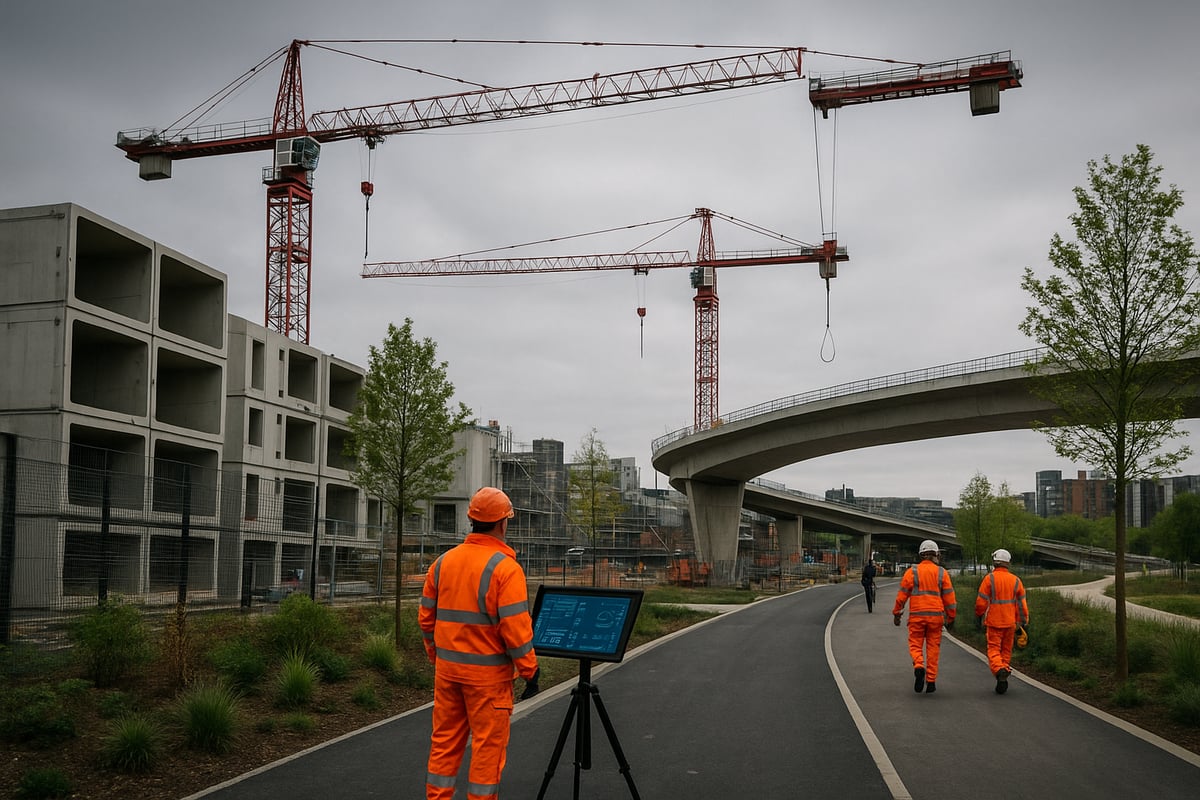
The landscape for civil construction projects is being redefined by a range of dynamic trends. Sustainability is at the forefront, with clients and contractors prioritising green infrastructure and environmentally responsible methods. Investment in public realm, highways, and urban regeneration is increasing, reflecting the need for resilient, people-centred spaces.
Digital transformation is accelerating, with Building Information Modelling (BIM), artificial intelligence, and data analytics now central to project delivery. Modular construction and prefabrication are gaining momentum, offering faster build times and reduced waste. Health, safety, and compliance requirements are becoming more stringent, demanding robust processes and accreditations.
The sector also faces ongoing skills shortages, making workforce development a top priority. Government funding and initiatives are influencing the pipeline for civil construction projects, directing resources to regional growth areas and strategic infrastructure.
For a broader perspective on the trends shaping 2026, the UK Construction Outlook 2026: Key trends shaping the year ahead offers authoritative insights into digital, regulatory, and sustainability shifts.
Market Outlook and Sector Growth
By 2026, the UK civil construction projects sector is forecast to reach significant new heights in both value and activity. Growth is anticipated across highways, bridges, drainage, and public infrastructure, with regional hotspots emerging in the North East and North West.
Recent and upcoming projects, such as large-scale urban regeneration schemes and public realm improvements, signal strong momentum. Notable completions in city centre streetscapes and transport corridors highlight the sector’s capacity for innovation and delivery.
A focus on resilience and adaptability is driving investment in future-proofed assets. Civil construction projects are increasingly designed to accommodate changing climate, regulatory, and social needs. This approach is helping the sector maintain steady growth even as it navigates challenges like resource constraints and fluctuating demand.
The market outlook remains positive, underpinned by robust public and private sector collaboration. Strategic investment in key regions is expected to unlock further opportunities for civil construction projects, supporting jobs and economic recovery.
Regulatory and Environmental Drivers
Regulatory changes are reshaping how civil construction projects are planned and delivered. Updates to building codes and standards, especially post-Brexit, require careful attention to compliance at every stage. Environmental targets continue to tighten, with Net Zero commitments and biodiversity net gain now core requirements for most projects.
Social value is an increasingly important metric, with public sector procurement demanding clear evidence of community benefit and environmental stewardship. Projects such as the Whitehaven Public Realm demonstrate how sustainability can be integrated from design to delivery, setting new benchmarks for responsible construction.
Environmental drivers also include stricter controls on carbon emissions, waste management, and resource efficiency. Civil construction projects must now adopt innovative solutions, such as low-carbon materials and sustainable drainage systems, to meet regulatory expectations and deliver lasting value for communities.
Civil Construction Project Lifecycle: Step-by-Step Guide
Successfully delivering civil construction projects in the UK requires a clear understanding of the lifecycle from concept to completion. Each stage brings unique challenges and opportunities, influencing the overall outcome. Below is a comprehensive, step-by-step guide to navigating the lifecycle of civil construction projects, ensuring every phase is managed with precision and foresight.
1. Project Initiation and Feasibility
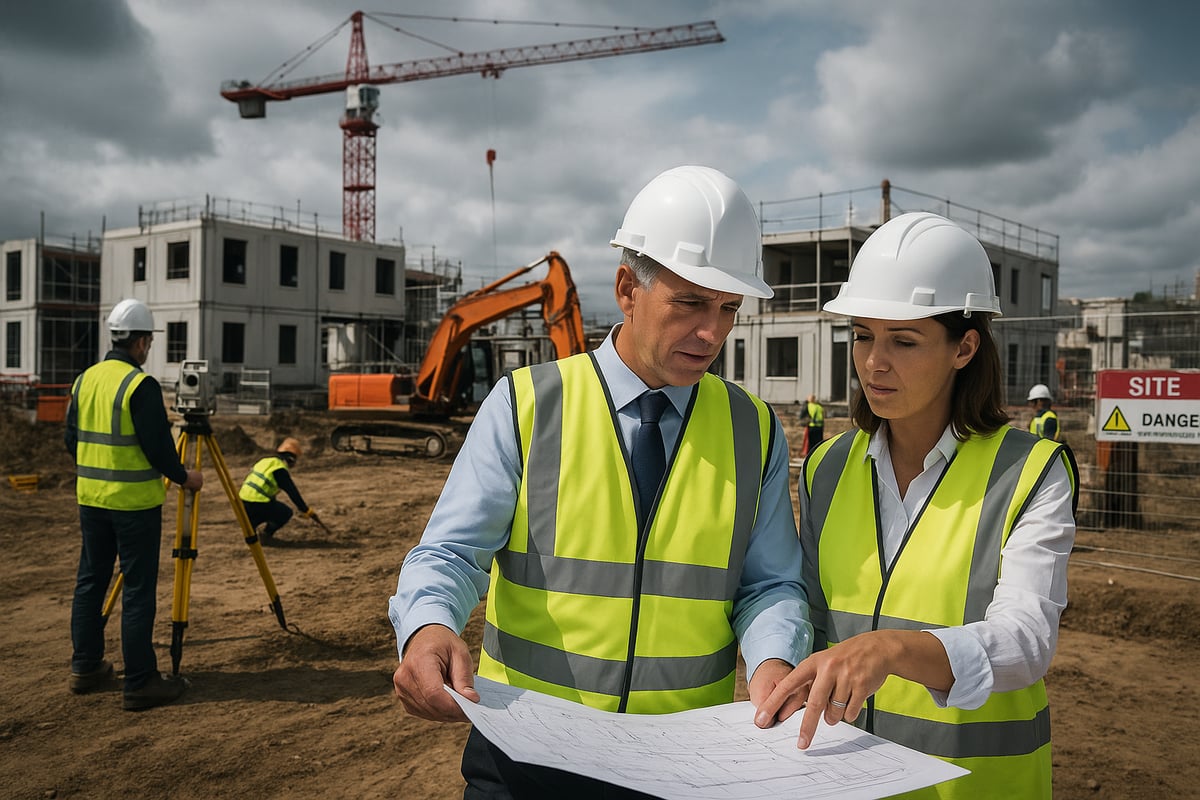
The journey of civil construction projects begins with clearly defined needs and objectives. Stakeholders must articulate what the project aims to achieve, whether it is upgrading a highway, regenerating a public space, or developing essential infrastructure.
Early site surveys are crucial, providing data on ground conditions, environmental sensitivities, and logistical constraints. Environmental impact assessments help identify potential risks to habitats and communities. Engaging stakeholders at this stage fosters support and uncovers local concerns.
Feasibility studies examine technical, financial, and regulatory factors. A thorough business case considers budget, timeline, and any planning restrictions. For example, the early planning of highway improvements involves traffic analysis, cost-benefit evaluation, and consultation with local authorities. By investing time in robust feasibility assessments, civil construction projects are set on a stable foundation for later phases.
2. Design and Planning
Once feasibility is confirmed, the design and planning phase commences. Conceptual designs are developed, integrating Building Information Modelling (BIM) for accuracy and collaboration. Detailed designs follow, specifying materials, construction methods, and timelines.
Securing planning permissions and regulatory approvals is a critical milestone. This often involves addressing environmental standards and accessibility requirements. Community consultations play a significant role, ensuring the project aligns with local needs and minimises disruption.
Sustainability and accessibility should be embedded from the outset. This includes specifying low-carbon materials and designing inclusive public spaces. In civil construction projects, early integration of these principles reduces rework and enhances long-term value.
3. Procurement and Contractor Selection
With approved designs, attention turns to procurement and selecting the right contractors. The tendering process must be transparent and competitive, ensuring only qualified firms are considered.
Evaluation criteria balance cost, quality, and delivery capability. Accreditations such as Constructionline Gold or SafeContractor demonstrate a contractor’s commitment to compliance and safety. It is essential to assess technical capability and previous experience in similar civil construction projects.
For example, selecting contractors for bridgeworks or cycleways involves reviewing past project performance, resource availability, and risk management strategies. A structured procurement process mitigates risks and ensures the chosen team can deliver on project expectations.
4. Construction and Project Management
The construction phase brings the project vision to life. Mobilisation involves setting up the site, establishing safety protocols, and organising logistics. Effective management of groundworks, drainage, and structural works is essential to keep civil construction projects on schedule and within budget.
Project management software enables real-time tracking of progress, resource allocation, and documentation. Quality assurance processes, including regular inspections and testing, ensure all works meet regulatory standards. Health and safety compliance is paramount, with ongoing training and risk assessments for all site personnel.
Clear communication among all stakeholders helps address issues promptly. By maintaining a structured, responsive approach, teams can navigate challenges and ensure civil construction projects progress smoothly toward completion.
5. Handover, Commissioning, and Post-Completion
As construction concludes, the focus shifts to final inspections and snagging. This involves identifying and rectifying any remaining defects before the infrastructure is commissioned for use. Thorough testing ensures all systems function as intended.
Post-completion, a maintenance plan is established to preserve asset value and performance. Ongoing monitoring enables early detection of issues and continuous improvement. Gathering feedback from stakeholders after handover provides insights for future civil construction projects.
For a detailed exploration of each lifecycle phase, see the Civil construction project lifecycle for further insights and practical examples.
Key Challenges and Solutions in Civil Construction Projects
Navigating the landscape of civil construction projects in the UK involves a unique set of challenges. Each phase brings risks and complexities that require tailored solutions, from project inception to delivery. By understanding these hurdles, project leaders can implement strategies that improve outcomes, build resilience, and foster community trust.

Managing Project Complexity and Risk
Civil construction projects often involve intricate coordination between stakeholders, regulatory bodies, and contractors. Managing complexity starts with robust planning, including early identification of potential risks such as unforeseen ground conditions or challenging site constraints.
Common risks include:
- Multi-stakeholder communication breakdowns
- Unexpected environmental or geotechnical issues
- Cost overruns and schedule delays
For example, the slope stabilisation at Grisdale Beck required adaptive risk management when ground conditions shifted. Proactive use of contingency plans and transparent reporting can help keep civil construction projects on track. For a broader overview of risk factors and solutions in the industry, see the civil engineering and construction overview.
Health, Safety, and Compliance
The importance of health and safety in civil construction projects cannot be overstated. UK regulations continue to evolve, demanding rigorous adherence to best practices. Effective implementation involves:
- Comprehensive PPE protocols
- Ongoing workforce training
- Regular risk assessments
Holding accreditations such as Constructionline Gold, SafeContractor, and SSIP demonstrates commitment to compliance. Embedding a culture of safety, with leadership visibly supporting safe practices, reduces incidents and builds confidence among teams.
Supply Chain and Resource Management
Material shortages and price volatility have become increasingly common. Ensuring a steady flow of plant, tools, and materials is vital for uninterrupted progress on civil construction projects.
Key strategies include:
- Building relationships with multiple suppliers
- Using digital procurement tools for transparency
- Scheduling deliveries to align with project milestones
By prioritising resilient logistics and flexible sourcing, project managers can mitigate delays and maintain quality standards, even during unpredictable market shifts.
Community and Environmental Impact
Civil construction projects must minimise disruption to local communities and the environment. Proactive engagement, clear communication, and environmental stewardship are essential.
Best practices involve:
- Scheduling works to reduce noise and dust during sensitive hours
- Implementing waste management and recycling initiatives
- Enhancing biodiversity through landscaping and habitat creation
Delivering public amenity improvements and maintaining open dialogue with residents helps foster goodwill and ensures long-term project success.
Technology and Innovation in Civil Construction
The rapid pace of technological change is reshaping civil construction projects across the UK. Innovations in digital tools, construction methods, and sustainable infrastructure are redefining how teams plan, deliver, and future-proof the built environment. To remain competitive and compliant in 2026, staying ahead of these advancements is essential.
Digital Tools Transforming Project Delivery
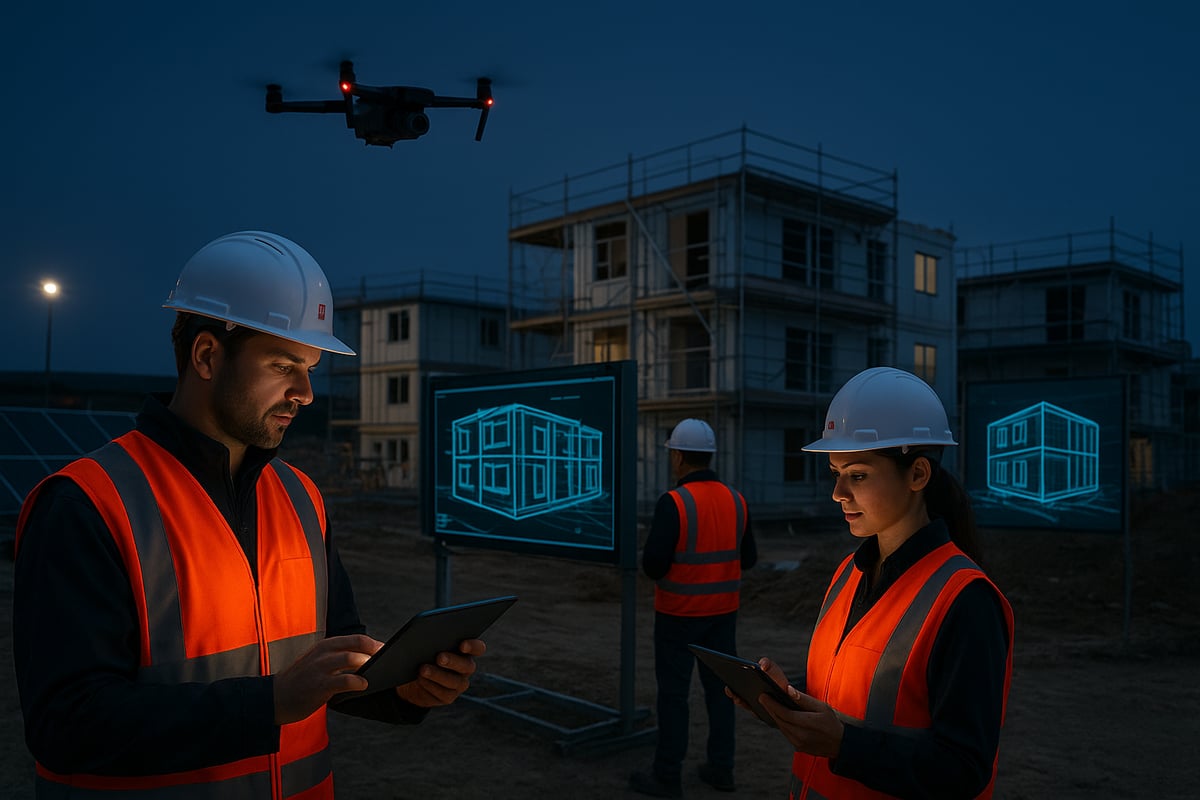
Digital transformation is at the heart of today’s civil construction projects. Building Information Modelling (BIM) has become a cornerstone, enabling collaborative design and real-time updates among architects, engineers, and contractors.
Drones and remote sensing technologies now support detailed site surveys and ongoing progress monitoring, improving accuracy and reducing manual labour. AI-driven project management tools are being adopted to forecast risks, optimise resources, and streamline communication channels.
These digital advancements not only improve efficiency but also help teams meet regulatory requirements and client expectations. For those seeking a deeper understanding of how technology is changing the sector, UK Construction in 2026: The Trends and Shifts to Watch offers insight into evolving design processes and early engagement strategies.
Modern Methods of Construction (MMC)
Modern Methods of Construction are gaining ground in civil construction projects, especially where speed, quality, and sustainability are priorities. Offsite fabrication and modular assembly reduce on-site disruption, cut construction times, and improve safety outcomes.
Innovations in concrete, such as laser-levelled slabs, are now common in industrial developments. These methods offer enhanced durability and precision, which is critical for infrastructure longevity.
By embracing MMC, project teams can deliver complex civil construction projects more efficiently, while maintaining strict quality and compliance standards. Prefabrication also supports environmental targets by minimising waste and supporting circular economy practices.
Sustainability and Smart Infrastructure
Sustainability is a driving force behind the next generation of civil construction projects. The integration of renewable energy sources and low-carbon materials is now mainstream in infrastructure design.
Smart highways, cycleways, and digital infrastructure are being implemented to support connected, resilient communities. Data-driven asset management ensures that completed projects remain efficient, safe, and cost-effective throughout their lifecycle.
Civil construction projects that prioritise smart, sustainable solutions are better equipped to meet government targets and deliver lasting value to communities. Adopting these innovations will define success in the sector for 2026 and beyond.
Sustainability and Social Value in 2026 Civil Projects
Sustainability and social value are now central to the success of civil construction projects across the UK. In 2026, public and private sector clients increasingly demand that every scheme delivers measurable environmental improvements and community benefits. This shift is reshaping how civil construction projects are planned, delivered, and evaluated, with a clear focus on legacy and long-term value.
Meeting Net Zero and Environmental Goals
Reaching the UK’s Net Zero targets is a top priority for civil construction projects in 2026. Every project must demonstrate clear strategies for reducing carbon emissions and resource consumption.
Key approaches include:
- Implementing low-carbon materials, such as recycled aggregates and green concrete.
- Installing sustainable drainage systems (SuDS) to manage surface water and increase biodiversity.
- Minimising waste through careful planning, recycling, and reusing materials wherever possible.
Civil construction projects are also adopting renewable energy sources for site operations, from solar-powered lighting to electric plant machinery. Environmental performance is tracked closely, with regular audits to ensure compliance with evolving regulations. Achieving biodiversity net gain is another essential target, with green corridors and wildlife habitats integrated from the earliest design stages.
Social Responsibility and Community Engagement
Today’s civil construction projects must provide tangible benefits to local communities. This includes public realm enhancements that support wellbeing and inclusivity, as well as opportunities for local employment and skills development.
Leading contractors prioritise:
- Collaborating with councils and residents to shape project outcomes.
- Delivering apprenticeships and on-site training for local people.
- Supporting local supply chains to foster economic growth.
For example, public realm upgrades in Whitehaven and Maryport have revitalised town centres while delivering lasting social value. Initiatives like these are increasingly common, with a focus on accessible, sustainable spaces for all. To see how these principles are applied in practice, explore sustainable public realm construction projects across the North East.
Measuring and Reporting Social Value
Accountability is crucial in civil construction projects. Quantifying social and environmental performance enables clients to meet procurement requirements and build public trust.
Common KPIs include:
- Number of apprenticeships and local jobs created.
- Volume of recycled materials used and waste diverted from landfill.
- Community engagement hours and feedback scores.
Transparent reporting, supported by digital dashboards, ensures stakeholders can monitor progress and outcomes. Regular communication and lessons learned sessions help refine future approaches, making social value delivery an ongoing, collaborative process. By embedding these practices, civil construction projects set new benchmarks for positive impact in 2026.
Best Practices and Lessons from Recent UK Projects
The success of civil construction projects in the UK often hinges on the ability to apply best practices and adapt to lessons learned from recent schemes. By examining what works in real-world scenarios, project teams can refine their approaches and deliver infrastructure that stands the test of time. This section explores key strategies, case insights, and future-proofing techniques that are shaping the next generation of civil construction projects.
Success Factors in Project Delivery
Delivering successful civil construction projects requires a blend of strategic planning, stakeholder engagement, and flexibility. Early collaboration with clients and local authorities helps establish clear objectives and a shared vision. Rigorous risk management allows teams to anticipate potential issues and develop mitigation strategies before challenges arise.
Key success factors include:
- Proactive communication with all stakeholders from the outset
- Robust planning, including detailed scheduling and resource allocation
- Adaptability to changing site conditions and client requirements
Teams that prioritise health and safety, maintain transparent reporting, and foster strong working relationships are better positioned to meet project goals. By embedding these principles, civil construction projects can achieve higher levels of quality and client satisfaction.
Learning from Recent Civil Engineering Projects
UK civil construction projects have benefited greatly from continuous learning and innovation. Recent schemes, such as bridgeworks, car park redevelopments, and new cycleways, demonstrate the value of integrating modern construction techniques and digital tools. For example, using Building Information Modelling (BIM) has improved design accuracy and coordination among teams.
Site remediation and phased construction have been particularly effective for complex developments. Drawing on recent civil engineering projects provides insight into practical solutions for overcoming logistical and environmental challenges. These examples highlight the importance of capturing lessons learned and applying them to future civil construction projects.
By analysing both successes and setbacks, project managers can refine processes, enhance efficiency, and reduce the likelihood of recurring issues.
Future-Proofing Civil Construction
Future-proofing civil construction projects means investing in people, processes, and technology. Ongoing workforce development and upskilling are essential to address skills shortages and prepare teams for emerging challenges. Embracing a culture of continuous improvement ensures that organisations stay ahead of regulatory changes and industry trends.
Smart procurement strategies, such as adopting sustainable materials and digital project management platforms, can drive long-term value. Encouraging innovation and knowledge sharing across teams helps embed resilience. As the sector evolves, future-ready civil construction projects will be those that adapt quickly, learn from experience, and prioritise both sustainability and social value.
A forward-thinking approach positions civil construction projects to deliver lasting benefits for communities and the environment.