
Across the globe, civil projects have the power to reshape societies and drive economies forward. In 2026, a new generation of civil projects is setting unprecedented standards for innovation, sustainability, and global connectivity. This article highlights seven extraordinary examples that are redefining infrastructure and urban living for years to come.
From transformative transport hubs to groundbreaking water management systems, these civil projects span a diverse range of sectors. Each one demonstrates how bold engineering can improve quality of life, support resilient communities, and protect the environment. Discover how these achievements inspire progress, spark new ideas, and invite us all to imagine a future shaped by ingenuity and collaboration.
The Role of Civil Projects in Global Progress
Civil projects are the backbone of modern development, shaping the way cities and societies evolve. These undertakings not only create the physical structures we rely on every day but also drive progress in technology, sustainability, and quality of life.
Civil Engineering as a Catalyst for Modernisation
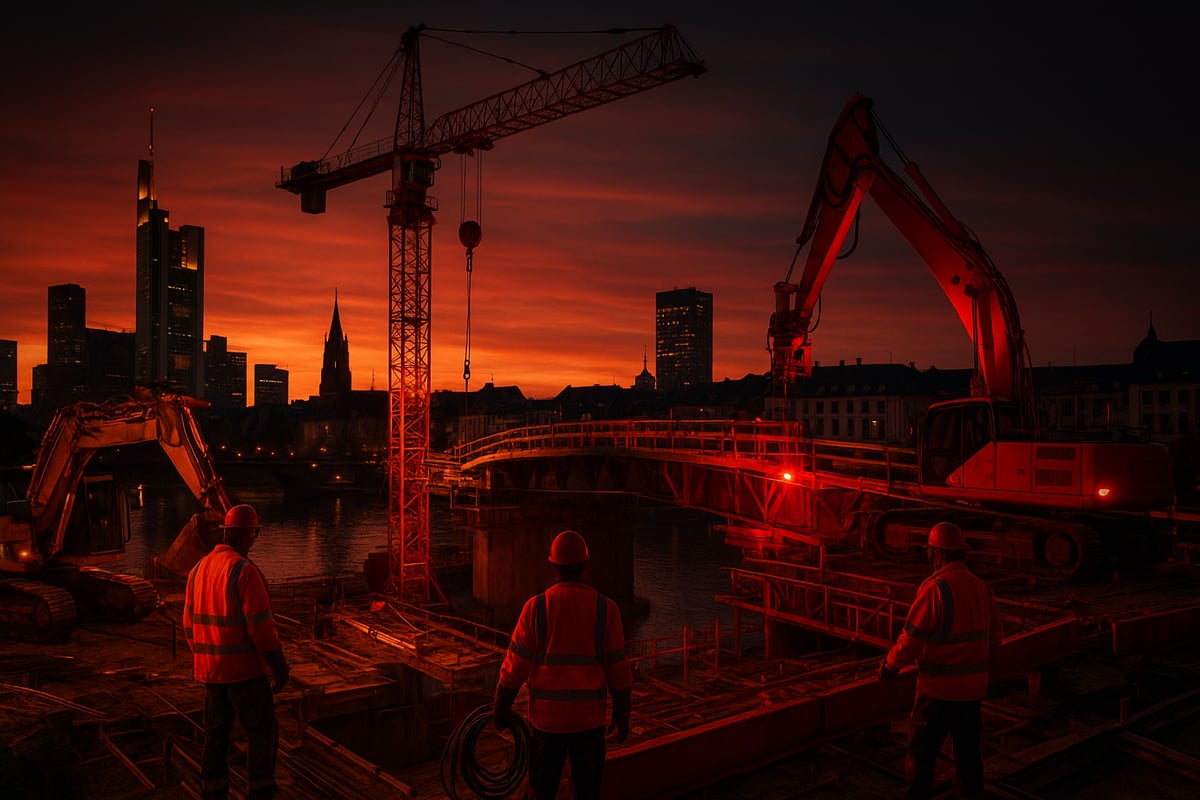
Civil projects are fundamental drivers of economic growth and urban development in the twenty-first century. By investing in civil projects, nations unlock new opportunities for business and enhance societal well-being.
Recent advances in technology and materials are transforming how civil projects are delivered. Innovations such as modular construction and smart sensors are now standard practice. With urbanisation rates rising globally, the need for infrastructure renewal is greater than ever.
Civil projects are not just about building roads or bridges, they are about creating the frameworks for thriving, modern societies.
Addressing Sustainability and Climate Challenges
The role of civil projects in advancing sustainability and climate adaptation has never been more important. Infrastructure is responsible for a significant share of global carbon emissions, making sustainable civil projects critical to decarbonisation efforts.
Today, there is a clear shift towards greener construction practices. Civil projects now incorporate recycled materials, energy-efficient systems, and climate-resilient designs. For example, water management schemes and green transport hubs help cities adapt to extreme weather and resource scarcity.
By prioritising sustainability, civil projects contribute directly to a more resilient and environmentally responsible future.
Enhancing Connectivity and Quality of Life
Modern civil projects are central to improving connectivity, access, and the quality of urban living. New transport corridors, advanced water networks, and revitalised public spaces all stem from thoughtful civil projects.
The benefits are tangible. Commute times fall, access to essential resources increases, and neighbourhoods experience urban regeneration. These changes have powerful ripple effects, boosting local economies and strengthening community ties.
Civil projects do not just move people and goods, they connect lives and foster inclusive, vibrant cities.
The Future Outlook: Innovation and Collaboration
Looking ahead, innovation and collaboration are set to define the next generation of civil projects. The integration of digital technology, such as Building Information Modelling and data analytics, is revolutionising project delivery.
International cooperation, guided by organisations like the World Federation of Engineering Organisations, is expanding the impact of civil projects. As highlighted in the Building and civil engineering overview, modern projects blend expertise from multiple fields to meet complex challenges.
The future will demand infrastructure that is adaptable, resilient, and designed to serve diverse communities for decades to come.
7 Inspiring Civil Projects Shaping the Future in 2026
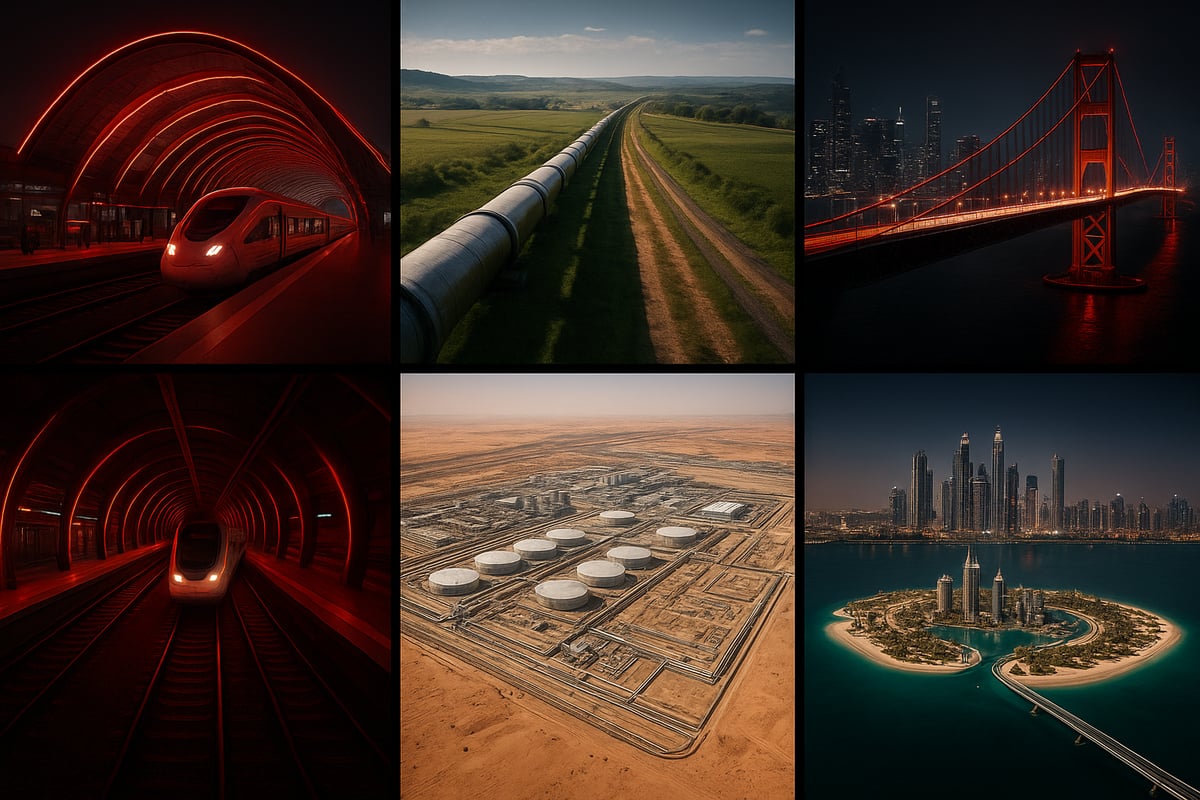
From revolutionary transport hubs to world-leading water management, civil projects are pushing the boundaries of what is possible in our built environment. These seven initiatives exemplify the ingenuity and impact that define the next era of infrastructure. Each project demonstrates how civil projects can transform cities, safeguard resources, and inspire future generations.
1. Belfast Grand Central Station: Transforming Urban Transport in Northern Ireland
Belfast Grand Central Station stands as the largest integrated transport hub on the island of Ireland, marking a leap forward for civil projects in the UK. Designed to replace outdated stations, it delivers a seamless interchange between bus and rail, ensuring both efficiency and comfort for passengers.
The station’s modern design features spacious concourses, intuitive wayfinding, and energy-efficient systems. It is expected to accommodate a 50% increase in passenger numbers, supporting projected regional travel growth. By clustering multiple transit modes, Belfast Grand Central Station has become a catalyst for urban regeneration in the heart of the city.
Sustainability is central to the project. Improved public transport encourages a modal shift away from cars, directly reducing carbon emissions. Energy-saving lighting, eco-friendly materials, and a focus on accessibility further enhance its green credentials.
Community benefits are substantial. The project has generated jobs, stimulated local businesses, and improved accessibility for all. It sets a new benchmark for mid-sized cities aiming to integrate civil projects into their urban renewal strategies. For more details on its features and impact, visit the Belfast Grand Central Station project details.
2. Strategic Pipeline Alliance: Securing Water for East England
The Strategic Pipeline Alliance is one of the most ambitious civil projects undertaken by Anglian Water, aiming to secure water supplies for generations to come. Spanning hundreds of kilometres, this network of interconnecting pipelines will combat the growing impacts of climate change on water availability in East England.
Technical innovation is at the heart of the project. Advanced leak detection systems, resilient materials, and real-time digital monitoring safeguard the integrity of the network. These features minimise water loss, ensuring that both urban and rural communities have reliable access to this vital resource.
Environmental stewardship is a core principle. The project supports sustainable agriculture and local communities, addressing water scarcity in a region often prone to drought. By reducing reliance on overexploited aquifers and promoting efficient water use, the Strategic Pipeline Alliance is safeguarding future growth and resilience.
Currently ongoing, this initiative is already one of the UK’s largest water infrastructure ventures. If you want to explore the technical and environmental innovations further, see the Strategic Pipeline Alliance project overview.
3. Central Kowloon Bypass: Urban Connectivity in Hong Kong
The Central Kowloon Bypass is a landmark in civil projects, delivering a vital east-west corridor through one of the world’s densest urban landscapes. Connecting historic and emerging districts, it relieves congestion and dramatically cuts travel times for thousands of commuters daily.
Engineers faced formidable challenges. Tunnelling beneath existing infrastructure required precision and innovative solutions to avoid disrupting the city above. The design incorporates green spaces and noise-reducing features, ensuring that the bypass integrates smoothly into the urban fabric.
The project’s benefits are widespread. By improving air quality and reducing traffic bottlenecks, it enhances the quality of life for residents and supports economic growth. Sensitive architectural choices preserve the cultural heritage of Kowloon, balancing progress with respect for the past.
Sustainability is embedded in every aspect, from efficient lighting to landscape integration. The completion of the Yau Ma Tei section in December 2025 sets a precedent for future mega-infrastructure in high-density cities, showcasing how civil projects can drive urban transformation.
4. Danyang-Kunshan Grand Bridge: Engineering Marvel in China
Stretching an astonishing 164.8 kilometres, the Danyang-Kunshan Grand Bridge is the world’s longest bridge and a testament to the scale and ambition of modern civil projects in China. Part of the Beijing-Shanghai High Speed Railway, it connects major economic zones, boosting both logistics and passenger transport.
Construction was an extraordinary feat. Over 10,000 workers completed the bridge in just four years, with a total investment of $8.5 billion. The structure is engineered to withstand seismic events and extreme weather, ensuring safety and reliability for high-speed trains.
This record-breaking project supports mass transit, helping to reduce the reliance on road vehicles and lower overall emissions. Notably, nine of the twelve longest bridges worldwide are in China, underscoring the country’s leadership in civil projects.
The Danyang-Kunshan Grand Bridge not only facilitates economic growth but also inspires engineers globally. It exemplifies how bold vision, advanced technology, and relentless dedication can redefine what is possible in infrastructure.
5. Crossrail (Elizabeth Line): Redefining Urban Mobility in London
Crossrail, now known as the Elizabeth Line, is one of Europe’s largest civil projects and has transformed how Londoners move across the city. The line connects west and east London through 42 kilometres of new tunnels and 10 state-of-the-art stations, linking a total of 40 stations.
This massive undertaking increased London’s rail capacity by 10 percent, supporting up to 200 million journeys each year. The economic impact is significant, spurring regeneration and investment along its route while creating thousands of jobs during construction.
The technical complexity was immense. Over 100 million working hours went into the project, with more than 10,000 archaeological finds unearthed along the way. The Elizabeth Line reduces congestion, improves accessibility for 1.5 million people, and sets a new standard for urban mobility.
For those interested in the full scope and achievements of this ground-breaking project, explore the Crossrail (Elizabeth Line) project details.
6. Ras Al Khair Desalination Plant: Water Security for Saudi Arabia
The Ras Al Khair Desalination Plant is the world’s largest, producing over 1 million cubic metres of water daily. This dual-purpose facility also hosts a 2,650MW power plant, making it a linchpin for both water and energy security in Saudi Arabia.
Addressing the acute water scarcity in the Middle East, this project supports industrial growth and urban development. Advanced desalination technology and energy efficiency measures reduce environmental impact and operational costs.
With an investment of approximately $7.2 billion, Ras Al Khair delivers reliable water supply to millions, underpinning climate adaptation strategies for the region. Its scale and innovation set a global benchmark for mega-scale water infrastructure, demonstrating the vital role of civil projects in supporting thriving societies.
This project stands as a model for integrating resource efficiency and resilience into essential services, providing lessons for regions facing similar challenges worldwide.
7. Palm Jumeirah Islands: Iconic Urban Expansion in Dubai
Palm Jumeirah, the most famous of Dubai’s artificial archipelagos, exemplifies how civil projects can reshape coastlines and redefine urban living. Constructed using 3 billion cubic feet of sand, the island was engineered to diversify Dubai’s economy and create a world-class tourism destination.
The engineering challenges were immense. Marine construction required innovative techniques to mitigate environmental impact and protect marine life. The result is a luxury real estate and tourism hub attracting global visitors and investment.
Ongoing sustainability efforts focus on eco-tourism and marine conservation, ensuring that the project remains a symbol of balance between ambition and responsibility. Palm Jumeirah’s success demonstrates the transformative power of civil projects in driving economic growth and enhancing the global reputation of cities.
The island is a testament to what can be achieved when vision, technology, and environmental stewardship converge in civil projects.
The Impact of Civil Projects on Local Communities and Economies
Civil projects have a profound influence on the places and people they serve. Their effects ripple through economies, communities, and the environment, shaping the way we live and interact. Let us explore the multifaceted impact of these transformative undertakings.
Driving Local Economic Growth and Job Creation
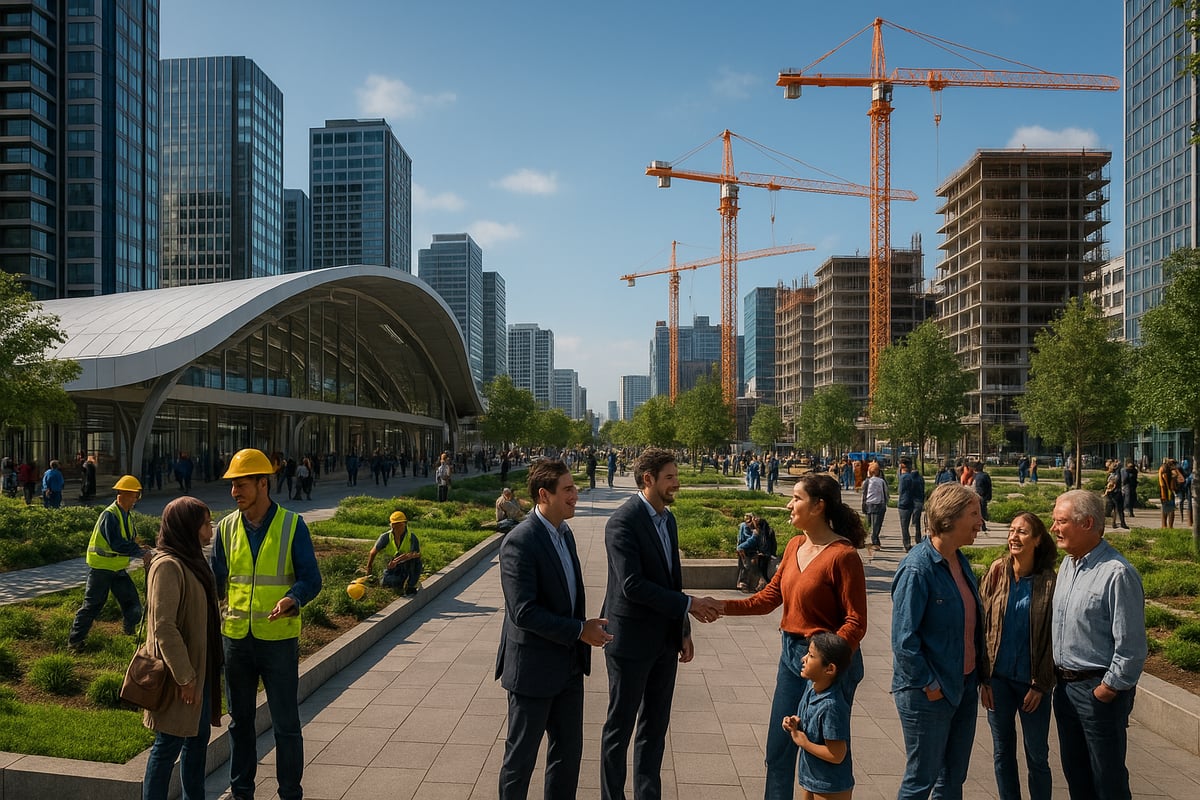
Civil projects are powerful engines of economic development. By investing in large scale infrastructure, communities unlock new business opportunities and drive employment growth. For example, the Belfast Grand Central Station and Crossrail have stimulated local economies by attracting investment and supporting thousands of jobs.
The effects extend far beyond the construction phase. Improved transport links and upgraded utilities boost productivity, encourage tourism, and foster further investment. Studies show that every pound spent on infrastructure generates a significant multiplier effect within the local economy.
To discover more about the economic benefits of recent projects, see Recent civil engineering projects, which highlights real world success stories.
Social Benefits: Accessibility, Safety, and Urban Renewal
Civil projects play a crucial role in improving social outcomes. Modern infrastructure enhances accessibility, making it easier for people to reach jobs, education, and healthcare. The Central Kowloon Bypass, for instance, connects historic and new districts, reducing travel times and supporting urban integration.
Upgraded public spaces and safer transport networks contribute to the well being of residents. Revitalised neighbourhoods often experience increased property values and a greater sense of community pride.
By breaking down barriers and reducing isolation, civil projects create more inclusive and vibrant urban environments for everyone.
Environmental and Sustainability Outcomes
Sustainability is now at the heart of most major civil projects. Initiatives like the Strategic Pipeline Alliance and Ras Al Khair Desalination Plant focus on resource efficiency, reduced emissions, and long term environmental stewardship.
Innovative design features such as energy efficient systems, water conservation technologies, and green building materials are becoming standard practice. These strategies help regions adapt to climate change, safeguarding natural resources for future generations.
Civil projects that prioritise sustainability not only protect the environment but also set a benchmark for responsible growth in an increasingly resource constrained world.
Lessons for Future Civil Engineering Initiatives
The success of civil projects depends on continuous innovation, stakeholder engagement, and adaptability. Embracing digital technologies and data driven decision making is essential for tackling future challenges.
Collaboration between governments, engineers, and communities ensures that new infrastructure meets diverse needs while balancing economic, social, and environmental goals. Lessons learned from recent achievements underline the importance of transparency, flexibility, and long term vision.
As we look ahead, civil projects will continue to shape resilient, inclusive, and sustainable communities, setting standards for generations to come.