
The world of construction site engineering is advancing at an unprecedented pace, shaping the skylines and infrastructure of 2026. As new challenges and technologies emerge, staying ahead is essential for everyone on site.
This handbook delivers a thorough, up-to-date guide for navigating the complexities of construction site engineering. Whether you are a site engineer, project manager, or stakeholder, you will find practical steps and future-focused strategies to drive success.
Explore core engineering principles, essential planning and regulations, integrated technology, robust safety management, sustainability, and the trends defining tomorrow’s projects. Gain actionable insights, develop mastery, and lead with confidence in this evolving industry.
Foundations of Construction Site Engineering
Construction site engineering forms the backbone of every successful project, blending technical expertise with strategic oversight. For professionals in the field, understanding its foundational elements is essential for delivering projects that are safe, compliant, and future-ready.

Defining the Role of a Site Engineer
The role of a site engineer in construction site engineering is multifaceted. Site engineers are responsible for overseeing technical operations, ensuring that construction aligns with design specifications, and managing on-site resources.
Strong communication is crucial, as site engineers coordinate between architects, contractors, and stakeholders. Problem-solving skills help them address unexpected challenges on site. Technical proficiency ensures tasks such as setting out and surveying are completed accurately. In essence, site engineers serve as the linchpin of any construction project.
Core Principles and Best Practices
Core principles in construction site engineering include a commitment to precision, collaboration, and safety. Accurate surveying and setting out form the basis for quality construction outcomes.
Collaboration is key, as site engineers must work closely with diverse teams. Staying updated with industry standards and best practices, such as those highlighted in site engineering best practices, ensures projects remain compliant and efficient. Regular communication and transparent documentation help avoid costly mistakes.
Essential Qualifications and Training
To excel in construction site engineering, professionals require industry-recognised qualifications. Certifications such as CITB and CSCS cards are often mandatory for site access and demonstrate competence.
Continuous professional development is vital. Site engineers must stay abreast of evolving standards, new technologies, and regulatory changes. Many pursue further training in digital tools, health and safety, or specialist construction methods to enhance their skills and career prospects.
Site Engineer’s Toolkit: Instruments and Software
A modern site engineer’s toolkit combines traditional surveying instruments with advanced digital solutions. Essential tools include:
- Total stations for precise measurements
- GPS units for geospatial positioning
- Laser levels for accurate setting out
Digital tools are equally important. Building Information Modelling (BIM), Computer-Aided Design (CAD), and project management software streamline coordination and improve accuracy. Familiarity with both hardware and software is now standard in construction site engineering.
Real-World Example: Large-Scale Infrastructure Project
Consider a major UK road construction project. Here, construction site engineering was central to success. Site engineers coordinated surveys, monitored ground conditions, and managed resource allocation.
By leveraging digital tools and close collaboration with contractors, the team reduced delays and maintained quality. This example highlights how construction site engineering ensures complex infrastructure projects are delivered on time and within budget, even when challenges arise.
Common Challenges and Solutions
Construction site engineering often faces unpredictable challenges. Common issues include:
- Unforeseen ground conditions
- Adverse weather impacting schedules
- Last-minute design changes
Effective solutions depend on adaptability and proactive planning. Rapid risk assessments, flexible scheduling, and open communication with the project team help mitigate these obstacles. Developing contingency plans is critical for minimising disruptions and maintaining progress.
Industry Statistics and Trends
Industry data underscores the growing reliance on technology in construction site engineering. According to Construction News (2023), 70% of UK construction projects now depend on advanced site engineering technologies.
This trend is set to accelerate as digital tools become more accessible. Site engineers who embrace innovation and continuous learning will remain at the forefront of the industry.
Planning, Regulations, and Compliance
Effective planning, regulations, and compliance form the backbone of successful construction site engineering. Each phase demands rigorous attention to detail, from site assessment to quality control. Understanding the legal landscape and regulatory framework is vital for mitigating risk, maintaining project momentum, and ensuring every stakeholder is on the same page.
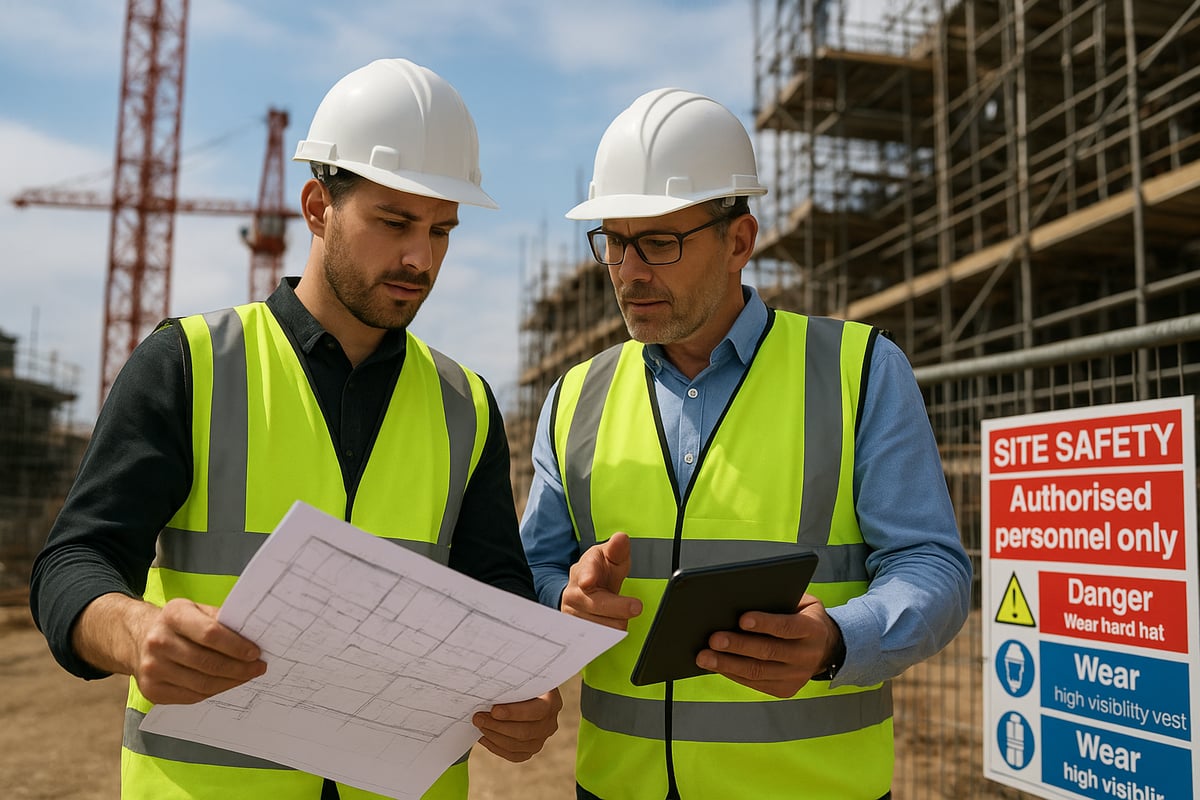
Pre-Construction Planning and Site Assessment
Pre-construction planning is the foundation of any construction site engineering project. It starts with thorough site surveys, feasibility studies, and risk assessments, all of which identify potential constraints and opportunities. Geotechnical investigations are crucial, offering insights into soil composition and groundwater conditions that can affect design and buildability.
A detailed site assessment helps prevent costly surprises later. By addressing access, utilities, and environmental factors early, site engineers establish a solid groundwork for the entire project. This proactive approach reduces delays and supports informed decision-making throughout construction site engineering.
Navigating UK Building Regulations and Standards
Compliance with UK building regulations is a non-negotiable aspect of construction site engineering. The Building Regulations 2010 and CDM 2015 set clear requirements for structural integrity, fire safety, and worker protection. Site engineers must interpret and apply these codes, ensuring that every design and build element meets national standards.
Staying current with regulations is essential. Many professionals turn to resources like Construction engineering fundamentals to deepen their understanding of best practices and legal obligations. Effective compliance strategies include regular training, detailed documentation, and collaboration with regulatory authorities.
Health, Safety, and Environmental Legislation
Adhering to health, safety, and environmental legislation is central to construction site engineering. The Health and Safety Executive (HSE) provides guidelines addressing everything from PPE to noise control. Environmental protection laws demand responsible waste management and pollution prevention.
A practical tool is the CDM compliance checklist, which helps site engineers monitor statutory requirements on-site. By integrating these standards into daily routines, teams create safer environments, protect public health, and minimise environmental impact across all construction site engineering activities.
Stakeholder Coordination and Communication
Successful construction site engineering relies on strong stakeholder coordination. Site engineers must communicate effectively with clients, local authorities, and subcontractors, ensuring that expectations are aligned and responsibilities are clear. Regular meetings, progress reports, and transparent documentation foster trust and accountability.
Efficient communication tools, such as shared digital platforms, streamline approvals and minimise misunderstandings. This approach keeps projects on track and supports swift resolution of issues, which is essential for maintaining momentum and quality in construction site engineering.
Permits, Licences, and Approvals
Securing permits, licences, and approvals is a critical step in construction site engineering. Planning permissions, Section 278 agreements for highway works, and utility consents must be obtained before work begins. Delays in this area can disrupt schedules and increase costs.
A real-world example involves a commercial site where early dialogue with the planning authority helped overcome objections, enabling timely approval. Proactive management of these processes is key to avoiding costly setbacks and maintaining compliance throughout the construction site engineering lifecycle.
Quality Assurance and Control Processes
Quality assurance and control underpin the reliability of construction site engineering. Site engineers implement inspection regimes, material testing, and non-conformance management to guarantee that work meets specifications. Regular audits and checklists help identify issues early, allowing for prompt corrective action.
Documenting results and lessons learned facilitates continuous improvement. This structured approach to quality ensures that every project meets client expectations and regulatory standards, reducing rework and enhancing overall efficiency.
Recent Regulatory Changes and Their Impact
The regulatory landscape for construction site engineering is continually evolving. The 2025 updates to fire safety and environmental standards have introduced stricter requirements, affecting both timelines and budgets. Site teams must adapt quickly to these changes, integrating new procedures and materials where necessary.
According to Building Magazine, 30 percent of construction delays in 2024 were attributed to regulatory compliance. Staying informed of legislative updates and investing in team training are essential strategies for mitigating risk and ensuring ongoing project success.
Integrating Technology in Construction Site Engineering
The landscape of construction site engineering is undergoing a rapid digital transformation. In 2026, professionals are leveraging powerful technologies to streamline workflows, enhance accuracy, and boost project efficiency. From digital models to smart sensors, these advancements are reshaping how sites are managed and built.

Digital Transformation in Site Engineering
Digital transformation is at the heart of construction site engineering in 2026. Building Information Modelling (BIM) has become standard for project coordination, with adoption rates soaring across the UK. BIM-driven clash detection helps teams identify and resolve issues before construction begins, reducing costly rework and delays.
Many firms are also embracing cloud-based solutions and mobile apps for real-time communication. According to UK construction trends 2025, the industry is seeing significant growth in digital capabilities, making construction site engineering more collaborative and data-driven.
Project teams now benefit from:
- Centralised project data
- Enhanced design visualisation
- Streamlined communication
This digital shift is not just a trend but a necessity for modern site engineers.
Surveying and Geospatial Technologies
Surveying has evolved dramatically within construction site engineering. The use of drones, LiDAR, and 3D scanning now enables rapid, high-precision site mapping. These tools provide detailed topographical data, allowing site engineers to assess terrain and identify risks early.
Benefits of geospatial technologies include:
- Improved surveying accuracy
- Faster data collection and processing
- Enhanced visualisation of site conditions
By integrating these tools, teams can make informed decisions, minimise errors, and reduce time spent on manual measurements. These technologies are now indispensable for delivering complex infrastructure projects on schedule.
Automation and Robotics on Site
Automation is revolutionising construction site engineering. Robotic total stations automate precise layout tasks, significantly reducing manual labour and human error. On large housing developments, robotic layout systems enable faster and more consistent progress.
Other automated machinery, such as self-driving equipment and robotic arms, are being trialled for repetitive or hazardous tasks. This not only improves safety but also increases productivity.
Key applications include:
- Automated earthmoving and grading
- Robotic bricklaying and welding
- Remote-controlled demolition
As automation becomes more accessible, site engineers are empowered to focus on higher-level problem-solving and project management.
Project Management and Collaboration Platforms
Effective project management is essential in construction site engineering. Cloud-based platforms are now central to scheduling, document control, and team communication. These systems reduce paperwork, ensure everyone accesses the latest information, and prevent misunderstandings.
A recent case study found that digital project management tools reduced site errors by 40 percent. Features such as automated notifications, shared calendars, and live progress tracking help teams stay aligned.
Popular collaboration tools include:
- Centralised document repositories
- Real-time chat and video conferencing
- Integrated quality and safety checklists
These platforms are transforming how site engineers coordinate with architects, contractors, and stakeholders.
Smart Sensors and IoT Integration
Smart sensors and the Internet of Things (IoT) are enhancing construction site engineering through real-time monitoring. Sensors track structural integrity, vibration, temperature, and environmental factors—alerting teams to issues before they escalate.
On UK construction sites, IoT-enabled safety systems monitor worker locations, hazardous zones, and machinery use. This proactive approach reduces accidents and ensures compliance with safety standards.
Advantages of IoT integration:
- Immediate detection of unsafe conditions
- Automated data logging and reporting
- Improved resource allocation
Smart sensors are now a cornerstone of site safety and operational efficiency.
Data Analytics and Predictive Modelling
Data analytics is transforming how risks are assessed and resources optimised in construction site engineering. By analysing historical and real-time project data, firms can predict potential problems, allocate materials more efficiently, and improve decision-making.
Predictive modelling enables:
- Early identification of schedule risks
- Optimised equipment and labour deployment
- Informed budgeting and cost control
A 2024 industry survey found that 55 percent of firms reported improved project outcomes after adopting predictive analytics. These tools are vital for maintaining competitiveness and delivering successful projects.
Overcoming Technology Adoption Barriers
Despite the benefits, some challenges persist for construction site engineering teams. Barriers include the cost of new technologies, the need for specialist training, and resistance to change within organisations.
Strategies for overcoming these barriers:
- Invest in ongoing digital skills training
- Start with pilot projects to demonstrate value
- Foster a culture of innovation and adaptability
Small and medium enterprises are bridging the digital skills gap by partnering with technology providers and industry bodies. By addressing these challenges head-on, site engineers can fully harness the power of digital transformation.
Safety Management and Risk Mitigation
Effective safety management is the backbone of successful construction site engineering. Every project carries inherent risks, making robust safety strategies essential for protecting teams, meeting legal standards, and achieving project milestones.
Site Safety Culture and Leadership
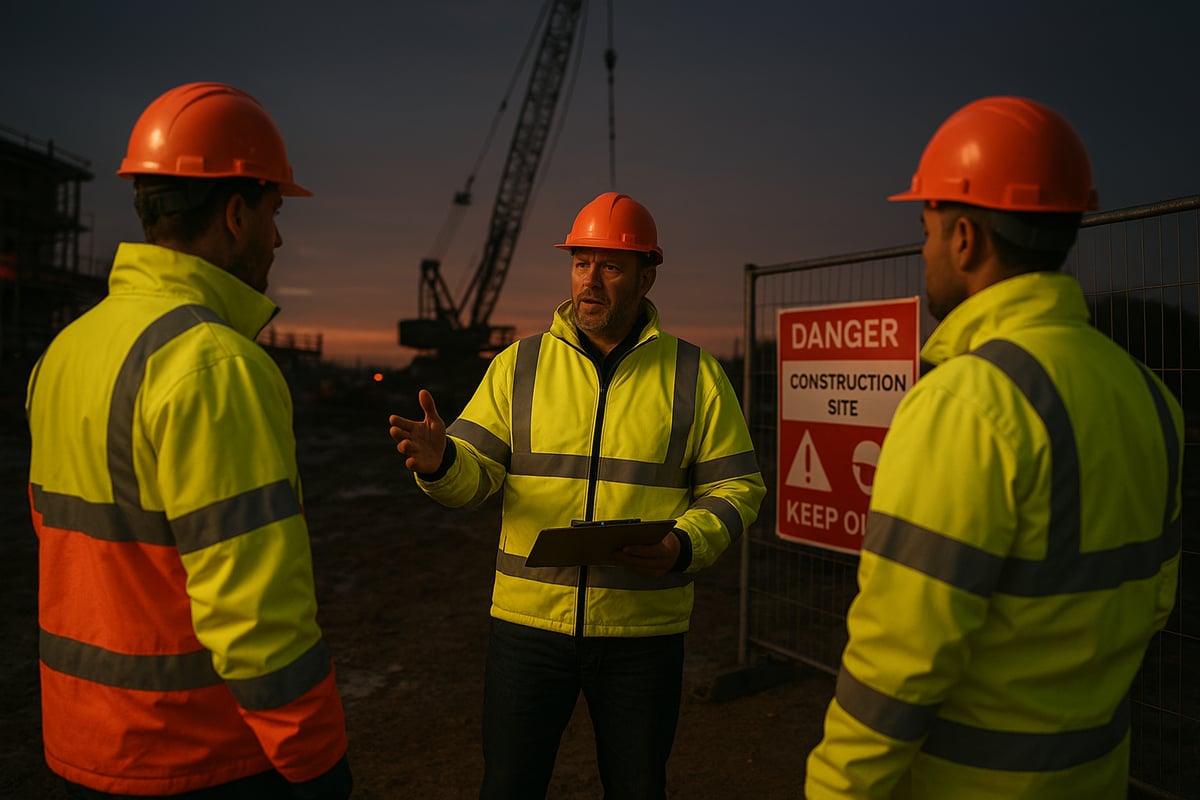
A strong safety culture is fundamental in construction site engineering. Site managers and engineers must lead by example, embedding safety-first values into daily routines.
Consistent safety briefings, visible leadership, and open reporting channels foster trust and accountability. When leaders prioritise safety, teams are more likely to follow protocols, report hazards, and maintain vigilance.
Establishing a culture where everyone feels empowered to speak up can dramatically reduce incidents. In construction site engineering, leadership commitment directly translates to safer, more efficient projects.
Hazard Identification and Risk Assessment
Thorough hazard identification is a non-negotiable element of construction site engineering. Common hazards include working at height, moving machinery, manual handling, and exposure to hazardous materials.
A systematic risk assessment process involves:
- Identifying site-specific hazards
- Evaluating potential impacts
- Prioritising risks based on severity and likelihood
Using structured templates and regular site walkthroughs helps engineers anticipate dangers. By integrating risk assessments into daily operations, construction site engineering teams can proactively address issues before they escalate.
Implementing Effective Control Measures
Control measures are the practical steps that keep construction site engineering safe and compliant. These include:
- Mandatory PPE (helmets, boots, gloves, and high-visibility clothing)
- Clear site signage and exclusion zones
- Regular equipment inspections
Behavioural safety programmes have proven effective in reducing incidents on UK sites. Active engagement, toolbox talks, and immediate feedback encourage workers to adopt safe practices.
For deeper insights into the day-to-day safety processes, see this overview of site engineering work processes.
Emergency Preparedness and Incident Response
Preparation is vital for effective incident response in construction site engineering. Each site must have a tailored emergency plan covering fire, medical, and environmental incidents.
Regular drills ensure that all personnel understand their roles and evacuation procedures. Sites rehearsing emergency responses report 60 percent fewer serious incidents, according to HSE data.
A well-practised plan not only saves lives but also minimises disruption, helping projects recover quickly from unexpected events.
Health and Wellbeing Initiatives
Construction site engineering demands both physical and mental resilience. Addressing health and wellbeing goes beyond compliance.
Leading contractors now offer wellness programmes, fatigue management, and mental health support. These initiatives include:
- Regular health checks
- Access to counselling services
- Promoting work-life balance
Supporting staff wellbeing reduces absenteeism and boosts morale, creating safer and more productive sites.
Monitoring, Reporting, and Continuous Improvement
Continuous improvement is integral to safety in construction site engineering. Digital tools now enable real-time monitoring of site conditions and near-miss reporting.
Routine safety audits, incident investigations, and sharing lessons learned help teams refine their practices. Transparent reporting creates a feedback loop, empowering engineers to implement effective changes swiftly.
Embracing technology for monitoring ensures that safety standards evolve alongside project complexities.
Legal Responsibilities and Liability
Site engineers hold significant legal responsibilities under UK law. Compliance with HSE regulations, CDM 2015, and other statutory requirements is mandatory.
Recent legal cases highlight the importance of due diligence and maintaining detailed records. Failure to uphold safety obligations can result in severe penalties and reputational damage.
Understanding the legal landscape ensures that construction site engineering projects not only protect people but also safeguard organisations against liability.
Sustainable and Future-Focused Site Engineering
Construction site engineering is undergoing a significant transformation as sustainability and future readiness become top priorities. Across the UK, professionals are adopting new approaches to minimise environmental impact, enhance social value, and embrace technological innovation. This section explores the essential strategies and trends shaping the future of construction site engineering.
Environmental Impact Assessment and Mitigation
Every construction site engineering project begins with a thorough Environmental Impact Assessment (EIA). EIAs identify potential risks, such as habitat disruption, pollution, and resource depletion. By assessing these factors early, engineers can develop targeted mitigation plans.
For example, implementing sustainable drainage systems in urban projects prevents flooding and reduces water pollution. Proactive waste management, including recycling and responsible disposal, further minimises environmental harm. These steps ensure that construction site engineering delivers not only robust infrastructure but also environmental stewardship.
Sustainable Materials and Construction Methods
The selection of materials is pivotal in construction site engineering. The shift towards recycled aggregates, low-carbon concrete, and modular construction methods is accelerating. According to the ICE, 45% of UK projects in 2025 adopted sustainable materials, highlighting a strong sector commitment.
Modular construction reduces waste and shortens project timelines. Using recycled steel or reclaimed bricks supports circular economy principles. Embracing these innovative materials and practices allows construction site engineering teams to meet sustainability targets while optimising performance.
Energy Efficiency and Resource Management
Energy efficiency is central to future-focused construction site engineering. On-site renewable energy solutions, like solar-powered site cabins, cut carbon emissions and operating costs. Water conservation measures, such as rainwater harvesting, further enhance resource management.
Optimising material use through digital planning tools minimises excess and supports a lean approach. These strategies not only benefit the environment but also improve project profitability and long-term asset value within construction site engineering.
Climate Adaptation and Resilience Strategies
Resilience is now a core objective for construction site engineering. Projects must withstand climate-related challenges, including flooding, heatwaves, and severe storms. Flood risk management plans, such as elevated foundations and permeable paving, help protect assets and communities.
Heat mitigation techniques, like green roofs and reflective materials, reduce urban heat islands. Robust infrastructure design, informed by predictive climate models, ensures that construction site engineering delivers durable solutions for changing conditions.
Social Value and Community Engagement
Modern construction site engineering extends beyond technical delivery to create lasting social value. Engaging local communities, providing skills training, and supporting local employment are increasingly seen as business essentials.
Public sector projects often require social value outcomes, such as apprenticeships or community consultation forums. By fostering strong relationships and delivering measurable benefits, construction site engineering professionals build trust and enhance project legacy.
Innovations Shaping the Future
The future of construction site engineering is defined by digital innovation. Technologies like AI, digital twins, and advanced materials are revolutionising the sector. Digital twins provide real-time data for asset management, improving efficiency and lifecycle performance. For a deeper look at this technology’s impact, see Digital twins in UK infrastructure.
AI adoption is also rising, with a projected 35% increase by 2026. This technology enhances decision-making, automates routine tasks, and supports predictive maintenance. Learn more about this trend at AI in UK construction. Embracing these tools ensures construction site engineering remains at the forefront of innovation.
Professional Development for Future-Ready Engineers
Continuous learning is essential in construction site engineering. Upskilling through CPD, industry accreditations, and digital literacy ensures engineers remain competitive.
Professional bodies offer a range of courses on sustainability, BIM, and emerging technologies. By investing in ongoing development, construction site engineering professionals future-proof their careers and support sector-wide progress.
Step-by-Step Guide: Executing a Successful Construction Site Engineering Project
Delivering a successful construction site engineering project requires precision, coordination, and a clear process. This step-by-step guide breaks down each phase, giving professionals actionable steps to ensure results meet the highest standards. By following these steps, you can navigate complex project demands with confidence.
Step 1: Initial Site Assessment and Feasibility
The journey for any construction site engineering project starts with a thorough site assessment. Begin with a site visit, taking note of existing features, access points, and environmental constraints. Carry out a detailed topographical survey to map the terrain and identify any irregularities.
A preliminary risk review is essential. Look for hazards such as underground utilities, unstable ground, or restricted access. For example, early identification of a high water table can influence foundation design or drainage solutions. Consulting an on-site engineering services overview can provide valuable insights into practical site evaluation methods.
By understanding the site from the outset, you set the foundation for effective construction site engineering throughout the project.
Step 2: Design Coordination and Planning
Once feasibility is confirmed, move to design coordination. This phase integrates architectural, structural, and mechanical and electrical (M&E) requirements into a coherent plan. Collaboration is key, ensuring all disciplines align on critical interfaces.
Leverage Building Information Modelling (BIM) for seamless design coordination. BIM allows you to visualise the project, highlight clashes early, and adjust plans before construction starts. This digital approach reduces costly errors and streamlines communication between teams.
Effective construction site engineering at this stage ensures the project design is buildable, compliant, and ready for regulatory approvals.
Step 3: Regulatory Approvals and Stakeholder Engagement
With design in hand, secure all regulatory approvals and engage stakeholders. Obtain planning permissions, utility consents, and any necessary environmental certifications. These steps are mandatory for compliance and project continuity.
Stakeholder engagement is equally vital. Communicate proactively with local authorities, clients, and the community. For example, holding a public consultation can address local concerns, build goodwill, and speed up approval processes.
By embedding regulatory and stakeholder management into your construction site engineering workflow, you minimise delays and foster strong project relationships.
Step 4: Mobilisation and Site Setup
Mobilisation sets the stage for productive site operations. Arrange site access routes, install welfare facilities, and plan logistics for equipment and materials. Secure the site with proper fencing, signage, and security systems.
Environmental controls must be implemented from day one. This includes dust suppression, noise management, and waste containment. For example, using wheel washing stations can prevent mud tracking onto public roads.
A well-organised site setup supports efficient construction site engineering and upholds safety and compliance standards.
Step 5: Setting Out and Construction Phase Management
Setting out is a core responsibility in construction site engineering. Use precise instruments such as total stations and GPS to mark out foundations, structural grids, and service runs. Accuracy here prevents costly rework later.
Monitor progress daily, using digital tools for live updates and reporting. Quality control checks should be routine, ensuring all works meet specification. For example, regular concrete cube testing can validate structural performance.
By maintaining rigorous construction phase management, you drive quality and keep the project on track.
Step 6: Health, Safety, and Environmental Compliance
Protecting people and the environment is non-negotiable. Implement robust safety protocols, including personal protective equipment (PPE), site inductions, and exclusion zones. Carry out regular safety audits to identify and address risks promptly.
Environmental compliance involves proper waste management, pollution control, and monitoring of noise and dust levels. For instance, on-site safety audits help uncover potential hazards before they escalate.
Strong health, safety, and environmental practices are hallmarks of effective construction site engineering.
Step 7: Handover, Commissioning, and Post-Completion Review
As the project concludes, conduct thorough inspections and snagging to ensure all works are complete and defect-free. Commission building systems, provide client training, and prepare handover documentation.
A post-completion review is vital. Gather feedback from clients and end-users, and compare outcomes against initial objectives. Analysing data from sources like ONS construction output statistics can benchmark your project's performance.
By closing the loop, construction site engineering teams drive continuous improvement and set new standards for future projects.