
The world of civil work design is in the midst of rapid transformation, with 2026 set to bring new challenges and opportunities. Navigating these changes requires a blend of strategic insight, technical expertise, and adaptability. This guide is crafted to empower civil engineers, contractors, and project managers with practical steps, the latest trends, and regulatory updates. Discover how to apply foundational principles, embrace sustainable and digital innovations, and future-proof your projects. As the pace of change accelerates, now is the time to equip yourself with expert guidance for success in modern civil work design.
Foundations of Civil Work Design
The foundation of any successful civil project lies in thoughtful, integrated civil work design. As infrastructure demands grow more complex, understanding the core elements and best practices of civil work design becomes essential for engineers, contractors, and project managers. Let us explore what shapes the backbone of quality civil work design and why it matters for every project’s long-term value.

Defining Civil Work Design: Scope and Importance
Civil work design forms the blueprint for all infrastructure and building projects. It encompasses a broad spectrum of activities, from the earliest planning stages through to detailed construction drawings and specifications. The scope of civil work design covers structural, geotechnical, environmental, and transportation disciplines, each contributing unique expertise to deliver safe, efficient, and sustainable solutions.
A carefully considered civil work design lays the groundwork for project success. It directly influences construction quality, operational efficiency, and lifecycle costs. When design teams prioritise thoroughness and coordination, projects are more likely to stay on schedule and within budget.
For example, in the UK, robust civil work design was pivotal in preventing costly overruns during the redevelopment of major transport hubs. Early identification of potential risks, combined with multidisciplinary collaboration, helped avoid delays and unnecessary expenses. This approach demonstrates why the initial design phase remains critical to the overall project outcome.
Essential Principles and Best Practices
Every civil work design project should be grounded in a set of essential principles. Comprehensive site analysis, feasibility studies, and risk assessments are the starting points. Safety and accessibility must be integrated from the outset, ensuring compliance with legal and ethical standards.
Value engineering and cost optimisation are key to maximising project resources. By evaluating alternative materials and construction methods, teams can achieve better performance without sacrificing quality. Collaboration is vital, as multidisciplinary teams bring together diverse perspectives to solve complex design challenges.
According to the Institution of Civil Engineers, 65% of project delays stem from poor initial design, highlighting the need for robust processes. Leveraging guidance from resources such as the Civil work services overview can help teams align with industry best practices and maintain focus on quality throughout the project lifecycle.
Common Challenges and Solutions
Despite meticulous planning, civil work design projects often encounter challenges. Managing stakeholder expectations is a recurring issue, especially when project goals shift or budgets tighten. Unforeseen site conditions, such as ground instability or contaminated land, can threaten timelines and require rapid adaptation.
Balancing innovation with regulatory compliance is another key hurdle. Introducing new materials or construction techniques demands careful evaluation to ensure all standards are met. One notable case study from recent urban developments involved overcoming ground instability. The design team responded by conducting additional geotechnical surveys and adjusting foundation systems, ultimately maintaining project momentum without compromising safety or quality.
To address these challenges, effective communication, flexibility, and a commitment to continuous learning are essential. By embedding these qualities into civil work design processes, professionals can navigate uncertainty and deliver resilient, future-ready infrastructure.
Regulatory Framework and Compliance in 2026
The regulatory landscape for civil work design is undergoing significant transformation as we approach 2026. Staying compliant is more complex than ever, requiring a thorough understanding of new rules, digital mandates, and sustainability standards. This section covers essential regulatory updates, guiding you through permitting, safety, and documentation for successful civil work design projects.

Key Regulatory Changes Impacting Civil Work Design
From 2026, the UK and EU are implementing sweeping changes affecting civil work design. Updates to planning permissions, building codes, and environmental standards are central to these reforms. Notably, digital compliance is now mandatory, with Building Information Modelling (BIM) required for most public and large-scale projects.
A move towards a unified construction regulator is also in progress. For an in-depth look at these changes and what they mean for civil work design, see the UK government opens consultation on creation of a single construction regulator.
These regulatory updates aim to improve project outcomes by increasing transparency and accountability. Adapting early will help avoid costly delays and ensure your civil work design process remains compliant.
Navigating Permitting and Approvals
Securing permits for civil work design projects is more challenging due to stricter scrutiny and evolving requirements. Begin with a comprehensive checklist of all permits needed, including planning consents, environmental approvals, and building regulations.
Engage stakeholders, especially local authorities and communities, early in the process. This can help to identify potential obstacles and streamline approvals. In 2023, 82% of civil projects experienced delays due to permitting bottlenecks, highlighting the importance of proactive engagement.
A step-by-step approach, from initial submission to addressing feedback, reduces risks. Digital submission platforms are now standard, further integrating technology into the civil work design workflow.
Health, Safety, and Environmental Considerations
New safety protocols are reshaping civil work design. Updated risk management frameworks require detailed hazard analysis and robust mitigation strategies. Health and safety must be integrated from the earliest design stages.
Environmental impact assessments are now more rigorous, with strict sustainability obligations. The integration of Sustainable Drainage Systems (SuDS) in new developments is becoming standard practice, reducing flood risk and supporting ecological goals.
By embedding these considerations into civil work design, teams can demonstrate compliance and deliver safer, more sustainable outcomes.
Documentation and Reporting Standards
Maintaining accurate compliance records is non-negotiable in civil work design. Best practices include adopting digital tools to manage, store, and retrieve documentation efficiently.
Building Information Modelling (BIM) platforms help automate much of the reporting process, reducing human error and supporting audit trails. Clear, up-to-date records are essential for passing inspections and demonstrating regulatory compliance.
Regular training ensures all team members understand new documentation standards. With digital reporting now the norm, civil work design teams are better equipped to meet evolving compliance demands.
Sustainable and Innovative Design Solutions
The future of civil work design is being shaped by a strong drive toward sustainability, innovation, and community value. As demands on infrastructure grow, professionals must embrace new approaches to create projects that last, adapt, and deliver positive impact. This section explores the essential solutions redefining civil work design for 2026.
Embracing Sustainability in Civil Work Design
Sustainability is no longer optional in civil work design. Low-carbon materials, such as recycled steel and green concrete, are now standard choices. These materials help reduce environmental impact and meet new regulations.
Circular economy principles, including material reuse and recycling, are increasingly integrated into project planning. This approach not only conserves resources but also cuts costs. According to BRE, sustainable design can reduce lifecycle costs by up to 30%.
To stay ahead, many firms are adopting Sustainable civil work solutions that address both environmental and economic goals. These solutions make civil work design more resilient and future-ready.
Climate Resilience and Adaptation
Climate change presents significant risks to civil work design, requiring robust adaptation strategies. Designing for extreme weather, such as intense rainfall or heatwaves, is now a baseline expectation.
Flood risk management is vital, especially in urban areas. Engineers use sustainable drainage systems and green spaces to absorb excess water. The Thames Barrier upgrades offer a strong example of adaptive design in action, protecting London from tidal surges.
By anticipating future climate challenges, civil work design ensures infrastructure remains functional and safe, regardless of changing conditions.
Technological Innovations Shaping 2026
Technology is revolutionising civil work design, introducing advanced materials and digital connectivity. Self-healing concrete and permeable pavements extend asset lifespans and minimise maintenance.
Smart infrastructure, powered by IoT sensors, enables real-time monitoring and predictive maintenance. By 2026, 40% of UK civil projects are expected to incorporate IoT technologies. Modular and offsite construction techniques are also gaining traction, improving speed and reducing site disruption.
These innovations make civil work design smarter, more efficient, and better equipped for future demands.
Digital Tools and Automation in Design
Digital transformation is central to modern civil work design. Building Information Modelling (BIM) streamlines collaboration, reducing design errors and clashes. Automation in surveying and design iteration accelerates project timelines.
A notable case study found that BIM adoption reduced rework by 25% in large-scale infrastructure projects. Digital tools also support clash detection, document management, and cost tracking, ensuring projects stay on course.
Embracing these technologies empowers teams to deliver high-quality civil work design consistently and efficiently.
Social Value and Community Integration
Civil work design is increasingly judged by its social value and impact on local communities. Projects now prioritise inclusivity, ensuring accessibility for all users from the outset.
Stakeholder engagement is vital. Participatory design processes invite community input, leading to solutions that reflect local needs and aspirations.
By weaving social value into every phase, civil work design creates infrastructure that strengthens communities and delivers lasting benefits.
Step-by-Step Civil Work Design Process for 2026
Delivering successful civil work design projects in 2026 requires a clear, methodical approach. Each stage plays a crucial role in project outcomes, from conception to completion. Below, we break down the process into actionable steps, highlighting essential tasks, best practices, and modern innovations at every phase.

1. Project Initiation and Brief Development
The first phase of civil work design sets the foundation for project success. It begins with defining clear goals, scope, and measurable success criteria. Early engagement with stakeholders ensures that everyone’s objectives and constraints are considered from the outset.
A strong brief is essential. It guides the project direction, risk management, and resource allocation. Assembling a multidisciplinary team at this stage promotes collaboration and clarity. For instance, in a recent mixed-use development, effective briefing reduced scope changes and improved delivery timelines.
2. Site Investigation and Data Collection
Accurate site data is the backbone of civil work design. Geotechnical surveys identify ground conditions, while topographical mapping captures the site’s physical features. Environmental assessments uncover any ecological or regulatory constraints.
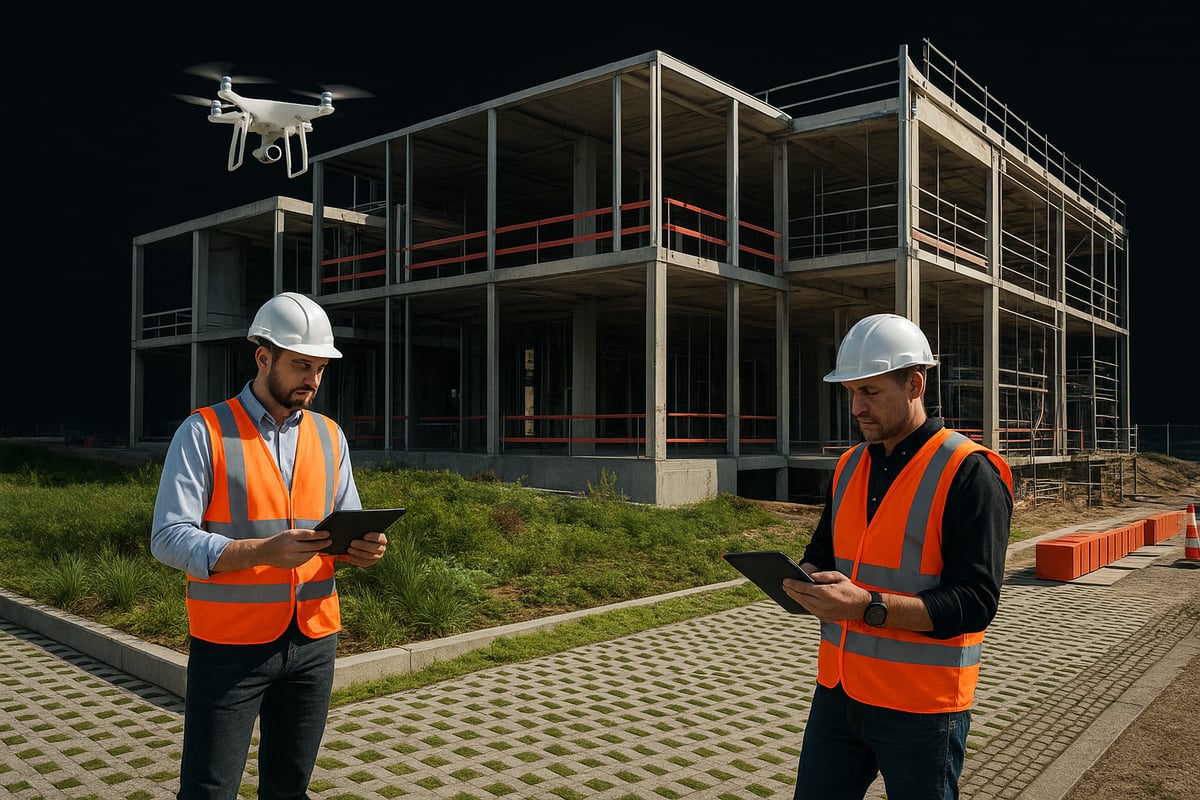
Modern projects use drone technology and remote sensing for precise data collection. This approach minimises human error and improves efficiency. In practice, robust site investigation can decrease unforeseen issues by 40 percent, saving both time and cost.
3. Conceptual and Preliminary Design
In this phase, engineers generate multiple civil work design options, evaluating feasibility and impact. Early stakeholder workshops enable feedback and alignment before significant resources are committed. This collaborative approach ensures that designs reflect client priorities and site realities.
Value management is also critical. Teams compare alternatives, balancing innovation with budget constraints and regulatory requirements. Well-managed conceptual design reduces later changes and supports a smoother approval process.
4. Detailed Design and Engineering Analysis
With a preferred approach selected, the civil work design moves to detailed development. This involves conducting structural calculations, specifying materials, and modelling environmental impacts. Digital design tools, such as Building Information Modelling (BIM), enhance accuracy and streamline coordination.
Detailed design also requires close collaboration with utilities and service providers. This ensures integration of essential infrastructure and minimises costly modifications during construction. Comprehensive analysis at this stage underpins project resilience and performance.
5. Regulatory Submission and Approvals
Securing the necessary approvals is a pivotal part of the civil work design process. Teams prepare comprehensive documentation for planning and building authorities, addressing all statutory requirements. This often includes drawings, calculations, environmental assessments, and supporting reports.
Responding promptly to feedback from regulators is essential. Timely revisions help maintain project momentum and reduce the risk of delays. A proactive, organised approach to submissions increases the likelihood of swift approvals and keeps the project on track.
6. Procurement and Contractor Engagement
Once approvals are secured, the focus shifts to procurement. Selecting the right contractors is vital for translating civil work design into reality. Transparent tendering processes and clear specifications help ensure alignment on project objectives.
Engaging professional civil engineering design services supports quality control and risk management. Early contractor involvement can also identify value engineering opportunities, further enhancing project delivery. Open communication at this stage sets the tone for successful collaboration.
7. Construction Support and Design Adaptation
During construction, the designer’s role continues. Site visits, technical clarifications, and rapid response to unforeseen challenges are part of the process. Civil work design teams must adapt as site conditions evolve, ensuring the project remains compliant and efficient.
Managing design changes is common, with 70 percent occurring during this phase. Maintaining accurate as-built documentation facilitates smooth project handover and future maintenance. Ongoing support ensures the design intent is realised in practice.
Digital Transformation in Civil Work Design
The digital revolution is reshaping civil work design, introducing tools and platforms that are redefining how projects are planned, delivered, and managed. Staying ahead in this rapidly evolving environment requires a clear understanding of the latest digital advancements and their practical impact.
The Rise of Digital Engineering
Digital engineering has emerged as a cornerstone of civil work design, integrating technologies such as digital twins, Building Information Modelling (BIM), and cloud-based collaboration. These advances not only improve accuracy but also reduce errors and streamline communication across project teams.
By leveraging digital engineering, professionals can visualise complex infrastructure in real time and test design variations before construction begins. For those eager to stay ahead, understanding the Top 7 Emerging Trends in Civil Engineering to Look Out For is essential, as these innovations are set to shape the industry landscape in 2026.
Data-Driven Decision Making
Harnessing data is transforming civil work design by enabling predictive modelling and risk analysis through artificial intelligence. By collecting and analysing large datasets, project teams can anticipate challenges and optimise solutions early in the process.
AI-driven tools are now used to detect clashes in major transport projects, allowing for proactive problem solving and significantly reducing costly rework. As a result, data-driven decision making is becoming integral to every phase of civil work design, from concept to completion.
Enhancing Collaboration and Transparency
Modern civil work design relies on seamless collaboration among multidisciplinary teams, made possible by digital project management platforms and real-time data sharing. Cloud-based systems ensure that all stakeholders have access to the latest project information, regardless of location.
Remote site monitoring and integrated communication tools are driving greater transparency, enabling teams to resolve issues quickly and keep projects on track. For more on how collaboration strengthens project delivery, see Civil engineering and building projects.
Overcoming Digital Barriers
Despite significant progress, digital transformation in civil work design is not without challenges. Cybersecurity, data privacy, and interoperability between platforms remain pressing concerns that require robust solutions.
Another key barrier is the digital skills gap, with 56% of UK civil firms citing this issue as a major obstacle. Addressing these challenges will be vital for organisations aiming to unlock the full potential of digital tools and future-proof their civil work design processes.
Future-Proofing Civil Work Design: Trends and Predictions for 2026
The future of civil work design is being shaped by rapid technological advances, regulatory shifts, and evolving societal needs. Staying ahead means adapting to new realities and preparing for both expected and unexpected challenges. This section explores the key trends and predictions that will define success for civil work design professionals in 2026 and beyond.
Anticipating Future Needs and Demands
Urbanisation is accelerating, with smart cities becoming the new norm. Civil work design must address increased population density, ageing infrastructure, and growing environmental expectations. Demographic changes, such as an ageing workforce and diverse communities, require more inclusive and adaptable solutions.
New regulatory frameworks are also shaping the landscape. The Construction products (amendment) regulations 2025: what they mean for the UK construction industry highlight the importance of compliance and forward planning. Successful civil work design will anticipate these shifting demands, ensuring infrastructure remains resilient and fit for purpose.
Emerging Technologies and Methods
Emerging technologies are redefining civil work design processes. Robotics, 3D printing, and autonomous equipment are improving efficiency and reducing waste. For example, 3D printing is projected to cut material waste by 20% in civil projects by 2026.
Digital tools like Building Information Modelling (BIM) and digital twins are becoming standard. These enable real-time collaboration and predictive maintenance. Modular construction and offsite manufacturing are also gaining traction, allowing for faster delivery and improved quality. Civil work design now integrates these innovations to future-proof projects.
Skills and Workforce Development
To thrive in this changing environment, civil work design teams must upskill and adapt. Digital literacy is now essential, with knowledge of BIM, data analytics, and automation tools in high demand. Engineers and designers need to understand both traditional methods and cutting-edge technology.
Collaboration with universities and industry partners is crucial for developing new talent pipelines. Upskilling existing staff ensures teams remain competitive. Investing in ongoing training and professional development will be vital for civil work design to keep pace with future requirements.
Global Influences and Best Practice Adoption
Civil work design is increasingly influenced by international best practices. Countries like Singapore, the Netherlands, and those in Scandinavia are leading the way with innovative, sustainable solutions. Learning from their experiences helps UK teams benchmark performance and adopt proven strategies.
Global standards are being integrated into local projects, improving quality and consistency. Sharing knowledge across borders fosters innovation and accelerates progress. By embracing global influences, civil work design can deliver world-class outcomes.
Risk Management and Resilience Planning
Effective risk management is central to future-proofing civil work design. Scenario planning and flexibility in design help address uncertainties, from climate change to economic shifts. Building in resilience ensures infrastructure can adapt over time.
Industry bodies have highlighted the importance of proactive risk mitigation. The Civil engineering: CMA sets out concerns and options for better outcomes report underlines the need for robust strategies and transparency. Embedding resilience into civil work design will help projects withstand future challenges and deliver long-term value.