
Mastering civil building work is essential for delivering successful construction projects in 2026, as the industry continues to expand and evolve. This comprehensive guide offers expert insights, step-by-step processes, and the latest trends to empower professionals and property owners alike.
You will discover the core principles of civil building, explore regulatory updates, and understand best practices for planning, design, and execution. Dive into key construction stages, sustainability measures, and emerging innovations shaping the sector.
Ready to overcome common challenges and achieve exceptional project outcomes? Explore each section for practical guidance and expert-backed solutions.
Understanding Civil Building Work: Foundations and Scope
Civil building work forms the backbone of the built environment in the UK. Understanding its foundations and scope is essential for anyone involved in construction, infrastructure, or property development. This section unpacks what civil building work means, the sectors it covers, the materials and methods used, and the evolving landscape shaping its future.
Defining Civil Building Work
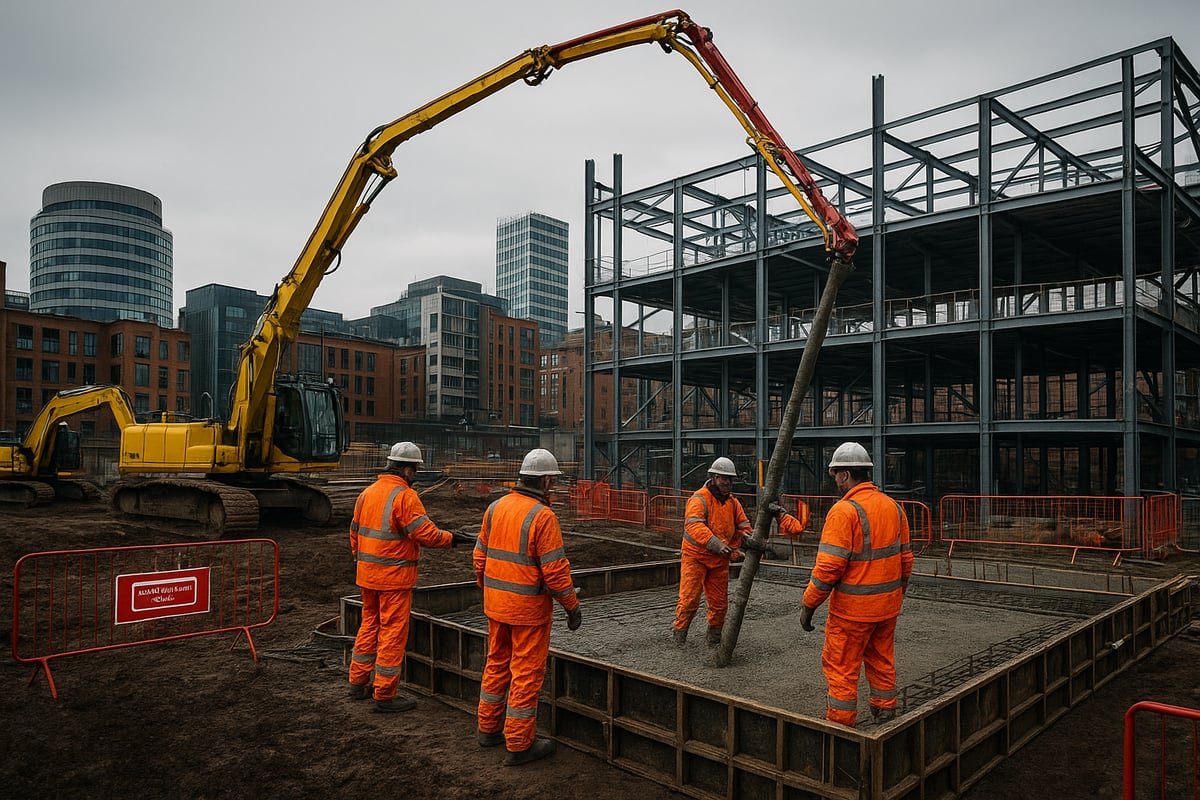
Civil building work in the UK refers to the planning, design, and execution of projects that create and maintain the nation’s infrastructure. This area differs from general construction, which often focuses on buildings for habitation or commercial use, and from structural engineering, which specialises in the integrity of load-bearing elements.
The scope of civil building work includes everything from highways and bridges to drainage systems and public spaces. For a comprehensive exploration of the relationship between building and civil engineering, see this Building and Civil Engineering Overview.
Civil building work is governed by strict standards, and its definition continues to evolve with advances in technology and regulatory requirements.
Key Sectors and Project Types
Civil building work spans multiple sectors, each with unique requirements and challenges. The main sectors include:
- Commercial: Business parks, retail developments, and industrial estates.
- Residential: Housing estates, apartment complexes, and private driveways.
- Public Sector: Schools, hospitals, transport hubs, and public realm improvements.
Examples of Project Types:
| Sector | Example Projects |
|---|---|
| Commercial | Business parks, retail units |
| Residential | Housing, driveways |
| Public Sector | Highways, parks, hospitals |
Civil building work in these sectors often involves complex coordination between stakeholders and adherence to tight schedules.
Common Materials and Techniques
Modern civil building work relies on a core set of materials, including concrete, steel, and various aggregates. In 2026, the use of advanced materials is rising. Recycled aggregates and low-carbon concrete are now standard for many projects, supporting sustainability goals.
Key construction techniques include:
- Modular construction: Prefabricated elements assembled on site for efficiency.
- Off-site fabrication: Structural components built in controlled environments.
- Digital planning: Use of BIM (Building Information Modelling) for design accuracy.
These approaches help civil building work achieve higher quality and lower environmental impact.
Roles and Responsibilities
Successful civil building work demands seamless collaboration among several key roles:
- Civil Engineers: Design and oversee technical aspects.
- Contractors: Manage day-to-day site activity.
- Project Managers: Coordinate timelines, budgets, and communication.
Regular meetings and clear reporting lines are vital. Civil building work benefits from open channels between teams, ensuring decisions are made swiftly and risks are managed proactively.
Industry Data and Trends
The civil building work sector is a significant contributor to the UK economy. Recent statistics show strong employment figures and a steady increase in project value. Digitalisation is accelerating, with more firms adopting BIM, drones, and AI-driven project management.
Emerging trends include:
- Modular Construction: Reducing build times and improving quality.
- Off-site Fabrication: Enhancing safety and reducing on-site disruption.
- Sustainability: Integration of green infrastructure and eco-friendly materials.
Civil building work is adapting rapidly to new technologies and shifting client demands.
Challenges and Opportunities
Despite its strengths, civil building work faces persistent challenges:
- Budget overruns due to unforeseen site conditions.
- Navigating complex regulatory compliance.
- Weather delays impacting project timelines.
However, these challenges create opportunities for innovation. The adoption of digital tools, improved project planning, and sustainable practices allow civil building work to become more efficient and resilient, setting the stage for ongoing industry growth.
Regulatory Landscape and Compliance in 2026
Navigating the regulatory landscape is vital for successful civil building work in the UK. As the sector evolves, staying compliant with updated standards, securing permissions, and prioritising safety and sustainability is more important than ever. This section explores the essential regulations, approval processes, and quality benchmarks shaping civil building work in 2026.
Key Regulations and Standards
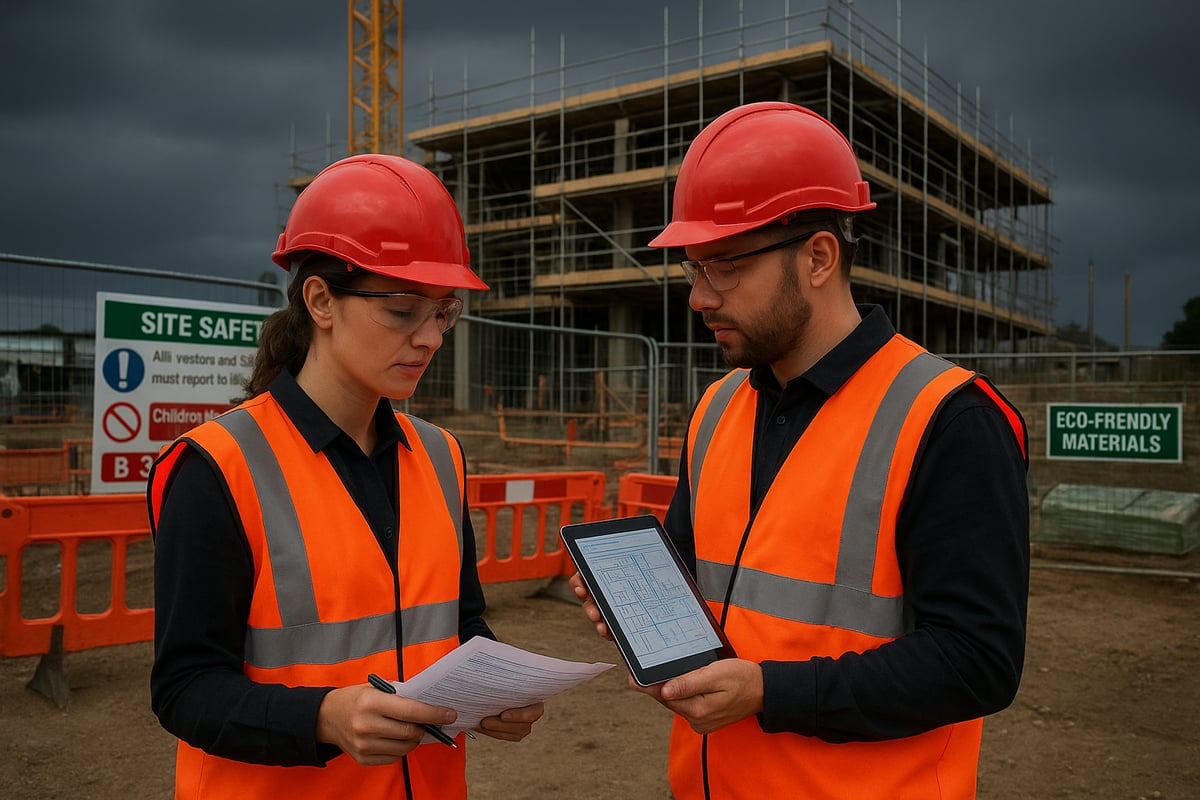
Civil building work in 2026 must adhere to a robust framework of regulations. Central to this are the Building Regulations, which set out minimum standards for safety, energy efficiency, and accessibility. The Construction (Design and Management) Regulations (CDM) 2015 place duties on all parties to ensure health and safety from planning through completion. Local planning requirements also play a crucial role, with councils enforcing site-specific policies.
Recent updates in 2026 have introduced changes to product certification and compliance, particularly regarding CE and UKCA markings. For a detailed breakdown of these regulatory changes, see the Construction Products (Amendment) Regulations 2025. By understanding these evolving requirements, professionals can deliver civil building work that meets client expectations and legal obligations.
| Regulation/Standard | Focus Area | 2026 Update |
|---|---|---|
| Building Regulations | Safety, energy | Enhanced fire safety, stricter energy targets |
| CDM Regulations | Health & Safety | Greater emphasis on digital records |
| Local Planning | Site-specific | Faster digital submissions, stricter reviews |
Planning Permission and Approvals
Securing planning permission is a fundamental step in any civil building work project. The process begins with submitting detailed plans and supporting documents to the local authority. A typical approval journey involves several key stages:
- Pre-application advice and site assessment
- Submission of planning application with civil building work details
- Public consultation and feedback period
- Review by planning officers and statutory consultees
- Decision notice and conditions for compliance
Delays often occur due to incomplete documentation or missed consultations. Engaging early with planning officers and addressing feedback promptly can streamline approvals. Timely and accurate submissions are essential to keep civil building work on schedule.
Health and Safety Requirements
Health and safety remain at the forefront of civil building work. The Health and Safety Executive (HSE) continues to report that construction is a high-risk industry, making compliance with safety protocols non-negotiable. CDM Regulations require clear documentation, risk assessments, and regular site inspections.
Recent trends include the use of digital tools for real-time monitoring and incident reporting. Site managers must ensure all workers receive proper induction, PPE is worn at all times, and public safety measures are in place. By embedding a strong safety culture, civil building work teams can reduce accidents and protect reputations.
Environmental Compliance
Environmental protection is now a core part of civil building work compliance. Legal obligations include effective waste management, pollution prevention, and safeguarding biodiversity. Projects must implement site waste management plans, use pollution control measures, and comply with local authority guidelines for noise and air quality.
Biodiversity requirements may involve habitat surveys, tree protection, or installing green infrastructure. Sustainable practices not only meet legal standards but also enhance the long-term value of civil building work. Staying abreast of changes in environmental law is essential for responsible project delivery.
Quality Assurance and Accreditation
Achieving high standards in civil building work depends on robust quality assurance and recognised accreditations. Certifications such as ConstructionLine and SafeContractor demonstrate commitment to best practices and compliance. These accreditations often serve as prerequisites for bidding on public and private contracts.
Routine inspections, documented procedures, and third-party audits help maintain quality throughout the construction process. Clients gain confidence knowing their civil building work partner adheres to industry benchmarks, reducing the risk of defects and disputes.
Case Example
Consider a recent public realm improvement scheme in a busy city centre. The civil building work team faced stringent planning conditions, environmental constraints, and tight deadlines. Early engagement with local authorities, comprehensive risk assessments, and transparent communication helped navigate complex approvals.
By integrating digital planning tools and maintaining rigorous documentation, the project secured timely consent and met all regulatory requirements. This approach underscores how proactive compliance management leads to successful civil building work outcomes for both clients and communities.
Planning and Design: The Blueprint for Success
Effective planning and design are the backbone of any successful civil building work project. Laying the right groundwork at this stage minimises risk, controls costs, and sets the course for timely, high-quality delivery. Let us explore the essential steps, methods, and innovations shaping project outcomes in 2026.

Initial Feasibility and Site Assessment
The first step in any civil building work project is a thorough site assessment. Comprehensive surveys help uncover ground conditions, existing utilities, and environmental constraints. Ground investigations, such as borehole sampling and geotechnical analysis, identify risks like contaminated land or subsidence.
Early detection of these issues guides design choices and cost planning. By addressing feasibility at the outset, teams reduce the chance of surprises and delays, ensuring the civil building work proceeds smoothly.
Design Development Process
Collaboration is central to successful design in civil building work. Architects, engineers, and planners work closely to align project goals with technical requirements and regulatory standards. The use of Building Information Modelling (BIM) and digital tools streamlines design iterations, allowing stakeholders to visualise outcomes and spot issues early.
For a step-by-step overview of best practices in this area, see the Civil Construction Building Guide. Leveraging digital platforms increases accuracy and enables real-time decision-making, which is vital for complex civil building work projects.
Budgeting and Cost Control
Accurate budgeting is critical for civil building work. Value engineering helps identify cost-saving opportunities without compromising quality. Teams use detailed cost breakdowns to anticipate expenses and allocate funds effectively.
| Cost Component | Percentage of Total Cost |
|---|---|
| Materials | 45% |
| Labour | 35% |
| Plant & Equipment | 10% |
| Contingency | 10% |
Understanding these figures enables precise cost control, reducing the risk of overruns and supporting project viability.
Timeline and Scheduling
Developing a realistic project timeline is key to civil building work success. Project managers use critical path analysis to map dependencies and identify potential bottlenecks. Managing lead times for materials and labour prevents costly delays.
Building flexibility into the schedule allows teams to respond to unforeseen events, such as adverse weather or supply chain disruptions. This approach keeps civil building work on track from start to finish.
Stakeholder Engagement
Effective communication is essential in civil building work planning. Engaging clients, local authorities, and the public helps build trust and uncover potential concerns early.
Methods include:
- Community consultations
- Digital engagement platforms
- Regular project updates
Transparent dialogue ensures all stakeholders are informed and invested in the project’s success.
Risk Management
Identifying and mitigating risks is a core part of civil building work. Teams use risk registers to log potential issues and assign responsibility for monitoring them. Contingency planning prepares the project team to respond to events such as unexpected ground conditions or regulatory changes.
Common risks include:
- Environmental hazards
- Budget overruns
- Delays in approvals
Proactive management reduces uncertainty and protects project outcomes.
Sustainability in Design
Modern civil building work incorporates sustainability at every stage. Designers select low-carbon materials and energy-efficient solutions, such as permeable paving and green roofs. Urban greening and green infrastructure are increasingly common, supporting biodiversity and climate resilience.
Current trends include:
- Use of recycled aggregates
- Adoption of energy modelling tools
- Integration of rainwater harvesting
These measures help future-proof civil building work while meeting regulatory and environmental standards.
Step-by-Step Civil Building Work Process
Embarking on a civil building work project in 2026 requires a clear, structured approach. Each phase, from initial site setup to final handover, involves specialist skills, robust planning, and a focus on quality. Let’s break down the essential steps, highlighting expert practices for every stage of civil building work.
Site Preparation and Groundworks
The foundation of any successful civil building work begins with meticulous site preparation. This stage sets the tone for the entire project and ensures that all subsequent phases run smoothly.
Key steps in site preparation include:
- Clearing vegetation, debris, and old structures
- Grading the land for optimal drainage
- Setting out boundaries and key reference points
In 2026, advanced surveying tools, such as GPS-guided machinery and drone mapping, streamline this work. Utility diversions and ground stabilisation are critical, especially in urban environments where underlying services may be complex. Addressing these early minimises future delays and supports the integrity of the entire civil building work process.
Foundations and Sub-Structure
Once the site is ready, attention turns to foundations, which are crucial for structural stability. The type of foundation selected depends on soil conditions, load requirements, and project scope.
Common foundation types include:
| Foundation Type | Typical Use Case | Benefits |
|---|---|---|
| Strip | Light structures, houses | Cost-effective, simple |
| Raft | Poor ground, large loads | Spreads load, stable |
| Piled | Weak or variable soils | Deep support, adaptable |
For challenging ground, geotechnical surveys guide the choice, reducing risk of settlement or movement. The sub-structure phase also involves damp-proofing and preparing for services, ensuring the civil building work meets all regulatory standards from the outset.
Drainage and Utilities Installation
Effective drainage and utilities are essential for every civil building work project. This phase involves installing stormwater and foul water systems, as well as service ducts for electricity, gas, water, and communications.
Compliance with local water authority standards is a must. Modern projects often use pre-formed drainage channels and smart sensors to monitor system performance. Early installation of utilities prevents future disruption and supports a seamless transition to subsequent construction stages, keeping civil building work on schedule.
Superstructure Construction
With sub-structure in place, focus shifts to the superstructure, which includes frames, walls, and floors. This is where the building takes shape, and the speed and quality of construction become paramount.
Prefabricated elements are increasingly popular in civil building work, offering benefits such as reduced on-site labour and enhanced consistency. Steel or concrete frames are erected, followed by infill walls and floors. The use of digital tools ensures accuracy and alignment with design intent, while regular checks maintain safety throughout this phase.
Surfacing and External Works
Attention now turns to the external environment, which is key to the usability and aesthetics of any civil building work. This step covers roadways, driveways, footpaths, kerbing, and landscaping.
Durable materials such as permeable paving and recycled aggregates are favoured for sustainability and longevity. Landscaping not only enhances appearance but also manages water runoff and improves local biodiversity. Each element is installed to exacting standards, ensuring the finished civil building work blends seamlessly with its surroundings.
Quality Control and Inspections
Quality assurance is woven throughout every step of civil building work. Routine inspections help catch issues early, reducing costly rework later.
A typical inspection checklist includes:
- Verification of material quality and conformity
- Structural checks for alignment and stability
- Testing of drainage and utility systems
- Snagging and defect rectification
Third-party inspectors and client representatives play a key role in certifying compliance. For a deeper look at inspection protocols and maintaining high standards, see Quality Control in Civil Work. This commitment to quality underpins the success and reputation of every civil building work project.
Handover and Documentation
The final phase of civil building work is handover, marking the transition from construction to occupation or use. This step demands thorough documentation, including as-built records, warranties, and maintenance manuals.
A comprehensive handover ensures that the client has all the information needed for ongoing care and compliance. Clear communication at this stage solidifies trust and sets the stage for long-term asset performance, demonstrating the value of a well-managed civil building work process.
Sustainability and Innovation in Civil Building Work
Sustainability and innovation are transforming civil building work across the UK. As 2026 approaches, clients and professionals alike demand projects that minimise environmental impact, enhance efficiency, and remain resilient to future challenges. Let us explore how the sector is adapting with cutting-edge materials, digital tools, and future-ready strategies.
Green Building Materials and Methods
Modern civil building work increasingly relies on sustainable materials. Recycled aggregates are now common, reducing waste sent to landfill and conserving natural resources. Low-carbon concrete and permeable paving help to lower a project's carbon footprint and manage stormwater more effectively.
Civil engineers carefully select materials that meet both performance and environmental standards. For example, permeable surfaces are used in car parks and public spaces to prevent flooding. These innovations support local biodiversity and contribute to the UK's net-zero targets.
Energy Efficiency and Carbon Reduction
Energy efficiency is a top priority in civil building work. On-site renewable energy sources, such as solar panels and small-scale wind turbines, are now mainstream on new developments. These solutions directly cut operational emissions and running costs.
Recent data from UK civil engineering market growth projections shows that investment in sustainable construction is rising, with carbon reduction targets driving innovation. Civil engineers also use energy-efficient construction equipment and promote passive design techniques to reduce energy demand throughout a building’s lifecycle.
Digital Transformation
Digital transformation is reshaping how civil building work is planned and delivered. Building Information Modelling (BIM) is now standard, allowing teams to collaborate in real time and avoid costly mistakes. Drones are widely used for site surveys and progress monitoring, improving safety and accuracy.
Artificial intelligence supports predictive maintenance and scheduling, helping projects stay on track. Digital twins—virtual replicas of physical assets—enable long-term asset management and performance optimisation. These technologies are critical for delivering complex civil engineering building projects efficiently and sustainably.
Circular Economy and Waste Reduction
The circular economy is central to modern civil building work. Contractors aim to minimise waste by reusing site materials, recycling demolition debris, and designing for disassembly. Compliance with UK waste regulations ensures responsible disposal and tracking of materials.
Practical strategies include modular construction, which reduces offcuts and allows components to be reused elsewhere. Waste management plans are now a standard part of tender requirements, supporting both cost savings and environmental goals.
Future-Proofing Infrastructure
Civil building work must be ready for future challenges. Projects now prioritise climate resilience, using flood-resistant materials and designs that can adapt to changing weather patterns. Smart infrastructure, such as IoT-enabled sensors, allows real-time monitoring of structural health and energy use.
Urban greening, including green roofs and planted public areas, increases biodiversity and reduces urban heat. By integrating these innovations, civil building work ensures that infrastructure remains robust and sustainable for decades to come.
Expert Insights and Best Practices for 2026
Civil building work in the UK continues to evolve, shaped by new technologies, regulations, and lessons learned from recent projects. Success in this sector requires a blend of practical experience, forward-thinking strategies, and a commitment to quality at every stage.
Lessons Learned from Recent Projects
The past few years have highlighted the importance of adaptability in civil building work. Successful projects have demonstrated the value of early stakeholder engagement and robust risk management.
For instance, collaborative planning and transparent communication helped several teams deliver complex infrastructure on time, even when faced with unexpected site conditions. Regularly reviewing project milestones and learning from completed schemes ensures continuous improvement.
Common Mistakes to Avoid
Despite best intentions, civil building work can encounter pitfalls. Frequent mistakes include underestimating ground conditions, poor documentation, and overlooking regulatory updates.
Teams should avoid rushing the planning phase or neglecting health and safety protocols. Implementing thorough site assessments and maintaining clear records help prevent costly delays. Regular training and up-to-date compliance checks are essential for project success.
Skills and Training for the Future
The civil building work sector is experiencing a growing demand for skilled professionals. With digital tools and sustainability targets advancing, continuous learning is vital.
Upskilling in areas such as Building Information Modelling (BIM), health and safety, and environmental management is increasingly important. Government initiatives and apprenticeship programmes are helping to address the construction skills shortage, preparing the workforce for future challenges.
Collaboration and Supply Chain Management
Strong collaboration is fundamental in civil building work. Effective coordination between contractors, suppliers, and clients minimises misunderstandings and keeps projects on track.
Using digital procurement platforms and transparent logistics systems streamlines the supply chain, reducing the risk of material shortages or scheduling conflicts. Regular meetings and clear communication channels foster trust and accountability among all stakeholders.
Embracing Technology and Continuous Improvement
Embracing innovation is transforming civil building work in 2026. The integration of BIM, real-time project monitoring, and predictive analytics enables proactive decision-making.
Teams are leveraging digital twins and drones for site inspections and progress tracking. This commitment to technology not only improves efficiency but also enhances quality control and safety management throughout the project lifecycle.
JRG Civils Ltd: Your Partner for Civil Building Excellence
JRG Civils Ltd stands out as a leader in civil building work, offering expertise across commercial and residential projects. Their portfolio includes high-profile schemes such as Costa Coffee and Greggs drive-throughs, as well as bespoke private driveways.
Clients benefit from their focus on quality, industry accreditations, and a client-centric approach. JRG Civils Ltd invites property owners and developers to contact them for tailored solutions and complimentary quotations.
Future Outlook and Industry Predictions
Looking ahead, the civil building work sector is set for steady growth and greater innovation. Industry forecasts suggest a rebound in activity, as highlighted when the construction downturn eased in September 2025.
Expect increased digitalisation, stronger regulatory oversight, and a continued focus on sustainability. By adopting best practices and staying informed, professionals and clients alike can seize new opportunities in the evolving UK construction landscape.