
Civil engineering for construction stands at the heart of shaping the world around us, creating the infrastructure and buildings that define modern society. As demands for innovation, sustainability, and regulatory compliance accelerate, civil engineering for construction is rapidly evolving, presenting both new challenges and exciting opportunities. This expert guide is your essential resource for 2026, designed for construction professionals, developers, and aspiring engineers seeking to stay ahead in a dynamic industry. Explore in-depth insights, practical strategies, and future-ready approaches covering the fundamentals, emerging technologies, regulatory frameworks, project workflows, sustainability, and the trends that will define the future of civil engineering for construction.
Fundamentals of Civil Engineering for Construction
Civil engineering for construction forms the backbone of modern infrastructure, shaping everything from bridges and roads to water systems and skyscrapers. This discipline is defined by its commitment to creating safe, durable, and efficient solutions that serve society’s needs. At its core, civil engineering for construction is guided by principles such as safety, durability, efficiency, and cost-effectiveness. These principles differentiate civil engineering for construction from general construction, as civil engineers are responsible for the conceptual design, technical planning, and structural integrity of projects. For a deeper understanding, explore these civil engineering fundamentals which underpin every successful project.
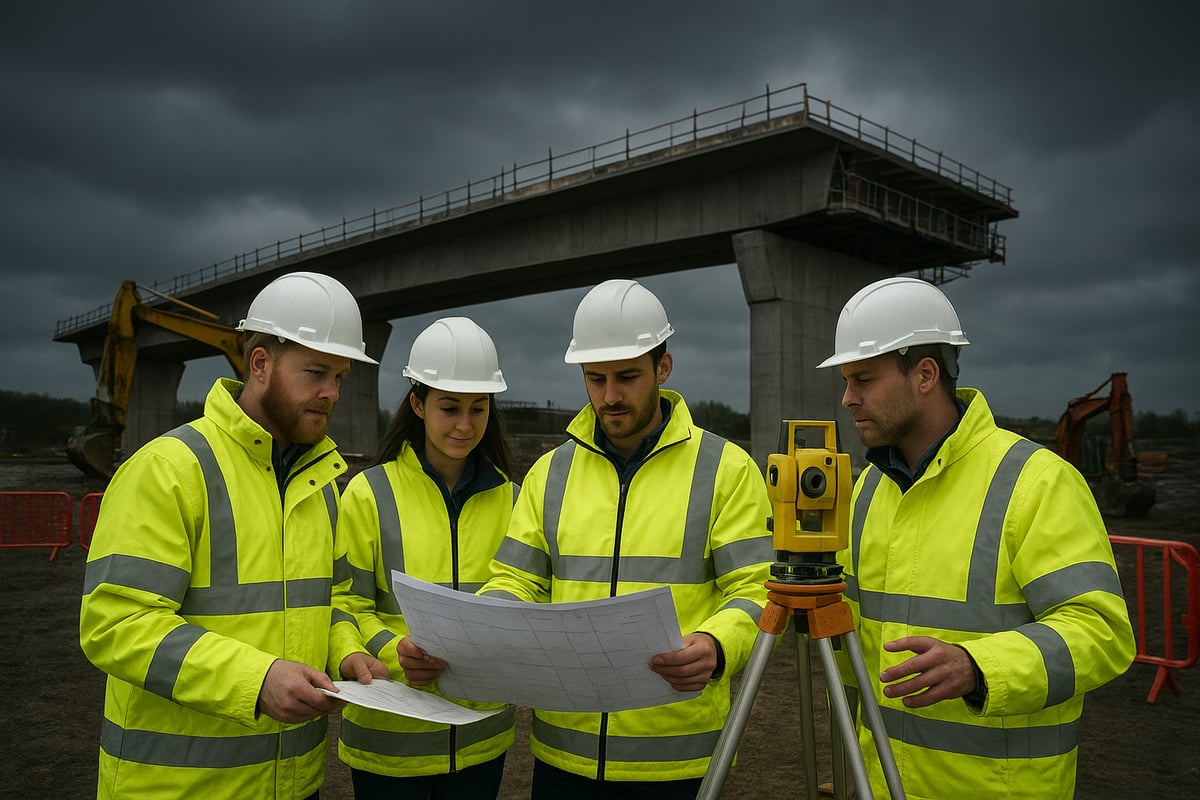
Definition and Core Principles of Civil Engineering
Civil engineering for construction is a professional discipline focused on the design, development, and maintenance of the built environment. Its core principles include:
- Safety: Ensuring structures protect users and the public.
- Durability: Designing assets to withstand time and environmental pressures.
- Efficiency: Maximising resource use and project timelines.
- Cost-effectiveness: Delivering value within budget constraints.
Unlike general construction, which primarily focuses on physical building, civil engineering for construction encompasses planning, technical analysis, and regulatory compliance. This ensures projects are not only built but are structurally sound and sustainable for the long term.
Major Disciplines within Civil Engineering
Civil engineering for construction spans several major disciplines, each contributing unique expertise:
- Structural engineering: Designing stable buildings and bridges.
- Geotechnical engineering: Analysing soil and ground conditions.
- Transportation engineering: Planning roads, railways, and airports.
- Environmental engineering: Managing pollution, waste, and sustainability.
- Water resources engineering: Controlling water supply, drainage, and flood defences.
For example, the Crossrail project in London required structural, geotechnical, and transportation expertise to deliver safe, efficient rail infrastructure beneath the city.
Essential Skills and Qualifications
A strong academic background is vital for civil engineering for construction. Most UK civil engineers hold at least a bachelor’s degree, and many pursue further accreditations such as Chartered Engineer status. According to ICE (2023), 85% of UK civil engineers have a minimum of a bachelor’s degree.
Continuous professional development is essential, as new technologies and regulations emerge rapidly. Key skills include project management, technical analysis, and effective communication. These enable civil engineers to adapt to evolving industry needs.
Civil Engineering in the UK Context
In the UK, civil engineering for construction operates within a robust regulatory landscape and a tradition of ambitious infrastructure projects. The sector is shaped by standards, safety requirements, and a drive for sustainability.
Notable projects illustrate the scale and complexity involved:
- Crossrail: Europe’s largest infrastructure project.
- HS2: High-speed rail connecting major cities.
- Thames Tideway Tunnel: Upgrading London’s sewer system.
These projects demonstrate how civil engineering for construction addresses unique challenges in urban and environmental contexts.
The Role of Civil Engineers in Project Teams
Civil engineering for construction relies on collaboration across diverse teams. Civil engineers work closely with architects, contractors, consultants, and stakeholders to ensure project success.
A typical large-scale project might involve coordination between design specialists, environmental experts, and local authorities. Effective teamwork is crucial for resolving technical issues and meeting project goals.
Challenges Facing Civil Engineers
Civil engineering for construction faces several ongoing challenges:
- Resource constraints, such as limited budgets or skilled labour shortages.
- Site limitations, especially in densely populated urban areas.
- Regulatory compliance, navigating complex standards and legal requirements.
For example, delivering new transport links in city centres requires innovative solutions to manage limited space and community impact.
Key Arguments and Insights
Civil engineering for construction is essential for safe, resilient, and sustainable development. As projects grow more complex, the field demands multidisciplinary expertise and adaptive thinking.
The increasing integration of new technologies and stricter regulations means civil engineers must continue to learn and collaborate. Ultimately, civil engineering for construction remains the foundation of society’s most critical infrastructure.
Emerging Technologies and Innovations in Civil Engineering
The landscape of civil engineering for construction is being transformed by a wave of cutting-edge technologies. These innovations are redefining how projects are designed, built, and maintained, offering new levels of efficiency, safety, and sustainability. Staying ahead requires not just awareness, but also adaptability and a willingness to embrace change.

Digital Transformation in Civil Engineering
Digital transformation is revolutionising civil engineering for construction, driving greater precision and collaboration. Building Information Modelling (BIM) and digital twins allow teams to visualise entire projects before breaking ground, reducing errors and rework. In the UK, 75% of construction firms now use BIM for major projects, reflecting its widespread impact.
Digital twins provide real-time data and virtual simulations, supporting better decision-making throughout the asset lifecycle. For a deeper look at how digital technologies are shaping the industry, see Digital technologies in civil engineering. These advancements are essential for professionals seeking to excel in civil engineering for construction.
Automation and Robotics
Automation and robotics are rapidly gaining ground in civil engineering for construction, particularly in areas where efficiency and safety are paramount. Drones are now routinely used for site surveys, enabling faster and more accurate mapping of terrain.
Robotic construction equipment, such as automated bricklayers and excavators, helps reduce manual labour and minimise hazards. These technologies streamline workflows and allow engineers to focus on more complex tasks. Embracing automation is becoming a competitive advantage in civil engineering for construction, as it addresses skills shortages and improves project delivery.
Advanced Materials and Construction Techniques
The quest for improved performance and sustainability is driving innovation in materials and methods across civil engineering for construction. High-performance concrete offers greater strength and durability, while self-healing materials extend the lifespan of critical infrastructure.
Modular construction techniques are also gaining traction, allowing components to be manufactured offsite and assembled quickly onsite. This approach reduces waste, shortens schedules, and minimises site disruption. The adoption of these advanced materials and techniques is setting new benchmarks for civil engineering for construction projects in the UK and beyond.
Artificial Intelligence and Data Analytics
Artificial intelligence (AI) and data analytics are transforming how civil engineering for construction projects are planned and managed. AI-powered tools enable predictive maintenance, helping teams identify issues before they escalate into costly failures.
Risk assessment and project optimisation are also enhanced through AI, as vast datasets are analysed to inform smarter decisions. AI-driven design platforms are streamlining workflows and improving outcomes. The integration of AI and data analytics is fast becoming a cornerstone of modern civil engineering for construction, driving both efficiency and quality.
Sustainable Construction Technologies
Sustainability is at the heart of the next generation of civil engineering for construction. Green concrete, recycled aggregates, and other low-carbon solutions are helping reduce the environmental footprint of projects.
A notable case study is the use of recycled aggregates in UK roadworks, which demonstrates the potential for circular economy models. Engineers are also adopting innovative drainage and energy-saving systems. These sustainable construction technologies are now essential for meeting regulatory requirements and achieving Net Zero targets in civil engineering for construction.
3D Printing and Prefabrication
3D printing and prefabrication are pushing the boundaries of what is possible in civil engineering for construction. Large-scale 3D printers are now capable of producing structural components for bridges and housing directly onsite.
Prefabricated modules are manufactured in controlled environments, ensuring consistent quality and reducing construction time. This approach significantly cuts down on waste and minimises on-site disruption. As these technologies mature, they are poised to become integral elements of civil engineering for construction, offering new opportunities for creativity and efficiency.
Regulatory Frameworks, Standards, and Compliance
Navigating the regulatory landscape is a fundamental aspect of civil engineering for construction. Robust frameworks, evolving standards, and strict compliance protocols help ensure that every project is safe, legal, and sustainable. For those working in civil engineering for construction, understanding these requirements is essential to delivering successful outcomes and maintaining industry credibility.

Key UK Regulations and Standards
The regulatory environment for civil engineering for construction in the UK is defined by several core statutes and codes. These include the Building Regulations, Eurocodes, and BS EN standards, which set out precise requirements for structural safety, fire protection, and material performance.
Additionally, the Health & Safety Executive (HSE) oversees site safety, mandating risk assessments and worker protections. In 2025, the UK-SPEC HRB Standard launch marked a pivotal shift, introducing stricter competence measures for engineers involved in higher-risk buildings. This development highlights the growing emphasis on accountability and public safety within civil engineering for construction.
Planning Permission and Environmental Impact Assessments
Securing planning permission is a multi-stage process that underpins all civil engineering for construction projects. Local authorities require detailed submissions, including design drawings, site surveys, and environmental statements.
An environmental impact assessment (EIA) is often mandatory, especially for large or sensitive developments. For example, in flood-prone areas, developers must conduct comprehensive flood risk assessments, demonstrating that proposed works will not exacerbate local hazards. This careful scrutiny ensures that civil engineering for construction aligns with regulatory and community expectations.
Quality Assurance and Certification
Quality assurance is central to delivering compliant, high-performing assets in civil engineering for construction. Contractors and consultants often seek certification through accredited schemes such as ConstructionLine, SafeContractor, and ISO 9001.
| Scheme | Focus | Typical Use |
|---|---|---|
| ConstructionLine | Supplier vetting | Procurement |
| SafeContractor | Health & safety | Site management |
| ISO 9001 | Quality management | Organisational process |
Regular audits and compliance checks are built into project workflows, supporting continuous improvement and risk reduction.
Risk Management and Legal Considerations
Effective risk management is vital in civil engineering for construction, particularly given the complexity of contracts and the scale of liabilities involved. Managing obligations, insurance, and dispute resolution processes is crucial for protecting all parties.
Recent data indicates that construction disputes cost the UK sector £1.2 billion annually. Clear documentation, robust contracts, and early engagement with legal advisors help mitigate these risks, safeguarding both project delivery and reputation.
Sustainability and Social Value Requirements
Modern civil engineering for construction must meet evolving sustainability and social value requirements. Standards like BREEAM and LEED guide project teams in minimising environmental impacts, while public sector contracts increasingly require demonstrable social value outcomes.
This means integrating low-carbon materials, supporting local employment, and considering long-term community benefits from the outset. Meeting these expectations is now as important as technical compliance.
Key Arguments and Insights
Compliance forms the foundation of safe, legal, and sustainable civil engineering for construction. As frameworks evolve, so does the need for engineers to stay informed and proactive.
Environmental and social governance (ESG) is moving from a “nice-to-have” to a core requirement, shaping project delivery and business strategy alike. Remaining adaptable and knowledgeable ensures ongoing success in a rapidly changing sector.
The Civil Engineering Project Lifecycle: Step-by-Step Guide
Understanding the civil engineering for construction project lifecycle is vital for anyone involved in shaping the built environment. Each stage demands careful coordination, technical knowledge, and clear communication to achieve safe, efficient, and sustainable results. Let us walk through the step-by-step process that defines successful delivery.
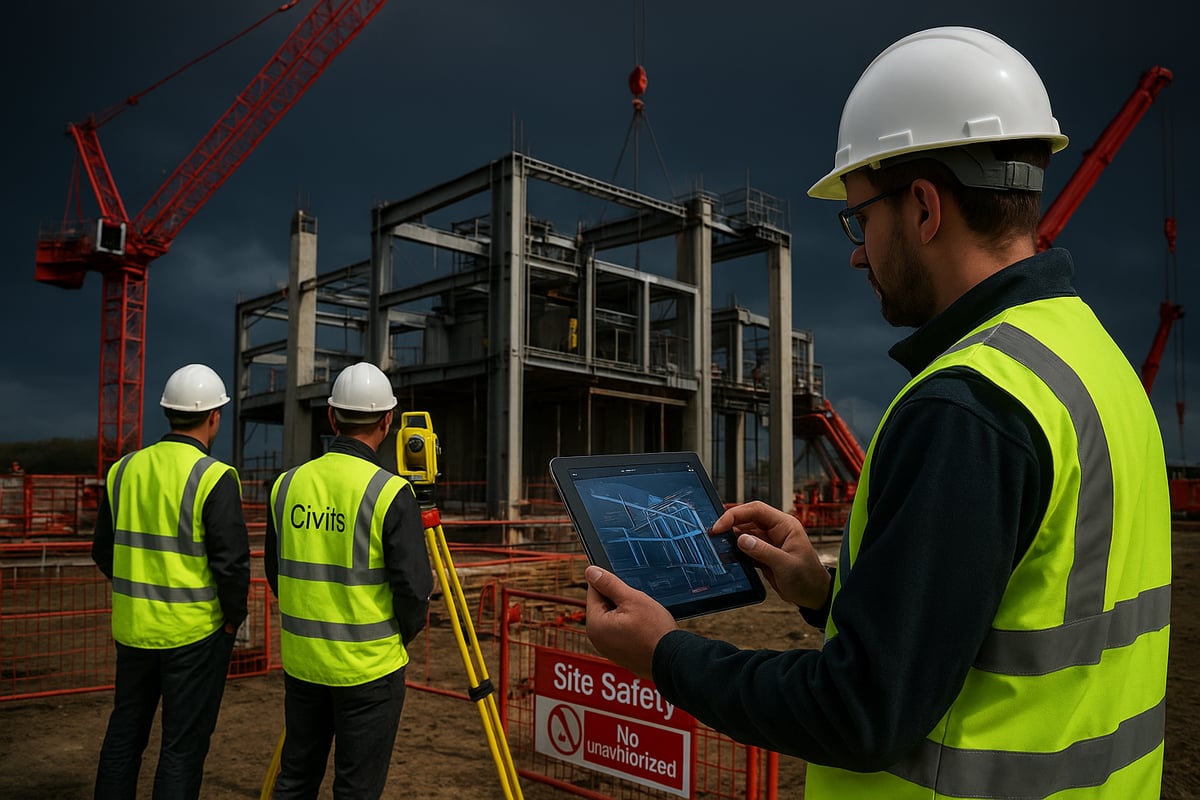
Step 1: Feasibility and Conceptual Design
Every civil engineering for construction project starts with feasibility and conceptual design. At this stage, engineers assess site conditions, perform surveys, and consult stakeholders to identify risks and opportunities early.
Key tasks include:
- Site investigations and environmental assessments
- Identifying regulatory constraints
- Engaging with local authorities and communities
This phase lays the foundation for project success, ensuring that all decisions are grounded in data and aligned with client objectives.
Step 2: Detailed Design and Planning
Once feasibility is established, detailed design and planning take centre stage. Engineers create precise technical drawings, specifications, and Building Information Modelling (BIM) models.
Key activities:
- Developing structural and civil layouts
- Integrating environmental and sustainability considerations
- Collaborating closely with architects and specialist consultants
During this step, civil engineering for construction teams use digital tools to optimise designs for safety, cost, and long-term performance.
Step 3: Regulatory Approvals and Procurement
Securing permissions and selecting the right partners is critical. Civil engineering for construction projects must obtain planning consent, environmental clearances, and satisfy local and national regulations.
Procurement involves:
- Preparing tender documents and evaluating bids
- Ensuring compliance with statutory requirements
- Selecting contractors and suppliers based on expertise and value
This stage balances legal obligations with the need for quality and efficiency in project delivery.
Step 4: Construction Phase
The construction phase brings plans to life. Site preparation, groundworks, and structural assembly are managed with precision by multidisciplinary teams.
Key elements include:
- Managing site logistics and safety protocols
- Coordinating trades and supply chains
- Adapting to site-specific challenges, such as urban constraints
Civil engineering for construction professionals must ensure that all works meet design intent and are delivered to high standards.
Step 5: Quality Control and Compliance Monitoring
Throughout construction, robust quality control and compliance monitoring are essential. Engineers conduct inspections, test materials, and verify that works meet relevant standards.
Typical activities:
- On-site testing of concrete and steel
- Digital monitoring of progress and safety
- Addressing non-conformances promptly
Effective quality assurance safeguards the reputation and reliability of civil engineering for construction projects.
Step 6: Handover and Commissioning
As construction concludes, the focus shifts to handover and commissioning. Teams prepare final documentation, conduct snagging, and train operators or facilities managers.
Key steps:
- Comprehensive inspections and system testing
- Compiling as-built records and manuals
- Ensuring smooth transition to operational use
A seamless handover is crucial for long-term asset performance and client satisfaction.
Step 7: Post-Completion Review and Maintenance
After handover, civil engineering for construction does not end. There is a post-completion review, including a defects liability period and planning for ongoing maintenance.
Best practices:
- Implementing data-driven maintenance using sensors
- Conducting periodic reviews and upgrades
- Engaging with end users for feedback
This stage ensures that infrastructure remains safe, efficient, and resilient over its lifecycle.
Real-World Application and Best Practices
The project lifecycle is not merely theoretical. Successful projects, such as those highlighted in Civil engineering project examples, demonstrate the importance of following each step with diligence and adaptability.
Best practices include:
- Early stakeholder engagement
- Transparent communication across teams
- Embracing technology for efficiency and quality
Learning from real projects helps refine processes and drive innovation in civil engineering for construction.
Conclusion: Lifecycle Thinking for Project Success
Adopting a lifecycle approach to civil engineering for construction empowers teams to deliver projects that are safe, sustainable, and future-ready. Every phase, from feasibility to maintenance, contributes to the overall value and longevity of built assets.
By prioritising collaboration, continuous improvement, and strategic planning, construction professionals can navigate complexity and achieve excellence in every project.
Sustainability and Environmental Considerations in Civil Engineering
Sustainability is now a core pillar of civil engineering for construction. The industry is under increasing pressure to reduce its environmental impact while delivering vital infrastructure. Professionals must balance economic growth, social responsibility, and environmental stewardship. Let’s explore the essential environmental considerations shaping the sector today.
Sustainable Design and Construction Practices
Modern civil engineering for construction incorporates sustainable design principles from the outset. Site selection prioritises minimal disruption to local habitats, while resource efficiency and waste minimisation are central to project planning. Sustainable drainage systems (SuDS) are increasingly used in new developments, reducing flood risk and supporting biodiversity.
Projects now focus on lifecycle assessments, choosing materials and methods that lower environmental footprints. By embedding sustainability at every stage, civil engineering for construction is transforming the built environment for future generations.
Climate Resilience and Adaptation
Designing for climate resilience is a top priority in civil engineering for construction. UK infrastructure must withstand extreme weather, rising temperatures, and increased rainfall. In fact, 60% of UK projects now include climate adaptation measures.
A notable example is the Thames Tideway Tunnel, a major project that enhances London’s flood resilience and protects the River Thames ecosystem. The Thames Tideway Tunnel completion demonstrates how forward-thinking engineering can safeguard communities against environmental threats.
Low-Carbon Materials and Circular Economy
The shift towards low-carbon materials is revolutionising civil engineering for construction. Engineers are specifying recycled aggregates and low-carbon concrete to reduce embodied carbon. Timber and other renewable resources are gaining traction, especially in modular and prefabricated solutions.
Circular economy models encourage material reuse, extending the life cycle of building components. By implementing these strategies, civil engineering for construction is moving closer to Net Zero targets and creating more resilient infrastructure.
Biodiversity and Community Impact
Civil engineering for construction can deliver real benefits for biodiversity and local communities. Enhancing green spaces, supporting local ecosystems, and engaging residents in planning processes are now standard practice.
Projects often include ecological surveys, habitat restoration, and measures to minimise construction impacts. This holistic approach strengthens the social licence to operate and ensures infrastructure serves both people and the planet.
Regulatory Drivers and Funding Opportunities
Government policy is accelerating sustainable civil engineering for construction. Incentives and strict regulations encourage the adoption of green technologies and practices. Standards like BREEAM and LEED are widely used to assess sustainability performance.
Funding opportunities support projects that contribute to Net Zero by 2050. Embracing these requirements offers competitive and reputational advantages, positioning civil engineering for construction at the forefront of a greener future.
Future Trends and Opportunities in Civil Engineering for 2026 and Beyond
The landscape of civil engineering for construction is experiencing rapid transformation as 2026 approaches. Emerging technologies, evolving workforce needs, and shifting global forces are reshaping how projects are conceived, delivered, and maintained. To stay ahead, professionals must anticipate the trends that will define the future of the industry.
Digitalisation and Smart Infrastructure
Digitalisation is redefining civil engineering for construction, with smart infrastructure now at the core of urban development. Smart cities integrate Internet of Things (IoT) sensors, real-time data feeds, and automated monitoring systems to optimise asset performance and enhance resilience.
The use of digital twins, advanced BIM, and generative AI is accelerating design innovation, enabling predictive maintenance and streamlined project management. For example, recent research on Generative AI in structural design illustrates how artificial intelligence is reshaping project delivery by integrating data-driven insights directly into the design process.
These advances are making civil engineering for construction more efficient, adaptive, and future-ready.
Skills and Workforce Development
As the industry embraces new technologies, the required skillset for civil engineering for construction is evolving. Digital literacy, sustainability expertise, and advanced project management capabilities are in high demand.
Firms are investing in apprenticeships, upskilling programmes, and continuous learning to address the growing digital skills gap. The next generation of engineers will need to be agile, comfortable with complex digital tools, and committed to lifelong learning.
Collaboration between academia and industry is also strengthening, ensuring that training aligns with emerging needs.
Globalisation and Market Dynamics
Civil engineering for construction is increasingly global, with UK firms seeking opportunities abroad and international partners contributing to domestic projects. The post-Brexit landscape has brought both challenges and opportunities.
Supply chain realignments are prompting firms to diversify sourcing and develop more robust logistics strategies. International collaboration is also driving the adoption of new practices and technologies, making the industry more competitive on a world stage.
Export opportunities are expanding, particularly in regions investing heavily in infrastructure.
Funding, Investment, and Government Policy
Investment in civil engineering for construction is being shaped by government policy and public-private partnerships. The UK's National Infrastructure Strategy outlines ambitious plans for transport, energy, and digital connectivity.
Funding models are evolving to support innovation and sustainability, with increased emphasis on value for money and long-term asset performance. Public-private partnerships are unlocking new sources of capital and expertise.
A focus on social value and environmental impact is influencing procurement and project selection.
Innovation in Project Delivery
Modern project delivery in civil engineering for construction is characterised by integration and collaboration. Integrated project delivery models, collaborative contracting, and lean construction techniques are gaining traction.
Offsite manufacturing and modular construction are reducing on-site time, improving safety, and minimising waste. These approaches enable faster project turnaround and greater flexibility in meeting client needs.
Digital platforms are supporting real-time communication and decision-making across multidisciplinary teams.
Challenges and Risks Ahead
Despite these advances, civil engineering for construction faces significant challenges. Economic volatility, regulatory change, and environmental risks require robust risk management.
Supply chain disruption remains a pressing concern, with 40 percent of UK construction firms highlighting it as a major risk. Other challenges include:
- Resource scarcity
- Tight regulatory timelines
- Climate-related disruptions
Proactive planning, scenario analysis, and strong stakeholder engagement are essential to navigating this complex environment.
Key Arguments and Insights
Success in civil engineering for construction will depend on agility, innovation, and resilience. Those who embrace digital transformation, invest in workforce development, and pursue international opportunities will be well-positioned to lead.
The sector faces considerable uncertainty, but it also holds immense potential for growth, sustainability, and global leadership. By staying informed and adaptable, civil engineers can help build a smarter, greener, and more resilient built environment for generations to come.