
Civil construction site projects in 2026 face unprecedented complexity as demands for efficiency, safety, and sustainability rise. New regulations, rapid technological progress, and environmental concerns are transforming how every civil construction site is managed.
Mastering best practices, staying ahead of evolving standards, and adopting innovative strategies are now essential for successful outcomes. This comprehensive guide delivers actionable insights, step-by-step best practices, and expert recommendations.
Explore the main pillars of site planning, regulatory compliance, technology integration, workforce management, safety protocols, and sustainability to navigate civil construction site challenges with confidence.
Site Planning and Preparation: Laying the Foundations for Success
Careful planning is the backbone of every successful civil construction site. In 2026, the scale and complexity of projects demand a methodical approach, blending strategic foresight with operational expertise. Effective planning not only sets the tone for efficiency but also ensures compliance, safety, and sustainability from day one. For a practical look at site setup, see the detailed guide on site work and preparation.
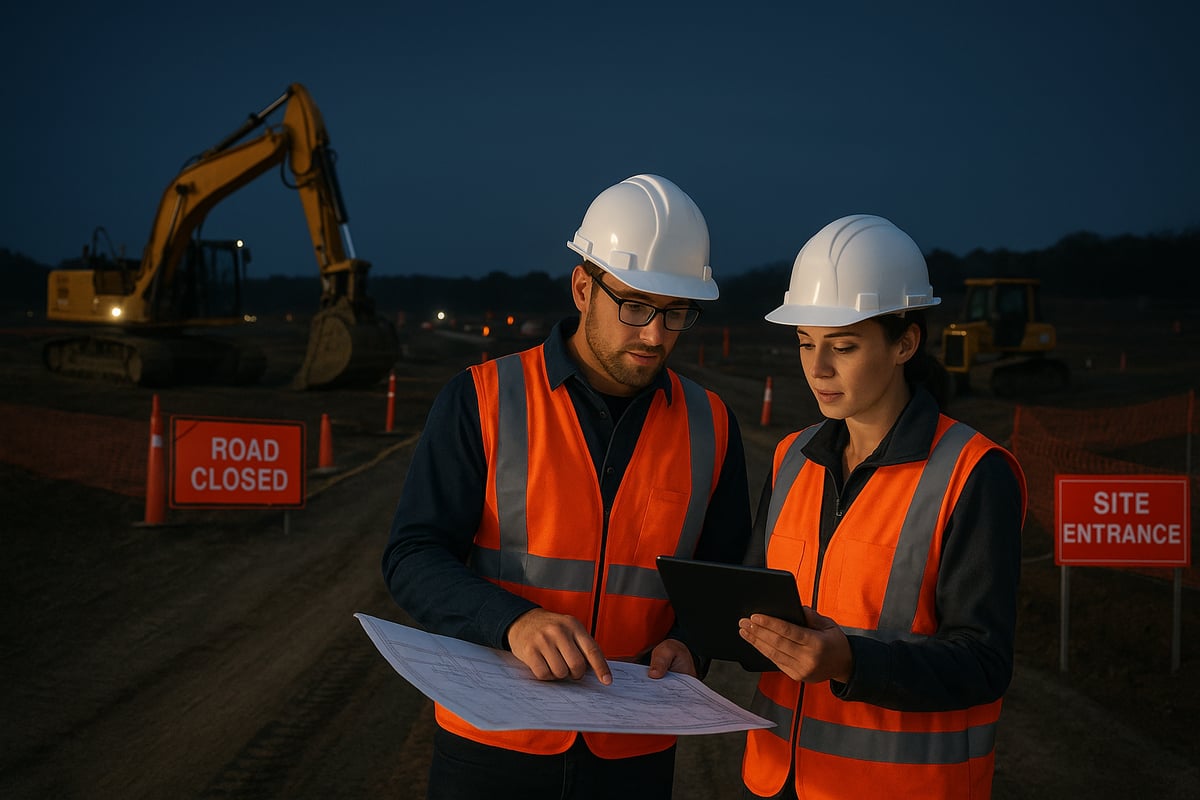
Understanding Project Scope and Objectives
Defining the project’s scope is the first step in building a high-performing civil construction site. Clear deliverables, measurable timelines, and well-articulated goals help align all stakeholders, reducing the risk of costly disputes later.
A lack of scope clarity has delayed major UK infrastructure projects in the past. By ensuring every party understands what success looks like, you gain buy-in and reduce misunderstandings. Early workshops and stakeholder meetings allow for questions, clarifications, and agreement on both outcomes and priorities.
This approach empowers teams to anticipate challenges and allocate resources efficiently, laying a solid foundation for the rest of the civil construction site process.
Site Assessment and Feasibility Studies
A thorough assessment of the site is crucial before breaking ground on any civil construction site. Topographical and geotechnical surveys provide key data on soil stability, groundwater, and existing structures. These findings inform design decisions and construction methods.
Environmental and logistical constraints must also be addressed early. For example, access to utilities or protected habitats can significantly impact timelines. According to 2025 industry data, 70% of project overruns were traced to inadequate site assessment, reinforcing the value of diligent studies.
By investing in comprehensive surveys, teams mitigate surprises, adapt plans proactively, and avoid expensive rework later.
Risk Identification and Mitigation Strategies
Every civil construction site faces unique risks, from flooding and ground contamination to unstable terrain. Identifying these hazards early is vital for safeguarding people, assets, and timelines.
Modern risk management leverages predictive analytics and scenario modelling. This enables teams to spot trends and intervene before issues escalate. For example, digital models can flag high-risk zones for flooding based on recent weather data, prompting timely drainage solutions.
Effective mitigation strategies, such as temporary barriers or remediation plans, are best developed before construction begins. This systematic approach protects budgets and reputations alike.
Resource Allocation and Scheduling
Resource planning is at the heart of a well-run civil construction site. Accurate forecasting of workforce needs, equipment, and materials ensures projects stay on track and within budget.
Building Information Modelling (BIM) is increasingly used to optimise resource allocation. With BIM, project managers visualise every stage, reducing waste and improving coordination. Recent competitor data shows adopting BIM cut resource waste by 20 percent, a significant boost for project margins.
Strong scheduling lays the groundwork for seamless operations, enabling teams to respond flexibly to unexpected developments.
Site Layout and Access Planning
A thoughtfully designed civil construction site layout boosts both safety and productivity. Strategic placement of storage, work zones, and welfare facilities minimises congestion and reduces the risk of accidents.
Access planning is equally important. Well-marked routes for vehicles and materials help maintain a smooth workflow and prevent bottlenecks. One UK project saw a 15 percent drop in on-site accidents after redesigning its layout and traffic management system.
These steps create an environment where people and machinery can operate efficiently and safely.
Permits and Pre-Construction Documentation
Securing all necessary permits is a non-negotiable step in civil construction site preparation. Navigating planning permissions, building regulations, and environmental consents requires careful coordination with local authorities.
Preparing comprehensive method statements and health and safety files demonstrates due diligence. These documents provide a clear roadmap for safe, compliant operations and are often required before work can commence.
Being proactive with documentation reduces the risk of delays and legal complications during construction.
Environmental Considerations
Responsible environmental management is now central to civil construction site planning. Erosion control measures, such as silt fences and stabilised entrances, protect local ecosystems from construction runoff.
Waste management plans, including material recycling and responsible disposal, support sustainability goals. Compliance with BREEAM standards showcases a commitment to low-impact site preparation, enhancing project reputation and long-term value.
By prioritising environmental stewardship, teams ensure that their projects contribute positively to both the community and the planet.
Regulatory Compliance and Industry Standards in 2026
The regulatory landscape for any civil construction site in 2026 is more complex and demanding than ever. New standards, stricter enforcement, and a growing focus on sustainability are reshaping how projects are delivered. Staying compliant is not just about avoiding penalties, but about ensuring quality, safety, and long-term project viability.
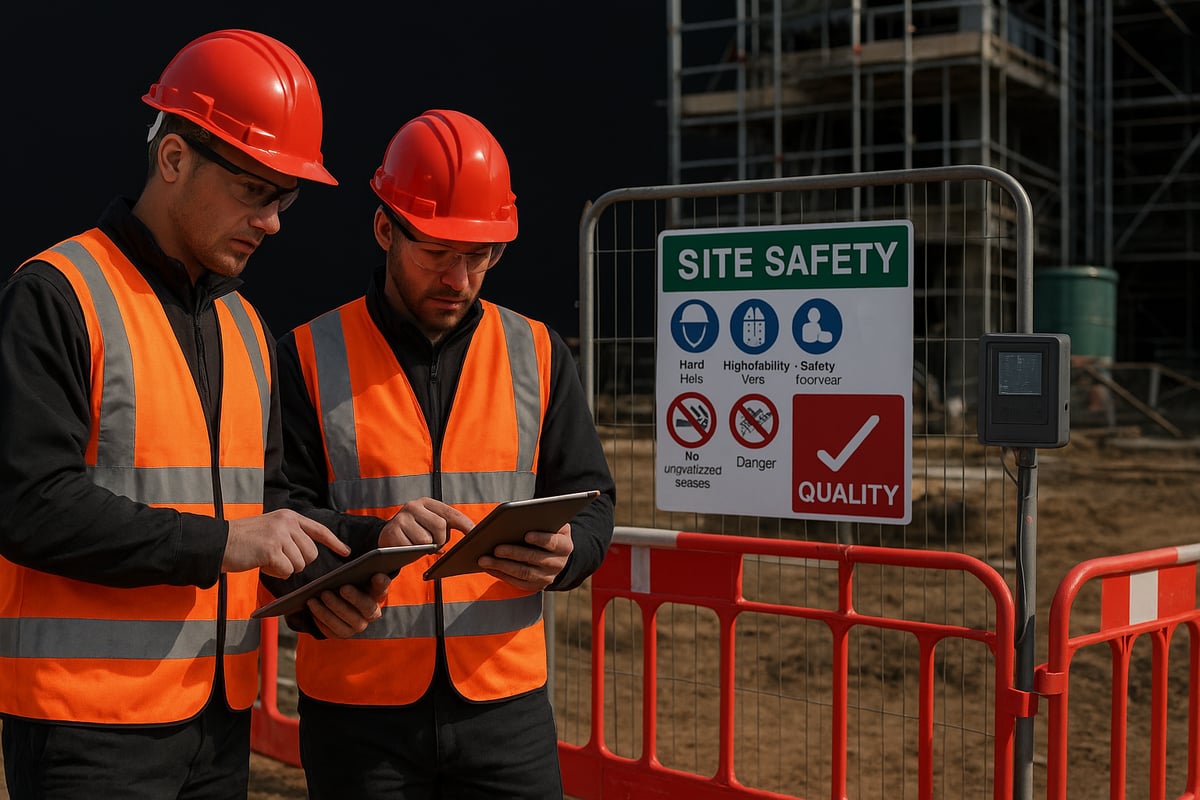
Navigating Evolving UK Construction Regulations
Civil construction site management in 2026 must address significant regulatory changes. Updates to the Construction Products Regulations, such as those found in the Construction Products (Amendment) Regulations 2025, impact material selection, traceability, and performance standards.
Key compliance areas now include:
- Construction Design and Management (CDM) Regulations
- Enhanced environmental law
- Stricter fire safety protocols
Project teams must review the latest guidance at project outset, ensuring all practices align with new legal requirements. Early planning prevents costly rework and demonstrates a proactive compliance culture.
Health & Safety Executive (HSE) Requirements
The Health & Safety Executive (HSE) has further intensified its oversight of civil construction site operations. Updated safety protocols from 2024–2025 focus on risk assessment, safe systems of work, and incident reporting.
Recent trends show increased HSE site visits and enforcement actions. Firms must regularly update safety documentation, train teams on new procedures, and maintain open communication with HSE inspectors. Consistent compliance reduces the risk of interruptions and supports a positive site reputation.
Quality Assurance and Accreditation
Achieving and maintaining quality standards is crucial for any civil construction site. ISO 9001 certification remains a benchmark for quality management, with 85% of leading contractors now holding ISO accreditation.
Robust quality assurance processes include:
- Regular audits and inspections
- Documented corrective actions
- Continuous improvement cycles
Accreditation not only ensures compliance but also boosts client confidence and project outcomes.
Environmental Regulations and Net Zero Targets
Environmental legislation in 2026 enforces stricter carbon reduction and waste management obligations. Civil construction site teams are required to measure emissions, optimise resource use, and implement low-carbon alternatives.
A recent case study highlighted a major UK project achieving net zero targets by using electric plant equipment and recycled materials. Compliance with these regulations demonstrates environmental leadership and supports tendering for future projects.
Documentation and Record-Keeping
Thorough record-keeping is a cornerstone of regulatory compliance. Digital tools now streamline the creation and management of compliance records for civil construction site projects.
Best practices include:
- Cloud-based storage for instant document retrieval
- Automated update reminders for key certifications
- Centralised logs of inspections, permits, and training
Efficient documentation supports audits and demonstrates due diligence.
Penalties and Risk of Non-Compliance
Failure to meet regulatory standards can result in severe consequences for civil construction site operators. Financial penalties, project delays, and reputational damage are frequent outcomes.
Recent high-profile compliance failures have led to:
- Six-figure fines for safety breaches
- Contract terminations due to inadequate documentation
- Public scrutiny impacting future business
Investing in robust compliance systems is a strategic necessity for sustainable success.
Integrating Technology and Innovation on Site
The pace of technological change is reshaping every civil construction site in the UK. From planning to project delivery, innovative tools are helping teams drive efficiency, enhance safety, and meet sustainability targets. Embracing digital transformation is no longer optional, it is essential for future-ready site management.

Digital Project Management Tools
Digital project management platforms have revolutionised how teams collaborate on a civil construction site. These cloud-based solutions enable real-time updates, document sharing, and seamless communication between on-site and remote teams. By centralising information, they reduce administrative effort and minimise errors.
A recent industry case showed that project management software cut admin time by 25%. With features like automated task tracking, digital approvals, and instant notifications, project managers can focus on delivering results rather than chasing paperwork.
Key benefits include:
- Improved transparency for stakeholders
- Faster decision-making through live dashboards
- Consistent progress tracking and reporting
For a deeper dive into how technology is reshaping project workflows, see Engineering for construction projects.
Building Information Modelling (BIM) and Digital Twins
BIM and digital twins are transforming the way civil construction site teams design, plan, and manage assets. BIM enables the creation of intelligent 3D models that integrate design, schedule, and cost data. Digital twins take this further, allowing real-time monitoring of site performance and enabling predictive maintenance.
In major UK infrastructure projects, BIM adoption has reduced clashes, improved coordination, and cut resource waste by 20%. With digital twins, teams can simulate site conditions, forecast equipment needs, and optimise workflows before breaking ground.
The power of BIM lies in its ability to create a shared source of truth for everyone involved. This supports smoother handovers and better lifecycle management.
Automation and Robotics
Automation is rapidly becoming standard on every civil construction site. Drones are now used for surveying, mapping, and progress monitoring, reducing the need for manual inspections in hazardous areas. Autonomous machinery handles repetitive or dangerous tasks, improving safety and consistency.
Robotic equipment can lay bricks, pour concrete, or excavate with precision and speed. This not only boosts productivity but also addresses the ongoing skills shortage in the industry.
Benefits of automation include:
- Reduced labour costs
- Enhanced accuracy and safety
- Faster project delivery
As these technologies mature, their role in civil construction site operations will only grow.
IoT and Real-Time Data Analytics
The Internet of Things (IoT) is driving a new era of data-driven decision-making on the civil construction site. Sensors embedded in equipment, vehicles, and materials provide live feedback on performance, usage, and safety conditions.
With real-time analytics, site managers can track asset locations, monitor fuel consumption, and detect maintenance needs before breakdowns occur. This proactive approach minimises downtime and extends equipment life.
IoT applications also support worker safety by alerting teams to hazardous conditions or unauthorised access. Data collected over time helps identify trends, improve planning, and reduce risks.
Sustainable Construction Technologies
Sustainability is now a core priority for every civil construction site. Low-carbon materials, such as recycled aggregates and green concrete, are being widely adopted. Modular construction techniques help minimise waste and accelerate build times.
For example, major road projects in the UK have utilised recycled materials, significantly reducing their carbon footprints. On-site renewable energy sources, like solar generators, are increasingly used to power equipment and site offices.
A focus on sustainable technology not only meets regulatory demands but also enhances the reputation of contractors committed to environmental stewardship.
Cybersecurity in Construction
As reliance on digital tools grows, cybersecurity has become a top concern for civil construction site managers. Protecting sensitive project data, financial records, and intellectual property is critical.
Industry reports show that 40% of firms experienced cyber incidents in 2025. Common threats include phishing, ransomware, and data breaches. Implementing robust cybersecurity protocols, such as multi-factor authentication and encrypted communications, is now standard practice.
Training staff to recognise potential threats and respond quickly is equally important. A secure digital environment underpins all technology-driven site operations.
Training and Upskilling for Digital Transformation
The success of technology integration on a civil construction site depends on the digital literacy of its workforce. Continuous training ensures that teams can use advanced tools safely and effectively.
Virtual reality (VR) training is gaining traction for equipment operation and safety drills. This immersive approach accelerates learning, reduces risk, and builds confidence.
Upskilling programmes help address the skills gap, ensuring that workers are prepared for the demands of modern site management. Investing in people is just as crucial as investing in technology.
Workforce Management and Site Operations
Managing people and processes on a civil construction site in 2026 requires a balanced approach to leadership, planning, and innovation. The evolving landscape demands not only technical expertise but also a strong focus on workforce wellbeing, inclusion, and operational excellence.
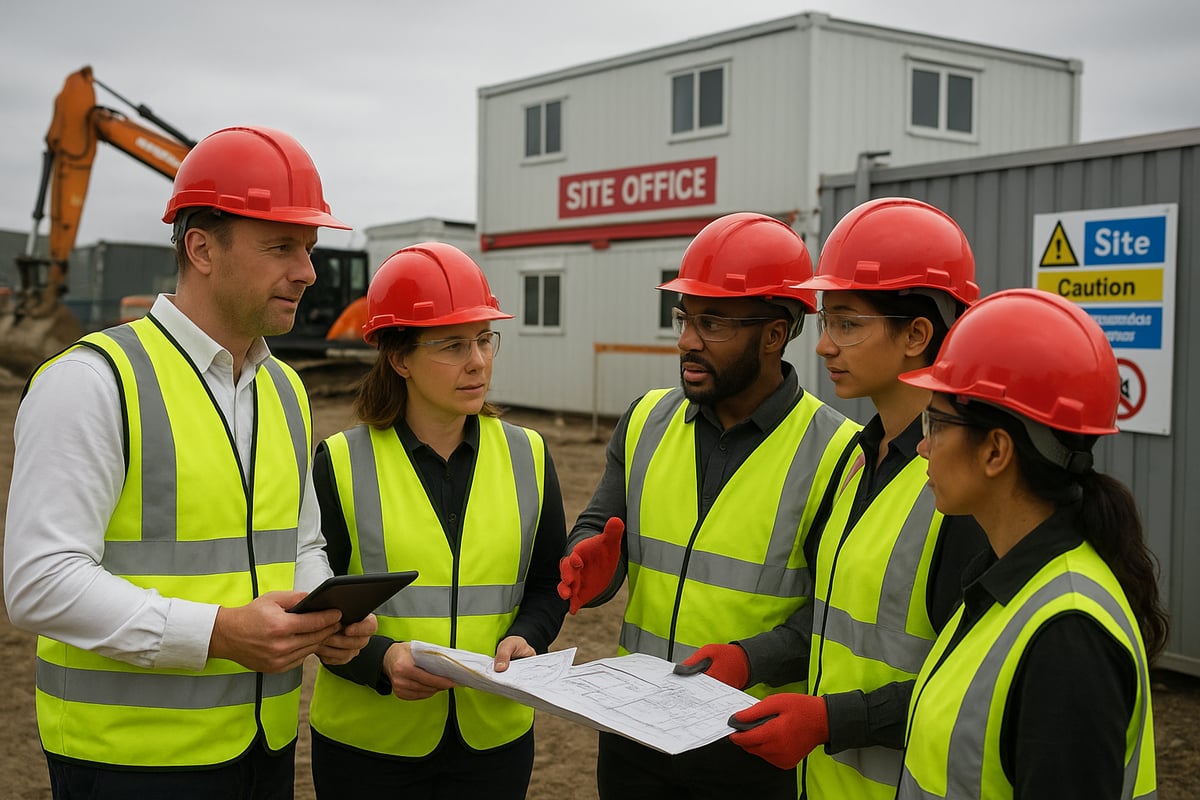
Effective Leadership and Communication
Strong leadership underpins every successful civil construction site. Project managers must establish clear reporting lines and ensure every team member understands their responsibilities. Daily briefings, toolbox talks, and open channels for feedback foster transparency and reduce incidents.
- Set clear expectations for every role
- Hold regular site meetings for updates
- Encourage proactive reporting of issues
A culture of open communication helps teams adapt quickly to change and meet project objectives efficiently.
Labour Planning and Subcontractor Coordination
Careful workforce planning is essential for maintaining productivity on a civil construction site. This includes anticipating labour needs throughout the project and aligning subcontractor schedules with key milestones.
Effective subcontractor integration involves:
- Detailed onboarding processes
- Clear documentation of roles and deliverables
- Regular coordination meetings
For more detailed guidance on site-specific practices, see Civil engineering site operations. Coordinated labour and subcontractor management minimises delays and improves overall site performance.
Skills Shortage and Recruitment Strategies
The UK faces an ongoing skills gap in construction. Addressing shortages on a civil construction site means investing in upskilling, apprenticeships, and targeted recruitment.
- Partner with local colleges for apprenticeships
- Offer on-site training programmes
- Promote career development pathways
A focus on continuous learning not only fills immediate gaps but also builds a resilient, future-ready workforce.
Health, Safety, and Wellbeing Initiatives
Prioritising health and safety is vital for any civil construction site. Mental health support, fatigue management, and wellbeing programmes show measurable results, such as a 30 percent drop in absenteeism.
Key initiatives include:
- On-site mental health resources
- Scheduled rest breaks and shift rotation
- Access to confidential support services
Wellbeing strategies help retain skilled staff and foster a positive work environment.
Diversity and Inclusion on Site
Diversity drives innovation and improves team performance. Promoting gender and cultural diversity on a civil construction site involves inclusive recruitment, mentoring, and targeted training.
- Implement unconscious bias training
- Set diversity targets for recruitment
- Celebrate cultural events and milestones
Evidence shows diverse teams are more adaptable and perform better on complex projects.
Performance Monitoring and Feedback
Tracking productivity and quality is essential for continuous improvement. Use digital tools to monitor KPIs and collect real-time feedback from staff on the civil construction site.
- Set measurable KPIs for each team
- Conduct regular performance reviews
- Use mobile apps for instant reporting
Ongoing feedback helps identify issues early and drives higher standards across site operations.
Conflict Resolution and Dispute Management
Disputes can delay project delivery if not addressed promptly. Early intervention, open dialogue, and structured mediation are crucial on a civil construction site.
- Train supervisors in conflict resolution techniques
- Establish clear escalation procedures
- Document all disputes and outcomes
Proactive dispute management minimises disruption and keeps projects on track.
Site Safety: Protocols, Culture, and Continuous Improvement
Creating a robust safety framework is essential to every civil construction site in 2026. As projects grow in complexity, site safety must evolve beyond compliance, becoming an embedded culture. The shift towards proactive risk management, advanced training, and continuous improvement is driven by both regulatory changes and industry best practice.
Establishing a Safety-First Culture
A safety-first culture is now the cornerstone of successful civil construction site operations. Leadership commitment is visible at every level, with directors and foremen actively promoting safety values. Daily briefings, toolbox talks, and open-door policies encourage reporting and dialogue.
Key elements include:
- Visible leadership engagement
- Open communication channels
- Recognition of safe behaviours
Firms embracing this culture have seen significant reductions in incidents. For a comprehensive foundation on safety approaches, the Building and civil engineering overview provides valuable context for civil construction site professionals.
Risk Assessment and Method Statements (RAMS)
Systematic risk assessment underpins safe operations on every civil construction site. RAMS processes identify hazards, evaluate risk, and set out control measures. Regular reviews ensure that evolving site conditions are addressed promptly.
Steps in RAMS:
- Hazard identification
- Risk evaluation
- Control implementation
- Scheduled reviews
A collaborative approach, involving frontline workers in risk workshops, improves accuracy and buy-in. This process is critical for adapting to the ever-changing dynamics of a civil construction site.
Training and Competency Verification
Competency is non-negotiable on a civil construction site. Mandatory certifications and ongoing training ensure that all operatives understand current safety standards. Refresher courses and practical assessments are routine.
Recent years have seen the rise of VR and digital simulations for equipment operation. These technologies accelerate learning and reduce incidents, making training a vital investment for civil construction site safety.
PPE and Safety Equipment Innovations
The evolution of PPE has had a significant impact on civil construction site safety. Smart helmets with sensors, lightweight high-visibility clothing, and connected wearable devices are now commonplace.
Benefits of modern PPE:
- Enhanced comfort and compliance
- Real-time hazard alerts
- Improved visibility
Data shows an 18% increase in PPE compliance where advanced gear is issued. This progress supports the sector's drive for continuous improvement and reduced risk on the civil construction site.
Incident Reporting and Learning Systems
A transparent incident reporting system is essential for learning and prevention. Civil construction site teams are encouraged to report near misses and unsafe conditions without fear of blame.
With digital platforms, trend analysis is now standard practice. Insights from data help refine procedures and target training, establishing a feedback loop for ongoing improvement.
Emergency Preparedness and Response
Preparedness for emergencies is a legal and practical necessity on every civil construction site. Site-specific plans, regular evacuation drills, and clear signage ensure readiness.
A real-world example from 2025 saw a major project evacuate safely during a flood event, thanks to rehearsed protocols. The Building Safety Act 2022 Overview has further shaped standards for emergency planning, making comprehensive preparation a regulatory requirement.
Mental Health and Psychological Safety
Mental health is finally being recognised as integral to safety on a civil construction site. Initiatives to address stress, burnout, and psychological pressures are now widespread.
Programmes include confidential support services and mental health first aiders. Competitor data links psychological safety with 22% higher staff retention, underlining its importance for long-term project success and workforce wellbeing.
Sustainability and Environmental Stewardship in Civil Construction
Sustainability is now a core pillar of every civil construction site. As environmental expectations rise, project teams must adopt responsible strategies that balance progress with stewardship. From minimising waste to engaging communities, every action on site shapes long-term impact.
Embracing Circular Economy Principles
Modern civil construction site practices now prioritise circular economy thinking. Teams focus on reducing waste, reusing materials, and designing for deconstruction. Major UK infrastructure projects have adopted closed-loop systems, where surplus aggregates and steel are repurposed within the supply chain. This not only cuts landfill use but also reduces procurement costs and environmental footprint. Implementing these principles has proven essential for meeting both project and regulatory requirements.
Energy Efficiency and Low-Carbon Practices
Reducing carbon emissions is fundamental on any civil construction site. More projects are turning to renewable energy, such as solar panels and hybrid generators, to power site operations. In 2025, the UK saw a 35% increase in solar-powered sites, reflecting a shift towards cleaner energy sources. These measures not only meet net zero targets but also lower operational costs and demonstrate environmental leadership to clients and stakeholders.
Biodiversity and Site Ecology Management
Protecting local habitats is a key responsibility for every civil construction site. Biodiversity action plans now feature in most major developments, guiding the preservation of existing flora and fauna. Urban projects often integrate green corridors or wildlife crossings, ensuring that construction does not fragment habitats. These ecological enhancements support planning approvals and deliver lasting value to communities and the environment.
Water Management and Pollution Prevention
Water stewardship is a critical aspect of civil construction site management. Advanced filtration systems and rainwater harvesting methods are now commonplace, especially on UK highways. Strategies for runoff control and water recycling help prevent pollution, meet regulatory standards, and reduce the site's environmental footprint. Successful water management is often a deciding factor in project sustainability ratings.
Sustainable Procurement and Supply Chains
Sourcing eco-friendly materials and prioritising local suppliers is now standard on most civil construction site projects. Recent data shows that 60% of contractors prioritise green procurement, seeking products with lower embodied carbon and transparent sourcing. This approach not only supports local economies but also aligns with client expectations for responsible construction. Sustainable procurement practices are now integral to project tenders and delivery.
Community Engagement and Social Value Delivery
A civil construction site can have a positive impact beyond its boundaries by engaging local communities. Many projects now include employment and training initiatives for local residents, supporting social value delivery. Early and ongoing dialogue with stakeholders builds trust, reduces opposition, and ensures the project delivers broader benefits. Community engagement is as vital as technical excellence in today’s landscape.
Measuring and Reporting Environmental Impact
Transparent measurement of sustainability goals is essential for every civil construction site. Teams use ESG metrics and digital tools to track progress, ensuring annual sustainability reports meet UK standards. Participating in consultations such as the RICS Global Construction Standards Consultation helps shape best practice and demonstrates a commitment to continuous improvement. Clear reporting not only supports compliance but also builds credibility with clients and regulators.