
The North East stands at the threshold of a highways construction north east revolution, with 2026 promising a wave of ambitious infrastructure projects that will reshape the region’s landscape.
This guide delivers expert insights into highways construction north east, equipping stakeholders with the knowledge required to navigate a rapidly changing sector.
Explore major upcoming projects, regulatory frameworks, sustainable building methods, technological advances, and opportunities for local businesses. Discover how to stay ahead as the region transforms its roads and connectivity. Now is the time to engage with the highways future of the North East.
The State of Highways Construction in the North East (2024-2026)
The highways construction north east landscape is entering a pivotal period, with 2024 to 2026 expected to see some of the most significant transport infrastructure upgrades in decades. Ambitious projects, substantial investment, and a focus on long-term regional growth are shaping the future of connectivity across the North East.
Major Projects and Investments
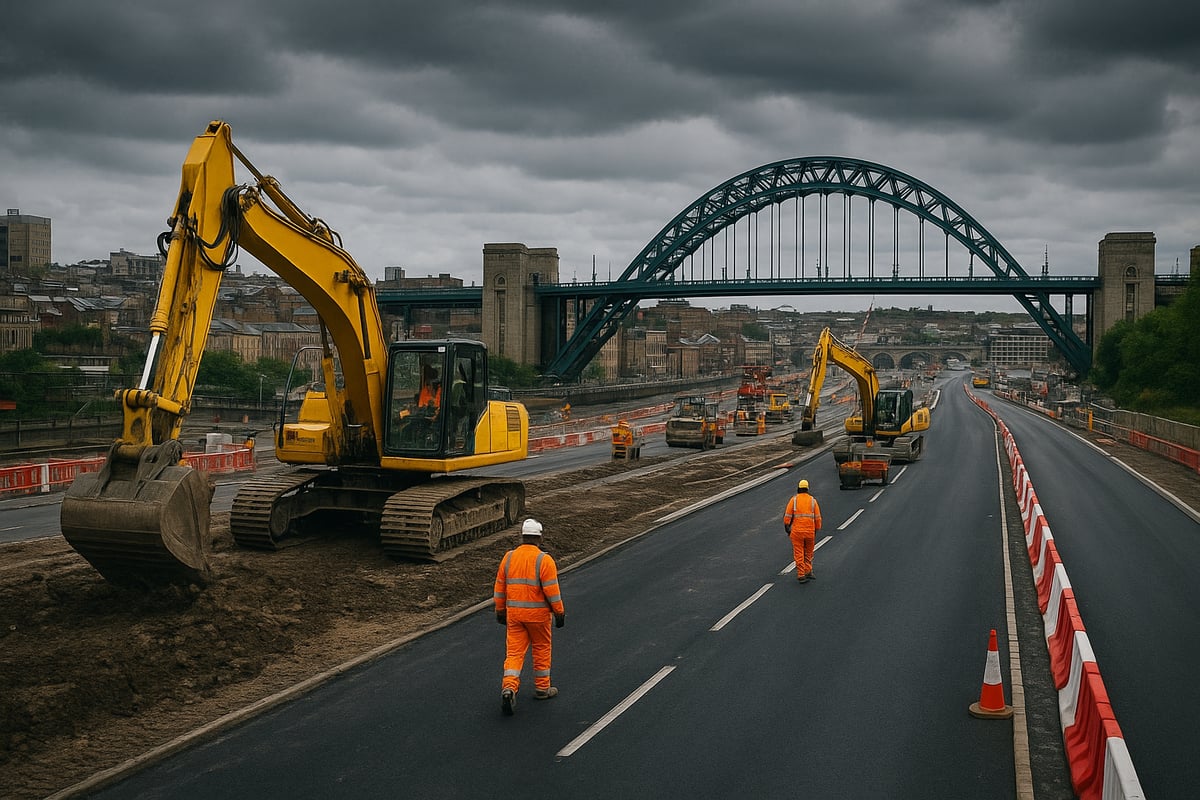
The highways construction north east sector is currently defined by a series of high-profile projects that are set to transform the region’s transport network. The A1 dualling between Morpeth and Ellingham is a flagship scheme, addressing long-standing bottlenecks and improving journey reliability. Tyne Tunnel upgrades are another critical focus, aiming to enhance capacity and reduce congestion for commuters and freight.
In addition, the Northern Powerhouse Rail links are progressing, promising to strengthen connections between the North East and other key UK regions. Local authorities have also prioritised upgrades like the A19 improvements and the Sunderland Strategic Transport Corridor, both of which are vital for supporting economic activity and regional mobility.
Government and local authority investment in highways construction north east initiatives exceeds £1.5 billion, underlining the scale of commitment to infrastructure renewal. According to Highways England’s £600m North East investment, projects such as the A1 and A19 are scheduled for completion by 2026, with interim milestones focused on phased upgrades and improved safety features.
These projects are expected to deliver significant benefits, including reduced travel times, increased business opportunities, and enhanced access to employment and education across the North East. By modernising critical routes, the region is positioning itself as a key player in national transport strategy.
Challenges and Bottlenecks
Despite this momentum, highways construction north east projects face a range of challenges that can affect delivery timelines and budgets. One of the most persistent issues is land acquisition, where negotiations and legal processes often lead to delays. Environmental assessments, required to safeguard natural habitats and comply with regulations, can also extend planning periods.
Securing planning permission remains a complex process, with local objections and statutory requirements sometimes causing unforeseen hurdles. The sector is further impacted by labour shortages and skills gaps, particularly as demand for experienced civil engineers and specialists grows. Inflationary pressures have driven up the cost of materials, making it harder to keep projects within budget.
Post-Brexit and post-pandemic supply chain disruptions have added further complexity to highways construction north east schemes. Delays in sourcing aggregates, steel, and plant machinery can stall progress and increase costs. To mitigate these risks, project teams are exploring alternative sourcing strategies and investing in workforce training.
The combination of these challenges means that careful planning, stakeholder engagement, and proactive risk management are more important than ever. Addressing these bottlenecks is key to ensuring that the region’s ambitions are realised on schedule.
Regional Priorities and Policy Drivers
The highways construction north east agenda is closely aligned with regional and national policy priorities. The government’s Levelling Up initiative has placed renewed emphasis on reducing disparities between regions, with the North East identified as a focus area for infrastructure-led growth. Improving both rural and urban connectivity is central to these plans, ensuring that isolated communities have better access to services and opportunities.
Integration with national transport strategies, such as the UK’s Road Investment Strategy, positions the region to benefit from coordinated planning and funding. Local authorities and combined authorities are working together to identify priority schemes, streamline approval processes, and maximise the impact of available resources.
A key objective for highways construction north east stakeholders is to create resilient, future-proof infrastructure that supports sustainable development. By focusing on projects that align with economic, social, and environmental goals, the North East can secure long-term prosperity and improved quality of life for its residents.
Regulatory Environment and Planning Frameworks
Understanding the regulatory environment is essential for anyone involved in highways construction north east. The region's approach to planning and compliance continues to evolve, shaping how projects are delivered and ensuring that new infrastructure aligns with both national and local priorities.
Key Regulations Governing Highways Construction
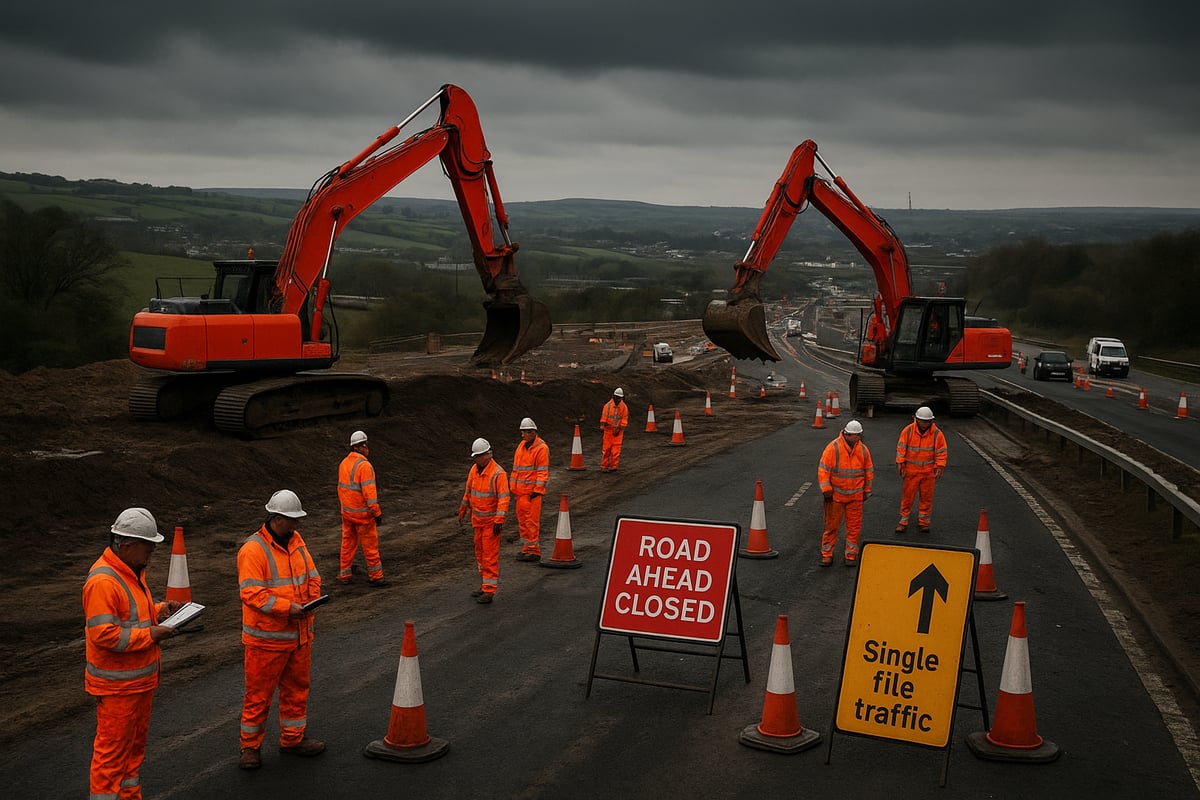
Highways construction north east is governed by a robust set of regulations that ensure safety, quality, and environmental responsibility. National Highways sets out technical standards, while local authorities oversee planning permissions and road adoption processes. Section 278 agreements are particularly important, as they regulate changes to existing public highways as part of new developments. For a detailed explanation, see Section 278 Works North East.
Compliance with the Construction (Design and Management) Regulations 2015 is mandatory, promoting safe working practices and risk management throughout the project lifecycle. The UK Road Traffic Act also sets out legal requirements for road design, signage, and user safety.
Planning frameworks can be complex, with projects like the A19 Testo’s Junction upgrade demonstrating the need for thorough documentation and coordination across multiple agencies. Each stage, from application to approval, must meet strict criteria to ensure lasting benefit for the region.
Stakeholder Engagement and Public Consultations
Effective stakeholder engagement is crucial in highways construction north east. Local communities, businesses, and special interest groups all play a part in shaping the outcome of major projects. Statutory consultation periods are built into the planning process, ensuring transparency and allowing for feedback before decisions are finalised.
Public consultations often involve face-to-face meetings, digital forums, and written submissions. This inclusive approach builds trust and helps identify potential issues early. For example, the A1 Scotswood to North Brunton improvement project benefited from community input, leading to design adjustments that improved local accessibility and reduced disruption.
By prioritising open dialogue, project teams can address concerns around noise, access, and environmental impact. This not only streamlines approval but also fosters a sense of ownership among stakeholders, which is vital for the long-term success of highways construction north east projects.
Navigating Environmental Assessments
Environmental considerations are now central to highways construction north east. All significant projects require Environmental Impact Assessments (EIA) to evaluate potential effects on local ecosystems, air quality, and communities. These assessments guide the development of mitigation strategies, such as noise barriers, habitat creation, or pollution controls.
Biodiversity net gain is a legal requirement, compelling developers to enhance habitats rather than simply offsetting losses. Carbon reduction targets are also embedded in regional and national policy, pushing for the use of low-emission materials and sustainable construction methods.
Recent projects have shown how effective environmental integration can be. The A19 Testo’s Junction, for instance, incorporated wildlife corridors and advanced drainage systems, setting a benchmark for future schemes. Ongoing monitoring ensures these measures deliver real, measurable benefits, aligning highways construction north east with the UK’s broader sustainability ambitions.
Step-by-Step Guide to Highways Construction in the North East
Embarking on a highways construction north east project requires a methodical approach, balancing technical precision with local priorities. Each stage is crucial, from early planning through to final handover, ensuring projects run smoothly and deliver lasting regional benefits.
Step 1: Feasibility Studies and Initial Planning
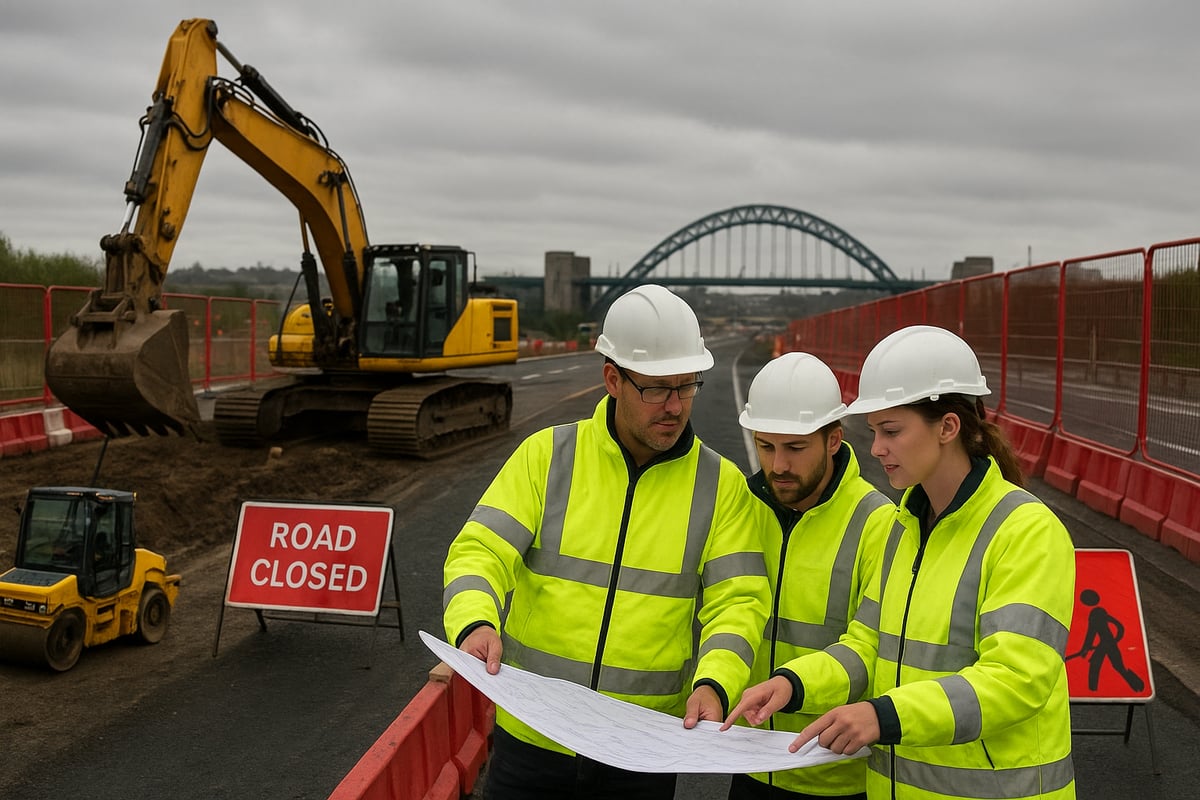
The foundation of any highways construction north east project lies in robust feasibility studies and early planning. This phase evaluates if a new road or upgrade is needed, looking closely at current and projected traffic demand. Planners assess route options, considering environmental sensitivity and the needs of local communities.
Stakeholder mapping is vital at this stage. Identifying key parties—local authorities, transport agencies, and impacted residents—helps shape the project’s direction. Early-stage costings are developed, using risk assessments to highlight challenges such as flood risk or protected habitats.
A recent example is the feasibility assessment for the Tees Valley Link Road, where planners balanced economic growth with environmental preservation. By thoroughly analysing these factors, highways construction north east projects set a solid groundwork for success.
Step 2: Securing Funding and Approvals
With the preferred route identified, securing funding and the necessary approvals is the next step. Highways construction north east initiatives often draw on a blend of sources, including central government grants, local authority investment, and private sector finance.
Preparing strong business cases is essential. These documents justify the project’s value, outlining benefits such as improved connectivity and economic growth. Navigating grant applications can be complex, requiring alignment with national and regional strategies.
Gaining planning permissions involves meeting strict regulatory requirements. Local authorities assess proposals for environmental impact, safety, and community benefit. Early and clear communication with stakeholders increases the likelihood of smooth approvals for highways construction north east projects.
Step 3: Detailed Design and Procurement
Once approvals are in place, detailed design work begins. Engineers use advanced digital modelling, such as Building Information Modelling (BIM), to refine road layouts, drainage, and safety features. This ensures every aspect of the highways construction north east project meets national standards.
Procurement follows, where contractors are selected through competitive tendering. Ensuring a resilient supply chain is critical, especially given recent disruptions. Local expertise is highly valued, and many projects prioritise regional contractors for both economic and practical benefits.
For those seeking skilled partners, local providers offer specialised Highways and Carriageways Services North East, supporting efficient and compliant delivery. This combination of smart design and strategic procurement keeps highways construction north east projects on track.
Step 4: Construction Phase
The construction phase transforms plans into reality. Site preparation is the first step, involving earthworks, relocating utilities, and installing temporary traffic management systems to minimise disruption. Health and safety protocols are rigorously enforced, safeguarding both workers and the public throughout highways construction north east schemes.
Managing live traffic is a particular challenge. Detailed traffic diversion plans are implemented, with regular updates provided to local communities. During the A19 Norton to Wynyard scheme, clear communication and flexible scheduling were key to minimising inconvenience.
Workforce management is also vital. Skilled teams coordinate tasks, monitor progress, and adapt to changing site conditions. At every stage, delivering quality and keeping to schedule are top priorities for highways construction north east teams.
Step 5: Quality Assurance and Handover
The final stage ensures the new infrastructure meets all required standards before it is opened to the public. Inspection regimes check every detail, from surfacing quality to safety signage. Any outstanding issues, known as snagging, are addressed swiftly.
Handover involves transferring responsibility to local authorities or operational teams. This includes providing detailed maintenance schedules and training as needed. Post-completion monitoring tracks the performance of the asset, allowing for prompt action if issues arise.
By following these structured steps, highways construction north east projects deliver long-term value, enhancing regional connectivity and supporting future growth.
Embracing Sustainability in Highways Construction
Sustainability is now at the heart of highways construction north east, shaping both policy and practice. As the region pursues ambitious infrastructure upgrades, the focus extends beyond connectivity to environmental responsibility and community benefit.
Major projects in highways construction north east are increasingly required to demonstrate green credentials. This shift is driven by national net zero targets, local authority commitments, and growing public demand for climate action.
The following sections explore how innovative materials, ecological design, and social value commitments are transforming the highways construction north east landscape.
Low Carbon Materials and Construction Methods
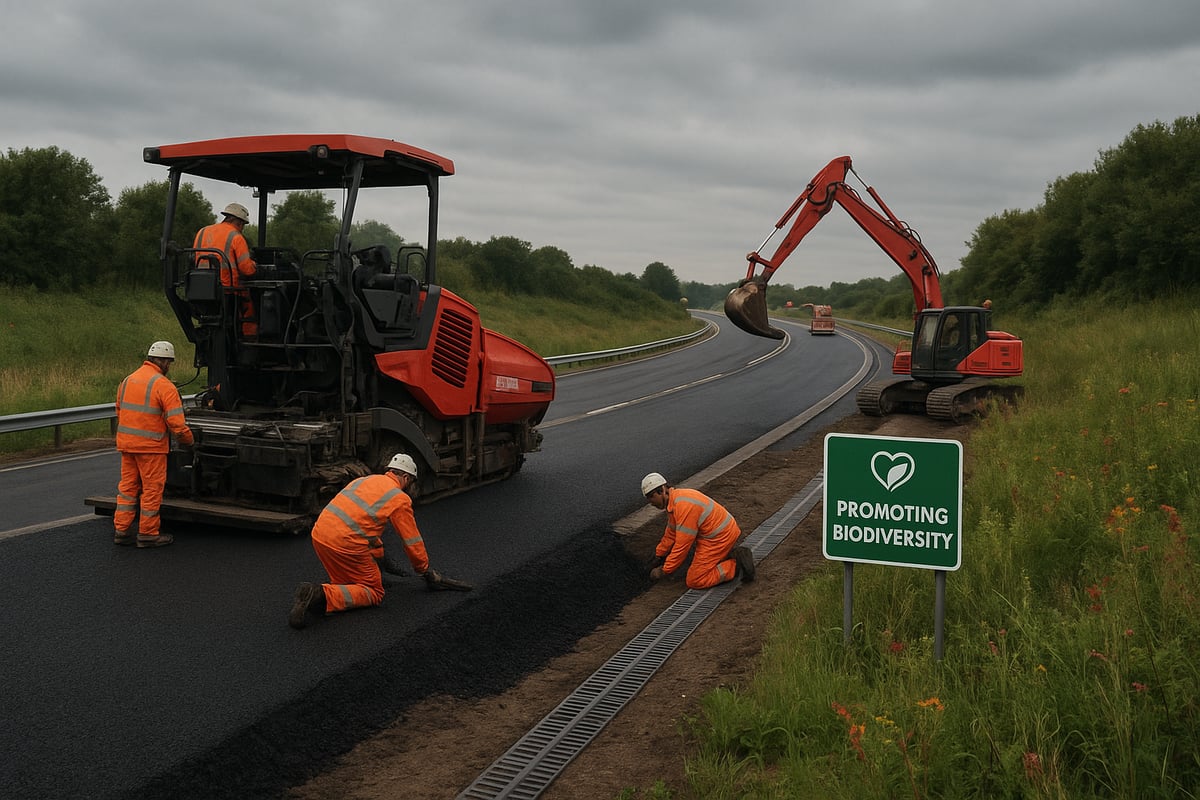
Reducing the carbon footprint of highways construction north east is a top priority. Traditional construction materials, such as hot-mix asphalt and virgin aggregates, are being replaced with more sustainable alternatives.
Key innovations include:
- Recycled aggregates: Sourced from demolition waste, reducing the need for new quarrying.
- Low-carbon asphalts: These blends use less energy in production and incorporate recycled content.
- Warm-mix asphalt: Produced at lower temperatures, this method cuts emissions and energy use.
- Emission reduction technologies: Modern plants capture and reuse heat, further cutting carbon output.
A standout example is the carbon-neutral surfacing on the A167. Here, contractors used a combination of recycled materials and warm-mix asphalt, achieving significant reductions in greenhouse gas emissions.
For organisations seeking to adopt these practices, Sustainable Surfacing North East provides insights into the latest eco-friendly surfacing solutions tailored to the region’s needs.
In highways construction north east, the adoption of greener materials is not only meeting regulatory requirements but delivering long-term cost and maintenance benefits.
Biodiversity, Drainage, and Green Infrastructure
Highways construction north east projects are increasingly designed to work with, rather than against, the natural environment. Sustainable drainage systems (SuDS) are now a standard feature, helping to control surface water, prevent flooding, and filter pollutants before they reach rivers or streams.
Green infrastructure goes beyond drainage. Road verges and embankments are being planted with native species, supporting pollinators and creating habitat corridors for local wildlife. These measures can be seen in the A19 Testo’s Junction scheme, where biodiversity enhancements were integrated from the outset.
Practical steps include:
- Installing wildlife tunnels and bridges to maintain animal movement.
- Planting wildflower meadows and native shrubs along roadsides.
- Designing ponds and wetlands as part of drainage solutions.
By incorporating these elements, highways construction north east projects help restore local ecosystems while building resilience against extreme weather events.
The emphasis on green infrastructure demonstrates a commitment to balancing transport improvements with environmental stewardship.
Meeting Net Zero Targets and Social Value
Achieving net zero in highways construction north east means more than cutting emissions. It involves a holistic approach to planning, delivery, and legacy.
Strategies for decarbonising construction include using electric-powered machinery, sourcing materials locally to reduce transport emissions, and investing in renewable energy for site operations. These changes are coupled with robust monitoring and reporting frameworks to track progress against sustainability goals.
Social value is also at the forefront. Major projects in highways construction north east prioritise local employment, apprenticeships, and community engagement. This ensures that economic benefits are retained within the region, fostering long-term growth.
Key commitments include:
- Offering training and skills programmes for local workers.
- Partnering with schools and colleges to inspire future talent.
- Supporting small businesses through local procurement targets.
By embedding net zero and social value into every stage, highways construction north east is setting a benchmark for sustainable infrastructure development.
Technology and Innovation Shaping the Future
Innovation is rapidly transforming highways construction north east, setting new standards for efficiency, safety, and sustainability. As the region prepares for the future, leading technologies are redefining how projects are designed, built, and managed. From digital modelling to intelligent infrastructure, these advancements are propelling the North East towards a smarter, more connected transport network.
Digital Design and Construction Tools
Digital tools are revolutionising highways construction north east. Building Information Modelling (BIM) is now central to project planning, allowing teams to create detailed, data-rich models that enhance collaboration and reduce costly errors. BIM integration ensures every stakeholder has access to up-to-date project information, streamlining both design and construction.
Drones are increasingly used for aerial surveys, delivering accurate topographical data in real time. This technology speeds up site assessments and improves safety by reducing the need for manual inspections. Geographic Information Systems (GIS) support route selection and environmental analysis, helping teams make informed decisions from the earliest stages.
Digital twin technology is another game-changer, enabling virtual replicas of assets for ongoing monitoring and predictive maintenance. For a closer look at how regional expertise is embracing these innovations, the North East Civil Engineers post highlights the capabilities driving smarter project delivery in the area.
Smart Highways and Connected Infrastructure
Smart highways are at the core of highways construction north east, making roads safer and more efficient. Intelligent Transport Systems (ITS) use sensors, cameras, and data analytics to monitor traffic flow and respond instantly to incidents. Real-time digital signage provides drivers with up-to-date information, reducing congestion and improving journey times.
Electric vehicle (EV) charging infrastructure is being integrated into new schemes, supporting the region’s transition to cleaner transport. Roadside data collection enables predictive maintenance, allowing issues to be addressed before they disrupt traffic. The National Infrastructure Planning: North East projects resource provides updates on the latest smart highway initiatives and their impact on connectivity.
Adoption of these technologies is positioning the North East as a leader in connected mobility, ensuring highways are ready for increasing demand and evolving user needs.
Future-Proofing North East Highways
Preparing for future mobility trends is a top priority in highways construction north east. Designs now factor in autonomous vehicles, with infrastructure ready to support driverless technologies and vehicle-to-infrastructure communication. Mobility as a Service (MaaS) is influencing planning, promoting integrated transport options across road, rail, and active travel.
Flexible road layouts and adaptive traffic management systems are being developed to accommodate changing patterns of movement. Lessons from competitor regions, such as Greater Manchester’s implementation of smart motorway initiatives, are informing the North East’s approach to innovation.
By embracing these forward-thinking strategies, the region is building resilient highways that will serve communities and businesses well into the future.
Opportunities for Local Businesses and Workforce Development
The highways construction north east sector is creating a wealth of opportunities for local businesses and the regional workforce. As major infrastructure projects move forward, SMEs and skilled professionals are finding new routes to growth.
Supply Chain and Procurement Opportunities
Local SMEs are increasingly able to participate in highways construction north east through tiered supply chains and framework agreements. Major projects, such as the A1 Birtley to Coal House scheme, have opened procurement processes to smaller firms, encouraging regional involvement.
- Framework agreements help local businesses secure recurring work.
- Preferred supplier lists offer structured pathways for SMEs to bid on projects.
- Joint ventures and consortiums allow smaller contractors to pool resources.
Learning from projects like the A9 dualling project overview, North East authorities are adopting best practices to reduce entry barriers for local firms. This approach not only boosts economic resilience but also ensures local knowledge shapes vital infrastructure.
Skills, Training, and Employment Growth
The highways construction north east sector is experiencing strong demand for civil engineers, plant operators, and digital specialists. Regional skills initiatives, including targeted apprenticeship programmes, are equipping the workforce to deliver complex projects.
- Civil engineering apprenticeships are expanding across the region.
- Upskilling in digital tools, such as BIM and GIS, is a key focus.
- CITB (2024) projects robust workforce growth in North East construction.
These efforts ensure that local talent is prepared for both current and future needs, supporting a pipeline of skilled professionals as new highways come online.
Building a Resilient Regional Industry
Collaboration is central to a sustainable highways construction north east industry. Local authorities, colleges, and businesses are forming partnerships to drive skills development and innovation.
- Public-private initiatives offer real-world experience for trainees.
- Case studies show the success of joint skills academies.
- Emphasis on long-term economic benefits, including job creation and local investment.
By investing in people and fostering strong supply chains, the region is building an industry that can weather future challenges and seize new opportunities.