
As 2026 draws near, the demand for high-quality road surfacing in Newcastle upon Tyne is more crucial than ever. Infrastructure must keep pace with rapid growth, local challenges, and evolving standards. This guide delivers a comprehensive overview of road surfacing in Newcastle upon Tyne, equipping you with the latest insights for successful projects. Inside, you will find clear explanations on surface types, step-by-step processes, regulations, contractor selection, new technologies, and essential maintenance. Whether you are planning or managing road works, use this resource to ensure durable, safe, and future-ready roads for your community.
Understanding Road Surfacing in Newcastle upon Tyne
Maintaining and upgrading the roads in Newcastle upon Tyne is a continual challenge shaped by local history, climate, and community needs. As we approach 2026, understanding the essential factors behind road surfacing newcastle upon tyne is vital for property owners, businesses, and public sector stakeholders alike.
Historical Context and Recent Trends
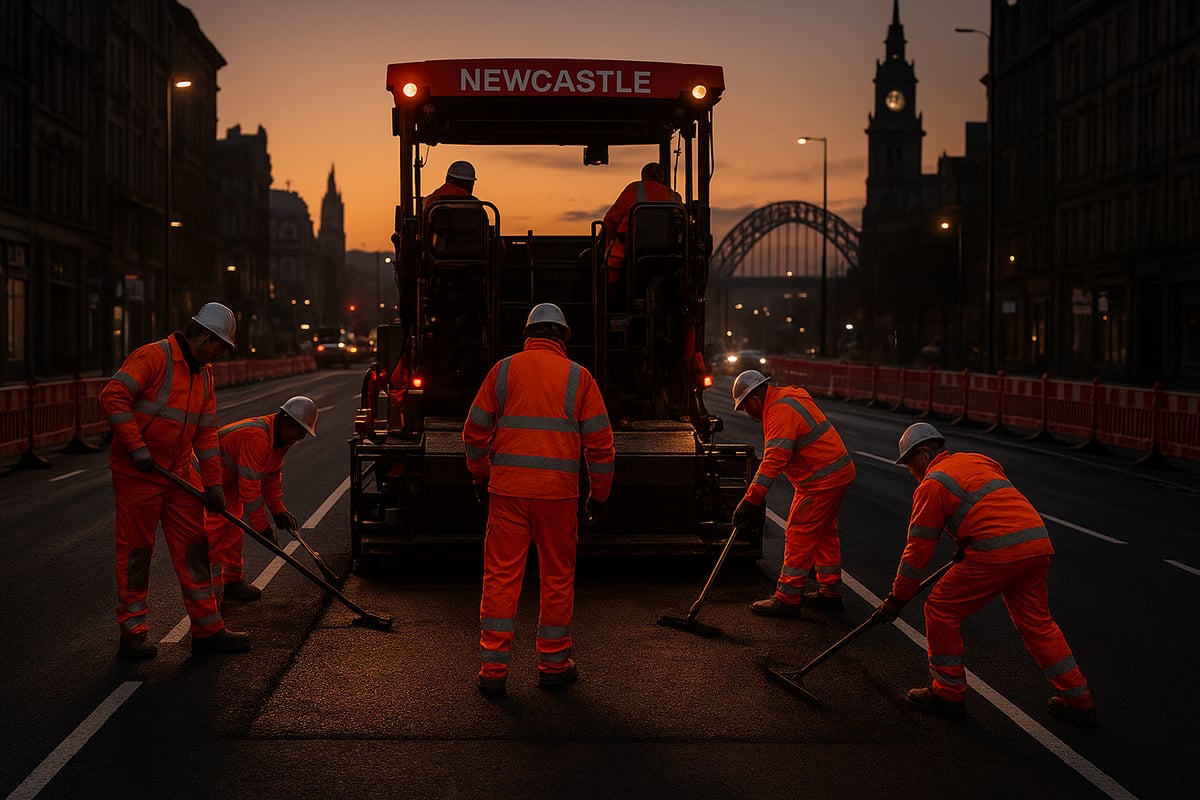
Newcastle upon Tyne has seen its road network evolve from cobbled streets to modern highways. Over the last few decades, the city has invested heavily in road surfacing newcastle upon tyne, often resurfacing main routes every 10 to 15 years. This interval aligns with regional standards and accounts for the effects of rising traffic volumes, which reached over 1.5 billion vehicle miles in 2024 (Newcastle road traffic statistics 2024).
Recent years have brought major resurfacing projects on key corridors like the A167 and city centre loops. Urban growth and frequent wet weather have increased surface wear, prompting the council to allocate additional funding for both planned upgrades and emergency repairs. Newcastle continues to benchmark its road quality against national performance indicators, striving to meet or exceed UK averages.
Types of Road Surfaces Used Locally
A range of materials is used for road surfacing newcastle upon tyne, with asphalt and tarmacadam being the most prevalent. Asphalt, composed of bitumen and aggregates, is favoured for its flexibility and durability, especially on high-traffic roads. Tarmacadam, a tar-based material, is widely used for residential streets and car parks. Concrete, although less common, is chosen for sections requiring extra strength, such as bus lanes or industrial estates.
Environmental considerations are increasingly important, with councils opting for recycled aggregates and surface dressing to extend lifespan. Surface dressing and tar & chip treatments are often applied to rural lanes. Roads like the Great North Road feature advanced asphalts, while some suburban areas use more traditional tarmacadam. To learn more about these methods and their applications, visit Road Surfacing Services Newcastle.
Common Road Issues in Newcastle upon Tyne
The unique climate and traffic patterns in Newcastle lead to recurring issues with road surfacing newcastle upon tyne. Potholes are a persistent problem, often caused by freeze-thaw cycles and heavy vehicle loads. Council reports indicate thousands of pothole repairs annually, with a backlog peaking in 2025. Surface cracks, rutting, and weather damage are common, particularly in areas with poor drainage.
Flooding and water ingress can accelerate surface breakdown, while the city’s network of buses and lorries contributes to accelerated wear. Community feedback highlights frustration with uneven surfaces and delayed repairs. Seasonal maintenance, especially during winter, poses additional challenges for the city’s maintenance teams.
Regulatory and Safety Standards
Strict regulations guide road surfacing newcastle upon tyne. The city adheres to UK standards, including the Specification for the Reinstatement of Openings in Highways, and ensures compliance with Section 278 requirements for works affecting public roads. Contractors must hold accreditations such as SafeContractor and CHAS, demonstrating commitment to health, safety, and quality.
Environmental regulations require sustainable practices, including the use of low-emission machinery and responsible waste management. Quality assurance processes are mandatory at every stage, from material selection to installation. Meeting these standards often impacts project timelines, but ensures safe, long-lasting roads for all users.
Key Stakeholders and Their Roles
A successful road surfacing newcastle upon tyne project depends on collaboration between several stakeholders. Newcastle City Council leads planning and funding, while private contractors and developers handle much of the physical work. Local businesses and residents are consulted to minimise disruption and address community concerns.
Utility companies coordinate closely to prevent conflicts with underground infrastructure. Effective stakeholder engagement is demonstrated in recent projects where phased closures and clear communication helped maintain access for emergency services and public transport. Funding comes from a mix of council budgets, government grants, and private investment, ensuring the city’s roads continue to meet the needs of a growing population.
Step-by-Step Road Surfacing Process in 2026
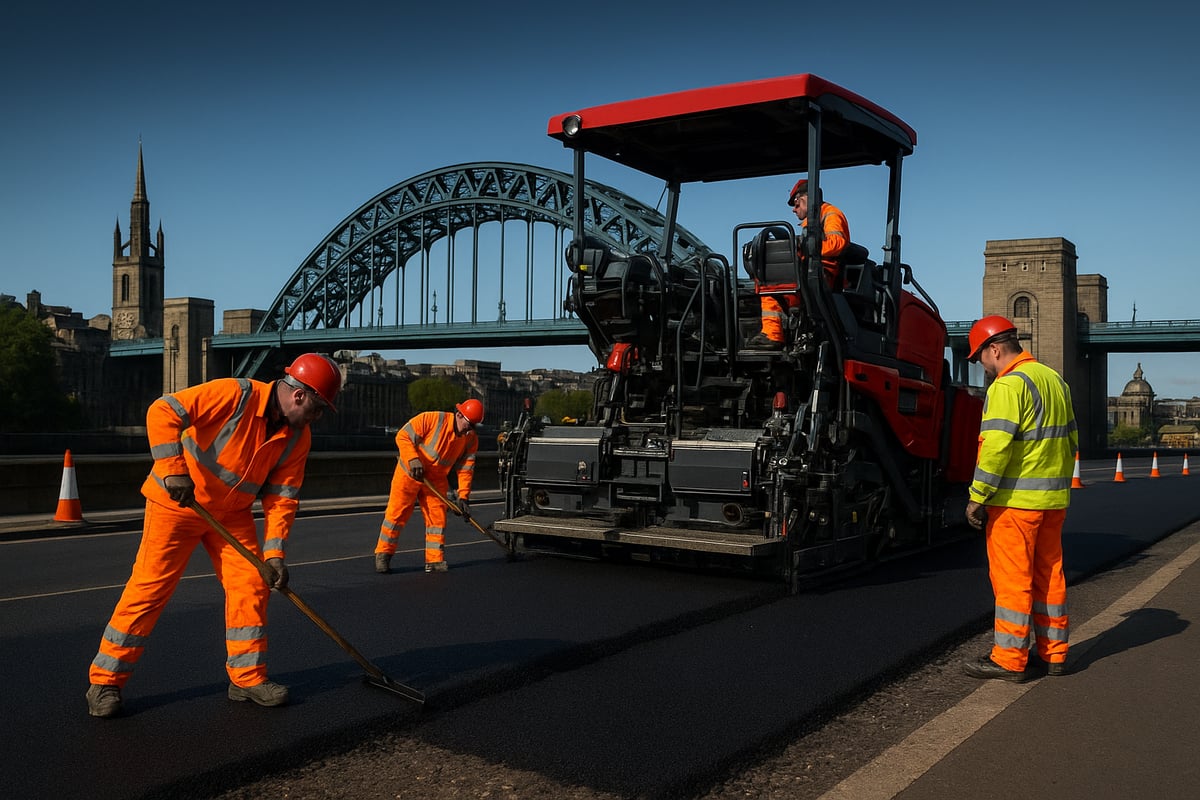
Delivering a high-quality road surfacing newcastle upon tyne project in 2026 demands careful planning, precise execution, and rigorous standards. Each stage, from assessment to handover, ensures Newcastle’s roads meet community needs and regulatory requirements.
Planning and Site Assessment
Every successful road surfacing newcastle upon tyne project begins with a detailed site assessment. The council or contractor carries out surveys to evaluate the current road condition and identify any underlying issues.
Traffic analysis helps determine the best times for work and potential impact on congestion. Environmental impact studies are also essential, especially near sensitive areas. Stakeholder consultations with residents and businesses ensure concerns are addressed early.
Budgeting and timeline estimation rely on accurate site data. For example, Newcastle City Council’s pre-project surveys often uncover drainage or utility challenges, which are factored into the plan. A well-structured assessment phase sets the standard for the entire project.
Design and Material Selection
The next phase of road surfacing newcastle upon tyne involves engineering a design tailored to local conditions. Contractors select materials such as asphalt, tarmacadam, or concrete based on durability, cost, and sustainability goals.
Designers increasingly incorporate recycled aggregates, balancing performance with environmental responsibility. Newcastle’s recent projects have favoured low-carbon materials and permeable surfaces to aid drainage.
All material choices must pass council approval and comply with national standards. This process ensures the new road surface will withstand heavy use and changing weather, while aligning with Newcastle’s commitment to greener infrastructure.
Preparation and Excavation
Before new layers can be added, the road surfacing newcastle upon tyne process moves to site preparation. Proper planning for road closures and traffic management keeps disruption to a minimum.
Contractors remove old surfaces and debris, often using advanced excavation machinery for efficiency. Drainage and utility lines are carefully checked and repaired if needed to prevent future issues.
Worker and public safety is prioritised throughout, with clear signage and barriers. Waste is sorted for recycling wherever possible. For compliance and best practice, teams follow the UK road reinstatement standards, ensuring high-quality reinstatement.
Laying the New Surface
Layering is a critical stage in any road surfacing newcastle upon tyne project. The process usually starts with a solid base, followed by a binder course, and concludes with a durable surface layer.
Paving machines and rollers ensure each layer is laid evenly and compacted to specification. Weather and temperature are closely monitored, as these factors affect material performance.
Quality control checks are performed continuously, using real-time monitoring equipment to verify evenness and compaction. In busy areas, rapid resurfacing techniques keep disruption short, allowing traffic to return quickly.
Finishing Touches and Line Marking
Once the main surface is complete, attention turns to the finishing details that set road surfacing newcastle upon tyne projects apart. Road markings are applied with precision, using reflective and anti-skid materials for safety.
Kerbs and drainage channels are installed, enhancing durability and accessibility. Final safety inspections are conducted to ensure compliance with all standards.
Communication with the community is key at this stage, notifying residents and businesses of the project’s completion. Upgrades in city centre line marking, for example, have improved both visibility and road safety for all users.
Handover and Reopening
The final step in road surfacing newcastle upon tyne is the official handover. Contractors conduct post-completion quality checks, documenting results and certifying the work for the council or private owner.
Early monitoring detects any defects, allowing for prompt resolution. All communication channels remain open, gathering feedback from local stakeholders.
Clear documentation and certification complete the process. Major routes are reopened according to planned timelines, ensuring Newcastle’s roads are ready to support the city’s growth and mobility needs.
Choosing a Road Surfacing Contractor in Newcastle upon Tyne
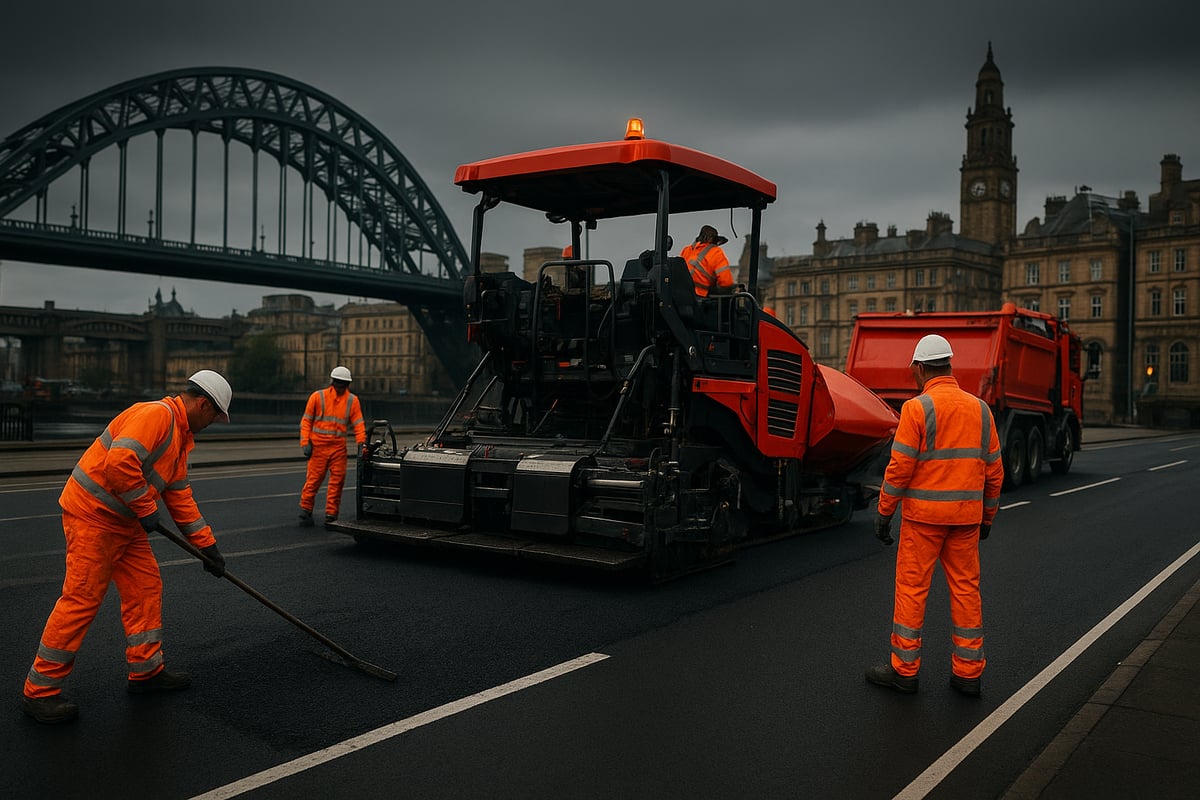
Choosing the right partner for road surfacing newcastle upon tyne projects is a critical decision that will shape the quality and longevity of your roads. With many contractors available, understanding what to look for ensures your investment delivers lasting results. Below, we outline the key considerations, highlight a trusted local expert, and provide practical steps to compare and select the best contractor for your needs.
Essential Qualities to Look For
When starting a road surfacing newcastle upon tyne project, it is vital to focus on specific contractor traits. Look for established accreditations such as SafeContractor or CHAS, which guarantee compliance with industry standards and safety protocols.
Experience with local projects is invaluable. Contractors should demonstrate a strong track record in Newcastle, with references or case studies to support their expertise. A skilled workforce and modern equipment ensure efficient, high quality work.
Insurance and liability coverage protect your investment. Transparent pricing, clear quotes, and positive client testimonials are further signs of reliability. By prioritising these qualities, you reduce the risks associated with road surfacing newcastle upon tyne contracts.
JRG Civils Ltd: Local Expertise in Road Surfacing
JRG Civils Ltd stands out in the road surfacing newcastle upon tyne sector as a trusted local civil engineering contractor. Their services cover highways, resurfacing, Section 278 works, and more, supporting both commercial and residential projects, including notable clients like Costa Coffee and Greggs drive-throughs.
The company holds respected accreditations such as SafeContractor and ConstructionLine Gold, affirming their commitment to quality and safety. JRG Civils Ltd offers tailored solutions and free, no obligation quotes, making them a preferred choice for many local developments.
To explore their expertise in highway projects, visit Highways and Carriageways Newcastle for a detailed look at their recent work and capabilities in road surfacing newcastle upon tyne.
Comparing Quotes and Contracts
Requesting and reviewing quotes is a vital step in any road surfacing newcastle upon tyne project. Always ensure that each quote is based on a thorough site assessment to avoid unexpected costs later. A comprehensive quote should detail materials, scope, labour, and warranties.
Comparing contractors involves more than just price. Evaluate the quality of materials, guarantee periods, and included aftercare. Review payment terms and schedules, and be wary of hidden charges.
Below is a sample comparison table for evaluating contractor quotes:
| Criteria | Contractor A | Contractor B | Contractor C |
|---|---|---|---|
| Materials Quality | High | Medium | High |
| Warranty Length | 5 years | 2 years | 3 years |
| Aftercare Included | Yes | No | Yes |
Making informed comparisons ensures your road surfacing newcastle upon tyne investment is both cost-effective and durable.
Questions to Ask Potential Contractors
Before finalising your choice for road surfacing newcastle upon tyne, ask targeted questions to assess each contractor’s suitability:
- What experience do you have with similar road types and traffic volumes?
- How do you manage project timelines and communication?
- What safety protocols and staff training do you follow?
- Can you explain your environmental policies and waste management approach?
- What strategies do you use to minimise disruption?
- Do you provide aftercare and maintenance support?
- Can you share references or a portfolio of recent projects?
These questions help clarify expectations and ensure the contractor aligns with your project goals for road surfacing newcastle upon tyne.
Avoiding Common Pitfalls
Selecting the wrong partner for road surfacing newcastle upon tyne can lead to costly mistakes. Avoid contractors lacking accreditation or proven experience, as this often results in substandard workmanship.
Using poor quality materials or skipping proper site preparation can compromise the road’s durability. Insist on clear, written contracts and documented agreements to prevent misunderstandings.
Be cautious of vague communication or unusually low pricing, as these may indicate hidden issues. Learn from past Newcastle projects where disputes arose due to unclear terms or unsatisfactory results. By staying vigilant, you can protect your road surfacing newcastle upon tyne project from common pitfalls and ensure a successful outcome.
Innovations and Future Trends in Road Surfacing (2026 and Beyond)
As 2026 approaches, innovation is reshaping road surfacing newcastle upon tyne. The city is embracing new materials, smart technology, and advanced construction methods to meet the demands of modern infrastructure. Let us explore the trends set to define the future of road surfacing newcastle upon tyne, from sustainability to climate resilience and evolving funding models.

Sustainable Materials and Green Technologies
The push for sustainability is transforming road surfacing newcastle upon tyne. Contractors are now prioritising recycled asphalt and eco-friendly binders to reduce carbon emissions. Low-carbon concrete alternatives are gaining traction, offering strength while lessening environmental impact.
Permeable surfaces are being introduced for better drainage and stormwater management. Some pilot projects are trialling solar-powered road technologies, aiming to generate clean energy directly from the carriageway. Newcastle is actively participating in green surfacing initiatives, supported by government incentives for sustainable infrastructure.
A recent case study highlights a pilot eco-road in the North East, using recycled materials and innovative processes. These advancements promise a greener future for road surfacing newcastle upon tyne.
Smart Road Technologies
Technology is at the heart of modern road surfacing newcastle upon tyne. The integration of embedded sensors allows for real-time monitoring of road conditions. These sensors help detect wear, temperature, and traffic loads, enabling predictive maintenance and minimising downtime.
Smart traffic management systems are being implemented to optimise flow and reduce congestion. Data analytics are supporting local authorities in making informed decisions about resurfacing schedules and maintenance priorities. Connected vehicle infrastructure is on the horizon, with Newcastle learning from leading UK and European cities.
The benefits of these smart technologies for road surfacing newcastle upon tyne include improved safety, efficiency, and longevity. As adoption grows, the city is poised to become a model for intelligent infrastructure.
Advanced Construction Methods
Efficiency is driving new approaches in road surfacing newcastle upon tyne. Rapid resurfacing techniques, such as overnight laying and quick-curing materials, help minimise disruption in busy areas. Modular or prefabricated road sections are being trialled for faster installation and reduced waste.
Robotics and automation are increasingly used in paving and compaction, improving precision and safety. Drones are deployed for site surveys and real-time inspections, offering detailed data without the need for road closures.
Recent trials across the UK demonstrate how these advanced methods can cut project timelines and costs. For contractors in road surfacing newcastle upon tyne, adopting these innovations is essential to remain competitive and deliver quality results.
Climate Resilience and Adaptation
Adapting to climate change is a top priority for road surfacing newcastle upon tyne. Roads now require enhanced drainage and materials that withstand extreme weather. Heat-resistant surfaces and freeze-thaw durable binders are being specified to cope with temperature fluctuations.
Local strategies include improved flood resistance and weatherproofing. Lessons from recent storms have prompted collaboration with environmental agencies and the adoption of sustainable drainage systems. For detailed guidance, the Sustainable drainage systems standards provide a framework for environmentally responsible road surfacing newcastle upon tyne.
Long-term planning and regular maintenance are crucial to ensure resilience. These measures help protect infrastructure and communities from future climate challenges.
Funding and Policy Developments
Funding is evolving for road surfacing newcastle upon tyne. Government investment is shifting toward sustainability and climate resilience, with new grant opportunities for green projects. Local authority budgets now prioritise long-term cost savings through durable materials and preventative maintenance.
Public-private partnerships are emerging, allowing the city to leverage private investment and expertise. Policy changes, both national and post-Brexit, are shaping the regulatory landscape for infrastructure projects. Community involvement in funding decisions ensures that local needs are met.
Looking ahead, Newcastle’s 2026–2030 road projects will benefit from these strategic shifts. The future of road surfacing newcastle upon tyne is one of innovation, collaboration, and sustainable growth.
Road Surfacing Maintenance and Aftercare
Effective maintenance is essential for the longevity and performance of road surfacing newcastle upon tyne. Well-planned aftercare ensures that both public and private surfaces remain safe, resilient, and cost-effective over time.
Routine Maintenance Tasks
Routine maintenance is the backbone of preserving road surfacing newcastle upon tyne. Regular inspections help identify early signs of wear, such as tiny cracks or surface discolouration. Cleaning and prompt debris removal prevent the build-up of materials that can accelerate deterioration.
Common tasks include:
- Crack sealing and minor patching
- Surface dressing and re-sealing at set intervals
- Refreshing line markings for visibility
The Newcastle City Council runs an annual maintenance programme, balancing its responsibilities with those of private owners. This proactive approach extends the lifespan of road surfacing newcastle upon tyne and minimises costly repairs.
Pothole Repairs and Emergency Response
Potholes are a persistent issue for road surfacing newcastle upon tyne, especially during wet winters and periods of frequent freeze-thaw cycles. The council monitors response times closely, aiming to address urgent defects rapidly.
The typical pothole repair process involves:
- Identifying and marking the defect
- Cleaning and preparing the area
- Applying rapid-setting repair materials
Residents can report potholes through online tools, which improves transparency and response rates. For context on the scale of challenges, Newcastle pothole repair backlog 2025 details the ongoing efforts and backlog facing the city. Addressing repairs quickly is vital to maintain the safety and reputation of road surfacing newcastle upon tyne.
Extending Surface Lifespan
Timely intervention is key to maximising the lifespan of road surfacing newcastle upon tyne. Preventative treatments, such as surface dressing and advanced weatherproof coatings, shield the surface from water ingress and UV damage.
Other strategies include:
- Upgrading drainage to reduce standing water
- Managing heavy vehicle routes to prevent premature wear
- Encouraging community reporting for early issue detection
Innovative monitoring technologies now enable early identification of weaknesses, supporting longer-lasting road surfacing newcastle upon tyne. Case studies in urban areas have demonstrated significant improvements in durability and cost savings through these approaches.
Health, Safety, and Accessibility Considerations
Safety is always a priority during maintenance of road surfacing newcastle upon tyne. Contractors must ensure clear signage, barriers, and safe pathways for pedestrians and cyclists. Compliance with accessibility standards is essential, especially near crossings and public spaces.
Best practice includes:
- Advance communication with affected residents and businesses
- Temporary rerouting of traffic to minimise disruption
- Use of reflective and anti-skid materials for enhanced safety
Legal obligations cover both public and private roads, with strict quality control protocols. For projects involving public highways, understanding Section 278 Works in Newcastle is crucial for compliance and safety assurance.
Cost Management and Long-Term Planning
Effective budgeting underpins sustainable maintenance for road surfacing newcastle upon tyne. Life-cycle cost analysis helps councils and private owners balance upfront investment with long-term savings.
Key elements of cost management:
- Transparent record-keeping of maintenance history
- Engaging contractors for routine and planned works
- Exploring council grants and funding opportunities
Planning for resurfacing cycles, usually every 10–15 years, allows for predictable budgeting. Long-term strategies ensure road surfacing newcastle upon tyne remains safe, efficient, and resilient for all users.
Frequently Asked Questions about Road Surfacing in Newcastle upon Tyne
Many residents and businesses have common questions about road surfacing newcastle upon tyne. A clear understanding helps you plan, maintain, and improve local infrastructure. Below, we address the most frequent queries to support your next project.
Top Questions from Residents and Businesses
- How often should roads be resurfaced in Newcastle?
- What is the difference between asphalt and tarmacadam?
- How long does surface dressing take?
- What materials are most common on local roads?
- Who is responsible for maintaining different types of roads?
- How to report a road surface problem?
- What is the process for getting a quote?
Understanding these key aspects of road surfacing newcastle upon tyne can help you make informed decisions for both public and private projects. If you are unsure about the specific responsibilities or repair timelines, contacting the local council or a reputable contractor is recommended.
Expert Answers and Practical Advice
Resurfacing frequency in Newcastle typically ranges from every 10 to 15 years, depending on traffic and weather. Asphalt and tarmacadam are both widely used for road surfacing newcastle upon tyne, with asphalt preferred for main roads due to its durability, while tarmacadam is common for smaller streets.
Surface dressing usually takes a few days, but timelines vary based on weather and road length. Local authorities maintain public roads, while private roads and driveways are the owner's responsibility. To report road issues, use the council's online forms or helplines. For quotes, arrange a site assessment with an accredited contractor and ensure you receive a detailed, written estimate.
Resources and Further Information
For more guidance on road surfacing newcastle upon tyne, explore these resources:
- Newcastle City Council roadworks and maintenance pages
- Industry bodies: SafeContractor, CHAS, ConstructionLine
- Local contractor directories and forums
- Guidance on Section 278 works
- Community reporting tools for road defects
- For private driveways, see Newcastle Driveway Surfacing for local project examples and advice
- Contact details for local support and council services
Accessing these resources ensures you have up-to-date information for your road surfacing needs.