
Navigating the complexities of Section 278 agreements is essential for any developer planning a Newcastle project in 2026. These agreements can be the key to unlocking timely approvals and smooth delivery.
This guide is designed to be your reliable roadmap for mastering the section 278 newcastle process, ensuring your development remains compliant and on track. We break down what Section 278 involves, walk you through each step, and highlight legal, technical, and financial requirements.
Discover how to avoid common pitfalls, understand who is involved, and stay ahead of new trends shaping Newcastle’s planning landscape. Let’s chart your path to project success together.
Understanding Section 278 Agreements in Newcastle
Section 278 agreements are a cornerstone for developers aiming to deliver successful projects in Newcastle. These legal frameworks ensure that any changes or improvements to public highways are properly managed, safeguarding both the city’s infrastructure and community interests. To navigate section 278 newcastle requirements effectively, understanding the basics and local nuances is essential.
What is a Section 278 Agreement?
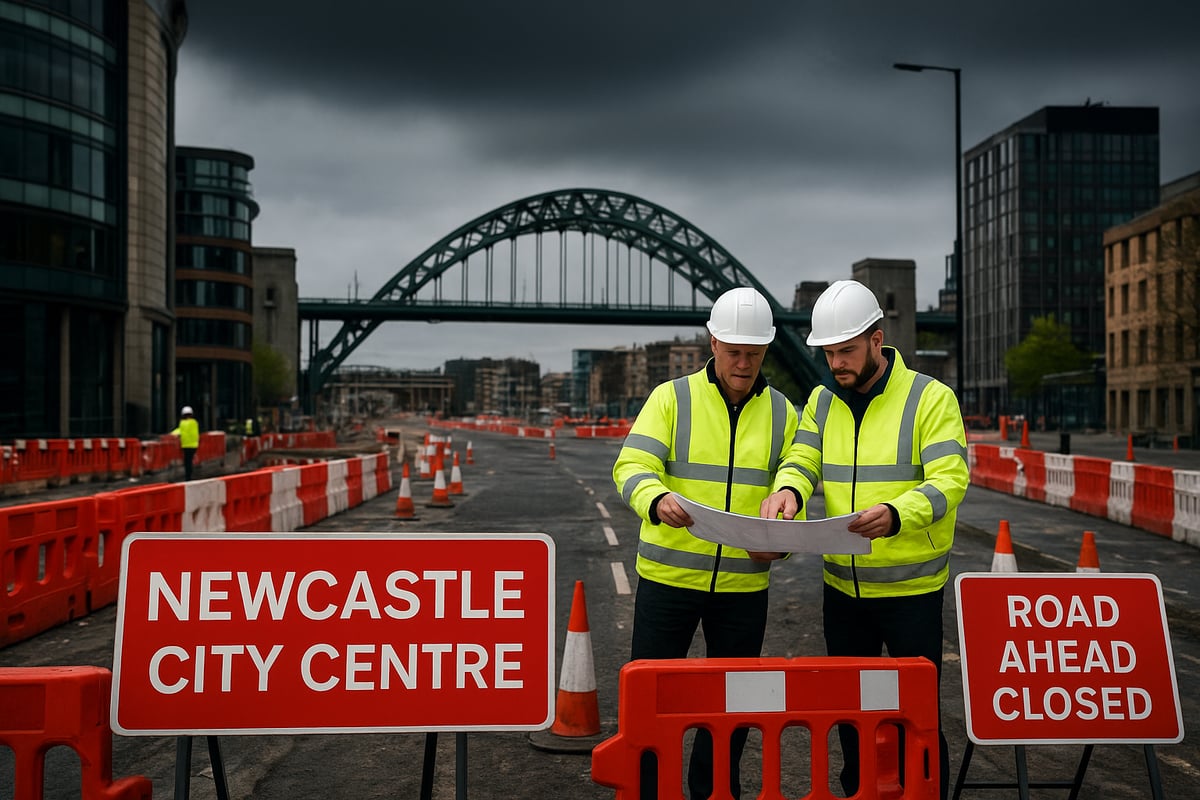
A Section 278 agreement is a legal contract under the Highways Act 1980. It allows developers to carry out works on existing public highways, ensuring that any changes align with safety and technical standards. For section 278 newcastle projects, these agreements are a statutory requirement whenever a development impacts the highway network.
Newcastle City Council has a clear process for these agreements. The council sets specific requirements for design, construction, and financial guarantees. Their approach ensures that all works are completed to a high standard, protecting public assets and minimising disruption to local communities.
Why Section 278 is Crucial for Newcastle Developments
Securing a section 278 newcastle agreement is often a condition of planning permission, particularly for commercial and residential schemes. Without it, developments that affect highways cannot proceed. Notable projects, such as city centre redevelopments and new retail parks, have all required robust S278 agreements to ensure safe access and traffic flow.
According to recent council data, a significant percentage of Newcastle schemes involve S278 works. For more details on the types of projects and their requirements, visit the Section 278 Works in Newcastle page for local insights and examples.
Stakeholders Involved
A successful section 278 newcastle process relies on coordination between several key parties. Developers are responsible for initiating the agreement and funding the works. Local planning authorities set the conditions, while highway authorities, such as Newcastle City Council, approve designs and oversee construction. Contractors carry out the physical work, often under the council’s supervision.
Early engagement among stakeholders is crucial. Clear communication and defined responsibilities help prevent delays and ensure that all parties are aligned from the outset.
Typical Works Covered Under S278
Section 278 newcastle agreements cover a wide range of highway improvements. Typical works include new junctions, access roads, installation of traffic signals, pedestrian crossings, and bus stops. Each project is tailored to the development’s needs and the surrounding infrastructure.
A prominent example is the recent upgrades to Quayside access, which included new crossings and improved road layouts to support increased traffic and pedestrian flows. Such enhancements are vital for integrating new developments with Newcastle’s transport network.
| Typical S278 Works in Newcastle | Example Projects |
|---|---|
| New junctions | City centre schemes |
| Access roads | Retail parks |
| Traffic signals | Quayside upgrades |
| Pedestrian crossings | Residential estates |
| Bus stop installations | Mixed-use developments |
Common Misconceptions
There are frequent misconceptions around section 278 newcastle agreements. One common confusion is the difference between Section 278 and Section 38 agreements. While Section 278 relates to works on existing highways, Section 38 covers new roads that will become public on completion.
Another misunderstanding involves responsibility and liability. Some believe that once works are completed, liability ends immediately. In reality, developers remain responsible during a defined maintenance period before the council fully adopts the works. Clarifying these points is essential for compliance and smooth delivery.
The Step-by-Step Section 278 Process in Newcastle
Navigating the section 278 newcastle process requires a clear understanding of each stage and its requirements. This roadmap will walk you through every critical phase, offering practical insights for developers aiming to achieve compliance and timely project delivery.

Step 1: Pre-Application and Feasibility
The journey of section 278 newcastle projects begins with a thorough pre-application phase. Early engagement with Newcastle City Council’s Highways Department is essential to identify site constraints and opportunities.
At this stage, developers should organise feasibility studies, including traffic surveys and site access assessments. These studies inform preliminary design considerations and help anticipate potential challenges.
Key actions:
- Arrange initial meetings with council officers
- Commission site investigations and surveys
- Prepare a feasibility report outlining proposed highway works
Starting strong at this step ensures your section 278 newcastle application is grounded in robust evidence, reducing risks of future delays.
Step 2: Planning Permission and Initial Discussions
Integrating section 278 newcastle requirements into your planning application is vital. Early discussions with planning and highways officers can reveal whether off-site highway improvements are likely to be a condition of consent.
Proactive developers include draft S278 proposals within their planning submissions, streamlining the approval process. Sharing outline designs and traffic impact assessments at this stage demonstrates commitment to compliance.
Typical tasks:
- Submit planning application with highway works outlined
- Liaise with planning and highways teams for feedback
- Revise proposals based on initial council input
Addressing section 278 newcastle needs early often leads to faster planning decisions and improved stakeholder confidence.
Step 3: Detailed Design and Technical Approvals
Once planning is granted, detailed design for section 278 newcastle works must meet strict technical standards. Newcastle City Council requires all designs to comply with their published specifications and safety requirements.
Developers submit technical drawings, calculations, and construction details for review. It is crucial to reference the council’s Design and Construction of Roads and Accesses Guide to ensure all criteria are met.
Key steps:
- Prepare full engineering drawings and specifications
- Submit for technical approval
- Respond promptly to queries or required amendments
Efficient handling of this stage helps progress your section 278 newcastle project towards legal agreement.
Step 4: Legal Agreement Negotiation and Signing
With technical approval secured, the section 278 newcastle process moves to the legal phase. A formal agreement is drafted, setting out the works, responsibilities, and financial securities.
Developers must negotiate terms, including required bonds or guarantees. Legal costs and council fees are clarified at this point. Thorough review of the agreement prevents misunderstandings and future disputes.
Important considerations:
- Review and comment on draft legal documents
- Arrange for execution by all parties
- Provide required bonds and proof of insurance
Completing this step formally authorises construction of your section 278 newcastle works.
Step 5: Construction and Supervision
Construction can commence once the section 278 newcastle agreement is signed and all pre-start conditions are met. Only approved contractors may undertake the works, ensuring compliance with council standards.
On-site inspections by Newcastle’s Highway Authority monitor progress and quality. Developers must maintain open lines of communication and promptly address any issues raised during inspections.
Checklist:
- Mobilise approved contractors
- Schedule regular council inspections
- Maintain site records and quality assurance logs
Diligent supervision during this phase safeguards the integrity of your section 278 newcastle project.
Step 6: Completion, Adoption, and Maintenance
Upon finishing construction, the section 278 newcastle process enters its final stages. The council inspects the works for compliance before issuing a provisional certificate.
A defects liability period follows, during which the developer remains responsible for rectifying any issues. Once this period concludes and all standards are met, the council formally adopts the highway works.
Final steps:
- Arrange completion inspection
- Address any snagging or defects
- Secure final adoption certificate
Proper management here ensures lasting value and compliance for your section 278 newcastle development.
Timeline Overview and Key Milestones
Understanding the typical timeline for section 278 newcastle projects helps with planning and resource allocation. Below is a sample timeline for a standard scheme:
| Milestone | Typical Duration |
|---|---|
| Pre-application and feasibility | 1–2 months |
| Planning and initial discussions | 2–3 months |
| Detailed design and technical approval | 2–4 months |
| Legal agreement negotiation | 1–2 months |
| Construction and supervision | 3–12 months |
| Completion and adoption | 1–2 months |
Factors influencing timelines include project complexity, council workload, and quality of submissions. Proactive management of the section 278 newcastle process at every stage promotes smoother delivery and helps avoid costly delays.
Legal, Technical, and Financial Requirements
Navigating the legal, technical, and financial requirements of section 278 newcastle projects is essential for a compliant and cost-effective outcome. Each stage demands attention to statutory obligations, technical details, and financial safeguards. By understanding these requirements, developers can progress with confidence and secure timely approvals for section 278 newcastle schemes.

Legal Obligations and Risk Management
Developers undertaking section 278 newcastle works must comply with the statutory duties set out in the Highways Act 1980. This means ensuring all proposed highway changes are legally authorised, with responsibilities clearly defined in the signed agreement.
Risk management is crucial. Indemnities must be in place to protect Newcastle City Council from third-party claims related to the works. Developers should also secure robust public liability insurance, covering any incidents that may arise during construction. Careful review of legal terms and early engagement with legal advisors can minimise exposure to disputes or enforcement action.
Technical Standards and Specifications
All section 278 newcastle proposals must adhere to Newcastle City Council’s technical standards. This includes compliance with the council’s design guides, materials specifications, and safety regulations. Key technical requirements cover road geometry, drainage, lighting, accessibility, and sustainable transport features.
For example, Newcastle increasingly prioritises sustainable drainage systems and high-quality cycle infrastructure in section 278 newcastle projects. Early liaison with council engineers ensures that technical submissions meet current expectations and avoid costly redesigns.
Financial Considerations
Accurate financial planning is vital for section 278 newcastle schemes. Costs typically include design fees, construction expenses, council charges, and required bonds. Developers must also provide financial guarantees, such as performance bonds, to ensure the works are completed to standard. Maintenance bonds may also be required for the defects liability period.
Typical cost ranges vary by project scale, but a small junction upgrade might range from £50,000 to £200,000, while larger schemes can exceed £1 million. For up-to-date guidance on cost calculations and funding options, consult the Developer Guidance on Highways and Transportation offered by Newcastle City Council.
| Cost Element | Typical Range |
|---|---|
| Design & Technical | £10,000–£50,000 |
| Construction | £40,000–£900,000+ |
| Council Fees | £5,000–£30,000 |
| Bonds (Performance) | 10–20% of cost |
Insurance and Bonds
Insurance and bonds are mandatory for all section 278 newcastle agreements. Performance bonds guarantee the works will be completed to the specified standard. Maintenance bonds, typically required for the defects liability period after completion, ensure any defects are rectified at the developer’s expense.
Contractors must provide adequate insurance, usually including public liability and professional indemnity cover. Developers should confirm that all parties’ insurance arrangements meet Newcastle City Council’s requirements before works commence.
Documentation and Record-Keeping
Comprehensive documentation is critical for section 278 newcastle compliance. Essential documents include approved technical drawings, legal agreements, inspection records, and completion certificates. Keeping accurate records supports smooth project delivery and provides evidence if issues arise during or after construction.
Developers are encouraged to establish a robust document management system early in the process. This proactive approach aids communication with Newcastle City Council and helps ensure all statutory and technical requirements are fully met.
Common Challenges and How to Overcome Them
Navigating section 278 newcastle projects can be complex, with multiple moving parts and stakeholders. Understanding the most common obstacles—and how to address them—can make the difference between timely success and costly setbacks.
Delays in Approvals and Construction
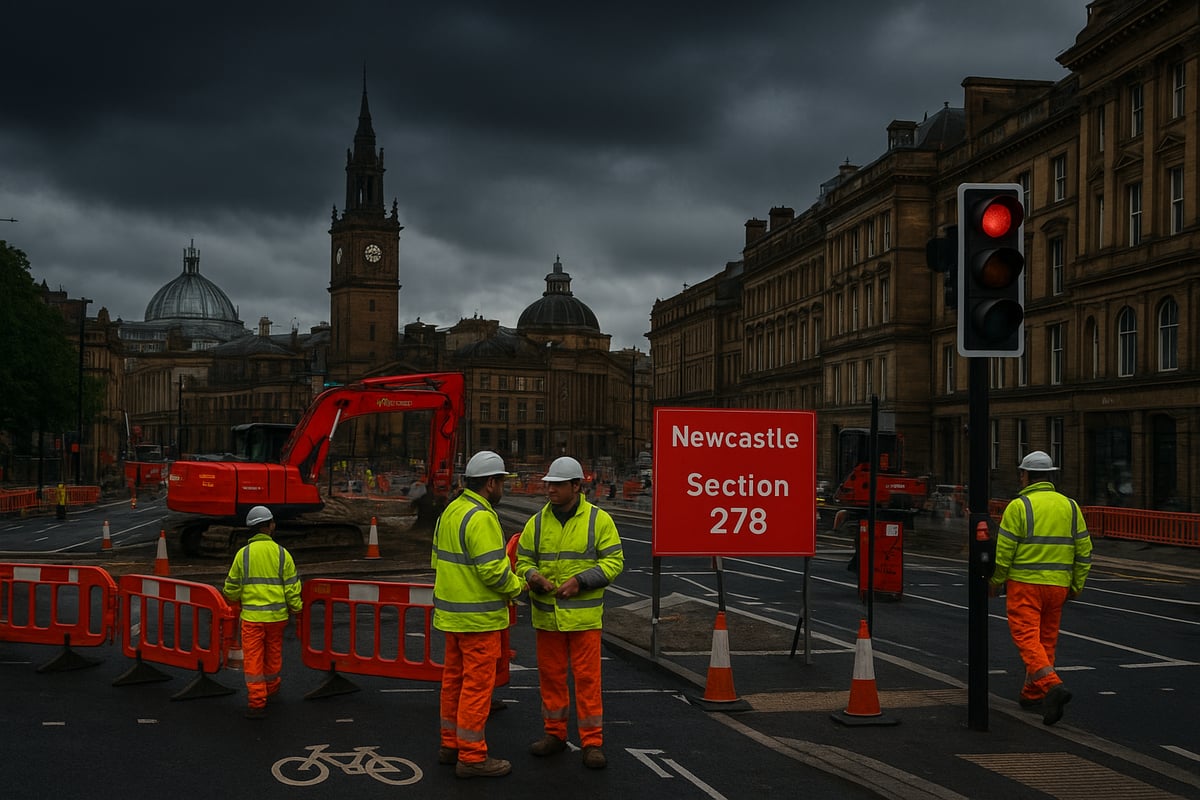
Delays are a frequent challenge for section 278 newcastle schemes. These can stem from incomplete documentation, late design changes, or stretched council resources.
To reduce the risk:
- Engage Newcastle City Council’s highways team early.
- Prepare comprehensive, accurate submissions.
- Maintain proactive communication throughout the process.
Early engagement and robust project management can help you avoid bottlenecks, saving both time and money. For more on the importance of preparation, see Section 278 Works Explained.
Cost Overruns and Budget Management
Cost overruns can derail even the best-planned section 278 newcastle projects. Unforeseen site conditions, changes in scope, or inaccurate initial estimates are typical culprits.
Effective strategies include:
- Detailed site investigations before finalising plans.
- Building financial contingencies into your budget.
- Regularly reviewing costs against progress.
Learning from past projects in Newcastle can help you forecast challenges and control spending.
Technical Non-Compliance
Failing to meet technical standards is a critical risk in section 278 newcastle work. Non-compliance can lead to rework, delays, and additional costs.
To ensure compliance:
- Follow Newcastle City Council’s design guides and technical requirements.
- Conduct internal quality checks before submitting designs.
- Engage specialist consultants if needed.
Addressing technical issues early prevents escalation and supports smoother project delivery.
Legal Disputes and Resolution
Legal disputes sometimes arise from misunderstandings over section 278 newcastle obligations or unexpected site risks. These can stall progress and increase costs.
To manage legal risks:
- Clearly define roles and responsibilities in the agreement.
- Use professional legal advice for drafting and negotiations.
- Resolve disputes promptly through negotiation or mediation where possible.
Having robust documentation and risk management processes is vital for avoiding and resolving disputes.
Stakeholder Coordination
Multi-party involvement is the norm in section 278 newcastle projects. Developers, council teams, and contractors must work closely together.
Best practices include:
- Setting up regular coordination meetings.
- Using clear communication channels.
- Assigning a dedicated project manager.
Effective stakeholder management prevents misunderstandings and keeps the project on track. For more on coordinated highway works, visit Highways and Carriageways Newcastle.
Case Study: Successful S278 Delivery in Newcastle
A recent section 278 newcastle project on the Quayside faced several hurdles, including late design changes and tight timelines. Early engagement with the highways authority, transparent communication, and regular progress reviews enabled the team to resolve technical and legal issues quickly.
Key takeaways:
- Prioritise early dialogue with all stakeholders.
- Maintain detailed records at every stage.
- Be proactive in addressing risks and challenges.
This approach delivered a successful outcome, with the scheme completed on schedule and to the required standard.
Future Trends and 2026 Outlook for Section 278 in Newcastle
The landscape for section 278 newcastle is rapidly evolving as we approach 2026. Developers and stakeholders must keep pace with legislative shifts, technological advancements, sustainability priorities, and increasing demands for skilled professionals. Understanding these trends is essential for future-proofing your projects and ensuring compliance.
Legislative and Policy Changes
By 2026, local and national highways policies affecting section 278 newcastle are expected to undergo significant updates. The government is prioritising streamlined planning frameworks and stricter sustainability targets, directly impacting how agreements are structured and approved. Newcastle City Council is also reviewing its own standards to align with national ambitions for greener, safer infrastructure.
Any changes will affect the responsibilities and processes for developers, making it vital to stay informed. For a broader understanding of these legal frameworks, the Section 278 Agreements Overview provides a helpful summary of current requirements.
Digital Transformation and Process Automation
The adoption of digital platforms is set to revolutionise the section 278 newcastle process. Newcastle City Council is investing in online submission portals, digital mapping, and automated approval workflows. These technologies will reduce paperwork, speed up reviews, and improve transparency for all parties.
Automation also supports better tracking of project milestones and compliance, making it easier for developers to manage obligations. Embracing digital tools early can provide a competitive advantage and streamline your project delivery.
Sustainability and Green Infrastructure
Sustainability will become a central pillar for section 278 newcastle projects by 2026. The council is encouraging designs that prioritise cycling, walking, and public transport, alongside green drainage and eco-friendly materials. Recent S278 projects have already integrated green corridors and enhanced pedestrian access across Newcastle.
These trends reflect wider policy aims to reduce emissions and create healthier urban environments. Developers should expect higher expectations for sustainable solutions and robust reporting on environmental impacts.
Skills, Resources, and Capacity Challenges
As demand for section 278 newcastle works grows, the need for skilled civil engineers, planners, and contractors will intensify. Newcastle faces a potential skills gap, with more complex projects requiring advanced technical expertise.
Initiatives are underway to attract and train local talent, but competition for experienced professionals remains high. Developers should build strong partnerships with reputable contractors and consider early engagement with specialist civil engineering firms, such as those highlighted in Civil Engineering Solutions Newcastle.
Preparing for 2026: Developer Checklist
To succeed with section 278 newcastle applications in 2026 and beyond, developers should:
- Monitor upcoming policy and legislative changes closely.
- Embrace digital submission and tracking tools.
- Prioritise sustainability in design and delivery.
- Engage early with skilled professionals and local authorities.
- Maintain up-to-date records and compliance documentation.
Resources and support are available from Newcastle City Council and industry bodies, helping you navigate evolving requirements and seize new opportunities for successful project delivery.