
Northumberland is rapidly emerging as a powerhouse in the UK’s construction and infrastructure sector. With ambitious projects and increasing investment, the region is capturing the attention of civil engineering professionals nationwide.
This guide provides in-depth insights into civil engineering northumberland, focusing on the trends, opportunities, and practical steps to succeed in 2026. It is designed for industry professionals, investors, and local stakeholders seeking a clear roadmap.
Inside, you will discover a comprehensive regional overview, analysis of sector trends, major projects, leading contractors, regulatory considerations, and a forward-looking perspective. Whether you want to capitalise on growth or stay ahead of the curve, this resource will show you how to get involved.
Northumberland’s Civil Engineering Landscape in 2026
Northumberland is entering a period of significant transformation by 2026, led by ambitious infrastructure plans and a focus on sustainable growth. The region is becoming a focal point for investment, innovation, and opportunity within the UK's civil engineering sector.
Regional Growth and Infrastructure Investment
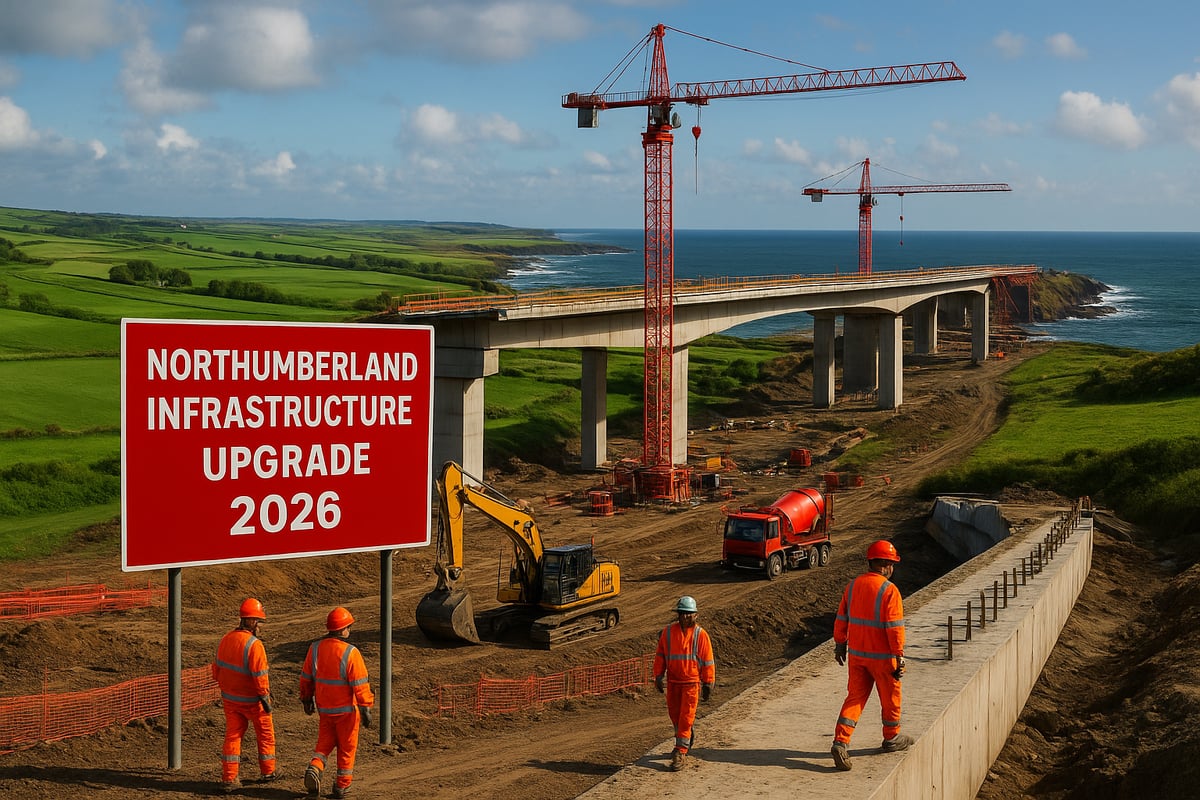
Civil engineering northumberland is being shaped by robust economic and population growth, with projections indicating steady expansion through 2026. Local authorities, supported by government and private sector partners, have committed substantial funding to infrastructure, including major roads, rail lines, and energy networks.
Infrastructure investment is forecast to exceed previous years, with key sectors driving demand for civil engineering northumberland:
- Transport: Upgrades to the A1, A19, and local bypasses.
- Housing: Large-scale residential developments and supporting amenities.
- Renewables: Wind, solar, and grid expansion projects.
Recent and upcoming projects include the completion of Bedlington infrastructure upgrades, the proposed Blyth Relief Road, and significant investment in green energy. Northumberland’s commitment to connectivity and resilience is evident in the Northumberland County infrastructure investments, which highlight ongoing efforts to support economic growth.
Compared to other UK regions, civil engineering northumberland stands out for its scale of planned works and the diversity of projects. These initiatives are creating a robust pipeline of opportunities for contractors, consultants, and suppliers alike.
Geographic and Environmental Considerations
The landscape of civil engineering northumberland is uniquely influenced by its geography. The region’s rural character, expansive coastlines, and protected areas present both logistical challenges and opportunities for innovation.
Project planning must carefully address environmental regulations. Northumberland’s civil engineering sector faces strict requirements to preserve natural habitats, manage construction in protected zones, and protect heritage sites. This regulatory environment has led to a strong emphasis on sustainable development and climate resilience.
Case studies such as coastal flood defence schemes demonstrate how civil engineering northumberland is adapting to these challenges. Recent projects along the coast have included innovative flood barriers and natural defences to safeguard communities from rising sea levels.
Sustainability is at the core of every major project, with local authorities and stakeholders demanding low-carbon materials and environmentally responsible construction methods. Civil engineering northumberland is increasingly recognised for its forward-thinking approach to balancing growth with stewardship of the land.
Key Trends Shaping Civil Engineering in Northumberland
Northumberland is experiencing rapid change, with new trends reshaping the future of civil engineering northumberland. These developments are creating fresh opportunities and challenges for contractors, investors, and stakeholders across the region.

Digital Transformation and Innovation
Digital transformation is at the heart of civil engineering northumberland. The adoption of Building Information Modelling (BIM), Geographic Information Systems (GIS), and advanced project management software is streamlining project delivery. Drones and AI-powered tools are now common for site surveys and progress tracking, reducing time and improving accuracy.
Contractors increasingly rely on digital mapping to overcome rural and coastal challenges, leading to better planning and cost control. For a comprehensive overview of how digital tools and specialist services are advancing the sector, see the Civil engineering services overview. These innovations are setting new standards for efficiency and collaboration in the region.
Sustainability and Green Construction
Sustainability is a defining trend in civil engineering northumberland. There is growing demand for low-carbon materials and construction methods, driven by both local authority requirements and client expectations. Projects are integrating renewable energy solutions, such as solar panels and wind turbines, into new builds and infrastructure upgrades.
Local authorities are encouraging sustainable development through stricter planning guidelines. Recent projects demonstrate how solar farms are being incorporated into housing and commercial developments. This commitment to green construction is positioning Northumberland as a leader in climate-resilient infrastructure.
Skills Shortages and Workforce Development
The rapid pace of growth in civil engineering northumberland has highlighted significant skills shortages. There is high demand for qualified engineers, project managers, and skilled tradespeople, with local employers struggling to fill key roles.
To address this, regional training initiatives and apprenticeship schemes have been launched, often in partnership with local colleges and universities. Data from recent years shows a persistent gap between workforce demand and supply. These efforts are crucial to building a sustainable talent pipeline for the future.
Supply Chain and Material Considerations
Supply chain management is a central concern in civil engineering northumberland. Contractors are balancing the benefits of sourcing local materials against the risks of national and global supply disruptions. The impact of Brexit and international events has led to fluctuating material costs and availability.
For major projects, the use of Northumberland-sourced aggregates and other materials is increasingly preferred, supporting the local economy. Effective supply chain strategies are vital to keeping projects on time and within budget, especially as demand rises.
Funding and Procurement Changes
Funding and procurement processes are evolving in civil engineering northumberland. There is a shift towards new frameworks that open more opportunities for small and medium-sized enterprises. Both public and private investment is forecast to increase, supporting a diverse range of infrastructure projects.
Recent updates to procurement policies by Northumberland County Council are reshaping how contracts are awarded. These changes aim to improve transparency, encourage competition, and streamline project delivery. Staying informed about funding sources and procurement requirements is essential for success in this dynamic market.
Major Civil Engineering Projects and Opportunities
Northumberland’s civil engineering northumberland sector is in the midst of a transformative era, with significant projects shaping the region’s landscape. From vital transport upgrades to renewable energy schemes, opportunities abound for professionals, investors, and local communities alike.
Transportation Infrastructure
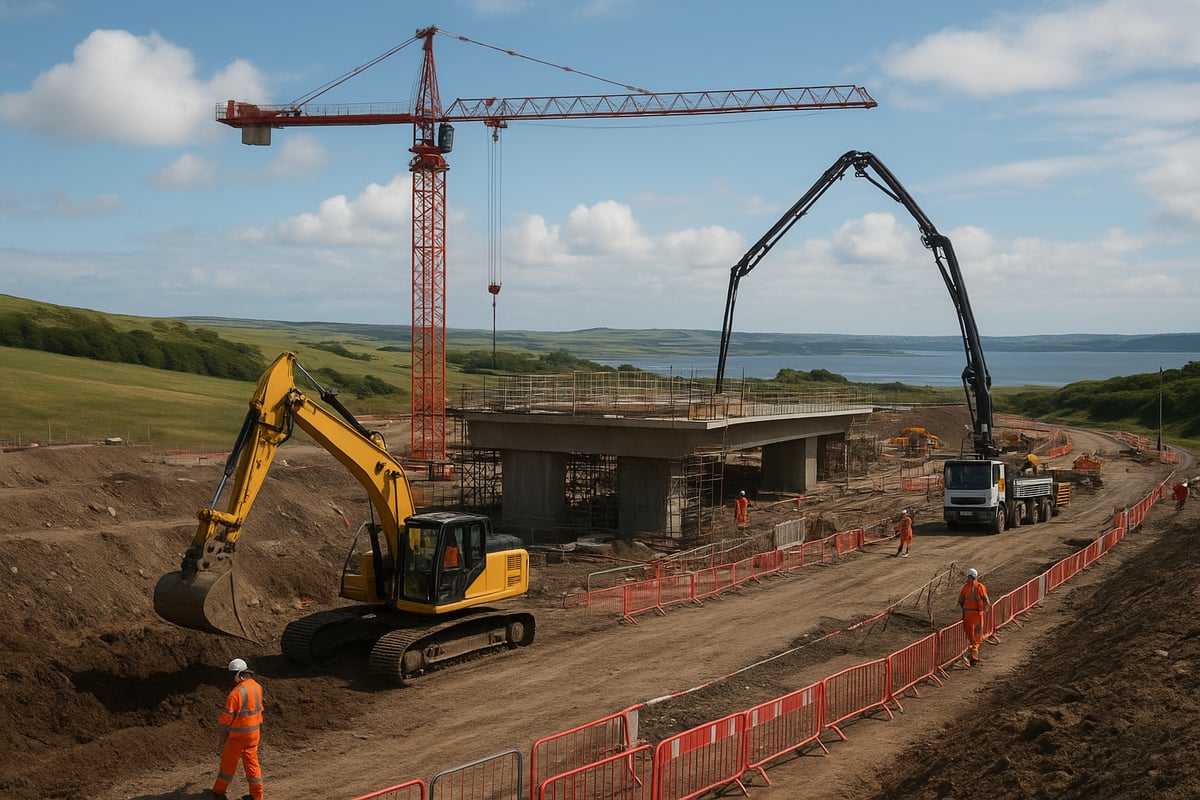
Investment in Northumberland’s transport network is driving demand for civil engineering northumberland expertise. Major upgrades on the A1 and A19 are easing congestion and improving connectivity. New bypasses are planned to support growing towns, while enhancements to the rail network, including new stations and track improvements, are underway.
Cycling and active travel infrastructure are receiving dedicated funding, with new cycleways linking urban and rural communities. The recent Bedlington road and rail improvements have set a benchmark for future schemes. Notably, the proposed Blyth Relief Road business case highlights how strategic investment can alleviate traffic pressure and support economic growth.
Housing and Urban Development
The civil engineering northumberland sector plays a central role in enabling new housing and urban regeneration. Large-scale developments are transforming brownfield and greenfield sites, with infrastructure works underpinning the creation of new communities.
Town centre regeneration schemes are revitalising high streets and public spaces. Civil engineers are delivering essential utilities, drainage, and access roads for thousands of new homes. According to the local development pipeline, Northumberland is set to see sustained growth in residential construction, creating further opportunities for contractors and suppliers.
Renewable Energy and Utilities
Northumberland’s commitment to renewable energy is generating significant civil engineering northumberland opportunities. Wind farms, solar installations, and hydroelectric schemes require expert planning, groundworks, and grid connections.
The Blyth offshore wind infrastructure stands out as a flagship project, combining advanced marine engineering with large-scale utility upgrades. Civil engineers are also working on expanding the electricity grid and supporting water and waste infrastructure, ensuring the region’s energy transition is both robust and sustainable.
Flood Defence and Coastal Management
Given Northumberland’s extensive coastline and river systems, flood defence and coastal management are critical components of civil engineering northumberland. Ongoing and planned projects include new flood barriers, riverbank reinforcements, and innovative drainage solutions.
Coastal erosion mitigation schemes are protecting vulnerable communities and habitats. The Amble coastal defence project is a prime example, where close collaboration between engineers, environmental consultants, and local stakeholders ensures both safety and sustainability. Environmental impact assessments are integral to every stage, aligning with stringent regional and national regulations.
Commercial and Industrial Projects
Industrial growth in Northumberland is fuelling demand for civil engineering northumberland services across commercial and logistics developments. Business park expansions and new logistics hubs are being delivered to support the region’s economic ambitions.
Civil engineers are tackling complex ground conditions and providing essential infrastructure for advanced manufacturing and distribution centres. The ongoing expansion of Northumberland Energy Park illustrates how strategic site development can attract investment, create jobs, and reinforce the county’s position as a hub for innovation and industry.
Leading Civil Engineering Contractors and Service Providers
Northumberland’s civil engineering sector is defined by a blend of local expertise, national presence, and robust support services. The region’s contractors and service providers underpin every major development, ensuring projects are delivered efficiently and to the highest standards.
Local and Regional Specialists
Local firms are the backbone of civil engineering northumberland, bringing deep understanding of the region’s geography and regulatory landscape. Many of these companies, such as HFF Civil Engineering, have delivered notable projects including infrastructure upgrades in Bedlington.
Services offered by regional specialists:
- Road surfacing and maintenance
- Piling and groundworks
- Excavation and demolition
- Drainage and utilities installation
These firms often collaborate with local authorities and private developers, ensuring projects meet strict quality and safety standards. To explore the expertise shaping the region, see North East civil engineers.
National and International Firms Operating Locally
Civil engineering northumberland also benefits from the involvement of major UK and international contractors. These organisations bring advanced technologies, extensive resources, and experience from projects across the country.
Collaboration between local specialists and national firms is common, particularly on large-scale infrastructure projects. This partnership model enhances knowledge sharing, drives innovation, and ensures the region remains competitive in project delivery.
The presence of leading contractors intensifies competition, leading to higher standards and improved outcomes for clients and stakeholders.
Key Services and Equipment Providers
A reliable supply chain is crucial for civil engineering northumberland, with plant hire companies, specialist equipment suppliers, and surveying services playing a vital role. Local providers deliver machinery, tools, and technical support tailored to the region’s unique conditions.
Key services supporting the sector:
- Plant and equipment hire
- Surveying and site investigation
- Materials supply (aggregates, concrete)
- Traffic management and logistics
Engaging local suppliers streamlines project timelines and reduces costs, while supporting the regional economy.
Training and Workforce Development Providers
Sustaining excellence in civil engineering northumberland depends on a skilled workforce. Local training centres and e-learning platforms partner with colleges and universities to deliver sector-specific courses and apprenticeships.
These initiatives address skills gaps, promote career development, and ensure a pipeline of talent for future projects. Ongoing investment in workforce development helps Northumberland maintain its reputation for quality and innovation in the industry.
Navigating Regulations, Planning, and Compliance
Navigating regulations, planning, and compliance is vital for success in civil engineering northumberland. The region’s unique landscapes, strict planning policies, and evolving safety and procurement rules shape every stage of project delivery. Understanding these frameworks ensures that projects proceed smoothly, meet legal requirements, and gain community support.
Planning Permission and Environmental Regulations
Securing planning permission for civil engineering northumberland projects requires a clear understanding of both local and national frameworks. Northumberland County Council manages the approval process, with strict policies to protect Areas of Outstanding Natural Beauty and heritage sites.
Developers must submit detailed environmental impact assessments, especially when working near protected coastlines or historic landmarks. Compliance with UK environmental legislation, such as the Environment Act 2021, is non-negotiable. Projects like coastal flood defences demonstrate how careful planning ensures both regulatory approval and environmental stewardship.
Early engagement with planning authorities can streamline decision-making and help anticipate potential obstacles, making regulatory navigation more efficient for civil engineering northumberland teams.
Health and Safety Standards
Health and safety standards are central to every civil engineering northumberland project. The UK Construction (Design and Management) Regulations 2015 set the baseline for site safety, but local enforcement can introduce additional requirements.
In 2025, updated site safety protocols focused on digital monitoring and enhanced risk assessments became standard in Northumberland. These changes aimed to reduce accidents and improve on-site communication. For example, many contractors now use digital checklists to ensure compliance before work begins each day.
Regular training and audits are essential to maintain compliance. By prioritising safety, civil engineering northumberland firms protect their workforce and reputation.
Procurement and Tendering Processes
Understanding procurement and tendering is crucial for those seeking to enter the civil engineering northumberland market. Local authority frameworks now favour transparent, competitive bidding, with increasing opportunities for SMEs.
The process begins with identifying suitable opportunities, preparing thorough documentation, and demonstrating past performance. Changes in procurement policy have placed greater emphasis on social value and sustainability. For a detailed overview of the steps involved, see the civil engineering contract process.
Success rates improve when bidders focus on clear, compliant submissions and maintain strong relationships with local stakeholders. Effective procurement strategies open doors for civil engineering northumberland projects of all sizes.
Community Engagement and Stakeholder Management
Community engagement is a cornerstone of civil engineering northumberland. Early and ongoing consultation builds trust and helps identify concerns before they become obstacles.
Best practices include:
- Hosting public information sessions
- Using digital platforms for feedback
- Involving local groups in design decisions
Effective stakeholder management ensures smoother project delivery and greater community buy-in. Recent infrastructure upgrades in Northumberland demonstrate how collaborative approaches can lead to positive outcomes, where local input shapes project priorities and timelines.
Funding and Grant Schemes
Accessing funding is a critical step for civil engineering northumberland initiatives. Both regional and national grant schemes are available, supporting projects that align with local economic and environmental goals.
Applicants must demonstrate clear benefits, robust planning, and compliance with all regulatory requirements. Recognition, such as the ICE North East Awards 2026, highlights successful projects that have navigated funding and compliance challenges.
A well-structured funding application, supported by strong community and stakeholder engagement, increases the likelihood of success for civil engineering northumberland projects.
Future Outlook: Challenges and Opportunities for 2026 and Beyond
Northumberland is on the brink of significant transformation in the coming years. The region’s civil engineering northumberland sector is primed to benefit from ambitious development, technological progress, and strategic partnerships. Understanding what lies ahead will help professionals, investors, and local stakeholders seize new opportunities and navigate potential challenges.
Projected Growth Areas
Civil engineering northumberland is forecasted to see robust growth across several sectors. Transport infrastructure, renewable energy, and housing are set to drive demand, with the pipeline for 2026 to 2030 including major road upgrades, new rail links, and green energy installations.
For a deeper look at what’s coming, the major civil engineering projects in the region reveal a strong focus on sustainable transport corridors and large-scale housing developments. The scale and diversity of these projects set Northumberland apart from many other UK regions, offering a wealth of opportunities for skilled professionals and forward-thinking businesses.
Technological Advancements
Innovation is transforming civil engineering northumberland, with digital tools and automation now standard on many sites. Building Information Modelling (BIM), Geographic Information Systems (GIS), and AI-driven project management are being adopted to streamline workflows and enhance accuracy.
Firms investing in drone surveys and remote monitoring are gaining a competitive edge. These advancements reduce risk, improve project timelines, and support better environmental management, making them essential for future success in the region.
Sustainability and Climate Adaptation
Sustainability is no longer optional in civil engineering northumberland. Projects must now meet strict environmental standards, with low-carbon materials and renewable energy integration at the forefront. Local authorities are pushing for climate-resilient infrastructure that can withstand extreme weather and coastal challenges.
The shift towards net-zero construction is creating new markets for sustainable solutions. Civil engineers who can demonstrate expertise in green building techniques are likely to see increased demand as Northumberland positions itself as a leader in sustainable development.
Skills and Workforce Evolution
The expansion of civil engineering northumberland is driving demand for a highly skilled workforce. There are ongoing efforts to address skills shortages through regional training initiatives, apprenticeships, and partnerships with local colleges and universities.
Key focus areas include digital engineering, environmental management, and project leadership. Attracting and retaining talent will be critical, requiring investment in both upskilling existing staff and appealing to new entrants from diverse backgrounds.
Investment and Partnership Opportunities
The evolving landscape of civil engineering northumberland offers a range of investment opportunities. Public-private partnerships are becoming increasingly important, particularly for large-scale infrastructure and regeneration projects.
Local businesses can gain a strategic advantage by aligning with regional growth priorities and collaborating with national and international firms. Access to new funding streams, such as green grants and innovation funds, will open doors for those ready to adapt to emerging trends.
Risks and Mitigation Strategies
Despite the promise, civil engineering northumberland faces several risks. Economic uncertainty, regulatory changes, and environmental challenges are top concerns. Firms must develop robust risk management strategies, focusing on compliance, flexible procurement, and proactive stakeholder engagement.
A practical approach includes scenario planning and investing in digital risk assessment tools. By preparing for a range of outcomes, companies can build resilience and maintain momentum in a changing environment.
Regional Collaboration and Innovation
Regional collaboration is shaping the future of civil engineering northumberland. Industry networks and joint ventures are fostering knowledge-sharing and driving innovation. The Union Chain Bridge restoration is a prime example, uniting local expertise with international best practice to deliver a landmark project.
Such partnerships not only boost technical capability but also showcase Northumberland’s reputation as a hub for ambitious, forward-thinking engineering. As the region looks ahead, collaboration will remain a cornerstone of sustainable growth.