
The highways and road surfacing sector is on the brink of dramatic change as we approach 2026. New standards, innovative technologies, and a growing focus on sustainability are reshaping the industry at every level.
This guide delivers expert insights for infrastructure professionals, local authorities, and contractors navigating the evolving highways and road surfacing environment. You will find up-to-date trends, advanced materials, regulatory shifts, and proven best practices to help you lead successful road projects.
Explore the latest material innovations, anticipate regulatory changes, embrace modern construction processes, and discover strategies for sustainability and maintenance. The urgency to adapt has never been greater—those who act now will set new benchmarks in road infrastructure excellence.
The Evolution of Highways and Road Surfacing: 2026 Landscape
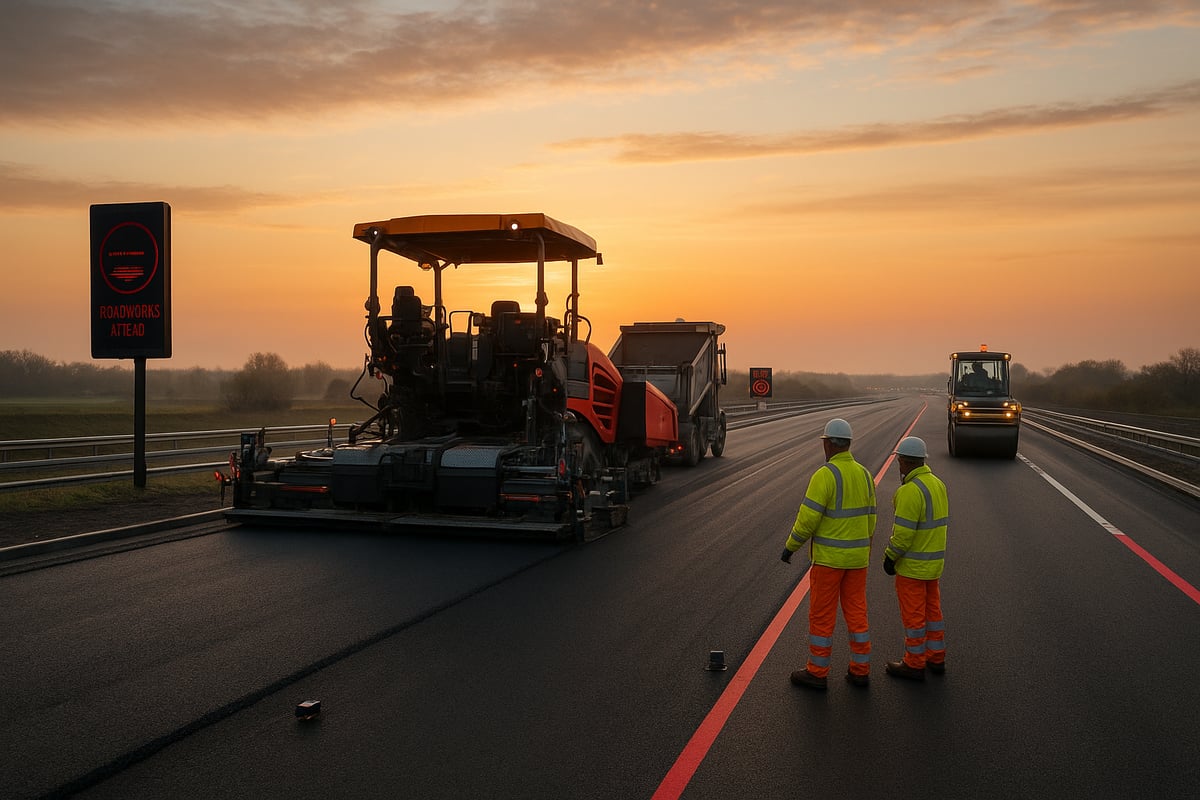
The highways and road surfacing sector is experiencing a period of rapid transformation as we approach 2026. The industry, once reliant on traditional practices, is now embracing innovation and sustainability to meet the demands of a changing world. Understanding this evolution is crucial for anyone involved in delivering modern, resilient infrastructure.
Historical context and recent advancements
Historically, highways and road surfacing in the UK have relied on asphalt and concrete as primary materials. For decades, these methods provided durability and efficiency, but they also presented challenges related to maintenance, environmental impact, and cost.
Over the past ten years, the sector has witnessed significant milestones, including the completion of major projects such as the A14 Cambridge to Huntingdon upgrade and the rollout of Smart Motorways. These initiatives introduced new standards for efficiency and safety. The HS2 rail project, while not a road scheme, also spurred innovation by requiring advanced access roads and logistics support.
A notable shift has occurred towards digitalisation, with smart infrastructure and real-time monitoring now playing a pivotal role in managing assets and reducing downtime. Today, highways and road surfacing projects increasingly integrate digital tools to enhance quality and predict maintenance needs.
Key trends shaping 2026
Looking ahead, several trends are set to define the highways and road surfacing landscape in 2026. The integration of Internet of Things (IoT) devices and embedded sensors allows for real-time data collection on traffic flow, surface conditions, and safety incidents.
There is a marked rise in demand for sustainable, low-carbon materials, as environmental targets become more stringent. Government investment remains robust, with the Strategic Road Network Interim Settlement 2025 to 2026 allocating nearly £5 billion to upgrade and future-proof UK roads. Safety and accessibility are also in sharper focus, driven by both policy and public expectation.
Regulatory and policy changes
The regulatory framework governing highways and road surfacing is evolving rapidly. Updates to the Design Manual for Roads and Bridges (DMRB) are expected in 2025 and 2026, introducing stricter guidelines on materials performance and sustainability.
New standards require comprehensive carbon reporting, pushing contractors to adopt greener practices. Brexit has impacted both material sourcing and regulatory alignment, prompting the industry to adapt swiftly to avoid project delays and cost increases. Navigating these changes is essential for compliance and competitiveness.
Industry perspectives
Leading civil engineering institutions such as the Institution of Civil Engineers (ICE) and the Chartered Institution of Highways and Transportation (CIHT) have provided valuable insights into the direction of the sector. Recent case studies illustrate how innovative standards are being adopted, particularly in urban resurfacing and major trunk road upgrades.
According to government data, more than £27 billion was allocated for UK road upgrades between 2020 and 2025. This level of investment underscores the strategic importance of highways and road surfacing in supporting economic growth and mobility.
Challenges and opportunities
Despite progress, the sector faces several challenges. Skills shortages and the need for workforce upskilling remain pressing concerns. Balancing innovation with cost-effectiveness is a constant struggle, especially as new technologies and materials enter the market.
Managing public expectations is also critical, as communities demand minimal disruption during works. However, these challenges present opportunities for those willing to invest in training, collaboration, and forward-thinking project planning. By embracing change, the highways and road surfacing industry can deliver safer, more sustainable networks for the future.
Modern Materials and Technologies Transforming Road Surfacing
The highways and road surfacing sector is experiencing a pivotal shift as 2026 approaches. Innovations in materials and cutting-edge technologies are not only raising the bar for performance but also setting new benchmarks for sustainability and resilience. Understanding these changes is crucial for anyone involved in highways and road surfacing projects.
Next-generation surfacing materials
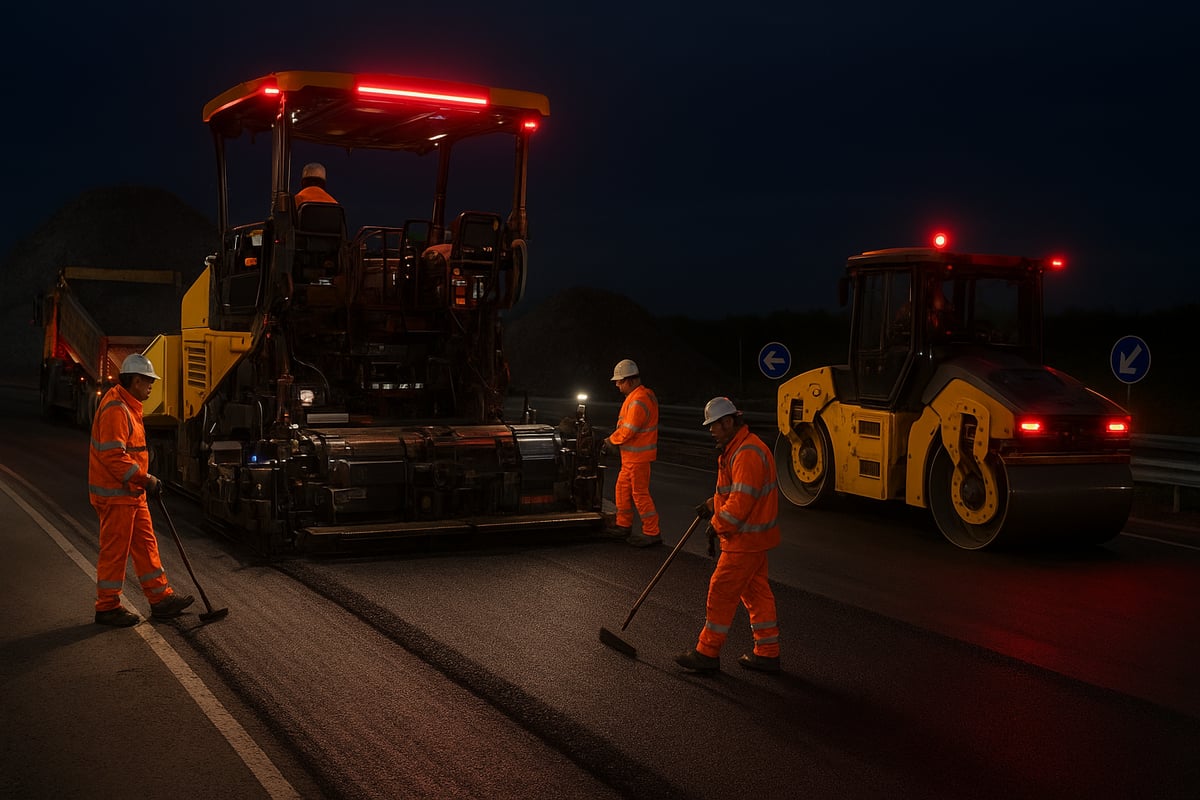
Material innovation is redefining highways and road surfacing. Today’s projects increasingly rely on advanced asphalt mixes such as polymer-modified and warm mix asphalt, offering enhanced durability and reduced emissions. Contractors are also embracing recycled and reclaimed materials, including Reclaimed Asphalt Pavement (RAP), rubberised asphalt, and glassphalt, all contributing to a circular economy.
Concrete technology has advanced as well. Ultra-thin overlays and fibre-reinforced concrete now deliver higher strength with less material, extending the lifespan of highways and road surfacing. Permeable and porous surfacing options are gaining popularity, especially in flood-prone areas, allowing water to drain efficiently and reducing surface pooling.
To help compare the options, consider the table below:
| Material Type | Typical Lifespan (years) | Relative Cost | Environmental Impact |
|---|---|---|---|
| Polymer-modified Asphalt | 20-25 | Medium | Lower emissions |
| RAP/Recycled Asphalt | 15-20 | Low | High recycled content |
| Ultra-thin Concrete Overlay | 20+ | High | Reduced resource use |
| Porous Asphalt | 15-18 | Medium-High | Improved drainage |
Choosing the right mix of materials for highways and road surfacing projects is essential for balancing performance, cost, and sustainability.
Technological advancements
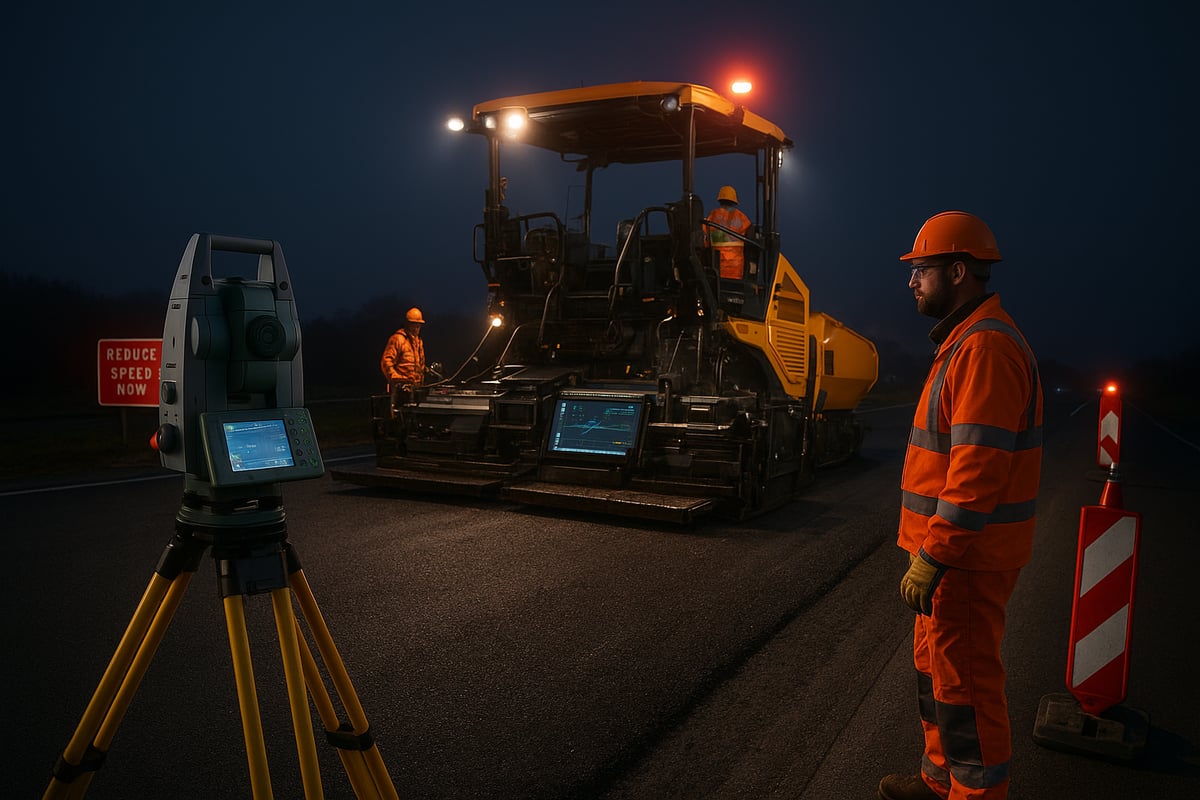
Digital transformation is at the forefront of highways and road surfacing. Automated paving and compaction equipment now deliver consistent quality, reducing manual errors and increasing productivity. 3D paving control systems and machine guidance help ensure precise layer thickness and alignment, critical for long-term road performance.
Drones have become standard for surveying and quality assurance, providing real-time aerial imagery and data. This technology enables rapid detection of issues, minimising rework and delays. Digital twins are another breakthrough, creating virtual replicas of road assets to support predictive maintenance and lifecycle management.
These advancements streamline highways and road surfacing operations, allowing teams to work smarter and safer. Automation is not just a future trend but an integral part of today’s best practice.
Sustainability and environmental impact
Environmental responsibility is shaping every aspect of highways and road surfacing. The adoption of low-carbon binders, such as bio-based materials and recycled plastics, is now widespread. Life Cycle Assessment (LCA) tools guide material selection, ensuring lower overall emissions and resource use.
Government incentives are encouraging green surfacing solutions, supporting the industry’s shift towards sustainability. For example, London’s 2023 pilot of recycled plastic roads has demonstrated both environmental and performance benefits. For a deeper dive into the industry’s net-zero ambitions, The Future of Low Carbon Roads explores how innovation is driving sustainable highways and road surfacing.
The integration of these practices is not only reducing carbon footprints but also meeting growing regulatory requirements, positioning highways and road surfacing projects for long-term success.
Performance and durability considerations
Performance remains a top priority in highways and road surfacing. Skid resistance and optimal surface texture are essential for user safety, particularly in wet or high-traffic conditions. New materials and techniques offer improved durability, with noise-reducing surfaces now standard in urban environments to limit disruption to nearby communities.
Data from the National Asphalt Pavement Association indicates that polymer-modified asphalt can cut maintenance costs by 20 percent, making it a smart investment for local authorities. Real-world deployments across the UK, from major trunk roads to urban streets, showcase how innovative surfacing extends intervals between repairs and enhances overall road quality.
By focusing on performance metrics, highways and road surfacing professionals can deliver infrastructure that stands up to modern demands and future challenges.
Step-by-Step Guide: Road Surfacing Process in 2026
Delivering successful highways and road surfacing projects in 2026 relies on a structured, future-ready approach. Each phase, from planning to maintenance, must integrate cutting-edge technology, regulatory compliance, and sustainability. Here, we guide you through every step, ensuring your projects meet the sector’s evolving standards.
Pre-construction planning and design
Every highways and road surfacing project begins with robust pre-construction planning. Site assessments and geotechnical investigations determine ground conditions, informing the optimal design approach. Digital modelling, using BIM and GIS, allows precise visualisation of proposed works, enabling teams to identify risks before construction begins.
Environmental impact assessments are now a regulatory requirement, ensuring compliance with the latest sustainability standards. Early and meaningful stakeholder consultations help to identify community concerns, secure local authority approvals, and minimise disruption. Integrating these steps builds a solid foundation for highways and road surfacing success in 2026, while ensuring the project will satisfy both environmental and operational goals.
Material selection and procurement
Selecting materials for highways and road surfacing in 2026 demands a balance between performance, sustainability, and cost-effectiveness. Project teams evaluate criteria such as durability, recyclability, and carbon footprint, often using digital tools for Life Cycle Assessment.
A growing emphasis is placed on sourcing recycled and low-carbon materials, in line with government directives. Procurement processes must ensure all materials meet updated DMRB specifications and traceability standards. Collaboration with suppliers who specialise in Highways and Carriageways Services North East can offer valuable insight into innovative products and local sourcing, helping streamline delivery and compliance.
Construction sequence and best practices
Surface preparation remains a critical step, involving grading, drainage installation, and sub-base stabilisation. With highways and road surfacing projects in 2026, automated paving and AI-driven machinery ensure consistent compaction and precise material placement, reducing human error and increasing speed.
Best practices recommend phased construction to minimise traffic disruption. Digital verification and on-site quality control testing, including real-time sensor data, confirm that each layer meets strict performance criteria. Teams document every stage digitally for traceability and future reference, ensuring both accountability and efficiency.
Health, safety, and compliance
Safety is paramount in highways and road surfacing work. Enhanced PPE, including smart wearables, protects workers on site. Updated site safety protocols focus on hazard identification, safe machinery operation, and dynamic risk assessments.
Effective traffic management strategies, such as digital signage and real-time alerts, keep road users safe and informed. All activities must comply with the latest CDM regulations, updated for 2026, which emphasise proactive hazard mitigation and regular safety briefings. Regular audits help maintain the highest safety standards throughout the project lifecycle.
Common challenges and mitigation
Modern highways and road surfacing projects face unpredictable weather, supply chain disruptions, and public scrutiny. To address these, teams develop contingency plans that account for adverse conditions and alternative materials.
For example, in Manchester’s 2024 resurfacing programme, phased night-time works and advanced notification systems helped manage urban congestion. Proactive communication with stakeholders, along with flexible scheduling and resource allocation, ensures challenges are met with minimal project delays and community impact.
Post-construction quality assurance
Quality assurance continues beyond construction completion. Detailed final inspections, using digital tools and sensor data, verify that highways and road surfacing meet all contractual and regulatory requirements.
Digital records and comprehensive handover documentation support ongoing asset management. Setting up predictive maintenance schedules, informed by real-time monitoring, maximises lifespan and reduces future interventions. This approach ensures that every completed project remains safe, durable, and cost-effective for years to come.
Sustainability and Future-Proofing Highways
The highways and road surfacing sector faces mounting pressure to deliver infrastructure that is both sustainable and resilient. As the industry approaches 2026, environmental responsibility, climate adaptation, and social value are at the forefront of every road project. Future-proofing is now a core requirement, not just an aspiration.
Reducing environmental impact
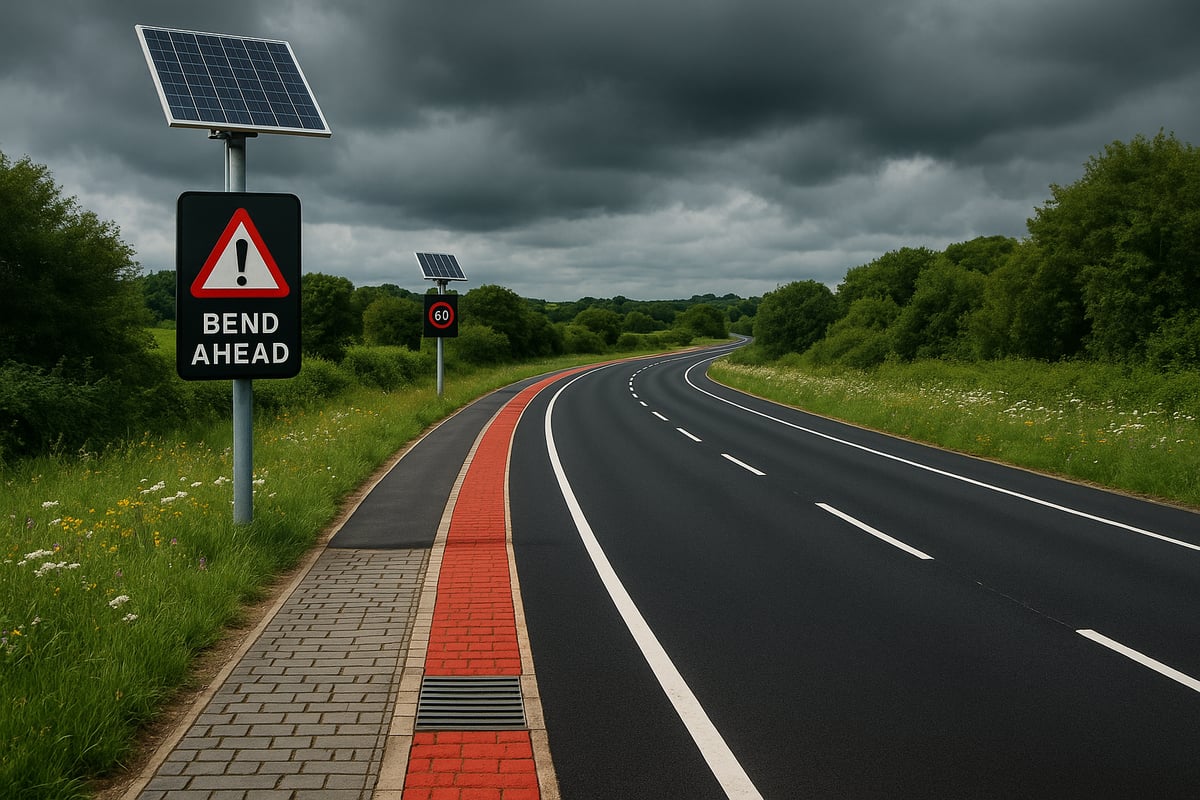
Reducing the environmental impact of highways and road surfacing is a top industry priority. Modern projects are embracing low-carbon construction methods, aiming to lower embodied carbon at every stage. The use of recycled materials is accelerating, with a Department for Transport forecast indicating that 35% of UK road projects will use recycled materials by 2026.
Circular economy principles are also reshaping material selection. Contractors increasingly favour reclaimed asphalt, recycled aggregates, and lower-energy binders. These choices not only reduce landfill waste but also help meet new carbon reporting requirements.
Additionally, energy-efficient processes, such as warm mix asphalt and in-situ recycling, are becoming standard. Together, these strategies are setting new benchmarks for sustainability in highways and road surfacing.
Climate resilience and adaptation
Designing highways and road surfacing to withstand extreme weather is critical. The UK faces more frequent flooding, heatwaves, and freeze-thaw cycles, demanding climate-resilient solutions. Permeable surfaces and Sustainable Drainage Systems (SUDS) are now integral to flood mitigation strategies.
A notable example is the flood-resistant highways in Yorkshire, completed in 2025, which combined porous asphalt with enhanced drainage channels. These features reduce surface water and extend pavement life.
For further insights into resilience and low-carbon innovation, industry professionals can explore the Highway Network Resilience and Impact of Low Carbon Technologies symposium, which addresses climate challenges in highways and road surfacing.
Social and economic sustainability
Highways and road surfacing projects now emphasise social and economic sustainability as much as technical performance. Enhancing accessibility is central, with new designs ensuring all users, including those with disabilities, benefit from safe and convenient routes.
Community engagement is also vital. Early consultation minimises disruption and builds public trust. Prioritising local supply chains supports regional economies and reduces transport emissions.
The result is infrastructure that delivers long-term value for communities, aligning with broader government sustainability goals. Highways and road surfacing teams are now measured as much by their social impact as by their technical achievements.
Innovation in maintenance and repair
The maintenance of highways and road surfacing is being transformed by digital innovation. Predictive maintenance using AI and embedded sensors enables early detection of defects, reducing costly emergency repairs. Rapid repair materials, such as self-healing asphalt and fast-curing resins, are also gaining traction.
A recent smart maintenance pilot on the M62 demonstrated the benefits of sensor-driven asset management, cutting response times and improving road safety. These technologies extend pavement lifespan and improve user experience.
Embracing such innovations ensures highways and road surfacing networks remain reliable and cost-effective far into the future.
Policy and funding landscape
The sustainability of highways and road surfacing is underpinned by evolving policy and increased funding. Green infrastructure initiatives and local authority targets for 2026 are driving the adoption of environmentally friendly materials and processes.
Industry partnerships are fostering innovation, while new funding streams support the transition to low-carbon construction. Local governments are setting ambitious sustainability benchmarks, requiring contractors to demonstrate compliance and continuous improvement.
Staying informed about policy changes and funding opportunities is crucial for all stakeholders in highways and road surfacing. This proactive approach ensures projects are not only future-proofed but also deliver maximum value for money and the environment.
Maintenance Strategies and Lifecycle Management
Effective maintenance is the cornerstone of resilient highways and road surfacing. With increased investment and technological advancements, the sector is shifting from reactive repairs to proactive, data-driven lifecycle management. This ensures roads remain safe, durable, and cost-effective throughout their lifespan.
Proactive vs. reactive maintenance
Proactive maintenance strategies are transforming how highways and road surfacing assets are managed. Scheduled inspections and systematic condition monitoring help identify issues before they escalate, reducing unplanned closures and costly emergency works.
| Maintenance Approach | Description | Cost Implications | Risk Profile |
|---|---|---|---|
| Proactive | Planned inspections, preventative works | Lower long-term costs | Reduced risk |
| Reactive | Repairs after failures or complaints | Higher overall costs | Increased risk |
By integrating data-driven asset management, local authorities can prioritise interventions, extend asset lifespan, and optimise budgets. The UK government’s Highways Maintenance Block Formula Allocations 2026 to 2030 highlight a £7.3 billion commitment to proactive maintenance, supporting the shift towards preventative care in highways and road surfacing.
Innovative maintenance techniques
Technological innovations are redefining maintenance for highways and road surfacing. In-situ recycling and cold-mix repairs minimise waste and reduce carbon emissions. Robotics and automated crack sealing increase precision and speed, lowering disruption for road users.
Recent pilots, such as robotic pothole repair in Birmingham, demonstrate the potential for automation to revolutionise road upkeep. New materials, including rapid-setting asphalts and self-healing surfaces, further enhance repair efficiency. For more on advanced surfacing and repair solutions, see Surfacing Services for Commercial Projects.
Extending road lifespan
Extending the service life of highways and road surfacing assets is a top priority. Surface treatments, such as micro-surfacing and slurry seals, restore texture and waterproofing, preventing deterioration. Regular upgrades to drainage and sub-base structures help manage water ingress and freeze-thaw cycles.
Data from Highways England shows that consistent surface dressing can extend road lifespan by up to 15 years. Investing in durable materials and targeted interventions maximises value and minimises whole-life costs, supporting sustainable road infrastructure.
Safety and user experience
Maintaining safety and a positive user experience is fundamental in highways and road surfacing maintenance. High skid resistance and clear surface markings reduce accident risk, especially in adverse weather. Smart signage and real-time alerts keep drivers informed about works and hazards.
Night-time maintenance is increasingly common, limiting disruption to peak traffic flows. Strategies to improve pedestrian and cyclist safety are also gaining prominence, ensuring accessibility for all road users.
Digital tools and future trends
The future of highways and road surfacing maintenance is digital. Remote monitoring via IoT sensors allows continuous condition assessment, while predictive analytics enable timely scheduling of interventions. Digital twins provide a virtual record of road assets, supporting whole-life management and optimised decision-making.
These innovations empower stakeholders to make informed, strategic choices, ensuring that UK road networks remain fit for purpose amid changing demands and environmental pressures.
Expert Insights: Best Practices and Recommendations for 2026
The highways and road surfacing sector is evolving at an unprecedented pace, demanding a proactive approach from all involved. Drawing on industry expertise and recent project outcomes, this section delivers key learnings, practical strategies, and forward-thinking recommendations for 2026.
Key lessons from recent UK projects
Recent projects have set new benchmarks for highways and road surfacing across the UK. The A14 Cambridge to Huntingdon scheme is a standout example, delivering improved safety, increased capacity, and reduced congestion.
Smart Motorway initiatives have also highlighted the value of digital integration. Lessons from these rollouts stress the importance of real-time data, effective communication, and robust contingency planning.
Transport Focus reported measurable gains in user satisfaction post-resurfacing, with smoother journeys and fewer delays. These outcomes underline that investment in modern materials and digital solutions produces tangible, long-term benefits for highways and road surfacing.
Common pitfalls and how to avoid them
Despite successes, certain pitfalls persist in highways and road surfacing projects. Underestimating material performance in local climates can lead to premature failures and costly repairs. Early engagement with stakeholders is essential to manage expectations and reduce project risks.
Another frequent issue is neglecting digital integration, which limits efficiency and futureproofing. A focus on these areas is vital for project success.
| Pitfall | Mitigation Strategy |
|---|---|
| Poor material selection | Conduct robust local trials |
| Inadequate stakeholder engagement | Hold early consultations |
| Ignoring digital opportunities | Invest in BIM and smart tech |
By proactively addressing these challenges, organisations can deliver more resilient highways and road surfacing outcomes.
Recommendations for local authorities and contractors
To stay ahead in highways and road surfacing, local authorities and contractors should prioritise sustainability, innovation, and collaboration. Investing in workforce training for digital construction and automation is now essential.
Engage supply chain partners early to share expertise and streamline delivery. Adopting best practices from Civil Engineering Expertise helps ensure high standards throughout project lifecycles.
Additionally, sourcing low-carbon materials and implementing predictive asset management can further improve performance. These actions strengthen both compliance and reputation in the highways and road surfacing sector.
Future skills and workforce development
The future of highways and road surfacing relies on a skilled, adaptable workforce. Upskilling teams in digital construction techniques, automation, and data analytics is rapidly becoming industry standard.
Attracting new talent is equally important. Government-backed apprenticeships and targeted training schemes help address skills shortages and futureproof the sector.
Regular training sessions and cross-discipline collaboration foster innovation and resilience. As digital transformation accelerates, professionals who embrace change will lead the way in highways and road surfacing excellence.
Preparing for regulatory and funding changes
Navigating evolving regulations and funding is critical for highways and road surfacing success. Updates to the DMRB and new sustainability codes require diligent monitoring and rapid adaptation.
Accessing green infrastructure funding and building flexibility into project planning are key priorities. Early consideration of Section 278 Works and Road Improvements can streamline road upgrades and ensure regulatory compliance.
Regularly reviewing guidance and collaborating with industry bodies helps organisations remain agile. Proactive planning positions teams to seize opportunities and overcome challenges in highways and road surfacing.