
In 2026, delivering successful property developments means understanding the crucial role of section 278 works for developers, local authorities, and contractors alike. Any project impacting public highways must navigate these requirements for legal compliance and smooth delivery.
This comprehensive guide demystifies section 278 works, from legal frameworks to hands-on processes, costs, and best practices. We will clarify definitions, regulatory contexts, step-by-step procedures, key stakeholders, costs, common challenges, and future trends.
Ready to ensure your next project runs seamlessly? Let’s break down everything you need to know, empowering you to manage section 278 works with confidence and clarity.
What Are Section 278 Works?
Section 278 works are fundamental for any development project that affects public highways. Whether you are a developer, contractor, or local authority, understanding these works is crucial to avoid costly delays and ensure legal compliance. In this section, we clarify what section 278 works involve, where they are required, and the regulatory landscape shaping them in 2026.

Definition and Purpose
Section 278 works refer to highway improvements or alterations carried out under Section 278 of the Highways Act 1980. This legal framework enables developers to enter into formal agreements with local highway authorities, allowing them to make changes to the existing public highway as part of a development project.
The main purpose of section 278 works is to ensure that new developments safely connect with, or impact, the surrounding highway network. Typical examples include constructing new access roads, upgrading junctions, installing traffic signals, or improving pedestrian crossings. These works are essential for both safety and capacity, especially when developments increase traffic or change access patterns.
It is important to distinguish section 278 works from other highway agreements, such as Section 38, which deals with the adoption of new roads. The table below highlights the key differences:
| Agreement Type | Purpose | When Used |
|---|---|---|
| Section 278 Works | Alterations to existing highways | Upgrades, access changes |
| Section 38 | Adoption of new roads | New estates, private roads |
For a detailed look at the legal text, see the Highways Act 1980 Section 278.
Common Scenarios Requiring S278 Works
Section 278 works are typically required when a proposed development impacts the public highway. This can include new housing estates, retail parks, or commercial premises where safe and efficient access is necessary. For instance, a new housing development might need a dedicated turning lane or widened entrance to accommodate increased vehicle flow.
Infrastructure upgrades are often stipulated as planning conditions for large projects. Local authorities may require improvements such as new pedestrian crossings, traffic calming measures, or improved cycling infrastructure as part of the planning approval.
A common example is retail franchise developments, such as drive-through restaurants or supermarkets. These businesses often generate significant traffic, prompting the need for junction improvements or new signalised crossings. In such cases, section 278 works ensure that the highway network remains safe and functional for all users.
Key Legal and Regulatory Context
The process for section 278 works is governed by strict legal and regulatory standards. Local highway authorities and planning departments are the primary regulatory bodies overseeing these agreements. Developers must comply with both national standards and any local requirements specific to the area of development.
Compliance is not optional. Failure to meet the required specifications can result in delays, additional costs, or even refusal of adoption by the highway authority. In 2026, updates to technical standards and increased emphasis on sustainability are expected to influence the approval process for section 278 works.
Ultimately, understanding the regulatory context ensures that all parties involved deliver compliant, future-proof highway improvements that benefit the wider community.
Step-by-Step Process of Section 278 Works in 2026
Embarking on section 278 works in 2026 requires a clear understanding of each stage to ensure compliance, efficiency, and successful delivery. Below is a detailed, step-by-step guide to help developers, contractors, and local authorities navigate the process from initial planning to final adoption.

Initial Planning and Feasibility
The journey of section 278 works begins with early engagement between the developer and the local highway authority. This collaboration is key to identifying the scope and requirements of the project at the outset.
A comprehensive site assessment follows, considering factors like topography, existing road layouts, and access points. Developers must also review planning conditions to ensure all requirements are addressed before progressing.
Potential constraints are identified during this stage, including utility locations, traffic flow impacts, and any environmental sensitivities. Early recognition of these factors helps prevent costly delays later in the process.
Engaging with stakeholders early and setting realistic expectations ensures that section 278 works start on solid ground.
Design and Technical Approvals
Once the feasibility study is complete, the focus shifts to preparing detailed engineering drawings and specifications for the proposed highway alterations. These documents must meet national and local design standards, ensuring safety, accessibility, and durability.
The technical approval process involves submitting the design package to the highway authority for review. This submission includes supporting materials such as road safety audits, drainage strategies, and traffic impact assessments. Developers should be prepared for iterations based on authority feedback.
Typical design approval timelines can range from several weeks to a few months, depending on project complexity and local authority workloads. For comprehensive guidance on the procedural requirements, refer to the Section 278 Agreement Guidance provided by Surrey County Council.
Thorough preparation at this stage is crucial for the smooth progression of section 278 works.
Legal Agreements and Bonding
With technical approval secured, the next step involves drafting and negotiating the formal section 278 works agreement. This legal contract outlines the responsibilities of both the developer and the local authority, covering construction standards, timelines, and financial arrangements.
Developers are typically required to provide a performance bond or surety, which acts as financial security for the authority in case the works are not completed as specified. Insurance and indemnity provisions are also set out to protect all parties against unforeseen liabilities.
This phase often involves detailed negotiations to ensure all terms are clearly understood and achievable. Legal advisors with experience in section 278 works play a vital role in safeguarding the interests of every stakeholder.
Construction and Supervision
Upon signing the agreement, construction can commence. Developers must appoint approved contractors with a strong track record in section 278 works to guarantee compliance with all specifications.
Site mobilisation is carefully planned, including traffic management strategies to minimise disruption for road users. The highway authority oversees the works, conducting regular inspections to ensure standards are maintained throughout construction.
Health and safety are paramount on site. All activities must comply with statutory regulations, and risk assessments are carried out continuously. Open communication between contractors, authorities, and the public helps maintain progress and address any issues swiftly.
Completion, Adoption, and Maintenance
The final stage of section 278 works involves a thorough inspection by the highway authority. Any defects are identified and must be rectified before a completion certificate is issued.
Once certified, the improved highway infrastructure is formally adopted by the authority, transferring ongoing maintenance responsibilities. A maintenance period typically follows, during which the developer remains responsible for remedying any defects that arise.
Clear handover protocols are essential to avoid disputes and ensure a smooth transition. Common issues at this stage include minor snagging and documentation gaps, but proactive management can resolve these efficiently.
By following each step diligently, section 278 works can be completed successfully, delivering long-term value for all stakeholders.
Key Stakeholders and Their Roles
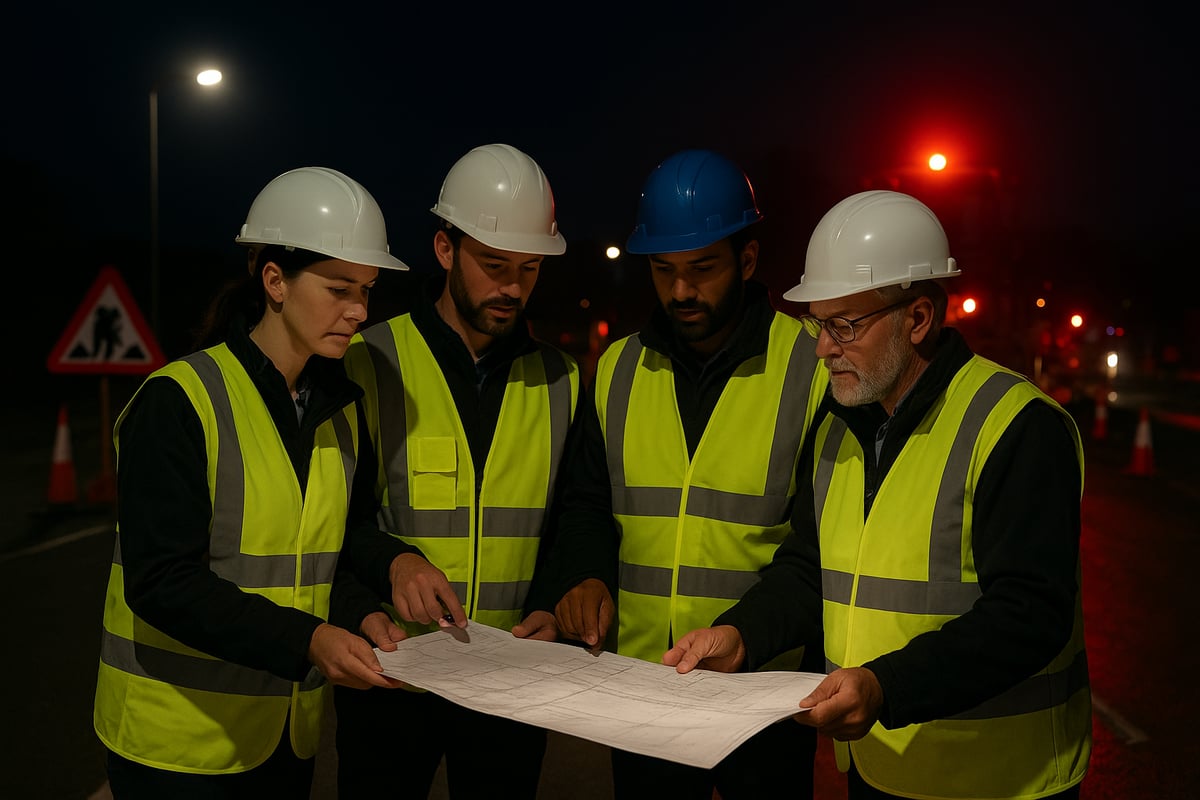
Delivering successful section 278 works depends on the coordinated efforts of several key stakeholders. Each group has distinct responsibilities and plays a crucial part in ensuring projects meet legal, technical, and community standards.
Developers and Their Responsibilities
Developers initiate section 278 works as a core part of bringing new housing or commercial projects to life. They are responsible for approaching the local highway authority early, ensuring all necessary agreements are in place before construction begins.
Key duties include:
- Funding all required highway improvements.
- Coordinating with consultants and contractors.
- Ensuring compliance with planning conditions and technical standards.
Developers must also manage project timelines effectively. Delays in section 278 works can impact overall delivery, so proactive engagement and clear communication are essential.
Local Authorities and Highway Teams
Local authorities act as guardians of the public highway network. Their teams are responsible for reviewing applications for section 278 works, granting technical approvals, and ensuring all proposals adhere to national and local standards.
Core responsibilities:
- Assessing submitted designs and safety audits.
- Overseeing construction to ensure compliance.
- Certifying completion and adopting the improved highway areas.
Authorities also play a vital role in public communication, helping to minimise disruption and address community concerns during works.
Approved Contractors and Consultants
Using accredited civil engineering contractors is mandatory for section 278 works. These specialists handle technical design, project management, and on-site construction. They ensure that all works meet the stringent requirements set by local authorities.
Typical roles include:
- Preparing detailed engineering drawings.
- Managing construction phases and traffic management.
- Conducting safety checks and quality assurance.
For projects in the North East, selecting experienced teams such as those highlighted on the Section 278 Works North East page ensures high standards and smooth delivery.
Utility Companies and Third Parties
Coordination with utility companies is often required during section 278 works, especially where existing services cross the development site. Utility providers may need to divert, upgrade, or protect their infrastructure.
Stakeholder management covers:
- Liaising with statutory undertakers for approvals.
- Scheduling works to minimise disruption.
- Ensuring compliance with safety and technical requirements.
Managing third-party interests early helps avoid costly delays and ensures seamless integration into the wider project.
Community and Road Users
The impact of section 278 works on local communities and road users cannot be underestimated. Effective public consultation and transparent communication are essential to maintaining trust and minimising inconvenience.
Best practices include:
- Issuing advance notices about planned works.
- Providing regular updates on progress.
- Addressing feedback or concerns promptly.
A collaborative approach fosters goodwill and supports the successful delivery of highway improvements for all stakeholders.
Costs, Timescales, and Funding for Section 278 Works
Understanding the financial and scheduling aspects of section 278 works is essential for developers, contractors, and local authorities planning highway improvements. These factors influence project feasibility, funding arrangements, and delivery success. Let us break down the main cost elements, how funding is arranged, typical timescales, and the most effective strategies for keeping section 278 works on track and on budget.

Typical Cost Components
The costs for section 278 works are shaped by several core elements. These usually include design fees, legal expenses, construction costs, site supervision, and contingency allowances. Each project’s complexity and scale will also affect the final price.
Here is a simplified table illustrating typical cost ranges for different project sizes:
| Project Size | Approximate Cost Range |
|---|---|
| Small (minor access) | £30,000 – £75,000 |
| Medium (junction upgrade) | £75,000 – £250,000 |
| Large (major highway works) | £250,000+ |
Key factors influencing costs are site constraints, traffic management requirements, and material choices. Developers should also account for fees payable to local authorities for technical approvals and inspections. For a detailed breakdown of fees and charges, see this Section 278 Agreement Costs resource from Barnsley Council.
Section 278 works may also incur additional costs such as utility diversions or land acquisition, depending on the site.
Funding Arrangements and Bonds
Section 278 works are typically funded by developers as a condition of planning consent. The local highway authority will require a legal agreement to be signed before any works can begin. This agreement sets out each party’s responsibilities and payment schedules.
A crucial part of the process is the requirement for a financial bond. This bond, often set at the full value of the proposed works, acts as a guarantee that the works will be completed to the required standard. If the developer fails to deliver, the authority can use the bond to finish the project.
Insurance and indemnity policies are also needed to protect all parties during section 278 works. Developers should factor these costs into their budgets when planning projects.
Timescales and Project Duration
The duration of section 278 works can vary depending on project complexity, site conditions, and approval processes. On average, the key stages include design and technical approval (2–6 months), legal agreement finalisation (1–3 months), construction and supervision (3–12 months), and final adoption (up to 12 months post-completion).
Delays may arise from protracted negotiations, technical queries, adverse weather, or unforeseen site issues. Early identification of risks and regular communication with all stakeholders are essential for minimising overruns on section 278 works.
Real-world examples show that small schemes may take under a year, while larger highway improvements can extend over several years.
Strategies for Cost Control and Efficiency
Cost control is a top priority for all parties involved in section 278 works. Early engagement with the local highway authority and clear project scoping can prevent unnecessary design changes. Value engineering—optimising the design for efficiency and sustainability—can reduce costs without compromising quality.
Appointing experienced and accredited contractors is vital. Their expertise helps identify and resolve issues before they escalate, ensuring section 278 works progress smoothly. Transparent project management, regular progress reviews, and proactive risk management all contribute to delivering projects on time and within budget.
By following these best practices, developers and local authorities can ensure that section 278 works are delivered efficiently, with costs and timescales kept under control.
Common Challenges and How to Overcome Them
Navigating section 278 works in the UK can be complex, with various obstacles arising during planning, design, construction, and stakeholder management. Understanding these challenges and knowing how to address them is vital for the successful completion of any project.
Technical and Design Issues
Technical complexities are a common challenge in section 278 works. Developers often encounter legacy infrastructure, unpredictable ground conditions, or the need to integrate modern standards with existing layouts. Design teams must ensure compliance with evolving highway regulations while accommodating constraints such as limited space or nearby utilities.
To overcome these hurdles:
- Conduct thorough site investigations early.
- Engage experienced civil engineers familiar with section 278 works.
- Use value engineering to optimise designs for cost and constructability.
Early identification and mitigation of technical risks can prevent costly redesigns or delays.
Legal and Regulatory Hurdles
Legal negotiations and regulatory compliance can prolong section 278 works. Developers and local authorities may face protracted discussions over responsibilities, liability, and performance bonds. Changes in planning policy or highway standards can also introduce uncertainty.
It is essential to stay informed about the latest requirements. Consulting detailed resources such as the Section 278 Agreements Overview can help clarify obligations and streamline agreement drafting. Early legal engagement and proactive communication with the highway authority are key to avoiding bottlenecks.
Construction and Site Management Problems
On-site issues are frequent in section 278 works, especially when dealing with traffic management and unforeseen ground conditions. Utility conflicts, adverse weather, or unexpected obstructions can disrupt schedules and increase costs.
Best practice includes:
- Using accredited contractors with proven experience in highway projects.
- Developing robust traffic management plans to minimise disruption.
- Coordinating closely with local authorities and utility providers.
For further insights into service delivery, explore Highways and Carriageways Services, which outlines best-in-class approaches for complex works.
Stakeholder Communication and Public Relations
Effective communication is critical during section 278 works, especially when projects impact local road users, businesses, or residents. Poor stakeholder engagement can lead to objections, delays, or reputational damage.
Strategies to improve public relations include:
- Hosting consultations to gather feedback and address concerns.
- Providing clear, timely updates about project timelines and disruptions.
- Appointing a dedicated liaison officer to handle enquiries.
Transparent communication builds trust and helps maintain positive relationships throughout the project.
Best Practices for Success
Success in section 278 works hinges on proactive risk management and strong partnerships. Early identification of challenges, combined with the use of accredited contractors and experienced consultants, significantly reduces the risk of overruns. Continuous monitoring, adaptability, and commitment to quality ensure every stage meets regulatory and stakeholder expectations.
Future Trends and Updates for Section 278 Works in 2026
The landscape of section 278 works is evolving quickly as we approach 2026. Stakeholders must keep pace with new regulations, digital innovation, and a growing emphasis on sustainability. Understanding these future trends is crucial for developers, local authorities, and contractors aiming for compliance and efficiency.
Regulatory Changes and Policy Updates
In 2026, regulatory frameworks for section 278 works will see several updates. National policy is expected to reinforce standards around road safety, accessibility, and sustainable design. Local authorities may introduce region-specific requirements, so staying informed is essential. For example, projects in Newcastle and other cities are adapting to new guidance, as outlined in the Newcastle Section 278 Works resource. Proactive engagement with evolving policies can prevent costly delays and ensure full compliance.
Digitalisation and Smart Infrastructure
Digital transformation is revolutionising section 278 works. Building Information Modelling (BIM) and cloud-based collaboration tools are streamlining design, submission, and approval workflows. Highways authorities increasingly require digital submissions, while remote monitoring enables real-time site management. These advances reduce errors and allow for faster decision making. By adopting smart infrastructure solutions, teams can deliver section 278 works more efficiently and with improved accuracy.
Sustainability and Environmental Considerations
Sustainability is now at the forefront of section 278 works. Future projects will incorporate low-carbon materials, permeable surfaces, and green infrastructure such as swales and rain gardens. Meeting ambitious environmental targets will require careful planning and innovative design. Greater scrutiny on lifecycle emissions and biodiversity means that section 278 works must balance functionality with environmental stewardship. Developers and contractors who prioritise sustainability will be better positioned for long-term success.
Evolving Stakeholder Expectations
Stakeholder expectations for section 278 works are changing rapidly. Communities, local businesses, and road users demand greater transparency, timely communication, and evidence of social value. Collaborative planning, public consultations, and clear updates are becoming standard practice. Authorities expect developers to demonstrate a commitment to minimising disruption and maximising community benefits. Meeting these higher standards is essential for securing approvals and maintaining positive relationships.
Preparing for the Future
To remain competitive, all parties involved in section 278 works should invest in continuous professional development and upskilling. Embracing new technologies and sustainable practices will help teams meet future challenges with confidence. Selecting partners with proven expertise in modern delivery methods ensures projects are future-ready. Forward-thinking strategies today will shape the success of section 278 works in 2026 and beyond.